
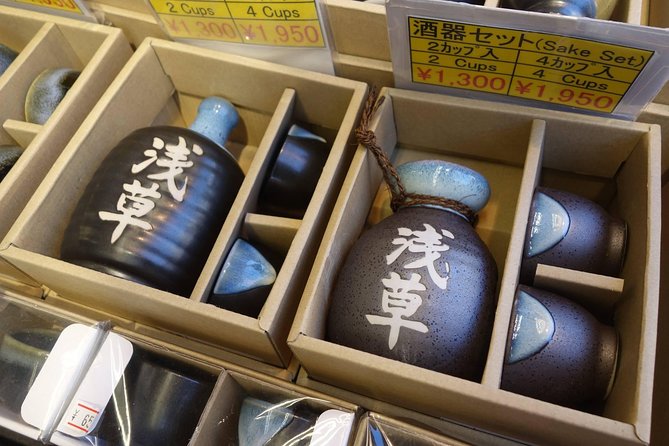
Reviewed · FOOD & DRINK IN TOKYO
Asakusa, Tokyo’s #1 Family Food Tour
Asakusa is one of Tokyo’s easiest places to get swept up in, and this tour turns that energy into something practical, food-first, and family-friendly. You get a short, well-paced afternoon that mixes Asakusa landmarks with small tastings you would likely miss on your own.
I like two things most. First, the group stays small, max 10 people, so you are not stuck watching others eat. Second, you get a real meal, lunch included, built around regional flavors from southern Japan, not just random bites.
One thing to consider is that this is a walking and tasting plan, and the tour depends on good conditions. On a hot day, heat and humidity can be intense, but guides have handled that well, including providing cooling items when temperatures were around 35C.
Key Highlights You Should Know
- Max 10 people for a more personal pace through Asakusa
- Five food stops plus lunch, not just snacks and photos
- Southern Japan lunch alongside seasonal regional tastings
- Melon pan and matcha tea (or ice cream) to finish the food run
- Start at the Asakusa Culture Tourist Information Center, so you get quick orientation fast
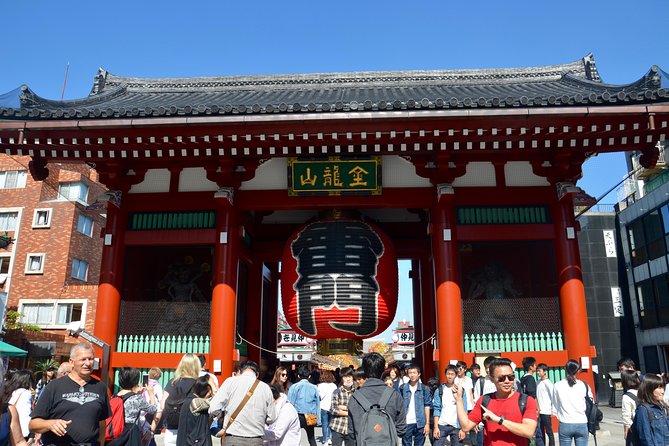
- Landmark stops like Kaminari-mon and Senso-ji without long detours
Asakusa on a Time Budget: Why This 3-Hour Food Loop Works
If you have limited time in Tokyo, Asakusa is a smart pick. It has famous sights, but it also has side streets where the everyday food habits live. This tour does a good job of balancing the two, so you are not spending your whole afternoon only lining up at big attractions.
The route is designed to move you efficiently, with guide help for getting from one tasting area to the next. That matters in a neighborhood like this, where streets can twist and signage can be a puzzle when you are hungry. You get to sample multiple regional foods while still seeing the main gates and temple area.
This is also an approach that works for food lovers and regular sightseers. You are not choosing between eating and walking. You do a bit of both, and the food stops are the reason you go down certain alleys instead of just drifting through.
More Food & Drink in Tokyo
- Tokyo: Shinjuku Food Tour (13 Dishes at 4 Local Eateries)
★ 5.0 · 6,603 reviews - Tokyo Tsukiji Fish Market Food and Culture Walking Tour
★ 5.0 · 3,184 reviews - Tokyo: Shinjuku Food Tour (15 Dishes and 4 Eateries)
★ 4.9 · 2,033 reviews
Meeting at the Asakusa Culture Tourist Information Center
Your tour starts at the Asakusa Culture Tourist Information Center, address 2-chōme-18-9 Kaminarimon, Taito City, Tokyo 111-0034. The listed start time is 11:00 am, and the first stop is about getting your bearings.
I like this kind of kickoff because it reduces the stress of figuring out where you are before you have food in your hands. You get a district overview right away, which makes the rest of the walk make sense. After that, you are free to focus on what you are eating and what you are seeing.
Another practical upside: this meeting point is easy for public-transport connections, and the tour uses a mobile ticket, which is simple for most phones. If you are traveling with kids, this early orientation can help keep everyone calmer before you hit the main crowds near the temple.
Asakusa District Tastings: Side Streets That Feel Like Local Life
Once you are moving, the heart of the experience is the walking plus tastings around Asakusa. The tour is built around several stops chosen by your local English-speaking guide, and the whole idea is to help you reach food spots without wasting time searching.
This is where the small group size shows its value. With up to 10 people, you are more likely to keep a steady pace, ask questions, and actually hear the stories your guide shares. One of the strongest review themes tied to guides like Michie and Wesley is that they are patient and attentive, and that they keep things friendly even when conditions are challenging.
You should expect seasonal variation in what you eat. The tour notes examples like Japanese plums, pickles, rice crackers, and tea, but substitutions can happen based on what is in season. That is normal in Japan, and it is also a good reminder that the tour is about learning how regional flavors show up, not collecting a fixed checklist.
If you have any dietary needs, the tour is listed as vegetarian and pescetarian friendly. Still, it helps to communicate your preferences clearly at booking so the guide can plan tastings that fit.
Kaminari-mon: A Quick Landmark Check Before the Food Zoom
You will pass through Kaminari-mon, the big thunder gate, and it is one of those moments in Tokyo that works even if you only spend a short time there. The tour doesn’t turn this into a long sightseeing detour, which keeps your afternoon focused on the food plan.
Think of this stop as a visual anchor. When you later taste things in the temple-area lanes, you connect the smells and stalls to the place you are standing. It makes the whole experience feel more grounded in the neighborhood.
It is also a useful pause point if you are traveling with family. The stop is brief, so kids can look, point, and move on. For adults, it keeps the schedule from slipping too far into peak crowds.
A change of pace from Tokyo:
- Mt Fuji and Hakone 1-Day Bus Tour Return by Bullet Train
★ 5.0 · 26,383 reviews - 1-Day Tokyo Bus Tour
★ 5.0 · 14,250 reviews - Tokyo: TOKYO SKYTREE® Admission ticket
★ 4.5 · 11,192 reviews - Tokyo: teamLab Planets TOKYO Digital Art Museum Entry Ticket
★ 4.6 · 9,779 reviews
Senso-ji and Nakamise Street: Where the Stories Land
Senso-ji is the big magnet in Asakusa, and this tour handles it in a smart way. Your guide shares hidden secrets of Sensoji and talks about the neighborhood feel of shitamachi, which is downtown Tokyo. Even if you already know Senso-ji is famous, the added context helps you see it differently.
You also end up near Nakamise Street, which is the classic shopping and snack corridor. The tour plan wraps up at a central ending location at the main gate area, so you can keep exploring after you finish.
One caution: Nakamise and the temple approach areas can be crowded. This tour keeps your time there purposeful, but you will still feel the energy of peak Asakusa. Wear comfortable shoes, and keep your phone accessible if you want to compare what you just ate with what you see for sale.
What You Actually Eat: Plums, Pickles, Rice Crackers, Tea, Ice Cream
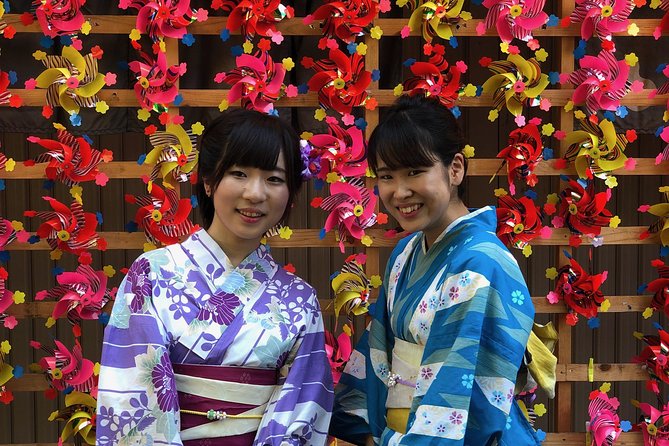
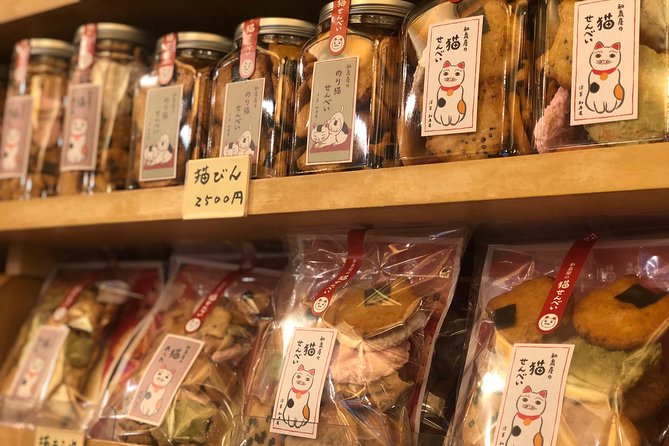
The food plan is built around multiple tastings, and the tour spells out several examples. You can look forward to regional bites like Japanese plums, pickles, rice crackers, and tea, plus treats such as ice cream and melon bread.
Here is why that mix is more interesting than it sounds. In Japan, these foods are often tied to different tastes and textures. Pickles bring tang. Rice crackers bring crunch. Tea changes how sweet or savory flavors land in your mouth. Plums add a fruit note that feels light compared to heavier desserts.
The tour also notes you will get a drink included. The ending includes matcha tea (or ice cream) depending on timing and what is available. If you are a matcha fan, you are in the right place. Even if you are not, the tea pairing helps you understand why matcha is a daily ritual ingredient, not just a cafe trend.
Because seasonal changes happen, do not expect every single example every time. Use the flexibility as part of the experience. You are really learning how regional snack traditions can show up in one afternoon.
Lunch From Southern Japan: The Meal That Changes the Mood
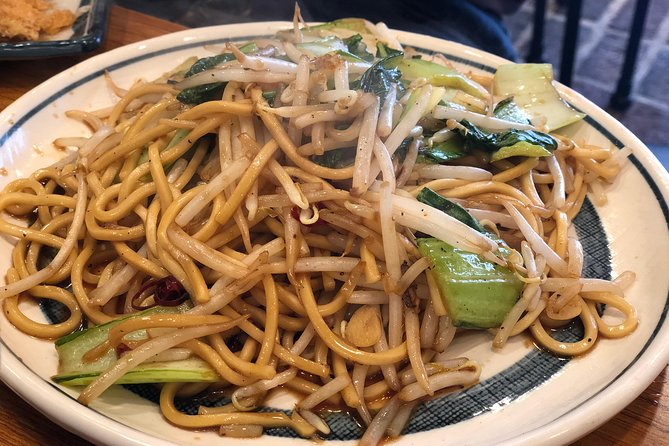
The biggest quality-of-life upgrade in this tour is that it includes lunch. A lot of food tours are mostly tasting snacks that can leave you still hungry. Here, the tour explicitly includes a traditional Japanese lunch with cuisine from southern Japan, then continues with dessert-style tasting items afterward.
Southern Japan flavor tends to feel different from what many people expect in Tokyo. You are often looking at lighter seasoning, different pickling styles, and distinct ingredients that show up more in warmer regions. Even without a specific menu guarantee in the tour details, the intent is clear: you are not just eating what is easiest to sell near a landmark, you are being guided to a meal tied to regional identity.
The tour also frames lunch as the moment where the afternoon becomes a true meal, not just sampling. After lunch, you are better able to keep walking and handle sweetness like melon pan without getting overwhelmed too early.
If you are the type who needs a proper break to recharge, this is a good option. The tour still stays around 3 hours total, so you are not losing a whole half-day, but the included lunch helps you feel like you got real value.
Melon Pan and Matcha Tea (or Ice Cream): The Ending That Feels Earned
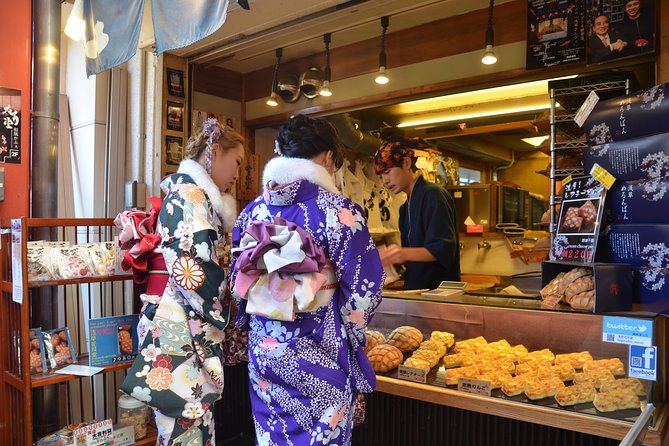
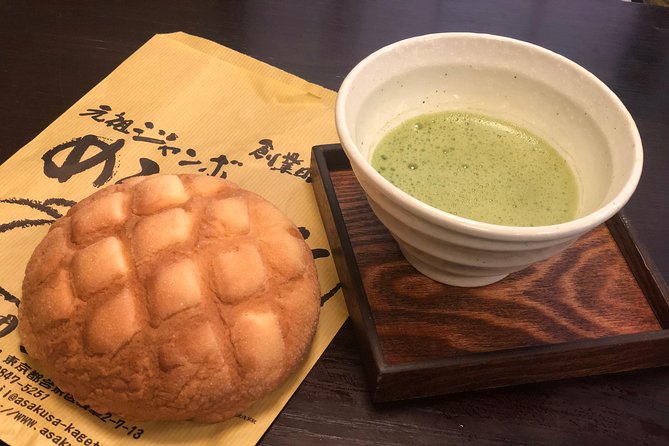
One of the standout parts is the dessert finish. The tour lists melon pan as a must-try item, plus the ending includes matcha tea (or ice cream). This is a satisfying close because it mirrors how Japanese sweets often work: pastry sweetness plus a tea or frozen dairy finish.
Melon pan has that crisp, sweet surface and a soft interior, and it is one of those snacks that tastes better when you can compare it to other treats you had earlier. If you had pickles and savory bites first, the sweetness later hits differently, in a good way.
Then you end with a drink choice, matcha tea or ice cream. The tour says it is subject to what the plan offers on the day. Either way, it gives you a clean finish line. Your guide drops the group off at a central spot, and you can decide how long you want to linger around Senso-ji and Nakamise Street after the food portion ends.
Guides, Group Size, and Comfort in Real Tokyo Weather
This tour limits groups to 10 people, and that is a big deal for a food experience. With fewer people, your guide can keep timing smoother. You also get more chances to ask questions without feeling like you are interrupting.
The human touch matters here. Guides such as Michie and Wesley are described as personable, knowledgeable in their explanations, and patient. A practical detail that stood out: on a very hot, humid day (around 35C with high humidity), they even provided cooling items to help the group stay comfortable.
That kind of care is not just nice. It directly affects how well you can enjoy tastings. If you are worn out from heat or discomfort, your ability to taste subtle differences drops fast. So it is worth taking the fitness note seriously. The tour indicates you should have a strong physical fitness level, which makes sense given the walking involved plus multiple stops.
Bring a water bottle, wear breathable clothes, and plan for sun or rain. Also remember the tour requires good weather. If weather is poor, you may be offered a different date or a full refund.
Price and Value at $221: What You Are Paying For
At $221 per person, this is not a bargain-basement street food stroll. You are paying for guided route planning, a small group, multiple tastings, and an included lunch plus dessert and a drink.
Here is the value logic. Food tours often fail when they deliver only small samples and you still feel like you need to find dinner. This one builds in a real meal, plus several additional tastings. You are also getting context, stories, and a shortcut through the parts of Asakusa that can be hard to navigate when you do not read signs easily.
You also get a local English-speaking guide included, and the tour includes a set structure of about 5 food stops including lunch. When you compare that to buying items one by one on your own, the cost feels more reasonable because you are paying for selection, pacing, and time savings.
One more pricing reality check: the tour is typically booked about 54 days in advance on average. If you want a specific date, try not to wait until the last minute, especially if you are traveling during busier periods.
Who This Tour Fits Best, and Who Might Skip It
This is a great match if you want Asakusa food with structure. If you like street food, but you also want a guide to help you connect what you are eating with the neighborhood, you will probably enjoy the way this tour flows.
It also makes sense for families since it is listed as family-friendly and works for children with adult accompaniment. There is a note that passport information is required for kids aged 10 and above, so plan that paperwork early.
You might skip it if you strongly prefer self-guided wandering with no schedule at all. This tour is built around timing, tastings, and landmark moments. Even though it includes time to explore the neighborhood feel, it is still a guided plan.
If you are extremely sensitive to crowds, the temple area is famous and busy. The tour does not ignore that reality. Instead, it keeps your stops efficient so you can enjoy the experience without losing the whole afternoon in lines.
Should You Book This Asakusa Family Food Tour?
Book it if you want an afternoon that hits three goals at once: good Asakusa orientation, a set run of regional foods, and an included lunch that keeps you satisfied. The small group size, up to 10 people, is a real quality upgrade, not a marketing detail.
Also book if you appreciate practical food planning. Seasonal substitutions happen, but the tour is designed to keep you eating across different tastes, including pickles, plums, rice crackers, tea, melon pan, and matcha tea (or ice cream).
If you are on a tight budget and only want to sample a few snacks, you might decide to go cheaper on your own. But if you want time saved, local context shared, and a meal included, the $221 price starts to look like you are paying for convenience and guided selection, not just food.
FAQ
Where does the tour start and when does it begin?
The tour starts at the Asakusa Culture Tourist Information Center, address 2-chōme-18-9 Kaminarimon, Taito City, Tokyo 111-0034, Japan. The start time is 11:00 am.
How long is the experience?
The tour runs about 3 hours (approx.).
What is included in the price?
It includes 5 food stops including lunch, regional food tastings, dessert, one drink, and a local English-speaking guide. You also get a mobile ticket.
Is the tour family-friendly, and are children allowed?
Yes, it is family-friendly. Children must be accompanied by an adult, and passport information copy is required for kids 10 and above.
Is the food tour vegetarian or pescetarian friendly?
The tour is listed as vegetarian, pescetarian friendly. You should still confirm details during booking so tastings work for your needs.
What is the group size and are there any minimum booking rules?
The tour has a maximum of 10 travelers. A minimum of two people per booking is required, and if that minimum is not met, you may be offered a different date or experience or a full refund.
Latest write-ups near Tokyo
- Tokyo Nights: Shibuya Photo Adventure★ 5.0 · 20 reviews
- Wagyu & Sake 8 Course Tasting Dinner in Shinjuku★ 4.9 · 20 reviews
- Making Japanese desserts Nerikiri & drinking matcha in Tokyo★ 5.0 · 20 reviews
- Japanese Whisky Hunting《HIGH-QUALITY-ONLY》Rare Tasting Class★ 5.0 · 20 reviews
- Mt. Fuji 5th Station, Owakudani Ropeway, Pirate Ship plus Outlet shopping!★ 4.5 · 20 reviews
- Kintsugi Experience with Arita Ware in Tokyo (English Guide)★ 4.8 · 20 reviews
- This is Asakusa! A Tour Includes the All Must-Sees!★ 5.0 · 20 reviews
- Tokyo: Karate Experience with Former All-Japan Champion★ 5.0 · 20 reviews
Food & Drink in Tokyo, compared.
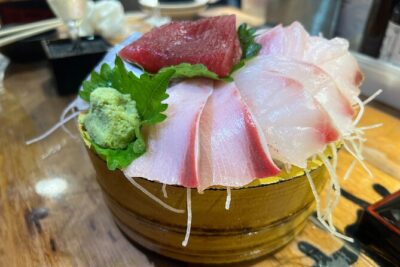
Shinjuku Food Tour (13 Dishes at 4 Local Eateries)
Read our review →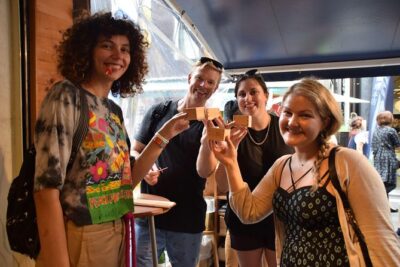
Tokyo Tsukiji Fish Market Food and Culture Walking Tour
Read our review →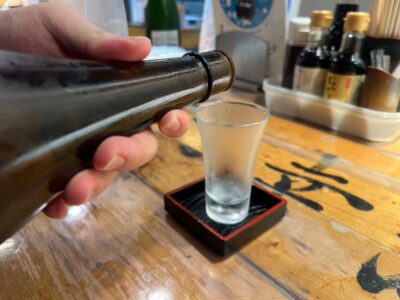
Shinjuku Food Tour (15 Dishes and 4 Eateries)
Read our review →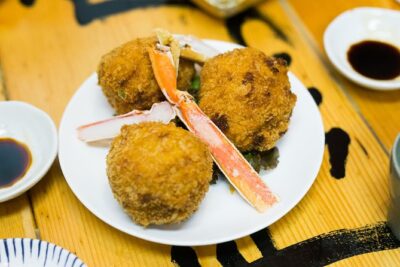
Best of Shinjuku: Izakaya Food Tour (4 Stops, 14+ Tastings)
Read our review →

Eat and Drink Like a Local: Tokyo Ueno Food Tour-Taverns&Ramen
Read our review →
Tsukiji Fish Market: Street Food & Culture Walking Tour
Read our review →Browse the lists this tour appears in