
Reviewed · FOOD & DRINK IN TOKYO
Old Town Tokyo Food Tour
Old Town Tokyo Food Tour is a great way to slow down in Yanaka (Yanesen), one of Tokyo’s oldest neighborhoods that has kept its older streets and temple-lined feel. I especially like that the tour includes a Teishoku lunch with regional specialties, so you’re not just collecting bites while you walk. I also like the built-in wagashi and tea experience, which gives the food stops context instead of feeling random.
One thing to consider is that this is a walking food tour through old streets and temple areas, so it’s best if you’re comfortable moving at a moderate pace for about 3.5 hours.
Key things to know before you go
- Small group size (max 10) helps the local English-speaking guide keep things personal.
- 6 food stops plus lunch means you’ll actually eat, not just snack for an hour.
- Teishoku lunch with Kyushu specialties gives you a meal that feels like a planned experience.
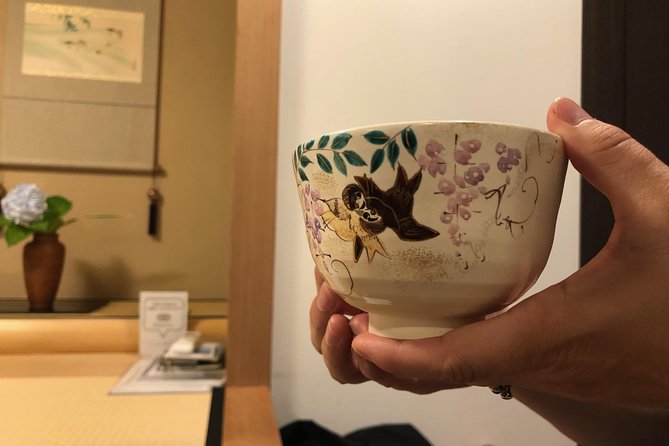
- Wagashi and tea ceremony experience connects the sweets to a real cultural ritual.
- Yanaka Ginza and local temple stops mix classic street atmosphere with quieter historical spaces.
- Mobile ticket and a clear start point make it easier to meet up without stress.
Yanaka Food Tour, the calm Tokyo option
Tokyo can be loud, fast, and always moving. This tour is interesting because it puts you in Yanaka, a district known for its older-town vibe and for surviving major disasters that shaped modern Japan. You get to see a neighborhood that feels less like a theme park and more like a place where daily life continues around the temples, old shops, and small side streets.
What makes this work well for most visitors is the mix. You’re not only hunting food, you’re learning how people in this part of Tokyo think about meals, tea, and local flavors. The guide keeps the story going between stops, so the tour feels like one flowing walk instead of a list of places where you try something and move on.
And because the group is capped at 10, you’ll get the space to ask questions without feeling rushed. That matters on a food tour, where it’s easy to lose track of what you’re eating if the pace is too quick.
More Food & Drink in Tokyo
- Tokyo: Shinjuku Food Tour (13 Dishes at 4 Local Eateries)
★ 5.0 · 6,603 reviews - Tokyo Tsukiji Fish Market Food and Culture Walking Tour
★ 5.0 · 3,184 reviews - Tokyo: Shinjuku Food Tour (15 Dishes and 4 Eateries)
★ 4.9 · 2,033 reviews
Pricing and what you’re really paying for
At $231 per person for about 3 hours 30 minutes, the price is not “cheap-snack” territory. It is the kind of rate you pay for structure: a licensed-feeling guiding approach, multiple included tastings, and a real sit-down lunch, plus the tea and wagashi experience.
Here’s how I’d think about value. You’re getting:
- Lunch in a restaurant
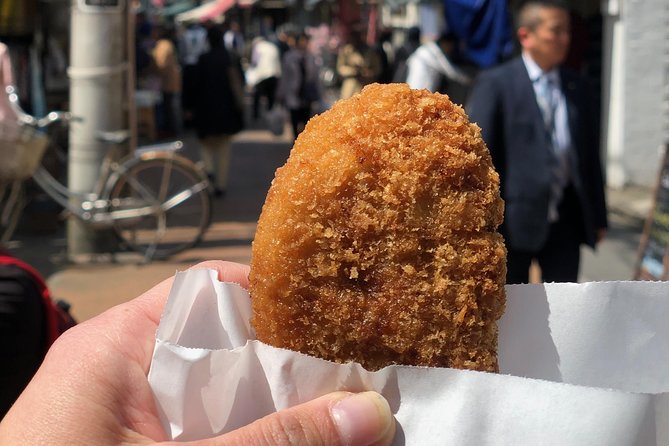
- Dishes and drinks at 6 food stops
- Wagashi and tea experience
- Shopping time
- A local English-speaking guide
On top of that, the tour is family-friendly, and it lists that it’s vegan, vegetarian, pescetarian, and gluten-free friendly. If you’ve ever tried to cobble together a food day on your own with dietary restrictions, the convenience factor alone is worth something.
If you plan to buy extra drinks or additional food beyond what’s included, you should budget for that, since additional drinks or food are not included. But as long as you treat this like the main meal plan for the day, the inclusions make more sense.
Meet at Coffee Room Renoir Nippori Yanaka, then walk into Yanaka
Your day starts at Coffee Room Renoir Nippori Yanaka in Yanaka, Taito City, with a 10:30 am start. The meeting point is specific enough that you can locate it, and the tour is described as near public transportation, which is exactly what you want in Tokyo. You’ll meet your guide, then set off on the walk right away.
This matters because it shapes the whole experience. Instead of spending time figuring out directions and ordering in a language barrier bubble, you get guided movement. I like tours where you get your bearings quickly, and this one does that by starting you in the neighborhood and then feeding you information while you go.
The temple-and-street mix: Tennō-ji to Kyōōji Temple
Early in the tour, you’ll make stops that shift you from lively street energy into quieter, more reflective spaces. The itinerary includes Tennō-ji and Kyōōji Temple, and those breaks are more than a scenic pause.
Why they’re valuable: food culture in Japan is deeply tied to seasonality, rituals, and place. Temples and older areas help you understand that the neighborhood is not only a backdrop. It’s a living context. Your guide is there to connect the cultural dots while you’re already in motion, so you’re not forced to memorize facts in a classroom way.
In practice, these temple stops are also a chance to slow your pace. If you’re doing this after a couple days of intense sightseeing, this part can feel like a reset button. You’ll still be walking, but the atmosphere changes, and that makes the food later feel more satisfying.
A change of pace from Tokyo:
- Mt Fuji and Hakone 1-Day Bus Tour Return by Bullet Train
★ 5.0 · 26,383 reviews - 1-Day Tokyo Bus Tour
★ 5.0 · 14,250 reviews - Tokyo: TOKYO SKYTREE® Admission ticket
★ 4.5 · 11,192 reviews - Tokyo: teamLab Planets TOKYO Digital Art Museum Entry Ticket
★ 4.6 · 9,779 reviews
Yūyake Dandan, Yanaka’s distinct neighborhood feel
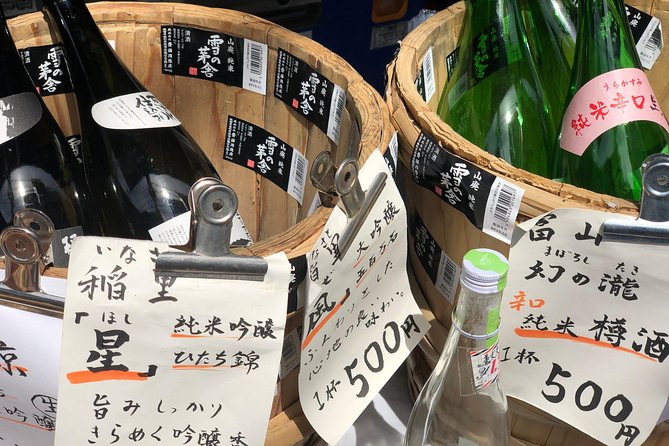
Next up is Yūyake Dandan. Even without needing a detailed explanation, the value here is the way Yanaka’s personality shows through. Places like this tend to be part of the neighborhood’s everyday walking routes, which means you get a feel for how locals experience the area, not just how visitors see it.
This is one of those stops where the guide’s interpretation helps. You’re walking through the textures of the district, and your guide can point out the small cues that explain why Yanaka has kept its character.
If you like photography, you’ll probably find moments here where the streets and slopes look different than the postcard views of central Tokyo. If you don’t care about photos, you’ll still appreciate the pacing change before you hit more food-focused areas.
Yanaka Ginza and the shopfront stories
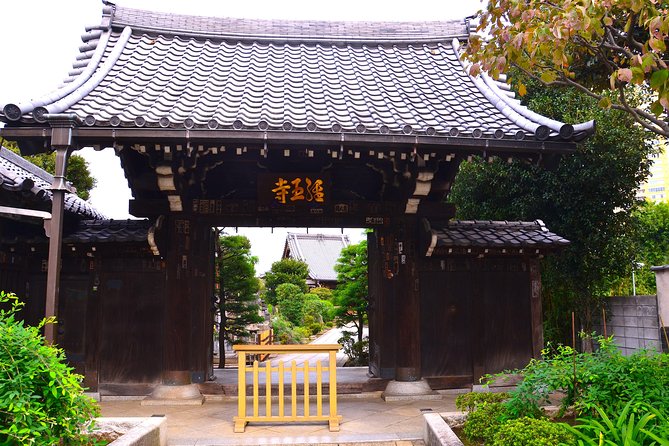
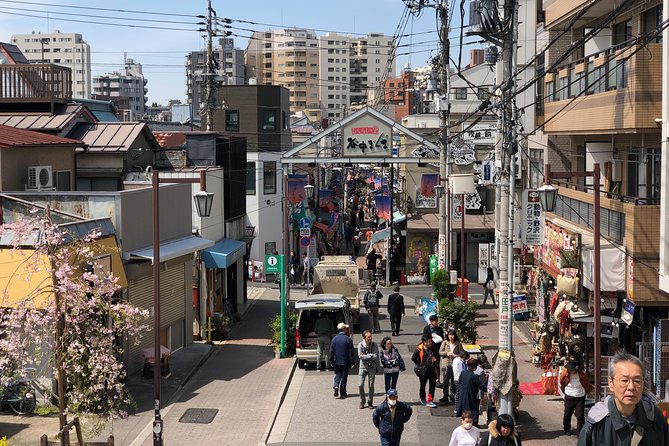
After the quieter temple rhythm, the tour shifts into Yanaka Ginza, where you visit small shops with history and try local specialties. This is a strong part of the tour because it’s not only about eating. It’s about understanding the neighborhood economy and how food shops fit into everyday life.
In Tokyo, shopping streets can sometimes blur together. What helps here is the emphasis on history and local specialties rather than trendiness. You get a chance to try things you might not seek out on your own, especially if you’re trying to keep the day efficient.
I also like that the tour includes shopping time. Food tours can sometimes turn into a quick grab-and-go style. Here, the tour gives you time to actually look around, compare what you taste, and pick up something you can take home.
Yanaka Cemetery Park and Okakura Tenshin Memorial Park pauses
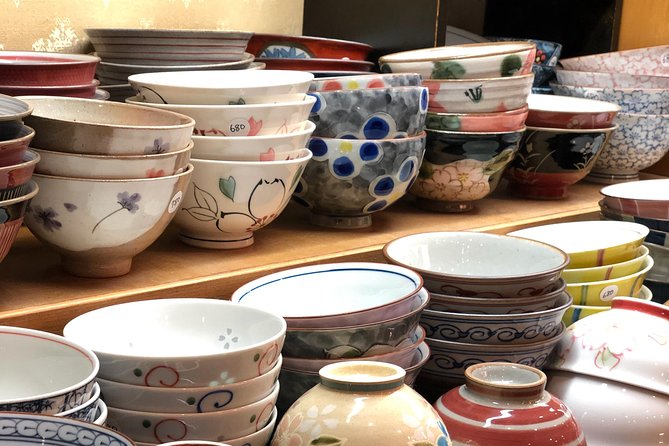
The itinerary continues with Yanaka Cemetery Park and Okakura Tenshin Memorial Park. Parks like these can feel surprising if you’re expecting only storefronts and snack stops. But that contrast is part of why this tour is memorable.
These pauses do two helpful things:
- They give your body a break from constant walking.
- They widen the story beyond food into culture and place.
Cemetery-related parks and memorial spaces often change how you view a neighborhood. They can make Tokyo feel less like an endless city grid and more like a place with layered memory. And in a food tour, that emotional shift is useful. Later bites feel more meaningful because you’re not only chasing flavors, you’re absorbing context.
Teishoku lunch with Kyushu specialties: the meal that anchors the tour
The centerpiece of the food experience is the Teishoku lunch featuring regional specialties from Kyushu Island. Teishoku style meals are great for visitors because they’re structured and balanced: you typically get multiple components in one set, not just a single dish.
Why I like this approach for a short half-day tour: lunch becomes your anchor meal. Instead of constantly wondering if you’re eating enough or if the snacks are adding up to a real meal, you know the plan. Plus, Kyushu specialties let you taste something you might not bump into every day during a Tokyo-only itinerary.
Also, a restaurant lunch included in the price makes the tour easier to manage. You’re not forced to scan menus, guess at portion sizes, or worry you’ll run out of food budget mid-walk.
Wagashi and tea experience, plus the quiet ritual moment
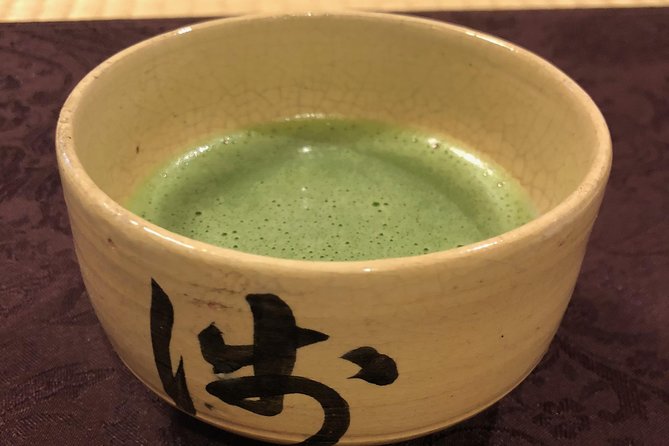
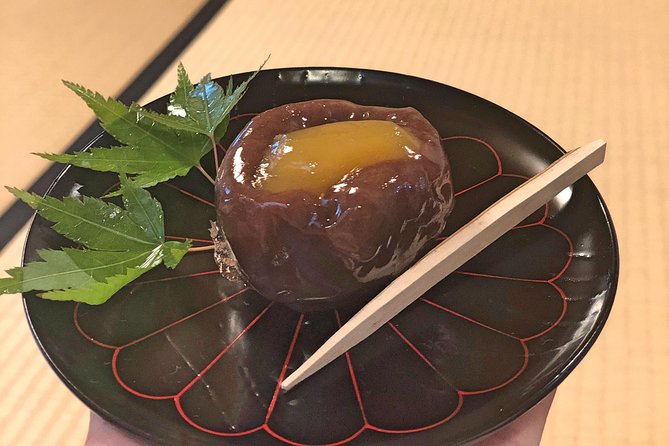
One of the most praised parts of this tour is the tea ceremony style experience and the included wagashi sweets. Even if you think you know what tea means, this type of stop tends to reset your expectations. It’s not just a drink. It’s a small ritual that connects sweetness, timing, and attention.
This is where the guide really matters. A guide named Sandra was highlighted as especially effective at leading the tea ceremony and keeping it smooth and enjoyable. Even when ceremonies follow a standard pattern, how you’re guided through it changes how comfortable you feel participating.
What you should expect from a practical standpoint: you’ll get time to taste the wagashi and experience tea in a way that’s meant to be understood, not just observed. This also helps you slow down after the food stops so you can appreciate the flavors instead of chasing the next sample.
Food stops and drinks: how to eat without feeling stuffed too fast
The tour includes dishes and drinks at 6 food stops, plus lunch. That means you’ll be sampling more than you could on a self-guided walk, and you’ll likely try more variety than you planned.
Here’s how I recommend handling it so you stay comfortable:
- Take small bites when offered samples, then decide if you want the full version later.
- Drink water between stops if you can. Tea is great, but it can stack up if you’re also drinking other beverages.
- Save room for lunch. On this tour, the lunch is a real event.
Because the guide is local and the day is timed for about 3 hours 30 minutes, the food pacing is usually set up to keep you from reaching a wall where you cannot enjoy anything else. Still, your appetite and how you handle salty foods may affect your pace, so plan to move steadily and stop when you need to.
Who this tour suits best
This is a good match if you want:
- An authentic Yanaka experience, not a rushed checklist in a crowded area
- A food day with cultural stops, including temples and memorial parks
- Included eating that works even if you’re picky about dietary needs (the tour lists vegan, vegetarian, pescetarian, and gluten-free friendly)
- A small group setting, max 10, with a local English-speaking guide
- A family-friendly half-day format
It’s also a solid choice if you’d rather spend your effort on eating well and learning a bit, instead of bouncing between five different neighborhoods in one day.
A few practical tips so your day goes smoothly
- Wear comfortable shoes. Yanaka is about walking, and older streets can be uneven.
- Bring a small bottle of water. The tour includes drinks at food stops, but you may want your own for comfort.
- Expect good weather. This experience is noted as requiring good weather, and if it’s canceled due to poor conditions, you’ll get a different date or a full refund.
- If you have dietary needs, confirm them when booking. The tour states it is friendly to several diets, but you should still line up specifics ahead of time so the kitchen can plan.
Should you book the Old Town Tokyo Food Tour?
I think you should book this tour if you want a thoughtful Tokyo food day anchored in Yanaka and you like the idea of combining eating with cultural stops and a real tea and wagashi moment. The value is strongest because so much is included: lunch, 6 food stops, drinks, and the tea experience, all guided by someone who can explain what you’re seeing.
Skip it if you dislike walking, or if you prefer a purely self-guided food crawl where you control every step and every menu choice. Also, since it depends on good weather, have a flexible plan if you’re traveling at a time when rain is common.
If you like your food tours with a point of view, this one gives you that, in a neighborhood that still feels like it belongs to people, not just visitors.
Latest write-ups near Tokyo
- Tokyo Nights: Shibuya Photo Adventure★ 5.0 · 20 reviews
- Wagyu & Sake 8 Course Tasting Dinner in Shinjuku★ 4.9 · 20 reviews
- Making Japanese desserts Nerikiri & drinking matcha in Tokyo★ 5.0 · 20 reviews
- Mt. Fuji 5th Station, Owakudani Ropeway, Pirate Ship plus Outlet shopping!★ 4.5 · 20 reviews
- Japanese Whisky Hunting《HIGH-QUALITY-ONLY》Rare Tasting Class★ 5.0 · 20 reviews
- Kintsugi Experience with Arita Ware in Tokyo (English Guide)★ 4.8 · 20 reviews
- This is Asakusa! A Tour Includes the All Must-Sees!★ 5.0 · 20 reviews
- Tokyo: Karate Experience with Former All-Japan Champion★ 5.0 · 20 reviews
Food & Drink in Tokyo, compared.
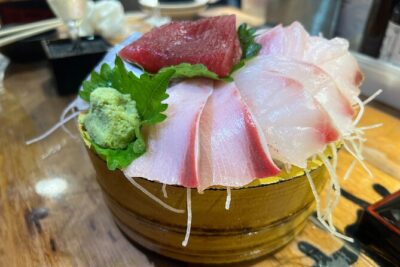
Shinjuku Food Tour (13 Dishes at 4 Local Eateries)
Read our review →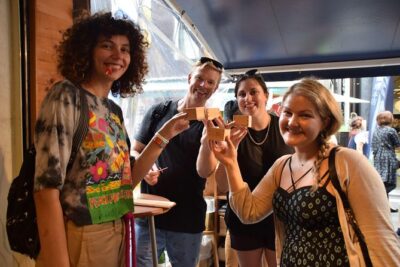
Tokyo Tsukiji Fish Market Food and Culture Walking Tour
Read our review →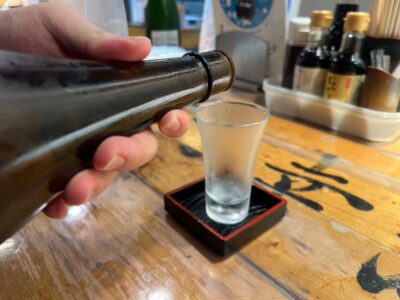
Shinjuku Food Tour (15 Dishes and 4 Eateries)
Read our review →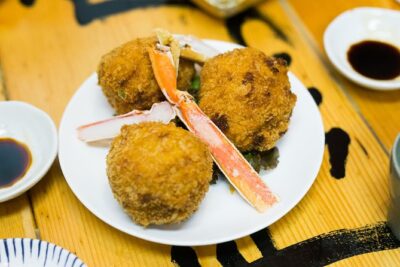
Best of Shinjuku: Izakaya Food Tour (4 Stops, 14+ Tastings)
Read our review →

Eat and Drink Like a Local: Tokyo Ueno Food Tour-Taverns&Ramen
Read our review →
Tsukiji Fish Market: Street Food & Culture Walking Tour
Read our review →Browse the lists this tour appears in