
Reviewed · GEISHA & GION TOURS
Kyoto: Lunch or Dinner with Maiko
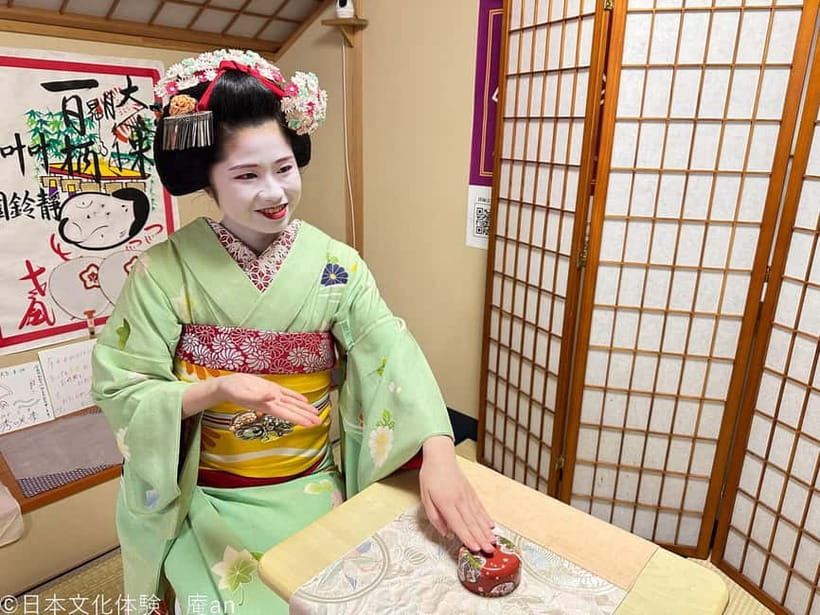
Kyoto: Lunch or Dinner with Maiko is interesting because you are not just watching a performance, you are getting close enough to ask questions and interact. You get two traditional Maiko dances and a photo right beside her, plus a small lucky charm to take home. It is also a very practical way to experience Kyoto culture in a short time.
What I especially like is the mix of respectful tradition and real human conversation. You’ll see a tea ceremony demonstration and then have a Q&A session where you can learn what daily life as a Maiko is really about. One possible drawback: the venue is not an ochaya house, and the dinner setup and room feel can be more functional than atmospheric, so set your expectations accordingly.
Key Things You Should Know Before You Go
- Meet-and-ask Q&A time: You are not limited to watching from afar.
- Photo beside the Maiko: Expect a close, guided photo moment.
- Senjafuda lucky charm: A small gift is part of the program flow.
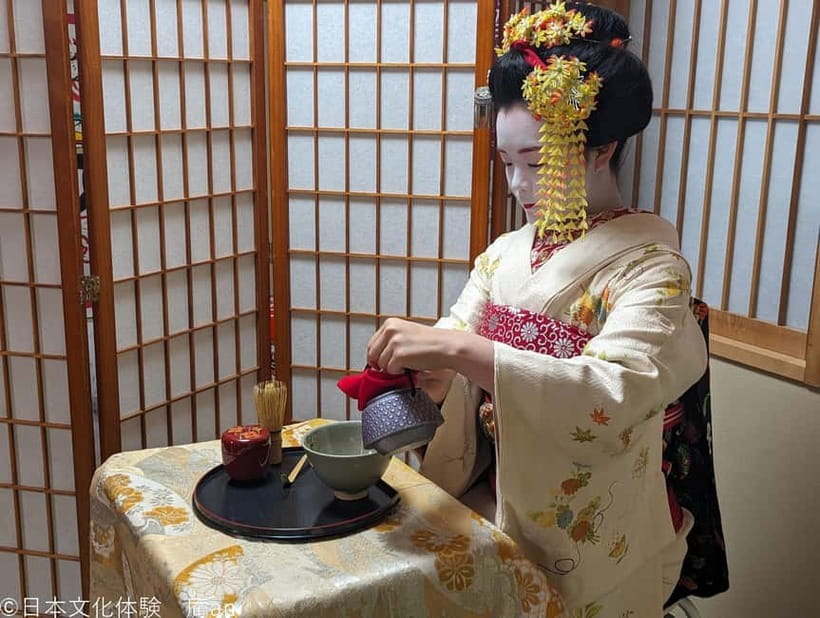
- Tea ceremony focus: You’ll watch the etiquette up close, with an optional hands-on add-on.
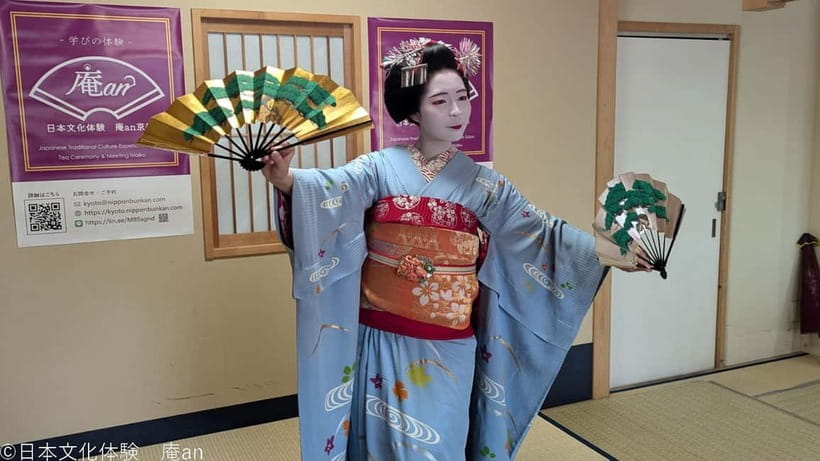
- Two dance performances: Moves tied to seasons, love stories, or everyday life.
- Interactive game moment: Simple, guest-friendly play with clap-and-cheer energy.
Kyoto Maiko Dinner in 90 Minutes, the Real Value of the Show
This is a short program, 90 minutes, built around one goal: helping you understand Maiko as a living tradition, not a costume you look at and forget. You’ll spend time with a performer dressed in exquisite kimono and styled hair, then learn about routines and meaning through conversation.
The big value is the blend of forms. You get culture for your eyes (dances, tea etiquette), for your ears (Q&A), and for your taste buds (a traditional Kyoto meal). That combination is why this works well if you are trying to fit Kyoto highlights into a busy itinerary.
More Dining Experiences in Kyoto
- Kyoto Gion Cultural Walk & Geisha Show with Dining Options
★ 5.0 · 518 reviews - Kyoto Gion Cultural Walk & Geisha Show with Dining Options
★ 5.0 · 483 reviews - Dinner with Maiko in a Traditional Kyoto Style Restaurant Tour
★ 5.0 · 175 reviews
Getting There From Gojo Station, and Why the Building Matters
You’ll meet at a spot that is about a one-minute walk from Exit 1 of the Subway Karasuma Line Gojo Station. The entrance faces Gojo-dori, so you should not have trouble orienting yourself.
One logistics thing to plan for: there is no elevator. You will take stairs to reach each venue space. If you have mobility limits, that matters more than people expect.
Also, the experience runs on schedule. They say they cannot hold the event for delays, so give yourself buffer time getting there. If you are visiting Kyoto during peak travel hours, I would arrive early just to avoid stress.
Tea Ceremony Demonstration, Then Kyoto Cuisine With Dashi and Shidashi
The program starts with a tea ceremony demonstration by the Maiko. Even if you do not choose the hands-on tea option, you can learn a lot just by watching the etiquette and watching how the movements are controlled and deliberate. If you want to try making tea yourself, there is an add-on option for 1,600 JPY.
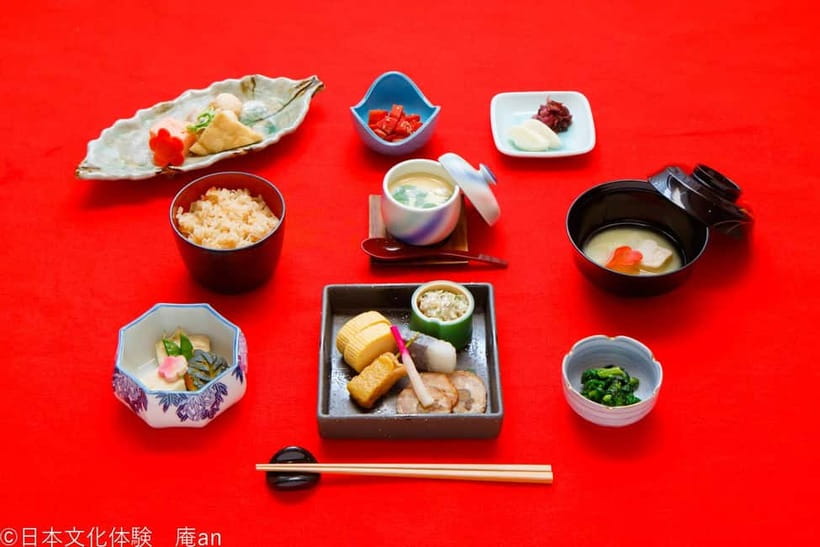
After that, you transition into dinner prepared by a long-established Kyoto restaurant. Kyoto cuisine relies heavily on dashi, and you’ll notice it in the flavor profile. Dashi is the soup stock foundation that helps Kyoto dishes feel clean, subtle, and layered.
Kyoto also has a traditional delivery style called shidashi, and the program uses traditional dining habits. Translation into your experience: you should expect a meal that feels Kyoto, not a generic “tourist bento.” That said, the venue setup is not described as a full-on traditional house environment, so presentation and atmosphere may feel more straightforward than you might imagine.
One important “plan with your expectations” note: the meal is a key part of the event, but feedback includes complaints about the dinner quality and basic room feel in at least one case. The safer way to think about it is this: the show and interactive parts are the headline. If the dinner is excellent, it will feel like a bonus. If it is merely okay, the rest of the program is still the reason to book.
Q&A With the Maiko, What to Ask and How to Listen
This is where the experience becomes personal. After dinner, you’ll have a Q&A session where you can ask questions directly and learn about her world. The program is designed so you are not just watching. You are learning.
The most useful mindset is to ask questions that connect tradition to daily life. For example, you might ask about kimono, hairstyle maintenance, or what routines look like day to day. The program information also emphasizes that Maiko dedication is what keeps the traditional lifestyle going even today, so questions that focus on how tradition is practiced are likely to land well.
English translation is provided as much as possible. If you want extra translation support, they ask you to contact them. That is worth considering if you are traveling with limited Japanese.
Here is a practical tip: write down two or three questions before you arrive. In a group setting, you want to use your moment well and not waste time thinking out loud.
More Lunch Experiences in Kyoto
- Bike Tour Exploring North Kyoto plus Lunch
★ 5.0 · 1,087 reviews - Osaka/Kyoto: Arashiyama, Nara & Fushimi Inari Shrine w/Lunch
★ 4.4 · 754 reviews - Kyoto Zen Meditation & Garden Tour at a Zen Temple with Lunch
★ 5.0 · 441 reviews - 4.5-Hour Kyoto Bike Tour with Lunch and UNESCO Zen Temples
★ 5.0 · 122 reviews
Photo Moment Beside Maiko, Plus the Senjafuda Lucky Charm
Then comes one of the more memorable moments: a photo opportunity right beside the Maiko. The whole thing is guided, and the close proximity is the point, not just a distant “see the performer” snapshot.
You’ll also receive a small gift as part of the ceremony, the Senjafuda lucky charm. Even if you are not the type to collect souvenirs, this is the kind of token that feels connected to the ritual rather than stamped at a store counter.
If you care about getting a great photo, think about basics: be ready when your turn comes, dress neatly (even if there is no strict dress code mentioned), and keep your phone settings simple. You will get enough moments to feel like it is worth it, but it is still a scheduled part of the show.
Two Traditional Dances, Then a Game That Makes You Part of the Action
After the photo and gift, you’ll watch the Maiko perform two traditional dances. The program describes dances that express beauty tied to seasons, love stories, or everyday life. What you should look for is not just the elegance, but the controlled timing. Maiko performance is full of detail, and the movement carries meaning.
After the dances, you might get an interactive game with the Maiko. Volunteers are welcome, but even watching is part of the experience. The program explicitly invites you to clap and cheer, which is a clue about the vibe: it is designed to feel like hospitality, not a stiff lecture.
One more twist you should know: depending on the situation, the performer may be Geiko instead of Maiko. The program notes that this might happen with setups involving people who are not having dishes. If your heart is set specifically on seeing a Maiko, this is the one contingency to keep in mind when booking.
Also, note the format: the program is in a building with a relaxed atmosphere and friendly staff, but it is not an ochaya house or a traditional home setup. If you want a room that looks like Kyoto postcard interiors, you might feel a little underwhelmed. If you want the closeness and the performance, you should feel satisfied.
Chatting Time After the Main Program, and How to Use It
The main schedule ends around the 75-minute mark, then you get a bit of chatting time until the full 90 minutes are up. That informal window matters. It is where your Q&A questions can get lighter and more conversational.
If you are the type who asks “one last question,” this is your time. If you are shy, it is still useful. You can share a quick thank-you, ask where to learn more, or confirm anything you want to understand better about what you just saw.
Just remember: you’re in a timeboxed experience. Being ready and respectful of the pace will make everything feel smoother for everyone.
Price and Value, Does $63 Make Sense in Kyoto
At $63 per person for a 90-minute dinner-plus-show program, the price is paying for more than dinner. You are covering performer time, the structured tea ceremony demonstration, Q&A, photo access, the Senjafuda gift, and two dance performances, plus an interactive game.
If you compare this to other Kyoto cultural experiences, what makes it feel like value is the access. You are not only watching. You are getting a guided moment close enough for meaningful interaction.
Where the price can feel less like a deal is if you are expecting a fully traditional setting with high production design. The program is clear that the venue is not an ochaya house. And the feedback includes hints that decor and atmosphere may be basic in some spaces. If you care most about ambiance, look at other options.
Optional upgrades can also shift your total cost. If you want the tea ceremony experience hands-on add-on, it is 1,600 JPY. If you want closer seating, there are tiered options: SS seat (first row) for 3,300 JPY, S2 seat for 2,200 JPY, and S3 seat for 1,100 JPY. Those choices make sense if you think you will want to see fine details of tea movements and want a clearer view.
Who This Suits Best, and Who Might Be Happier Elsewhere
This experience is best for you if you:
- Want Kyoto culture in a tight time window
- Like interactive learning, not just passive sightseeing
- Enjoy classical Japanese arts and want a personal conversation moment
- Care about getting close for a photo and taking home the Senjafuda
It might not be ideal if you:
- Expect a fully traditional home venue with dramatic sets
- Are extremely sensitive to dinner quality or meal presentation
- Need elevator access, since there are stairs
If you are traveling with kids, note that children under 2 are free of charge as long as they sit on their parents’ laps. If a seat or meal is needed, they charge the same fee as one person, so plan around that.
Should You Book This Maiko Lunch or Dinner With Maiko?
I think you should book it if your goal is connection. The program is built around Q&A, close photo time, and two dances, all tied to Kyoto tradition. The tea ceremony demonstration also gives you a respectful entry point into the etiquette side of the culture.
I would book with eyes open if your top priority is dinner atmosphere and restaurant-like decor. The venue is relaxed but not a classic ochaya house. And you might find that the meal experience is not always the strongest part, depending on circumstances.
If you want a safe decision, focus on what is most guaranteed: the structure, the performer interaction, the dances, and the close photo moment. Those are the reasons this stands out in Kyoto, and they are the parts that make 90 minutes feel worth your time.
FAQ
Where is the meeting point for the Maiko lunch or dinner?
The meeting point is one minute walk from Exit 1 of the Subway Karasuma Line Gojo Station. The store entrance faces Gojo-dori.
How long is the program?
The program duration is 90 minutes.
What is included in the price?
The price includes dinner with Maiko, a tea ceremony demonstration, a Q&A session, a photo opportunity, a Senjafuda lucky charm presentation, and Maiko’s dance performance. There is also an interactive game with Maiko and some chatting time.
Is the tea ceremony experience included?
A tea ceremony demonstration is included. If you want to make tea yourself, there is an optional add-on for 1,600 JPY.
Are there seat upgrades available for the tea ceremony?
Yes. SS seat (first row) is 3,300 JPY, S2 seat (second row) is 2,200 JPY, and S3 seat (third row) is 1,100 JPY. These options are not included in the base price.
Can the performer be Geiko instead of Maiko?
Yes. Depending on the situation, Geiko may be invited instead of Maiko.
Is there elevator access at the venue?
No. There is no elevator, and you will need to take stairs to reach each venue.
What language is used during the experience?
The language is Japanese. English translation is provided as much as possible, and you can contact the operator if you would like to add it.
How does cancellation work?
Free cancellation is available up to 8 days in advance for a full refund. If you cancel later or change after a cancellation fee has been incurred, a specified fee may apply.
Are children welcome, and how much do they cost?
Children under 2 years old are free of charge if they sit on their parents’ laps. If a seat or meal is required, the same fee as one person will be charged.
More Geisha Experiences in Kyoto
- Kyoto Geisha Walking Tour: Gion District & Hidden Gems
★ 4.7 · 3,273 reviews - Kyoto: Gion Magical Night Walking Tour with Geisha Trivia
★ 4.9 · 2,393 reviews - Kyoto: Gion Geisha District Walking Tour – Stories of Geisha
★ 4.7 · 2,187 reviews - Best of Kyoto: Gion, Geisha, Pagodas & Cobblestones
★ 4.9 · 2,058 reviews
Latest write-ups near Kyoto
- Kyoto Private Tour Full Day with Local Guide&Nara Option(PerGroup★ 5.0 · 20 reviews
- Sacred Pathways: Discover the Philosopher’s Path of Kyoto★ 4.9 · 20 reviews
- Hammer Pattering Experience of Ring★ 5.0 · 20 reviews
- Kyoto UNESCO World Heritage Site Private Tour with a Premium Van★ 5.0 · 20 reviews
- KYOTO: Private Tea Ceremony in Hidden Townhouse (Kid-Friendly)★ 5.0 · 20 reviews
- Sushi or Traditional Japanese Cuisine in a Kyoto Home with Emika★ 5.0 · 20 reviews
- The Kyoto VIP Experience!★ 5.0 · 20 reviews
- Kyoto Customized Private Tour: See Top Attractions in 1 Day★ 4.7 · 20 reviews
Geisha & Gion Tours, compared.
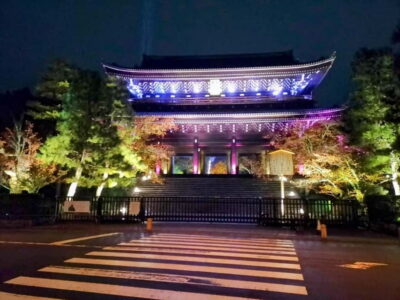
Kyoto Geisha Walking Tour: Gion District & Hidden Gems
Read our review →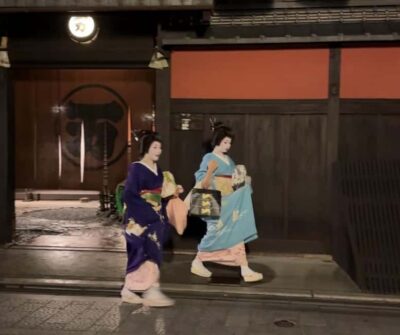
Gion Magical Night Walking Tour with Geisha Trivia
Read our review →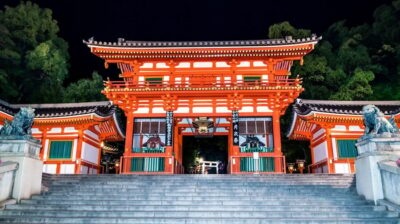
Gion Geisha District Walking Tour – Stories of Geisha
Read our review →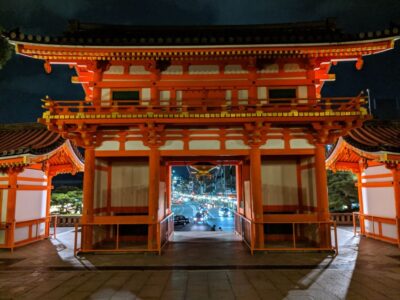
Best of Kyoto: Gion, Geisha, Pagodas & Cobblestones
Read our review →

Kyoto Night Foodie Tour in Gion (9+ dishes + 6 Sake tastings)
Read our review →
Kyoto Gion Geisha District Walking Tour – The Stories of Geisha
Read our review →
Kyoto Gion: 2-Hour Geisha Culture & History Walking Tour
Read our review →Browse the lists this tour appears in