
Reviewed · FOOD & DRINK IN TOKYO
Retro Shibuya Food Tour
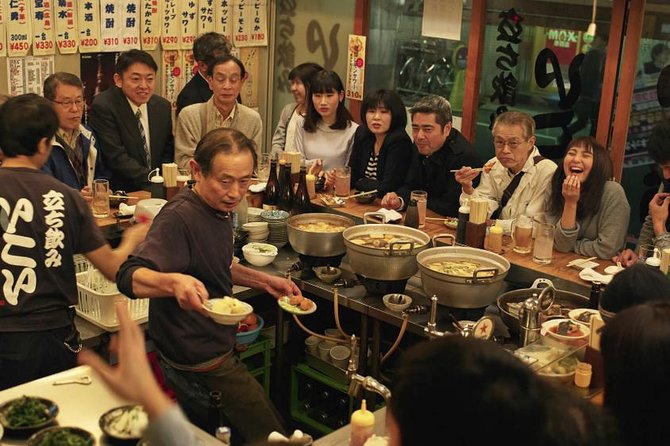
Shibuya has two faces, the neon-famous one and the back-street one where people slip into tiny shops and keep talking over hot food. This Retro Shibuya Food Tour is interesting because it guides you through both, with a local English-speaking guide tying what you see to the area’s past, then feeding you along the way.
I especially like the structure: you get quick, memorable stops like Hachiko Statue and Shibuya Crossing, then you move straight into eating. The other big win is the food and drink lineup, which includes an iconic ramen stop plus multiple tastings and dessert with alcohol included.
The main consideration is pacing. It is about 3 hours of walking with a moderate fitness requirement, and it includes drinking, so plan to go slow, wear comfy shoes, and pace yourself if you do not want to fully lean into the sake and beer.
Key Highlights You’ll Notice Right Away
- Up to 10 people, which makes it easier to ask questions and get a smooth flow through busy streets
- 3 complimentary drinks included (beer, local sake, and other beverages), so you are not guessing what to order
- Showa-era context tied to real places, not just a generic history lecture
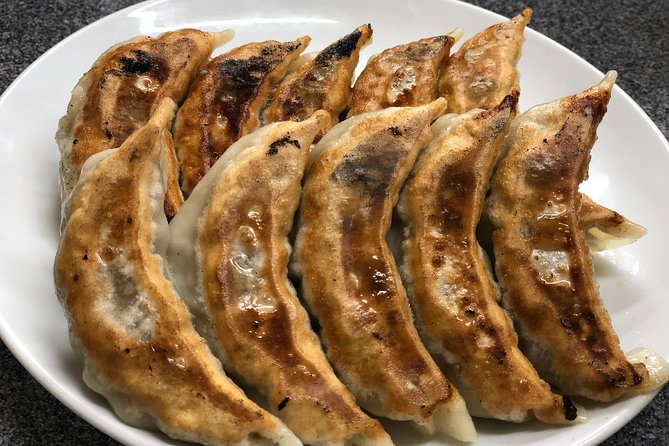
- Iconic ramen plus local snacks, including seasonal dishes you might not find on your own
- Back alleys and standing-only spots, which is where Shibuya feels most local
- Dessert included, so you finish with something sweet instead of hunting for it
Why This Shibuya Walk Feels Different Than a Usual Food Tour
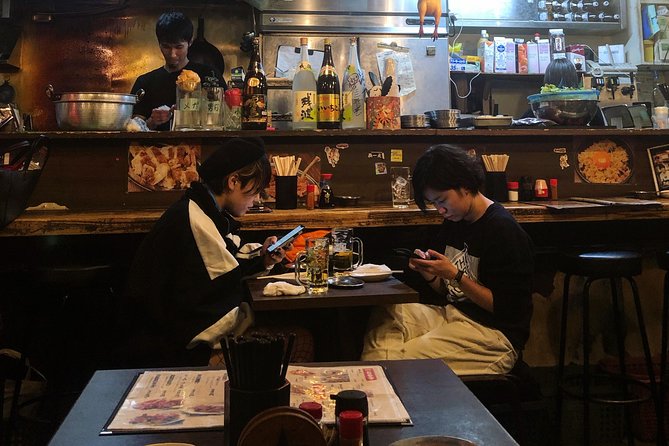
This tour works because it does not treat Shibuya like a single giant shopping mall. You are led through the streets with a sense of time, then you eat like locals do: small bites, drinks in the middle, and a final sweet stop. The result is that you spend less time figuring out where to go and more time actually absorbing the neighborhood.
Another reason I like it is the balance of sights and taste. You see landmark points, then you walk onward to areas that feel more lived-in. Even the stop at the Hachiko Statue is used as a starting point for culture and daily life, not just a photo moment, and then you keep moving so you do not lose the momentum.
One more practical detail: the tour lasts around 3 hours, starts in the afternoon at 4:00 pm, and uses a mobile ticket. That means you can focus on the experience instead of logistics, and you still get Shibuya’s energy as it shifts from daytime crowds toward evening eating.
More Food & Drink in Tokyo
- Tokyo: Shinjuku Food Tour (13 Dishes at 4 Local Eateries)
★ 5.0 · 6,603 reviews - Tokyo Tsukiji Fish Market Food and Culture Walking Tour
★ 5.0 · 3,184 reviews - Tokyo: Shinjuku Food Tour (15 Dishes and 4 Eateries)
★ 4.9 · 2,033 reviews
From Shibuya Station to Hachiko, You Get Your Bearings Fast
You meet near Shibuya Station (2-chome-24) and start with a short welcome. From there, the walk heads toward Hachiko Statue, a spot everyone recognizes, but what matters here is how it is used. Your local English-speaking guide frames the area through culture and history, helping you understand why Shibuya feels like more than just a trend.
I like this opening because it lowers the stress for first-timers. When you land in Shibuya, everything can feel loud and confusing, even if you are not lost. Getting a quick map of what you are about to experience helps you pay attention to street details later, especially the less obvious lanes that you would otherwise skip.
Also, the group size is capped at 10 travelers. That matters because in Shibuya, space is tight, and your guide can keep you together without rushing you through every stop.
Shibuya Crossing, Then Straight Into Real Food
Next up is Shibuya Crossing, with a quick history angle reaching back to the Showa era. The lesson is brief, but it gives you a lens. Once you connect the location to how Shibuya developed, the crossing stops being just a TikTok-famous intersection and starts feeling like a real stage where people have moved for generations.
Then you do something smart: you do not linger. The tour keeps you walking so the history has a payoff. When you reach Shibuya Center-gai, you shift from seeing Shibuya to eating Shibuya, and this is where the tour earns its keep.
Center-gai: The Point Where Snacks and 3 Drinks Take Over
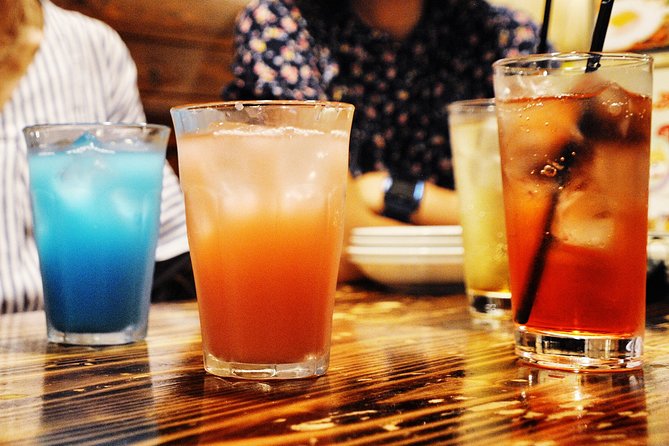
At Shibuya Center-gai, you hit your main cluster of tasting. This is where you sample a mix of local and seasonal dishes, along with 3 included drinks. The drinks can range from beer and local sake to other beverages, depending on what is available.
What you should expect here is variety rather than one single meal. The tasting model is great for food travelers because it lets you compare flavors across different stalls or small places. You get that walk-and-try rhythm, which also helps when you are dealing with crowds.
One small caution: since alcohol is included, you may not want to treat Center-gai like a food court and then slow down for shopping. If you want the full experience, keep moving, try what your guide recommends, and pace your drinks. You do not want to hit the later back alleys feeling too full or too buzzed.
A change of pace from Tokyo:
- Mt Fuji and Hakone 1-Day Bus Tour Return by Bullet Train
★ 5.0 · 26,383 reviews - 1-Day Tokyo Bus Tour
★ 5.0 · 14,250 reviews - Tokyo: TOKYO SKYTREE® Admission ticket
★ 4.5 · 11,192 reviews - Tokyo: teamLab Planets TOKYO Digital Art Museum Entry Ticket
★ 4.6 · 9,779 reviews
Don Quijote, Mark City, and Shibuya 109 as a Cultural Corridor
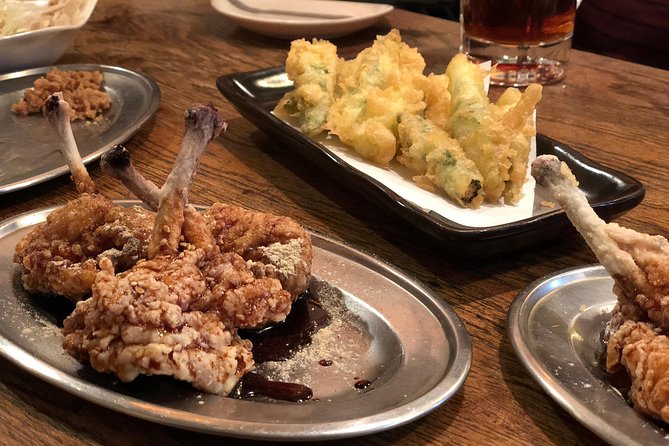
Between the food stops, the tour routes you through shopping and landmark areas like MEGA Don Quijote, Shibuya Mark City, and Shibuya 109. These are famous, sure, but the value here is the way they act as a corridor. You are not doing a retail marathon. You are using these locations as reference points while your guide steers you toward the more local lanes.
This part is useful even if you do not shop much. It helps you understand how Shibuya’s celebrity side connects to its older, side-street food culture. You get a sense of flow, where the crowds go, and where the smaller energy lives.
And because you are with a guide, you can often spot the routes you would otherwise miss. Shibuya can be a maze, but once you know which streets branch off, it becomes easier to come back later on your own.
Nonbei-yokocho Back Alleys: Where Shibuya Feels Most Local
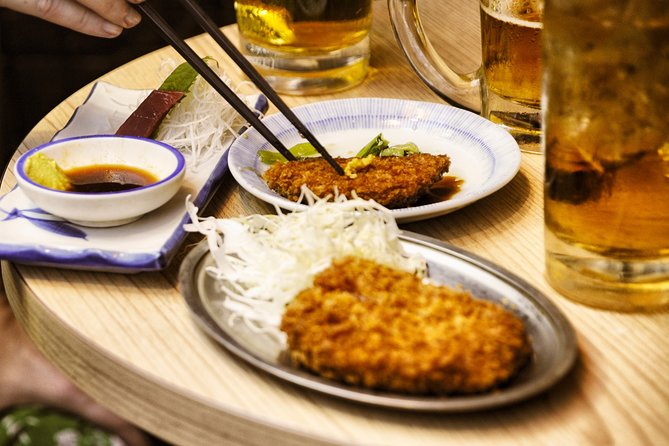
The highlight for many people is the shift into Nonbei-yokocho, a back-alley style area known for small-scale eating and drinking. This is where your tour style really shows: you are taken to places that are hard to find solo, including the kind of spots where people may be standing rather than sitting for long.
This is also where the tour stops being about a list of famous snacks and starts feeling like a night out. Back alleys tend to reward your senses. You notice the smells first, then the small cues like the types of dishes, the casual clinking of drinks, and the way groups talk as they eat.
If you are a bit picky, do not panic. The tour includes local food tastings and dessert, and it is designed to work for different diets. You are vegetarian, pescetarian, and gluten-free friendly, but it is not recommended for vegans, so if plant-only is your rule, you may want to plan something else.
What You Actually Get: Drinks, Tastings, Ramen, and Dessert
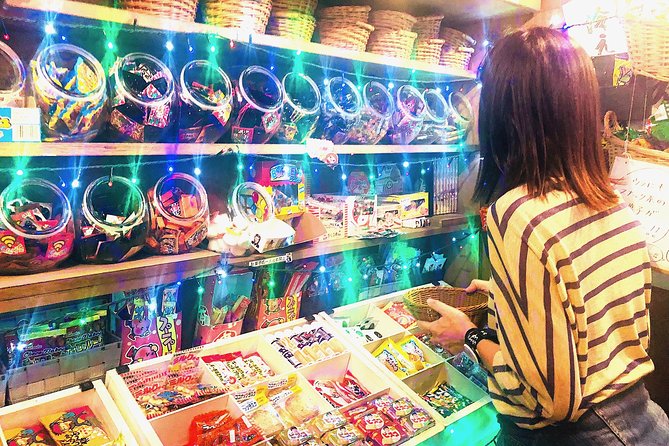
The tour includes:
- Local food tastings
- Dessert
- 3 complimentary drinks (beer, local sake, and other beverages)
- A local English-speaking guide
It also includes an iconic ramen shop stop, which is a big deal for many people because Shibuya ramen ranges from comforting classics to places with a very specific style. Having it placed in a guided itinerary reduces the guesswork of where to stand, what to order, and when to move.
A helpful way to think about the tasting portion: you are not getting a single full dinner. You are sampling enough to feel satisfied, especially over 3 hours, but you may still want a light post-tour bite if you have a huge appetite. The plan is to keep you exploring, not to send you to bed stuffed.
Finally, dessert being included matters more than you might think. Many food tours end abruptly at the last savory stop, and you end up searching for something sweet on your own in a loud, crowded area. Here, dessert is part of the finish, so you get a complete arc.
Price and Value: Is $221 Worth It?
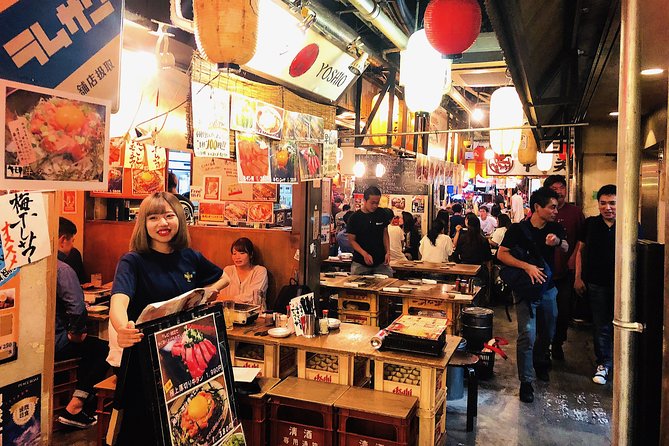
At $221 per person, this is not a budget lunch. But it can be good value if you count what you are buying.
You are paying for:
- A 3-hour guided walking experience with a local English-speaking guide
- Multiple food tastings
- Dessert
- 3 included drinks (not just water or soda)
- Access to spots that you would likely struggle to find on your own, including back-alley style places and even standing-only venues
In Shibuya, food can add up quickly, especially if you keep ordering drinks and trying different places independently. When a tour bundles food, drinks, and guidance, it can be cheaper than doing the same plan yourself while also avoiding decision fatigue.
Also, because the group is capped at 10, you get more human guidance than you would in a large crowd tour. That tends to make the experience feel more personal, which is part of why the overall rating is so high.
Who This Tour Suits Best (And Who Should Skip It)
This tour is a strong match if you:
- Want a guided walk that hits both landmarks and back streets
- Like sampling multiple foods and drinks instead of committing to one restaurant
- Enjoy learning context about a neighborhood, especially the Showa era angle
- Are comfortable walking for about 3 hours, and you want an early evening rhythm starting at 4:00 pm
It is also a decent option for many dietary needs. It is vegetarian, pescetarian, and gluten-free friendly. If you are vegan, the tour is not recommended, so you may want to look for a vegan-focused alternative.
One more fit note: it is adults 20 years old and above only. Since drinks are included, this is meant to feel like a grown-up food outing, not a kid-friendly snack walk.
And if you are traveling solo, you can email the operator. That suggests they make space for solo travelers rather than treating you like an afterthought.
Practical Tips That Make the Tour Better on the Ground
Here are the tweaks that help you enjoy this most:
- Wear comfortable shoes. Shibuya streets are busy and uneven in places, and you are walking for about 3 hours.
- Go easy on heavy meals beforehand. Since you will have tastings plus dessert and 3 included drinks, you want room to enjoy.
- If you have dietary needs, be ready to state them clearly. The tour is friendly to vegetarian, pescetarian, and gluten-free diets, but it is not positioned for vegans.
- Expect possible substitutions. Restaurant schedules, public holidays, and weather can change specific spots, and your guide will swap in alternatives.
- If you get a guide like Josh or Jacob, or you end up with Sharon, it tends to follow a clear pattern: quick historical context, then food that matches the story. That approach is a big reason people rate this so highly.
Should You Book the Retro Shibuya Food Tour?
I would book it if you want Shibuya that feels lived-in, not just photographed. The combination of Showa-era context, landmark orientation, and actual eating in places you would likely miss on your own makes it feel efficient and satisfying.
Skip it if you are vegan, hate alcohol or do not want to deal with drink tastings, or you prefer a sit-down restaurant meal with no walking. Also, if you are very sensitive to crowds, keep your expectations realistic. Shibuya is busy by nature, and the tour moves through popular areas as part of the route.
Overall, for a guided food-and-drink evening that includes ramen, dessert, and tastings in a small group, this is a strong choice for getting value and local flavor in Tokyo.
FAQ
How long is the Retro Shibuya Food Tour?
The tour lasts about 3 hours.
What is included in the $221 price?
The price includes local food tastings, dessert, and a local English-speaking guide, plus 3 complimentary drinks.
Are alcoholic drinks included?
Yes. The tour includes 3 complimentary drinks, which can include beer and local sake, along with other beverages.
Is the tour good for vegetarian, pescetarian, or gluten-free diets?
It is listed as vegetarian, pescetarian, and gluten-free friendly, but it is not recommended for vegans.
When does the tour start and where do you meet?
The start time is 4:00 pm. The meeting point is Shibuya Station (2 Chome-24, Shibuya, Tokyo 150-0002, Japan). The tour ends at Tokyu Department Honten Store basement level under the station.
Is free cancellation available and what if weather is bad?
Free cancellation is available up to 24 hours in advance for a full refund. The tour requires good weather, and if it is canceled due to poor weather, you are offered a different date or a full refund.
Latest write-ups near Tokyo
- Tokyo Nights: Shibuya Photo Adventure★ 5.0 · 20 reviews
- Wagyu & Sake 8 Course Tasting Dinner in Shinjuku★ 4.9 · 20 reviews
- Making Japanese desserts Nerikiri & drinking matcha in Tokyo★ 5.0 · 20 reviews
- Japanese Whisky Hunting《HIGH-QUALITY-ONLY》Rare Tasting Class★ 5.0 · 20 reviews
- Mt. Fuji 5th Station, Owakudani Ropeway, Pirate Ship plus Outlet shopping!★ 4.5 · 20 reviews
- Kintsugi Experience with Arita Ware in Tokyo (English Guide)★ 4.8 · 20 reviews
- This is Asakusa! A Tour Includes the All Must-Sees!★ 5.0 · 20 reviews
- Tokyo: Karate Experience with Former All-Japan Champion★ 5.0 · 20 reviews
Food & Drink in Tokyo, compared.
Shinjuku Food Tour (13 Dishes at 4 Local Eateries)
Read our review →
Tokyo Tsukiji Fish Market Food and Culture Walking Tour
Read our review →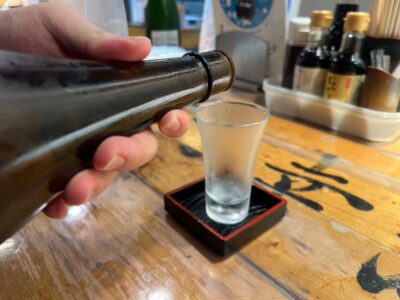
Shinjuku Food Tour (15 Dishes and 4 Eateries)
Read our review →
Best of Shinjuku: Izakaya Food Tour (4 Stops, 14+ Tastings)
Read our review →

Eat and Drink Like a Local: Tokyo Ueno Food Tour-Taverns&Ramen
Read our review →
Tsukiji Fish Market: Street Food & Culture Walking Tour
Read our review →Browse the lists this tour appears in