
Reviewed · RAMEN EXPERIENCES
Exclusive Tokyo Ramen Kitchen Experience
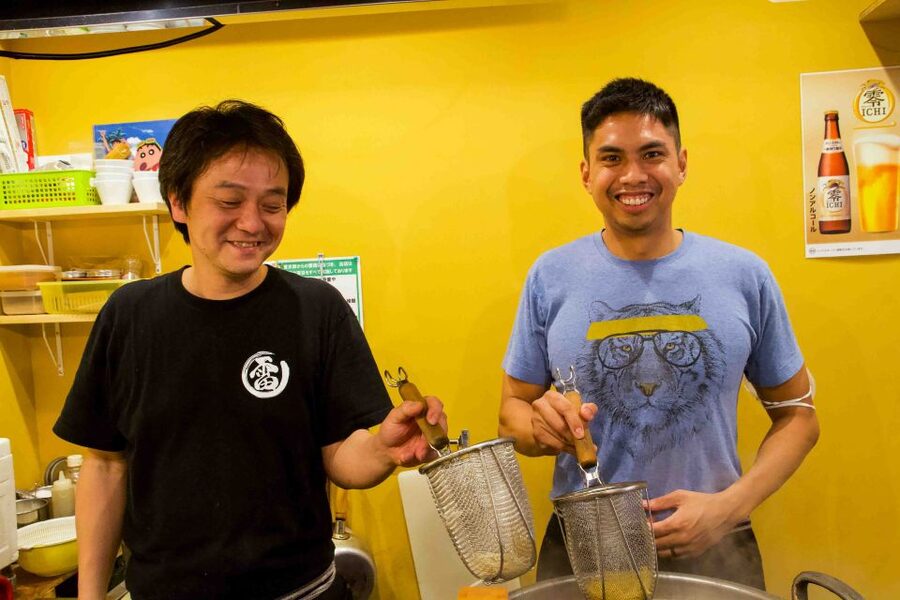
The fun here is simple: you get inside a working Tokyo ramen kitchen and help build bowls that actually make it onto the counter. I love the VIP access to an award-winning ramen shop, because you’re seeing the real rhythm behind the scenes. I also love the way the experience explains the logic of the bowl, from ingredient purpose to where key items come from. One thing to consider, this is not a demo kitchen, it’s a place with hot water and steaming soup, so you need to move carefully.
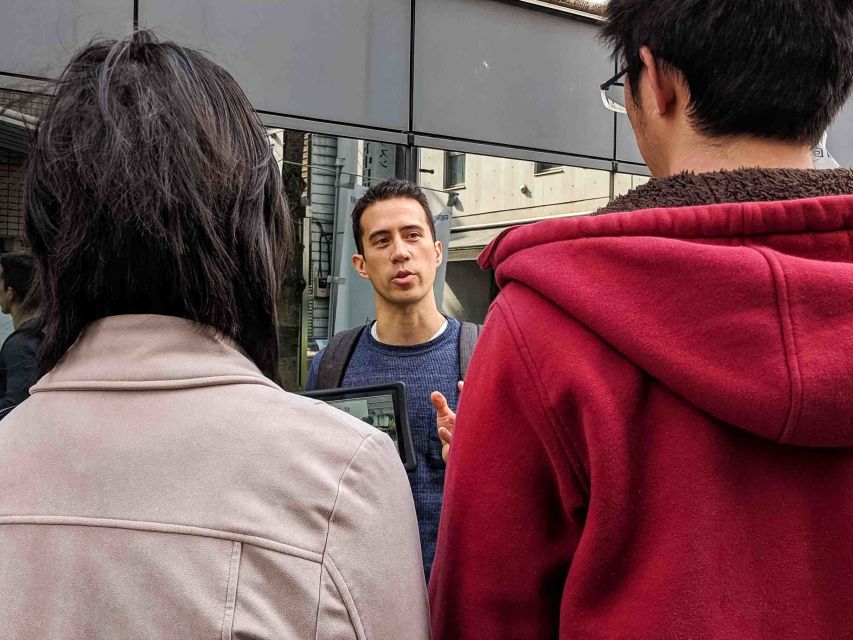
Your English guide (one host named Frank has led groups) keeps the pace friendly for a small crowd of up to six people. You’ll spend about 1 hour doing a shortened version of the process, then eat two small bowls of ramen and two gyoza, all while learning what makes a ramen chef tick.
Key highlights you should care about
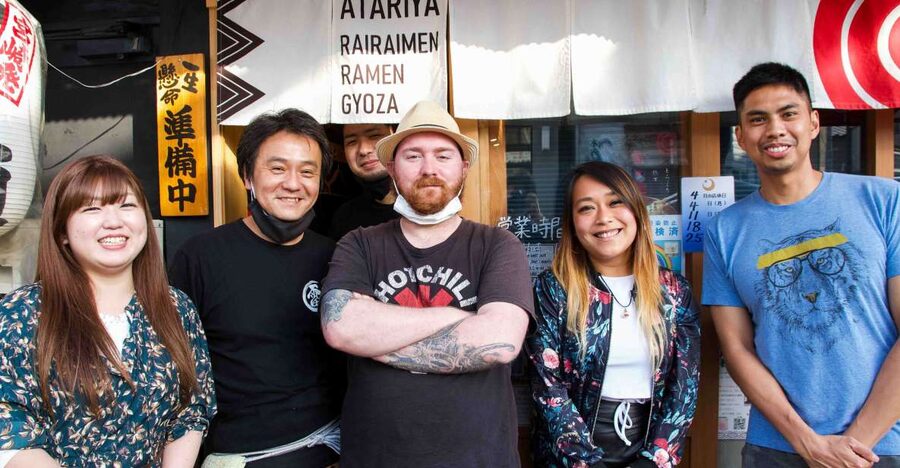
- Nezu Station meeting point is clear: Exit 1 at Nezu Station (C 14), in front of Akafudado, with a Tokyo Ramen Tours sign.
- You work in a real ramen shop kitchen, not a classroom setup, with the sights, sounds, and steady flow of service.
- The process is shortened on purpose so you can enjoy the experience without waiting hours for broth.
- Ingredient focus is practical, including how chicken, pork, and fish contribute to the bowl.
- Small group size keeps it personal, and the English guide helps translate ramen talk into something you can taste.
Entering an award-winning Tokyo ramen shop kitchen in just 1 hour
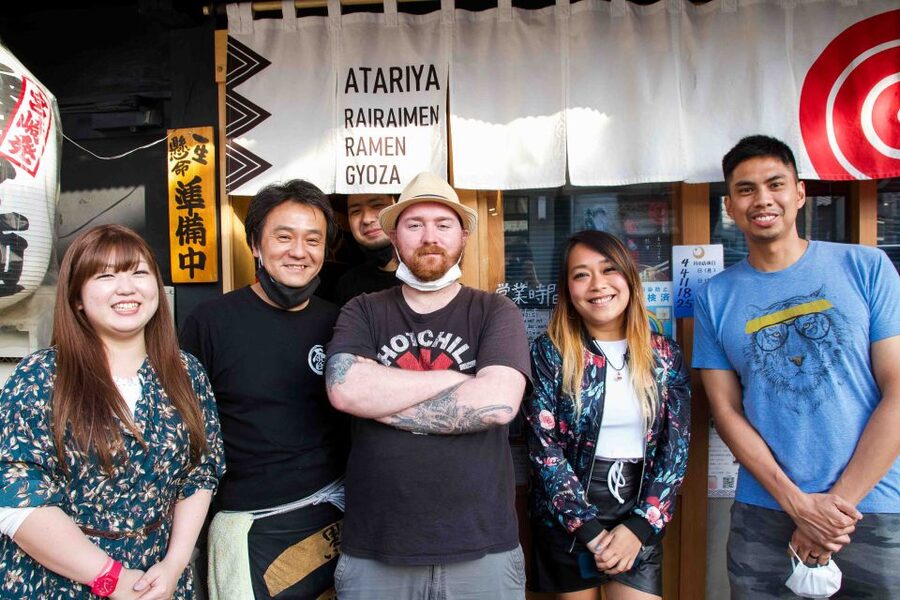
This is the kind of Tokyo food experience that makes you slow down, because you’re not just eating ramen. You’re watching how a shop turns prep into a final bowl, with people moving with purpose and ingredients getting handled the way chefs do every day.
It also helps that the ramen shop involved is an award-winning favorite. That matters, because you’re not learning ramen as a concept. You’re learning it in a kitchen built around doing ramen well, day after day.
The big promise is VIP, but the real value is how much you get in a short time. Broth can take around 10 hours to build, so you won’t spend your whole day waiting. Instead, the experience is designed to compress the workflow, while still giving you the behind-the-counter feel that most ramen meals never offer.
More Ramen Experiences in Tokyo
- Eat and Drink Like a Local: Tokyo Ueno Food Tour-Taverns&Ramen
★ 5.0 · 957 reviews - Ramen & Gyoza Cooking Class in Tokyo with Local Supermarket Visit
★ 5.0 · 823 reviews - Tokyo: Ramen Tasting Tour with 6 Mini Bowls of Ramen
★ 4.9 · 432 reviews
From Nezu Station to the counter: how the 60-minute flow works
Start at Nezu Station (C 14), Exit 1, meet in front of the supermarket Akafudado. Your guide is holding a Tokyo Ramen Tours sign. This is a big deal for first-timers, because it keeps you from wandering through side streets while your ramen time window slips away.
Once you’re inside the ramen shop, expect quick orientation. Since you’ll be handling hot water and soup, the kitchen environment is part of the lesson. You’ll be told how to move safely, and you’ll get a sense of where you stand and what you can touch.
Then the pace shifts into ramen mode. You’ll learn about ramen origins, the different ways ramen shows up, and how shops approach preparation. After that comes the hands-on portion, focused on putting together your ramen bowls in a shortened workflow.
Finally, you eat. You’ll be served two small bowls of ramen plus two gyoza. The timing works well if you want a fun activity without needing a half-day commitment.
What you actually do: ramen assembly without the all-day broth grind
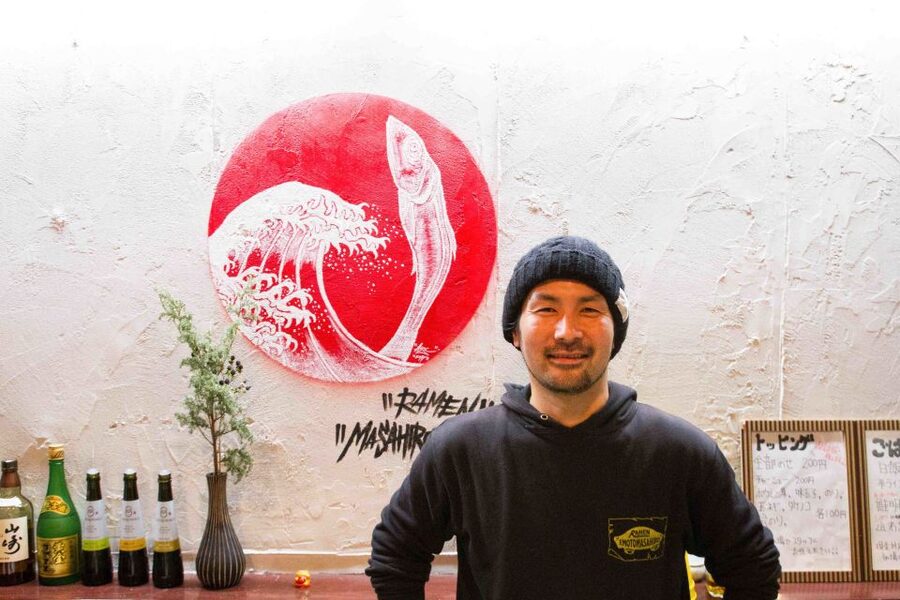
Let’s be clear about the format. This is not a full cooking class where you start from raw ingredients and make everything from scratch. The experience is more like chef-focused assembly with teaching built in.
Here’s the trade-off. Broth takes a long time, around 10 hours, and ramen shops rely on that patience to develop flavor and body. You’re not standing over a stockpot for the better part of a day. Instead, you get access to what matters during service time, how ramen gets assembled, portioned, and finished.
During the hands-on portion, you help build your ramen bowl using the shop’s prepared elements. You’ll learn what the ingredients are for, not just what they are. That’s the difference between tasting ramen and understanding ramen.
This also means you should expect a shorter, tighter sequence than a traditional cooking class. That’s not a flaw, it’s part of the value. You leave with real kitchen context and a bowl that tastes finished, not experimental.
One practical tip: wear comfortable clothes. Kitchens get warm, and you’ll be close to the action. Think practical, not fancy.
Ramen basics you’ll remember: origins, types, and ingredient purpose
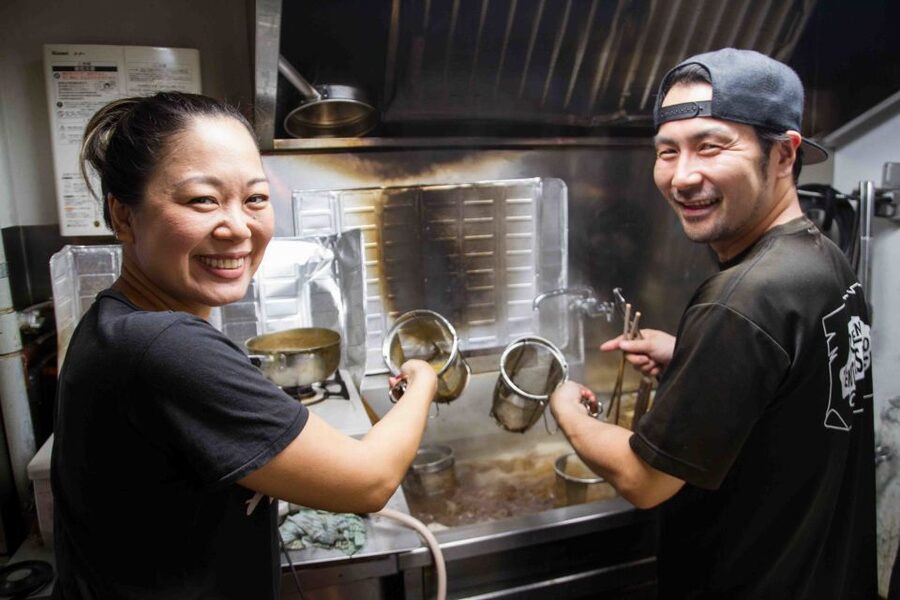
The educational side is one of the reasons this experience is so highly rated. You won’t just be told, taste this, then eat. You’ll learn why ramen works.
You’ll cover ramen origins, and you’ll learn about ramen types and preparation in a way that helps you recognize differences when you order later. Even if you don’t memorize every term, you’ll pick up the logic behind the bowl: broth character, seasoning style, and how toppings and noodle choices change the experience.
The ingredient explanation is practical and sensory. You’ll hear about what each component does, and where important items come from. That matters because ramen shops treat ingredients like tools. The broth isn’t only flavor, it’s texture, aroma, and even how the noodles behave once they meet the soup.
Also, the bowl includes multiple proteins, so the instruction is direct. The ramen contains chicken, pork, and fish. If you eat around specific restrictions, plan ahead so you don’t get surprised.
By the time you sit down, you’re not only enjoying food. You’re reading the bowl like a menu decoded.
A change of pace from Tokyo:
- Mt Fuji and Hakone 1-Day Bus Tour Return by Bullet Train
★ 5.0 · 26,383 reviews - 1-Day Tokyo Bus Tour
★ 5.0 · 14,250 reviews - Tokyo: TOKYO SKYTREE® Admission ticket
★ 4.5 · 11,192 reviews - Tokyo: teamLab Planets TOKYO Digital Art Museum Entry Ticket
★ 4.6 · 9,779 reviews
The two-bowl meal and gyoza: what’s included and what to expect
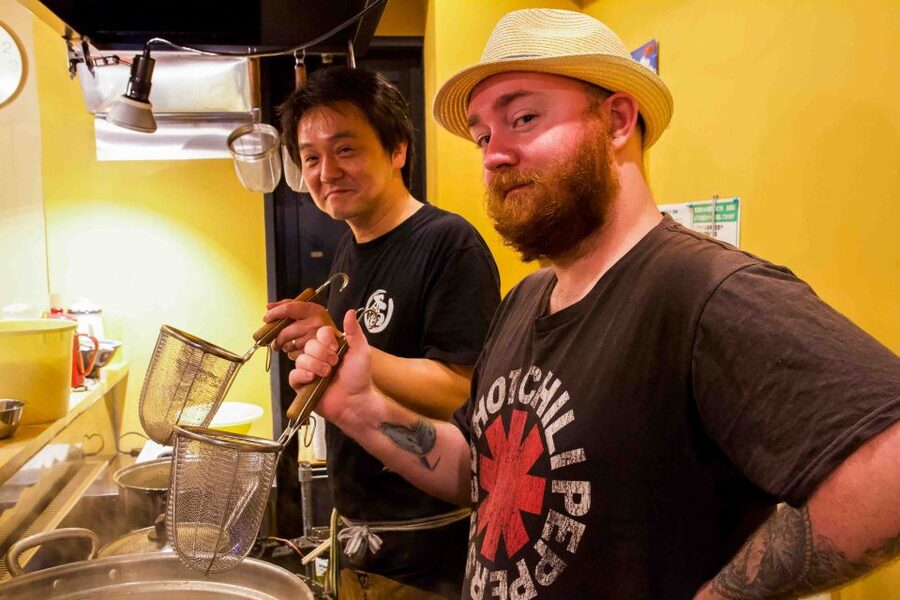
You’ll go home fed. The included meal is two small bowls of ramen and two gyoza (fried dumplings).
The “two bowls” detail matters more than you’d think. It changes how you taste. Instead of one bowl acting as your baseline, you get a chance to compare and notice what shifts in flavor, aroma, and how each bowl feels in your mouth. That’s a fast way to build ramen instincts.
The gyoza round out the meal and keep things casual. Fried dumplings work as a contrast to soup, so you get crunch, then warmth, then broth again.
A key consideration is the kitchen setting. The experience happens in a ramen shop and its kitchen, so there’s hot water and soup around you. Stay aware of your space, follow your guide’s positioning, and move slowly when you’re near steamy stations.
If you’re sensitive to strong smells or heat, you’ll still likely be fine, but treat it like a working kitchen. Don’t expect a quiet, sit-down tasting with zero movement.
Price and value at $83 per person: where it adds up
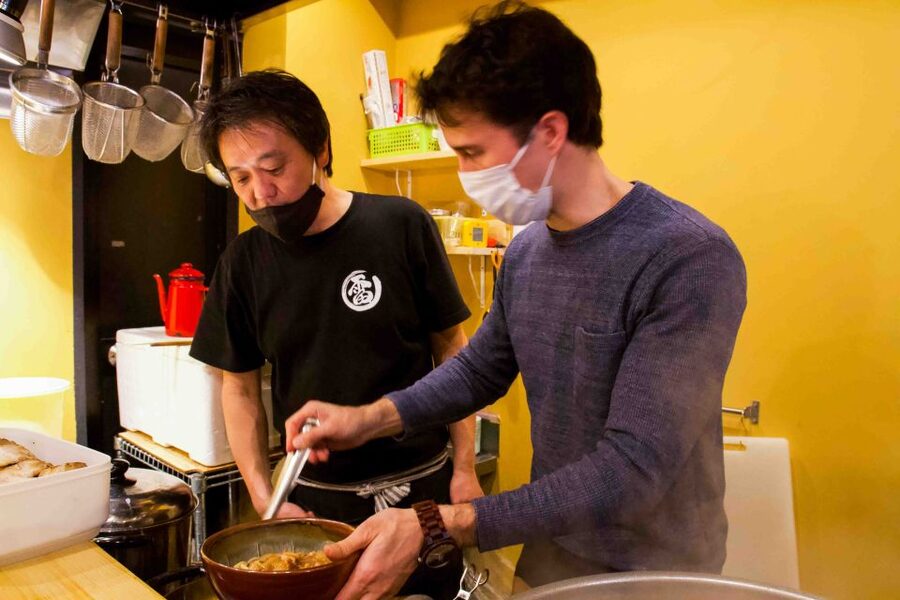
At $83 per person for about 1 hour, the price can look steep if you’re only thinking about food. But this isn’t only ramen. You’re paying for access and instruction in a real kitchen that normally isn’t open to casual walk-ins.
You get:
- VIP access to a working ramen shop kitchen
- A guided explanation of ramen origins, types, and ingredient purpose
- Hands-on assembly using a shortened process
- Two bowls of ramen plus two gyoza
The biggest value lever is time. The broth alone can take around 10 hours to make, but your experience compresses the workflow so you can learn the chef process without losing half your day to waiting. You’re buying the point of view of a chef during service, not paying for a stock simmering day.
There are also small-group benefits. With a limit of six participants, the guide can keep things moving and check in as needed. That makes the “real kitchen” part feel closer to a guided moment rather than a crowd watching from the edge.
One practical note on value: there may not be take-home recipe-style extras. If you want written notes, bring a phone for quick notes and ask your guide if there are any suggestions for what to remember when you’re back home.
Who this experience is best for, food lovers with curiosity
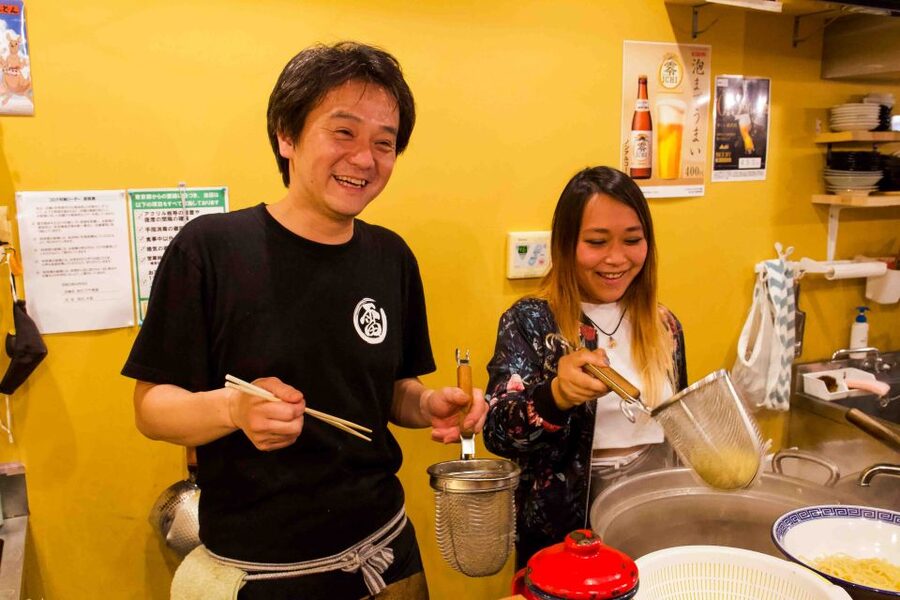
This tour fits best if you like food that tells a story. If ramen is already your comfort meal, you’ll love the behind-the-scenes angle, because you’ll understand what you’re tasting instead of just enjoying it.
It’s also a good choice for families with older kids who can handle a warm, busy kitchen. In one group, the chef worked carefully with children aged 8 and 11, which is a good sign if you’re traveling with kids who are genuinely interested.
You should also consider it if you want more than a restaurant meal. This is an activity with an educational component built into the cooking workflow, and the ramen shop vibe adds energy.
If you’re traveling on a tight schedule and still want one “wow” moment, this one-hour format is efficient. You get a memorable Tokyo experience without committing to a late-night cooking marathon.
On the other hand, if you want a hands-on class where you build everything from scratch, this won’t match that expectation. The process is shortened, and the focus is behind-the-counter access and assembly.
A few practical tips so your kitchen time stays smooth
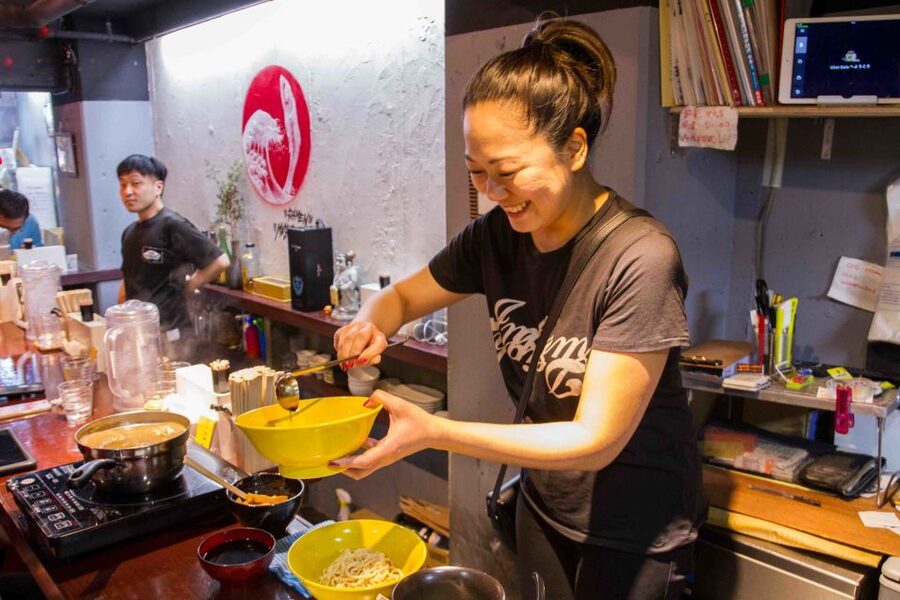
First, be ready for heat. You’ll be dealing with hot water and soup, so keep your pace controlled and avoid rushing.
Second, wear comfortable clothes. Not because you’ll be messy, but because you’ll be moving around the kitchen area.
Third, check your food needs early. The ramen contains chicken, pork, and fish, so if you have dietary restrictions, think carefully before you book.
Fourth, take notes. This is a learning experience, but you’re also busy assembling and eating. If you care about remembering ingredient logic and ramen categories, jot down a few keywords during the talk.
Finally, enjoy the process even if you’re not a “chef.” You don’t need cooking training to have fun. The value comes from being close to the work and learning why each step matters.
Should you book the Tokyo Ramen Kitchen Experience?
If you want a ramen meal plus real kitchen access, I think you should book it. The combination of an award-winning shop setting, a small group of six, and guided teaching makes it more than just dinner.
It’s especially worth it if you care about food details, and you like the idea of seeing how broth, ingredients, and assembly connect. You’ll leave with a better sense of what to look for when you order ramen again.
Skip it if you need vegetarian or allergy-friendly options, since the ramen includes chicken, pork, and fish. Also skip it if you want a full scratch cooking class. This is behind-the-counter, chef-style assembly in a working kitchen.
If your main goal is to experience Tokyo ramen at its source, this one-hour VIP kitchen moment is a strong choice.
FAQ
Where do I meet for the tour?
Meet at Nezu Station (C 14), Exit 1, in front of the supermarket Akafudado. Your guide will be holding a Tokyo Ramen Tours sign.
How long is the experience?
The experience lasts 1 hour.
What is included in the price?
You get two small bowls of ramen and two gyoza (fried dumplings).
Is this a full cooking class where everything is made from scratch?
No. It is not a full-on cooking class. It is a behind-the-counter experience with a shortened process, and the broth takes about 10 hours to make so you do not wait for that from start to finish.
What dietary information should I know before booking?
Please note that the ramen contains chicken, pork, and fish.
What should I bring or wear?
Wear comfortable clothes. Since the experience takes place in a ramen shop kitchen, you will be dealing with hot water and soup, so stay attentive and careful.
Latest write-ups near Tokyo
- Tokyo Nights: Shibuya Photo Adventure★ 5.0 · 20 reviews
- Wagyu & Sake 8 Course Tasting Dinner in Shinjuku★ 4.9 · 20 reviews
- Making Japanese desserts Nerikiri & drinking matcha in Tokyo★ 5.0 · 20 reviews
- Japanese Whisky Hunting《HIGH-QUALITY-ONLY》Rare Tasting Class★ 5.0 · 20 reviews
- Mt. Fuji 5th Station, Owakudani Ropeway, Pirate Ship plus Outlet shopping!★ 4.5 · 20 reviews
- Kintsugi Experience with Arita Ware in Tokyo (English Guide)★ 4.8 · 20 reviews
- This is Asakusa! A Tour Includes the All Must-Sees!★ 5.0 · 20 reviews
- Tokyo: Karate Experience with Former All-Japan Champion★ 5.0 · 20 reviews
Ramen Experiences, compared.

Ramen Cooking Class at Ramen Factory in Kyoto
Read our review →
Eat and Drink Like a Local: Tokyo Ueno Food Tour-Taverns&Ramen
Read our review →
Ramen & Gyoza Cooking Class in Tokyo with Local Supermarket Visit
Read our review →
Ramen Cooking Class at a Ramen Factory with Souvenir
Read our review →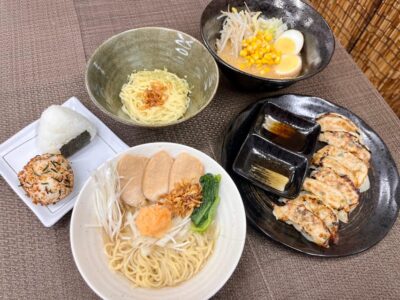

Five Must-See Highlights Walking Tour & Ramen Lunch
Read our review →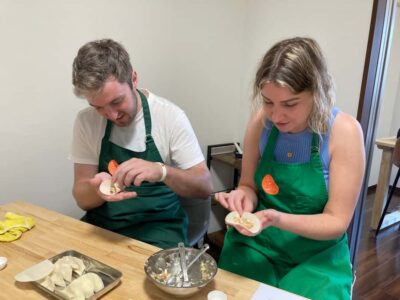
Browse the lists this tour appears in