Tokyo is fun to wander, but it can also feel like a lot of decisions at once. This private early-morning tour is interesting because it sequences major sights before the city fully wakes up, with a guide to keep the day moving.
I love the idea of hitting Shibuya Scramble Crossing at the start, when you can still get great photos without waiting in peak crowds for ages. You also get a plan for mixing big-name landmarks with smaller shrine stops, so the morning feels efficient instead of rushed.
One consideration: this is a walking-first experience with public transit, plenty of time on foot, and a moderate fitness level recommended. Also, public transportation fare (¥900 per person) and food and drinks are not included, and the meeting point timing is strict.
Key moments you’ll remember
- Shibuya Scramble Crossing right in front of Shibuya Station, with time to get photos.
- Meiji Jingu Shrine for a full hour of calm in a forest setting in the middle of the city.
- Takeshita Street for quick, colorful Harajuku-style shopping and sweets.
- Akihabara for anime, gaming, electronics, and otaku-friendly stores in a short, focused window.
- Ameyoko Shopping Street for a lively Ueno area shopping walk and snack-or-souvenir time.
- Senso-ji Temple to close the day at Asakusa, near Nakamise Street and the Kaminarimon Gate.
A 5-hour route that goes from Shibuya to Asakusa Pier
This tour is built around a smooth morning run through Tokyo’s most recognizable areas. It lasts about 5 hours, and it is private, meaning only your group goes on the schedule, not a mixed crowd tour.
You start at the Hachiko Statue in Shibuya and end at Tokyo Cruise Asakusa Pier. That ending matters, because once you finish near Asakusa, you’re already in position for dinner nearby or a bit more sightseeing around the area, like the Tokyo Skytree area.
Because the day uses public transportation and lots of walking, you’ll want shoes you can rely on for several hours. The tour also uses a mobile ticket, and it’s near public transportation, which keeps things practical.
Also, the guide will help with directions if you have a specific destination after the tour. That’s a small detail, but it can save you time when you’re tired and trying to get one last thing done.
Also on the shortlist for Tokyo:
- Mt Fuji and Hakone 1-Day Bus Tour Return by Bullet Train
★ 5.0 · 26,383 reviews - 1-Day Tokyo Bus Tour
★ 5.0 · 14,250 reviews - Tokyo: TOKYO SKYTREE® Admission ticket
★ 4.5 · 11,192 reviews
Shibuya Scramble Crossing: the iconic photo stop early
Your first stop is Shibuya Crossing in front of Shibuya Station, with about 20 minutes planned. The big appeal here is timing. If you’ve ever seen Shibuya in full swing, you know the pedestrian scramble can turn into a wall of people fast.
With a guide leading the way, you don’t spend your morning guessing where to stand and when to move. You can focus on capturing the crossing itself, plus getting your bearings for the rest of the walk.
A private setup helps at this stop because your guide can steer you through the area at a pace that works for your group. If you care about photos, it also aligns well with the tour feature that professional photos will be taken during the tour.
Reality check: 20 minutes is short. If you want to sit for a long time and watch multiple waves of crossing traffic, you might find that you’re moving on before you feel fully satisfied. Still, as a first stop, it’s a great way to get the Tokyo landmark checklist going.
Meiji Jingu Shrine: a forest pause that feels like a reset button
Next up is Meiji Jingu Shrine, with about 1 hour on the schedule. Meiji Jingu is a Shinto shrine dedicated to Emperor Meiji and Empress Shoken, and the main experience is how the shrine grounds shift you away from city noise.
One reason this stop works well in the early morning: you get a calmer feel walking through the wooded approach before the area gets crowded. It’s not just pretty scenery. It gives you a break from the high-energy streets and lets you slow down, even if your itinerary is still busy.
Meiji Jingu is also a practical stop for learning what you’re looking at. Even if you’ve seen photos before, being in the space makes it easier to notice the details that matter, like the structure of the grounds and the way people move through the shrine area.
Admission is free here, and the tour includes temple and shrine entry fees, so you’re not doing any extra ticket math. You also get time to step back, take photos, and enjoy the atmosphere without feeling like you’re rushing.
The downside is simply the pacing. If you want a deeper, longer shrine walk, one hour can feel like “just getting started.” That said, it’s a strong use of time inside a packed, well-ordered morning.
Harajuku’s Takeshita Street: fast, fun, and very Tokyo
After the calm of Meiji Jingu, you’ll head to Takeshita Street for about 20 minutes. This is the Harajuku shopping lane best known for trend-forward fashion, small boutiques, and colorful sweets. It’s also closely tied to Japanese youth culture, so expect a lot of visual energy.
This stop is perfect when you want a quick taste of a different Tokyo vibe without spending the whole morning shopping. The short time window keeps you from getting stuck in one area too long, and it makes it easier to keep your energy for the later stops.
What I like about a guide-led short visit is you can decide what fits your interests on the fly. You can do a quick browse for street style, pop into a store if something catches your eye, and still be on schedule for the next shrine and neighborhoods.
One consideration: Takeshita Street can get busy even early, depending on the day. If you’re looking for a quiet stroll, this may not be your “peaceful break” stop. It’s more of an observation and photo moment.
A change of pace from Tokyo:
- Tokyo: teamLab Planets TOKYO Digital Art Museum Entry Ticket
★ 4.6 · 9,779 reviews - Mt Fuji & Hakone Cruise, Drum Show Bullet Train 1 Day from Tokyo
★ 4.0 · 7,413 reviews - Tokyo: Sumo Show Experience with Chicken Hot Pot and a Photo
★ 4.8 · 6,678 reviews - Tokyo: Shinjuku Food Tour (13 Dishes at 4 Local Eateries)
★ 5.0 · 6,603 reviews
Kanda Shrine: a short shrine stop with both modern and traditional appeal
You’ll then visit Kanda Shrine (also known as Kanda Myojin) for about 20 minutes. This shrine is historic and Shinto, and it enshrines deities of prosperity and protection. It’s popular with businesspeople, and it also has a connection to anime fans, which makes it a fun contrast to the more general Tokyo shrine experience.
A stop like this is valuable because it adds variety. If your Tokyo plans only include one big shrine and one big temple, you miss how different the shrines can feel in layout and vibe. Kanda gives you a quick, meaningful cultural pause before you jump into the tech and pop-culture world of Akihabara.
In practical terms, 20 minutes is enough time to see the main areas your guide points out, take photos, and get that “I’ve been to the real places” feeling. It’s not enough time for a very slow, reflective visit, but it’s exactly the right length for a half-day itinerary.
If you’re the type who enjoys small, specific cultural stops rather than just the famous postcard hits, Kanda is a nice match.
Akihabara: anime, gaming, electronics, and shop-window browsing time
Your next block is Akihabara, about 30 minutes. Akihabara is widely known as Tokyo’s “electric town,” and the focus here is anime, gaming, and electronics. You’ll see lots of shops selling gadgets, collectibles, and otaku goods, plus you’ll likely notice themed cafés like maid cafés in the area.
Because your time is limited, I’d treat this as a browsing and orienting stop. That means you walk, look at shopfronts, and check what kind of merchandise they stock, instead of assuming you can fully explore every store.
The guide helps here in two ways. First, you can move efficiently through the main area without getting lost. Second, you can ask for recommendations on what kind of stores match your interests, even if you only have half an hour.
Potential drawback: if you’re a serious collector or you want to spend real time inside multiple stores, 30 minutes can feel tight. You’ll get a solid taste, but not a full immersion. Still, for most people on a packed morning, it’s a great balance.
Ameyoko Shopping Street: snacks, souvenirs, and that classic Tokyo market vibe
Next comes Ameyoko Shopping Street (Ameya-Yokocho) in Ueno for about 20 minutes. This area is known for its lively street shopping, and it has a history as a black market after World War II. Today, it’s famous for food finds like fresh seafood and snacks, plus clothing and souvenirs.
This is a good stop to reset after Akihabara. If you’re feeling the morning pace, a shopping street is easier to handle because you can take tiny breaks whenever you want. Since food and drinks are not included on the tour, you’re free to choose what you want to buy and when.
What I like about including Ameyoko is that it moves you away from the “just temples and big sights” pattern. It’s still Tokyo, still photogenic, and it helps you build a more rounded picture of daily life.
Again, 20 minutes is short. You’ll have time to walk and get a feel, maybe buy one snack, but you probably won’t finish a full shopping circuit. Still, it’s a smart use of time if your bigger goal is to see major landmarks earlier than the crowds.
Senso-ji Temple in Asakusa: the finish line with big-name atmosphere
Your final stop is Senso-ji Temple in Asakusa, with about 1 hour. Senso-ji is Tokyo’s oldest and most famous Buddhist temple, founded in the 7th century, and the iconic views are centered on Kaminarimon Gate and Nakamise Street.
This is a strong closing stop because it’s one of those places where you can feel the atmosphere instantly, even if you’ve only seen it in photos. You’ll walk through the area and get a guided sense of what to notice, plus time to take pictures without constantly being pushed forward.
The guide also helps you understand how the space works. That matters at Senso-ji, where the flow of people can be intense later in the day. Ending the tour here means you can use the rest of your day for a meal or for more exploring if you want.
The tour ends at Tokyo Cruise Asakusa Pier, so you’re positioned for easy next steps. If you feel like staying in Asakusa, you can. If you want to push toward the Skytree area, it’s nearby.
A consideration: Senso-ji is famous, which means it can attract heavy foot traffic. The early start helps earlier in the route, but this last stop may still be busy later in the morning. Plan for motion, not solitude.
What’s included (and why it actually saves you time)
The best “value” move here is that admission fees for temples and shrines are included, and those stops are major parts of your schedule. That removes the mental load of deciding where to pay tickets and keeping receipts. It also keeps the morning running more predictably.
You’ll also get a passionate local English-speaking guide who helps you navigate. In Tokyo, “navigate” can mean everything from making sure you’re in the right area for photos to knowing how to move between neighborhoods efficiently.
Another included perk that I appreciate: professional photos will be taken during the tour. When someone else is capturing your group in key spots like Shibuya and Senso-ji, you’re not constantly handing your phone around and hoping for a decent shot.
What you should budget separately is also clear. Public transportation fare is ¥900 per person, and food and drinks are not included. That’s pretty normal for a walking city tour, but you should plan for it so the final cost doesn’t surprise you.
Price and value: when $97.22 makes sense
At $97.22 per person for about 5 hours, this isn’t a cheap, casual morning. But it can be good value if you want guidance, efficiency, and photo help rather than just “see the sights on your own.”
Here’s what you are paying for in a practical way:
- A private setup, so your group is not waiting around for strangers.
- An English-speaking guide to handle routing and stop flow.
- Temple and shrine admissions included, so you avoid extra ticket stops.
- Professional photos taken, which reduces your stress about capturing key moments.
Then there are the add-ons you should expect. You will pay the ¥900 transportation fare per person, and you’ll likely want snacks or lunch along the way since food and drinks aren’t included.
I also take booking demand as a signal. This tour is often booked around 13 days in advance on average, which suggests the early time slots and the private format are popular. If you’re traveling during a busy season, plan ahead.
For solo travelers, couples, and small groups, the math tends to work best when you value time and guidance. If you love planning and you don’t mind navigating train transfers and walking on your own, you might choose a different format. But if you want the day handled for you, this is a solid deal.
Tips to make this early morning tour feel easy
First: show up at the meeting point with time to spare. The tour notes that if you’re late, you may not be able to join and you won’t get a refund, so don’t treat the start time like a suggestion.
Second: treat this like a walking day. The route is designed as a walking experience with public transportation and plenty of time on foot, and moderate physical fitness is recommended. Comfortable shoes are not optional here.
Third: bring a simple plan for photos. Even though professional photos are included, you’ll still want your own shots. Consider saving your phone power and taking quick, intentional photos at each stop rather than firing the camera non-stop.
Fourth: be ready for different vibes in one morning. You’ll move from a shrine forest to street shopping to electronics and anime territory, then end at a huge temple area. That variety is fun, but your brain will want short breaks, especially if it’s warm.
Finally: if you have a destination after the tour, tell the guide. They can help with directions so you’re not stuck staring at your map while hungry and tired.
Should you book this private early morning Tokyo tour?
Book it if you want a stress-reduced morning that checks off major Tokyo sights in an order that helps with crowd pressure. It’s also a great fit if you like having an English-speaking guide who can help you navigate, point out what matters, and capture photo moments for your group.
Skip it if you want a slow, deep, keep-strolling-without-rules kind of day. This schedule has focused time blocks, so you might feel rushed if your idea of fun is lingering in one area for hours.
Also think twice if you’d rather pay for nothing extra and handle everything alone. This one includes admissions and photos, but you still need to factor in public transportation fare and your own food and drinks.
If your goal is to see a lot of Tokyo landmarks while keeping the day organized, the early start plus private attention makes a strong case.
FAQ
How long is the private Tokyo early morning tour?
The tour is about 5 hours.
Is this tour private or shared?
It is a private tour/activity, so only your group participates.
What sights are included in the itinerary?
The route includes Shibuya Crossing, Meiji Jingu Shrine, Takeshita Street, Kanda Shrine, Akihabara, Ameyoko Shopping Street, and Senso-ji Temple.
Are temple and shrine admission fees included?
Yes. Admission fees for temples and shrines are included.
Are transportation costs included?
No. Public transportation fare is not included, listed as ¥900 per person.
Does the tour include food and drinks?
No. Food and drinks are not included.
Does the tour include professional photos?
Yes. Professional photos will be taken during the tour.
Where do I meet and where does the tour end?
You start at the Hachiko Statue in Shibuya and the tour ends at Tokyo Cruise Asakusa Pier.
What happens if I arrive late to the meeting point?
If you are late for the meeting time, you will not be able to join the tour or receive a refund.
Can I cancel for free?
Yes, you can cancel for free up to 24 hours in advance for a full refund. If you cancel less than 24 hours before the start time, the amount paid will not be refunded.
Latest write-ups near Tokyo
- Tokyo Nights: Shibuya Photo Adventure★ 5.0 · 20 reviews
- Wagyu & Sake 8 Course Tasting Dinner in Shinjuku★ 4.9 · 20 reviews
- Making Japanese desserts Nerikiri & drinking matcha in Tokyo★ 5.0 · 20 reviews
- Mt. Fuji 5th Station, Owakudani Ropeway, Pirate Ship plus Outlet shopping!★ 4.5 · 20 reviews
- Japanese Whisky Hunting《HIGH-QUALITY-ONLY》Rare Tasting Class★ 5.0 · 20 reviews
- Kintsugi Experience with Arita Ware in Tokyo (English Guide)★ 4.8 · 20 reviews
- This is Asakusa! A Tour Includes the All Must-Sees!★ 5.0 · 20 reviews
- Tokyo: Karate Experience with Former All-Japan Champion★ 5.0 · 20 reviews
Morning, compared.
Kyoto Early Morning Tour with English-Speaking Guide
Read our review →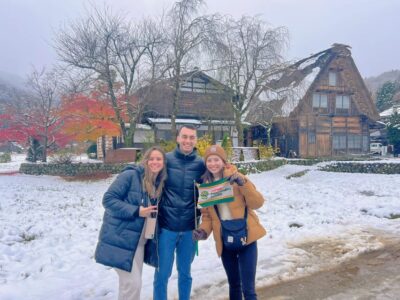
World Heritage Shirakawa-go Morning Guided Tour
Read our review →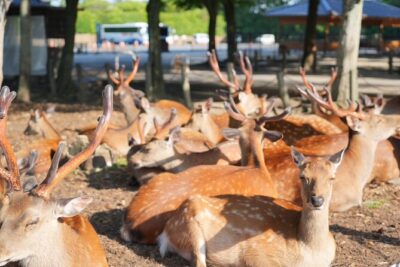
Nara Early Morning Tour (Kyoto or Osaka Departure Available)
Read our review →
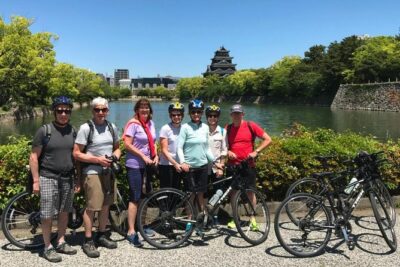
Hiroshima in a Nutshell: Morning Bike Adventure
Read our review →