
Reviewed · SAMURAI & NINJA EXPERIENCES
Tokyo:Samurai sword and archery class from a samurai descendant
This class is interesting because it puts hands-on samurai training in a real dojo setting just outside Tokyo, not a staged show. You’ll work with sword kata, practice sparring, and then shoot with a bow and arrow as part of the same session.
I love that you get real coaching through multiple drill types, so you can feel what proper technique takes. I also love the structure, with lessons like iai and gekken that build from safe handling to timed attacks, plus a live Toyama-ryu demonstration at the end.
One consideration: this is not passive fun. You will be tired and sore after, and the moving slashes and target work are genuinely hard.
Key things that make this class worth your time
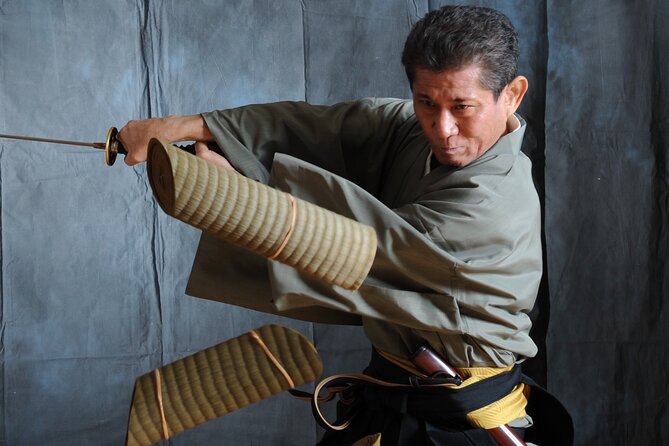
- Taught by Yoshioki Sumida in the Toyama-Ryu Bizen-kai style, with a samurai-family lineage focus
- Small group, max 15, so you get more attention as you practice
- Two core sword lessons: iai for handling, and gekken for timing, defense, and sparring
- Challenging drills like slashing multiple targets while moving, so you really learn control
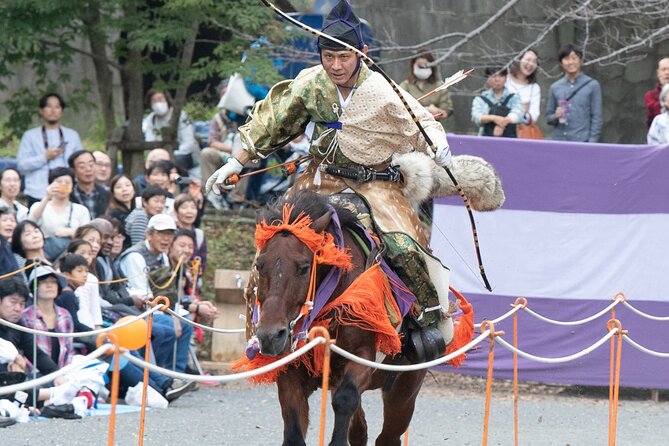
- Real bow and arrow practice using the traditional samurai weapon
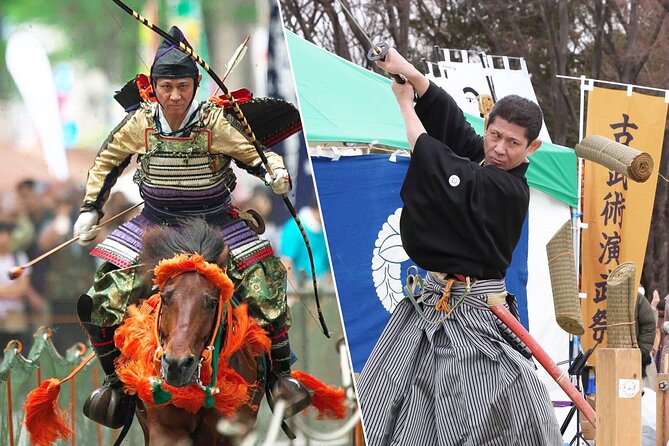
- Toyama-ryu 7th grade live demonstration, showing difficult techniques up close
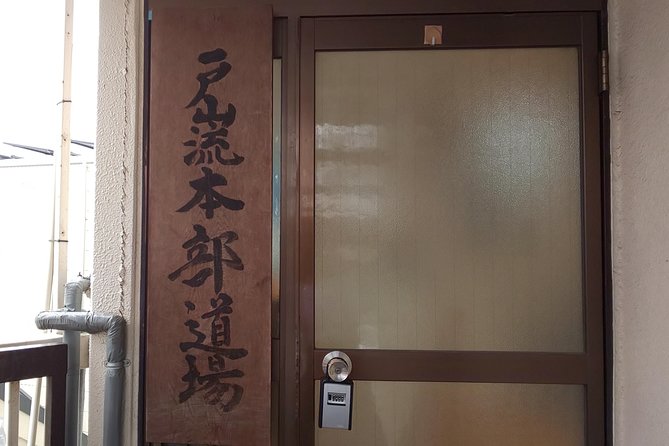
A dojo-based Tokyo samurai sword and archery class near Machida
If you want a Tokyo experience that feels more like training than entertainment, this is the kind of class that delivers. It takes place at a dojo outside the city, in Machida, and the whole flow is built around technique and safety first.
The “samurai descendant” angle matters here because the instruction is framed as heritage, not hype. You learn why swords, kata, and archery were used, and you do it while wearing training clothes and using the equipment provided.
And yes, it is physical. The best part is that you will not just copy motions. You’ll feel timing, footwork, distance, and control as you move through the different phases.
More Samurai & Ninja Experiences in Tokyo
- Tokyo: Samurai Restaurant Show Ticket with 2 Drinks
★ 4.5 · 1,307 reviews - Tokyo: Samurai Ninja Museum Guided tour and Experience
★ 4.6 · 1,010 reviews - Tokyo: Samurai Sword & Archery Class from Samurai Descendant
★ 5.0 · 603 reviews
Small-group pacing, more practice time, less standing around
With a maximum group size of 15, you’re not one face in a crowd. The class is designed so you keep moving through practice steps, not waiting for a turn for long stretches.
A big theme from the way the session is taught is short, clear coaching moments. You’re encouraged while you’re working, and the instructors emphasize safety throughout, which helps beginners avoid common mistakes.
The pacing is also part of the value. In about 2 hours 30 minutes, you cycle through several skill sets: sword basics and forms, test cutting style checks, sparring, and archery practice.
Arrival, training wear, and the safety-first mindset
You meet at 3-chōme-14-14 Haramachida, Machida, Tokyo 194-0013. It is near public transportation, and you’ll get back to the meeting point at the end.
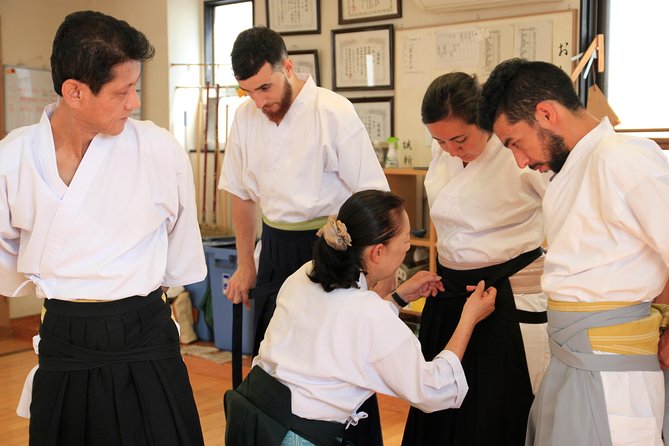
When you arrive, you’ll start with a short lecture and then change into training wear. The provider asks you to share your height and weight ahead of time because they prepare the clothing for you, which saves you from the awkward guesswork of trying to fit into generic outfits.
Safety is a big deal in this class. Even though you’re doing exciting things like sparring and slashing drills, the instructors focus on proper handling and controlled practice. That matters for first-timers, because sword practice looks easy from far away and feels very technical when you’re holding the equipment.
The katana lesson: history, parts, and how to handle the blade
Before you swing anything, you get a lecture on Japanese swords. The goal is simple: you learn what you’re working with and why it matters.
You’ll cover the blade and how it’s used in context, and you’ll also learn proper technique for handling the sword. This is where many classes fail by skipping the “why” and jumping straight to motion copying. Here, you get the background so your practice has meaning.
This part also sets your body up for the rest of the session. Stance and grip are not small details. They control everything that comes after, especially when you start moving through kata slashes and timed defensive work.
A change of pace from Tokyo:
- Mt Fuji and Hakone 1-Day Bus Tour Return by Bullet Train
★ 5.0 · 26,383 reviews - 1-Day Tokyo Bus Tour
★ 5.0 · 14,250 reviews - Tokyo: TOKYO SKYTREE® Admission ticket
★ 4.5 · 11,192 reviews - Tokyo: teamLab Planets TOKYO Digital Art Museum Entry Ticket
★ 4.6 · 9,779 reviews
Iai training with a mock sword: timing you can feel
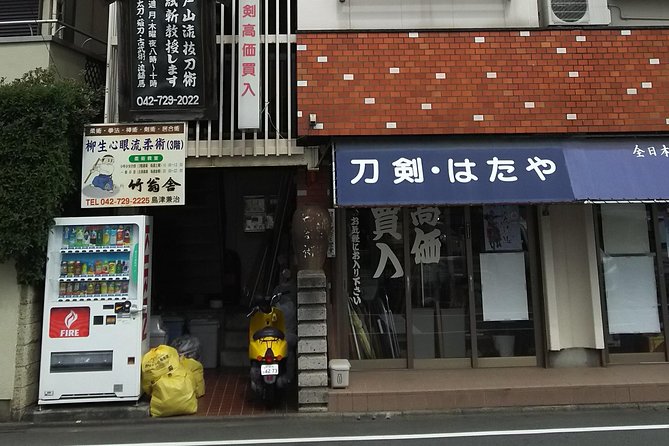
Iai is where the session becomes more focused and more demanding in a good way. You’ll learn how to handle and swing the mock sword, building coordination and timing without relying on chaos or speed.
In practical terms, you are training control. Your movements need to start from the right posture and settle into a clean action. If you skip the basics here, it shows later when you try to connect offense and defense.
One of the reasons people love this format is that it gives you a repeatable structure. You understand what you’re doing, you try it, and then you adjust.
Gekken practice: timed offense and defense plus sparring
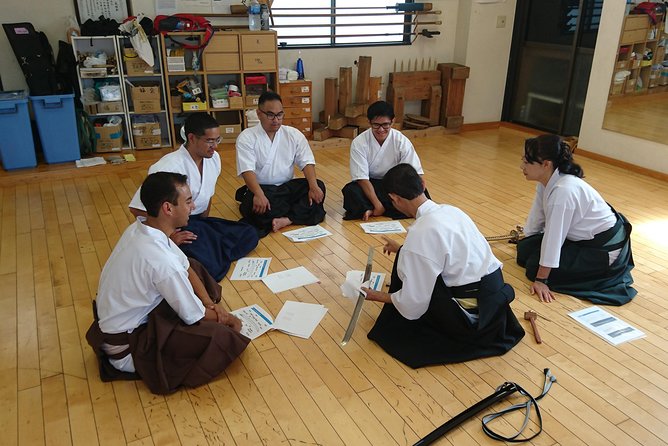
Once iai is under your belt, you move into gekken. This is the part that shifts from solo forms into “duel thinking.”
You learn timing for attack and defense, and then you spar with a practice sword. The emphasis is on controlled interaction, so you learn spacing and reaction without turning it into a risky free-for-all.
You’ll also get slashing practice through multiple targets while moving. That drill is hard in a way that’s hard to explain until you try it. Your feet and your upper body have to cooperate, or the cut falls apart.
This is also where the teaching style shines. You get encouragement while the instructor keeps the rules clear. The result is that you feel challenged, but not lost.
Blade-line checks and test cutting style moments
A standout element of this class is the blade-line work. You can check the blade line with a mock sword, then try a test cutting activity.
This is the moment where the idea of a sword becomes real. It stops being a prop and starts behaving like a tool with line, angle, and intention. If your cut is off by even a little, you feel it.
This part also connects the lecture and the drills. The “history and parts of the katana” lessons turn into something practical: why angle and timing matter, not just what the sword looks like.
If you like measurable progress, this section gives you one of the best chances to see it quickly.
Archery practice with a real bow and arrow, the samurai weapon
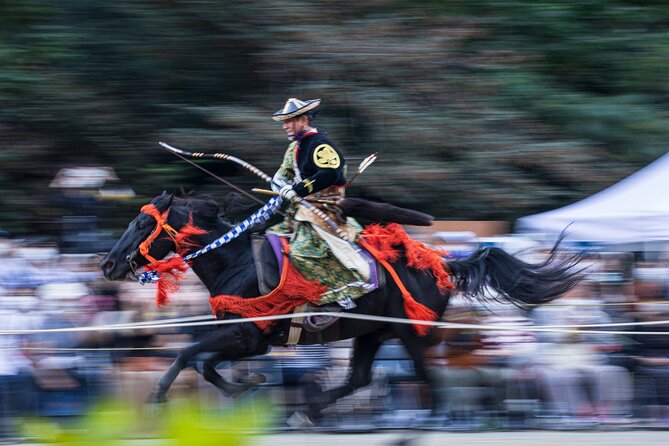
After sword work, you shift to archery. Samurai archery was the main weapon for a long time, and the class treats it with respect, not as a random add-on.
You practice with a real bow and arrow. This is important because it changes your expectations. A toy or a simulator can’t teach the same control and release discipline you need for real equipment.
The instructor is also a master of swordsmanship and horseback archery, so you get instruction framed by that tradition even though you’re doing it on the ground. The training approach is still about precision and repeatable form.
Even if you’re not athletic, you can make progress quickly because archery rewards calm reps. You just need to focus and follow the safety and form guidance.
The Toyama-ryu 7th grade live demonstration
The session doesn’t end with your own practice. You also get a live demonstration of Toyama-ryu at a 7th grade level.
This is where you see how difficult the techniques can be. It reinforces what you felt during your drills: timing, spacing, and controlled power are not beginner topics.
It also helps you understand why the class is structured the way it is. The training you do in a short window is preparation for skills that take years to refine.
Price, value, and what makes it feel authentic
At $198.20 per person for about 2 hours 30 minutes, the price sits in the mid range for Tokyo activity tours. The key question is what you get for that money, and here the answer is practice time plus real instruction.
You receive:
- training uniform
- practice sword and bokken
- real bow and arrow
That equipment list matters. It means you don’t waste your time renting gear or guessing whether you have the right tools.
The class also promises more than “try a sword.” It’s built around lecture, iai and gekken lessons, sparring, moving slashes, test cutting, and archery. That mix is a better value than sessions that are mostly a photo-op with a single demo cut.
There is also a small extra consideration: facility charter fees may apply, since they are not included.
Practical expectations: who will love it and who should think twice
This class is ideal if you want something hands-on and you’re okay with doing real work. You’ll enjoy it most if you like learning skills with a clear structure and you can follow instruction in a focused way.
It’s also a great pick for people who want authenticity. The dojo setting, the training clothes, the emphasis on technique, and the serious mindset make it feel like more than a gimmick.
If you have injuries, severe mobility limits, or you hate being physically challenged, then this may not fit your trip style. While most travelers can participate, the moving drills and sparring section can be demanding.
And come with the right attitude. This is the kind of activity where concentrating matters. You will likely be sore afterward, so plan an easy day the next morning.
Should you book the Tokyo samurai sword and archery class?
Book it if you want:
- more technique and less performance
- sword training with clear lessons like iai and gekken
- real archery practice with a bow and arrow
- a structured class that stays serious about safety
Skip it or choose a lighter option if:
- you want a relaxed sightseeing activity
- you dislike physical drills and the idea of being sore
- you are looking for a purely visual experience
If your travel days include shrines, streets, and museums, this dojo class adds a different kind of understanding. It’s not about collecting photos. It’s about learning what controlled movement feels like, from the blade line to the release of an arrow.
FAQ
How long is the Samurai sword and archery class?
It runs about 2 hours 30 minutes.
Where is the meeting point?
The meeting point is 3-chōme-14-14 Haramachida, Machida, Tokyo 194-0013, Japan.
What is the maximum group size?
The class has a maximum of 15 travelers.
Is it mostly a lecture, or do I practice?
You practice. You can expect sword kata work, iai handling with a mock sword, gekken timing and defense with sparring, blade-line checks, and archery practice with a bow and arrow.
What equipment is included?
The class includes a practice uniform, a practice sword/bokken, and real bow and arrow equipment.
Do I need to bring a sword or archery gear?
No. The provider supplies the training gear and equipment for the class.
Do I need to wear special clothing?
You change into training wear at the dojo. The provider asks for your height and weight because clothing is prepared for the lesson.
Is there an extra fee not included in the price?
Facility charter fees may occur and are not included in the listed price.
What happens if the weather is bad?
The experience requires good weather. If it is canceled due to poor weather, you will be offered a different date or a full refund.
What is the cancellation policy?
You can cancel for a full refund up to 24 hours before the experience starts. Less than 24 hours before start time is not refunded.
If you tell me your travel dates and where you’re staying in Tokyo, I can help you think through timing and how early you should leave to avoid stress on the way to Machida.
Latest write-ups near Tokyo
- From Tokyo: Top 5 Scenic Spots of Mount Fuji Full-Day Tour★ 4.5 · 67 reviews
- Tokyo Customized Private Tour: See Top Attractions in 1 Day★ 4.8 · 67 reviews
- Traditional Japanese Music ZAKURO SHOW in Tokyo★ 5.0 · 67 reviews
- Tokyo: Shinjuku Izakaya and Golden Gai Bar Hopping Tour (2h)★ 4.9 · 67 reviews
- Tsukiji: Unlimited Sake Tasting Experience★ 4.9 · 67 reviews
- Samurai Ninja Museum Asakusa: Kid-Friendly Ninja Training★ 4.7 · 67 reviews
- Tokyo: Not a show- a professional sumo practice with experts★ 4.9 · 67 reviews
- Private Harajuku Omotesando Architecture Walking Tour★ 5.0 · 67 reviews
Samurai & Ninja Experiences, compared.

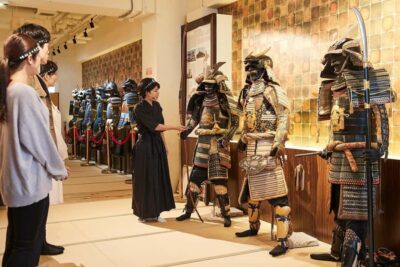
Samurai Ninja Museum Guided tour and Experience
Read our review →
Kendo and Samurai Experience with Uniform and Gear
Read our review →
Samurai Sword Class by Experts in Traditional Arts
Read our review →
Skip the lines Basic Ticket at SAMURAI NINJA MUSEUM KYOTO
Read our review →
Samurai Sword & Archery Class from Samurai Descendant
Read our review →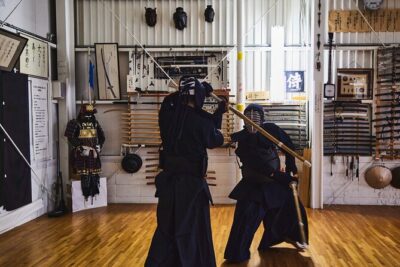
Browse the lists this tour appears in