
Reviewed · SAMURAI & NINJA EXPERIENCES
Best Samurai Experience in Tokyo
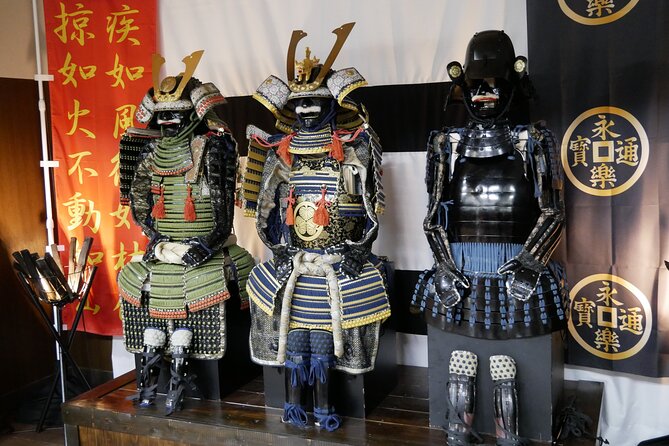
Tokyo’s best samurai experience is fun because it does not stop at costumes. You get a real, guided practice session in a dojo-like space with armor and weapons around you, so the day feels like you walked into a period drama set.
I like that you choose your own kimono and hakama before you train, which means the outfit actually feels like yours. I also like the hands-on katana basics, from drawing and holding to controlled swings and retracting, capped with a simple chambara sword-fight practice. One thing to consider: it is about 1 hour, so the focus is on beginner-friendly fundamentals and a short choreographed battle, not long, advanced sword training.
Key Highlights You Will Feel Immediately
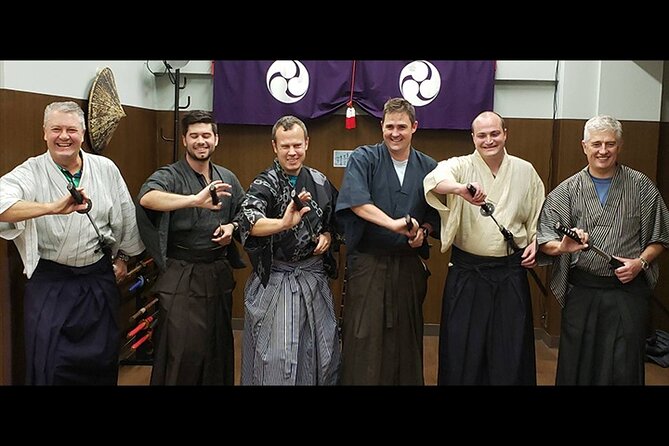
- Pick your kimono and hakama first, then step into full samurai gear for the class
- Practice katana fundamentals like drawing, holding, swinging, and retracting
- Chambara-style sword play with a simple, beginner-friendly battle drill
- Museum-like Edo dojo setting with armor and weapons on display
- Smartphone photo and video friendly inside the venue
- Small group size, up to 10 people, with hands-on attention from instructors
An Edo-Style Dojo, Armor All Around
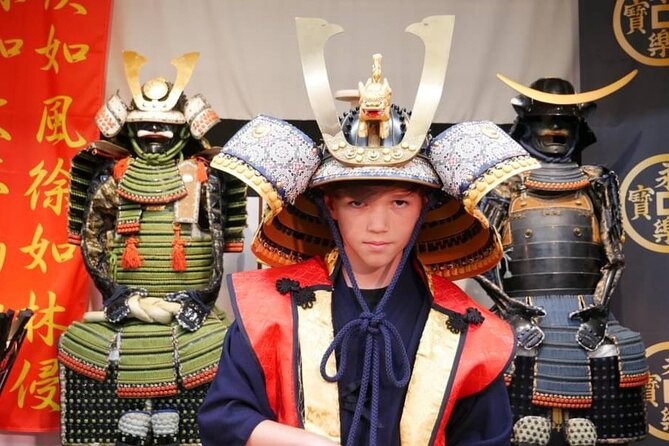
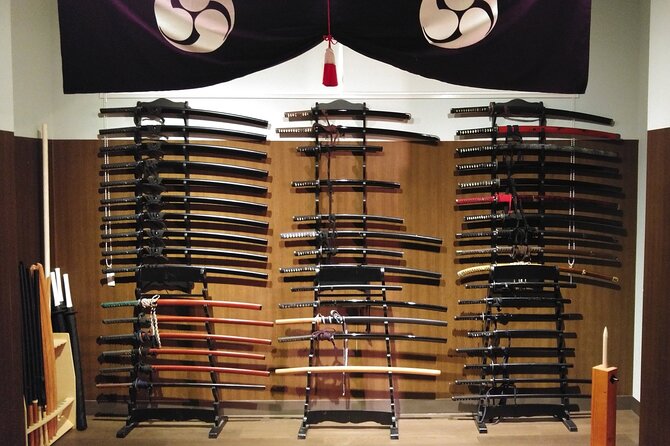
What makes this experience so appealing is the setting. You meet inside a museum-like space designed to feel like an Edo-period dojo, with armor and a lineup of weapons that make the training feel grounded, not just theatrical.
You can expect a controlled, structured experience. The staff keeps you moving through the steps, from getting dressed to learning basic sword behavior, then practicing a short battle sequence.
This is also one of those rare Tokyo activities where you can walk in with zero samurai knowledge and still leave with a clear set of moves in your head. The goal is not to turn you into a swordsman. It is to give you a safe, memorable first contact with samurai culture.
More Samurai & Ninja Experiences in Tokyo
- Tokyo: Samurai Restaurant Show Ticket with 2 Drinks
★ 4.5 · 1,307 reviews - Tokyo: Samurai Ninja Museum Guided tour and Experience
★ 4.6 · 1,010 reviews - Tokyo: Samurai Sword & Archery Class from Samurai Descendant
★ 5.0 · 603 reviews
From Meeting Point to Costume Change, You Start Acting the Part
The experience starts at Samurai Theater Tokyo, at 40 Yokoteramachi, Shinjuku City, Tokyo. It ends back at the same meeting point, so you do not have to think about where to go after your training.
Once you arrive, the first big moment is getting dressed. You choose a kimono and hakama that you like, then you change into a full samurai costume. People consistently mention how comfortable the outfits are once they put them on, which is helpful because you will be standing, moving, and posing for photos.
A practical note: one common snag is that the venue sits down side roads. So if you are using a map, go slow at first, look for the flag, and give yourself a few extra minutes to orient.
Katana Training: Draw, Swing, Retract, With Safety Built In
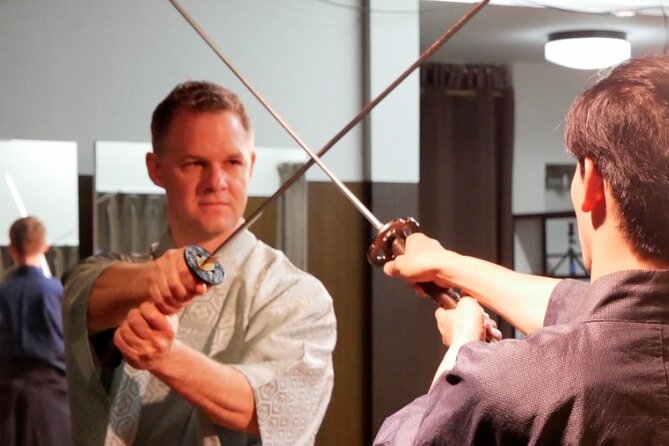
The heart of the class is the sword lesson. You will learn core actions like how to draw a sword, hold it, swing it, and retract it in a way the instructors can correct and manage.
You do not need prior experience, and the pace is designed for beginners. Reviews specifically mention that the instructors explain things clearly and include safety in the instruction, which matters a lot when you are handling props that look serious.
You will also learn how to stand and move so your movements look right when you later film or pose. That sounds small, but it is a big part of why this experience feels satisfying, even if you only remember a handful of techniques at the end.
Instructors are described as authentic and having appeared in major Japanese dramas and movies. Even if you do not recognize them from screen roles, the takeaway is the same: they run the session like trained professionals, not a casual demo.
Chambaras and Music-Driven Battle Play
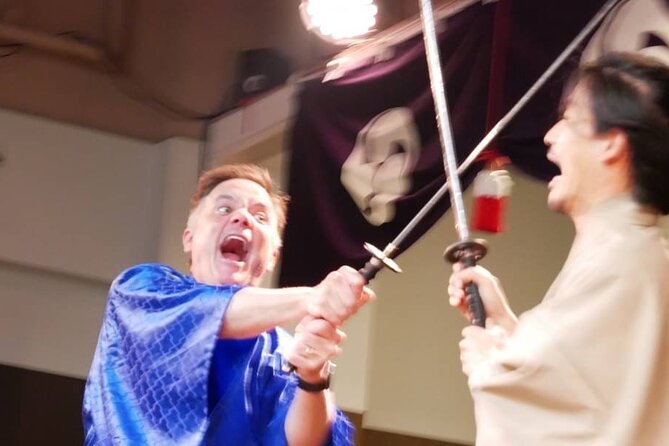
After the basics, you practice a simple chambara sword fight. Think of it as a short drill that lets you put the motions together in a controlled, repeatable way.
Then comes the fun part people talk about most: you try to exterminate bad guys to the music. It is choreographed, playful, and made for the room, not a quiet museum lesson.
This is why I think it works for more than just sword fans. If you like acting, the battle section gives you a chance to perform. If you like movement, it gives you a structured workout. If you like history, the Edo-style setting and weapons displays give the whole thing a stronger “place” than a generic class.
And yes, it is still training. The instructors keep you aligned and moving with purpose. You are not just posing in costume.
A change of pace from Tokyo:
- Mt Fuji and Hakone 1-Day Bus Tour Return by Bullet Train
★ 5.0 · 26,383 reviews - 1-Day Tokyo Bus Tour
★ 5.0 · 14,250 reviews - Tokyo: TOKYO SKYTREE® Admission ticket
★ 4.5 · 11,192 reviews - Tokyo: teamLab Planets TOKYO Digital Art Museum Entry Ticket
★ 4.6 · 9,779 reviews
Photos, Video, and the Staff Who Help You Remember It
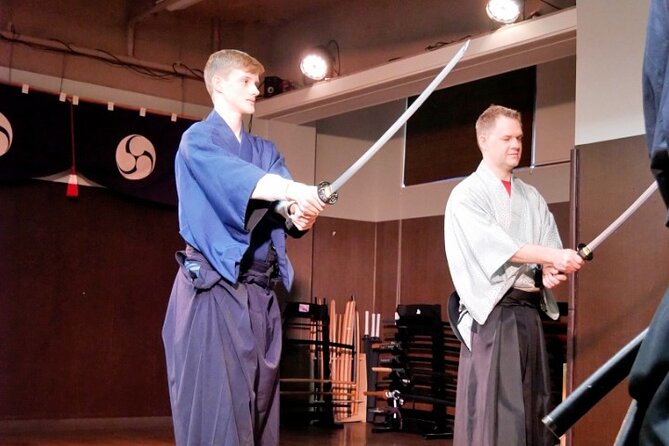
Photography and video recording are allowed inside the museum, so you can document your progress while you learn. This is a huge advantage in Tokyo, because too many cultural activities either restrict filming or turn it into a stop-start hassle.
You also get lots of photo opportunities. Multiple reviews mention that instructors take plenty of pictures and help with filming, which means you are not stuck trying to frame everything yourself while you wear heavy-looking gear.
A smart move for your phone: switch to a stable video mode before you start. Then when the instructors guide you into a pose or sequence, you are ready to capture it immediately.
If you are traveling as a family, this section is the glue. Kids get dressed up, adults get a chance to do something physical and different, and everyone gets shareable photos without begging strangers to take them.
Price and Value in Tokyo: Why $65 Can Make Sense
At $65 per person for about 1 hour, this is not the cheapest thing in Tokyo. But the value is in the combination.
You get:
- A professional instructor/guide
- Samurai costumes included
- A hands-on sword lesson and battle practice
- A setting built like an Edo dojo, with armor and weapons on display
- A small group size (maximum of 10 people)
- Photos and video allowed inside
In Tokyo, many “cultural experiences” either include a guide with no training, or let you train with a staff member but without the costume component. Here, the experience bundles both the look and the action, so you leave with more than a souvenir photo.
Also, the price includes all fees and taxes. That matters because it keeps the cost simple when you are planning multiple activities.
If you are choosing between this and something more “museum-only,” think about what you want your day to feel like. This is the kind of activity that gives you a story you can reenact later in your hotel room.
Small Group Size, Solo-Friendly, and Family Fit
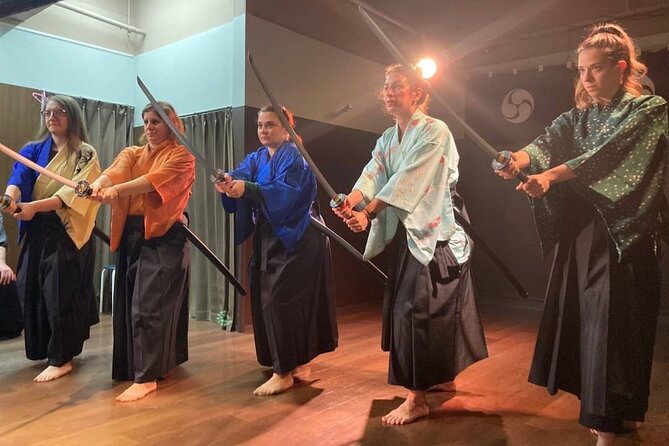
The group size is up to 10 travelers, which keeps the instruction practical. You are not lost in a crowd, and the instructors can correct your form as you learn key actions like drawing and retracting.
One person can also join the tour. That is a big plus if you are solo and want an activity that is not awkward. You still get a full session, and the staff helps with filming and photos so you do not feel like you must constantly rely on strangers.
It is also pitched as suitable for families, and the energy seems to match. Reviews describe kids enjoying dressing up and learning moves, and at least one mention includes a small gift at the end for children. I would not count on it as a guarantee, but if you are traveling with young samurai fans, it is worth knowing that the team seems to make the experience feel special for kids.
What to Expect During Your 60-Minute Session
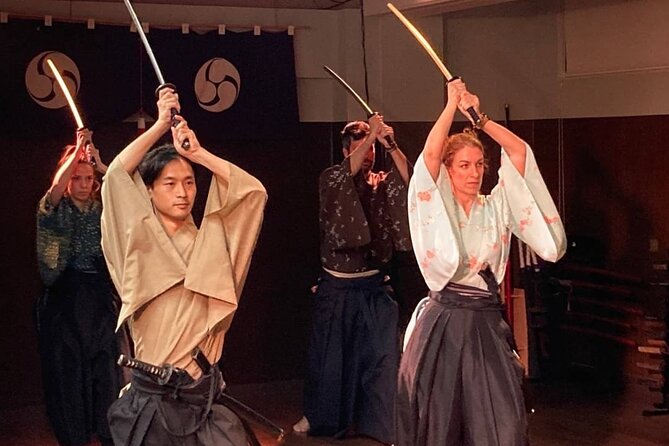
This is a short, focused program, so every minute matters. While the exact flow can vary a bit by group, you should expect the session to follow this rhythm:
1) Arrive and get oriented in the Edo-style space with weapons and armor around you
2) Choose your kimono and hakama, then change into the samurai outfit
3) Learn katana basics step-by-step, including drawing, holding, swinging, and retracting
4) Practice a simple chambara sequence so you can connect the motions
5) Join the music-driven battle moment to play out the drill
6) Take photos and video during the relevant parts, often with staff help
The biggest “time reality” is that you will not have hours to experiment. But you also will not get bored. It is designed to be complete and memorable within about 1 hour.
Before You Go: Simple Tips That Improve the Experience
You do not need special sword knowledge. You do need a good attitude and a willingness to follow instructions closely, because the training is structured and safety matters.
A few practical pointers:
- Wear something you can move in comfortably, since you will do sword motions and posing
- Keep your phone charged, and consider bringing a power bank if you plan to film a lot
- Arrive with a few extra minutes if the side-road location makes you second-guess the address
- If you are camera-focused, switch to video early, then let the instructor guide your moments
Also, confirmation is received at booking time. That helps you feel set before you leave home, especially when you have multiple Tokyo plans.
If you want one Tokyo activity that changes your day from passive sightseeing into active participation, this is a strong candidate.
Should You Book This Samurai Experience in Tokyo?
Book it if you want a hands-on Tokyo activity with a strong “I am actually doing this” payoff. The combination of costume choice, katana fundamentals, and a short chambara battle is the reason this experience scores so high in satisfaction.
I would also book it if you travel with family, because kids usually get a lot out of the dressing-up moment, and adults tend to enjoy the structured, beginner-friendly practice.
Skip it if you already know sword fundamentals and want serious, long-session training. This is about first steps, guided choreography, and having fun safely, not about becoming advanced.
For most visitors, especially first-timers, this is the kind of experience that turns Tokyo from a list of sights into a day you will replay in your head later.
FAQ
How long is the Samurai experience in Tokyo?
It lasts about 1 hour.
What is included in the $65 price?
The price includes all fees and taxes, a professional guide or instructor, and samurai costumes.
Is a mobile ticket used?
Yes, the tour uses a mobile ticket.
Can I take photos and record video during the experience?
Yes. Photography and video recording are allowed inside the museum.
How many people are in a group?
There is a maximum of 10 travelers.
What is the cancellation policy?
Free cancellation is available. You can cancel up to 24 hours in advance of the experience start time for a full refund.
Latest write-ups near Tokyo
- Tokyo Customized Private Tour: See Top Attractions in 1 Day★ 4.8 · 67 reviews
- From Tokyo: Top 5 Scenic Spots of Mount Fuji Full-Day Tour★ 4.5 · 67 reviews
- Tokyo: Shinjuku Izakaya and Golden Gai Bar Hopping Tour (2h)★ 4.9 · 67 reviews
- Traditional Japanese Music ZAKURO SHOW in Tokyo★ 5.0 · 67 reviews
- Tsukiji: Unlimited Sake Tasting Experience★ 4.9 · 67 reviews
- Tokyo: Not a show- a professional sumo practice with experts★ 4.9 · 67 reviews
- Samurai Ninja Museum Asakusa: Kid-Friendly Ninja Training★ 4.7 · 67 reviews
- Private Harajuku Omotesando Architecture Walking Tour★ 5.0 · 67 reviews
Samurai & Ninja Experiences, compared.
Samurai Ninja Museum Guided tour and Experience
Read our review →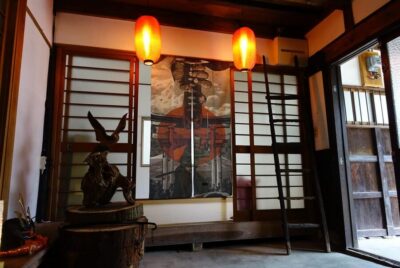
Kendo and Samurai Experience with Uniform and Gear
Read our review →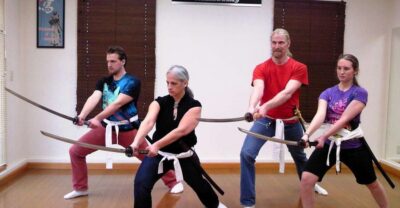
Samurai Sword Class by Experts in Traditional Arts
Read our review →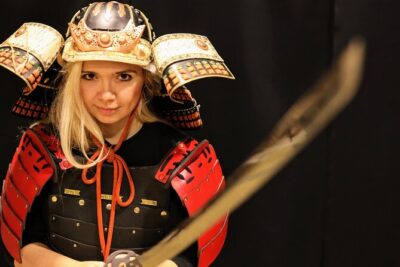
Skip the lines Basic Ticket at SAMURAI NINJA MUSEUM KYOTO
Read our review →
Samurai Sword & Archery Class from Samurai Descendant
Read our review →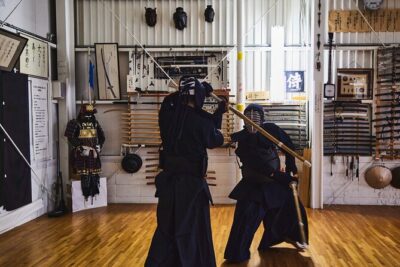
Browse the lists this tour appears in