Reviewed · TICKETS
Catch a Baseball Game in Tokyo with a Local – Tickets Included
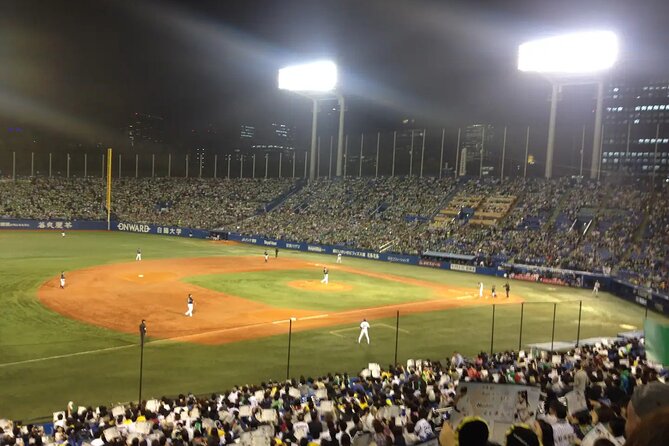
Japanese baseball feels different the moment the crowd starts singing. This small-group outing pairs secure tickets with a local guide who helps you follow the game and join in on the cheers, even if you do not know the rules.
I like two big things here. First, the tickets are included, so you skip the language headaches and can focus on the experience. Second, the guide turns the stands into a lesson, with chant help, sometimes even a borrowed home jersey so you feel part of the noise.
The only real consideration is seat location. You may end up higher than the fullest-on cheering section, depending on where the seats land for your specific game.
Quick hits before you buy
- Local guide chant coaching so you can join the singing fast, not after the seventh inning
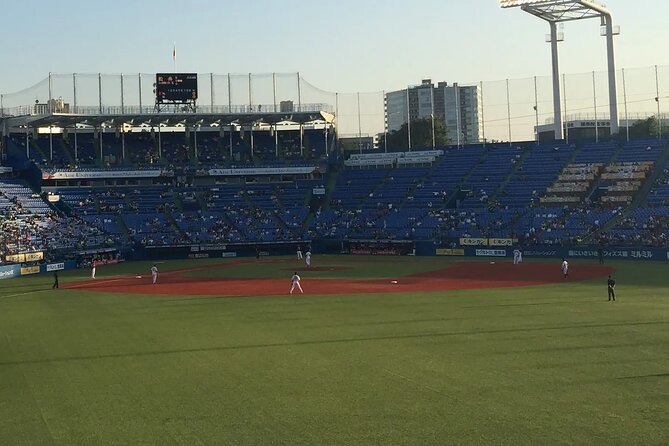
- Tickets included for Tokyo Dome, Meiji Jingu Stadium, or Yokohama Stadium
- Snacks during the game plus help with what to grab at the concessions
- Borrowed home gear for some games to blend in with the home fans
- Small group size (max 6) makes it easy to ask questions and chant together
Why Japanese baseball with a local guide is so fun
Japanese baseball is one of those sports experiences where the crowd is part of the play. In Tokyo, the home section can be standing, clapping, and singing in a steady rhythm. Even if you only catch the score in passing, you will still feel the energy because everyone knows what comes next.
What makes this tour work is that it handles the two things that can slow you down. You get tickets secured without fighting ticket machines or translation. And you get a local guide who teaches the team cheers, so the chanting does not feel like random noise.
Also, the guides tend to be very hands-on. Names you might see include Jason, Kristi, Jadon, and Christy. In plain terms, they help you get oriented, tell you where to stand, and make sure you are not drifting alone in a big stadium.
Also on the shortlist for Tokyo:
- Mt Fuji and Hakone 1-Day Bus Tour Return by Bullet Train
★ 5.0 · 26,383 reviews - 1-Day Tokyo Bus Tour
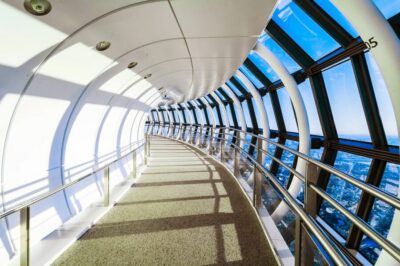
★ 5.0 · 14,250 reviews - Tokyo: TOKYO SKYTREE® Admission ticket
★ 4.5 · 11,192 reviews
Price and value: what $110 buys you in Tokyo
$110 can sound like a lot until you break down what you are actually getting. You are paying for a game ticket, snacks, and guided support around the stadium. If you have ever tried to source a baseball ticket in Japan by yourself, you know the real cost is time, stress, and occasional dead ends.
Here the tickets are included for Tokyo Dome, Meiji Jingu Stadium, or Yokohama Stadium. That matters because these are not casual venues where you can easily swap plans last minute. You also get a group size that tops out at 6, which usually means less waiting around and more real communication with your guide.
On top of that, you might get a borrowed home jersey and cheering goods for some games. That single detail often changes the vibe. You stop being a spectator and start acting like part of the crowd, which is exactly the point of this kind of outing.
Getting there: the walk to the stadium and the small-group rhythm
You will meet at a train station and walk together to the stadium. This is a smart setup in Tokyo, where stations can be huge and exits are not always intuitive. A guide helps you with the practical side, like where to line up and how to keep the group together.
The tour usually runs about 3 to 4 hours, long enough to watch the game and absorb the culture, but not so long that you feel trapped. Also, because it is a maximum of 6 people, the pace tends to be manageable. You can ask questions without feeling like you are holding up a bus.
One practical tip: pay attention to the meet-up instructions shared by the group chat right before you go. A previous group noted the meeting point details were clearer in chat than in email reminders, and that is good advice. In Tokyo, a ten-minute misread can mean a lot of walking.
Where you might watch: Tokyo Dome, Meiji Jingu, or Yokohama
Your game location will be one of three stadiums. You will not control the venue ahead of time, so I recommend planning your day around flexible locations.
A change of pace from Tokyo:
- Tokyo: teamLab Planets TOKYO Digital Art Museum Entry Ticket
★ 4.6 · 9,779 reviews - Mt Fuji & Hakone Cruise, Drum Show Bullet Train 1 Day from Tokyo
★ 4.0 · 7,413 reviews - Tokyo: Sumo Show Experience with Chicken Hot Pot and a Photo
★ 4.8 · 6,678 reviews - Tokyo: Shinjuku Food Tour (13 Dishes at 4 Local Eateries)
★ 5.0 · 6,603 reviews
Tokyo Dome
Tokyo Dome is a fan favorite because it is indoor and air conditioned. One example from a past game had hot summer weather outside, and the indoor comfort was a real relief. If you want the safest bet for weather, Tokyo Dome is often the calmest choice.
Meiji Jingu Stadium
Meiji Jingu is another major option on the schedule. If your game lands here, you should expect a classic stadium atmosphere where the crowd energy is close and constant.
Yokohama Stadium
Yokohama is a fun pick if you want to mix sports with a different part of the Tokyo area. Your guide will still handle the key parts: where to meet, where to enter, and how to understand the cheers.
In all three, the important part is the home-section vibe. The tour is set up so you can feel part of the chanting, not just sit quietly in the dark.
The real star: learning Japanese baseball cheers on the spot
You do not need to know baseball to enjoy this. The guide teaches what you need, and they do it with chants for the players. That means you can follow the rhythm of the game even when the action happens fast.
I love how this shifts your attention. Instead of asking, What is happening?, you start asking, Who is up next, and what cheer goes with them? That small change makes the game feel way more readable.
You may get chant materials and guidance before things start. In past outings, guides brought printed sheets to help the group follow the timing. Then you practice with everyone in the stands, which is where the magic happens. You will hear the crowd lead, and you can follow along like you have been coming for years.
And yes, the cheering can get intense. People stand, sing, and clap together. If you are curious about Japanese sports culture, this is one of the easiest ways to experience it without a language barrier.
How the guide makes you fit in: jerseys, gear, and merch time
This is not just about where you sit. It is about how you act while you are there. Some games include borrowing a home jersey and cheering goods, which helps you blend in with the fans. Even if you only wear it for an hour, it changes the mood instantly.
A guide can also help you handle the stuff around the game. Past experiences included walking to buy team gear, and that is a great way to bring home something real. You get a souvenir tied to a moment, not a random store purchase.
One of the best parts is that the guide often turns stadium wandering into culture time. You see how fans prep, what they wear, and how they show team spirit. It is small, but it makes the whole outing feel intentional.
Snacks, concessions, and what to eat during 3 to 4 hours
The tour includes snacks. That sounds simple, but it matters because stadium food can be a time sink when you do not know what to look for. Having something handled for you keeps the game from turning into a long line and a short, confusing order.
You can also bring outside food and drinks into the stadium. The rules given are no glass bottles or cans. So if you want to pack something practical, do it with that in mind.
You will still likely want to try stadium concessions. In Japanese baseball, the vendors are part of the show, and drinks sales can look like a performance. If you like people-watching, this is a bonus.
One smart approach: eat early in the game. Then you can focus on cheering instead of checking your watch every time someone with a tray walks by.
Seats and comfort: where you might end up
I want to be honest here. Some seats feel tighter than you expect, especially if you are larger than the average stadium attendee. One past group described bench seating as cramped for larger Americans.
You also may not all sit in the same section. In one experience, part of the group was in the more interactive cheering area while others had seats higher up. The view can still be fine, but the intensity of the chanting might differ by section.
So what should you do?
- If you care most about being in the chant-your-heart-out section, you should ask your guide about where you are seated and how the sections differ.
- If you care more about comfort and a clear view, prioritize a location that feels easier for you, even if it means slightly less standing.
Either way, you will likely still join the cheers. The whole point of the tour is the group learning, not just the view.
Atmosphere check: beer girls, singing crowds, and the home section
The stadium scene can be a little wild compared to what you might expect from US ballparks. You will probably see a lot of singing and chanting as a coordinated group activity. Think of it like stadium music and sports teamwork rolling together.
You may also notice beer sales moving through the stands, and it can feel like a show. If you like the theater of live events, this is a real highlight.
And because this tour focuses on the home section energy, you are not meant to sit there like a museum visitor. You are encouraged to participate. When your guide gives the cheer, you do it with the crowd. It is a fast way to feel the culture.
What to bring, what the stadium allows, and camera reality
Cameras are OK. That is great, because you will want photos of the crowd, the stadium vibe, and the borrowed jersey moment if you get one.
Backpacks and bags are OK too, so you do not have to travel light in a frantic way. Still, I recommend keeping it simple. Stadium days have a lot of movement, and easier bags mean less hassle.
Wear shoes you can stand in. Even if you sit some of the time, you will likely spend sections of the game standing or leaning forward while chanting. If you know you get uncomfortable quickly, plan for it.
Small-group energy: why max 6 matters
A max group size of 6 changes the whole experience. Your guide can actually make eye contact. You are more likely to get help when you need it, like finding elevators or handling a slow-walking situation.
In one example, a guide arranged for elevator service for someone who had difficulty walking. That tells you the group is not treated like a cattle line. When you have a smaller group, practical care becomes easier.
It also helps with the chant coaching. The guide can correct timing, point out what to do next, and keep the group moving together.
Weather and comfort: the non-negotiables
The experience requires good weather. If poor weather forces a cancellation, you get offered a different date or a full refund. This is important because it means the tour is planned around conditions, not just a seat that you can use no matter what.
If you are visiting in a season with heavy rain, check the forecast closely the day before. If the game you get happens to be at Tokyo Dome, you already have a built-in comfort advantage since it is indoor and air conditioned.
Should you book this Tokyo baseball game with a local?
Book it if:
- You want the stadium experience, not just the ticket.
- You like sports culture and you want to understand what the crowd is doing.
- You prefer a low-stress plan with tickets included and a guide to translate the experience into something you can actually join.
Skip it if:
- You hate standing crowds and chanting. Even with seats, the atmosphere can be interactive.
- You are picky about exact seat location. You get a good game plan, but the exact placement may vary.
For most people, this hits the sweet spot in Tokyo: major sport, local know-how, and real participation. If you go, use the guide’s chant help, wear the jersey if they offer it, and treat the crowd like your co-pilot. You will leave with a memory that feels like Tokyo, not just Japan-as-a-photo-op.
FAQ
How long is the baseball game tour?
It runs about 3 to 4 hours.
What stadiums might the game be at?
The included tickets are for Tokyo Dome, Meiji Jingu Stadium, or Yokohama Stadium.
Is the ticket price included in the $110 cost?
Yes. Admission tickets are included in the price.
What’s included besides the game ticket?
Snacks are included, and home jersey and cheering goods can be borrowed for some games.
Is pickup available?
Pickup is offered. You will want to confirm the meeting details that apply to your booking.
Are cameras and bags allowed?
Cameras are ok. Backpacks and bags are ok as well.
Can I bring outside food or drinks into the stadium?
Yes, outside food and drinks can be brought in. Glass bottles or cans are not allowed.
Latest write-ups near Tokyo
- From Tokyo: Top 5 Scenic Spots of Mount Fuji Full-Day Tour★ 4.5 · 67 reviews
- Tokyo Customized Private Tour: See Top Attractions in 1 Day★ 4.8 · 67 reviews
- Traditional Japanese Music ZAKURO SHOW in Tokyo★ 5.0 · 67 reviews
- Tokyo: Shinjuku Izakaya and Golden Gai Bar Hopping Tour (2h)★ 4.9 · 67 reviews
- Tsukiji: Unlimited Sake Tasting Experience★ 4.9 · 67 reviews
- Samurai Ninja Museum Asakusa: Kid-Friendly Ninja Training★ 4.7 · 67 reviews
- Tokyo: Not a show- a professional sumo practice with experts★ 4.9 · 67 reviews
- Private Harajuku Omotesando Architecture Walking Tour★ 5.0 · 67 reviews
Tickets, compared.
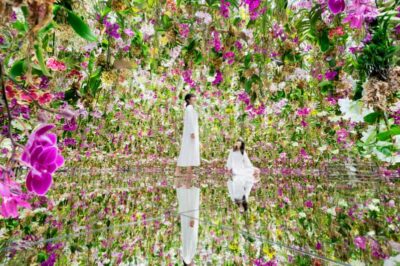
teamLab Planets TOKYO Digital Art Museum Entry Ticket
Read our review →
Japanese Dance Cabaret Theater Asakusa-Kaguwa Ticket
Read our review →