
Reviewed · FOOD & DRINK IN TOKYO
Flavors of Japan Food Tour in Tokyo
Tokyo’s food scene is easy to enjoy and hard to understand fast. This tour is interesting because it teaches you how Japanese flavors are built, then pairs that with hands-on tastings as you walk through Nihonbashi. You get a real sense of how wagashi, tea, and everyday staples connect to regional food culture.
What I like most is the focus on wagashi and tea. You do not just eat sweets, you learn what goes into them and how they’re made. I also really appreciate the structured Washoku lunch at the end, since it turns your tastings into a meal you can remember and order with more confidence later.
One possible drawback: you are on your feet for about 3 hours, sampling a lot along the way. If you prefer slow and light walking, this may feel packed, especially in summer or on a rainy day if the route needs adjustments.
Key highlights in plain terms
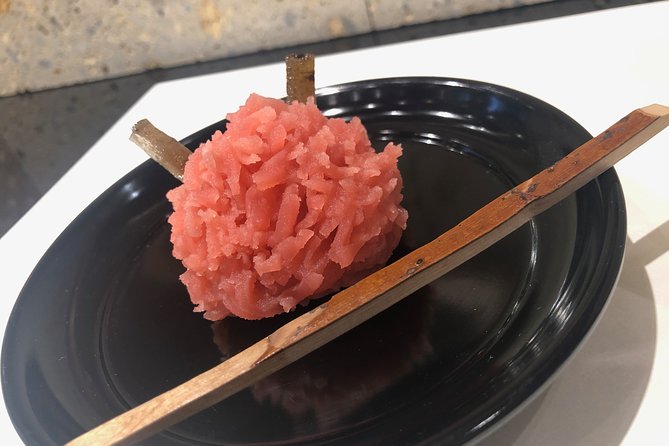
- Wagashi in the real making process, not just a dessert stop
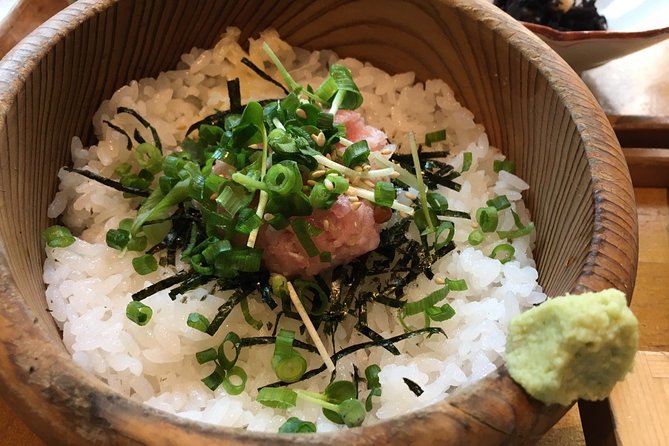
- Tastings that cover fundamentals like dashi (soup stock), pickles, and tempura-style items
- A 300-year-old knife shop plus a tea shop visit that helps you connect tools to flavors
- Washoku lunch choices you pick in advance, from soba to sukiyaki
- A guided handoff into Depachika, then snack on your own with direction
Wagashi, dashi, and Nihonbashi, the flavor map you didn’t know you needed
If you have ever stared at a Japanese menu and thought, I know what I want, but I do not know what I am actually ordering, this kind of tour helps fast. The strength here is that it does not treat food as random items. It treats food as ingredients, techniques, and regional traditions that you can recognize later.
Nihonbashi is a smart base for this lesson. It is central, easy to reach by public transit, and it has a mix of everyday streets and food-focused retail areas. The route is built around stores, shrines, and food halls you can understand even if you do not speak Japanese well. You meet up in the Nihonbashi area, start walking, and you gradually translate what you taste into what the menu is trying to say.
The tour also leans into Japanese sweetness in a way most food tours do not. Wagashi gets special attention, plus you get green tea tastings that help you notice how bitter, grassy, and sweet notes balance each other. That is a practical skill. You can use it back in your hotel when you shop for snacks or order desserts.
More Food & Drink in Tokyo
- Tokyo: Shinjuku Food Tour (13 Dishes at 4 Local Eateries)
★ 5.0 · 6,603 reviews - Tokyo Tsukiji Fish Market Food and Culture Walking Tour
★ 5.0 · 3,184 reviews - Tokyo: Shinjuku Food Tour (15 Dishes and 4 Eateries)
★ 4.9 · 2,033 reviews
Is $209 good value? What’s actually included in this 3-hour Tokyo bite loop
At $209 per person for about 3 hours, the value depends on what you want from a tour. If you want big “activity” moments like cooking classes, this is more of a guided tasting and walking lesson. But if you want variety, guidance, and a meal that anchors the experience, it adds up.
Here is what you get included:
- Regional food tastings across multiple stops while you walk
- One drink included
- A local Japanese lunch, with choices you make when booking
- A local English-speaking guide to explain what you are eating and why it matters
- A mobile ticket
The included lunch is the key payoff. By the time you sit down, you will have already sampled building-block flavors like dashi and pickles. That makes the lunch feel like a “payoff meal” rather than just another stop. You can choose from lunch options such as soba, tempura, and sashimi sets, grilled fish, chicken, or sukiyaki, which also helps the experience fit your diet and comfort level.
You also get direction for after lunch. Once the guided part ends, you head into Depachika, an underground market-style zone where you can snack well without wandering aimlessly. That can save you time and reduce the odds of overpaying for something you would not have chosen.
For perspective, the tour is capped at a small group size, with a maximum of 10 people. A small group usually means quicker explanations and less time waiting in lines at each stop.
Meeting in Nihonbashi, timing, and what to do before you go
The tour starts around 10:30am, and the published meeting point is Starbucks Coffee in the Nihonbashi Suruga Building. Another description places the meeting in the Coredo Muromachi area between Muromachi 1 and 2. The safest move is to follow your booking confirmation for the exact corner and time.
Plan to arrive a bit early with comfortable shoes. You are walking between food and sightseeing points, including a bridge area and shrine stops. The pacing is friendly, but it is still a walking loop with tastings, so you should wear something that you can move in.
Also, keep an eye on the drink detail. The tour includes one drink, and the minimum drinking age is 21. If you are under 21, you should confirm what the included drink means for you, since the tour data states that drinking age requirement.
The tour is family-friendly, and kids must be accompanied by an adult. For kids age 10 and above, a passport information copy is required. If you are bringing a child, handle that paperwork early so it does not slow you down on the day.
Stop-by-stop: the route that turns snacks into a lesson
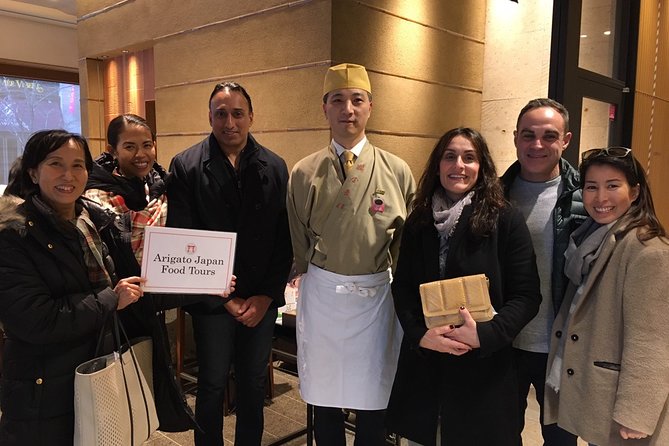
You visit nine shops along the way, with tastings that highlight different regions and traditions. The exact order can shift due to store schedules, public holidays, or weather, but the concept stays the same: you sample, you learn, you keep moving.
A change of pace from Tokyo:
- Mt Fuji and Hakone 1-Day Bus Tour Return by Bullet Train
★ 5.0 · 26,383 reviews - 1-Day Tokyo Bus Tour
★ 5.0 · 14,250 reviews - Tokyo: TOKYO SKYTREE® Admission ticket
★ 4.5 · 11,192 reviews - Tokyo: teamLab Planets TOKYO Digital Art Museum Entry Ticket
★ 4.6 · 9,779 reviews
Stop 1: Starbucks Coffee at Nihonbashi Suruga Building, get your bearings
This first stop is practical. You gather here, meet your guide, and get oriented in a recognizable spot. Starbucks can be a comfort for jet-lagged brains, and it helps you start without searching for the right street.
From there, you transition quickly into the “real” food neighborhood loop.
The Coredo Muromachi area, learning Japanese food from the ground up
Coredo Muromachi 1 is part of the early route. This area works as a setup point where you can understand how modern Tokyo wraps around older food culture. Your guide uses this time to help connect what you will eat later to the bigger idea: Japanese cuisine is built from clear flavors like dashi, pickles, and seasonal ingredients, then shaped by technique.
You also begin building your vocabulary. Expect mentions of items like wagashi (Japanese sweets), tsukemono (pickled vegetables), and dashi. Even if you only catch a few words, it helps.
Shrine and bridge breaks, why they matter on a food tour
You also pass key landmarks such as Fukutoku Shrine, Suitengu Shrine, and the Nihonbashi Bridge area. These stops are not random sightseeing add-ons. They slow you down just enough to reset, and they keep the experience feeling like walking Tokyo, not just hopping from shop to shop.
If you are the type who likes food, but also wants cultural context, these “breathing spaces” are a smart touch.
The 300-year-old knife shop, where tools explain technique
One of the most memorable segments is the visit to a 300-year-old knife shop. This is one of those moments that sounds niche until you connect it to what you are eating. Japanese food is technique-driven, and knives are part of that. You learn in a visual, human way that there is craftsmanship behind presentation, slicing, and preparation.
Even if you do not buy anything, you will start noticing texture and cut sizes when you later eat tempura, fish, or sashimi-style items.
The wagashi and tea shops, sweets with real structure
Wagashi is the headline, and you are not left guessing what it is supposed to taste like. You learn about wagashi and see it made, and you taste artistic wagashi desserts.
Green tea plays a supporting role, but an important one. Tea helps you understand why sweetness is not just sugary in Japan. It is balanced. The tour includes green tea tastings, which lets you notice how the bitterness and aroma can change the way the same sweet tastes.
This is where I think the tour earns its reputation. It turns dessert into flavor literacy.
Fruit ship, regional snacks, and the pickles-and-stock connection
Another unique stop is visiting Japan’s oldest fruit ship, plus additional regional snack stops. You sample building-block items like satsuma imo (fried sweet potatoes) and tsukemono (pickled vegetables). Pickles matter because they show how Japanese meals balance richness. When you taste them, you understand why they show up so often alongside rice, fish, and noodles.
The tour also includes sampling dashi (soup stock). That is the backbone of a lot of Japanese cooking. If you learn dashi on a tour like this, you start recognizing that flavor at restaurants later.
Egg roll, fish cakes from Kagoshima, and eel sushi
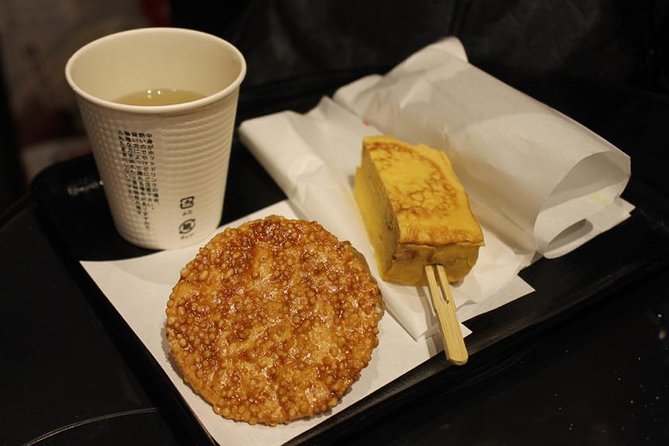
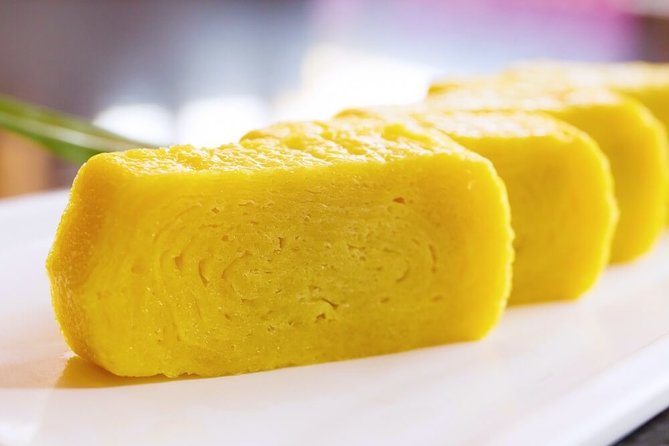
You also get tastes of specific standouts such as tamagoyaki (Japanese egg roll), fish cakes from Kagoshima, and eel sushi. These choices are not just “random seafood.” They represent different ways Japanese cuisine handles texture and savoriness.
Tamagoyaki is a gentle introduction, since it is sweet-salty and comforting. Kagoshima fish cakes introduce regional identity. Eel sushi is bolder and shows you how sweetness and richness can be handled in a savory format.
And again, you are learning as you taste, so you are not just eating, you are connecting.
The Washoku lunch: how to choose and what to watch for
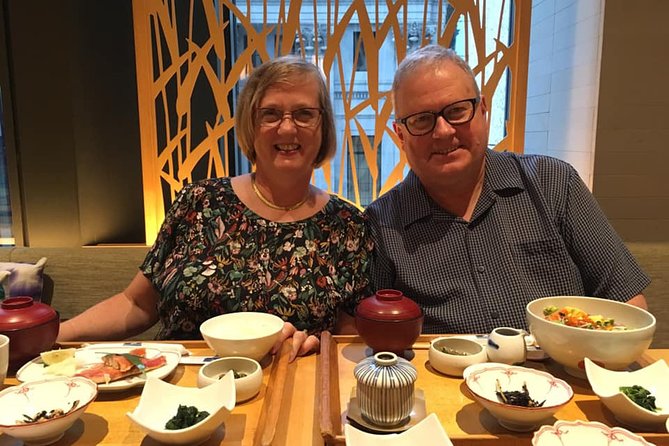
Lunch is the big guided sit-down moment. It is included, it is over with your group and guide, and it functions like a recap session. Before you eat, you have already sampled dashi, pickles, sweets, and snack bites. So lunch feels like the final chapter, not a restart.
Your lunch options, chosen upon booking, include:
- Soba, tempura, and sashimi sets
- Grilled fish
- Chicken
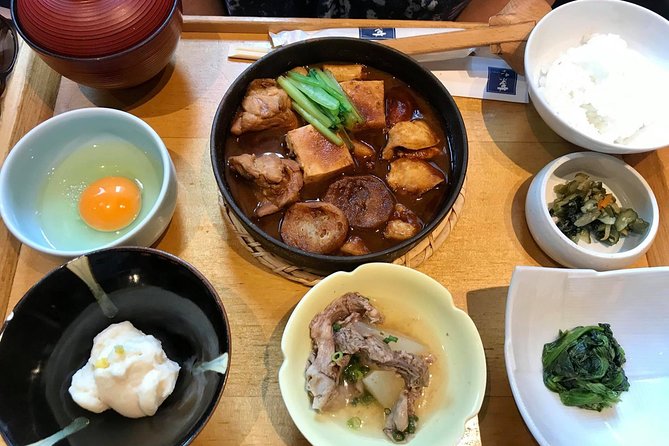
- Sukiyaki
If you are not sure what to pick, here is a practical way to decide based on taste and comfort:
- Choose a soba/tempura/sashimi set if you want a broad sampler of techniques in one meal.
- Choose grilled fish if you want something lighter and cleaner after lots of sweets.
- Choose chicken if you want a familiar protein that still fits Japanese seasonal seasoning.
- Choose sukiyaki if you want a hearty, sweet-savory bowl-style meal with strong comfort factor.
During lunch, you will talk about what you learned. That talk time matters because it helps you translate your tastings into what to order later. It is also where the guide’s teaching style shines. If you have ever felt stuck ordering in Japan, this is the part that can change how you feel in restaurants.
Depachika after lunch: snack smart without wandering
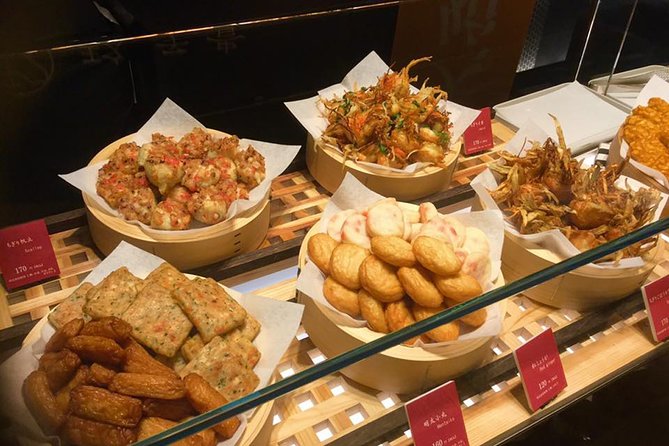
After lunch, your guide takes you into Depachika, the underground market area. This is one of the best parts of this tour structure. Instead of sending you off completely, you get pointed in the right direction for after-lunch snacks.
Depachika can overwhelm you if you are hungry and undecided. With a guide’s direction, you can focus on what fits the flavors you just learned, like green tea desserts, snack packs, or regional specialties that match the earlier tastings.
Then you are free to explore further on your own. This is a good compromise: guidance first, freedom second.
Who this tour fits best, and who might want a different plan
This tour is a great match if:
- You want a Tokyo food experience with a learning element, not just a list of items
- You like sweetness and want to understand wagashi and green tea beyond what you see in displays
- You enjoy walking and want to combine food with landmarks like bridges and shrines
- You want help decoding Japanese menus through food examples
It may be less ideal if:
- You dislike walking for about three hours, even if the pace is manageable
- You want only one or two big “signature” meals and would rather skip multiple tastings
- You are looking for a deep hands-on cooking class. This is guided tasting and explanations, not a full cooking lesson.
Good news: the tour is family-friendly, and it lists support for pescetarian, vegan, and vegetarian preferences. That makes it easier for groups with mixed diets to participate without everyone eating separate things.
Tips to get the most out of it (no guessing required)
A few practical moves will make the day smoother:
- Eat a light breakfast or skip a heavy meal. Tastings add up fast, and lunch is included.
- Bring a small water bottle if you tend to get thirsty while walking. One drink is included, but extra water can keep you comfortable.
- If you care about a specific lunch style, choose it in advance during booking so you do not end up with a compromise.
- Be ready for sweetness and tea. Even if you are not a dessert person, wagashi here is part of the flavor education.
And the biggest tip: take the explanations seriously. The best outcome is that you leave not only full, but more capable of ordering with confidence later. That is exactly the kind of change that makes a food tour worth it.
Should you book Flavors of Japan Food Tour in Tokyo?
If you want a guided way to understand Japanese food through wagashi, dashi, regional snacks, and Washoku lunch, I think you should book it. The structure is solid, the tastings are varied, and you end with a full meal that turns the morning lessons into something tangible.
The price is not cheap, but what you get is also not “just” walking and eating random bites. You get multiple tastings across different categories, one included drink, a guided lunch, and help with after-lunch snack direction in Depachika. If that fits your travel style, it is a good value use of a few hours in Tokyo.
If you are already a very confident Japanese menu reader and only want one meal, you might feel this is more than you need. But if you want both food and fluency, this is the kind of tour that pays off long after the last bite.
FAQ
How long is the Flavors of Japan Food Tour?
The tour is approximately 3 hours.
Where do I meet the guide for the tour?
You meet at Starbucks Coffee in the Nihonbashi Suruga Building. Another part of the description says to meet in the Coredo Muromachi area between Muromachi 1 and 2. Your confirmation should show the exact meeting location.
What’s included in the price?
The price includes one drink, regional food tastings at multiple stops, a local Japanese lunch, and a local guide.
What lunch options can I choose?
Lunch choices include soba, tempura, and sashimi sets, grilled fish, chicken, or sukiyaki.
How many places will we stop at during the tour?
The walking tour visits nine shops along the way, with tastings across the stops.
Is the tour friendly for vegetarians, vegans, or pescetarians?
Yes. The tour is listed as pescetarian, vegan, and vegetarian friendly.
What is the minimum drinking age for the included drink?
The minimum drinking age is 21.
Can I get a full refund if I cancel?
Yes. Cancellation is free, and you can cancel up to 24 hours in advance for a full refund.
Is the tour suitable for rainy weather?
It is listed as good for rainy days, but changes to stops may occur due to schedules, public holidays, weather conditions, and other unforeseen circumstances.
Latest write-ups near Tokyo
- Tokyo Nights: Shibuya Photo Adventure★ 5.0 · 20 reviews
- Wagyu & Sake 8 Course Tasting Dinner in Shinjuku★ 4.9 · 20 reviews
- Making Japanese desserts Nerikiri & drinking matcha in Tokyo★ 5.0 · 20 reviews
- Mt. Fuji 5th Station, Owakudani Ropeway, Pirate Ship plus Outlet shopping!★ 4.5 · 20 reviews
- Japanese Whisky Hunting《HIGH-QUALITY-ONLY》Rare Tasting Class★ 5.0 · 20 reviews
- Kintsugi Experience with Arita Ware in Tokyo (English Guide)★ 4.8 · 20 reviews
- This is Asakusa! A Tour Includes the All Must-Sees!★ 5.0 · 20 reviews
- Tokyo: Karate Experience with Former All-Japan Champion★ 5.0 · 20 reviews
Food & Drink in Tokyo, compared.
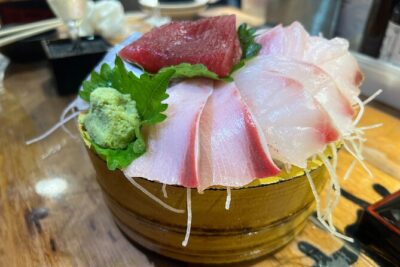
Shinjuku Food Tour (13 Dishes at 4 Local Eateries)
Read our review →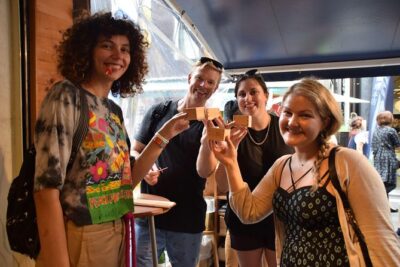
Tokyo Tsukiji Fish Market Food and Culture Walking Tour
Read our review →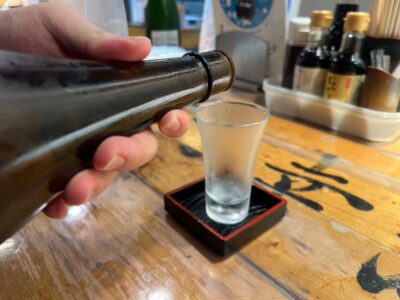
Shinjuku Food Tour (15 Dishes and 4 Eateries)
Read our review →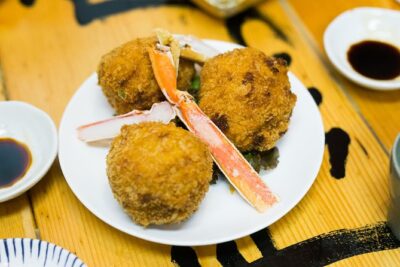
Best of Shinjuku: Izakaya Food Tour (4 Stops, 14+ Tastings)
Read our review →
Eat and Drink Like a Local: Tokyo Ueno Food Tour-Taverns&Ramen
Read our review →
Tsukiji Fish Market: Street Food & Culture Walking Tour
Read our review →Browse the lists this tour appears in