
Reviewed · FOOD & DRINK IN TOKYO
Flavours of Tokyo: A Journey Through Time – Small Group Food Tour
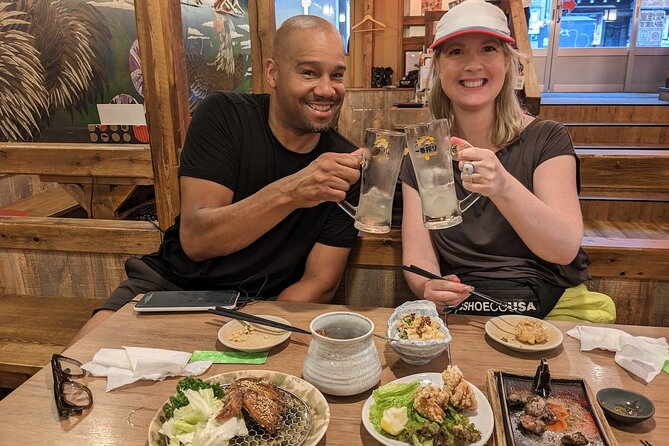
Tokyo food isn’t just taste, it is time travel. This tour links the story of Japanese cooking from Edo basics to postwar life and onward to what Tokyo is serving now. I like that it is built around three districts and a tight small group vibe, and you also end up sampling a wide spread of flavors (think 14 dishes plus sweet stops).
The one thing to plan for is the physical side. You will walk about 6.5 km over roughly 5.5 hours and you should expect stair-heavy subway connections, so wear shoes you trust.
Key Highlights You Will Actually Care About
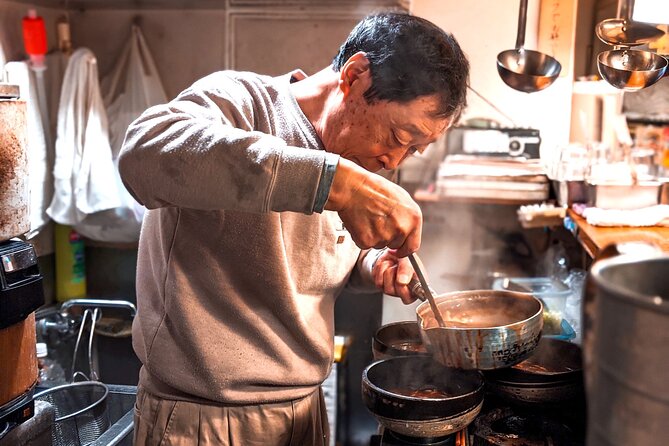
- Small group max 9 means more talk with your guide and less time waiting.
- Past, present, future theme ties each bite to a moment in Tokyo’s food story.
- Three districts cover Edo-era staples, postwar salaryman culture, and modern Tokyo desserts.
- Lots of included snacks and lunch so you are not paying extra meal money mid-walk.
- Tasting variety goes beyond sushi and ramen, reaching for dashi, sweets, and drinks.
- Guide names you might get, like Yasu and Keiko show up often in strong reviews.
A Time-Travel Food Walk Through Tokyo’s Three Eras
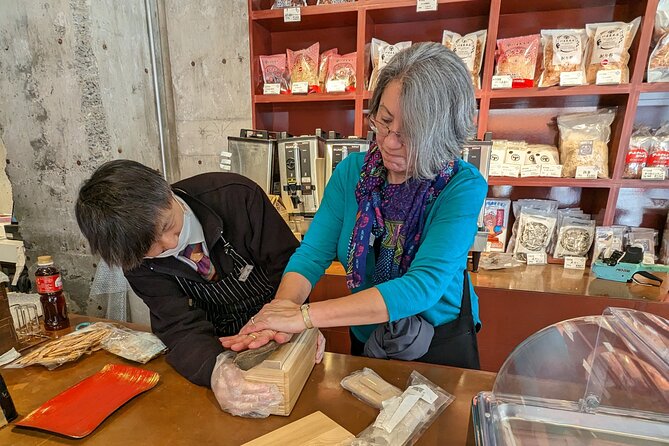
What makes this tour different is not just the food stops, it is the “why” behind them. You start in Nihonbashi, where food culture grew alongside key ingredients. Then you shift into Ginza and Yurakucho, a place that helps explain how Tokyo changed after the war, including tiny bars and eateries tucked under rail lines. Finally, you end in Akihabara, where the food conversation tilts toward what feels new and playful in modern Tokyo.
The tour is also designed so you keep moving. Expect a steady rhythm of short strolls, quick orientation moments, and tastings that range from savory to sweets. You will try traditional components like dashi and kombu-based flavors, then transition into the kinds of lunch items and dessert culture you see across the city today.
More Food & Drink in Tokyo
- Tokyo: Shinjuku Food Tour (13 Dishes at 4 Local Eateries)
★ 5.0 · 6,603 reviews - Tokyo Tsukiji Fish Market Food and Culture Walking Tour
★ 5.0 · 3,184 reviews - Tokyo: Shinjuku Food Tour (15 Dishes and 4 Eateries)
★ 4.9 · 2,033 reviews
Meet-Up, Timing, and How the Day Flows
The tour starts at 11:30 am at Nihonbashi 1-chome Mitsui Building (1-chome-4-1 Nihonbashi, Chuo City). You finish at Akihabara Station (1-chome Sotokanda, Chiyoda City).
Plan on roughly 5 hours 30 minutes total. During that time, you will do two short subway rides on top of the walking. Your feet will get a workout, but it is not nonstop trudging. The stops are built into the pace, so you can regroup, eat, and listen.
If you are the type who gets nervous about finding meeting points, take a minute before you leave your hotel to check the exact start spot. One group mentioned the address was clearer than the station exit details, so I recommend getting your route sorted early.
Value Check: What $176 Gets You (And Why It Feels Fair)
At $176 per person, you are paying for more than just bites. You are paying for:
- A small group cap (max 9), which tends to make the food explanations and pacing more personal.
- A guide-led storyline, including how ingredients and cooking styles connect to Tokyo’s changing life.
- A lot of included food.
From the included items, you are not just doing “one tiny taste” at every place. You get a mix of snacks and a real lunch. Savory examples include yakitori and tempura soba, plus commute-style comfort foods like tamagoyaki and a fruits sando. You also get sweets such as daifuku or dorayaki, plus playful items like Pokemon taiyaki.
Alcohol is also part of the deal, specifically a lemon sour. If you drink, that alone can help justify the price. If you do not, you can still enjoy the full food program, but you should plan to slow-drink the non-alcohol parts so you do not feel rushed.
Nihonbashi Bridge to Dashi Foundations: Where Japanese Flavor Starts
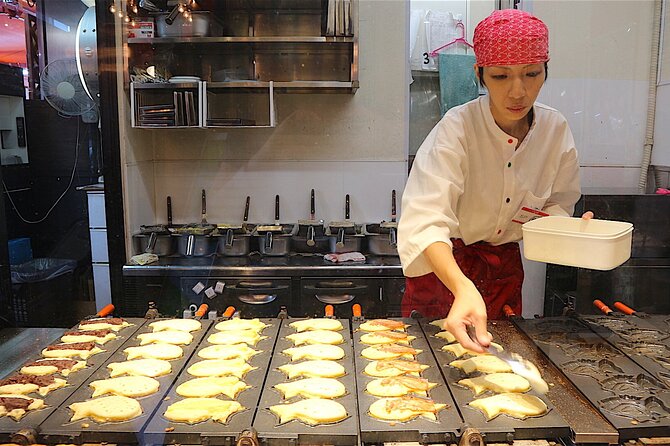
You begin in Nihonbashi, one of Tokyo’s most important historic starting points. This is where the tour makes its first smart move: it teaches you how Japanese cooking gets its backbone.
A change of pace from Tokyo:
- Mt Fuji and Hakone 1-Day Bus Tour Return by Bullet Train
★ 5.0 · 26,383 reviews - 1-Day Tokyo Bus Tour
★ 5.0 · 14,250 reviews - Tokyo: TOKYO SKYTREE® Admission ticket
★ 4.5 · 11,192 reviews - Tokyo: teamLab Planets TOKYO Digital Art Museum Entry Ticket
★ 4.6 · 9,779 reviews
Dashi, kombu, and katsuobushi
You focus on dashi, the stock that underpins a huge range of Japanese dishes. You also learn how kombu and katsuobushi contribute to that flavor. It’s the kind of lesson that sticks, because once you understand dashi as a base, you start recognizing the same comfort flavor in places you might otherwise treat as unrelated.
You will also be tasting related ingredients and snacks that connect to that theme. Expect items tied to the dashi world, including tastings that reflect dried ingredients and broth culture. If you like cooking shows, this part feels like a real “how it’s built” moment, not just trivia.
Quick cultural stop at Fukutoku Shrine
Right after Nihonbashi, you stop at Fukutoku Shrine. This segment is short, but it gives context. You learn the difference between shrines and temples, and you get a peek at how people cleanse their spirit and pray at a shrine.
This matters because Japanese food culture does not live in a vacuum. It sits inside daily life and belief, and a quick cultural stop like this helps your food tasting feel more grounded.
Practical note
This portion is mostly about ingredients and explanation. If you need constant action, you might find a little more listening here than at later stops. The trade-off is that it makes the later bites more meaningful.
Ginza and Yurakucho: Postwar Tokyo, Salarymen, and Gado Shita Bars
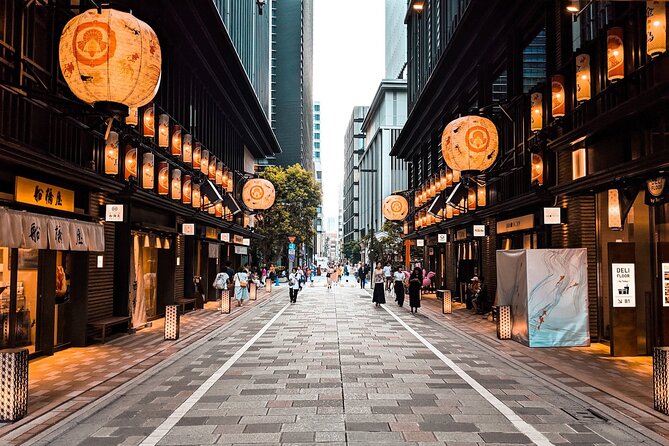
Next you head into Ginza and Yurakucho, where the tour shifts from ingredients to people. After the war, Japan industrialized fast, and with that came a new rhythm of work and eating.
The guide frames this through salarymen and the world of gado shita. You hear about those small, rail-adjacent spots that shaped how people ate close to where they worked. This is food that fits into tight schedules, not food that waits for a special occasion.
What you get out of this stop
You start understanding why Tokyo eating can feel both casual and precise. These are places where people grabbed something quickly, ate well anyway, and built a routine around flavor.
Even if you have only a passing interest in history, the story helps you notice what kinds of foods show up when people need quick comfort. It is a strong pairing with the tastings that come in this section.
Tokyo International Forum and Kitte: From Tracks to Lunch Energy
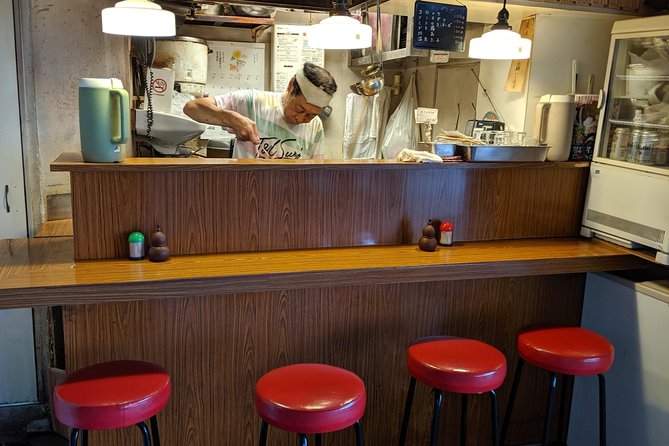
From the Ginza/Yurakucho area, you stroll toward Tokyo Station, passing by the Tokyo International Forum building on the way. This portion is less about a single bite and more about walking through the “big-city gears” of central Tokyo.
Then you make a stop at Kitte Marunouchi (Kitte Building). Even when the time here is short, it helps bridge the tour from the earlier neighborhoods into the transit-and-commute food world.
This transition is important because it explains Tokyo’s superpower: food that fits into daily movement. It is not only about old traditions or far-away specialty shops. It is also about how people eat in the middle of their day.
Tokyo Station Snacks: Tamagoyaki and the Fruits Sando Moment
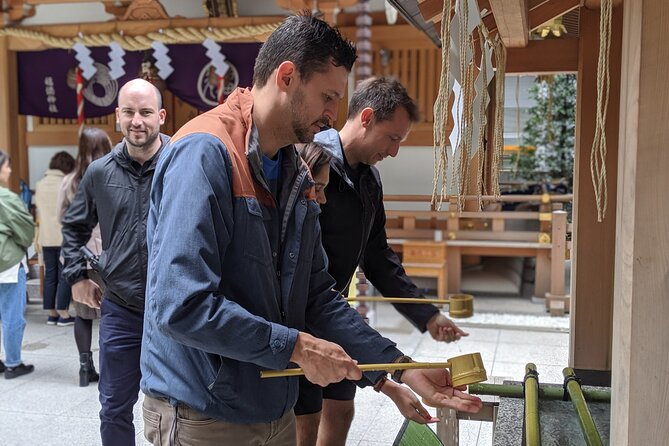
At Tokyo Station Marunouchi Ekimae Hiroba, you try commute-style favorites that fit the “grab it on the way” Tokyo mindset.
Two standouts here:
- Tamagoyaki, a Japanese omelette you can eat easily while moving.
- A fruits sando, made with Japanese milk bread filled with fresh fruit and whipped cream.
Then the tour repeats these station-style tastings at another nearby point, at Daimaru Tokyo, again centered on tamagoyaki and fruits sando.
This is one of the most “Tokyo-specific” parts of the experience. If you only eat sit-down meals, you miss how much Tokyo culture lives in kiosks, stations, and quick bites. The fruits sando, in particular, feels like an elegant shortcut to dessert culture without the long lines you might fear.
Lunch and Savory Stops: Yakitori and Tempura Soba That Actually Fill You
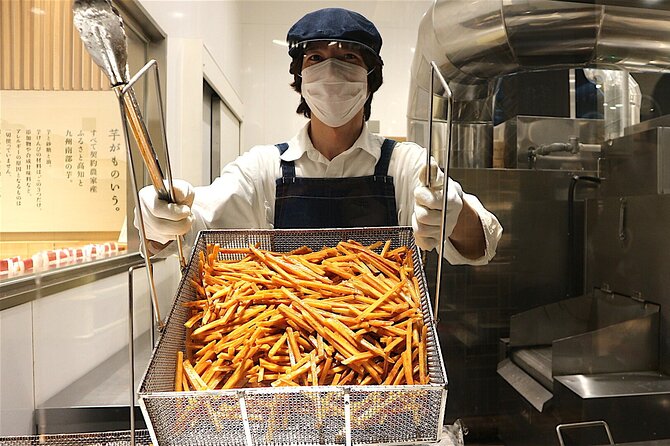
By the time you reach the lunch portion, the tour changes tone. You move from tasting toward eating.
Lunch includes:
- Yakitori
- Tempura soba
This is a big deal for value and comfort. With savory dishes like these, you are not just sampling. You are getting the kind of flavors that anchor the rest of the tastings.
You also continue with snacks that connect back to the theme, including items such as:
- Satsuma-age
- Amazake
- Imo kenpi
- Sweet bites like daifuku or dorayaki
If you worry that a “food tour” will leave you hungry, this lunch is a strong answer. And when the tour is paced well (as it tends to be, according to many strong reviews), you get fed before your energy drops.
Akihabara: The Future of Food, Dessert Culture, and Playful Shapes
The final district, Akihabara, brings the story full circle by asking what happens next. Electronics, anime culture, and themed marketing might not sound like “food history,” but Tokyo has always used pop culture to sell ideas and bring people in.
Here, you try desserts tied to that future-facing vibe. Included items can include:
- Pokemon taiyaki
- Matcha green tea bubble tea or ice-cream
This section is fun in the best way. You still get the tour’s historical thread, but the emphasis turns to how modern Tokyo packaging, characters, and visual style shape what people want to eat.
One review also mentioned that a guide, Miko, prepared a presentation booklet with ingredient notes and historical photos, and that there was even an opportunity to meet a Japanese sweets shop owner during the tour. If you get that kind of guide touch, Akihabara feels less like a finale stop and more like a lived-in Tokyo scene.
Guides Matter: What Different Hosts Tend to Bring
The tour quality can hinge on your guide, and strong reviews show a clear pattern: guides like Yasu, Keiko, Miko, Paiva, and Sidney are praised for combining food and history in an approachable way.
Common strengths you can expect:
- Clear explanations of how ingredients and habits shift across eras.
- A pacing style that keeps the energy up through multiple neighborhoods.
- Extra care when small problems pop up, like getting help if someone is stuck at a station.
So if you like history with your food, choose this tour knowing the guide role is a big part of the payoff.
Walking, Stairs, and Subways: Your Body Plan for 5.5 Hours
Let me be blunt so you plan smart. You should expect:
- About 6.5 km of walking
- Stair-heavy subway stations
- A moderate walking pace in a group environment
This is not a tour for someone who struggles with stairs or needs constant breaks. The good news is that many stops are close enough to keep it from feeling like an all-day march.
If you wear the wrong shoes, Tokyo punishes you. Wear supportive walking shoes, not “pretty” ones. Bring a light layer too, because Tokyo weather can shift fast and you are out moving for hours.
What I’d Recommend This Tour For
This is a great fit if:
- You want Japanese food history tied to real places, not just recipes.
- You like variety, from dashi basics to station snacks to pop-culture desserts.
- You enjoy small-group conversation, where your guide can answer questions without rushing.
It may be less ideal if:
- You only want a straight “eat as much as possible” experience with no cultural stops.
- You hate walking or stairs, because the route is built around neighborhoods and subway movement.
- You expect every stop to be a full meal. This tour includes lunch, but several items are designed as tastes that add up through the day.
Should You Book Flavours of Tokyo: A Journey Through Time?
I would book it if you want a story-driven food day in central Tokyo. For the price, you get real value in the form of lunch, a wide snack spread, a drink component (lemon sour), and a guide-led thread that connects the dots between Edo-era flavor foundations, postwar daily eating, and modern dessert culture.
I would not book it if you are trying to minimize walking or you need a strictly food-only experience. This tour spends time teaching, not just feeding, and it uses movement as part of the method.
If you do book, do one small prep step that makes the whole day better: plan your meeting-point route ahead of time and wear shoes built for stairs. Then show up hungry and curious. You are in for a Tokyo day that tastes like three different decades.
FAQ
How long is the Flavours of Tokyo: A Journey Through Time food tour?
It runs for about 5 hours 30 minutes.
What is the group size?
The tour is limited to a maximum of 9 travelers.
Where does the tour start and end?
It starts at Nihonbashi 1-chome Mitsui Building and ends at Akihabara Station (1-chome Sotokanda).
What time does the tour start?
The start time is 11:30 am.
Do I need to use public transportation during the tour?
Yes. You take two short subway rides, and you will also walk between stops.
How much walking should I expect?
Expect to walk about 6.5 km (around 4 miles) total, and you should be ready for stairs at subway stations.
What food and drinks are included?
Included items include snacks such as dashi-related tastings and sweets like daifuku or dorayaki, plus lunch (yakitori and tempura soba), station foods like tamagoyaki and fruits sando, and a lemon sour.
Is admission included for the stops?
The listed stops show free admission, and the tour includes the food tastings described.
What is the cancellation and refund rule?
This experience is non-refundable and cannot be changed. Weather-related cancellations offer a different date or a full refund. If the minimum number of travelers is not met, you are offered a different experience or a full refund.
What do I need to do to join the tour?
You will receive confirmation at booking and you’ll use a mobile ticket. You should be able to walk at a reasonable pace in a group environment and be comfortable with stairs.
Latest write-ups near Tokyo
- Tokyo Customized Private Tour: See Top Attractions in 1 Day★ 4.8 · 67 reviews
- From Tokyo: Top 5 Scenic Spots of Mount Fuji Full-Day Tour★ 4.5 · 67 reviews
- Traditional Japanese Music ZAKURO SHOW in Tokyo★ 5.0 · 67 reviews
- Tokyo: Shinjuku Izakaya and Golden Gai Bar Hopping Tour (2h)★ 4.9 · 67 reviews
- Tsukiji: Unlimited Sake Tasting Experience★ 4.9 · 67 reviews
- Samurai Ninja Museum Asakusa: Kid-Friendly Ninja Training★ 4.7 · 67 reviews
- Tokyo: Not a show- a professional sumo practice with experts★ 4.9 · 67 reviews
- Private Harajuku Omotesando Architecture Walking Tour★ 5.0 · 67 reviews
Food & Drink in Tokyo, compared.
Shinjuku Food Tour (13 Dishes at 4 Local Eateries)
Read our review →
Tokyo Tsukiji Fish Market Food and Culture Walking Tour
Read our review →
Shinjuku Food Tour (15 Dishes and 4 Eateries)
Read our review →
Best of Shinjuku: Izakaya Food Tour (4 Stops, 14+ Tastings)
Read our review →
Eat and Drink Like a Local: Tokyo Ueno Food Tour-Taverns&Ramen
Read our review →
Tsukiji Fish Market: Street Food & Culture Walking Tour
Read our review →Browse the lists this tour appears in