Reviewed · GUIDED
Freely set up plans Guided Private Tours in Tokyo
Tokyo can feel like a test on day one. This experience helps you get your bearings fast, with an English-speaking guide who handles the hard part, figuring out routes and what to see next. You pick how long you want to be out, and the day gets shaped around your pace and interests.
I love two things most: first, the stop mix, from Tsukiji Jogai Market and Senso-ji to big-city icons like Shibuya Crossing and Tokyo Skytree. Second, the human factor, the guides like Kono, Yumi, Akiri, and Funiko who keep groups together and explain culture while you move. One possible drawback is simple, you should expect plenty of walking and stairs on Japan’s transit system, and rain can turn station-hopping into a long slog.
Key highlights worth planning around
- Private, just your group with flexible timing, so you can actually control the pace.
- Hotel lobby pickup in Tokyo 23 wards and guide-led public transport, which removes a lot of stress.
- Free entry stops like Tsukiji Jogai Market, Senso-ji, Shibuya Crossing, and Meiji Jingu Shrine on this plan.
- Icon views without the guesswork, including Tokyo Skytree and Tokyo Tower, though entry fees are extra.
- Animal cafe detours like Owl Cafe Tokyo Akiba Fukurou and Chiku Chiku Cafe, for a fun break from temples and towers.
- Real adaptability shown in reviews, including guides adjusting for mobility issues and busy crowds.
A guided Tokyo day that feels less like homework
This private tour works because it treats Tokyo like a system, not a checklist. You’re not left with a map and a prayer. Instead, you travel by public transport with a guide who can steer you around time pressure, crowds, and the constant question of what order makes sense.
The day is built for first-time orientation. You get classic landmarks, but you also get context as you go, so the places stop being random photo stops. That matters in Tokyo, where everything can look impressive but still feel disconnected if you do not know what you are looking at.
I also like that you can choose the length. A 4-hour version can keep things tight. A longer day lets you slow down and actually absorb the vibe, especially in gardens and shrines.
Also on the shortlist for Tokyo:
- Mt Fuji and Hakone 1-Day Bus Tour Return by Bullet Train
★ 5.0 · 26,383 reviews - 1-Day Tokyo Bus Tour
★ 5.0 · 14,250 reviews - Tokyo: TOKYO SKYTREE® Admission ticket
★ 4.5 · 11,192 reviews
Price and what it really includes, plus what costs extra
The price is $132.14 per person for a private tour, typically booked about 47 days in advance. That booking window is a hint: if you have a narrow date range, do not wait until the last minute.
Here’s what you get for that price:
- An English-speaking professional guide
- Meeting in your hotel lobby in Tokyo 23 wards
- Public-transport help to and from stops with the guide
- A mobile ticket
- Group discounts (if your group qualifies)
Here’s what is not included:
- Admission fees for customers and guides
That last line is the big budgeting point. Some stops on the plan are listed as free entry, including Tsukiji Jogai Market and Senso-ji. But others are not included, like Tokyo Skytree, Ueno Zoo, Tokyo Tower, and several gardens. Since you are choosing how many sights to fit into 4 to 10 hours, your total day cost will depend on how many paid-entry stops you select.
Value-wise, I see this as paying to buy back your energy. The guide handles routing, timing, and explanation. In a city where the subway can feel like a maze even when you are trying hard, that saved mental load is not small.
The guide matters, and the reviews show a pattern
This tour is only as good as the person walking beside you. The strongest praise in the feedback clusters around guide performance you can feel during the day.
You’ll see names pop up repeatedly in positive stories, including Kono, Yumi, Akiri, Funiko, Noby, and Yoshi. Common threads are patience, clear guidance on trains, and flexibility when plans get messy. One family described how their guide kept the group together and checked that everyone stayed with them. Another highlighted careful pacing and making sure there was enough time at each stop.
I also like the way some guides handle practical needs. There’s a review calling out well-timed lunch and water breaks. Another notes adapting during heavy rain, when getting from station to station is the part that wears you out.
English quality can vary. One review mentioned the guide’s English was not great and they had trouble understanding. If strong language comfort is important to you, I’d message your preferences when booking and plan to use simple questions during the day.
How your 4 to 10 hour day gets built around you
The tour is flexible in two ways. First, you get several start times to fit your schedule. Second, you choose how long you want to be out, and the guide builds an itinerary around the sights you want.
That means you should think of this as a menu with a route plan, not a rigid script. If you love food, you can prioritize Tsukiji Jogai Market and plan around nearby options. If you care about city views, you can cluster Skytree, Tokyo Tower, and major crossroads like Shibuya. If your vibe is calmer, you can steer toward Meiji Jingu Shrine, Imperial Palace East Gardens, and the garden stops.
In real Tokyo fashion, crowd level can change day to day. Reviews mention busy conditions around cherry blossoms, and the guides guided people through crowded times. So if your travel date is during peak seasons, longer time often helps you avoid stress.
A change of pace from Tokyo:
- Tokyo: teamLab Planets TOKYO Digital Art Museum Entry Ticket
★ 4.6 · 9,779 reviews - Mt Fuji & Hakone Cruise, Drum Show Bullet Train 1 Day from Tokyo
★ 4.0 · 7,413 reviews - Tokyo: Sumo Show Experience with Chicken Hot Pot and a Photo
★ 4.8 · 6,678 reviews - Tokyo: Shinjuku Food Tour (13 Dishes at 4 Local Eateries)
★ 5.0 · 6,603 reviews
Stop-by-stop Tokyo, from Tsukiji snacks to shrine calm
Your day can include many stops. Not all will be in one outing unless you choose a longer time slot. Here’s what each featured place brings, and where the friction can show up.
Tsukiji Jogai Market, where food culture is the main event
Tsukiji Jogai Market is a food-focused area with a mix of wholesale and retail shops plus restaurants lining the streets. This is the kind of place where you do not just look, you graze. The market is also framed as a spot where traditional foods and newer trends coexist, so it’s not stuck in the past.
The entry is listed as free on this plan, which helps. The practical drawback is that markets can be packed, and you will likely do some walking in tight spaces.
Senso-ji Temple, classic Tokyo with real history landmarks
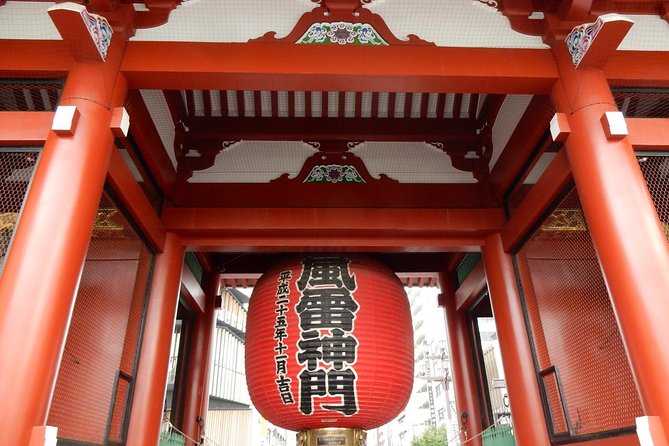
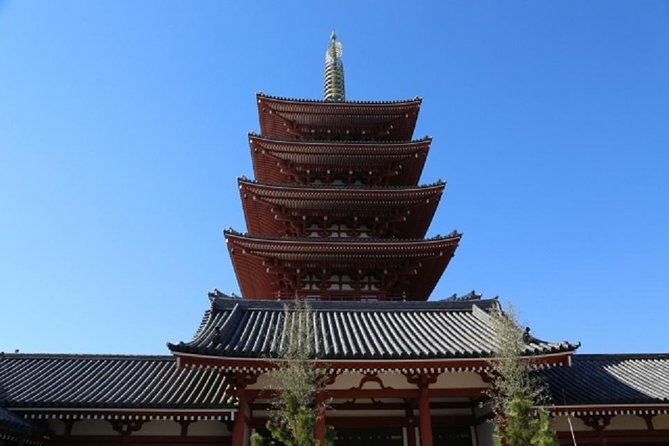
Senso-ji is one of the most popular temple areas in Japan, and you’ll see why. The plan highlights historic buildings inside the temple grounds, including the five-story pagoda and the Hozo-mon Gate, also called the Treasure-House Gate.
This stop is listed as free entry. The payback is atmosphere. Even if you’ve seen temple photos before, seeing it in person with someone explaining what you are looking at makes it easier to understand.
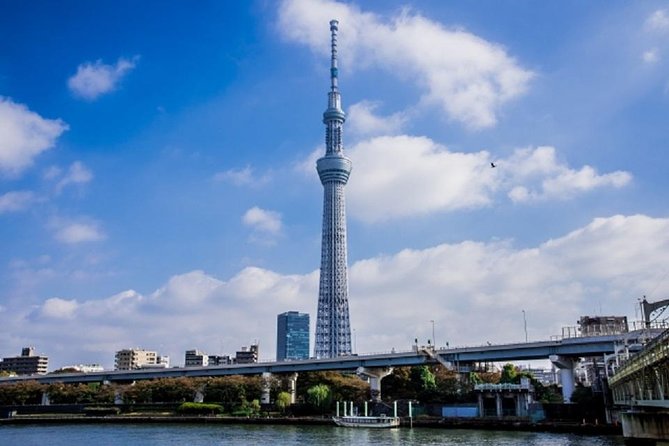
Tokyo Skytree, big height, big decision
If views are your priority, Tokyo Skytree is a natural anchor. It’s described as the world’s tallest tower at 634 m, with observation decks at 340 m and 450 m. That height detail matters because it suggests what kind of skyline you will see, far and wide rather than close and street-level.
Entry is not included here. So treat this as your “splurge moment” of the day. Plan extra time if you want unhurried photos, and remember you are adding another paid stop to your day budget.
Ueno Zoo, a change of pace for families and animal lovers
Ueno Zoo is the Tokyo Metropolitan Zoo, opened as Japan’s first zoo in 1882. The plan notes about 400 species, including rare animals such as the Sumatra tiger.
Entry is not included. This can be a good mid-plan break if you need something less intense than a shrine or a crowded street. The drawback is time: zoos are easy to underestimate because you may linger with animals and exhibits.
Shibuya Crossing, fast and famous, best with a plan
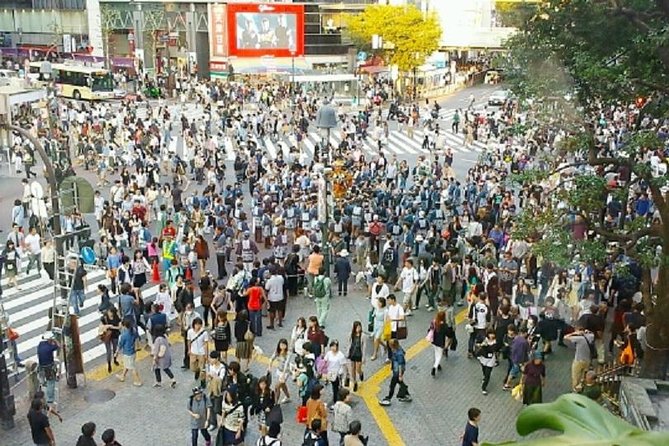
Shibuya Crossing is the kind of stop you might feel tempted to rush. It’s listed with impressive numbers like about 500,000 users of scrambled intersections per day and roughly 3,000 people passing during one green light. In other words, it’s big, and you’ll see why it became a global symbol.
Entry is listed as free. The downside is crowds and timing. This is where having your guide time your visit matters, so you are not just standing there hoping the light changes.
Meiji Jingu Shrine, calm focus after the city noise
Meiji Jingu Shrine is built to honor Emperor Meiji and Empress, and the plan notes it was built in 1920. It’s presented as a place with both Japanese worshipers and foreign visitors throughout the year.
Entry is listed as free. I like this stop because it’s the contrast after dense neighborhoods. The practical consideration is that the area can still feel busy, and it’s a stop where you’ll appreciate having time to slow down.
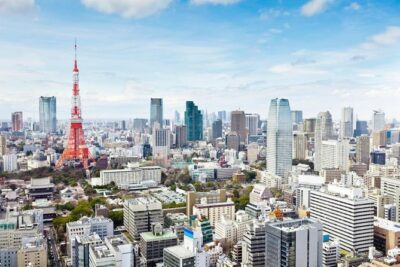
Tokyo Tower, classic skyline icon and evening option
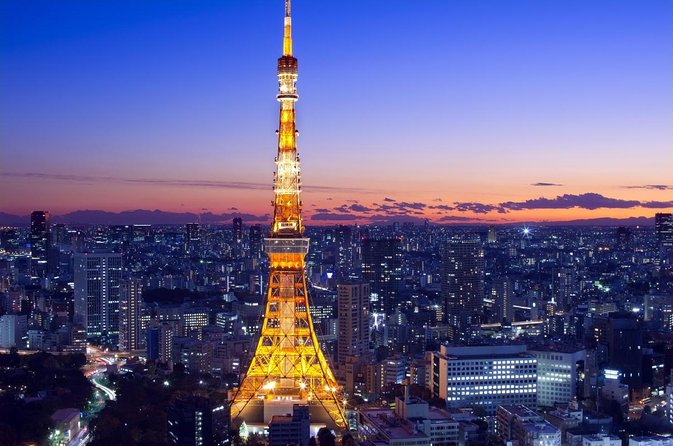
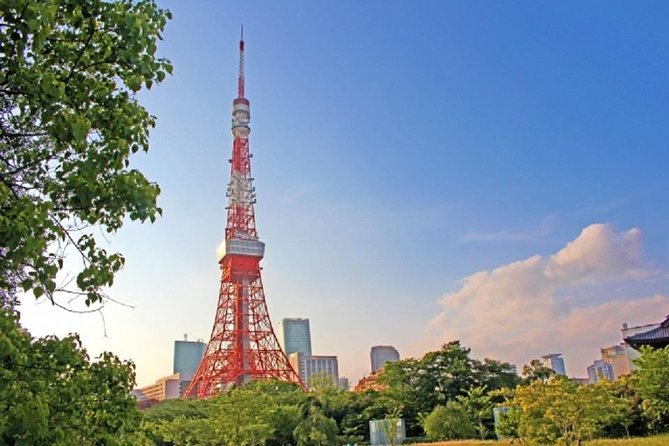
Tokyo Tower is a 333 m radio tower built in 1958. The plan also mentions a view cafe and a Tower Jingu Shrine, plus light displays like Landmark Light and Diamond Veil.
Entry is not included. If you like classic Tokyo visuals, this is the one. The drawback is that towers often come with lines or timed viewing, so you want your guide to fit it into your schedule smartly.
Shinjuku Gyoen National Garden, garden types in one place
Shinjuku Gyoen is described as combining a well-formed garden, a landscaped garden, and a Japanese garden. It was built in 1906 as an imperial garden, which gives it a layered feel if you enjoy places with designed meaning.
Entry is not included. The best way to use it is to slow down. The drawback is that gardens still mean walking paths, and Tokyo weather can be tough, especially if rain turns everything into slippery footing.
Owl Cafe Tokyo Akiba Fukurou and Chiku Chiku Cafe, cute breaks with rules
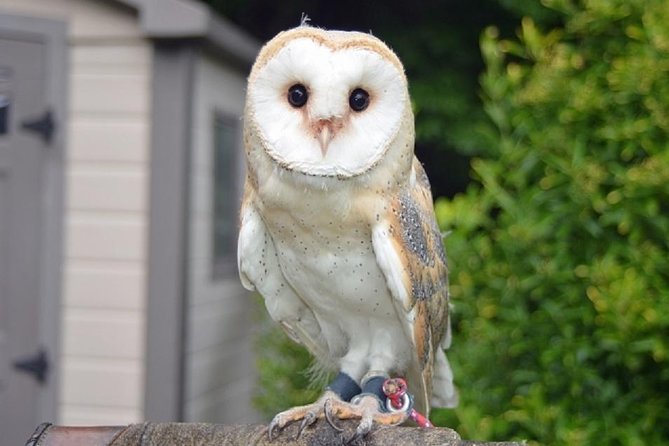
These two stops add a very Tokyo kind of fun. Owl Cafe Tokyo Akiba Fukurou is described as an interaction cafe where you can spend time with owls, and it’s framed as a mood lift when you feel tired. Chiku Chiku Cafe is an interaction cafe focused on hedgehogs, with the plan noting it is not open for lunch or dinner and serves only drinks.
Neither stop has entry included. That matters because you are adding extra paid time plus ticket-like costs on top of the rest of the day. Also, one review mentioned an animal cafe was closed, which is a good reminder to keep flexibility and ask your guide to confirm the current status when you arrive.
Hamarikyu Gardens, pond setting with a sea-water moat
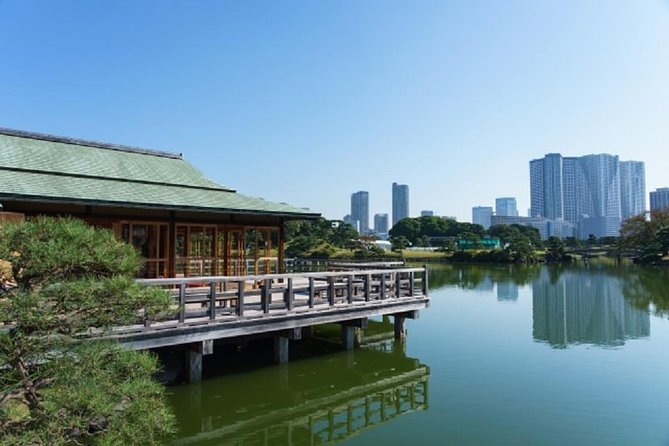
Hamarikyu Gardens is presented as a large landscaped garden area of 250,165 m² around Shioiri Pond. It’s also surrounded by a seawater moat filled by Tokyo Bay, and it opened to the public on April 1, 1946.
Entry is not included. This stop is great when you want Tokyo to feel less like a street map and more like a place to exhale. The drawback is that garden time depends heavily on the weather.
East Gardens of the Imperial Palace, Edo Castle roots
The East Gardens of the Imperial Palace cover the area in Chiyoda Ward and are tied to the Edo Castle Ruin concept. The plan specifically mentions the palace premises and buildings associated with the Emperor and Empress and the Imperial Household Agency office.
Entry is not included. This is a good choice if you want Tokyo’s power history without the stress of chasing multiple museums. The practical point is that it still takes time on foot, and it can be easy to feel like you are moving through a lot of grounds if your day is packed.
Tokyo public transit with a guide, the good and the hard
One of the biggest strengths here is how the guide uses public transport. Several reviews mention that navigating trains without help is hard, and the guide made it manageable. In practice, this means you spend less time figuring out connections and more time seeing the city.
But here’s the honesty: Tokyo transit is not flat and easy. One review specifically mentioned a lot of steps and said the system is not as accessible for people with mobility issues as expected. Another review mentioned huge walking time, with a reported total around 22,000 steps.
So I recommend you treat this as an active day. Wear shoes you can walk in for hours. If you have mobility limits, tell your guide early and be clear about what you need, since the best guides adapt based on your reality.
Rain is also a factor. A review describes heavy rain and long walks between stations taking more time than expected. If you’re traveling in rainy season, build in extra cushion time, even if you think you can keep tight plans.
Who should book this, and who should skip it
This private tour fits best if you want:
- A first-time Tokyo orientation with famous landmarks plus cultural context
- A day plan that can bend when your group changes its mind
- Help navigating public transport without losing your morning to confusion
It also fits families who want a structured day with flexibility, especially with animal-focused options like Ueno Zoo or the animal cafes, assuming their hours work out.
I would be careful if you:
- Need a very low-walking day due to stairs and transfers
- Want to minimize paid-entry stops, since many of the skyline and garden options add extra admission fees
- Are very sensitive to guide-communication differences, since at least one review flagged English difficulty
Should you book Freely Set Up Plans Guided Private Tours in Tokyo?
If you want to reduce stress and pack a smart Tokyo day into 4 to 10 hours, I think this is a strong booking. The best part is not just the sightseeing. It’s having a guide who can keep you moving efficiently, explain what you are seeing, and adjust when weather or energy changes.
Before you book, decide your “must haves.” If you want Skytree or Tokyo Tower, budget the admission add-ons. If food is your priority, aim to include Tsukiji Jogai Market. If you want calm, plan time for Meiji Jingu Shrine and the garden stops.
If you want maximum comfort with minimum walking, you might need to shorten the day or choose fewer far-apart sights. But for most people, this is a practical way to do Tokyo without feeling like you’re guessing your way through.
FAQ
How long is the Tokyo private tour?
The duration is listed as 4 to 10 hours (approx.), so you can choose how much time you want to spend.
Where do we meet the guide?
You meet in the hotel lobby for pickups in the Tokyo 23 wards.
Are attraction admission fees included?
No. Admission fee is not included for customers and guides.
Can I pick a start time?
Yes. The tour offers several start times to suit your schedule.
Is this tour private?
Yes. It is a private tour/activity, and only your group participates.
What is the cancellation window for a full refund?
You can cancel up to 24 hours in advance of the experience for a full refund.
Latest write-ups near Tokyo
- From Tokyo: Top 5 Scenic Spots of Mount Fuji Full-Day Tour★ 4.5 · 67 reviews
- Tokyo Customized Private Tour: See Top Attractions in 1 Day★ 4.8 · 67 reviews
- Traditional Japanese Music ZAKURO SHOW in Tokyo★ 5.0 · 67 reviews
- Tokyo: Shinjuku Izakaya and Golden Gai Bar Hopping Tour (2h)★ 4.9 · 67 reviews
- Tsukiji: Unlimited Sake Tasting Experience★ 4.9 · 67 reviews
- Tokyo: Not a show- a professional sumo practice with experts★ 4.9 · 67 reviews
- Samurai Ninja Museum Asakusa: Kid-Friendly Ninja Training★ 4.7 · 67 reviews
- Private Harajuku Omotesando Architecture Walking Tour★ 5.0 · 67 reviews
Guided, compared.
Tokyo 6hr Private Tour with Government-Licensed Guide
Read our review →
Shinjuku Local Bar and Izakaya Guided Walking Tour
Read our review →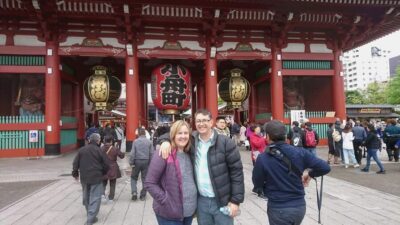
Private City Highlights Tour with Local Guide
Read our review →
Kyoto Early Morning Tour with English-Speaking Guide
Read our review →
Tokyo 4hr Private Tour with Government-Licensed Guide
Read our review →
Kyoto 6hr Private Tour with Government-Licensed Guide
Read our review →