
Reviewed · KAMAKURA TOURS
From Tokyo: Kamakura & Enoshima 1-Day Bus Tour
Kamakura and Enoshima make a great antidote to Tokyo because you get both temple-and-shrine calm and big seaside scenery in the same day. I love how the route starts at Tsurugaoka Hachimangu, then moves through major sights without you needing to plan train transfers. I also love the built-in chance to slow down on Enoshima Island for ocean views and shopping breaks, but be aware this is a long day with plenty of walking and stairs.
Here’s the trade-off: the tour is strong on logistics and sightseeing order, while the experience can feel rushed if you’re the type who hates crowds or prefers a slower pace. That said, if you come with comfy shoes and a flexible attitude about timing, this tour is a very solid way to see a lot of the classic Kamakura highlights in one go.
Key things I’d zero in on before you go
- Two Tokyo pickup options help you start from a convenient spot instead of trekking across the city
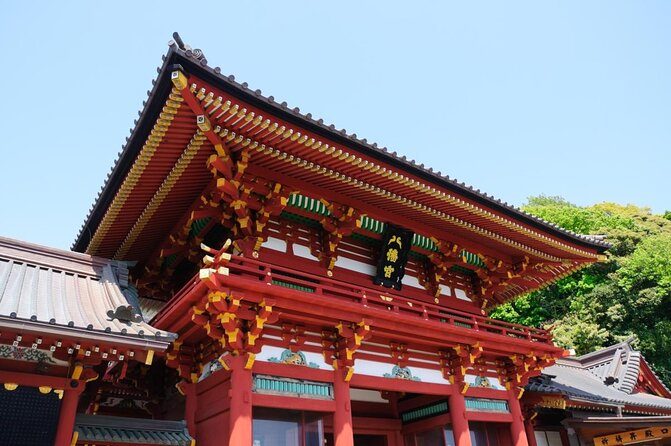
- Tsurugaoka Hachimangu + Komachi Street set the tone fast, with easy browsing for snacks and souvenirs
- Kōtoku-in (Great Buddha) is short on time, but big on wow factor
- Hase-dera’s Kannon statue gives you a meaningful stop that feels different from the Buddha site
- Enoshima’s mix of shrines and garden views is where the day turns seaside
- A guide with English/Chinese commentary can make the history and culture click, not just the bus timing
Why Kamakura and Enoshima in one day makes sense
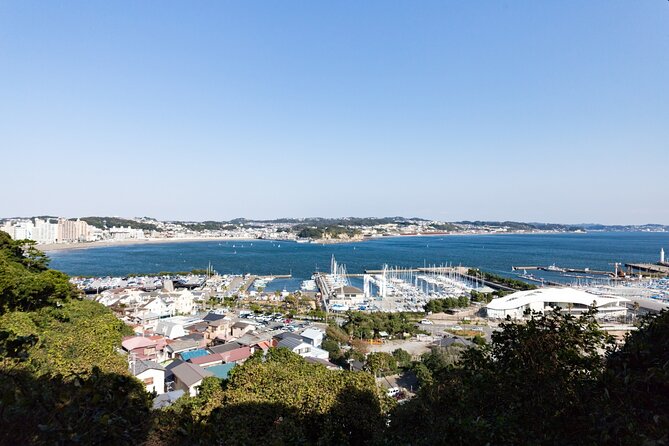
If you only have one day outside Tokyo, this combo works because Kamakura gives you the classic spiritual and historical hits, while Enoshima adds ocean air and dramatic viewpoints. The bus keeps the hard part simple: getting to the coast and back on time without bouncing between stations.
The pacing is the main reason this tour works. You’re not stuck in a single place for hours, but you also get enough time at each stop to actually enjoy it. You’ll visit the biggest, most recognizable anchors first, then spend your last chunk of time on Enoshima where you can roam at your own speed.
The one thing to plan for is that your day is long. From the moment you leave Tokyo, you’ll be thinking about shoes, hydration, and getting back to the bus by the scheduled time.
Also on the shortlist for Kamakura:
- Tokyo: Kamakura & Enoshima Day Trip including Temple Tickets
★ 4.5 · 1,375 reviews - Kamakura Historical Walking Tour with the Great Buddha
★ 5.0 · 129 reviews - Kamakura Private Tour: Temples, Nature, and the Great Buddha
★ 5.0 · 121 reviews
Price and logistics, plus what $66.05 really buys
At about $66.05 per person, the value comes from what’s included rather than the ticket alone. You get roundtrip bus transport with an air-conditioned vehicle, plus included entrance fees at Kōtoku-in and Hase-dera (so you are not paying at every stop out of pocket).
You also get guided commentary in English and possibly Chinese, depending on how the operator schedules the group. In real life, that matters because these sites can feel like “pretty buildings” if someone doesn’t explain why they matter.
Logistics to understand up front:
- The tour uses a mobile ticket.
- The meeting point is Shinjuku Post Office, Nishishinjuku.
- The end point is again near Shinjuku Station (West Exit), and the bus does not return to Ikebukuro.
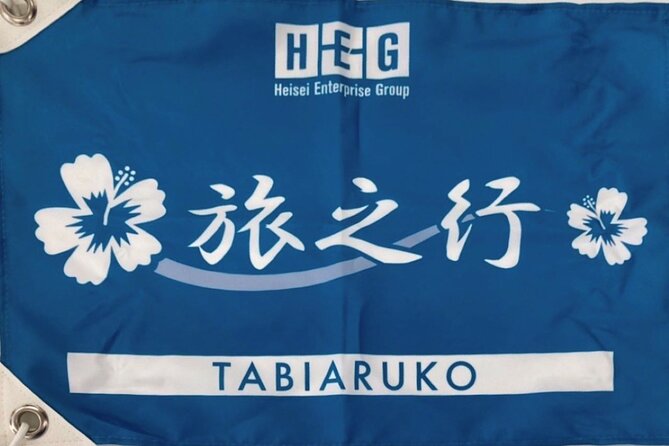
- Your guide is easy to spot if you look for a pale blue flag.
One more practical point: this tour runs even when road conditions or weather are messy. You’ll want a backup plan for rain gear, because you’re still walking between sights.
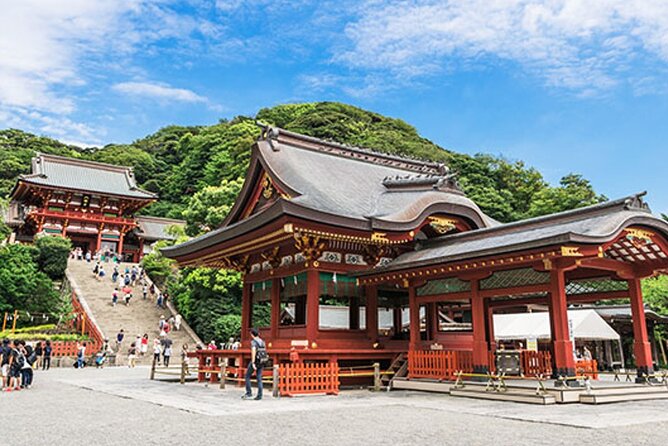
Stop 1: Tsurugaoka Hachimangu Shrine and Komachi Street
Your day starts at Tsurugaoka Hachimangu Shrine, Kamakura’s spiritual center. The grounds are known for a serene setup, and you’ll enter through a grand torii gate. This is a smart first stop because it gives you context early, before you start hitting the more famous single-standout attractions.
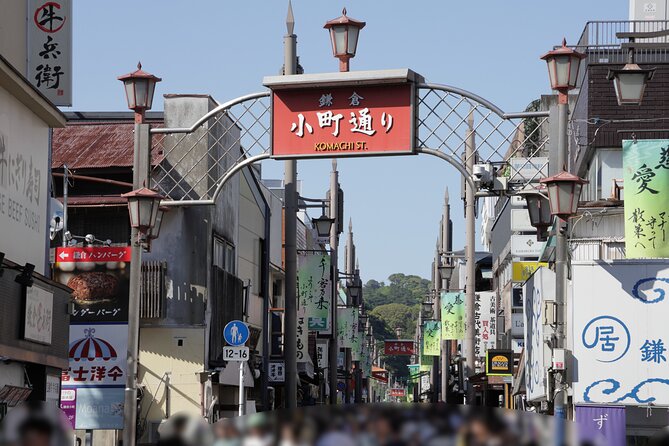
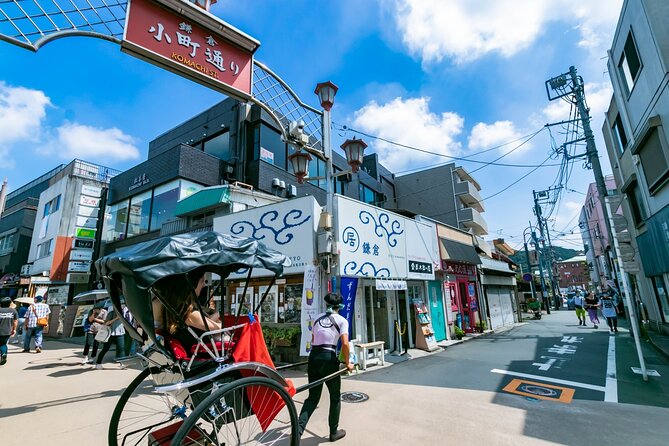
You’ll also have time along Komachi Street, the shopping lane right near the shrine. This is where you can grab quick snacks, browse Kamakura-only souvenirs, and pick up small handmade crafts without it feeling like you’re doing a shopping mission. It’s also an easy way to keep energy up before the next temple-heavy stretches.
Here’s what to watch for: this portion is popular. If you hate crowds, go slow, keep moving, and don’t treat every stall like you have to shop everywhere. Use it as a “reset and snack” zone.
Stop 2: Kōtoku-in and the Great Buddha (short time, huge impact)
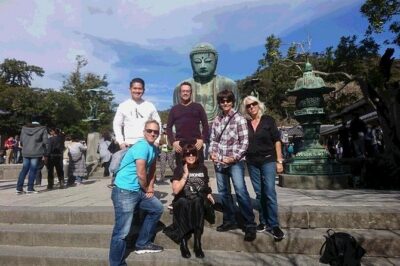
Next comes Kōtoku-in, home to the Great Buddha of Kamakura. Even with only about 30 minutes on the clock, it’s the kind of sight that creates an instant memory. The statue is outdoors, so you’ll feel the open-air atmosphere right away.
Two practical tips help here:
- Bring a little cash just in case small ticket steps or coin handling pop up at a certain entrance area. One guide (Yuki) was described as quick to help when a visitor didn’t have a needed coin for entry at the Great Buddha.
- Wear shoes that can handle uneven ground. You might spend more time than you expect looking up and taking photos from different angles.
This is also where you can decide how hard you want to push. Some people want the classic view and move on, while others try to linger for the best angles. The tour timing is tight enough that you should pick your priority early.
A change of pace from Kamakura:
- Kamakura Walking Tour – The City of Shogun
★ 5.0 · 100 reviews - Kamakura 4hr Private Trip with Government-Licensed Guide
★ 5.0 · 58 reviews - When Emperors Reigned and Shoguns Ruled
★ 5.0 · 43 reviews - From Tokyo: Kamakura Full Day Tour with a Local Expert Guide
★ 4.6 · 43 reviews
Stop 3: Hase-dera Temple and Kannon, the Goddess of Mercy
Hase-dera Temple is a strong change of pace. Your focus here is the famous eleven-headed statue of Kannon, a wooden figure tied to the Goddess of Mercy. With about 50 minutes, you have enough time to see the main points without feeling like you’re sprinting from one photo spot to another.
This stop can involve stairs and “walk a bit, pause, walk some more” rhythm. If your legs are already tired, don’t wait until the top of a stairway to slow down. Take short breaks, especially if it’s warm.
One reason this stop earns its place is that it feels more layered than the Great Buddha stop. The statue’s prominence gives you something emotional and spiritual to anchor the day, while the surrounding temple grounds give you room to breathe.
Stop 4: Enoshima Island, from shrines to sea views to garden highlights
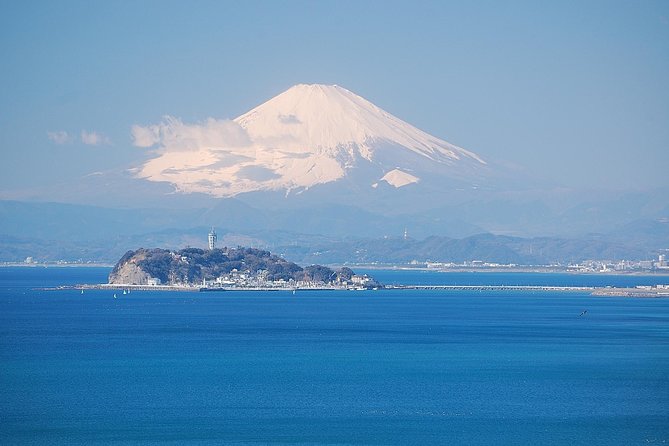
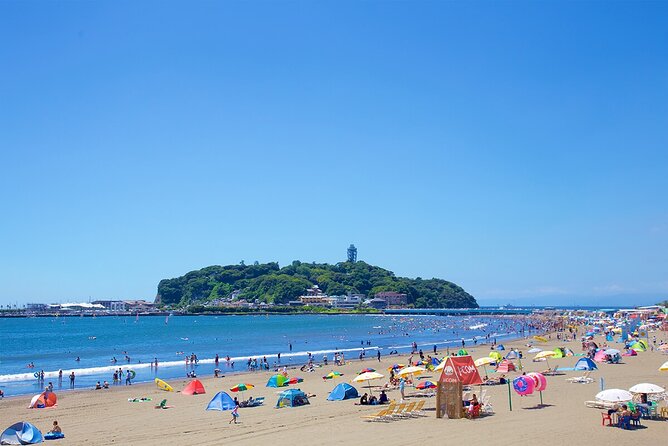
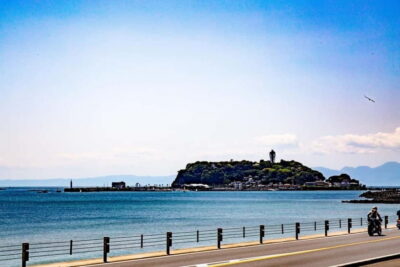
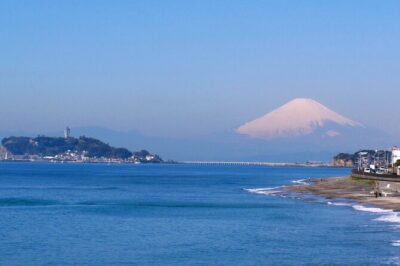
The big finale is Enoshima Island, about two hours that can feel like the best part of the day if you use it well. On clear days, you can often catch views with Mt. Fuji in the distance, which makes the whole island segment feel like a reward for the earlier sightseeing.
Enoshima is also a choose-your-own-adventure zone. Within your island time window, you may encounter:
- Benzaiten shrine complex dedicated to the goddess of music, wealth, and wisdom, including multiple shrine areas such as Hetsu-no-miya and Nakatsu-no-miya
- Shirahata Shrine near Yanagihara Pond
- Zeniarai Benten Shrine, where people wash coins in a spring (zeniarai literally points to the coin-washing idea)
- Kamakura Museum of Literature, built as a former villa and tied to early 20th-century history
- Samuel Cocking Garden and the island’s observatory lighthouse (noted as reopened after renovations on April 29, 2003)
Don’t treat this as “see everything.” Two hours is enough to enjoy Enoshima if you pick a route that matches your energy. If you try to hit every single shrine spot and every viewpoint, you may feel stressed, especially when you remember you still need to return to the bus on time.
And yes, stairs are real. One visitor described a serious stair run when they weren’t able to navigate the routes efficiently, including walking up and down hundreds of steps to make the bus. You don’t want your day to turn into a staircase sprint.
Enoshima timing and lunch reality check
Lunch is not included, so you’ll be buying it yourself. In general, Enoshima is a place with food options, but timing matters.
One thing to keep in mind: if there’s traffic or the schedule shifts, lunch can get pulled earlier than you expect. That can be fine if you plan ahead and expect a quick meal, but it might feel rushed if you hoped for a leisurely seafood stop.
How the guide changes the day (Omar, Chen, Yuki, and more)
This tour lives or dies by two things: pacing and explanation. When the guide is on point, the day feels effortless.
Positive experiences named guides such as:
- Omar, described as funny and highly professional, with strong historical knowledge that made the sites more meaningful
- Chen, praised for being friendly and clear, with guidance that helped people enjoy the attractions without confusion
- Yuki, highlighted for caring about the group and being proactive when issues popped up, including helping with a coin for the Great Buddha entrance and handling late arrivals responsibly
I like this style of guiding because it gives you “why this matters” fast, not just bus directions. You also tend to get practical advice on where to walk, where to shop, and what food options to consider around the stops.
Balance note: there are also reports of guides focusing more on logistics than context. If you’re the type who wants more story while you walk, keep an eye out for opportunities to ask questions, and don’t assume every group will get the same depth of commentary.
Pacing, comfort, and the parts you can control
The stops are timed to fit a classic highlights route, and you’ll also have built-in free time to shop and roam. That sounds simple, but it means you need a little strategy.
Here’s how to keep the day comfortable:
- Treat each stop like a mission with a window, not an open-ended hike.
- If you want photos, start early in each stop so you’re not rushing at the end.
- Plan for rain if the forecast is uncertain. One reviewer described rain all day, which makes getting back to the bus more stressful if instructions are unclear.
Bus comfort can vary. Some people loved the modern feel of the ride and even mentioned USB charging. Others were less happy about bus seating or the bus feeling old at the start. So if comfort is a top priority, bring a light layer and assume you might end up with less-than-perfect seat positioning depending on your group.
Also, the day can feel “long but manageable” if you follow the schedule closely. The tour is designed to move efficiently, but it still includes a drive back that can stretch when Tokyo traffic hits.
Value for different types of travelers
This tour is best for you if you want:
- a one-day hit list without complex planning
- guided structure that helps you see the key places even if you’re short on time
- enough free time for browsing and shopping without turning your day into a lecture
It can be less ideal if:
- you hate stairs and crowded points, because Enoshima and some temple grounds can involve serious steps
- you get stressed by tight meeting times, since you must return to the bus on schedule
- you want deep history at every stop, since guide commentary can vary by group
If you’re traveling as a couple, with friends, or with family, this is a strong option because the route is clear and the bus takes most of the work off your shoulders. It’s also a good choice for people who want a break from Tokyo’s constant movement.
Should you book this Kamakura and Enoshima bus tour?
I’d book it if you’re prioritizing efficiency and classic highlights over total freedom. The included entrance fees, the smooth transport, and the chance to pair Kamakura’s major shrine and temple anchors with Enoshima’s seaside views make the price feel fair for a full day.
I would skip or choose a different format if you know you will hate stairs, crowds, or a schedule that requires prompt returns. Also, if you’re the kind of person who wants a long, slow, story-heavy experience at every stop, you may want a more customized plan.
If you do book, come ready for a full day, pack comfortable shoes, and treat Enoshima as your “choose your route” finale. That is where the tour most consistently pays off.
FAQ
How long is the Kamakura and Enoshima 1-Day Bus Tour?
It runs about 9 to 10 hours.
Where do I meet the tour, and where do I end?
You meet at Shinjuku Post Office in Nishishinjuku, Tokyo. The tour ends at the same Shinjuku Post Office area, and the tour concludes near Shinjuku Station (West Exit). The bus will not return to Ikebukuro.
What’s included in the price?
The price includes an air-conditioned vehicle, all fees and taxes, entrance fees to Hase-dera and Kōtoku-in, and English/Chinese-speaking guide commentary may be provided.
Is lunch included?
No, lunch is not included.
How much luggage can I bring?
You can bring one piece of luggage per person. It should fit comfortably in the vehicle, and the trunk size limit is listed as 155cm total (height plus width plus depth). Items stored in the trunk won’t be accessible between stops.
How do I find the guide at the meeting point?
Look for the guide holding a pale blue flag at the meeting point, and arrive about 10 minutes early.
Latest write-ups near Kamakura
- Kamakura Walking Tour – The City of Shogun★ 5.0 · 100 reviews
- Kamakura Private Tour: Temples, Nature, and the Great Buddha★ 5.0 · 121 reviews
- Kamakura Historical Walking Tour with the Great Buddha★ 5.0 · 129 reviews
- Your Own HANKO Name Seal Activity in Kamakura.★ 5.0 · 24 reviews
- Kamakura 4hr Private Trip with Government-Licensed Guide★ 5.0 · 58 reviews
- When Emperors Reigned and Shoguns Ruled★ 5.0 · 43 reviews
- Tokyo: Kamakura & Enoshima Day Trip including Temple Tickets★ 4.5 · 1,375 reviews
- Buddha, Bamboo & Zen – Bespoke Kamakura Private Walking Tours★ 5.0 · 25 reviews
Kamakura Tours, compared.
Kamakura & Enoshima Day Trip including Temple Tickets
Read our review →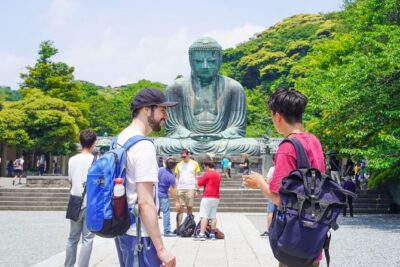
Kamakura Historical Walking Tour with the Great Buddha
Read our review →
Kamakura Private Tour: Temples, Nature, and the Great Buddha
Read our review →
Kamakura 4hr Private Trip with Government-Licensed Guide
Read our review →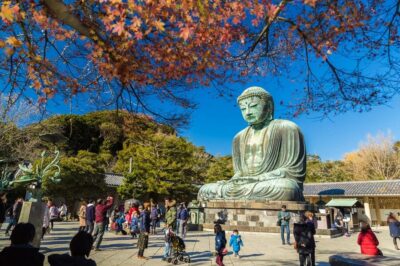
Kamakura Full Day Tour with a Local Expert Guide
Read our review →
Buddha, Bamboo & Zen – Bespoke Kamakura Private Walking Tours
Read our review →Browse the lists this tour appears in