
Reviewed · KAMAKURA TOURS
Kamakura: A Journey Through Medieval Japan
Kamakura is interesting because it sits at the crossroads of Zen practice and samurai power. You get temples and shrines in a tight loop, plus real stories about how religion shaped politics and everyday culture during the Kamakura Period, about 900 years ago.
I love the way this tour uses a smart mix of walking and local transport so the day stays doable. I also like that it is vegetarian and vegan-friendly, and you can even add shojin-ryōri if you want the monk-meal experience. One thing to consider: this is not a low-walking stroll, so you will want comfortable shoes and expect some hills and stairs.
The guide on this experience is English-speaking, and his name is John, a storyteller who turns each stop into a clear, fun picture of how Kamakura worked. There is also flexibility, especially if you pick the private option, which can help you shape the timing around your pace and interests.
Key things to know before you go
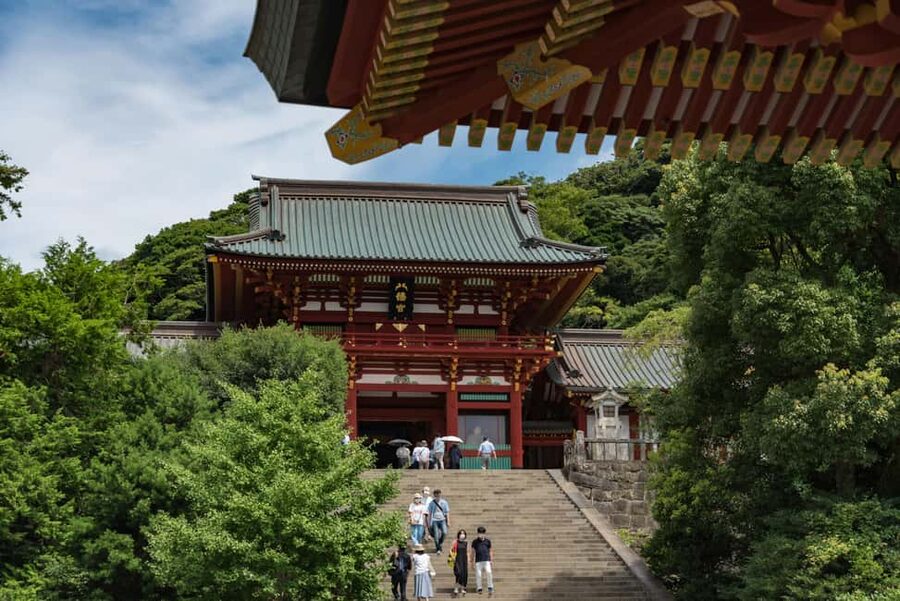
- Zen, politics, and art connect here: Engaku-ji sets the tone, then the day swings into power at Tsurugaoka Hachimangu.
- John’s stories make the sites click: he explains the why behind each place, not just the what.
- Walking is real, but planned: you still get places to sit and you use public transport to close the gaps.
- Optional shojin-ryōri is a big draw: it is generally offered on the longer route, with request options for shorter days.
- The Great Buddha is a highlight you do not rush: you get a proper visit at Kōtoku-in.
- Enoshima is a strong finish on the private 8-hour route: a holy past meeting a seaside day out.
Kamakura on a half-day timeline, without feeling rushed
This is the kind of Kamakura day trip that feels like the city makes sense. Instead of hopping randomly between famous spots, you move in a logical order that follows a theme: Zen Buddhism first, then the civic and political center, then the big Buddha, and finally (for the longer private option) Enoshima by the sea.
The pacing is built for people who want to see a lot but still breathe. Even though it is a walking tour, the route uses local transit when you need it, and you do get spots where you can sit along the way. That matters in Kamakura, where distances can feel longer than they look on a map.
For many people coming from Tokyo, the hardest part is not the sights. It is the time and the mental energy it takes to organize buses, trains, and line changes. Having a guide who is set up for that makes the day smoother.
Also on the shortlist for Kamakura:
- Tokyo: Kamakura & Enoshima Day Trip including Temple Tickets
★ 4.5 · 1,375 reviews - From Tokyo: Kamakura & Enoshima 1-Day Bus Tour
★ 4.5 · 189 reviews - Kamakura Historical Walking Tour with the Great Buddha
★ 5.0 · 129 reviews
Starting at Kita-Kamakura Station, and how you should plan your arrival
Your meeting point is outside the East Exit of Kita-Kamakura Station. That is helpful because Kita-Kamakura is easy to read in the moment, and you can get oriented fast before the first temple.
Aim to arrive a little early so you can check your shoes, water, and weather plan. If you are sensitive to stairs or walking distance, this tour is not built for wheelchair use or mobility impairments, so you should be honest with yourself about your limits before committing.
Once you meet up, the day flows like a conversation. John is great at switching from big-picture history to small practical details, like where to stand for photos and how to move when crowds build.
Engaku-ji Temple: Zen Buddhism that shaped more than religion
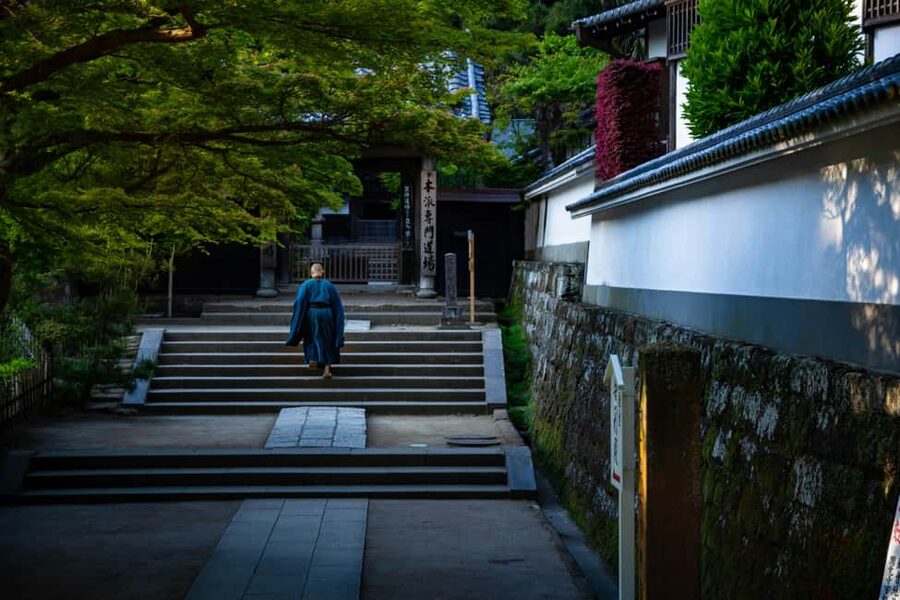
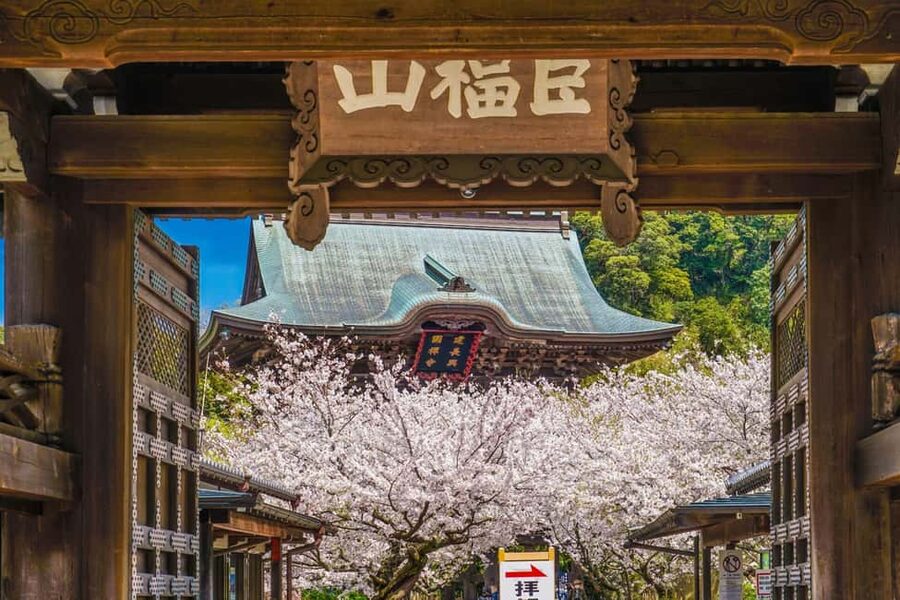
Engaku-ji is the first major stop for a reason. It is one of Japan’s most important Zen temples, and it anchors the whole theme of the day. You start with guided time here, so you are not just looking at buildings, you are learning how Zen thinking influenced art, culture, and even politics during the Kamakura Period.
Expect a calm, grounded atmosphere, but do not expect a mystery tour. This visit is structured to help you notice details you might otherwise miss, like how temple design supports meditation and daily ritual. It is the kind of place where the meaning lands when someone connects the dots for you.
There is also a practical side. If you come early enough to beat some of the rush, you get a better rhythm for walking through grounds without feeling pushed. If you come at a busier time, John is the kind of guide who will manage the crowd flow so you still get good viewing and photo spots.
Time at this stop is about one hour, which is long enough to feel the place without turning it into a fatigue festival.
Tokei-ji: a short stop with a powerful human story
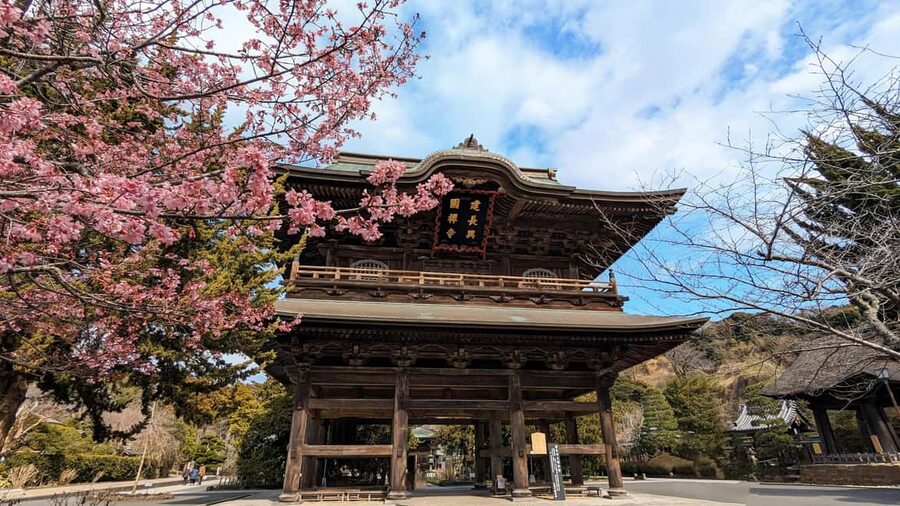
After Engaku-ji, you make a brief visit to Tokei-ji, a former nunnery and a pilgrimage spot for women from all over Japan. This is a quick stop, about 15 minutes, but it changes the angle of the day.
Zen and temple history can sometimes feel very male-led in popular storytelling. Tokei-ji helps correct that by pointing you toward the role of women as pilgrims and believers. Even in a short visit, it gives you something to carry forward mentally as you move into shrines and civic history.
Because this is not long, you get the most value by staying present. Keep an eye out for the parts that signal its identity as a women’s pilgrimage site. When your guide frames what you are seeing, the stop becomes more than a box checked on a schedule.
A change of pace from Kamakura:
- Kamakura Private Tour: Temples, Nature, and the Great Buddha
★ 5.0 · 121 reviews - Kamakura Walking Tour – The City of Shogun
★ 5.0 · 100 reviews - Kamakura: Private Guided Walking Tour with Local Guide
★ 4.8 · 60 reviews - Kamakura 4hr Private Trip with Government-Licensed Guide
★ 5.0 · 58 reviews
Lunch and shojin-ryōri: eating simply, with care for your needs
Lunch is where the tour becomes very real. If you are on the shorter route, lunch time is around 45 minutes, and lunch itself is not included in the base price. If you are on the longer option, you can indulge in shojin-ryōri, the vegetarian Buddhist food monks eat every day.
This matters for value. A lot of tours call something vegetarian-friendly, then send you to a normal restaurant with a sad salad. Here, the expectation is clearer: you can plan for vegetarian or vegan meals, and you should tell the operator ahead of time so they can match you with an appropriate option.
From what I’ve seen in feedback, John also takes dietary concerns seriously. One example: he helped arrange a gluten free lunch restaurant for someone with Celiac. That is not something you should assume on every tour, so it is worth appreciating when it shows up.
If you want shojin-ryōri but you are only doing the 4-hour version, you can ask ahead. It is generally offered on the longer route, but it is available upon request for the shorter one.
Tsurugaoka Hachimangu: the downtown shrine that mirrors Kamakura power
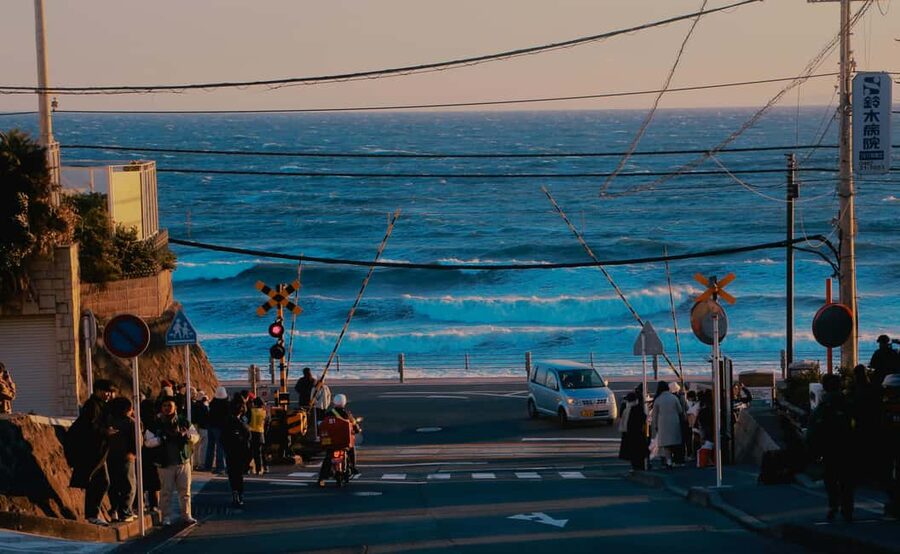
Next you head to Tsurugaoka Hachimangu, one of the most popular shrines in the region and a huge one at that. This is the center of Kamakura-period politics in practice, not just in theory. The guided time here is about 30 minutes, which is enough to understand why this site mattered and why it still draws people.
You will feel the scale quickly. This is a shrine that supports big crowds, major ceremonies, and local pride. In a half-day format, the key is not trying to see everything, it is learning how to see the important parts in the right order.
John’s storytelling tends to land well here. He connects what you are seeing to how power was organized, how leadership showed itself in religious spaces, and why shrines were not separate from governance in that era.
One practical point: because this is a popular stop, you may hit busy times depending on your day. If the crowd is thicker than you’d like, follow your guide’s pace. You will usually do better when you move at the right moment rather than fighting the flow.
Kōtoku-in and the Great Buddha: big in size, bigger in impact
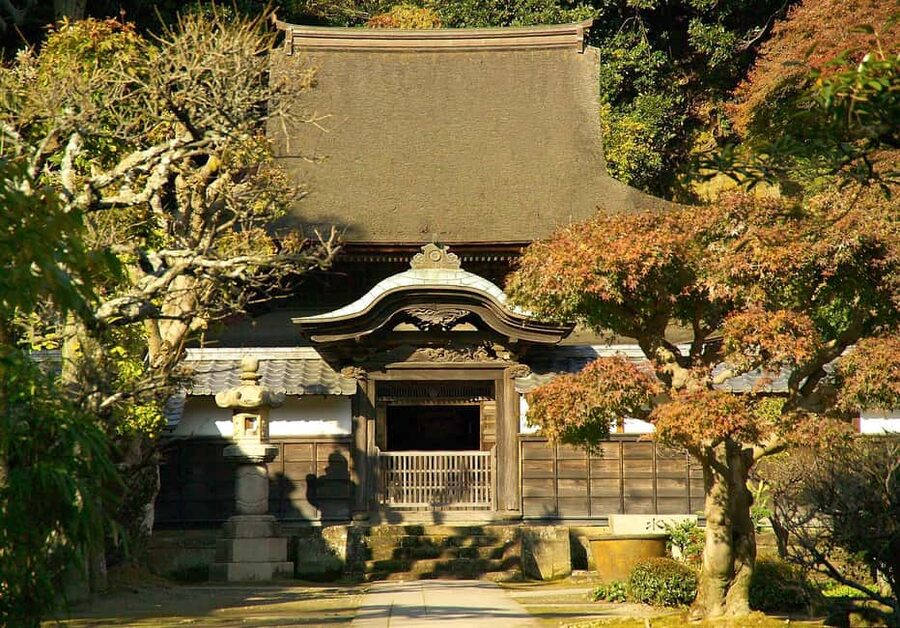
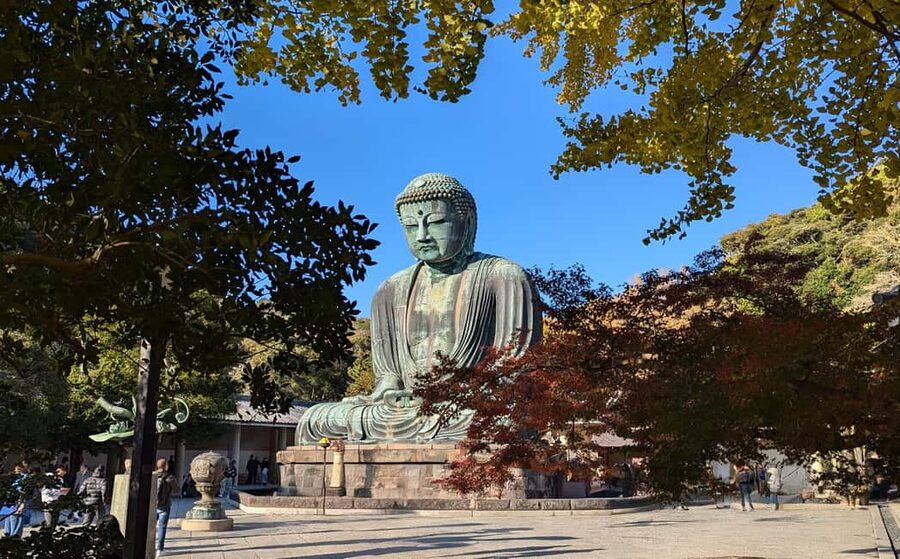
Then comes Kōtoku-in, where you see the Great Buddha of Kamakura. This is one of the largest Buddha statues in Japan, and it is the kind of sight that changes how you understand the day. You start with temples and political context, and suddenly you are face to face with a monument that turns religion into something physical and unavoidable.
Your guided time here is about 30 minutes, which gives you room to take in the structure and sit with it for a bit. If you rush, it turns into a quick photo stop. With a guided visit, you are more likely to notice what makes the statue feel so imposing.
This is also a great point in the day to reset your energy. After the shrine and civic themes, the Great Buddha is simpler to process. You do not need to decode a lot of symbols to appreciate the presence.
If you are a photo person, pay attention to where your guide suggests you stand. Based on the experience of previous groups, John tends to time photo moments and point out good angles rather than letting you guess.
Enoshima: holy island vibes plus seaside fun on the private 8-hour plan
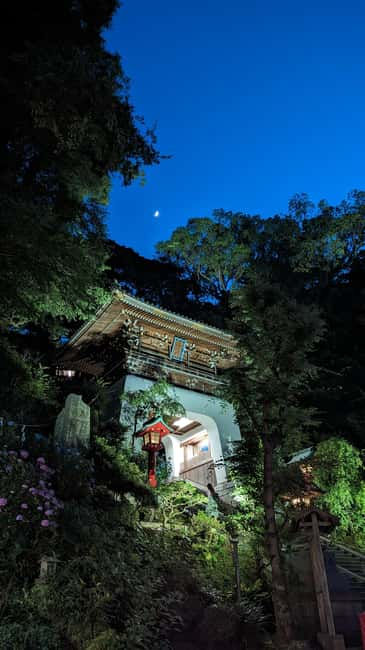
Not every version includes Enoshima. It is listed for the private 8-hour tour option, with about two hours on the island.
Enoshima is described as a holy island in ancient times, and that blend is still part of the experience. Today, it also functions as a popular seaside spot for couples and families who want a break from city life. That mix, holiness plus everyday fun, is what makes it such a satisfying ending.
In the better version of this day, Enoshima feels like relief. After temples, shrines, and history talk, you get sea air, open views, and the chance to slow down. If you are going when the light is right, you might find your favorite moments here, including sunset views that turn the last part of the tour into something memorable.
One more practical note: because Enoshima is on the longer route, it is a good fit if you want variety. If you prefer temples only, the shorter loop can feel perfect as a focused Kamakura taste.
Price and value: what your $35 is really buying
The tour price is listed at $35 per person, for a guided experience lasting 4 to 8 hours. That is the base cost, and you should budget for some extras on top.
Entry fees are generally about 800 to 1,500 yen per person, and transportation is about 400 yen per person. Lunch costs around 1,000 yen per person since it is not included. If you choose shojin-ryōri on the longer option, that may affect the lunch situation depending on the restaurant setup, but lunch is still treated as an extra in the provided details.
So does it feel like value? In my view, yes, because you are paying for more than a walk between monuments. You are paying for time management in a place that can be confusing without local help, plus a guide who tells stories and keeps the day organized.
The reviews point to this clearly. People call John’s storytelling a standout and mention his ability to handle public transit so you cover more ground without burning out. That kind of efficiency can save you the stress of planning and the risk of missing the best route between stops.
If you are budget-minded but want a meaningful day, the combination of a relatively low base price plus optional additions can work well.
Comfort, logistics, and the small decisions that make or break the day
This is not a tour where you can show up totally unprepared and assume it will adjust. It is a walking tour, and the note about not being suitable for wheelchair users or people with mobility impairments is important.
If you are fine with moderate walking, you will likely enjoy it more than you expect. The itinerary uses buses or coaches and trains for parts of the route, and it includes guided time plus breaks. That balance is especially helpful if you are doing Kamakura as a day trip from Tokyo.
Bring water and plan for weather. Temple and shrine visits often mean you spend time outside, especially once you are in the open areas around major buildings.
Also, consider your pacing expectations. One of the strongest benefits here is that John can adjust to the group. In feedback, people mention he customized routes for individual needs and kept a good pace for groups of different sizes.
Who should book this Kamakura walking tour
This tour is a good match if you want a clear overview of Kamakura in one day, not just random sight-seeing. It works especially well if you are interested in how Zen Buddhism connects to art, daily life, and politics.
You should also consider it if you care about food as part of travel. The shojin-ryōri option gives you a chance to taste the monk-food tradition, and the tour is vegetarian and vegan-friendly if you let them know beforehand.
If your travel style is more DIY, you could build a similar route on your own. But you would need to solve the transit puzzle, the timing between stops, and the meaning behind what you see. Having a guide who can do the storytelling and manage the route is the main advantage.
Should you book this Kamakura tour
If you want a smooth, well-paced Kamakura day that connects temples to the bigger story of the Kamakura Period, I think you should book it. The base price is relatively low, and the real value is the guidance, the explanation, and the way John helps you see more without getting worn out.
The only strong reason to skip is mobility limits. If walking and stairs are difficult for you, choose a different format. If you can manage moderate walking and you like guided history tied to what you are standing in front of, this is an excellent way to experience Kamakura in a single day.
FAQ
Where do I meet the guide?
Meet the guide outside the East Exit of Kita-Kamakura Station.
How long is the tour?
The tour duration is 4 to 8 hours.
What is included in the price?
Included are the guide fee, a knowledgeable and personable local guide, and vegetarian and vegan-friendly options if you let them know beforehand.
Are entry fees included?
No. Entry fees are not included and are estimated around 800 to 1,500 yen per person.
Is shojin-ryōri included?
It is generally available on the 8-hour tour, and it is available upon request for the 4-hour tour. Lunch itself is not included in the base details.
Does the tour visit Enoshima?
Enoshima is included on the private 8-hour option, with guided time there.
Is lunch included?
No. Lunch is not included and is estimated at about 1,000 yen per person.
Is the tour vegetarian or vegan friendly?
Yes, it is vegetarian and vegan-friendly. You should let the provider know in advance about your dietary needs.
Is the tour suitable for wheelchair users or mobility impairments?
No. It is not suitable for people with mobility impairments or wheelchair users.
Can I cancel and get a full refund?
Yes. You can cancel up to 24 hours in advance for a full refund.
Latest write-ups near Kamakura
- Kamakura Half Day Tour with a Local Expert Guide★ 4.4 · 23 reviews
- From Tokyo: Kamakura Private Customize Tour by Luxury Van★ 4.6 · 38 reviews
- Exciting Kamakura – One Day Tour from Tokyo★ 5.0 · 40 reviews
- Kamakura: Private Guided Walking Tour with Local Guide★ 4.8 · 60 reviews
- Kamakura Walking Tour – The City of Shogun★ 5.0 · 100 reviews
- Kamakura Private Tour: Temples, Nature, and the Great Buddha★ 5.0 · 121 reviews
- Kamakura Historical Walking Tour with the Great Buddha★ 5.0 · 129 reviews
- From Tokyo: Kamakura & Enoshima 1-Day Bus Tour★ 4.5 · 189 reviews
Kamakura Tours, compared.
Kamakura & Enoshima Day Trip including Temple Tickets
Read our review →
Kamakura Historical Walking Tour with the Great Buddha
Read our review →
Kamakura Private Tour: Temples, Nature, and the Great Buddha
Read our review →
Kamakura: Private Guided Walking Tour with Local Guide
Read our review →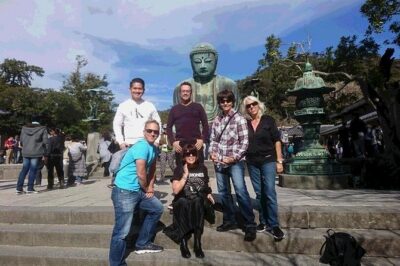
Kamakura 4hr Private Trip with Government-Licensed Guide
Read our review →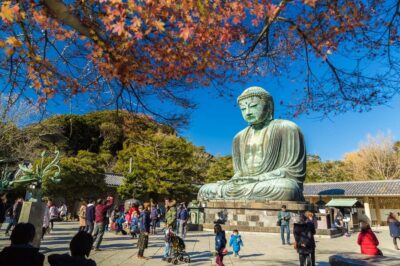
Kamakura Full Day Tour with a Local Expert Guide
Read our review →Browse the lists this tour appears in