
Reviewed · WALKING TOURS
Kamakura: Private Guided Walking Tour with Local Guide
Kamakura is one of those places that feels like a time machine ride from Tokyo, and this private guided walking tour is a smart way to use your limited hours. I especially like the chance to enter the Great Buddha instead of just taking photos from the outside. I also like that you can shape the day, so your guide can steer you toward what you actually care about, whether that is temples, shrines, gardens, or quieter spots.
The main drawback to plan around: it’s a walking day, and while you may use public transport or taxis between stops, you should expect some movement and you’ll have to bring your own spending for things that aren’t included like food, drinks, and entrance fees.
Key points before you go
- Great Buddha interior access gives you a rare “walk inside” moment.
- Hase-dera garden focus includes seasonal hydrangea color in the rainy season.
- Zeniarai Benten ritual is a fun, local legend you can actually see in action.
- Hokoku-ji bamboo + matcha mixes scenery with a real pause to taste tea.
- Route customization means fewer forced stops and better pacing.
- Nationally licensed local guides help you understand what you’re looking at, not just where to stand.
Why Kamakura works so well for a half-day trip
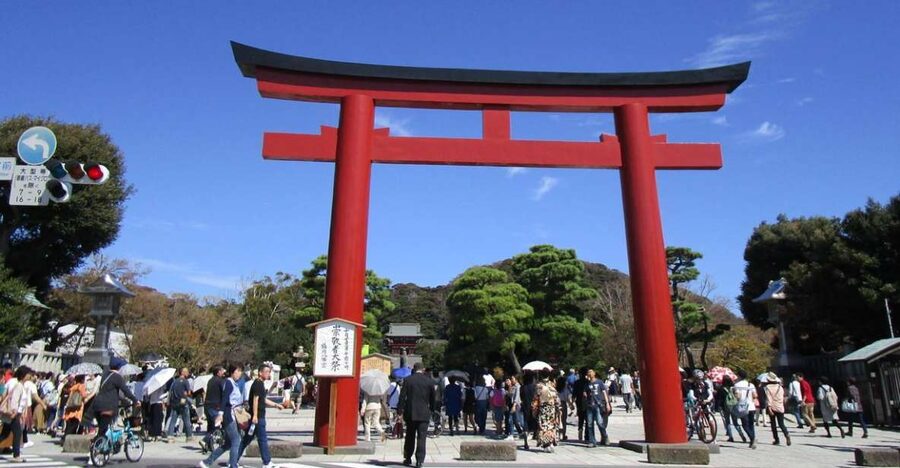
Kamakura is a classic day trip from Tokyo, about an hour away, and it still keeps a strong samurai-era feel. It is famous for shrines, temples, and Buddhist sites, but it is also the kind of town where the streets and paths matter. You do not just hop between postcards. You walk through neighborhoods, approach sacred places from the right angles, and pick up context along the way.
What I like about doing Kamakura with a guide is that you get the “why” behind each stop. That matters because many sites look similar on the surface if you are rushing. With a local, the details snap into focus fast, like how certain temples connect to periods of power, how gardens were designed for particular viewing rhythms, and why specific rituals became famous.
More Walking Tours in Kamakura:
- Kamakura Historical Walking Tour with the Great Buddha
★ 5.0 · 129 reviews - Kamakura Walking Tour – The City of Shogun
★ 5.0 · 100 reviews - Buddha, Bamboo & Zen – Bespoke Kamakura Private Walking Tours
★ 5.0 · 25 reviews
Choosing 4 hours vs 6 hours, and how pacing actually feels
This tour comes in two lengths, 4 hours or 6 hours, and the time choice is more than just a schedule checkbox. A 4-hour day tends to feel like a highlight reel with smart timing, while 6 hours lets your guide add more stops, extra viewpoints, and a less panicked pace for photos and questions.
Since it is a private group, the pacing can match you. If you prefer a quick stride, guides can keep you moving. If you want time to linger near the gardens or sit for matcha, the schedule can flex. From the way guides have handled different interests, the “best” option usually depends on your goal:
- If you want the biggest icons with less walking pressure, pick 4 hours.
- If you want a more complete taste of Kamakura’s major sites, pick 6 hours.
Also note the tour runs rain or shine. That is not a minor detail in Japan’s rainy season, so plan for wet paths and bring footwear you do not mind getting muddy.
Entering the Great Buddha, not just viewing it
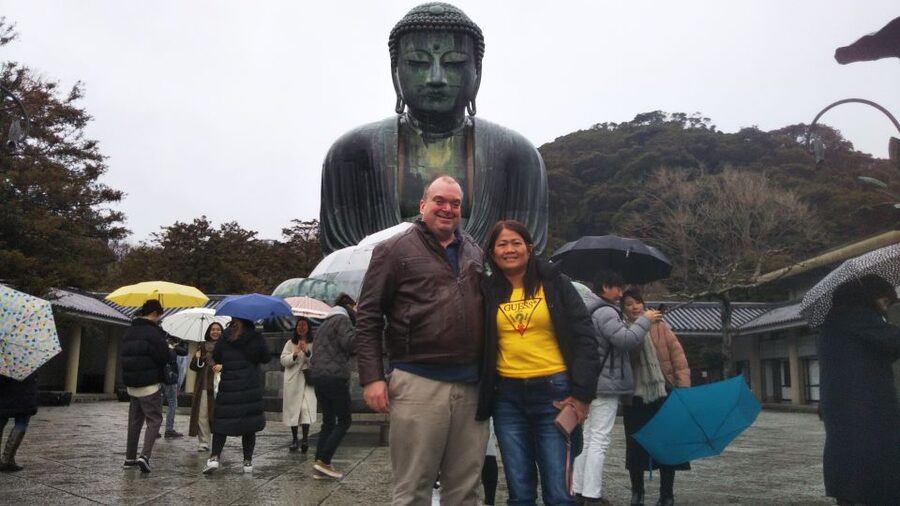
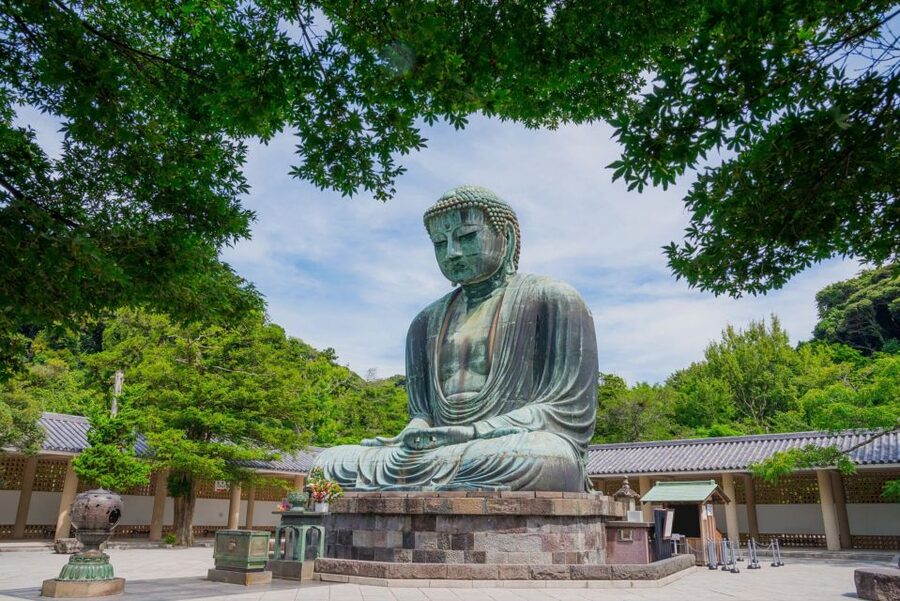
One of the clearest reasons to book this tour is the chance to visit and enter the interior of the huge Great Buddha. Seeing the Daibutsu from outside is impressive, but being able to go inside changes the experience. You get scale you cannot fully understand from a distance, and it is easier to grasp why this statue became such a symbol for Kamakura.
If you care about photography, this is also where a guide can be handy. You will get guidance on timing and angles, plus help with where to pause so you are not blocking other people or getting stuck in the worst crowd flow.
Practical note: entrance fees are not included. So if you want to budget for the Great Buddha interior and any other shrine or temple entries, keep that in mind before you arrive with only a backpack budget.
Hase-dera’s gardens and hydrangea season magic in June
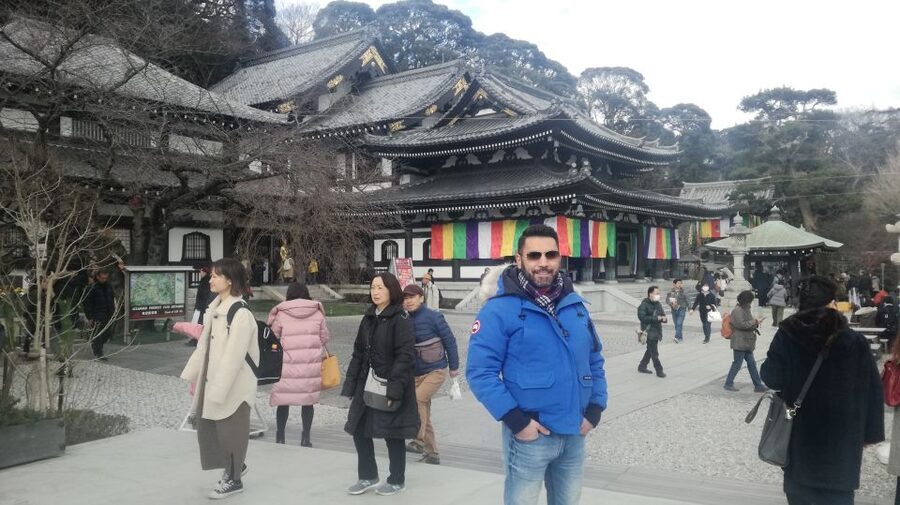
Hase-dera is a favorite stop for a reason: the temple’s gardens are designed for layered viewing. The big seasonal draw is hydrangea season. During the rainy season around June, 2500 hydrangeas across 40 varieties bloom all at once, creating a show that feels almost coordinated.
Even if you are not visiting in June, Hase-dera still makes sense because you get a feel for the garden logic. Your guide can help you walk the paths that give you the best views without doubling back.
A small drawback to consider: garden-heavy days can mean more stairs and uneven ground. If your legs get tired easily, tell your guide early so they can build a route with better breaks and fewer backtracks.
A change of pace from Kamakura:
- Tokyo: Kamakura & Enoshima Day Trip including Temple Tickets
★ 4.5 · 1,375 reviews - From Tokyo: Kamakura & Enoshima 1-Day Bus Tour
★ 4.5 · 189 reviews - Kamakura Private Tour: Temples, Nature, and the Great Buddha
★ 5.0 · 121 reviews - Kamakura 4hr Private Trip with Government-Licensed Guide
★ 5.0 · 58 reviews
Zeniarai Benten Shrine, where money meets myth
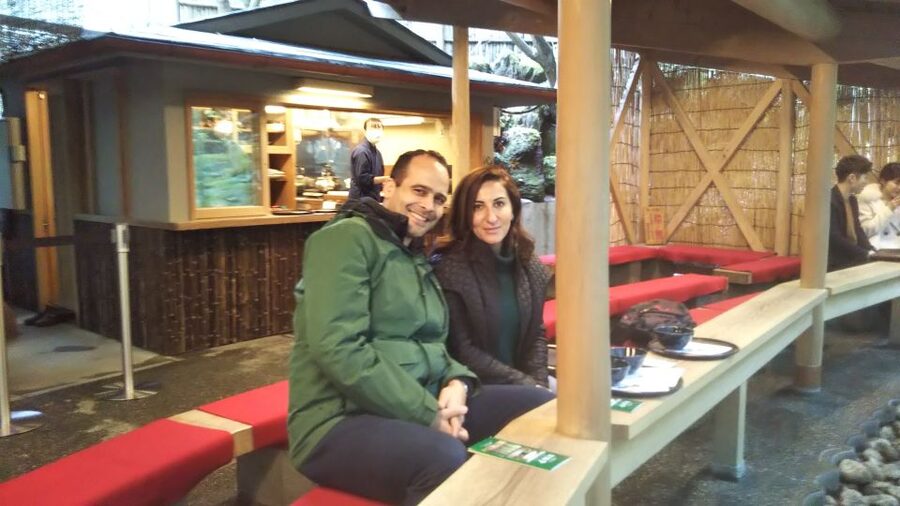
At Zeniarai Benten Shrine, you see a quirky tradition tied to a well-known legend. The story goes that if you wash money in the shrine’s holy water, you will earn more money. You can treat it like a cultural moment and a bit of theater, because the shrine is built around the ritual.
Why this stop is worth it on a guided day: a local guide helps you understand what the ritual means in the broader picture. It is not just superstition. It connects belief, prayer, and the hope of prosperity in a place where religious practice has long been woven into daily life.
This is also a good time to reset. After the intensity of temples and crowds, Zeniarai Benten offers a calmer, more local-feeling experience, even though it is still a popular site.
Hokoku-ji’s bamboo forest and the matcha pause
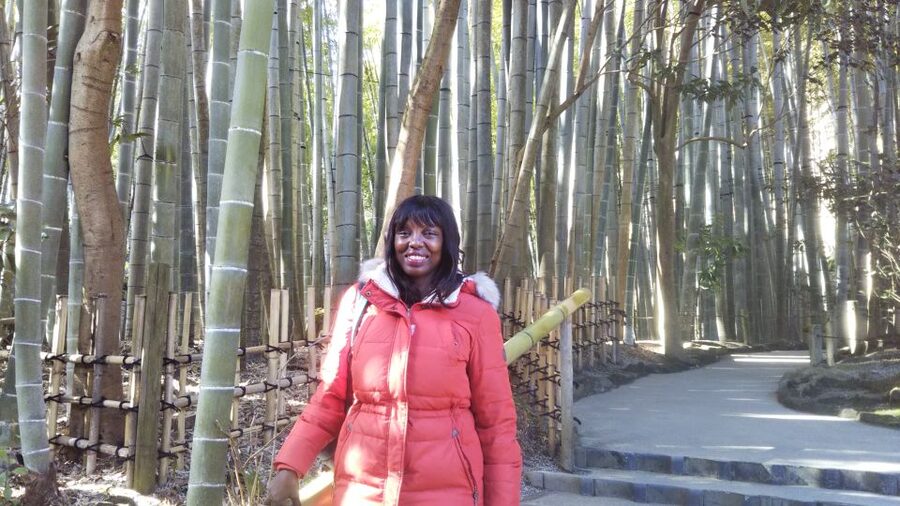
Hokoku-ji Temple is famous for its bamboo forest garden, and it gives Kamakura that “pause button” feeling. The best part of this stop is not only the scenery. It is the way your guide can point out the viewing rhythm, the sense of enclosure, and why bamboo fits the temple’s atmosphere so well.
This tour also includes a chance to sample matcha tea while you admire the forest. That small break matters. Tea turns the stop from a photo mission into a lived moment, where you slow down enough to actually notice the surroundings.
One consideration: matcha timing depends on how your day is flowing. If you are sensitive to schedule pressure, ask your guide to time the tea break so you can enjoy it, not just “fit it in.”
How your guide customizes the day, and how that helps you avoid wasted hours
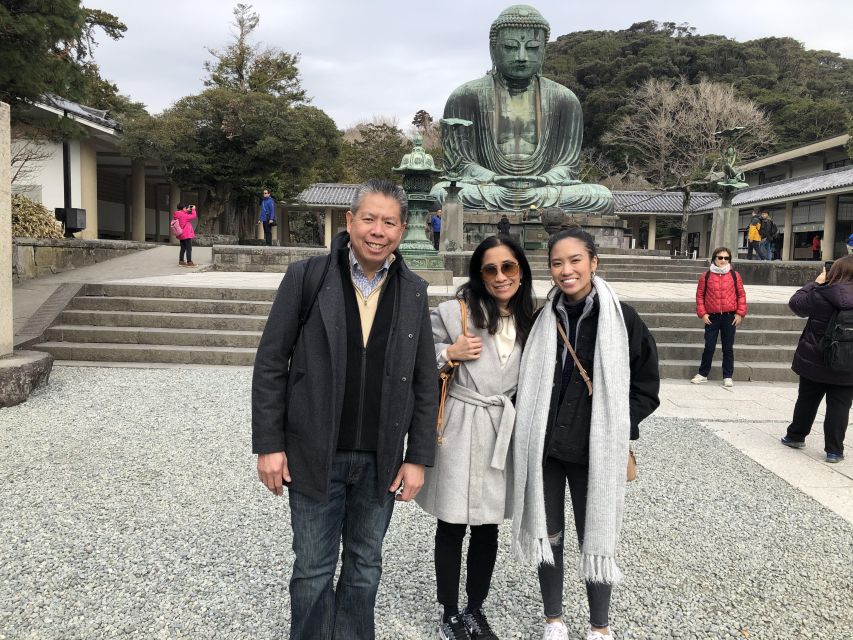
Kamakura has so many temples and shrines that choosing on your own can turn into indecision. One person wants the most famous sites. Another wants quieter corners. Someone else wants food stops. The beauty of a private guide is you do not have to guess.
In practice, guides have shown real skill at building an itinerary that matches the group’s style. People have mentioned guides like Koba, Shinji, An!, Yuki, Kei, Emiko, and Taku for being organized and flexible. You will feel that difference when your guide:
- plans route order to manage crowds
- adjusts the pacing so you do not sprint between monuments
- works around closures so you still hit the core you want
- keeps the explanations clear, so each stop adds meaning instead of becoming “another gate”
If you want a “greatest hits” day, tell your guide what must-see icons you care about. If you want temples over shrines, say that too. The more specific you are, the better the customization can be.
You might also find that some routes include additional temple stops beyond the major highlights, like well-known Zen temples, depending on how your 4 or 6 hours are structured. On longer days, your guide can also factor in requests for extra viewpoints, and there are even mentions of routes timed for a possible Mt. Fuji glimpse when conditions allow.
Transportation reality: walking tour, with transit between sites
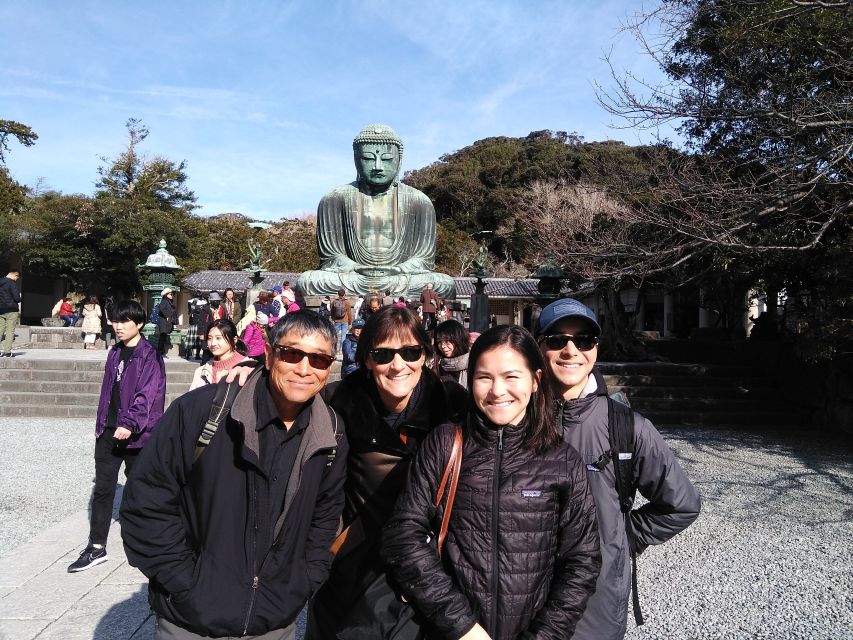
Even though it is a walking day, the tour is not strictly one long hike with no breaks. Public transportation or local taxis may be used to transfer between sites. The key is that a private vehicle is not included, unless you arrange it directly in advance.
Here is the practical takeaway: have Japanese yen on hand for any transit costs between stops. Your guide can discuss exact transportation costs after your reservation is finalized, and you will be able to plan your budget for that part of the day.
If you are the type who hates transit surprises, this is another reason to pick the private format. Your guide can usually keep transfers efficient, so you do not lose half your time to confusion.
What you actually get for $106 per person
At $106 per person for 4 to 6 hours, you are paying for something simple and valuable: having a licensed guide manage the flow of your day. This is not just storytelling. It is practical routing, smart sequencing, and helping you understand what you are seeing so it feels worth the effort.
Compared to doing Kamakura on your own, the value usually comes from three places:
- Time saved: your guide already knows how to connect stops and reduce wasted backtracking.
- Better “reading” of sites: you learn what each temple or shrine represents, which makes photos feel less like souvenirs and more like memories.
- Customization: your time matches your interests, not a generic checklist.
Now the fine print that affects the true cost: entrance fees, food, and drinks are not included. So your final day budget depends on what you choose to eat and which sites you enter.
If you like structured sightseeing and you want the day to feel smooth, this price usually feels fair. If you are the kind of traveler who loves planning every minute and you already know the sites well, you might spend less on your own. But most people who choose this option do it because they want Kamakura to feel effortless and meaningful.
The guide experience: what top days feel like in real life
A private tour lives or dies by the guide. The best versions of this day tend to share a few patterns:
- Clear organization: you spend less time lost, and you get to more places without rushing.
- Friendly, easy communication: guides who can answer questions make the temples feel alive, not academic.
- Photo help: several guides are noted for spotting good photo angles and capturing group moments.
- Real flexibility: if you want to change focus mid-day, a good guide can adjust quickly.
If you have a specific guide you liked from prior trips, you can share your preferences. Even without names, you can set expectations in advance: tell the guide how fast you walk, whether you want fewer stops or more, and what kind of explanations you like.
And yes, it is a walking tour. So comfort matters. Bring shoes that can handle wet stone, and bring a small umbrella or rain shell.
A quick checklist so your Kamakura day stays easy
Here’s what I’d pack and plan around for this specific tour style:
- Comfy walking shoes for temple steps and garden paths
- Japanese yen for any transit between sites
- A light rain layer since it runs rain or shine
- A short list of what you want most: Great Buddha, Hase-dera, bamboo and matcha, shrines, or a specific vibe like quieter temples
- If you care about photos, mention it early so your guide can factor in photo pauses
Also, remember that pickup is included on foot if you are within reasonable distance of the meeting point setup. If you are staying far out, plan around how you will connect for the start.
Should you book this Kamakura private walking tour?
Book it if you want a half-day to feel like a real plan, not a map app battle. This is the right choice when you care about the meaning behind Kamakura’s major religious sites and you want someone local to keep the day coherent.
Skip it or go lighter on expectations if you prefer fully independent travel and you are comfortable navigating temples and entrances on your own. Also keep in mind that entrance fees, food, and drinks are on you, and the day includes walking plus possible transit between stops.
If your goal is a smooth, guided Kamakura day with the Great Buddha interior, standout gardens at Hase-dera, a memorable shrine stop at Zeniarai Benten, and a calming Hokoku-ji bamboo plus matcha break, this private tour format is a strong match.
FAQ
How long is the Kamakura private guided walking tour?
You can choose a 4-hour or 6-hour option.
Is this a private tour?
Yes, it is a private group experience.
What languages does the guide speak?
The live guide speaks English and Japanese.
Is pickup included?
Pickup is included on foot if you are within a reasonable distance.
Are entrance fees included in the price?
No, entrance fees are not included.
Are food and drinks included?
No, food and drinks are not included.
Does the tour run in bad weather?
Yes, it takes place rain or shine.
Is the tour wheelchair accessible?
Yes, the experience is wheelchair accessible.
Do I need cash for transportation during the tour?
You should have Japanese yen on hand, since public transportation or taxis may be used between sites and exact transportation costs can be discussed after booking.
Latest write-ups near Kamakura
- Kamakura Half Day Tour with a Local Expert Guide★ 4.4 · 23 reviews
- Kamakura: A Journey Through Medieval Japan★ 4.9 · 32 reviews
- From Tokyo: Kamakura Private Customize Tour by Luxury Van★ 4.6 · 38 reviews
- Exciting Kamakura – One Day Tour from Tokyo★ 5.0 · 40 reviews
- Kamakura Walking Tour – The City of Shogun★ 5.0 · 100 reviews
- Kamakura Private Tour: Temples, Nature, and the Great Buddha★ 5.0 · 121 reviews
- Kamakura Historical Walking Tour with the Great Buddha★ 5.0 · 129 reviews
- From Tokyo: Kamakura & Enoshima 1-Day Bus Tour★ 4.5 · 189 reviews
Walking Tours, compared.
Kyoto Geisha Walking Tour: Gion District & Hidden Gems
Read our review →
Tokyo Tsukiji Fish Market Food and Culture Walking Tour
Read our review →
Gion Magical Night Walking Tour with Geisha Trivia
Read our review →
Imperial Palace and Shogun Historical Walking Tour
Read our review →
Gion Geisha District Walking Tour – Stories of Geisha
Read our review →
Shinjuku Local Bar and Izakaya Guided Walking Tour
Read our review →
Browse the lists this tour appears in