
Reviewed · KAMAKURA TOURS
From Tokyo: Kamakura Full Day Tour with a Local Expert Guide
Kamakura is one of those places where the past feels close, not behind glass. On this full-day tour, I like how you get to the big icons like the Great Buddha and Tsurugaoka Hachimangu, with a guide who explains what you are actually looking at. The one thing to keep in mind is that this is a walking day, so the comfort level depends on your pace and how you handle stairs in temple areas, which can pop up along the route.
What really makes it work is the human touch. Guides such as Florent (Flo), Mike, Brian, John, and Matias bring the city to life with stories and practical tips, including smart lunch ideas and even help navigating the rail system after the tour.
One more practical note: you are paying for the guide and walking plan, but food, admissions, and transport costs are not included, so you will want a little extra budget ready.
Key things to plan for
- A true local guide: multiple guides highlighted strong city knowledge, friendly rapport, and good restaurant picks
- Icon sites with context: you will not just see the Great Buddha and major shrines, you will hear the meaning
- Walking pace matters: temples and shrine grounds can include steps, so go with shoes you trust
- Extra costs are on you: food, transport, and temple or park admission fees are not included
- Meet at Tokyo or Kamakura: starting in Kamakura can save you time, if you prefer
- Private group style: it is listed as private, and several guides adapted the day to your preferences
Why Kamakura Works as a Day Trip from Tokyo
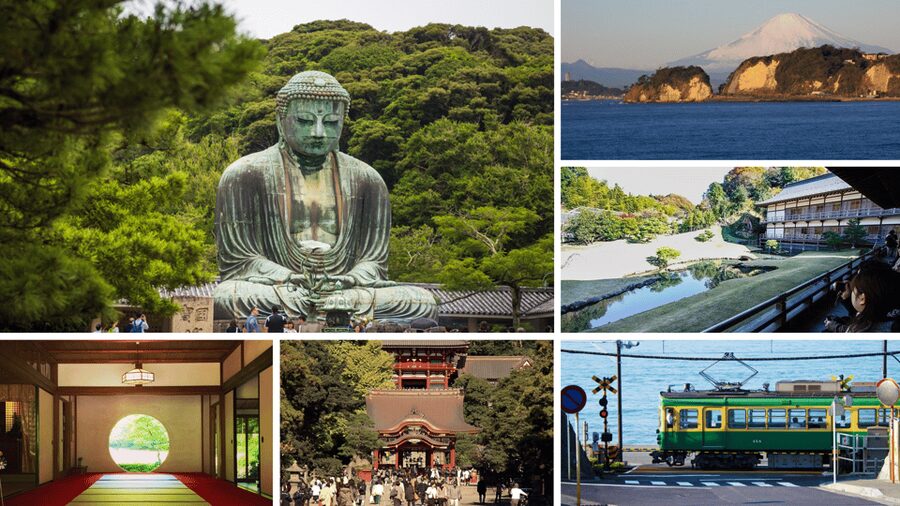
Kamakura has a different rhythm than central Tokyo. It is coastal, slower around the temple streets, and packed with places that shaped Japanese Buddhism and shrine culture. Even if you have only one day, you can still see the key “why it matters” sites, not just snap photos and move on.
The best part is that the sights connect. The Great Buddha site makes sense once you hear its background. The shrine culture at Tsurugaoka Hachimangu feels more meaningful once you understand the role shrines play in community life, not just ceremonies. And the Zen temple gardens change the mood in a way that pure sightseeing cannot.
This is also a good choice if you like history that you can walk through. You are not stuck in a museum. You are moving along real temple lanes, where the details show up in carvings, the layout, and the way visitors behave.
Also on the shortlist for Kamakura:
- Tokyo: Kamakura & Enoshima Day Trip including Temple Tickets
★ 4.5 · 1,375 reviews - From Tokyo: Kamakura & Enoshima 1-Day Bus Tour
★ 4.5 · 189 reviews - Kamakura Historical Walking Tour with the Great Buddha
★ 5.0 · 129 reviews
Meet Your Local Guide, Then Get Your Bearings Fast
This tour stands or falls on the guide, and the feedback pattern is clear. Multiple guides were praised for being easy to talk to and for explaining the sites in a way that made the day click.
Florent (often called Flo) came up repeatedly for being patient and passionate, with a good sense of which spots best show Kamakura’s beauty, culture, and history. Mike was praised for friendliness and strong knowledge, plus practical help beyond the itinerary. Brian was noted as a great companion, and John and Matias also earned strong marks for answering questions and keeping the day relaxed.
What you want from a guide on a day like this is simple: help you notice the right things fast. When the guide points out what to look for at the Buddha, or explains why the shrine layout matters, you get far more from each stop. The tour becomes a guided story with stops, rather than a timed parade.
Tokyo Pickup and the Ride to Kamakura: Scenic Stops and a Real Pace
The schedule is built as an 8-hour day, with pickup from Tokyo and then a return to Tokyo after the Kamakura portion. The in-between is not just transit. You can expect a photo stop, guided time, and sightseeing along the way, plus walking once you reach Kamakura.
This matters because it turns a “stand in line and ride” day into something you actually use. Also, if you start at your hotel in Tokyo, you avoid the stress of figuring out meeting points and trains at the start of the day.
If you want to maximize time in Kamakura, the tour notes that you can meet in Kamakura. That is a smart option if you are already staying near a station or you hate losing daylight to commuting. Either way, plan for a schedule that is active, not a slow stroll.
Great Buddha Stop: Why It Hits So Hard in Real Life
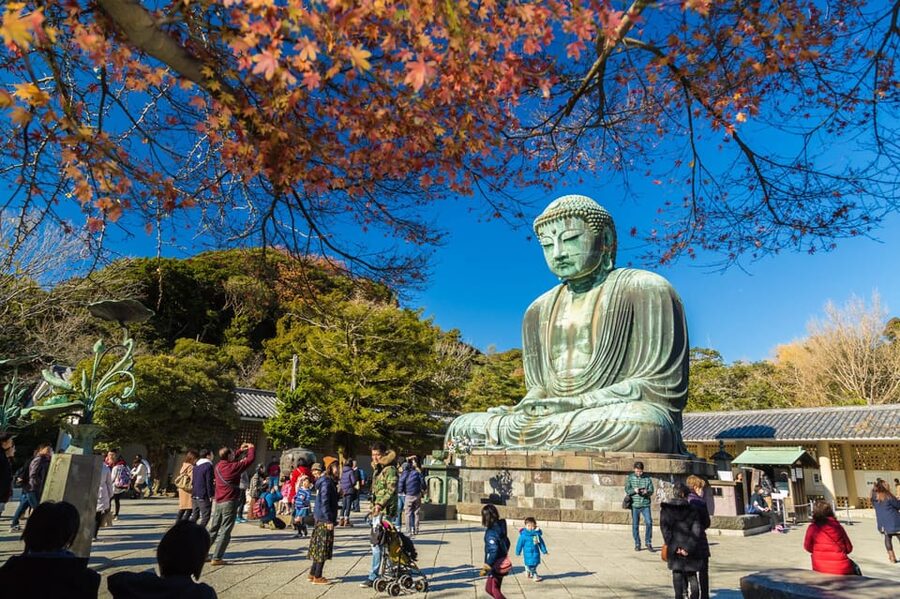
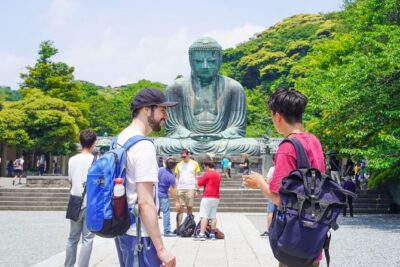
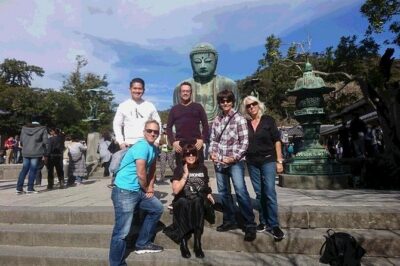
The Great Buddha (the site commonly known as Kotoku-in) is the anchor stop for many visitors, and it is easy to see why. The scale of the Buddha is impressive, but what makes this stop memorable is the story you hear around it.
One participant specifically highlighted the story behind a Buddha with multiple heads, saying it made their day feel special from the start. Even without getting too technical, that kind of detail changes how you look at the monument, because you start noticing the symbolism rather than just the silhouette.
Practical tip: arrive ready to slow down for a few minutes. The best photos often come when you stop trying to get everything at once. Let the guide explain what the structure represents, then you can take pictures with a better sense of composition.
Also, keep in mind that temple areas can be busy at times. If you want space for photos, the guide’s timing and route choices are where your time advantage comes from.
A change of pace from Kamakura:
- Kamakura Private Tour: Temples, Nature, and the Great Buddha
★ 5.0 · 121 reviews - Kamakura Walking Tour – The City of Shogun
★ 5.0 · 100 reviews - Kamakura 4hr Private Trip with Government-Licensed Guide
★ 5.0 · 58 reviews - When Emperors Reigned and Shoguns Ruled
★ 5.0 · 43 reviews
Tsurugaoka Hachimangu Shrine: More Than a Big Name
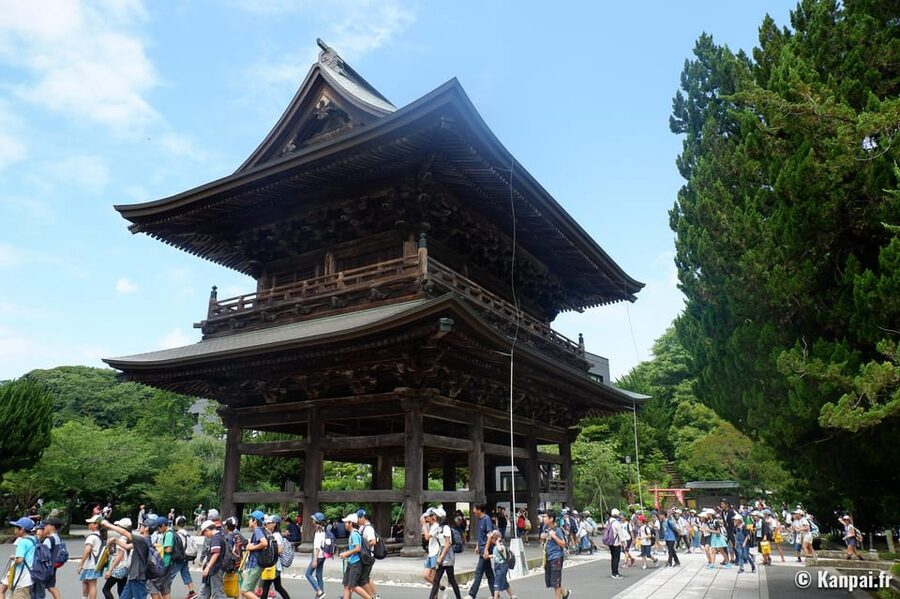
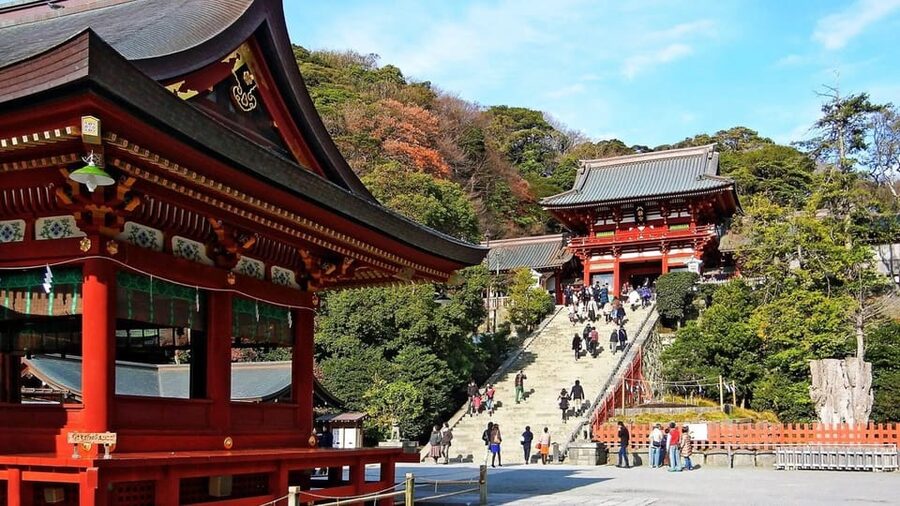
Tsurugaoka Hachimangu is one of Kamakura’s major shrines, and it works well on a day tour because it gives you a different cultural lens than the Buddha site. Buddhism shows one side of the city’s spiritual past. A major shrine like this shows another.
What I like about including it on a guided day is that the guide can help you read the details. You learn what you are looking at and why the place holds importance. That makes the walk through shrine grounds feel like part of a living tradition, not a checklist item.
One useful thing from the day style: guides can adapt. A participant noted that they did not want too many shrine visits, and the guide adjusted accordingly. That is the kind of flexibility that makes a private-group tour feel worth it. You get a plan, but it does not have to be rigid if you communicate preferences early.
Zen Temples and Garden Paths: Finding Calm in Plain Sight
After the big iconic stops, the Zen temple areas and gardens help rebalance the day. This is where Kamakura can feel more like a place than a sightseeing route.
Zen gardens often reward attention to small things: the way paths guide your movement, the framing of views, and the quiet that settles in once you step away from the main gates. On a guided tour, you can also learn why those spaces are arranged the way they are, which is helpful because not every visitor naturally knows what to notice.
This is also where comfortable shoes pay off. Even if the walking seems manageable in the morning, temple grounds can mean you are stepping on uneven stone, turning corners frequently, and lingering at viewpoints.
One caution I take seriously from the experience: stairs can show up. A participant mentioned the Enoshima climb and said the up-and-down stairs could be tough. Even if Enoshima is not the exact center of your day, plan for at least some stair sections around the temples and viewpoints.
Enoshima-Style Views and Stair Sections: Be Ready, Not Surprised

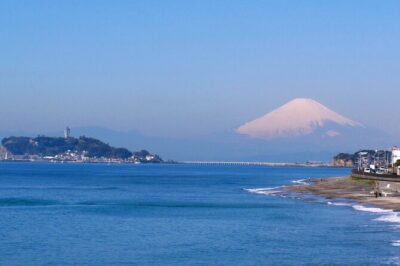
Kamakura has a coastal edge, and many day tours include viewpoints that bring the sea into the picture. The supplied info and the lived experience from a participant point to the kind of terrain that can include steep stair sections.
If you have knee issues, or if you know stairs drain you faster than flat walking, this is where you should set expectations. You can still enjoy the views, but your pace and rest breaks matter. The guide’s job here is not just explaining, it is helping keep the day doable.
My practical advice: wear shoes with solid grip, take water if you can, and do not treat it like a casual stroll. The payoff is that the scenery from higher points can make the effort feel worth it.
Shopping, Photo Stops, and How to Keep the Day Smooth
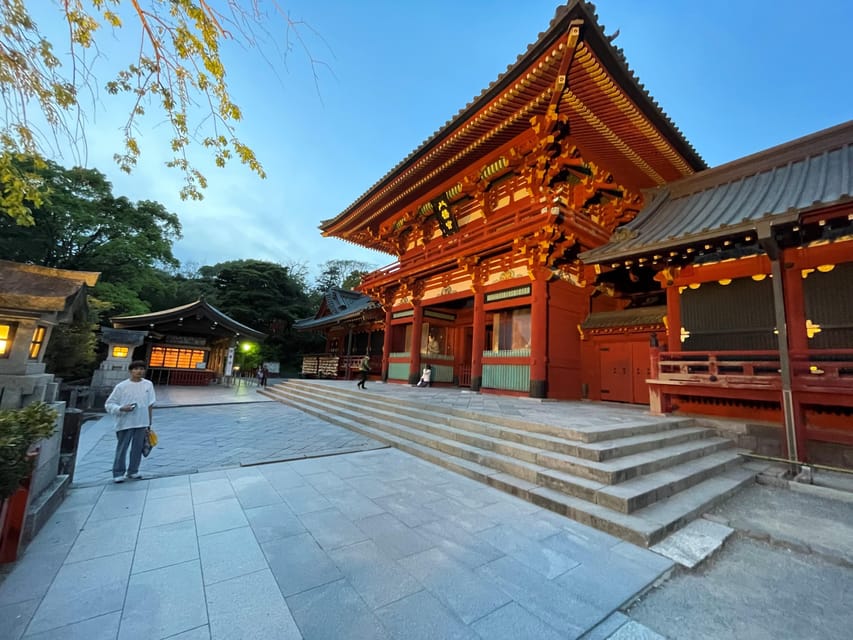
The itinerary includes time for shopping and photo stops, plus guided sightseeing on the way and walking once in Kamakura. That mix is important because it gives you chances to experience the everyday side of the area, not just monuments.
Shopping time is helpful if you want small food souvenirs, tea snacks, or locally themed gifts. But it also works as a mental reset. When you step away from temples for a bit, you come back with better energy for the next stop.
Food is the one gap you should plan for. Food and drink are not included. Still, the guide can help you pick a place that fits the day. One participant praised a guide for directing them to a traditional restaurant for lunch and even calling out matcha ice cream as a treat. That kind of local recommendation is the difference between eating something convenient and eating something you will remember.
If you have dietary restrictions, I would tell the guide early. You will get better options when the guide knows what to avoid.
Price and Logistics: What You Pay For, What Costs Extra
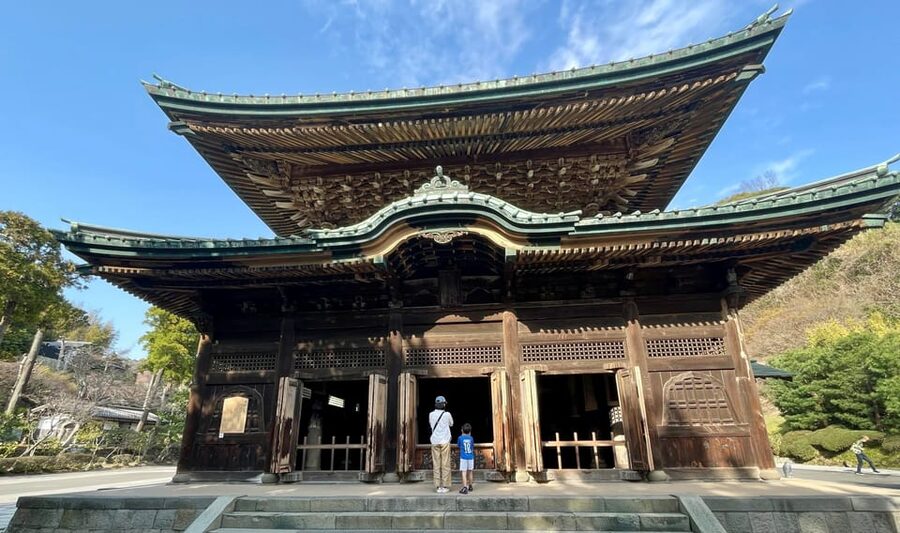
At $116 per person for an 8-hour day, you are primarily paying for the local guide and walking tour structure. That can be good value when you would otherwise spend money on two separate things: a train ticket plus a standalone guided experience plus time wasted figuring out what order to see everything.
The extra costs are clear:
- Food and drink are not included
- Transportation costs are not included
- Parks and temples admission are not included
So the real budget is the $116 plus whatever you choose to spend on meals, the transport needed beyond pickup, and any site entrance fees.
One more thing worth clarifying. A participant noted that they had to cover additional on-the-day costs such as the guide’s food or admissions, and they felt the website did not state it clearly. To avoid unpleasant surprises, ask the operator ahead of time what is strictly covered for you versus what might be handled as separate day-of expenses.
When you price it out, this tour can still be a win if you value:
- A guide who helps you see more in less time
- Less uncertainty about routes and timing
- The storytelling that makes the icons feel connected
If you prefer full DIY travel, you might do it cheaper. But you would probably give up some of that context and convenience.
Who This Tour Suits Best (and Who Should Skip)
This tour is a great fit if you want one focused day with the “must-see” Kamakura sites and you like getting background while you walk. It also suits you if you like a guide who can recommend food and adjust the day if your interests change.
It is listed as wheelchair accessible, which is a real plus for mobility needs. Still, because temples and gardens can involve uneven surfaces and stairs, you should ask how the route handles mobility challenges, especially if you use a wheelchair or mobility aids.
One hard limit is stated: it is not suitable for people over 95 years. That suggests the walking and terrain are not designed for that age range.
Also, the tour is described as private group. That generally means you get more flexibility than a large group bus day. If you want a calmer pace and room for questions, that is a strong reason to choose this.
Should You Book This Kamakura Full Day Tour from Tokyo?
I’d book it if you want a guided day that gets you to the right places without wasting hours planning. The guide factor is the big selling point here. When names like Florent, Mike, Brian, John, and Matias are praised repeatedly, that tells me this provider invests in the people doing the job, not just the itinerary on paper.
I would think twice if you hate walking, if stairs are a dealbreaker for you, or if you want food and admission fees included in one neat package. This experience asks you to budget a bit more on the ground.
If you can handle a full day and you care about understanding what you see, this is a smart way to experience Kamakura in one shot from Tokyo.
FAQ
How long is the Kamakura full day tour from Tokyo?
It runs for 8 hours. You can check availability to see starting times.
Where does the tour start and end?
The tour starts in Tokyo with pickup, then returns you back to Tokyo at the end of the day.
What’s included in the price?
The price includes the guide and a walking tour.
What is not included?
Food and drink are not included, and you should also plan for transportation costs and parks and temples admission fees.
What language is the live guide?
The live tour guide is available in English and Japanese.
Is this tour wheelchair accessible?
Yes, it is listed as wheelchair accessible.
Can I start the day in Kamakura instead of Tokyo?
Yes. You can meet either at your hotel or in Kamakura. Meeting in Kamakura can help you maximize time there.
What is the cancellation policy?
You can cancel up to 24 hours in advance for a full refund.
Latest write-ups near Kamakura
- Kamakura Walking Tour – The City of Shogun★ 5.0 · 100 reviews
- Kamakura Private Tour: Temples, Nature, and the Great Buddha★ 5.0 · 121 reviews
- Kamakura Historical Walking Tour with the Great Buddha★ 5.0 · 129 reviews
- From Tokyo: Kamakura & Enoshima 1-Day Bus Tour★ 4.5 · 189 reviews
- Your Own HANKO Name Seal Activity in Kamakura.★ 5.0 · 24 reviews
- Kamakura 4hr Private Trip with Government-Licensed Guide★ 5.0 · 58 reviews
- When Emperors Reigned and Shoguns Ruled★ 5.0 · 43 reviews
- Tokyo: Kamakura & Enoshima Day Trip including Temple Tickets★ 4.5 · 1,375 reviews
Kamakura Tours, compared.
Kamakura & Enoshima Day Trip including Temple Tickets
Read our review →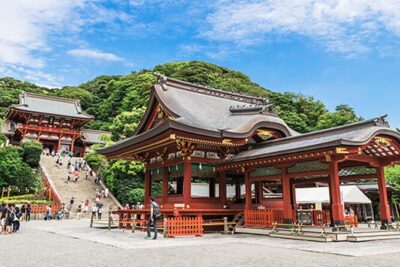
Kamakura Historical Walking Tour with the Great Buddha
Read our review →
Kamakura Private Tour: Temples, Nature, and the Great Buddha
Read our review →
Kamakura 4hr Private Trip with Government-Licensed Guide
Read our review →
Buddha, Bamboo & Zen – Bespoke Kamakura Private Walking Tours
Read our review →Browse the lists this tour appears in