
Reviewed · FULL-DAY TOURS IN KYOTO
Full-Day Sightseeing to Kyoto Highlights
Kyoto can feel like a to-do list. This tour is interesting because it strings the biggest sights together in a sensible order, while your guide explains the culture behind what you are seeing. I especially like the max group size of 7 and the way the day is run like a real local outing, with guide-led tips and photo help along the way.
The possible drawback is the schedule. This is a walking-heavy 7.5-hour style day, plus transit between areas. If your legs are not happy with long walks, you will feel it.
Key things to know before you go
- Small group (up to 7): easier pace, more chances for questions, and better photo stops.
- A full-hit Kyoto route: Arashiyama bamboo, Kinkakuji, Gion, and Fushimi Inari in one day.
- Local culture talk, not just sights: you learn why certain customs show up, like how trash is handled.
- Photo-friendly guidance: guides have a habit of stepping in to help with pictures for couples and solo travelers.
- Extra costs to plan: Kinkakuji admission is ¥500, and public transport is ¥1,510 (per person).
- Good base day if it is your first visit: it helps you get oriented fast, especially if you are only here briefly.
Why this Kyoto highlights route feels efficient
If you are only in Kyoto for a short window, the hardest part is deciding what to prioritize. This tour helps by stacking the classics with real time between them, so you are not spending your day in navigation mode.
The group size matters. With a maximum of 7 travelers, the guide can slow down for photos, answer questions, and keep you from disappearing in the crowd. You also tend to get the kind of guidance that feels practical, like where to stand for a good view or how to handle a tricky train or bus transfer.
The day also aims to do more than checklist sightseeing. The guide is meant to explain local life and cultural quirks while you walk. You even get little “why is it like that?” moments, such as the question of why you rarely see trash cans around town. Those details stick, and they make the temples and shrines land differently.
More Full-Day Tours in Kyoto
- 5 Top Highlights of Kyoto Full Day Bike Tour (E-bike option)
★ 5.0 · 511 reviews - Full Day Biking Tour Exploring the Best of Kyoto
★ 5.0 · 498 reviews - Full Day Guided Tour to Kyoto and Nara from Osaka by Van
★ 5.0 · 420 reviews
Meeting at Kyoto Tower and getting moving by 8:30
Your day starts at Starbucks Coffee at Kyoto Tower Sando, which is a very easy landmark if you are arriving by train. Meeting time is 8:30 am, and the tour ends back near the same meeting point, so you are not stranded across town when you are tired.
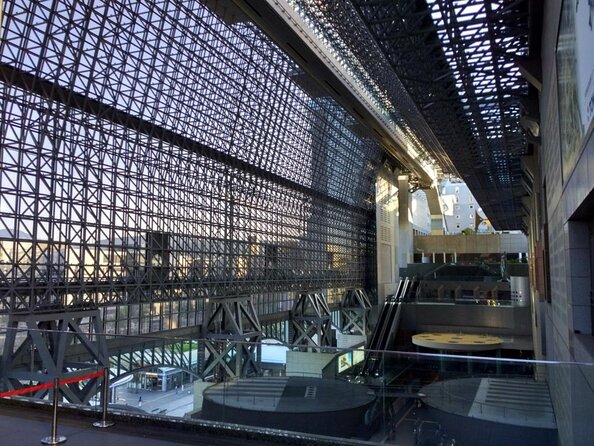
From there, you gather at the left side of Kyoto Station main entrance, then head out. The first move is practical: you ride the train to the Arashiyama area (Saga Arashiyama). Starting with transit early helps you spend your best daylight hours at the sights, not in slow backtracking.
You will also have a mobile ticket, which keeps things simple if you do not want to manage paper.
Stop 1: Kyoto Station Building and the ride toward Arashiyama
This first segment is short and useful. You get a quick introduction, then you hop onto the train to Saga Arashiyama.
What I like about starting here is that Kyoto Station is a hub for a reason. Even if you are not super comfortable with the transit system, the guide takes the guesswork out of the first step. It also sets the tone for the day. You are already “doing Kyoto,” not just standing around waiting for the big attractions.
Stop 2: Arashiyama Bamboo Forest, early and atmospheric
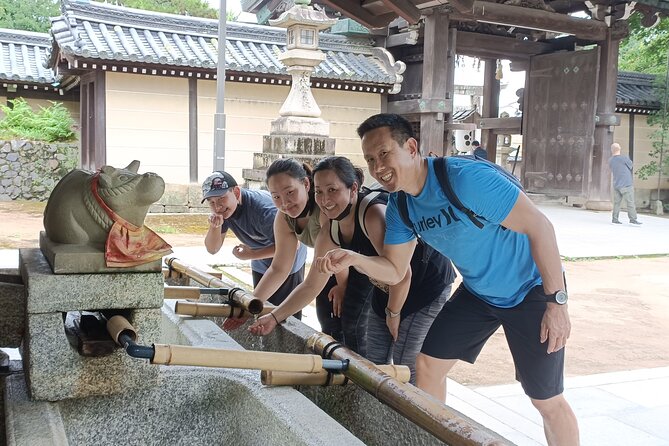
Arashiyama bamboo forest is the kind of scene that looks almost unreal until you are standing in it. You get about 60 minutes here, which is enough time to walk slowly, stop for photos, and still stay flexible if the pace changes.
This part is also where the guide’s storytelling pays off. The plan includes explanations tied to Japanese culture, language, and meaning. You are not just looking at bamboo. You are learning how locals think about nature, tradition, and how these spaces are used and protected.
One thing to keep in mind: bamboo areas can get busy. Going in the morning with a guide plan tends to make it easier to find a route and timing that works for your group.
A change of pace from Kyoto:
- PERFECT KYOTO 1-Day Bus Tour
★ 5.0 · 13,518 reviews - Kyoto: Fushimi Inari, Kinkakuji, Bamboo Grove 1 Day Bus Tour
★ 4.8 · 4,316 reviews - Kyoto: Tea Ceremony in a Traditional Tea House in Kiyomizu
★ 4.9 · 3,519 reviews - Kyoto Geisha Walking Tour: Gion District & Hidden Gems
★ 4.7 · 3,273 reviews
Getting to Kinkakuji: bus or train time matters
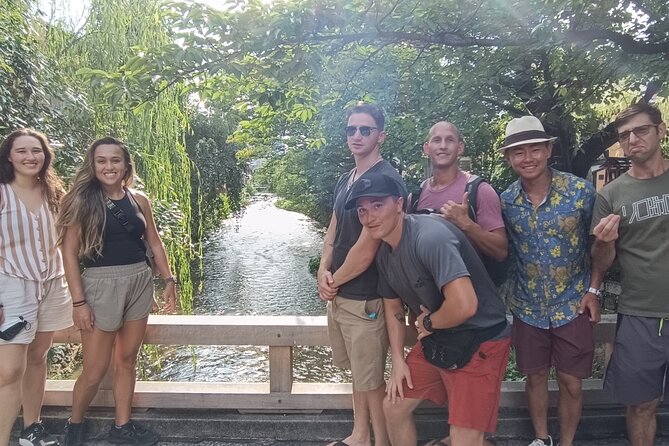
After Arashiyama, you transfer toward Kinkakuji with a 40-minute ride segment (bus or train). This is a key value point.
On your own, it is easy to burn time figuring out which route makes sense. Here, the guide handles the transit flow. You stay in the rhythm of the day, and you arrive ready to enjoy the next stop instead of mentally planning the next one.
Stop 3: Kinkakuji Golden Pavilion, the big temple moment
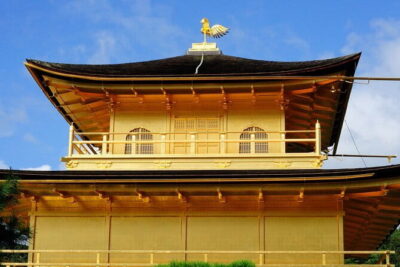
Kinkakuji is a superstar for a reason. It is framed in the tour as the 2nd most visited tourist spot in Japan, and the schedule gives you about 40 minutes to enter and explore.
You also get a lesson focused on Buddhism in Japan, plus the temple’s history. The guide is meant to explain what you are looking at while you look at it. Then, there is a practical perk: your guide helps with photos with the Golden Pavilion view.
The cost detail you should plan for
Kinkakuji admission is not included, and it is listed as ¥500 per person. It is a standard fee at a major attraction, but you should still budget it so you do not get surprised mid-day.
How to make your time count at Kinkakuji
With only about 40 minutes on site, you should think of it as a “see it, learn it, photograph it” sprint. If you want extra time for sketching, slow meditation, or multiple angles, you might be happier doing Kinkakuji again on a separate day. For one-day Kyoto coverage, this timing is solid.
Stop 4: Shijo Kawaramachi shopping street and Shijo Bridge
Next up is Shijo Kawaramachi, with about 75 minutes for the shopping street area. This is a good change of pace because it is not a temple or shrine day only.
The plan builds in lunch here, which is helpful. Just note: the tour data lists admissions and public transportation as the paid extras, not meals. So treat lunch as your own spend, and use the guide time as an opportunity to pick something easy and local at that moment.
There is also a 15-minute walk across Shijo Bridge, with a viewpoint component along the way. This is the kind of segment that helps break up the day. You are transitioning from sacred spaces to everyday Kyoto streets.
Why this stop is more than a break
Shopping streets in Japan are not just retail. They are where locals actually move, eat, and meet. Even if you do not buy anything, the vibe gives you context for the rest of the day. It is how you go from monuments to normal life.
Stop 5: Gion Shirakawa and the Geiko and Maiko story
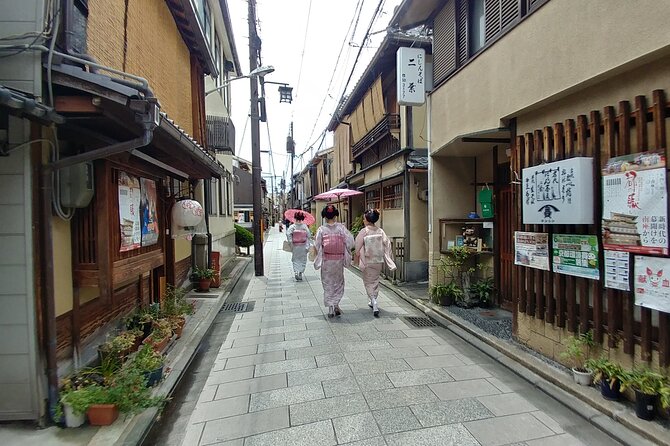
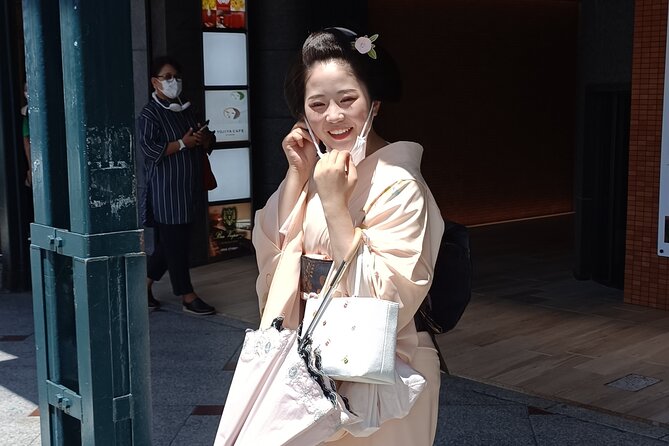
Gion Shirakawa is about atmosphere. You get around 60 minutes here, exploring the quieter side of Gion, the entertainment district where Geiko and Maiko are part of the cultural scene.
The tour focuses on the people and the customs, not just the scenery. You learn terms like Geiko and Maiko, and the guide explains how this world fits into Kyoto today.
In the real world, this is also a zone for good photos if you time your stops well. The guide’s pacing helps because you are not rushing, and you are not wandering blindly into the busiest pathways.
A gentle expectation-setting note
You are visiting an active district, not an open-air museum. If you are hoping for a specific kind of encounter, you might get it, but it is not something you can schedule. The value here is the cultural framing, plus the walk through a calmer slice of Gion.
Stop 6: Fushimi Inari-taisha and the torii gate walk
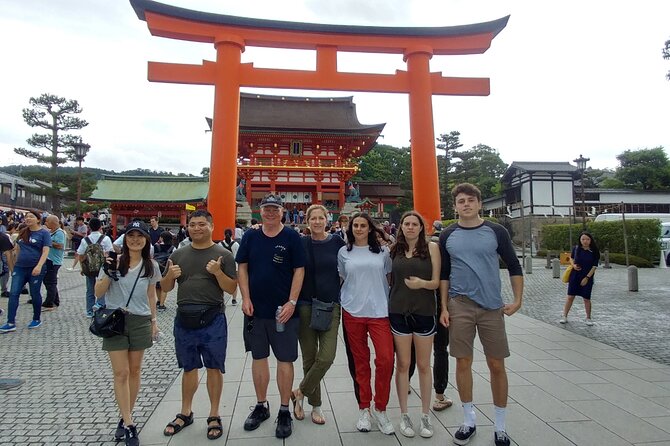
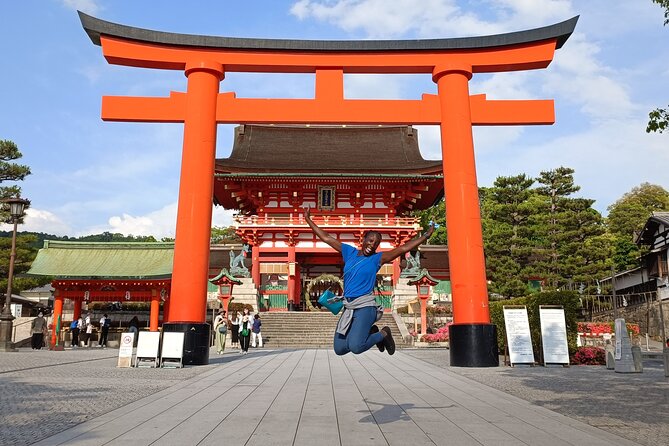
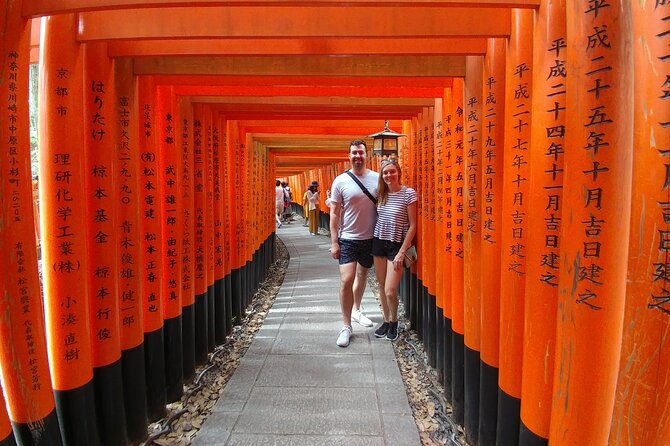
Fushimi Inari-taisha is described as the number one tourist spot in Japan in the tour framing, and the core experience is clear: you pass through thousands of vermillion torii gates.
You get 50 minutes for this stop, which is enough time to walk the main torii path and take in the shrine setting without feeling like you need to turn it into a half-day hike.
The guide adds context by explaining Shintoism and the shrine’s place in Japanese history. That matters here because the torii gates can otherwise feel like a photo-only loop. With the background, the walk feels more meaningful.
Practical tip for the torii walk
Wear shoes you can trust. The torii paths are often uneven in places. Also, take breaks when you need them. The day is long, and you are not doing this to sprint.
Stop 7: Back to Kyoto Station to wrap the day
The final move is straightforward. You ride the train back to Kyoto Station, then the tour ends back at the meeting point.
This “return” finish is underrated. After a packed day, being brought back to a familiar landmark helps you immediately plan your next meal or your next neighborhood. No messy last-minute transit puzzles.
What the guide experience adds (and why it shows up in real days)
Guides are a big deal on this kind of tour because Kyoto is a place where the details matter. From the guide styles described for past departures, the best ones do three things well.
First, they explain the meaning behind sites, like Buddhism at Kinkakuji and Shinto at Fushimi Inari. Second, they make logistics easier, including smooth train and bus transfers. Third, they help with your day on a human level, including photo assistance and small language moments.
Names you may see lead groups include Indra, Maureen, Naomi, Toshi, and Adella. Different guides, same goal: keep the day moving while making it feel like you understand what you are seeing.
If you are a solo traveler, this matters even more. A couple of past solo-friendly departures ended up feeling almost private because the group was very small. Even when it is not private, the max group size is low enough that you are not just a number in a crowd.
Getting around Kyoto, the stress-free way
Kyoto transit can be simple if you know what you are doing, and frustrating if you do not. This tour handles routing across areas by train and bus, including a train ride from Kyoto Station early and another train ride back at the end.
Public transportation is listed as ¥1,510 per person and is not included. So budget it, but also treat it as part of the value: you are paying for time savings and a route that connects major sights without your day turning into transit research.
Also, because you are walking between stops like Shijo Bridge and through Gion Shirakawa, the day has a “local mobility” feel. That is part of the point. You are learning the city by moving through it.
Price and value: what $165 covers, and what you still pay
The tour price is $165.17 per person. That is not a bargain-bucket price, but it can make sense for Kyoto because you are bundling:
- A full-day route across multiple districts
- A local guide
- A small-group format (up to 7)
- Organized transfers between key neighborhoods
- A plan built around major highlights in one shot
Then come the two extras that you should plan for:
- Kinkakuji admission: ¥500 per person (not included)
- Public transportation: ¥1,510 per person (not included)
So, your true budget is the base price plus those local costs. If you were to do this yourself, you would likely spend time figuring out transit and lining up tours or tickets. Here, you are paying for structure and cultural context.
Also, average booking time is 39 days in advance. If your travel dates are in peak season, you will want to reserve earlier rather than later.
Who should book this Kyoto highlights tour
This tour is best if you want a first-pass overview of Kyoto without spending your day planning transit and sequencing sites.
You should consider booking if:
- You only have one day in Kyoto and want the big sights
- You like walking tours where you learn the “why,” not just the “where”
- You want a small group experience so you can ask questions and get photos
- You value practical guidance, including local tips and quick cultural context
You might skip or switch tours if:
- You do not handle long walking days well
- You have mobility limits (the tour is not recommended for bad leg issues)
- You are pregnant more than the first trimester (not recommended)
Should you book this Kyoto highlights tour?
If you want a high-efficiency Kyoto day with a guide who explains what you are seeing and keeps you moving, this is a smart choice. The biggest strength is the mix of top sights with cultural context, paired with a small-group size that makes the day feel personal instead of rushed.
Just go in with the right expectations: it is a long walking day, and you should budget the Kinkakuji fee and transit costs. If that fits your travel style, you will likely come away with Kyoto’s “greatest hits” plus the context that makes them more than postcards.
FAQ
How long is the Kyoto highlights tour?
It runs for about 7 hours 30 minutes.
What is the maximum group size?
The tour has a maximum of 7 travelers.
Where do I meet, and what time does it start?
You meet at Starbucks Coffee – Kyoto Tower Sando at 8:30 am. The tour ends back at the meeting point.
Is Kinkakuji Golden Pavilion admission included?
No. Kinkakuji admission is ¥500 per person and is not included.
Do I have to pay for public transportation?
Yes. Public transportation is listed as ¥1,510 per person and is not included.
Is a mobile ticket provided?
Yes. The tour includes a mobile ticket.
What kind of fitness level do I need?
You should have moderate physical fitness. The tour is a walking tour and is not recommended for people with bad leg.
Is it suitable for pregnant travelers?
It is not recommended for pregnant travelers more than first trimester.
What happens if the weather is poor or the tour is canceled?
The experience requires good weather. If it is canceled due to poor weather, you will be offered a different date or a full refund. If it is canceled because the minimum number of travelers is not met, you will also be offered a different date or a full refund.
Latest write-ups near Kyoto
- Kyoto: Nishiki Market Tour with a Local Foodie & Tastings★ 4.5 · 67 reviews
- Kyoto Kimono Rental mimosa |Kimono/Yukata Rental Couple Plan★ 4.8 · 67 reviews
- Kyoto: Traditional Kimono Fabric Handicrafts Workshop★ 5.0 · 67 reviews
- Kyoto Tea Ceremony and Samurai Photo Session★ 5.0 · 70 reviews
- Kyoto: Replica food making experience★ 4.8 · 70 reviews
- Kyoto: Kinkakuji, Golden Pavilion Guided Tour★ 4.7 · 71 reviews
- Private departure transfer from Kyoto city to Kansai International airport★ 5.0 · 72 reviews
- Uji: Green Tea Tour with Byodoin and Koshoji Temple Visits★ 4.8 · 72 reviews
Full-Day Tours in Kyoto, compared.
5 Top Highlights of Kyoto Full Day Bike Tour (E-bike option)
Read our review →
Full Day Biking Tour Exploring the Best of Kyoto
Read our review →
Full Day Guided Tour to Kyoto and Nara from Osaka by Van
Read our review →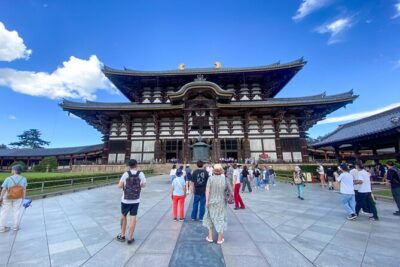
Nara Park, Osaka & Kobe from Kyoto Full Day tour
Read our review →
Kyoto Private Car Tour – Full Day with Local Guide & Nara Option
Read our review →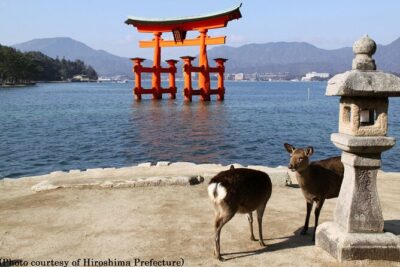
Full Day Hiroshima and Miyajima Tour by Bullet Train from Kyoto
Read our review →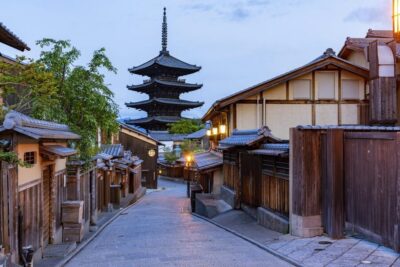
Kyoto & Uji: Full Day Sightseeing Tour from Osaka or Kyoto
Read our review →Browse the lists this tour appears in