
Reviewed · RAMEN EXPERIENCES
Home made Ramen you made from scratch!!
This experience is interesting because you do not just watch ramen being made. You cook real ramen from scratch with Hideki, a host who worked at a ramen restaurant for about 10 years, and then you eat what you made. Two things I really like: you learn the key backbone parts like dashi and the ramen components, not just the fun extras, and the class is small, with a max of 4 people, so you get steady attention while you’re cutting, mixing, and timing. One possible drawback to keep in mind: it is a home-style studio, so you are cooking at a slower, practical pace and any alcohol or soft drinks cost extra.
The payoff for a short Tokyo visit is that the studio area is easy to plug into your day. The meeting point is in Minamishinagawa (Shinagawa City), and it is described as convenient for Ginza, Shibuya, Shinjuku, Shinagawa, and Haneda Airport. You’ll also appreciate the straightforward format: about 3 hours, a mobile ticket, and lunch included, so you leave fed and with a recipe you can actually repeat.
Key things to know before you go
- From-scratch ramen, not a show, including key steps like dashi and components you assemble into bowls
- Noodles and soup work hands-on, so you get the why, not just the what
- Nitamago and chashu are part of the lesson, so you’ll understand classic toppings and timing
- Gyoza dumplings come along with the ramen, which makes the meal feel complete
- Small group size (max 4) keeps the class personal and questions easy to answer
- Take-home guidance shows up in the experience, including recipe instructions so you can cook again later
Ramen From Scratch, With Real Chef Timing In a Small Studio
Tokyo has a lot of ramen. But this class is different because it focuses on the part that most people skip: how you build the taste, step by step. Hideki’s background matters here. He’s been working in ramen kitchens for about a decade, so the lesson doesn’t feel like a generic cooking demo. It feels like technique transfer, the kind you can use again at home.
You start with the soup foundation. The class includes learning how to prepare dashi, which is the stock base that supports the whole bowl. If you’ve ever wondered why some ramen tastes clean and focused while other versions taste flat, this is where the answer starts.
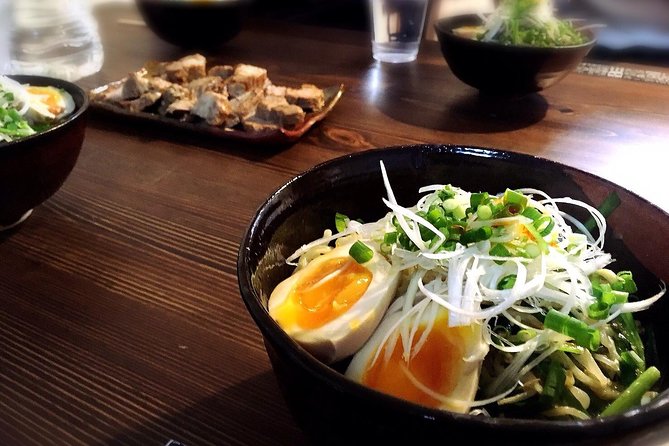
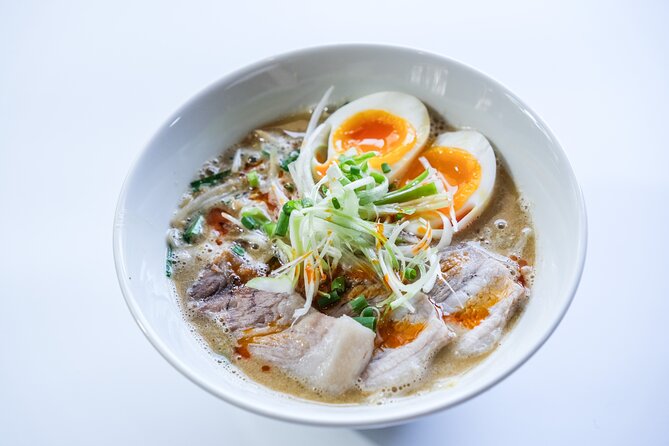
Then you move into what makes ramen feel like ramen: nitamago (ramen-style boiled egg) and chashu (boiled pork). Those are not side dishes in this class. They’re taught as core components with their own timing and texture goals. And yes, the noodle side comes into it too. Reviews highlight making noodles and soup from scratch, which is exactly what you want if you’re trying to go beyond “I know the recipe” and into “I can reproduce the result.”
The other big value is the setting. The class caps at 4 travelers, which makes the experience calmer and easier to follow. Instead of you scrambling to keep up, you can ask what you should be watching for and get corrected. That matters a lot with cooking, especially when doneness changes quickly.
More Ramen Experiences in Tokyo
- Eat and Drink Like a Local: Tokyo Ueno Food Tour-Taverns&Ramen
★ 5.0 · 957 reviews - Ramen & Gyoza Cooking Class in Tokyo with Local Supermarket Visit
★ 5.0 · 823 reviews - Tokyo: Ramen Tasting Tour with 6 Mini Bowls of Ramen
★ 4.9 · 432 reviews
Where You Meet, What the 3-Hour Window Feels Like
The meeting point is Hideki ramen cooking studio, 6-chōme-15-3 Minamishinagawa, Shinagawa City, Tokyo 140-0004, Japan. The activity ends back at the meeting point, so you’re not left figuring out a new neighborhood in the middle of your meal plan.
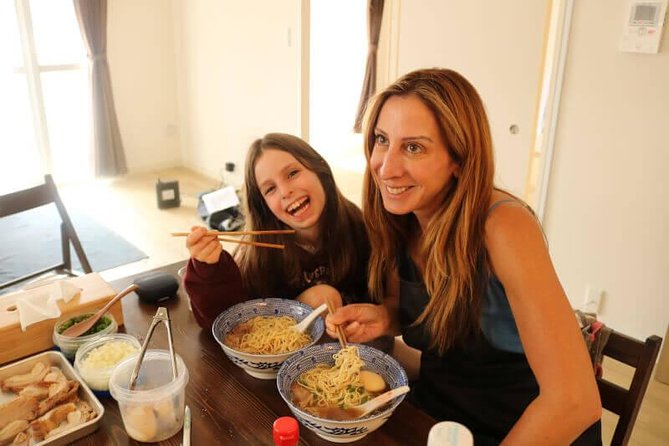
You’re looking at about 3 hours in total. In practice, 3 hours is the sweet spot for ramen because there are multiple components that need time, but you’re not stuck in an all-day class. You’ll be busy for most of it, but it should not feel rushed in a frantic way. The lesson is described as hands-on and step-by-step, which matches the theme in the feedback: Hideki is patient and walks people through each stage.
There’s also a small but meaningful practical detail: communication and navigation support. One review notes contact via Whatsapp when they were running late due to figuring out the train, and Hideki walked them to his home. That kind of real-world support helps a lot in Tokyo, where stations are close, but exits can still be confusing.
What You’ll Cook: Dashi, Nitamago, Chashu, and Gyoza
This class is organized around building a ramen meal with classic Japanese structure. You’ll cook ramen and gyoza dumplings with a local host, and the included lesson elements focus on what makes a ramen bowl taste right.
Dashi, the flavor base that changes everything
You learn how to prepare dashi, the soup stock component. Even if you’ve eaten ramen for years, making dashi gives you a new perspective on the bowl. You start understanding how stock holds flavor, how it behaves as it simmers, and how small choices can make the taste either sharp or mellow.
Think of dashi as the foundation layer. If it’s off, everything you do later will feel off too. That’s why I like that it is explicitly included.
A change of pace from Tokyo:
- Mt Fuji and Hakone 1-Day Bus Tour Return by Bullet Train
★ 5.0 · 26,383 reviews - 1-Day Tokyo Bus Tour
★ 5.0 · 14,250 reviews - Tokyo: TOKYO SKYTREE® Admission ticket
★ 4.5 · 11,192 reviews - Tokyo: teamLab Planets TOKYO Digital Art Museum Entry Ticket
★ 4.6 · 9,779 reviews
Nitamago, ramen eggs done the classic way
For nitamago, you’re learning ramen-style boiled egg technique. The important part here is not just boiling an egg. It’s getting the surface and interior right, so it can soak up flavor while staying tender.
If you love ramen eggs, this is the component most likely to impress you at home. When people try to recreate ramen, they often get the broth and noodles close, but their eggs end up wrong. This class targets that gap.
Chashu, tender pork with the right consistency
Chashu is also included. Reviews mention Hideki manages the end of cooking so it comes out like at a restaurant. That’s reassuring, because chashu can swing from tender and silky to tough if timing is off.
In a 3-hour class, you do not want to guess. You want a chef guiding the finish. The feedback indicates you get that guidance.
Gyoza on the side, for a full meal
You also cook gyoza dumplings. This is a smart pairing because gyoza gives you a second cooking style to learn, and it turns the class into a complete meal, not a “ramen theory lesson.” Plus, gyoza is forgiving compared to ramen broth depth. You’ll likely feel progress even if one component takes a little practice.
The Hands-On Part: What You’re Actually Doing (Beyond Watching)
The best cooking classes teach you how to judge the process, not just follow steps. Here, the hands-on theme shows up clearly in the feedback. People highlight learning to make the noodles and the soup from scratch, and learning at each step with a patient host.
So what does hands-on really mean in a ramen context?
You’ll spend time on:
- Preparing ingredients for the ramen components
- Working through the steps for dashi and cooking stages
- Following the process until the final assembly
- Cooking gyoza alongside the ramen workflow
The class also includes take-home support. One review says Hideki provided a small recipe book to follow, and another mentions an instruction booklet you can use later. That kind of written guidance is more useful than you’d think, because Japanese cooking instructions can be specific about timing and texture. The more you can document while the steps are fresh, the more likely you are to succeed later.
Lunch Included, and Why That Matters for Value
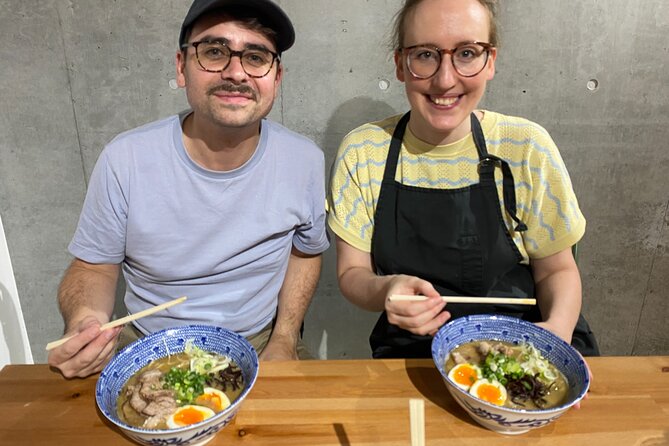
Lunch is included: the ramen you make from scratch. This is one reason the price makes sense. At $115 per person for a 3-hour class, you are paying for ingredients, chef guidance, and the full meal outcome, not just a tasting.
You do not have to figure out where to eat afterward, and you avoid the common “cooking class hunger gap” where you pay for a few bites and then hunt dinner. Here, you’re eating what you made, and the meal includes ramen plus gyoza, which feels complete.
One cost consideration: alcoholic beverages are not included, and alcohol or soft drinks cost extra. If you want a drink with lunch, plan for it. If you’re staying focused on technique, you can skip that extra cost and just enjoy the meal and the lesson.
Getting There: Convenient for Big Tokyo Areas and Haneda
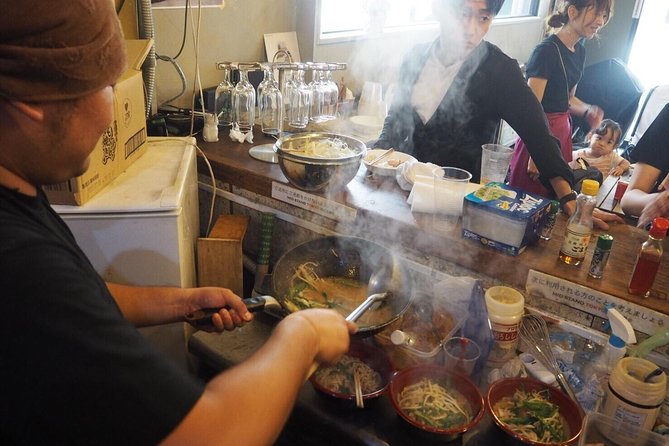
The studio area is described as convenient for major Tokyo neighborhoods and travel points: Ginza, Shibuya, Shinjuku, Shinagawa, and Haneda International Airport. That matters because cooking classes have a common problem. They can be hard to reach between sightseeing stops.
Here, the meeting point is in Shinagawa City, and feedback suggests Hideki will help you get oriented and even escort people to and from the train station. That kind of practical support lowers stress, especially for first-time Tokyo visitors.
Also, the class is near public transportation. So even if your day is structured around a few neighborhoods, you should be able to work this in without losing hours.
Who This Class Fits Best
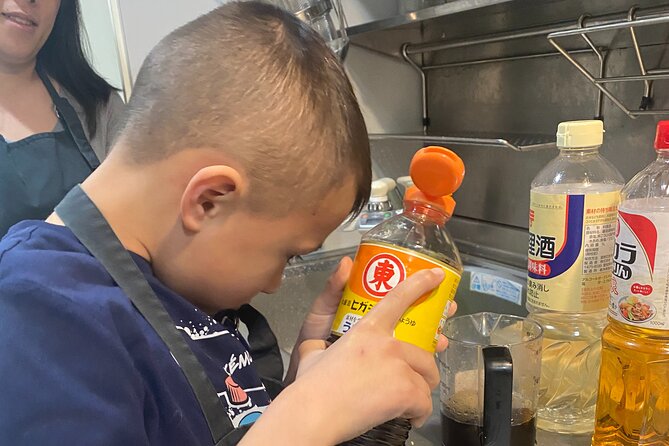
This is a great match if you want one of the most authentic Tokyo experiences that is still practical.
It’s especially good for you if:
- You love ramen and want to understand it at the technique level
- You want a small-group class instead of a crowded tour style
- You’re the kind of person who will cook again at home, using a real recipe
- You prefer learning with a local who’s been in the business for about 10 years
If you’re looking for nightlife vibes or a high-energy group party, this is not that kind of class. It’s calm and focused. It’s about getting the work right, then enjoying the bowl.
Price and Logistics, Without the Headaches
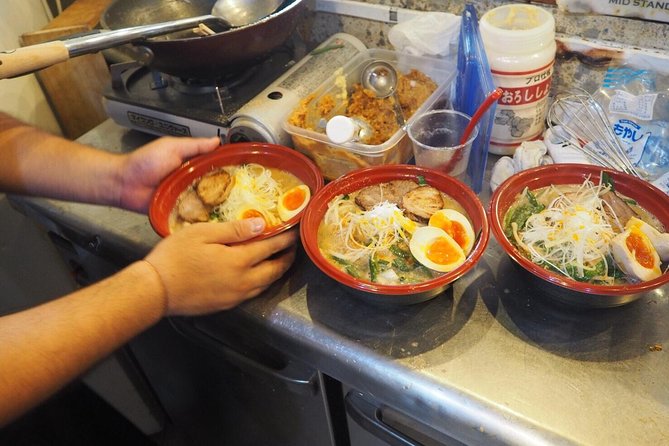
At $115 per person for about 3 hours, the price is in the mid-to-upper range for Tokyo cooking experiences. But the ingredients and chef time matter, and lunch is included as the ramen you make from scratch. That combination makes it feel more like a full food experience than a short gimmick.
One logistics detail that affects your planning: it is booked about 7 days in advance on average. So if you’re going during a busy period, you’ll want to reserve earlier rather than waiting.
The group size limit, max of 4 travelers, also affects value. You’re not fighting over attention, and that typically improves learning, not just comfort.
And finally, the confirmation timeline is within 48 hours of booking, subject to availability. If your plans are tight, that’s good to know.
Should You Book This Homemade Ramen Class?
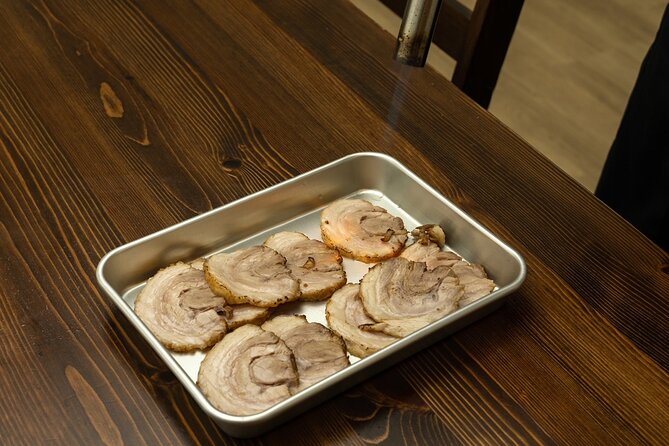
I think you should book it if you want ramen skills you can repeat, not just a photo and a short taste. The best part is the combination: dashi, nitamago, chashu, and ramen itself, plus gyoza. That’s a full ramen meal, not a partial lesson.
If you’re very sensitive to extra costs, remember alcohol and soft drinks are additional. Also, because it is a home-style setup, the pacing is practical rather than showy.
If your goal is to leave Tokyo with a clear process you can use again at home, this is one of the better ways to spend 3 hours. You’ll eat well, learn the backbone of ramen, and walk away with the confidence to try again.
FAQ
How much does this ramen cooking class cost?
The price is $115.00 per person.
How long is the class?
The experience lasts about 3 hours.
What’s included in the class?
Lunch is included, specifically the ramen you make from scratch.
Is alcohol included?
No. Alcoholic beverages are not included, and alcohol or soft drinks are additional cost.
How many people are in the class?
The class has a maximum of 4 travelers, so it stays small.
Where do I meet the host?
You meet at Hideki ramen cooking studio, 6-chōme-15-3 Minamishinagawa, Shinagawa City, Tokyo 140-0004, Japan.
When will I get confirmation after booking?
Confirmation is received within 48 hours of booking, subject to availability.
What is the cancellation policy?
You can cancel for a full refund if you cancel up to 24 hours in advance of the experience start time. If you cancel less than 24 hours before, it is not refunded.
Latest write-ups near Tokyo
- Tokyo Customized Private Tour: See Top Attractions in 1 Day★ 4.8 · 67 reviews
- From Tokyo: Top 5 Scenic Spots of Mount Fuji Full-Day Tour★ 4.5 · 67 reviews
- Tokyo: Shinjuku Izakaya and Golden Gai Bar Hopping Tour (2h)★ 4.9 · 67 reviews
- Traditional Japanese Music ZAKURO SHOW in Tokyo★ 5.0 · 67 reviews
- Tsukiji: Unlimited Sake Tasting Experience★ 4.9 · 67 reviews
- Samurai Ninja Museum Asakusa: Kid-Friendly Ninja Training★ 4.7 · 67 reviews
- Tokyo: Not a show- a professional sumo practice with experts★ 4.9 · 67 reviews
- Private Harajuku Omotesando Architecture Walking Tour★ 5.0 · 67 reviews
Ramen Experiences, compared.

Ramen Cooking Class at Ramen Factory in Kyoto
Read our review →
Eat and Drink Like a Local: Tokyo Ueno Food Tour-Taverns&Ramen
Read our review →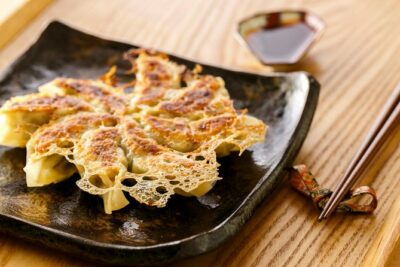
Ramen & Gyoza Cooking Class in Tokyo with Local Supermarket Visit
Read our review →
Ramen Cooking Class at a Ramen Factory with Souvenir
Read our review →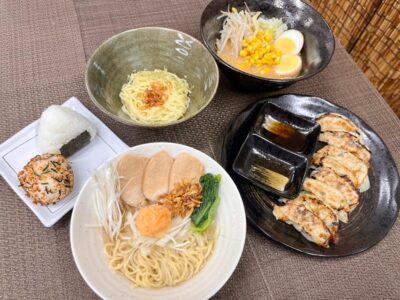

Five Must-See Highlights Walking Tour & Ramen Lunch
Read our review →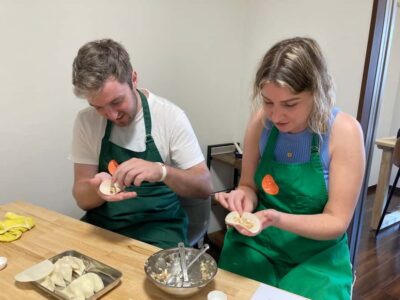
Browse the lists this tour appears in