
Reviewed · COOKING CLASSES
Japanese home cooking class in Osaka Umeda
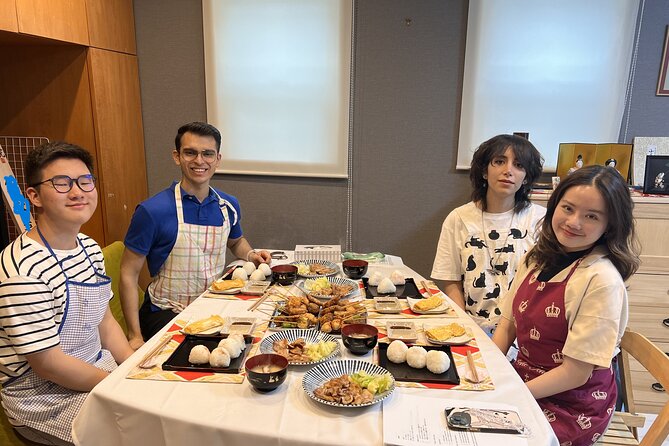
Osaka cooking feels different when you cook in a real home, not a classroom. This private lesson near Umeda has you shopping smart, cooking side by side, and eating your results with tea, guided by Hisako and Naoko in a relaxed, home-style rhythm. It’s the kind of experience where you leave with skills you can actually repeat.
Two things I especially like: you get clear step-by-step help while you make familiar favorites like bento and takoyaki, and you also get practical guidance on which ingredients to buy in Japanese supermarkets. One consideration, though: private transportation isn’t included, so you’ll want to plan how you’ll get to the residential meeting point.
Key highlights that make this Osaka home cooking class worth it
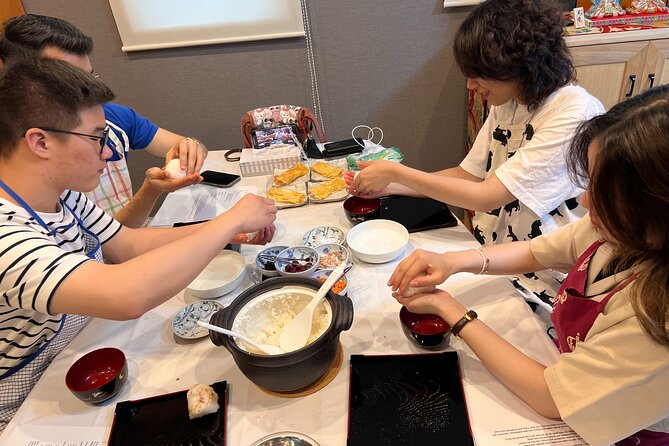
- Private, hands-on cooking in a local home kitchen and dining area
- Hisako and Naoko teach with patience, and the pace can be your pace
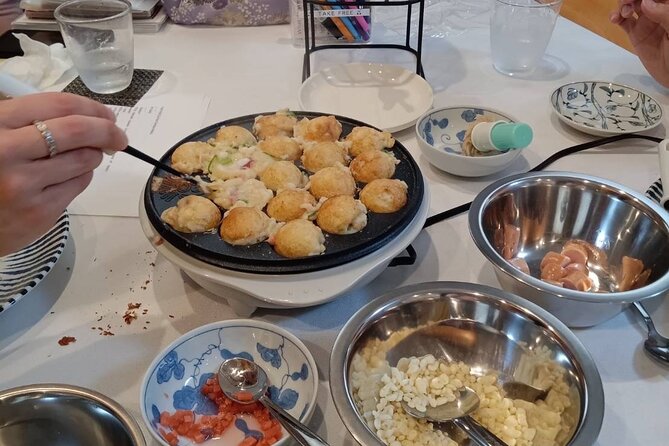
- Choose your menu item from local favorites, including bento and takoyaki
- Supermarket shopping tips for ingredients you’ll recognize, then learn to use
- Lunch plus Japanese tea as part of the meal experience
- Printed recipes and instructions to help you recreate dishes at home
A real home kitchen near Umeda, starting right at 10:00
This class begins at 10:00 am at 1-chōme-4-1 Tamagawa, Fukushima Ward, Osaka, 553-0004. It’s set up for walk-in comfort once you find it, and it’s described as being near public transportation. Also, you’ll use a mobile ticket, which makes check-in feel smoother than the usual paper chase.
What I like about the timing is that it’s long enough to matter, not just a quick demo. About 2 hours gives you time to cook, eat, and ask questions without feeling rushed. Since this takes place in a home, you’re also stepping into how an Osaka household actually functions, not a staged kitchen made for crowds.
One practical thing to note: private transportation isn’t included. If you’re basing yourself in Umeda, you’ll likely take a train or a short taxi ride, then arrive ready to cook. If you prefer door-to-door logistics, you’ll need to handle that piece on your own.
More Cooking Classes in Osaka
- Osaka: Ramen and Gyoza Cooking Class in Dotonbori
★ 5.0 · 378 reviews - Osaka Cooking Class: Okonomiyaki &Japanese cuisines experience
★ 5.0 · 261 reviews - Ramen and Gyoza Cooking Class in Osaka
★ 5.0 · 202 reviews
Meeting Hisako and Naoko, and cooking at a pace you control
This is a private class, meaning it’s only your group. That matters more than people think. You can pause, ask why a step matters, and get feedback while you’re still in the middle of making the dish. You aren’t waiting your turn for someone else’s questions.
The hosts, Hisako and Naoko, come across as warm and welcoming, and the tone is calm. A big theme from the experience is how they break cooking down into easy moves. Even if you’re a total beginner, you’re not handed a mysterious technique and left to guess.
You’ll also get printed recipes and instructions to take home. That’s a huge help, because Japanese cooking makes more sense when you can compare what you did at the table with a clear write-up later. And because you’re working in a home environment, the teaching tends to focus on the real-life version of the dish, not an overcomplicated restaurant style.
What you’ll cook, from Osaka favorites like bento and takoyaki
You choose your dish from a menu of local specialties. Two that are explicitly listed are bento and takoyaki. That selection alone is a reason to book, because these are foods you likely already like, and the class shows you how they’re built at home.
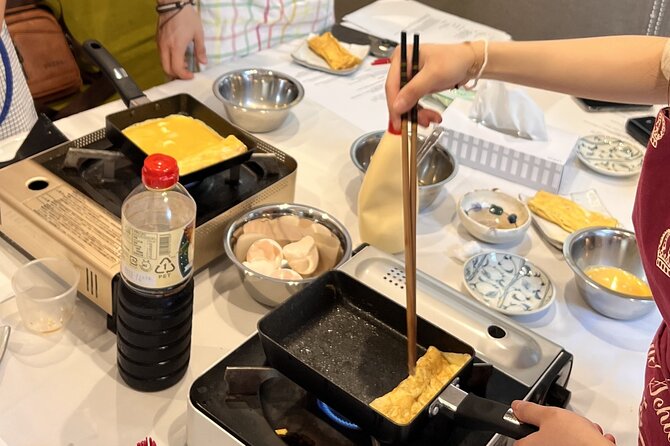
Based on examples from sessions, you might also end up cooking combinations like udon, tempura, onigiri, and even heartier items such as beef stew. Some classes also include a small extra cultural touch like a tea ceremony, and in at least one case, kids tried on traditional kimonos during the experience.
Here’s the useful part for you: a menu that includes both street-food-style items and meal staples means you get practice with different cooking techniques. You’ll see how a dish comes together, how seasoning and texture are balanced, and how a home meal is portioned and served.
If you’re deciding what to pick, go with what you want to recreate later. If you love convenience foods and snack bites, bento and takoyaki are great targets. If you want a skill you can brag about at home, tempura or a handmade style of udon learning is the kind of payoff that sticks.
Lunch in a dining room, with tea that keeps things grounded
This experience includes lunch. You cook in the kitchen and then eat in the dining room, which changes the feel of the lesson. It’s not just tasting at the end, it’s sitting down like a home meal, with water and Japanese tea served alongside.
That simple detail matters. When you eat right after you cook, you taste what you made with zero guesswork. If something seems a bit off, you can often recognize why immediately, because you were the one controlling the steps.
Also, tea shows up as more than a beverage. It’s part of the home meal rhythm, and it helps you reset your palate between bites. That’s especially useful if you’re making something with fried elements, like tempura, where taste balance makes or breaks the experience.
A change of pace from Osaka:
- Osaka Go Karting Tour with Funny Costume
★ 5.0 · 2,658 reviews - Osaka Castle: Museum and Tower Entry Ticket
★ 4.5 · 2,380 reviews - Osaka: Shinsekai Food Tour with 13-15 Dishes at 5 Eateries
★ 4.8 · 2,204 reviews - Osaka Food Tour: 13 Dishes at 5 Local Eateries
★ 5.0 · 2,149 reviews
How you learn the difference between home cooking and restaurant food
The class is specifically designed to teach Japanese home cooking and how it differs from what you’d get at restaurants. I love lessons that make this distinction because it saves you from chasing the wrong “target” when you try to cook at home later.
In a home setting, the goal is usually different. It tends to be practical, doable with what’s on hand, and built around family style portions. Restaurants, on the other hand, often aim for consistency, timing, and presentation in a way that’s great for dining out, but not always the easiest path for a home kitchen.
So what you’re really buying with this lesson is translation. You’re getting the bridge from Japanese food as an experience to Japanese food as a repeatable set of steps. That’s why the recipes and instructions are so important. They help you rebuild the dish with the mindset you learned during the lesson.
Japanese supermarket shopping tips that save you real money later
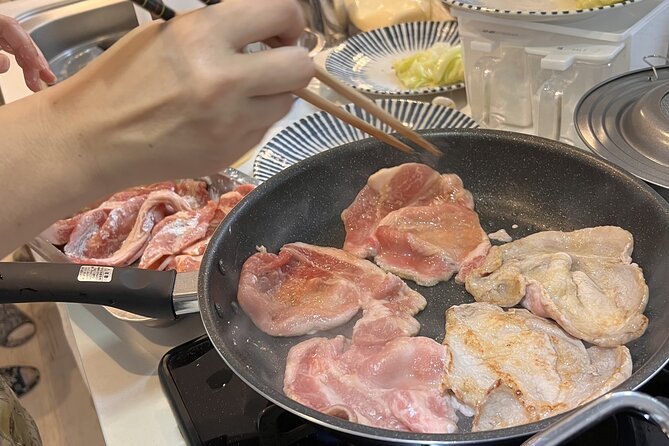
One of the most practical parts is the shopping guidance. You’ll get tips on shopping at Japanese supermarkets and which ingredients to buy. This is the difference between cooking as a one-time vacation moment and cooking as a skill you keep.
Even if you’re comfortable in grocery stores back home, Japanese ingredient choices can be confusing. You might find similar items, but the flavor profile and cooking behavior can be different. The lesson’s focus on what to buy helps you avoid the common trap of buying fancy substitutions that don’t act the same way in the pan.
And since the dishes are taught in an accessible way, you’ll have a better chance of recreating the result without hunting down hard-to-find products. If you like the idea of cooking Japanese food on weekdays, this is a big deal.
From easy steps to real technique, including tempura and frying
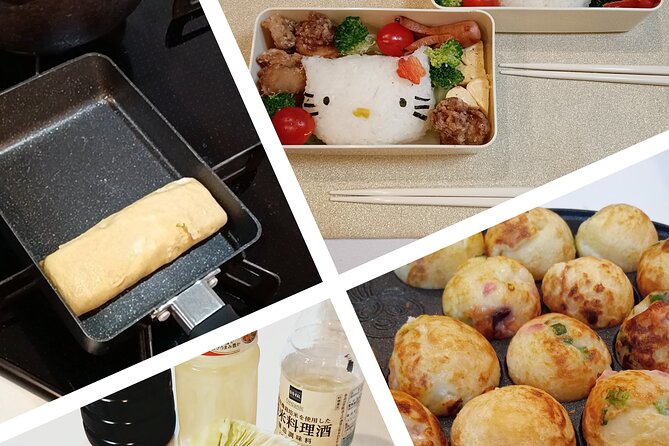
A lot of cooking classes promise beginners will be fine. This one actually backs that up with how the teaching is described: the steps are broken down clearly, and the hosts guide you through what to do next.
A memorable example is learning fried dishes like tempura. Frying is intimidating because timing and texture matter, but the experience described makes it sound achievable even for first-timers. You learn the flow, you get feedback, and you have a teacher there during the moments that usually cause trouble.
Another skill that shows up in some sessions is making items like onigiri. That’s a great beginner-friendly skill because it’s tactile. You can see what “right” looks like in your hands and adjust right away.
If you want a class that gives you confidence, this is the right structure. You’re not just watching, you’re working alongside someone who can correct you before your dish goes off track.
Why $59.12 feels fair for a 2-hour private lesson with lunch
Let’s talk value, because the price matters, especially in Osaka where you have tons of food options.
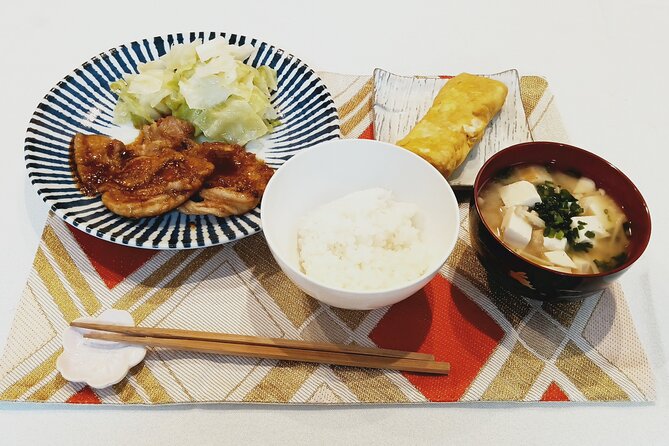
At $59.12 per person, you’re getting a private cooking lesson in a local home, about 2 hours, with lunch plus Japanese tea and water. You also get printed recipes and instruction sheets. For many people, that combination adds up faster than it seems.
A restaurant meal gives you food, but not skills. A market tour gives you browsing, but not cooking. This class gives you both, and it does it in a way that’s designed for take-home use. The supermarket shopping advice is basically the hidden bonus, because it helps you shop correctly and avoid waste.
The one value wobble is transportation, since private transportation isn’t included. If you’re already near the meeting area, that’s minor. If you’re staying far away, you’ll want to budget time for getting there.
The real cultural upside, and why conversation is part of the lesson
Cooking here isn’t treated like a factory line. You can ask questions and learn about Japan beyond the cutting board. Since it’s in someone’s home, the setting makes conversation feel natural.
In the examples shared, people mention being able to chat more deeply about culture and daily life. Some sessions even included a traditional tea moment and, for families, kimonos for kids. Even when extras happen or don’t happen, the core idea stays the same: your hosts want you to understand what you’re making and why it fits a Japanese home meal.
That’s the kind of cultural learning I actually enjoy. It’s not a lecture. It’s practical and tied to something you can taste.
Who this Osaka home cooking class is perfect for
This experience fits best if you:
- Want a hands-on Japanese cooking class in Osaka, not just a meal or tasting
- Prefer private instruction so you can work at your own pace
- Like learning how to shop for ingredients, so you can cook later
- Are into Osaka foods like bento and takoyaki, and you want to understand the home version
It can also be a fun pick for couples, since the private setting makes it easy to share the prep and the meal. If you’re traveling with kids, at least some sessions have included moments like kimonos, which suggests the experience can handle family energy.
If you’re the kind of traveler who only wants restaurant-style dishes, you might find the home-style focus different from what you’re used to ordering out. But even then, that difference is the point.
Should you book this Japanese home cooking class near Umeda?
I’d book it if your goal is skills you can use after your trip. The best part is how the lesson blends technique, shopping logic, and immediate eating. You’re not just collecting photos, you’re collecting a kitchen plan.
One reason to pause is if you’re expecting heavy sightseeing during the experience. This is about cooking, eating, and learning in a home. You’ll get cultural context through your hosts, but it’s not a tour of major landmarks.
If you can handle getting yourself to the meeting point and you want lunch plus real instruction, this is a strong value. For many food lovers, it becomes the trip highlight because it ends with a meal you made, and a recipe you can trust.
FAQ
How long is the Japanese home cooking class in Osaka?
The class runs for about 2 hours.
What is included in the price?
Lunch is included.
Can I choose what I cook?
Yes. You select your dish from a menu of local specialties, with options such as bento and takoyaki.
Is this class private?
Yes. It is a private activity, and only your group participates.
Where is the meeting point and when does it start?
The class starts at 10:00 am at 1-chōme-4-1 Tamagawa, Fukushima Ward, Osaka, 553-0004, Japan.
Do you receive recipes to take home?
Yes. You get printed recipes and instructions.
Is cancellation free?
Yes. You can cancel for a full refund if you cancel at least 24 hours in advance of the experience start time.
Latest write-ups near Osaka
- PRIVATE 6hr, Food tour from Osaka Castle, Kuromon, Dotonbori.★ 5.0 · 68 reviews
- 90 min Shared Handmade Udon Experience★ 5.0 · 70 reviews
- Ramen and Gyoza Cooking Class in Osaka Dotonbori★ 5.0 · 73 reviews
- Osaka: Sushi Making in Spacious Studio (SAME-DAY OK!)★ 5.0 · 75 reviews
- Osaka E-Bike Tour With A Local Guide★ 4.7 · 75 reviews
- 1.5〜2 Hours Traditional Kintsugi Work Shop in Namba Osaka★ 5.0 · 75 reviews
- Retro Osaka Street Food Tour: Shinsekai★ 4.5 · 77 reviews
- Osaka: Osaka Castle Guided Tour with Local Guide★ 4.7 · 78 reviews
Cooking Classes, compared.
Ramen Cooking Class at Ramen Factory in Kyoto
Read our review →
Ramen & Gyoza Cooking Class in Tokyo with Local Supermarket Visit
Read our review →
Ramen Cooking Class at a Ramen Factory with Souvenir
Read our review →
Japanese Washoku Bento Small Group Cooking Class
Read our review →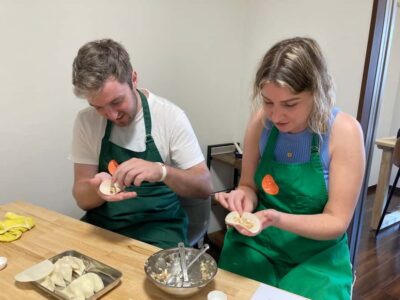

Easy Ramen Cooking Experience in Kabukicho, Shinjuku
Read our review →
Ramen and Sushi Cooking Class with Sake Pairing Set in Tokyo
Read our review →Browse the lists this tour appears in