
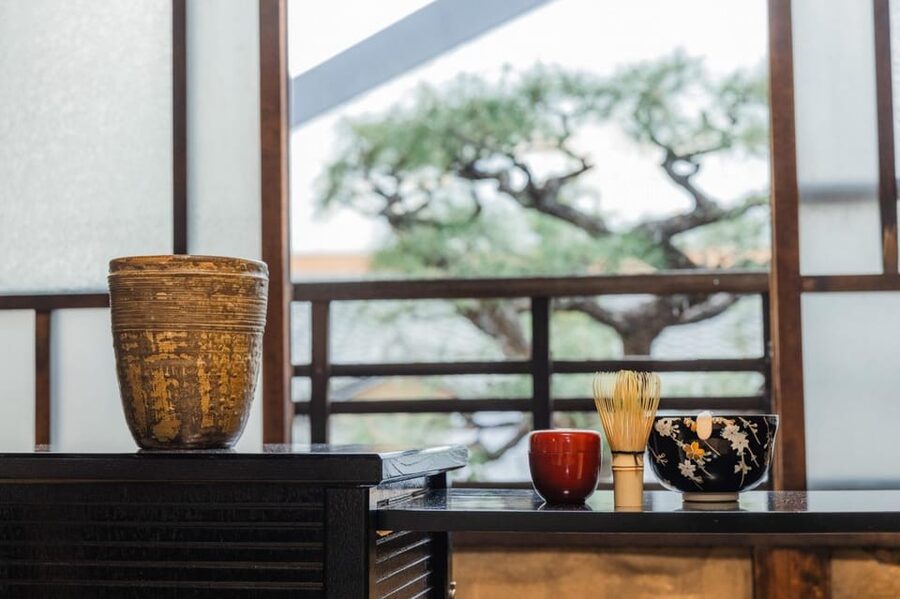
Reviewed · TEA CEREMONIES
Kyoto: Table-Style Tea Ceremony at a Kyo-Machiya
What makes this Kyoto tea ceremony special is how it keeps the heart of the ritual, then makes it easier on you. You sit at a table on a chair instead of on the floor, yet you still do the real step-by-step: the manners, the tools, and the focus. I like that you get hands-on matcha you whisk yourself, and I also like the added crafts, especially name calligraphy on a hanging scroll or envelope.
One thing to consider is the location. It is in southern Kyoto, about a 20 minute train ride from central areas, so it takes a little planning to pair it with the sights you want that day. Also note it is not suitable for wheelchair users.
Key Points Before You Go
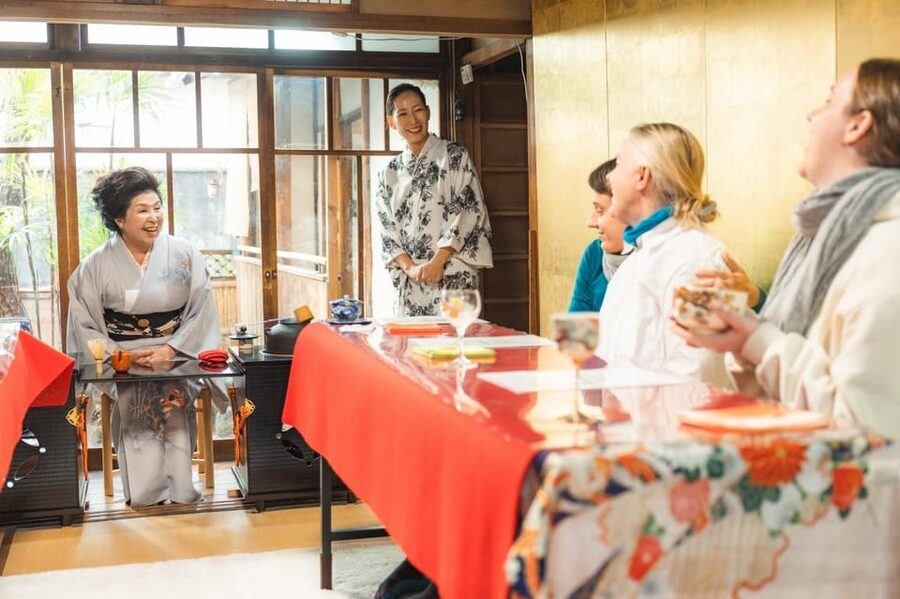
- Chair-based comfort so you can enjoy the full tea flow without floor sitting
- Stone basin purification for that shrine-style, hands-and-mouth ritual feeling in the garden
- Frothy matcha making with a bamboo whisk, plus a latte-art style tea moment
- Calligraphy for your name in Japanese script, with something you can take home
- Flower arranging experience that adds a second layer of Japanese aesthetics
- Photo-friendly props like folding fans and umbrellas, plus sword-style photo options
Chair-Based Tea Ceremony In A 100+ Year Kyoto Townhouse
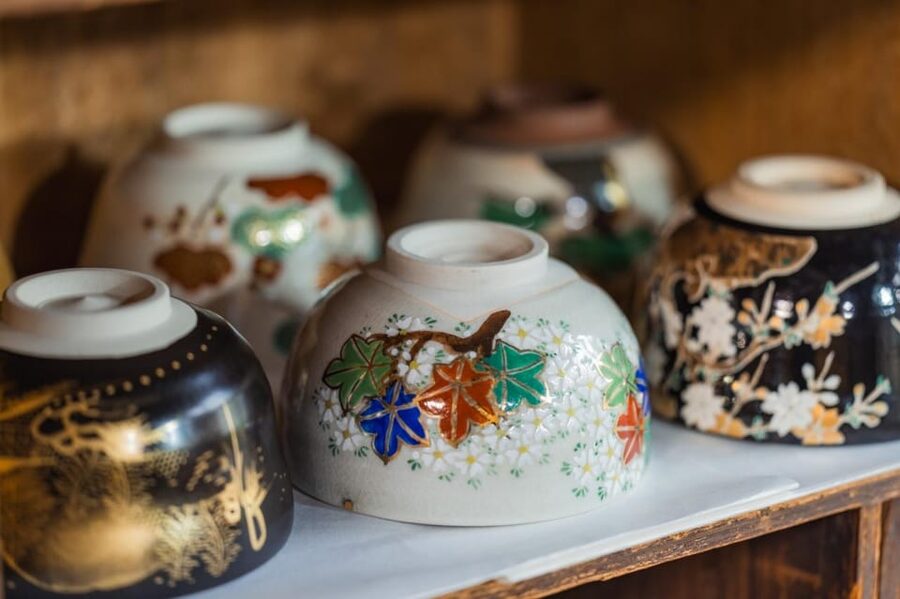
This is not a quick tasting. It is a structured, 90 minute workshop that feels like you are being hosted in a traditional Kyoto home. You start the experience in a well kept, older townhouse atmosphere, and you walk through parts of the home during the session so you get more than just a tea moment. Think architecture, thoughtful corners, and antiques you can actually look at while you learn.
The chair setup changes how the ceremony feels. Traditional tea rooms often require long periods of floor sitting, which can be a deal breaker if your knees, back, or hips are cranky. Here, the ceremony keeps the calm and precision, but you are upright and stable. That matters because you can focus on what the guide is showing instead of planning your next repositioning.
I also like that the tone stays respectful and practical. You are taught the reasons behind the small movements and etiquette rules, not just the motions. Even the photo time is framed like part of the experience, not something chaotic you squeeze in at the end.
More Tea Ceremonies in Kyoto
- Kyoto: Tea Ceremony in a Traditional Tea House in Kiyomizu
★ 4.9 · 3,519 reviews - Kyoto: Tea Ceremony Ju-An at Jotokuji Temple
★ 4.9 · 3,207 reviews - Kyoto: 45-Minute Tea Ceremony Lesson Experience
★ 4.3 · 2,378 reviews
Shrine-Style Purification In The Garden, Before You Sip
Before you get to the cup, you get the pre-ceremony ritual. You purify yourself at a stone basin in the garden, in a way that mirrors what you might do at a Shinto or shrine setting. You wash in the simple, symbolic sequence, and you get a short explanation of why it is done.
Why this matters for you: it gives the ceremony a bigger frame than matcha alone. It tells your brain to slow down and switch into the right mode. The result is that when the tea tools come out, it feels intentional, not like a demo.
This is also where the workshop shows its comfort-first approach. You can do the purification without the cramped floor logistics that some traditional ceremonies require. It is one of the small reasons this feels welcoming, especially if it is your first tea ceremony in Japan.
Welcome Drinks And The Pace You Actually Want
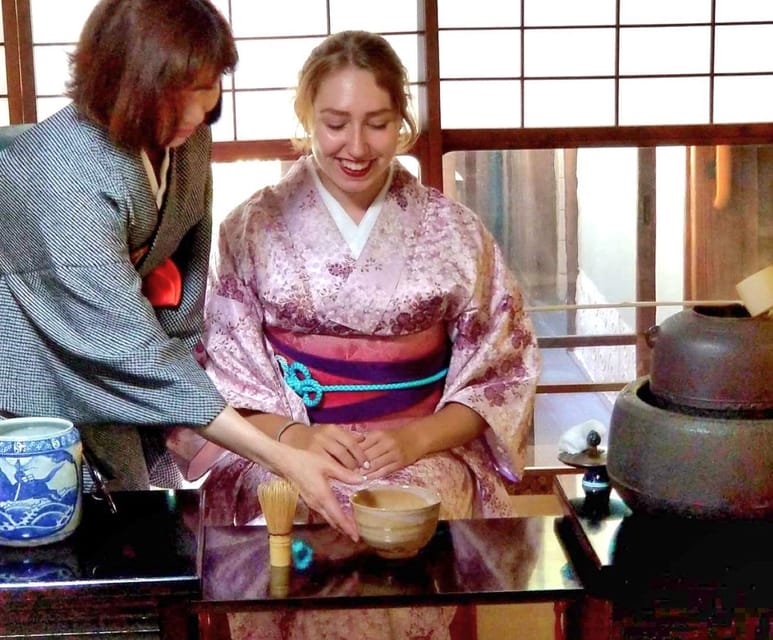
Your session starts with a welcome drink. Depending on what is offered that day, you may have sake or juice, plus Japanese tea as part of the flow. After that, the guides guide you step by step, at a pace that keeps you from feeling lost.
A lot of cultural workshops fail when the pace is too fast. Here, the overall style is patient and proactive. Based on how the experience is run, they do a lot to make sure everyone understands what to do next, including correcting hand positions and cup handling so you get the technique right.
The session also includes traditional sweets. These are not just an afterthought. They are part of the tea rhythm, meant to balance the flavors and keep the experience grounded in taste, not only performance.
Making Creamy, Frothy Matcha With A Bamboo Whisk
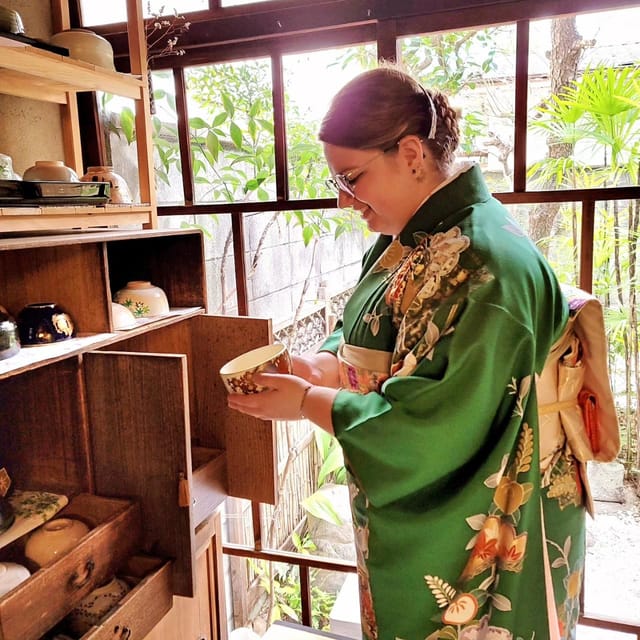
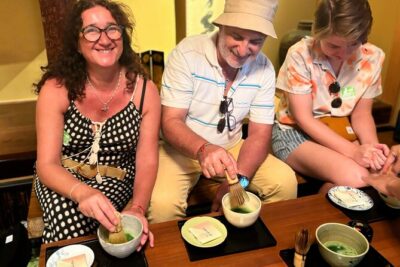
The centerpiece is making your own matcha. You learn how to mix it properly so it turns creamy and frothy using a bamboo whisk. This is the part where you feel the difference between matcha that is simply stirred and matcha that is truly prepared for the ceremony.
You will also get a tea-art style moment using thick tea, sometimes described as latte art. It is a fun twist that keeps the session interactive, even if you have zero artistic ability. You are not expected to be perfect. You are expected to try, learn, and taste.
Here is the practical advice that makes the matcha step better for you:
- Pay attention to the whisking technique your guide demonstrates.
- Take your time with the texture. You are aiming for that smooth froth, not only a strong flavor.
- Taste first, then think second. If you focus only on the technique, you can miss how the taste changes.
A change of pace from Kyoto:
- PERFECT KYOTO 1-Day Bus Tour
★ 5.0 · 13,518 reviews - Kyoto: Fushimi Inari, Kinkakuji, Bamboo Grove 1 Day Bus Tour
★ 4.8 · 4,316 reviews - Kyoto Geisha Walking Tour: Gion District & Hidden Gems
★ 4.7 · 3,273 reviews - Kyoto: Gion Magical Night Walking Tour with Geisha Trivia
★ 4.9 · 2,393 reviews
Tea History And Manners, Explained Clearly
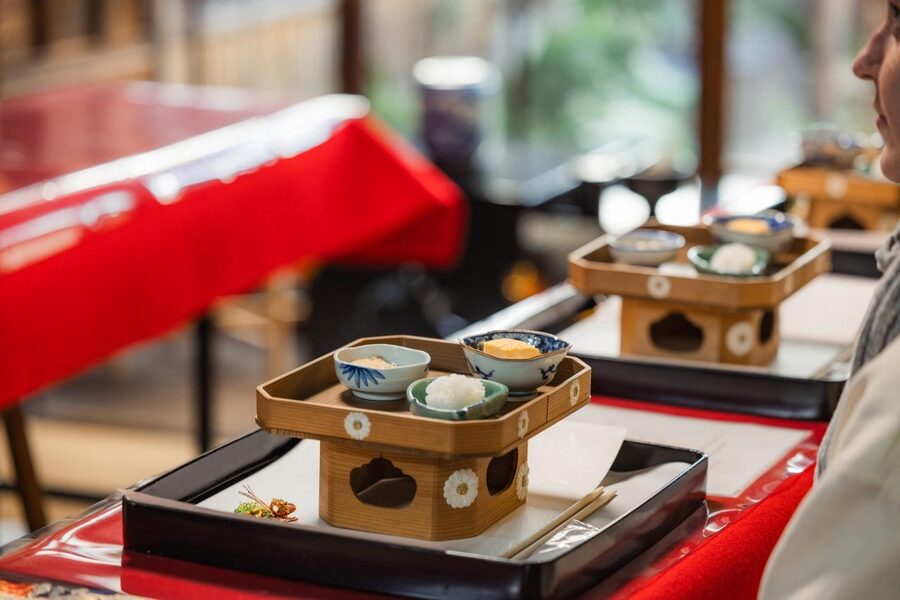
Tea ceremony is not just about tea. You learn how it developed in Japan and the spirit and manners connected to it. This workshop uses a presentation format, including PowerPoint, so the history piece is structured and easy to follow.
Even if you already know a few basics, this part helps you connect the dots between movements, etiquette, and the mindset behind the ritual. It also gives context for why the ceremony asks for things like careful handling of utensils, a calm pace, and attention to the order of steps.
And because you are doing it while you are holding the tools and sitting comfortably at the table, the lessons actually stick. You are not just reading slides in a vacuum.
Calligraphy Of Your Name, Plus A Take-Home Scroll Or Envelope
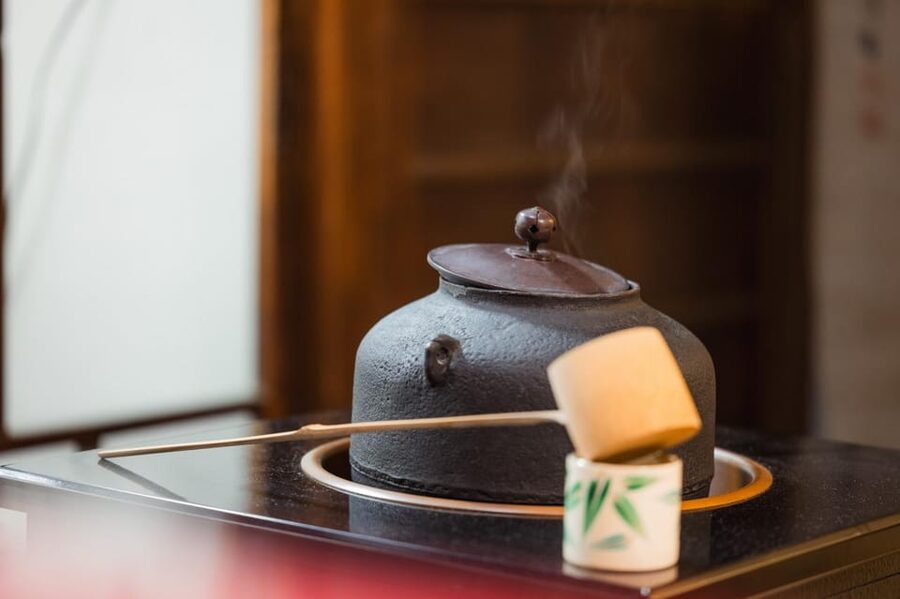
Next comes calligraphy. You write your name in Japanese kanji or hiragana, and you take home a hanging scroll or an envelope with your writing. This is one of those parts that feels small in the moment, then becomes a souvenir you are actually proud to display.
In practice, you are guided through how to form characters. You get support so you can focus on doing it correctly, not just copying a perfect model. The guides treat it like a craft lesson, not a test.
Why I think this is worth the time: calligraphy forces you to slow down in a different way. Tea makes you slow down with hands and breath. Calligraphy makes you slow down with pressure, spacing, and focus. You leave with a physical reminder of that calm concentration.
Flower Arranging Adds The Final Japanese Aesthetic Layer
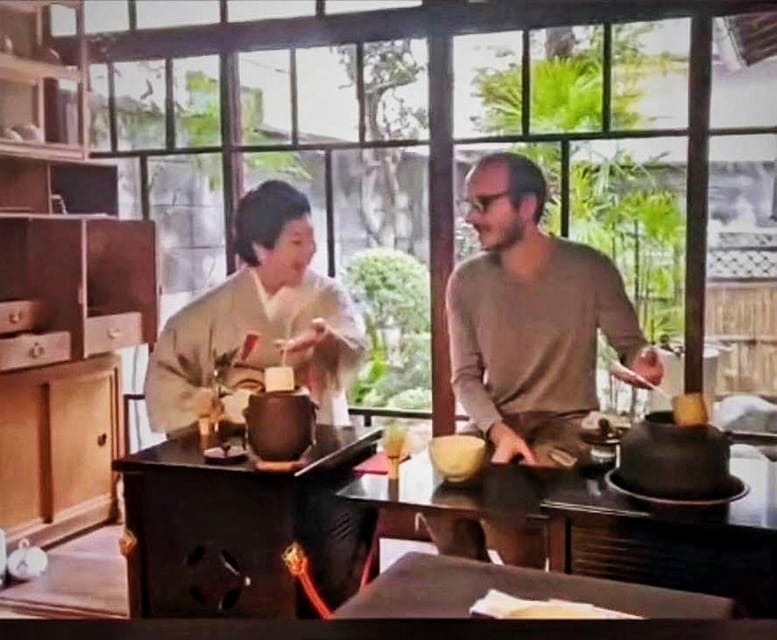
You also do a tea ceremony flower arranging experience. This brings another Japanese tradition into the workshop so it does not become all hands on matcha and then done.
Even if you are not into crafts, flower arranging helps you understand the atmosphere of the ceremony. Tea is seasonal, visual, and symbolic. The arrangement is a small way the room changes from generic to special.
Photo Moments In A Kyoto Garden And Townhouse (Using Fun Props)
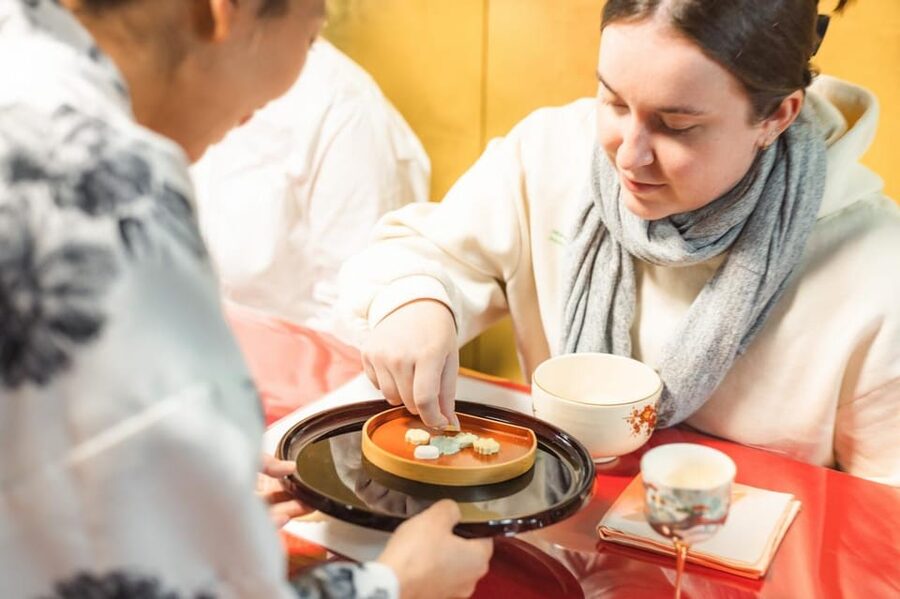
You get time to take photos and videos in a Kyoto garden or house setting. The workshop includes photo-friendly props, including umbrellas, folding fans, and sword-style Katana props for photos.
Two quick tips so you get great results:
- Treat the photo time like part of the ceremony, not a separate chaotic break. Wait for the guide’s cue.
- Use your photos to capture details: utensils, your finished matcha, and your calligraphy results. Those are the images that will make people ask what you did.
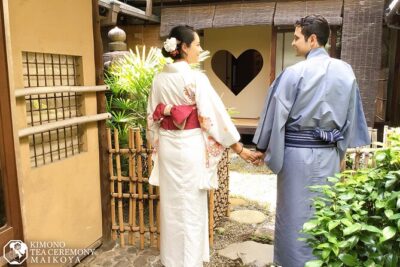
Some guests also choose to wear a kimono option. If you do, you will likely get extra help with dressing and styling, which makes photos much easier and more authentic looking.
Where It Happens: Southern Kyoto, Near Sake Streets, With Easy Day-Pairing
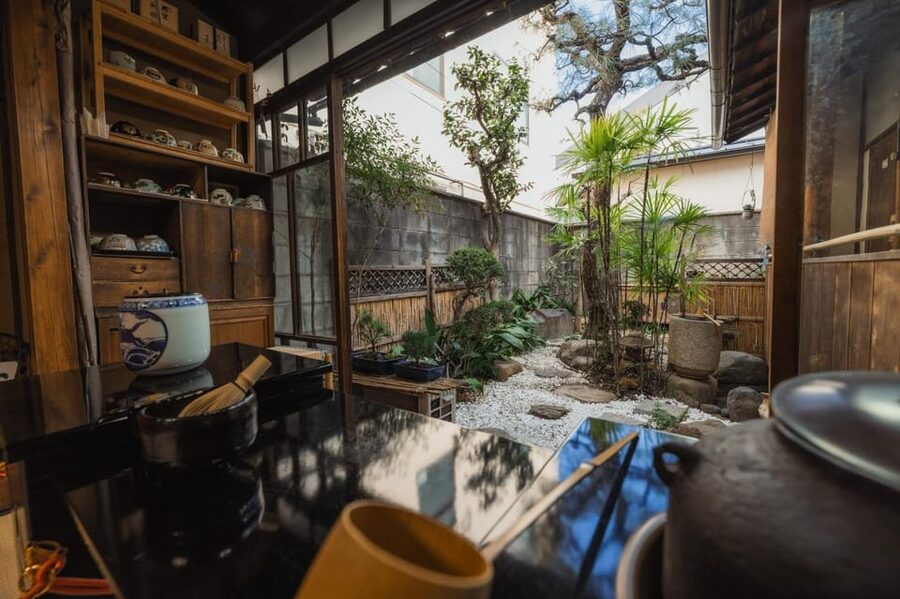
This workshop is on the outskirts of Kyoto, about 20 minutes by train from central areas. It is in southern Kyoto, a district known as a sake town with lots of casual restaurants and shopping streets nearby. That is a big advantage. You can do the ceremony, then walk straight into food mode.
It is also well positioned for day trips:
- Osaka is about 40 minutes by express train.
- Nara is about 50 minutes.
- You can reach Fushimi Inari Shrine along the way, and Uji City, famous for tea, is about 20 minutes by train.
Finding the meeting point without stress
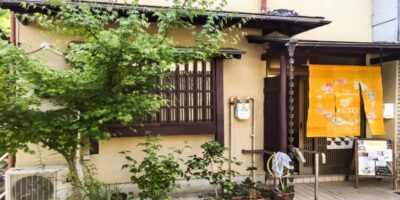
The meeting point is very specific: you head west on the Otesuji shopping arcade, walk about 3 minutes, turn right at the Mizuho Bank or the Rakuten mobile shop, then continue about 2 minutes. You are looking for an old Kyoto townhouse with a blue curtain on the right side.
Guides in kimono will be waiting. Still, I recommend you give yourself extra time to avoid arriving flustered, because a calm arrival sets the tone for the whole experience.
Price And Value: What $45 Buys You In Real Time
The price is listed at $45 per person for 90 minutes. On paper, tea ceremony can look like a small activity. In real value, this one gives you multiple parts stacked together:
- Welcome drinks (including sake or juice options)
- Japanese sweets
- Your own matcha making with a bamboo whisk
- A tea-art style moment using thick tea
- Calligraphy of your name with a hanging scroll or envelope to take home
- Flower arranging experience
- A kimono rental option (if you select it)
- Plenty of photo opportunities in the house and garden setting
So you are paying not only for the tea, but for instruction, tools, crafts, and a guided cultural context. That is why the reviews lean strongly toward hospitality and attention to detail, and why many people call it a highlight of their Kyoto trip.
If you are thinking about DIY matcha tasting or buying supplies later, this workshop is more “process + learning + souvenirs.” You do not just consume. You practice.
Is This The Right Fit For You?
This works best if you want Japanese culture that is hands-on, guided, and not too rigid. It is especially good if:
- you want a first tea ceremony experience
- you are more comfortable sitting at a table than floor sitting
- you like activities that end with something you can take home, like calligraphy
- you want a smaller, more personal group style (private or small groups are available)
One consideration: it is not suitable for wheelchair users. Also, if you are pregnant, the kimono option is not recommended for health and safety, and you should refrain from wearing one.
If you are nervous about language, the instruction is in English. That matters because tea ceremony has lots of small steps, and understanding the reasons behind each step makes the experience feel effortless instead of confusing.
Should You Book This Kyoto Table-Style Tea Ceremony?
Yes, if you want a calm, guided cultural experience that feels authentic, but still fits a real travel body. The chair-based format is the big practical win. You still do purification, history, matcha making, calligraphy, and flower arranging, all inside a 100+ year traditional townhouse atmosphere.
Book it if:
- you care about learning the manners behind the ritual
- you want photos that look great because the setting is genuinely Kyoto
- you like workshops where you leave with a take-home artwork
Consider skipping the kimono option if you cannot or do not want to wear it, or if you prefer to keep logistics simple. Either way, the core ceremony is designed to be comfortable, instructional, and memorable.
FAQ
How long is the Kyoto tea ceremony?
The experience lasts 90 minutes.
What is the price per person?
The price is $45 per person.
Where does the experience take place?
It is in southern Kyoto, on the outskirts of the city. The meeting point is reached via the Otesuji shopping arcade, near a Mizuho Bank or Rakuten mobile shop, and you look for an old townhouse with a blue curtain.
Do I need to sit on the floor?
No. This is a chair-style tea ceremony, so you do not have to sit on the floor.
What language is the instruction in?
The instructor speaks English.
What is included in the experience?
Included are the tea ceremony, traditional sweets, welcome drinks (sake or juice), latte art using thick tea, calligraphy, and a hanging scroll or envelope with your name written in Japanese kanji or hiragana. A kimono rental and tea ceremony flower arranging are included if you select those options.
Can I make my own matcha?
Yes. You will learn how to make creamy, frothy matcha using a bamboo whisk.
Is kimono rental available?
Yes, kimono rental is available if you select the kimono option.
If I choose the kimono option, when should I arrive?
If you select the kimono option, you should arrive 30 minutes before the experience begins.
Is this activity suitable for wheelchair users?
No, it is not suitable for wheelchair users.
How do I get there from Kyoto stations?
From Kintetsu Kyoto Station, you take an express train about 15 minutes to Kintetsu Momoyama-Goryo-mae Station. From Keihan Gion-Shijo Station, you get off at Fushimi-Momoyama Station. From there, you follow the Otesuji arcade directions toward the townhouse with the blue curtain. From Momoyama Station (JR), you go north west, pass Gokogu shrine, and continue along Otesuji arcade to the townhouse.
Latest write-ups near Kyoto
- Kyoto: Nishiki Market Tour with a Local Foodie & Tastings★ 4.5 · 67 reviews
- Kyoto Kimono Rental mimosa |Kimono/Yukata Rental Couple Plan★ 4.8 · 67 reviews
- Kyoto: Traditional Kimono Fabric Handicrafts Workshop★ 5.0 · 67 reviews
- Kyoto Tea Ceremony and Samurai Photo Session★ 5.0 · 70 reviews
- Kyoto: Replica food making experience★ 4.8 · 70 reviews
- Kyoto: Kinkakuji, Golden Pavilion Guided Tour★ 4.7 · 71 reviews
- Private departure transfer from Kyoto city to Kansai International airport★ 5.0 · 72 reviews
- Uji: Green Tea Tour with Byodoin and Koshoji Temple Visits★ 4.8 · 72 reviews
Tea Ceremonies, compared.
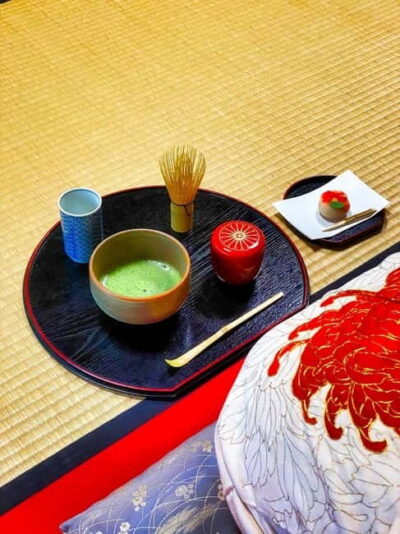
Tea Ceremony in a Traditional Tea House in Kiyomizu
Read our review →
World Heritage Kyoto & Nara Uji Authentic Matcha Experience
Read our review →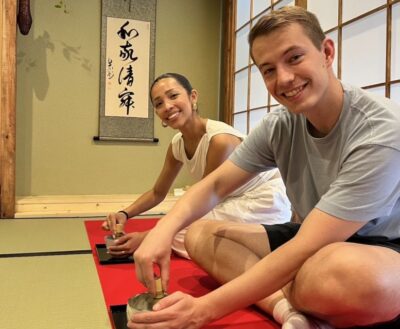
Arashiyama Bamboo Forest, Monkeys, Matcha & Temple Tour
Read our review →Browse the lists this tour appears in