
Reviewed · CASTLE TOURS
Kyoto: Nijo Castle World Heritage Guided Tour with Admission
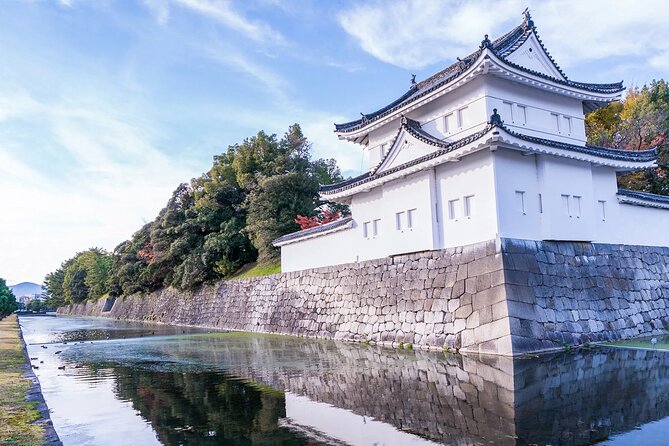
Nijo Castle in Kyoto is fascinating because it is political power turned into architecture. You get the story behind the UNESCO World Heritage site, in a way that makes the buildings feel like they have a pulse.
I love two things most: the chance to hear the nightingale floors up close inside the palace, and the visually fun moment with colorful koi carp gliding through the castle moats. It is history you can see and even feel under your feet.
One consideration: you have to remove your shoes when you enter the palace areas, so plan for a quick change and take comfortable socks you do not mind getting a bit dusty.
Key highlights you should not skip
- Up to 10 people keeps the pace human and makes Q&A actually possible
- Admission included so you just focus on learning, not tickets
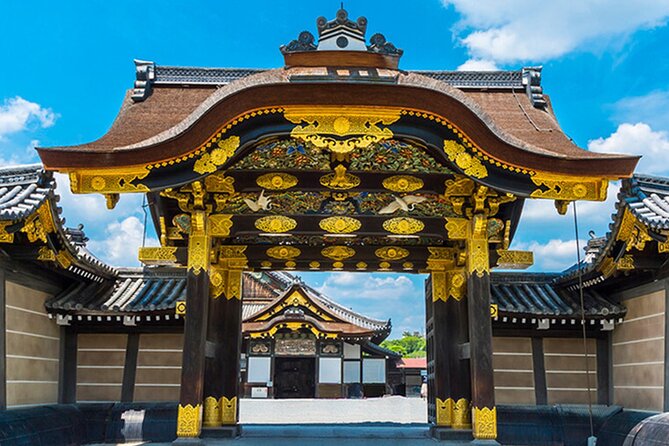
- Ninomaru Palace details like hierarchy cues, layered gates, and those famous chirping floors
- Moat koi + gardens for photos that look like they belong in a storybook
- Shogun vs Emperor storyline that ends with the 1867 authority handoff
- English live guide can include guides such as Nao, Uta, Benjamin, or Naoya, known for answering questions well
Why Nijo Castle Feels Like Power, Not Just Pretty Buildings
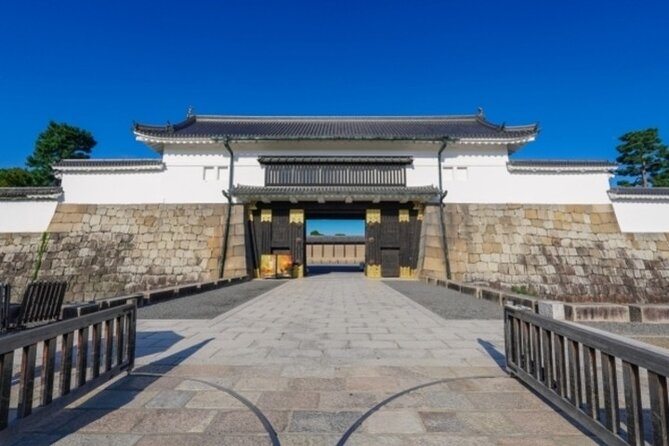
Nijo Castle is not built to invite you in like a museum. It is built to send messages with silence, rules, and space, showing exactly how the Tokugawa shoguns wanted people to behave.
The setting helps too. You walk from gates and corridors designed to slow you down, then step into palace rooms where design itself signals rank and control. When a guide connects those physical cues to real political events, the whole place clicks.
If you like history that feels practical instead of academic, this tour style works well. You are not just looking at wood and stone, you are learning how those choices shaped daily life and authority.
More Castle Tours in Tokyo
- Tokyo Castle & Imperial PalaceーShogun Walking Tour
★ 4.7 · 1,068 reviews - Tokyo Castle & Imperial PalaceーShogun Walking Tour
★ 5.0 · 724 reviews - Imperial Palace East Garden and Edo Castle Walking Tour in Tokyo
★ 5.0 · 510 reviews
Meeting at Nijōjō-mae Station, and Getting Set for a Smooth Start
This tour meets outside Exit 1 of Nijōjō-mae Station. Your guide will be holding a sign that says Local Guide Stars, and the group starts walking from there.
That matters because Nijo is easy to reach but hard to navigate well if you arrive without a plan. With a guide, you get your bearings quickly and you spend more time seeing important areas instead of guessing where to go next.
The tour runs about 90 minutes total, with roughly one hour focused on the castle walk and guided sightseeing. Since it is a short visit, arriving on time pays off.
The 90-Minute Flow: Gates, Gardens, and a Story You Can Follow
A lot of castle tours feel like a checklist. This one tries to keep the narrative moving, starting with the vibe of control and then widening into why the Tokugawa shoguns mattered in Kyoto.
You begin with a walk through parts of the castle meant less for defense and more for intimidation and silent governance. Your guide explains how the shoguns could dominate without needing open conflict, using design and hierarchy instead.
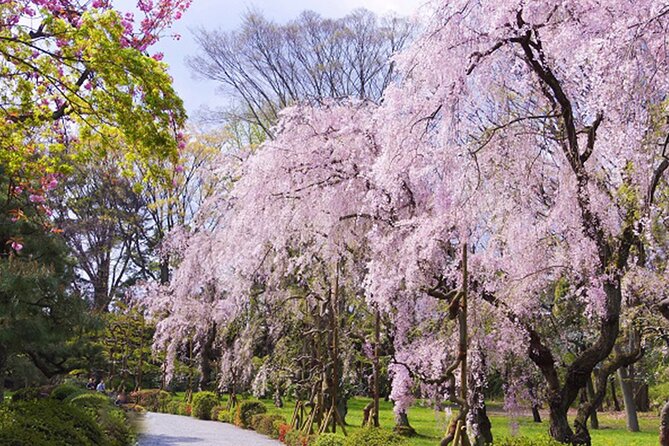
Then the experience shifts into more sensory moments. You get time for the photogenic gardens and the chance to notice the koi carp swimming through the moats, which is one of those unexpected details that makes Nijo feel lived-in rather than staged.
The pacing also helps families and mixed-age groups. In one of the guide-led experiences, the tour worked well even with a 65+ participant and kids in the group, because the guide adjusted the pace and kept answers clear.
Step Inside the Ninomaru Palace, Where Hierarchy Shows Up in the Room Design
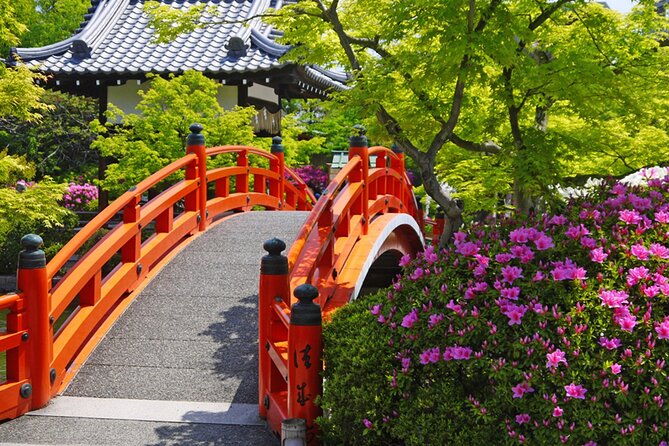
The heart of the visit is the Ninomaru Palace, where the tour focuses on how rank shaped space. It is not just decoration. Your guide points out things like room sizing, floor height, and how decoration was used to reinforce strict social hierarchy.
This is where the tour turns from scenic to memorable. You start noticing that the palace is arranged to control movement and behavior, not just to impress visitors.
And yes, you will hear the famous sound. The tour highlights the nightingale floors, the chirping woodwork that can alert to intruders. Even if you have heard of it before, you will likely find it more satisfying when someone explains what you are hearing and why it was part of the castle’s security mindset.
If you have ever wondered why the corridors feel layered and slightly intimidating, the guide is the difference. You learn how gates and pathways work like psychological pressure, guiding your pace and making you aware of who holds authority.
More Historical Tours in Tokyo
- Tokyo: Imperial Palace and Shogun Historical Walking Tour
★ 5.0 · 2,251 reviews - Tokyo: Imperial Palace Japanese History Walking Tour
★ 4.9 · 987 reviews - Tokyo: Shinjuku Historical Walking Tour & Secret Backstreets
★ 5.0 · 530 reviews - Yanaka Walking Tour: Historic and Traditional District of Tokyo
★ 5.0 · 530 reviews
Nijo Castle’s Moats and Koi: The Photo Moment With Real Context
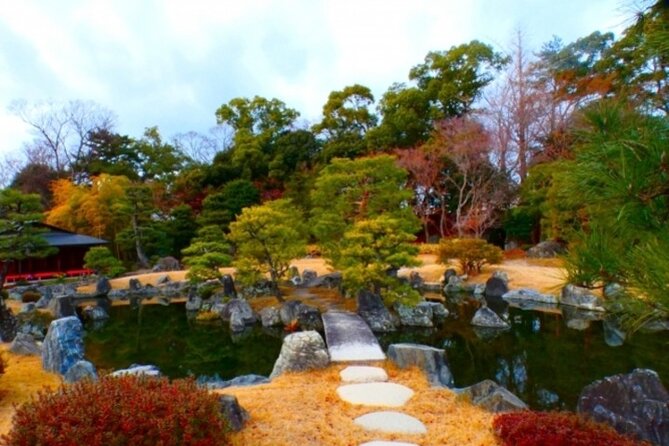
It is easy to treat koi as a quick snapshot. On this tour, the koi moment works better because it sits inside the bigger story of the castle as a carefully managed display of power.
The moats are part of the visual language. They create a reflective boundary between “inside rule” and “outside world,” while the koi add motion and color that make the scene feel almost cinematic.
I like that the tour does not rush that moment. With a small group, you are not constantly squeezed for one quick photo and then pulled away. Instead, you can actually look, watch the carp move, and take a few photos that look natural rather than frantic.
Shogun vs Emperor: Why Tokugawa Power Needed to Be in Kyoto
One of the biggest reasons Nijo Castle matters is that it was built right near the Emperor’s residence. Your guide explains the rivalry in clear terms: the Tokugawa shoguns ruled from distant Edo, but they placed a lavish palace near Kyoto’s center of imperial power to assert authority where it counted.
This is where you start to understand the atmosphere. The castle feels calm, almost beautiful, but the guiding logic is control. Your guide connects the physical experience, from gate to corridor, to the political strategy of dominating without open war.
This theme also shows up in how the tour frames social hierarchy. You learn how rules were built into the experience of moving through space and how that shaped what visitors and locals understood about who was really in charge.
The 1867 Moment: When Authority Returned to the Emperor
A standout part of the experience is ending at the story of the Shogunate’s close. The tour brings you to the very room where, in 1867, Tokugawa Yoshinobu returned authority to the Emperor.
That moment is more than a date. It is the turning point that ended over 260 years of shogunate rule and ushered in the Meiji Restoration. When your guide ties the political handover to the specific room, it feels less like a textbook line and more like a scene with weight.
This is also where the tour’s “walk marking the end of the Shogunate” approach really helps. You are not just hearing history, you are moving through the castle in a way that matches the timeline.
Admission Included: Price and Value That Make Sense for 90 Minutes
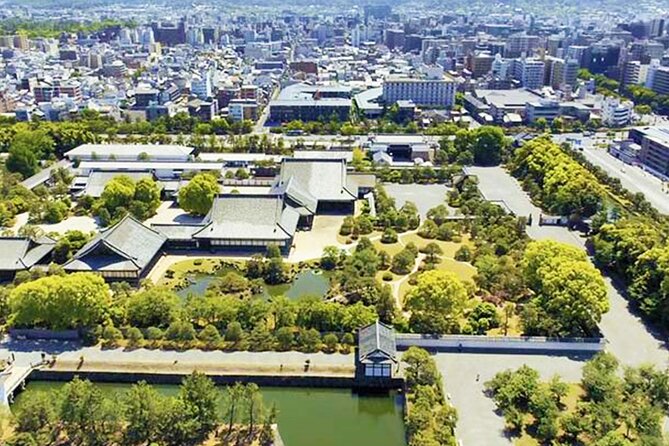
At about $40 per person for a 90-minute guided experience with admission included, the value is in the combination of access and interpretation.
If you go DIY, you still get the site, but you lose the guided connections between architecture and political strategy. Here, the guide does that work for you, including attention to details like the nightingale floors and the hierarchy cues that you might otherwise overlook.
The other value driver is the group size. With a small group of up to 10, you get more time per person and better chances to ask questions. In the experiences led by guides like Nao, Alexander, Benjamin, Uta, and Naoya, the common thread is that questions were handled directly and clearly, and the guide stayed engaged instead of rushing through talking points.
The tour is not long enough to be exhaustive, but it is long enough to be satisfying. Think of it as a smart, focused hit that gives you understanding fast.
Who This Tour Suits, and Who Might Prefer DIY
This is a strong choice if you want:
- a guided UNESCO experience without getting stuck translating alone
- the story of Tokugawa power and the Shogunate ending
- the chance to hear and understand the nightingale floors
- a calmer pace thanks to a small group
It may be less ideal if you prefer wandering slowly with no structure at all. The tour is designed to cover key areas in a set time, so you will not have unlimited drift.
Also, if shoe removal is a problem for you, plan carefully. The palace entry requires removing shoes, and that is not optional.
Practical Tips So You Can Enjoy It Without Stress
Here are the small, real-world things that make a difference.
Wear something easy to take on and off. You will remove shoes when entering palace areas, and that is easiest when you are not wrestling with complicated footwear.
Bring a question mindset. Guides in English, like those you may meet such as Nao or Uta, are set up to explain details and answer questions. If something confuses you, ask. This tour is built for interaction.
If you care about photos, give yourself a moment to look at the moat koi and gardens rather than only filming while moving. Small groups make it easier to pause and frame shots without feeling rushed.
Finally, arrive a few minutes early at Nijōjō-mae Station Exit 1. With a short 90-minute window, even a minor delay can steal time inside.
Should You Book This Nijo Castle Guided Tour?
Book it if you want the quickest path to understanding why Nijo Castle looks and feels the way it does, from control-by-design to the 1867 authority handoff. Admission being included and the group size staying under 10 both add real value, especially for questions and pacing.
Skip it or consider a different option if you know you only want a self-guided stroll and you dislike the idea of shoe removal in palace areas. Otherwise, this is one of the more practical ways to make Kyoto’s castle experience feel coherent, not just scenic.
FAQ
Where do I meet my guide for the tour?
Meet outside Entrance (Exit) 1 of Nijōjō-mae Station. Your guide will be holding a sign that says Local Guide Stars.
How long is the Nijo Castle guided tour?
The tour duration is 90 minutes, including a 1.5-hour guided visit to Nijo Castle.
Is admission to Nijo Castle included?
Yes. Admission to Nijo Castle is included.
What group size should I expect?
The group is a small group with a maximum of 10 participants.
Is the tour guide available in English?
Yes. The live tour guide speaks English.
Do I need to remove my shoes?
Yes. When entering the palace, all visitors must remove their shoes.
Latest write-ups near Tokyo
- From Tokyo: Top 5 Scenic Spots of Mount Fuji Full-Day Tour★ 4.5 · 67 reviews
- Tokyo Customized Private Tour: See Top Attractions in 1 Day★ 4.8 · 67 reviews
- Traditional Japanese Music ZAKURO SHOW in Tokyo★ 5.0 · 67 reviews
- Tokyo: Shinjuku Izakaya and Golden Gai Bar Hopping Tour (2h)★ 4.9 · 67 reviews
- Tsukiji: Unlimited Sake Tasting Experience★ 4.9 · 67 reviews
- Samurai Ninja Museum Asakusa: Kid-Friendly Ninja Training★ 4.7 · 67 reviews
- Tokyo: Not a show- a professional sumo practice with experts★ 4.9 · 67 reviews
- Private Harajuku Omotesando Architecture Walking Tour★ 5.0 · 67 reviews
Castle Tours, compared.
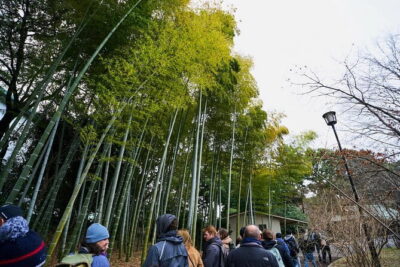
Tokyo Castle & Imperial PalaceーShogun Walking Tour
Read our review →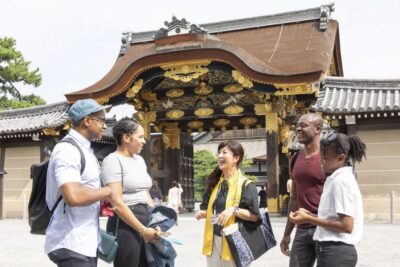
Nijo-jo Castle and Ninomaru Palace Guided Tour
Read our review →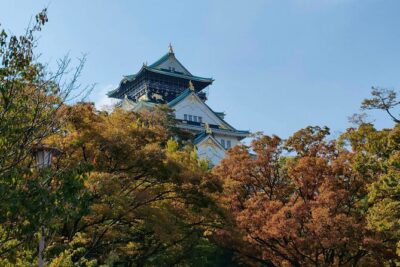
Ultimate Osaka Walking Tour: Castle, Dotonbori & Hidden Gems
Read our review →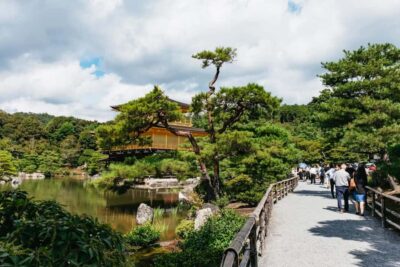
Nijo Castle, Kiyomizu & Fushimi Inari Guided Tour
Read our review →
Osaka Castle Walking Tour and Castle Tower Admission
Read our review →
Imperial Palace East Garden and Edo Castle Walking Tour in Tokyo
Read our review →
Imperial Palace & Nijo Castle Guided Walking Tour
Read our review →Browse the lists this tour appears in