
Reviewed · MARKET TOURS
Kyoto Nishiki Market Tour
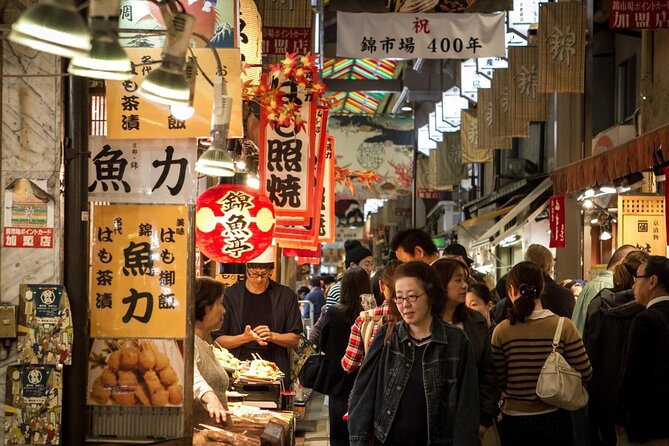
Kyoto Nishiki Market is one of those places where food is everywhere, and it can feel a little chaotic if you show up alone. This guided tour turns that crowd into a smart walking plan, with family-owned stops and tastings that explain what makes Kyoto cuisine so specific. It also includes a full meal, so you are not doing the classic market mistake of grazing for two hours and then getting hungry anyway.
Two things I really like here are the mix of traditional flavors, from silky sashimi-style fish to tofu, matcha, dashi, and tamagoyaki, plus the way your guide connects each bite to how ingredients move from harvest to sale. One thing to consider: Nishiki Market is narrow and loud, so if you are sensitive to crowd noise, you may want to prepare for a tight fit in some areas.
Key highlights you will feel on the day
- Small group size (max 10) means more room to move and ask questions
- Multiple family-owned counters with tastings that go beyond the usual souvenir snacks
- A built-in food lesson, from production and preservation to what to look for in Kyoto flavors
- Tea and seasonal lunch included, so you can walk in hungry and leave satisfied
- Route pauses for shrines and temples help break up the constant eating and shopping noise
Nishiki Market tastes better with a plan
Nishiki is often called the Kitchen of Kyoto, and that label makes sense once you see how many food stalls are packed into a small area. People come for everyday ingredients like pickles and tofu, and they also come for prepared bites. The problem is simple: the market is dense, and deciding what to try can turn into decision paralysis.
A guided walk helps you cut through that. Instead of wondering whether something is a local specialty or just a tourist-friendly product, you get a guided sequence of tastes that build on each other. You also learn how Kyoto flavors work as a system, not a random assortment of snacks. That is what makes the tour more than a food sampler.
You are also walking with the one thing Nishiki can lack for visitors: context. Your guide can answer questions about Nishiki itself, plus Kyoto food in general. That matters because Kyoto cuisine has regional patterns, and the tour is designed to point them out while you are eating.
More Market Tours in Kyoto
- Nishiki Market Brunch Walking Tour (7 Tastings + Brunch)
★ 5.0 · 1,355 reviews - Kimono Tea Ceremony at Kyoto Maikoya, NISHIKI
★ 5.0 · 911 reviews - Kyoto Nishiki Market Food and Culture Walking Tour
★ 5.0 · 412 reviews
Value check: what $221 buys you in real Kyoto time
Let’s talk money in a practical way. At $221 per person, you are paying for three things at once: guide time, multiple tastings, and a proper meal. This tour runs about 3 hours and 5 minutes, and it caps at 10 travelers, so it is not built as a huge factory-style group.
Here is what is included that makes the price feel more reasonable:
- Tastings at 10 market vendors (plus additional tasting stops along the route)
- Japanese tea included
- Lunch seasonal and regional included
- Food tastings are stated as included per the itinerary
When lunch and tea are part of the package, you are not constantly paying for small items as you walk. You still may want to buy a few souvenirs, but you will not have to.
One detail that also affects value: this is a mobile ticket experience and is easy to coordinate once you are in central Kyoto. The meeting points are fixed, and the tour does not ask you to solve complicated logistics before you even start eating.
Meeting point at Lacoste, then straight into the market momentum
You meet your guide near the Lacoste Kyoto store, with a start time of 10:00 am. The listed start address is 376 Naramonochō in Shimogyo Ward, and the tour ends in the Karasuma area near Karasuma Station.
What I like about starting in the morning is that you get the market rhythm earlier in the day. Even so, Nishiki is known for being crowded, and the walking is real. Come with good walking shoes and plan on weaving through narrow lanes.
Also, do not show up stuffed. The tour explicitly encourages an empty stomach, and that is not a polite suggestion. The tastings add up quickly, and the goal is that you can actually taste each item instead of playing mental whack-a-mole with sugar and salt.
A final note from past experiences with this format: small groups tend to move more smoothly. The tour has a maximum of 10, and smaller groups have been part of the experience for some guests. If you are traveling with parents or anyone who prefers an easier pace, this small size can be a big deal.
The bite list: what you will likely taste and why it works
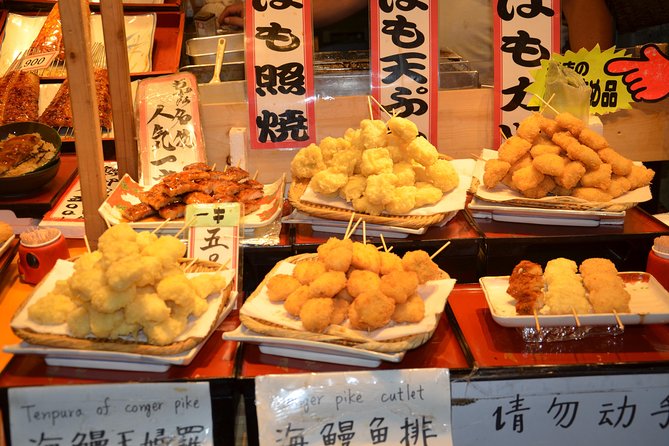
This tour is built around specific Kyoto flavors. You are not just sampling random things; the tastings are chosen to show Kyoto’s range, from savory to gentle and calming to more complex broth-based tastes.
Here are the items called out in the experience description:
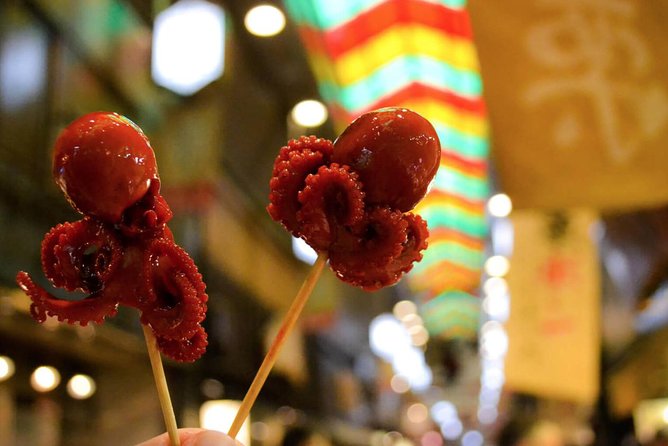
- Sashimi-style fish, described as some of the smoothest
- Tofu (including a tofu-based seafood-style offering made with mountain water)
- Matcha (macha)
- Dashi, Kyoto-style broth flavoring
- Tamagoyaki, the rolled Japanese omelet
- Fresh seafood
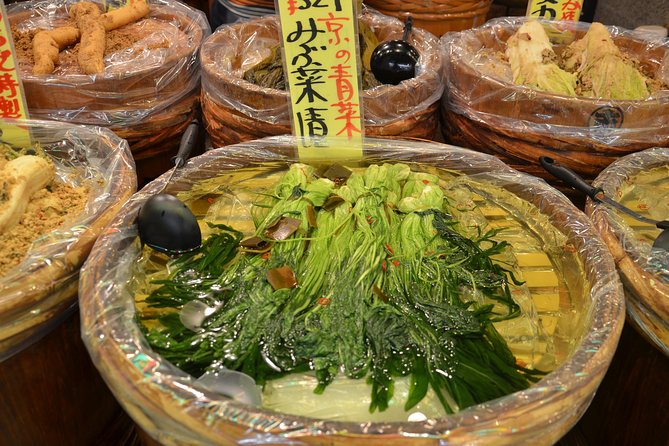
- Tsukemono, pickled vegetables from the mountains
- Sparkling sake straight from the tap
That list is fun, but the real value is the pattern. Dashi and tamagoyaki are often a gateway to understanding Kyoto cooking because they connect to how flavors balance. Tofu and tsukemono show the local ingredient logic, not just the restaurant logic.
And yes, you should expect variety. A market tour that only offers one category of food can turn repetitive. This one spreads across different cooking styles, so your palate has to reset between stops.
More Shopping Tours in Kyoto
- Kyoto: Nishiki Market Tea Ceremony with Koto Performance
★ 4.8 · 294 reviews - Kyoto: Nishiki Market Brunch Walking Tour-7 Tastings+Brunch
★ 4.8 · 197 reviews - Kyoto: Local Food Tasting Tour at the Nishiki Market
★ 4.7 · 135 reviews - Kyoto: Nishiki Market and Depachika Food Tour with a Local
★ 4.7 · 76 reviews
What about alcohol?
Sparkling sake is listed as part of the tasting experience, and the tour notes a minimum drinking age of 21. If you are under that age, you can plan to focus on the other tastings instead of assuming every stop is alcohol-based.
Family-run stalls and the guide who makes it click
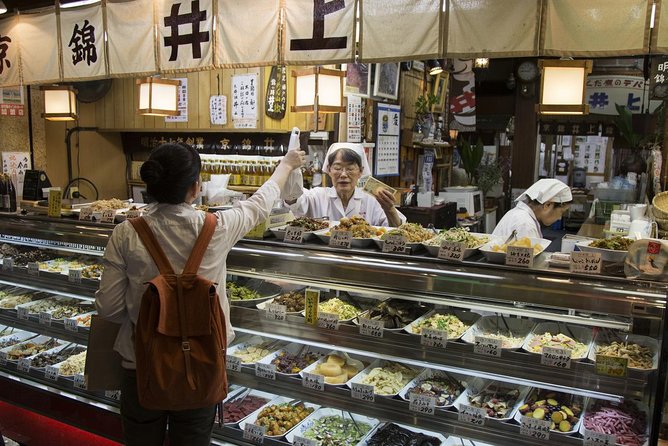
One of the strongest parts of this tour is the way it uses family-owned shops as teaching tools. The experience calls out visiting multiple family-owned shops, including ones that go back hundreds of years, and that is not just a trivia flex. Older counters often specialize in techniques and ingredient handling, and those details show up in the taste.
The guide role is huge here. You are given a person who can explain what you are eating and why it tastes the way it does. In plain terms, they help you connect:
- farm to plate
- production to preservation
- market ingredient choices to Kyoto flavor habits
You also get time for questions, and that is where a market tour can turn from good to excellent. If you ever wondered why one broth tastes cleaner than another, or why one tofu is firmer, a guide can help you notice the difference instead of just accepting it.
English support is also a big part of why the tour gets high marks. Guides like Chie and Rosali have been mentioned in guest feedback as especially helpful with pacing and communication. The pacing point is underrated. Nishiki can be loud and tight, so the ability to manage the group speed matters, especially if you have older legs in your party.
Nishiki’s crowds: how to handle the narrow streets
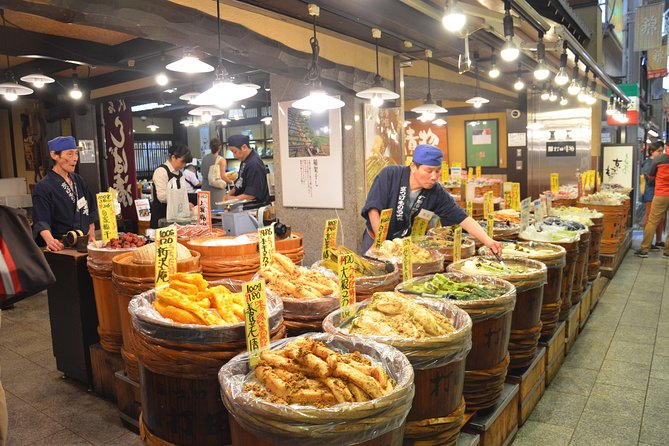
This is the one practical drawback worth spelling out. Nishiki Market can be crowded and loud, and the streets are narrow. That means:
- you may have trouble stopping in the middle of the lane to hear everything
- gathering around a counter can require a little patience
- you might end up sharing space with other groups in peak moments
The good news is that a guided plan helps you deal with the crowd. You are not just walking aimlessly, you are moving with a sequence, and the guide can steer you toward the best moments to taste.
My advice: keep your expectations flexible. If your plan is to photograph, people-watch, and listen to every word perfectly, you might get frustrated. If your plan is to taste, ask what you care about, and enjoy the chaos, the market will feel like part of the fun.
Lunch and tea included, so you can keep walking comfortably
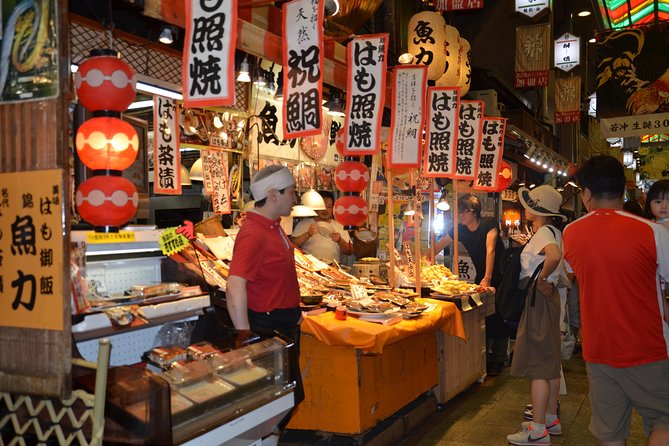
You get Japanese tea included, and there is seasonal and regional lunch included. That matters because it turns the tour into a full food outing, not just a snack parade.
The biggest practical tip here is timing and stomach planning. Start the morning hungry, because the tastings ramp up quickly. By the time lunch comes, you will be able to enjoy it as a meal instead of a second round of mini samples.
If you have dietary needs, the tour states vegetarian friendly and pescatarian. That does not mean every single item is guaranteed to match your diet, but it does mean the tour is built with options in mind.
Also keep in mind the tour notes that there can be substitutions if a restaurant or shop schedule changes due to public holidays, weather, or other unforeseen circumstances. That is normal in Kyoto, and it is better than canceling everything.
Temples and shrines on the route, used as walking breaks
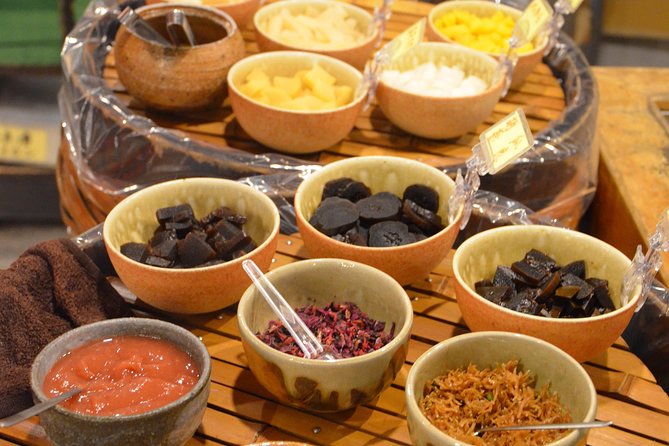
Along with the market focus, the tour includes stops at places like Nishiki Tenmangu Shrine, Rokkakudo Temple, and the Fushimi Inari Taisha area, with an ending point around Umenohana and then back in the Karasuma area.
Even though the tour is food-first, those pauses help break up the nonstop market energy. You get a rhythm shift from eating and shopping to a slower, more reflective moment. It is also useful if you need a visual reset from the tight streets.
Just be ready for walking between different parts of central Kyoto. The tour lists a moderate physical fitness level as the requirement, so plan to move comfortably for several hours.
Who this tour suits best (and who it might not)
This tour fits well if you want:
- a guided way to navigate Nishiki Market
- a structured tastings route instead of random guessing
- lunch and tea included, so you get real value in one outing
- a chance to ask questions about Nishiki and Kyoto food
It is also marked family-friendly, and children must be accompanied by an adult. There is a note that passport information copy is required for kids 10 and above, so make sure you have that ready if you are traveling with younger people.
It may be less ideal if:
- you hate crowds and noise
- you need lots of quiet time to hear instructions
- you are not interested in multiple tastings and meal pacing
For solo travelers, the tour suggests reaching out by email. And the tour has a max of 10, which tends to keep the experience personal rather than chaotic.
Should you book Kyoto Nishiki Market Tour?
If you like markets but do not want to play a guessing game with what to eat, I think this is a strong booking. The combination of tastings at multiple vendors, Japanese tea, and seasonal lunch included makes it easier to justify the price, especially when the group is small and the guide can answer your questions.
I would book it if you want to leave Nishiki with more than souvenirs. You should leave with a clearer sense of what Kyoto flavors are trying to do, how ingredients are handled, and what to look for next time you see the same ingredients in a restaurant or shop.
Skip it if you already know exactly what you want to eat in Nishiki and you prefer a quiet, unguided stroll. In that case, you might enjoy free browsing more than a structured tasting route.
FAQ
What time does the Kyoto Nishiki Market Tour start?
The tour starts at 10:00 am and runs for about 3 hours and 5 minutes.
Where do I meet the guide, and where does the tour end?
You meet at 376 Naramonochō, Shimogyo Ward, Kyoto 600-8004, near the Lacoste Kyoto store. The tour ends in the Karasuma area near Karasuma Station, in Shimogyo Ward (around Naginatabokocho).
How many people are in the group?
This tour has a maximum group size of 10 travelers.
What food and drink are included?
Food tastings are included as per the itinerary, along with Japanese tea. Lunch seasonal and regional is also included.
Is the tour suitable for vegetarians or people with dietary preferences?
The tour is listed as vegetarian friendly and pescatarian.
Is there an age limit for alcohol during tastings?
Yes. The tour notes a minimum drinking age of 21.
Should I come hungry?
Yes. The experience encourages you to come with an empty stomach so you can enjoy the tastings properly. Good walking shoes are also recommended.
Latest write-ups near Kyoto
- Kyoto Private Tour Full Day with Local Guide&Nara Option(PerGroup★ 5.0 · 20 reviews
- Sacred Pathways: Discover the Philosopher’s Path of Kyoto★ 4.9 · 20 reviews
- Kyoto UNESCO World Heritage Site Private Tour with a Premium Van★ 5.0 · 20 reviews
- Hammer Pattering Experience of Ring★ 5.0 · 20 reviews
- KYOTO: Private Tea Ceremony in Hidden Townhouse (Kid-Friendly)★ 5.0 · 20 reviews
- Sushi or Traditional Japanese Cuisine in a Kyoto Home with Emika★ 5.0 · 20 reviews
- The Kyoto VIP Experience!★ 5.0 · 20 reviews
- Kyoto Customized Private Tour: See Top Attractions in 1 Day★ 4.7 · 20 reviews
Market Tours, compared.
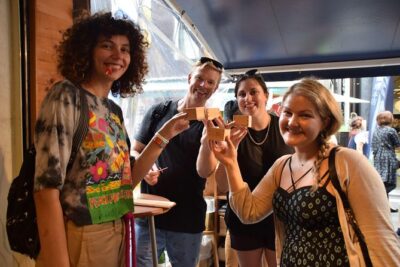
Tokyo Tsukiji Fish Market Food and Culture Walking Tour
Read our review →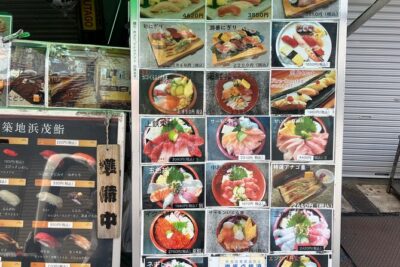
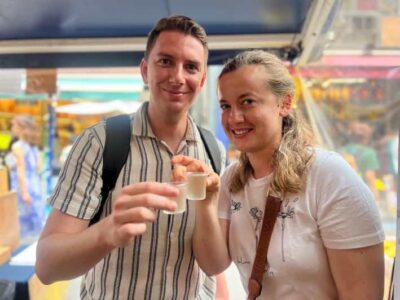
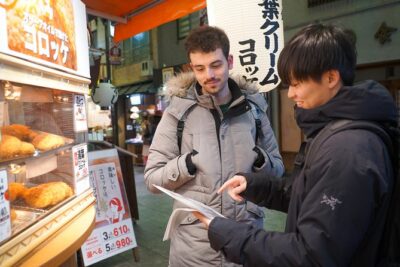
Nishiki Market Brunch Walking Tour (7 Tastings + Brunch)
Read our review →
Tokyo Sushi Making Class in Tsukiji with Professional Chef
Read our review →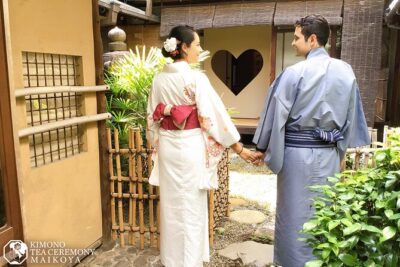
Tsukiji Fish Market Guided Tour and Sushi Making with Pro Chef
Read our review →
Tsukiji Fish Market: Street Food & Culture Walking Tour
Read our review →Browse the lists this tour appears in