
Reviewed · WALKING TOURS
Kyoto : Private Custom Walking Tour With A Local Guide
Kyoto can feel like sensory overload on day one: torii gates, temple gates, souvenir streets, and lines everywhere. This private custom walking tour is interesting because it lets you turn that chaos into a clear plan, built around what you actually want to see. I love the private, customizable format, and I love that your guide can adjust the pace and even include a museum visit if you want. One consideration: since it’s built around walking (with possible short public transport links), plan for time on your feet, especially in hot or rainy weather.
The best part is that you get a real person to translate Kyoto, not just a list of places. Guides like Maria have spent decades in Japan and focus on how temples, culture, and even economics connect, while others like Wajid can explain what you’re seeing at places like Fushimi Inari and Kiyomizu-dera as you walk. The tradeoff is simple: attraction tickets, food, and drinks are not included, so you’ll need a little extra budget and you may want to tell your guide what you’re willing to pay for.
Key Things That Make This Kyoto Tour Worth It
- Private custom route that matches your time window and interests, not a fixed script
- Local guide context so sites make sense beyond photos, including temple vs shrine explanations
- Flexible add-ons, including the option to include a museum visit if you request it ahead of time
- Tour planning help for tickets you want to visit, handled with support from the team
- Efficient movement, using walking plus public transport when needed (car transport is not part of it)
Kyoto Feels Less Confusing With a Private Local Walking Guide

A self-guided Kyoto day often turns into a pattern: arrive, photograph, read a sign, repeat. This tour changes the rhythm. You’ll walk Kyoto at human speed, with your guide steering you between the big names and the neighborhoods that feel more like daily life.
I like that the experience is designed for first-time visitors who might feel overwhelmed by temples, gardens, and historic districts. Instead of trying to “figure it out” between crowd-control barriers, you get someone who can point out the differences that matter, like why people treat shrines and temples differently, or what specific details in a complex are telling you.
It’s also practical. Your guide can help you understand where to spend time, what to skip, and how to avoid wasting hours. That’s not just comfort. In Kyoto, time lost to wrong turns or peak congestion costs real travel energy.
More Walking Tours in Kyoto
- Kyoto Geisha Walking Tour: Gion District & Hidden Gems
★ 4.7 · 3,273 reviews - Kyoto: Gion Magical Night Walking Tour with Geisha Trivia
★ 4.9 · 2,393 reviews - Kyoto: Gion Geisha District Walking Tour – Stories of Geisha
★ 4.7 · 2,187 reviews
Custom Route Planning: Major Sights Plus a Museum Option
This is a private tour, so you’re not stuck with someone else’s theme. You can ask to see the major tourist sights, then add the kind of stops that make your Kyoto day feel personal.
And yes, there’s a museum option. The tour can include a museum visit if you want one, as long as you let the guide know ahead of time. That one choice can make a big difference if you’re the type who likes to understand what you’re looking at before you walk through it.
Here’s how I’d think about planning your route, based on what the guides are known for:
- If you want classic Kyoto icons, build the day around places that come with cultural context, not just architecture.
- If you want calmer wandering, ask for less-popular streets and a route that avoids peak heat or peak crowds.
- If you’re traveling with kids or want a calmer pace, tell the guide early, so the walk is paced for your group.
A small reality check: the guide can help you with tickets, but tickets themselves are not included. So when you pick museum or temple entrances, factor that extra cost in.
A Practical Walk Through Kyoto’s Top Zones (And What Each Stop Teaches You)
Because the tour is customized, your exact route depends on what you ask for. What you can count on is that your guide will help you structure a day across Kyoto’s major zones, with explanations that make the walk feel connected.
Below are examples of the kinds of places this tour style can cover, and why each one is worth your time.
Fushimi Inari Shrine and the Torii Gates: Where You Learn to Read the Walk
If your route includes Fushimi Inari Shrine, you’re walking one of Kyoto’s most iconic scenes: rows of torii gates leading you deeper than you expect. A good guide matters here, because the place is visually repetitive in a way that can feel confusing if you don’t know what you’re looking for.
Guides like Wajid focus on the torii gate experience as you move through it, helping you understand what the gates symbolize as you go. The drawback is also predictable: it’s popular, and you can get stuck in crowd flow if you don’t choose timing and pacing wisely. Ask your guide to plan your movement so you spend more time walking through the atmosphere and less time trapped by congestion.
A change of pace from Kyoto:
- PERFECT KYOTO 1-Day Bus Tour
★ 5.0 · 13,518 reviews - Kyoto: Fushimi Inari, Kinkakuji, Bamboo Grove 1 Day Bus Tour
★ 4.8 · 4,316 reviews - Kyoto: Tea Ceremony in a Traditional Tea House in Kiyomizu
★ 4.9 · 3,519 reviews - Kyoto: Tea Ceremony Ju-An at Jotokuji Temple
★ 4.9 · 3,207 reviews
Sanjusangendo Temple: The 1,001 Buddha Detail That Makes It Click
Sanjusangendo is a strong stop if you like art and symbolism. It’s famous for the 1,001 Buddha statues, and the payoff is in the details you notice once someone points them out.
A guide like Wajid is known for explaining what those statues represent, which turns the visit from scenery into meaning. The practical consideration: it can feel like a lot of visuals at once, so it helps to have someone guide your attention so you don’t leave with only the impression of “many statues.”
Kiyomizu-dera: A UNESCO Site With a Route Feel
Kiyomizu-dera is UNESCO listed, and the visit is more than a single photo stop. Your time there is usually shaped by how you move between viewpoints, courtyards, and viewpoints where the crowds thin out.
Wajid is noted for pacing the visit well, which is key because the grounds can pull you in different directions. If you tend to rush, tell your guide. If you prefer a slower walk and more explanation, say that too. Your tour is private, so you shouldn’t have to pretend.
Sannenzaka and Ninenzaka: Slow Streets Where Culture Hides in the Details
The steep, old-street walk of Sannenzaka and Ninenzaka is one of the most enjoyable ways to understand “Kyoto style” beyond temples. You’ll notice how the streets feel more like a historic district than a collection of buildings.
A guide like Wajid points out cultural details and photo spots, so you don’t just walk through looking for storefronts. The drawback: it’s a walking-heavy area and can be crowded. Wear shoes you can handle for uneven stone and stairs.
Philosopher’s Path and Ginkakuji: A Scenic Walk With Context
If your route reaches the Philosopher’s Path and Ginkakuji, you’re stepping into a calmer, more strolling kind of Kyoto. This part of the city is great for slowing down, especially if the rest of your day includes big temple complexes.
Guides like Kevin have led routes that pair Philosopher’s Path with a visit to Ginkakuji. The value is in the sequence. When you connect the greenery, canal edges, and temple atmosphere, your walk feels themed rather than random.
Practical note: it’s popular too. Ask your guide to manage timing, or you may spend more time moving through crowds than enjoying the path.
Daimonji Trek: Temple vs Shrine Lessons Plus a Heat Strategy
Daimonji can be part hike, part viewpoint day. It’s not always a first choice for everyone, but it’s memorable if you can handle the stairs and sun.
In one Kyoto example, Sophie’s guide Kevin explained differences between temples and shrines right before the trek, then handled the heat with care. That “temperature management” matters more than people think. Bring sun protection and hydrate early, because your guide can only do so much if you arrive underprepared.
Gion and Maruyama Park: Geisha Culture Without the Confusion
Gion is the neighborhood most people picture when they think “traditional Kyoto.” The walk through it can feel like a film set if you don’t know how to look, so this is where your guide’s explanations help.
Sophie’s route style included a move toward Maruyama Park after temple and path time, and the guide talked about geisha culture along the way. A fun specific detail in the same style of tour: the group even spotted a Pokémon manhole. I love that kind of moment because it’s Kyoto connecting tradition to everyday play.
The drawback is that you can feel pulled toward side streets and photo stops. If you want a clear narrative, ask your guide to keep you focused on the story of the neighborhood, not just the most photographed corners.
Getting Around: Meet at Your Accommodation, Walk Most of the Day
This tour includes hotel pickup when your accommodation is in the city. That matters. Kyoto stations and neighborhoods can be confusing, and starting right at your lodging saves time and stress.
Once the walk begins, it stays human-scale. It uses walking as the main mode, with public transport included unless you choose an option that changes that. Car transport isn’t part of this style of tour, so you’re planning for steps.
Here’s what that means for you:
- Expect comfortable walking shoes, even if your route includes a “one neighborhood” plan.
- Build in some flexibility for stairs, uneven ground, and crowd pauses.
- If you want a smoother day, tell your guide your limits early, including whether you prefer ramps over stairs.
The tour is also listed as wheelchair accessible, which is a big plus. Still, because the route is customized and walking-focused, it’s wise to communicate your mobility needs so the guide can set a safer, more comfortable route.
Price and Logistics: What $62 Per Person Really Covers
At $62 per person, this is not a budget “just point me at a map” activity. It’s paying for private time with a local guide and a route that adapts to your interests.
What you get included:
- Private walking tour
- Tour customization
- Hotel pickup if you’re in the city
- Walking tour plus public transport when needed
- Help from the team to book tickets for visits you want
What’s not included:
- Drinks or food
- Tickets to attractions
- Local transportation around the city beyond the walking and included public transport setup
To me, the value is in two places. First, your guide helps you avoid wasting hours guessing. Second, the guide’s explanations can turn crowded, confusing sites into something you understand while you’re standing there.
If you plan to visit multiple ticketed sights or a museum, budgeting for entrance fees is part of the deal. If you keep that in mind, the $62 price feels fair for the private factor.
Also note the flexibility points that matter in real life: you can cancel up to 24 hours in advance for a full refund, and there’s a reserve now and pay later option. That makes it easier to lock in your plan before your Kyoto schedule solidifies.
How Long Should You Book: 2 to 8 Hours Without Regrets

The duration runs from 2 to 8 hours, and that range is a clue. This tour works for different travel styles, not just one type of itinerary.
If you only have 2 hours, I’d use it for orientation plus one highlight zone. Think: getting oriented in a neighborhood and leaving with the confidence to explore on your own later.
If you have 4 to 6 hours, that’s the sweet spot for mixing major sights and a few extras, like pairing a temple complex with a historic street walk.
If you’re going for the full 8 hours, plan a route that includes your must-sees plus time for breaks. One of the strongest patterns in the guide stories is that pacing matters, especially when it’s hot. Groups with kids have been adapted, and guides have adjusted stops to keep people comfortable.
Your Guide Makes the Day: Examples of Styles You Can Request

This tour is private, but your guide’s approach can still vary. The good news is that the guides have shown distinct strengths, and you can often hint at what you want.
- Maria has been praised for deep context on temple history and for adding culture, economics, and history connections, plus she has lived in Japan for over 25 years as a licensed guide.
- Kev and other guides have adapted routes around heat and included less-popular spots. One Kyoto example included recommendations for food after the walk, plus dropping the group near an udon restaurant the guide suggested.
- Jerome is noted for being punctual and relaxed, and for adapting to kids during a Gion-focused discovery walk.
- Ian is praised for being informative and for showing areas the group asked for, sometimes more than expected, which is useful if you have a list and want your day to stay on target.
- Omar is praised for asking ahead what people wanted to see, which is a smart process if you want a tour that feels built for your interests.
- Wajid is repeatedly recognized for pacing and for explaining key details at major sites like Fushimi Inari, Sanjusangendo, and Kiyomizu-dera, plus for connecting the visit to geisha culture in the Maruyama Park area.
If there’s a skill you want, tell the guide early. Want photo help? One guide is noted for taking great photos so you leave with more than screen captures. Want architecture focus? Another guide is praised for passion for Japan and architecture.
Tips to Get More From Every Walking Minute
A private tour is only as good as the information you give it. Here are practical ways to make this one shine:
- Send your priorities before you meet. If you want a museum, say it ahead of time.
- Ask for a plan that protects your energy. Heat is real in Kyoto. If it’s warm, expect less time sitting in sun and more smarter walking flow.
- Wear shoes you can trust. You’ll walk, and you may step onto stone, stairs, and slopes.
- Request food guidance at the end. Several guides offered direct restaurant recommendations, which can save you from random choices after a long day.
- Use your guide for meaning, not just directions. The biggest value comes when someone explains what you’re seeing as you see it.
Should You Book This Kyoto Private Walking Tour?
Book it if you want Kyoto to feel organized, personal, and easier to understand on day one. It’s a great fit if you have limited time, want to pick major sights without getting lost, and you like the idea of getting advice you can use for the rest of your trip. It’s also a solid choice for families, since guides have adjusted pace and found ways to keep kids comfortable.
Skip or consider a different option if you want to keep costs strictly low and you’re happy to wander independently without paying for private guidance. Also, if you hate walking in heat or stairs, you’ll want to communicate mobility limits early, because this is fundamentally a walking-first experience.
If you want your Kyoto day to feel like a story you can follow, not a checklist you survive, this is one of the easiest ways to make that happen.
FAQ
How long is the Kyoto private walking tour?
The duration is listed as 2 to 8 hours, depending on availability and starting times.
Is the tour private?
Yes. It’s a private group experience.
Do I get hotel pickup in Kyoto?
Hotel pickup is included if your accommodation is located in the city. If not, you’ll meet at the pickup location listed for the tour.
What languages are available for the live guide?
The live guide is available in Spanish, English, French, and Italian.
Is the tour wheelchair accessible?
Yes, it is listed as wheelchair accessible.
What is included in the tour price?
The tour includes a private walking tour, tour customization, hotel pickup (if in the city), walking and public transport (unless you select an option that changes this), and help from the team to book tickets for desired visits.
Are attraction tickets included?
No. Tickets to attractions are not included.
Can the tour include a museum visit?
Yes. If you want to include a museum, your guide can adapt the tour to your interests if you let them know ahead of time.
Latest write-ups near Kyoto
- Kyoto: Nishiki Market Tour with a Local Foodie & Tastings★ 4.5 · 67 reviews
- Kyoto Kimono Rental mimosa |Kimono/Yukata Rental Couple Plan★ 4.8 · 67 reviews
- Kyoto: Traditional Kimono Fabric Handicrafts Workshop★ 5.0 · 67 reviews
- Kyoto Tea Ceremony and Samurai Photo Session★ 5.0 · 70 reviews
- Kyoto: Replica food making experience★ 4.8 · 70 reviews
- Kyoto: Kinkakuji, Golden Pavilion Guided Tour★ 4.7 · 71 reviews
- Private departure transfer from Kyoto city to Kansai International airport★ 5.0 · 72 reviews
- Uji: Green Tea Tour with Byodoin and Koshoji Temple Visits★ 4.8 · 72 reviews
Walking Tours, compared.
Kyoto Geisha Walking Tour: Gion District & Hidden Gems
Read our review →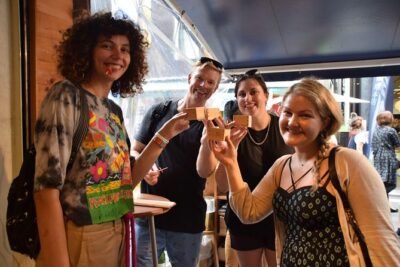
Tokyo Tsukiji Fish Market Food and Culture Walking Tour
Read our review →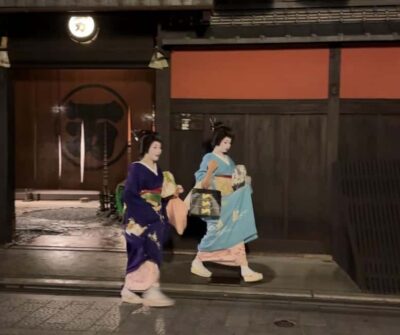
Gion Magical Night Walking Tour with Geisha Trivia
Read our review →
Imperial Palace and Shogun Historical Walking Tour
Read our review →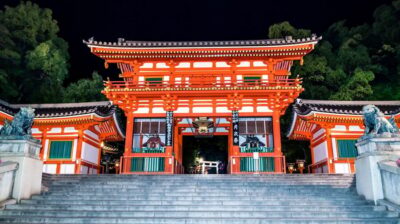
Gion Geisha District Walking Tour – Stories of Geisha
Read our review →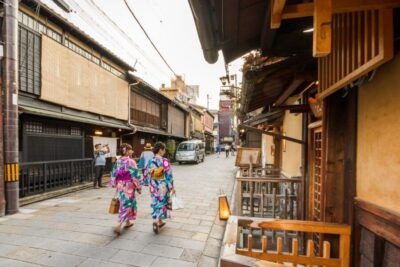
Shinjuku Local Bar and Izakaya Guided Walking Tour
Read our review →
Browse the lists this tour appears in