
Reviewed · WALKING TOURS
Kyoto: Private Customized Walking Tour with a Local Insider
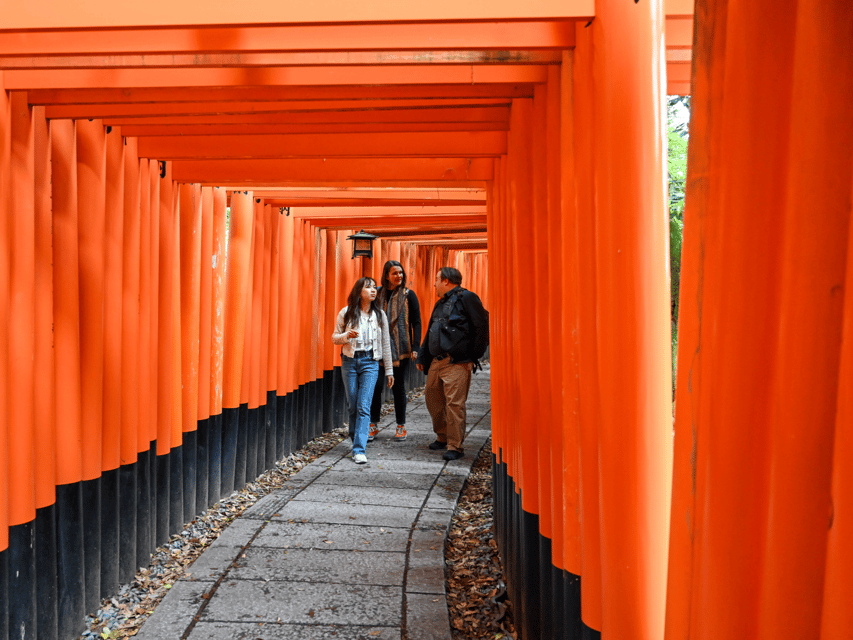
Kyoto is interesting for a reason that’s hard to explain until you walk it, the city changes block by block. What makes this experience work so well is that you get a private customized walking tour with a real local guide, not a one-size route. Guides like Pam and Kenta have been praised for making people feel genuinely cared for, and for explaining the Japan stuff that helps you notice what you’re seeing.
I also like the way you can steer the day. If food is your priority, Mia’s Nishiki Food Market stop is the kind of memorable detail that turns a temple day into a full Kyoto experience. If you want quieter corners, guides like Milos and Harun are known for taking you off the busiest paths and then adding practical tips so you can keep exploring after the tour.
One possible drawback: it’s a walking tour, and there is no private vehicle built in. You may use public transport or taxis between spots, and you should expect to pay for that separately, plus any meals you choose.
Key things to know before you book
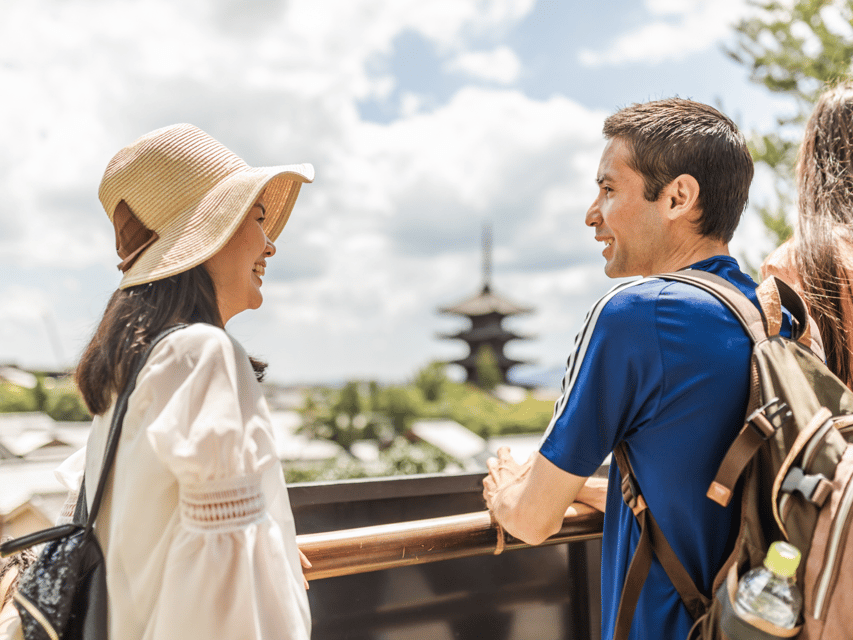
- Personal pace, not a fixed script, with a route shaped around your interests and time length
- Local food stops beyond the obvious, including Nishiki Food Market and tea or lunch recommendations
- Crowd-smart routing, with guides aiming for quieter side streets and temples
- Real help for planning your next steps, from extra temple ideas to restaurant guidance after the walk
- Guides who adapt on the fly, including accommodating needs like mobility issues and changing plans mid-tour
Why this Kyoto private walk beats a rigid checklist
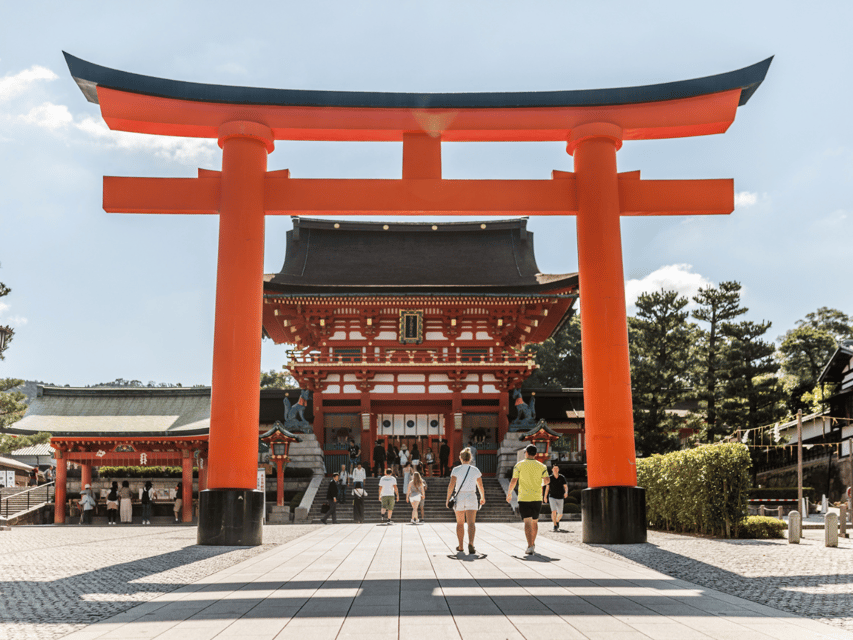
This is one of those tours that makes sense in Kyoto. The main sights are famous because they’re good, but the city rewards attention, timing, and small choices. With a private guide, you can spend your best energy where you actually care, not where a group schedule forces you.
I like that you’re not just watching. You’re talking, asking questions, and getting context while you walk. That matters in Kyoto, because half the magic is noticing details you would otherwise miss, like how neighborhoods feel different as you move, or how temple and shrine culture connects to daily life.
Also, the guide factor is huge. In these tours, some guides really lean into storytelling and others focus more on practical orientation, but the common thread in the best experiences is that the guide adjusts to you. In the feedback you’ll see names like Harun, Milos, Eiko, Hiro, and Shingo, each showing their own style while still keeping the day flexible.
More Walking Tours in Kyoto
- Kyoto Geisha Walking Tour: Gion District & Hidden Gems
★ 4.7 · 3,273 reviews - Kyoto: Gion Magical Night Walking Tour with Geisha Trivia
★ 4.9 · 2,393 reviews - Kyoto: Gion Geisha District Walking Tour – Stories of Geisha
★ 4.7 · 2,187 reviews
A quick reality check on what this is
It’s a walking experience, and that’s both the point and the limitation. You’ll cover ground on foot, then maybe hop via public transport or a local taxi between sections if needed. That can be ideal if you like strolling and chatting, but it’s not the move if you want a car-heavy itinerary.
Before you meet: how the questionnaire shapes your route
The tour starts before you ever show up. After booking, you’ll fill out a short questionnaire about your interests and personality. Then the experience provider matches you with a like-minded host, and you communicate directly with that host to shape the plan.
This is valuable because Kyoto has multiple “right” ways to see it. Some people want old-school temples and gardens. Some want the Gion atmosphere and geisha culture. Some want markets, lunch, and tea. With a customization step, you’re more likely to get a day that feels like you, not like a copy-paste itinerary.
If you’re going in with a focus, you’ll get more out of the tour. For example, guides have been praised for tailoring around what people wanted, and for handling special needs like mobility issues with grace. If you tell your guide what you can handle, you’ll usually get a route that respects your energy.
Where the tour begins: pickup options and the Sanjo meeting point
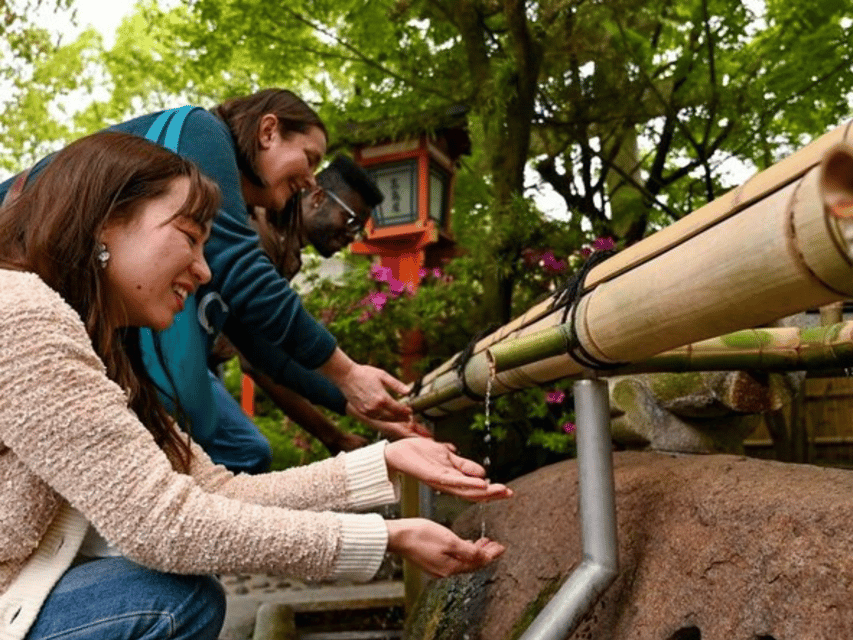
You have two realistic ways to start.
Hotel pickup can be arranged for central Kyoto hotels. If you’re not using pickup, you’ll meet at Starbucks Coffee – Kyoto Sanjo-ohashi Bridge in Nakagyo Ward. That meeting point is easy to find and helps you avoid the stress of trying to locate a temple complex as the starting “rendezvous.”
One practical tip for your mindset: treat the meeting as your kickoff for planning the day. Many guides do a quick check-in to confirm your must-sees, your pace, and your food preferences. The better that first conversation goes, the smoother the whole walk feels.
A change of pace from Kyoto:
- PERFECT KYOTO 1-Day Bus Tour
★ 5.0 · 13,518 reviews - Kyoto: Fushimi Inari, Kinkakuji, Bamboo Grove 1 Day Bus Tour
★ 4.8 · 4,316 reviews - Kyoto: Tea Ceremony in a Traditional Tea House in Kiyomizu
★ 4.9 · 3,519 reviews - Kyoto: Tea Ceremony Ju-An at Jotokuji Temple
★ 4.9 · 3,207 reviews
Temple time: from Nanzenji-area calm to Philosopher’s Path strolls
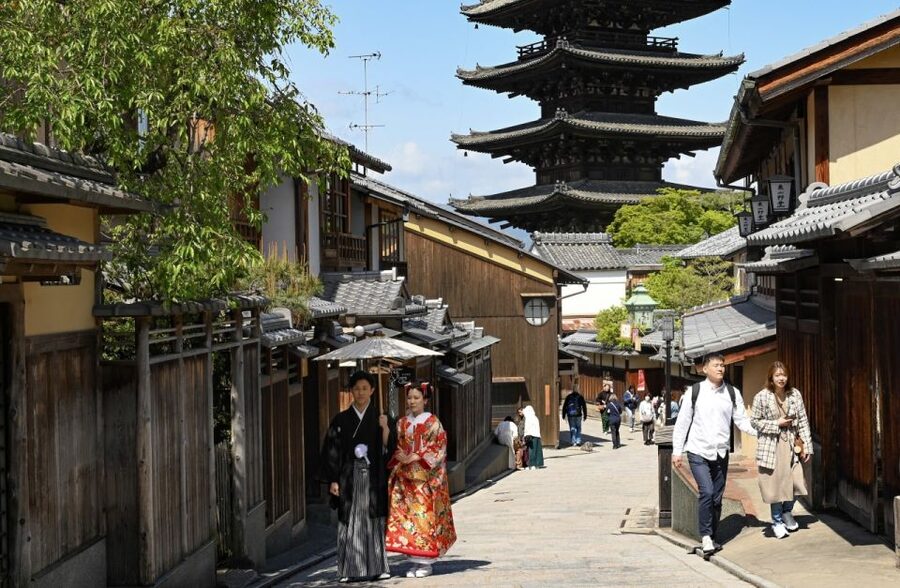
Kyoto temple days can feel like a blur when you’re moving fast and not sure what you’re looking at. This tour approach helps because your guide can translate the why behind what you’re seeing while you walk.
Depending on your interests, your route might include big-name temple areas and also smaller shrines that feel more local. Guides have been recognized for mixing major sites with quieter spots, so you can get both context and breathing room.
A couple of places that have shown up in customized routes:
- Nanzenji area, including time for matcha in a traditional tea setting (one guide experience included story-driven explanations around temple gardens and matcha)
- Philosopher’s Path, especially in cherry blossom season, paired with other iconic neighborhoods like Gion
What makes this segment work is pacing. Kyoto’s best moments often happen when you slow down enough to notice stonework, garden layouts, and the way people move through the space. With a private walk, you can linger for photos without feeling like you’re holding up a bus group.
The drawback to watch for: if your interests skew heavily toward the most famous photo stops, you can still run into crowds. The advantage here is that a good guide will try to avoid peak congestion and route you through calmer streets when possible.
Gion and old streets: getting the atmosphere without the stampede
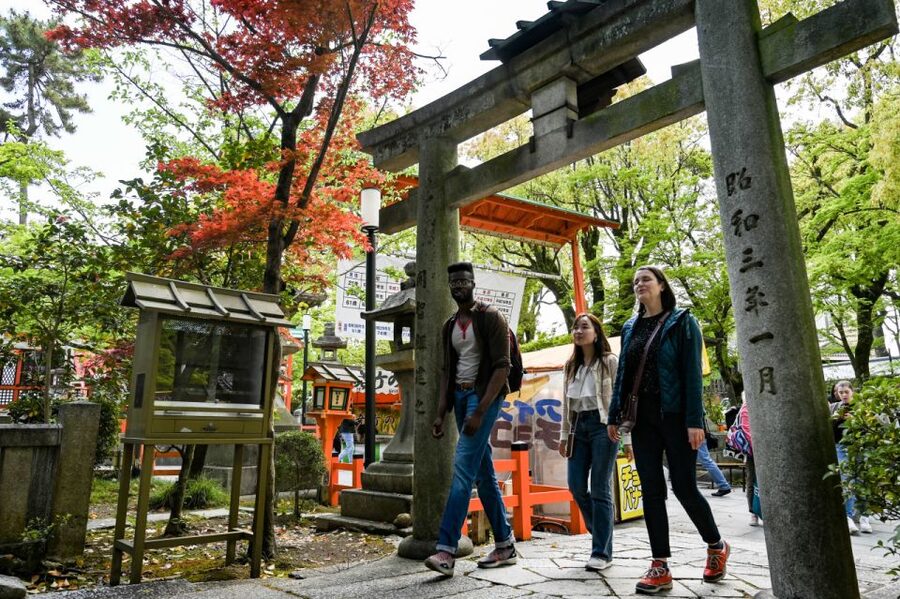
Gion is Kyoto’s postcard district, but it’s also a real neighborhood. The difference between enjoying it and feeling crushed is timing and direction. A private guide is where you gain control.
Some routes can include time wandering in Gion and nearby alleyways. In cherry blossom season, a customized plan has included pairing the Philosopher’s Path with Gion blooms, which is a smart combo if that’s what you came for.
What I like is that you’re not just walking by buildings. You’re getting cultural context on why the area feels the way it does, plus practical etiquette pointers. In one experience, a guide focused on geisha culture and tied it into broader aspects of Japanese life, which helped the district feel less like a spectacle and more like a living cultural space.
Potential consideration: Gion is popular, so you may still see crowds during peak times. The win is that your guide can help you choose the best angles, best side streets, and best time blocks within your tour length.
Food stops done the Kyoto way: Nishiki Market, matcha, and local lunch
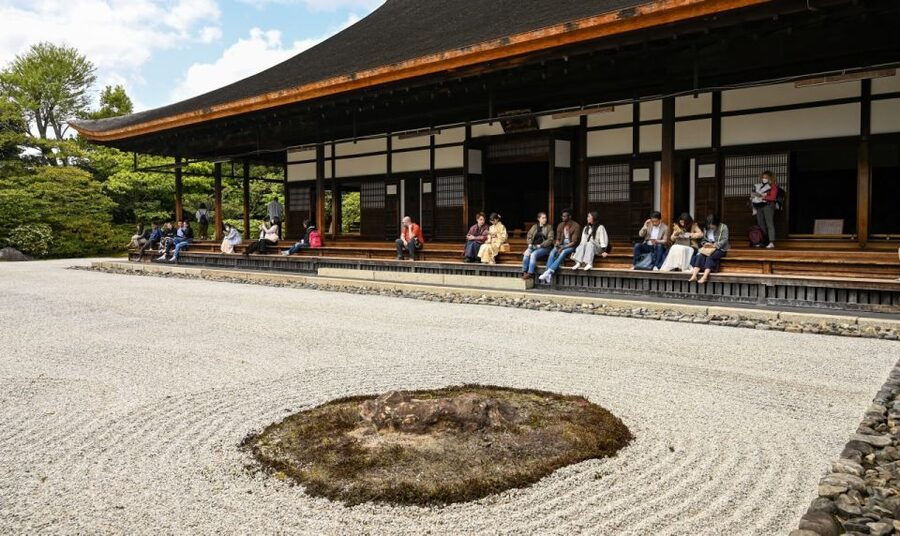
If you care about eating well in Kyoto, this tour is worth considering even if temples are your backup plan. Guides have repeatedly been praised for food guidance, including taking people to Nishiki Food Market and recommending lunch that fits preferences.
Nishiki Food Market is a strong choice early in a trip because it gives you sensory context fast. You can understand what Kyoto flavors taste like, and you’ll get a sense of what to order later on your own. One named guide, Mia, led a morning visit to Nishiki and paired it with general Kyoto insights, which is a great pairing for first-timers.
Lunch and tea can also be part of the day. Guides have been known to suggest traditional lunch options and even tea room matcha in temple settings. In another guide story, a lunch experience included dining at a tiny counter in someone’s home, the kind of moment that makes Kyoto feel personal instead of commercial.
Two practical notes:
1) Food and drinks are not included, so you control your spend.
2) Your guide can help you spend smarter, which often matters more than saving a few dollars.
If you have dietary needs, this matters a lot. One guide experience explicitly matched lunch to dietary requirements, and that kind of help can save you from the usual “search and hope” scramble.
How guides keep the day flexible, even when plans change
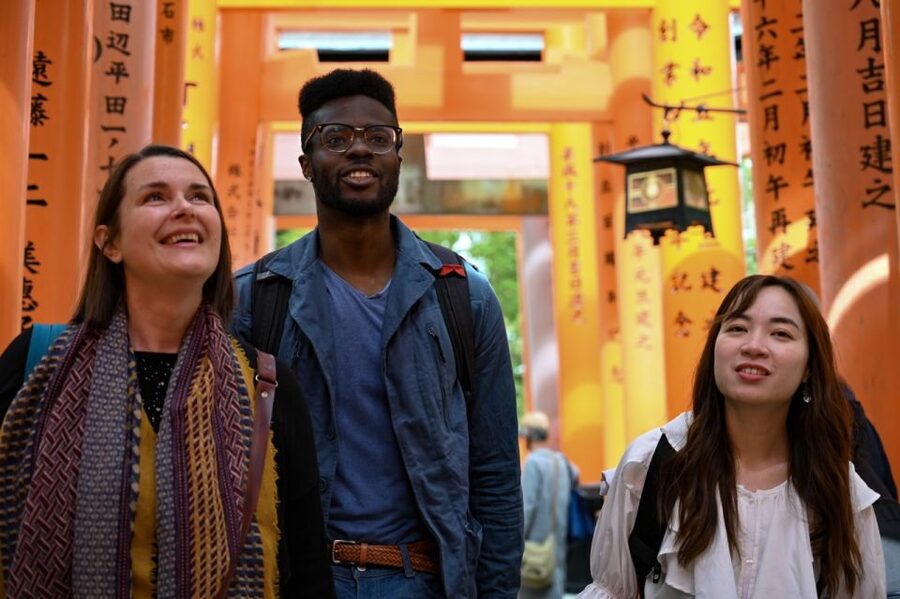
Kyoto weather, your energy, and your curiosity can all shift. The best part of this experience is that it’s set up for change.
Your host is in direct communication with you and can adjust the route based on what you want in the moment. Guides have been credited for tailoring tightly, staying late when it made sense, and helping solve real problems like missed items or transit confusion.
Examples of the kinds of flexibility that have stood out:
- Guides who checked in ahead of time to agree on a plan and then refined it during the walk
- Guides who worked around mobility issues to maximize time
- Guides who helped with practical tasks like buying items you needed and navigating trains
The value for you is simple: you get fewer dead hours. Instead of walking around wondering if you’re doing the right thing, you have someone to keep you pointed in a direction that matches your interests.
Walking-only logistics: what you should budget for
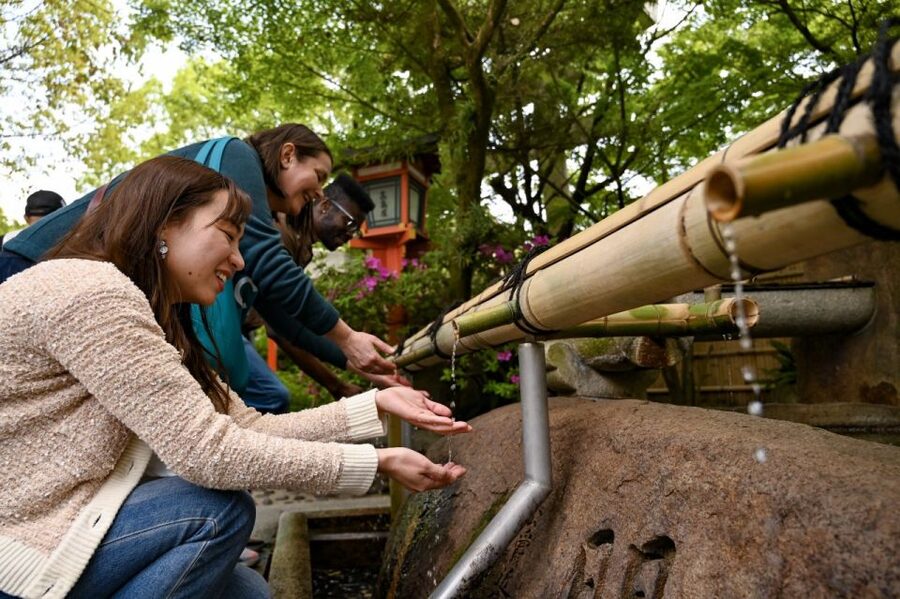
This tour includes the walking and guiding, not a private vehicle.
Between sites, you may use public transportation or local taxis, and the exact cost can be discussed with your host after your reservation is finalized. That’s normal for Kyoto, but it’s the one area where your final spend can vary.
Also, remember:
- Attraction tickets are not included.
- Additional food and drinks are not included.
The good part is that a local guide can often help you avoid wasted time on ticket confusion and can tell you what’s worth paying for versus what you can appreciate for free from the street.
Price and value: is $64 per person fair?
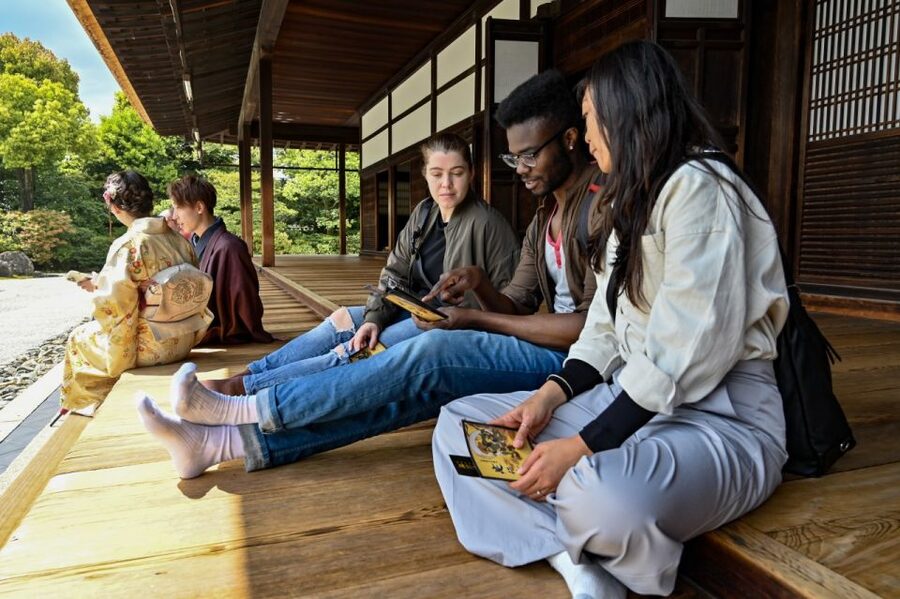
At $64 per person for a 2 to 6 hour private walking tour, the value can be strong, mainly because you’re paying for customization and a human plan.
Here’s how to think about value:
- If you’re doing DIY in Kyoto, you’ll spend time figuring out routes, translating signs, and guessing which sights match your interests.
- In this format, you pay for a guide to translate culture, adjust pace, and recommend places to eat and explore.
The tour is private, which also matters. Even two people can make this feel much more efficient than joining a big group where you’re stuck moving together.
The main cost you should plan for separately is anything outside the included scope: meals, drinks, tickets, and any transit between sites. Once you budget for those basics, the guide time usually becomes the best deal in the day, especially if you’re a first-time visitor or you want a smarter route than a generic top-10 list.
There’s also a quality signal here. The overall rating is 4.8 across 383 reviews, and the repeated praise is consistent: personalization, off-the-beaten-path choices, practical tips, and guides who are fun to spend time with.
Who this Kyoto private tour fits best
This is a great fit if you:
- Want a first taste of Kyoto with better context than a guidebook can provide
- Care about food and want restaurant and market guidance that matches your preferences
- Like walking, chatting, and adjusting plans without feeling stuck
- Prefer a day built around your pace, not someone else’s
It’s also a good option if you want help with the “how do I do this?” parts, like getting your bearings fast and understanding trains or basic logistics. Some guides have been specifically praised for that kind of support.
You might consider a different style of tour if you:
- Don’t enjoy walking or can’t comfortably move through multiple neighborhoods on foot
- Expect everything to be fully ticketed and all meals to be included
- Want a fixed, high-volume checklist with no flexibility
Final call: should you book this private customized Kyoto walk?
If your goal is to understand Kyoto while you enjoy the city, I’d book it. You’re paying for a private local host, a route built around what you want, and the kind of cultural and food guidance that makes Kyoto feel personal fast.
Book it especially if you’re the type who wants to ask questions and notice details. You’ll get more out of the day, and you’ll leave with practical recommendations for what to do next.
If you’re purely hunting for a “see everything famous” marathon, you may find the flexibility less useful. But if you want a day that feels like Kyoto, not a worksheet, this private walking approach is a smart use of your time.
FAQ
How long is the Kyoto private customized walking tour?
The duration is 2 to 6 hours, and you can choose your preferred length when booking.
Is this tour private?
Yes. It is a private group experience.
Is there hotel pickup?
Hotel pickup can be arranged for any central Kyoto hotel. If you do not use pickup, you will meet at Starbucks Coffee – Kyoto Sanjo-ohashi Bridge.
Where is the meeting point if I do not get hotel pickup?
The listed meeting point is Starbucks Coffee – Kyoto Sanjo-ohashi Bridge, in Nakagyo Ward (Kyoto Sanjo-ohashi area).
What languages are guides available in?
The guide languages are English and Japanese.
Will this tour include transportation between sights?
The tour is walking-based, and public transportation or local taxis may be used between sites. Transportation costs are not included and can be discussed with your host after your reservation is finalized.
Are food and drinks included?
No. Additional food, drinks, or attraction tickets are not included.
How does the tour get customized to me?
You complete a pre-tour questionnaire about your personality and interests. A like-minded host is assigned, and you communicate directly with them to suggest an itinerary and recommendations.
Is it possible to cancel for a refund?
Yes. Free cancellation is available up to 24 hours in advance for a full refund.
Is the tour wheelchair accessible?
Yes, the tour is listed as wheelchair accessible.
Latest write-ups near Kyoto
- Kyoto: Nishiki Market Tour with a Local Foodie & Tastings★ 4.5 · 67 reviews
- Kyoto Kimono Rental mimosa |Kimono/Yukata Rental Couple Plan★ 4.8 · 67 reviews
- Kyoto: Traditional Kimono Fabric Handicrafts Workshop★ 5.0 · 67 reviews
- Kyoto Tea Ceremony and Samurai Photo Session★ 5.0 · 70 reviews
- Kyoto: Replica food making experience★ 4.8 · 70 reviews
- Kyoto: Kinkakuji, Golden Pavilion Guided Tour★ 4.7 · 71 reviews
- Private departure transfer from Kyoto city to Kansai International airport★ 5.0 · 72 reviews
- Uji: Green Tea Tour with Byodoin and Koshoji Temple Visits★ 4.8 · 72 reviews
Walking Tours, compared.
Kyoto Geisha Walking Tour: Gion District & Hidden Gems
Read our review →
Tokyo Tsukiji Fish Market Food and Culture Walking Tour
Read our review →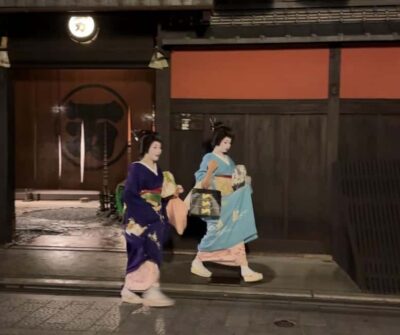
Gion Magical Night Walking Tour with Geisha Trivia
Read our review →
Imperial Palace and Shogun Historical Walking Tour
Read our review →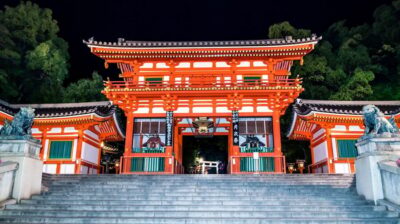
Gion Geisha District Walking Tour – Stories of Geisha
Read our review →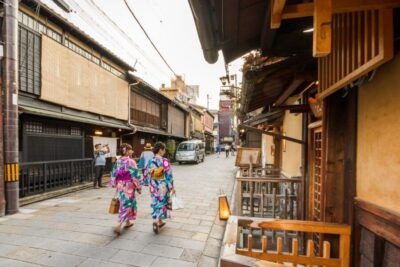
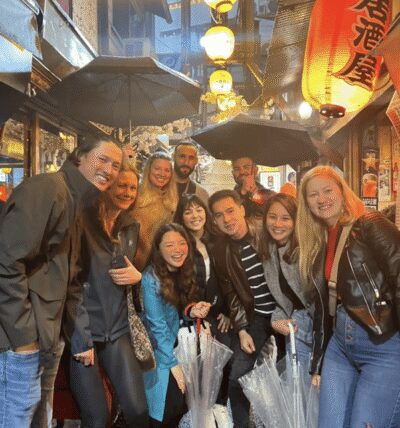
Shinjuku Local Bar and Izakaya Guided Walking Tour
Read our review →
Browse the lists this tour appears in