
Reviewed · DAY TRIPS IN KYOTO
Kyoto Private Tour: One Day Highlights and Cultural Gems
Kyoto is interesting because it rewards slow looking. In one day, you get a guided path through Gion, classic shrines, and the red torii walk at Fushimi Inari-taisha, plus time for local shopping. I love that the tour is private (just your group) and guided in English, so you get context without guessing. I also like that it uses public transportation, so you avoid the stress and cost of arranging taxis all day. One possible drawback: food is on your dime, so you’ll want a plan for lunch and snacks before the day starts.
This is also a smart format if you want culture without packing your entire schedule with extra stops. The day runs about 7 hours, with set time at each place, and the guide can adjust a bit based on your wishes. If you’re very sensitive to walking or crowds at Fushimi Inari, start thinking about comfortable shoes and timing right away.
Key Points You’ll Care About
- Private group, English guide: Easier questions, clearer meaning, less running around.
- A tight Kyoto route: Gion, Yasaka Shrine, Kennin-ji, Nishiki Market, and Fushimi Inari in one day.
- Kennin-ji admission included: One of the main paid elements is handled for you.
- Food not included: You’ll pay for lunch and drinks yourself, but you’ll get the culture around them.
- Pickup only within Kyoto City: If you’re outside the city limits, you’ll likely rely on the meeting point.
- Mobile ticket plus included photos: Small things that can save time on the day.
Why This One-Day Kyoto Route Makes Sense
A one-day Kyoto tour only feels worth it when the stops connect well. This route links several Kyoto icons in a logical flow, so you spend more time where you want to be, and less time figuring out transit.
I like that you get a blend of experiences. You’ll walk the old streets atmosphere in Gion, step into shrine space at Yasaka Shrine, visit a major Zen temple at Kennin-ji, then shift gears to the food-and-shopping energy of Nishiki Market, ending with the iconic torii corridor at Fushimi Inari-taisha. That mix helps the day feel like Kyoto, not just a checklist.
The other reason this works is that the guide does the “what am I looking at?” part. When you understand why something matters, you enjoy it more, even if you are not a shrine or temple expert.
More Day Trips in Kyoto
- PERFECT KYOTO 1-Day Bus Tour
★ 5.0 · 13,518 reviews - Kyoto: Fushimi Inari, Kinkakuji, Bamboo Grove 1 Day Bus Tour
★ 4.8 · 4,316 reviews - 10 Must-see Spots in Kyoto One Day Private Tour (up to 7 people)
★ 5.0 · 1,108 reviews
Price and Value: What You Get for $145.35
At $145.35 per person, this is not a bargain-basement group tour. It is priced like a guided day with real time at multiple major sights, plus the kind of support that makes solo planning easier.
Here’s the value math that matters: the tour includes an English-speaking guide, hotel pickup and drop-off only within Kyoto City, public transportation, and local taxes. It also includes admission to Kennin-ji Temple, while several other stops are free to enter. On top of that, you get photos of tour participants, which is a nice practical touch if you want a few good images without hunting for a random passerby.
Food and drinks are not included, and that’s actually helpful to know up front. It means you can choose lunch based on your needs, dietary preferences, and budget. One review highlights that the guide, Aki, put extra effort into finding a halal or vegetarian option in advance, which is the kind of support you only get when a guide cares about your day, not just the itinerary.
If you’re traveling with a couple or a small group, the group discount can also improve the deal. Since the tour is private, you avoid the “stand there silently and hope you asked the right question” feeling that some shared tours create.
Getting Started at Kyoto Station, Then Moving by Public Transit
You meet at Kyoto Station (Higashishiokoji Kamadonocho, Shimogyo Ward). The tour ends back at the same meeting point, which keeps the day from ending with an awkward transit scramble.
Hotel pickup is offered, but only within Kyoto City. If you’re staying outside that area, you’ll likely want to plan on getting to the station yourself. Either way, the meeting point is convenient, especially if you’re arriving by rail.
Transportation during the day is included via public transportation. That can be a good thing. Kyoto’s transit network is reliable, and using it keeps you away from traffic delays that can bite tours when everyone tries to taxi between neighborhoods.
You are also near public transportation at each major stop, which makes the route workable. Still, it’s wise to assume you’ll be on your feet for much of the day. Comfortable shoes matter more than you think.
Gion After Lunch: Tea Houses, Side Streets, and Quiet Details
Gion is the part of Kyoto that most people have in mind. For this tour, you head there after lunch, and you explore the historic district that runs around Yasaka Shrine, spreading west and north and south along the area.
You’ll get about 35 minutes there, which is enough time to get a feel for the streets without feeling like you’re sprinting. Gion has a special rhythm. Even when it’s busy, the architecture and narrow lanes make the area feel slower than the rest of the city.
If you visit in cherry blossom season, you might notice that some paths are lined with blossoms, and the whole street mood shifts. Even outside that season, look for tea houses, small storefronts, and the way the streets turn corners. The guide helps you spot what’s worth slowing down for.
A practical note: with a fixed time block, you’ll want to prioritize what you care about most. If your goal is photos, position yourself early in your walking flow so you can stop without disrupting the group. If your goal is atmosphere, keep your pace steady and let the side lanes surprise you.
A change of pace from Kyoto:
- Kyoto: Tea Ceremony in a Traditional Tea House in Kiyomizu
★ 4.9 · 3,519 reviews - Kyoto Geisha Walking Tour: Gion District & Hidden Gems
★ 4.7 · 3,273 reviews - Kyoto: Tea Ceremony Ju-An at Jotokuji Temple
★ 4.9 · 3,207 reviews - Kyoto: Gion Magical Night Walking Tour with Geisha Trivia
★ 4.9 · 2,393 reviews
Yasaka Shrine and the Gion San Festival Connection
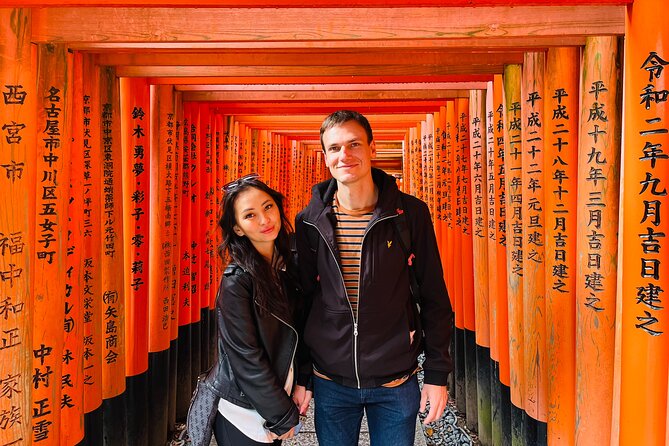
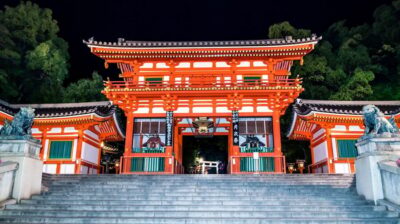
Next up is Yasaka Shrine, with about 50 minutes there. Yasaka Shrine is famous for the Gion Festival, one of Japan’s biggest festivals, and locals call it Gion San.
That festival connection changes how you look at the shrine grounds. You can treat it like a quiet stop, or you can treat it like a place with a living calendar of tradition. With a guide explaining what you’re seeing, the shrine stops feeling like a photo backdrop and starts feeling like part of community life.
The time here is long enough to walk around and get oriented. It also works well as a “reset” moment between neighborhoods. After Gion’s street feel, the shrine grounds feel different, more spacious, more still.
If you are the kind of person who likes to understand cultural context, this is one of the better stops on the day. Even if you don’t follow festivals, knowing the significance helps you enjoy the space.
Kennin-ji Temple: Oldest Zen in Kyoto, Plus Meaning
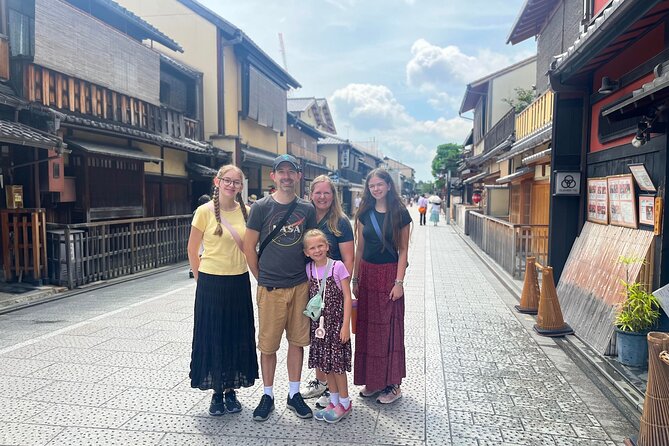
Kennin-ji gets about one hour, and admission is included. That matters because it removes one small friction point, and it signals that the stop is a core part of the experience, not a quick walk-by.
Kennin-ji is known as the oldest Zen temple in Kyoto. You’ll also hear about its connection to Eisai, who is described as the founder of the Rinzai sect. That kind of detail helps you understand why Zen temples feel structured and intentional, not random.
I like that this stop gives you a change of pace. After the street scene, you’re in temple space, with a calmer feel and a different focus. If you enjoy learning how religious spaces work, the guide can point out what to notice, and you can slow your tempo without feeling like you’re wasting time.
A possible consideration: temples can feel quiet, which means you’ll notice noise more than you expect, especially around entrances and groups passing through. Go in ready for a gentle, respectful pace, and you’ll enjoy it.
Nishiki Market Shopping District: Local Snacks and Kyoto Crafts
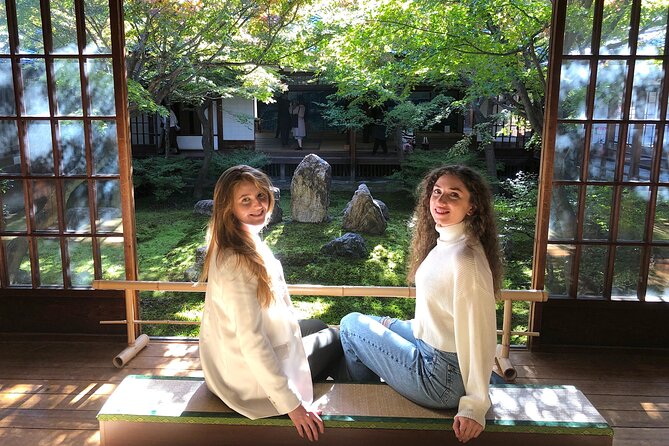
Then it’s Nishiki Market, with about 40 minutes. Nishiki is known as a local favorite shopping area, and it’s great for people who want Kyoto beyond temples.
The market includes seasonal foods like fish and fruits, along with traditional craft items that feel more specific to Kyoto than generic souvenirs. Even if you do not plan to buy much, you’ll enjoy the variety and the energy of people doing everyday shopping.
One of the best ways to use this time is not to sprint from stall to stall. Pick one or two interests, like trying a snack or looking for a small craft item, and then spend a bit longer with those.
Food is not included, so this is your chance to actually choose what you want to eat. If you have dietary needs, you’ll want to communicate them early. One review specifically praised Aki for working hard to find halal or vegetarian options in advance, which is a major plus if you hate the guessing game.
Practical tip: markets can be crowded depending on the day and time. If you want the most comfortable experience, keep your pace calm and plan on short stops instead of long conversations in the tight lanes.
Fushimi Inari-taisha: Thousands of Torii, One Guided Walk
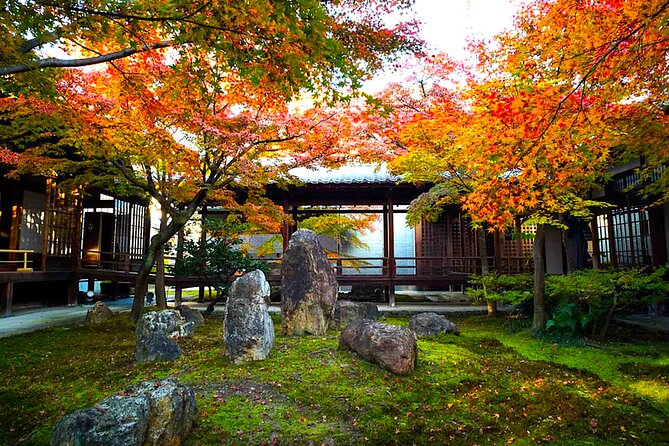
The day ends at Fushimi Inari-taisha, with about one hour. This is the famous shrine with thousands of red torii gates, and it’s one of the most recognizable places in Japan.
It can also be the most mentally tiring if you show up without a plan. What makes this tour time useful is that you’re not figuring out routes and meaning on the fly. You get context that helps you understand why the torii corridor is such a big deal.
Fushimi Inari is described as both beautiful and peaceful in certain areas, and that can be true if you move with intention. In practice, the “peaceful” part depends on where you are on the walk and how long you spend at each photo stop.
Since you only have about an hour, you’ll want to decide what you want most:
- A photo-heavy walk with stops
- A more straightforward walk focused on experiencing the corridor
- A mix, where you pick two or three key photo points and keep moving
Either way, this is a place you’ll feel in your body. The steps, the density of the torii, and the way the shrine space changes as you go are all part of the point.
How the Guide Changes the Whole Day (Aki’s Example)
One review stood out for a simple reason: Aki listened and then acted. When the group needed halal or vegetarian food, she worked on finding a suitable restaurant in advance.
That’s more than a nice extra. Kyoto can be tricky for dietary restrictions, and being able to ask questions in English helps a lot. Even if you do not have special requirements, a good guide prevents the common problem of wasting time searching while everyone else is ready to move.
Because the tour is private, the guide can tailor the rhythm to your group. The service also allows some changes to the itinerary based on your wishes, so you are not stuck feeling like you have to accept every stop as-is.
If you want a day that feels planned, not pressured, the guide support is the difference between checking boxes and actually understanding what you’re seeing.
Lunch, Food Choices, and What You Should Budget
Lunch is part of the experience flow, but food and drinks are not included. That’s important because it affects your total cost and, more importantly, it affects comfort.
You’ll have time to handle lunch on your own preferences. Since the guide speaks English and can help with planning, you can ask for suggestions and align the day with your needs.
Budget realistically for lunch and snacks. Nishiki Market is a good place to snack, and you’ll likely want at least one sit-down meal somewhere between the shrine stops and the market.
If you are traveling with dietary restrictions, ask the guide early and clearly. The Aki example shows that the guide is willing to put real effort into getting the right food option for your group.
Group Size, Flexibility, and Photo Help
This is a private tour, so it’s only your group. That matters because private does not just mean less noise. It means the guide can move at a pace that works for you.
There are also group discounts, which can make sense if you’re booking as a small party. Since you’re paying per person, the value improves when you have more people to share the guided support.
The tour includes photos of tour participants. That’s a practical inclusion, especially in places like Gion and Fushimi Inari where good shots can be hard if you’re traveling with only one phone and a crowd.
You’ll still want to bring your own camera and charge your devices, but having someone help with photos reduces the “wait in line for a stranger” feeling.
Timing: How a 7 Hour Day Really Feels
This tour runs about 7 hours. The stop times add up to several major blocks, but transit and walking between locations is part of the total.
What this means for your expectations: you’re not going to treat this like a slow, open-ended day with long museum hours. It’s structured time, and that is good if you want highlights with explanation.
The advantage is that you get a coherent route. You start around Kyoto Station, hit Gion and Yasaka Shrine, then Kennin-ji, Nishiki Market, and finally Fushimi Inari. By the end of the day, you’ll understand how Kyoto’s spiritual spaces and everyday street culture connect.
If you are planning other activities on the same day, leave some cushion. After Fushimi Inari, your feet will probably feel it, and you’ll be happy to head back to Kyoto Station.
Should You Book This Kyoto Private Tour?
Book it if you want a guided, well-paced highlights day that hits Gion, Yasaka Shrine, Kennin-ji, Nishiki Market, and Fushimi Inari-taisha without spending hours planning transit and meaning on your own.
Skip it, or at least reconsider, if you prefer food included in the price or you want longer, free-form time at each place. This tour is about efficient cultural coverage, not lingering for half-day exploration at a single site.
This is also a strong pick if you care about dietary needs. The Aki story gives you real confidence that the guide will try to help, not just shrug and say you’ll figure it out.
Finally, because this kind of Kyoto day is popular, it’s smart to plan ahead. It’s typically booked about 51 days in advance, which usually means your best chance at smooth scheduling is earlier rather than last-minute.
If you want a clear plan, English guidance, and the big Kyoto sights stitched into one day, this tour is a solid yes.
Latest write-ups near Kyoto
- Kyoto: Nishiki Market Tour with a Local Foodie & Tastings★ 4.5 · 67 reviews
- Kyoto Kimono Rental mimosa |Kimono/Yukata Rental Couple Plan★ 4.8 · 67 reviews
- Kyoto: Traditional Kimono Fabric Handicrafts Workshop★ 5.0 · 67 reviews
- Kyoto Tea Ceremony and Samurai Photo Session★ 5.0 · 70 reviews
- Kyoto: Replica food making experience★ 4.8 · 70 reviews
- Kyoto: Kinkakuji, Golden Pavilion Guided Tour★ 4.7 · 71 reviews
- Private departure transfer from Kyoto city to Kansai International airport★ 5.0 · 72 reviews
- Uji: Green Tea Tour with Byodoin and Koshoji Temple Visits★ 4.8 · 72 reviews
Day Trips in Kyoto, compared.
Fushimi Inari, Kinkakuji, Bamboo Grove 1 Day Bus Tour
Read our review →
10 Must-see Spots in Kyoto One Day Private Tour (up to 7 people)
Read our review →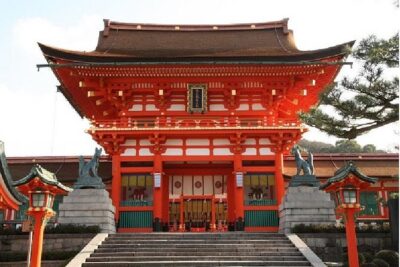
Kyoto Customized Private Tour: See Top Attractions in 1 Day
Read our review →
From Kyoto / Osaka: Kyoto Must-see Spots & Nara Park One Day Tour
Read our review →Browse the lists this tour appears in