
Reviewed · WALKING TOURS
Kyoto: Private Walking Tour with a Local
Kyoto is one of those cities where the right street can feel like a secret, even if the view is right in front of you. This private walking tour is interesting because it is designed around people, not just postcards. You walk with a local Lokafy guide who adjusts the route to your curiosity, energy level, and what you actually want to see.
I especially like two things. First, you get a no-script conversation style, so you can ask questions as you go and steer the day. Second, the tour can include practical local picks, from places to pause for photos to quieter temples and neighborhood stops that help you escape the worst crowd times.
The main drawback to consider is that this is a walking tour. If you plan to cram every major Kyoto highlight into one day, or you expect a full itinerary of fixed stops, you may feel a little frustrated because the route stays flexible and depends on your choices. Comfortable shoes matter.
Key points to know before you book

- True private pacing: no groups, no scripts, and your guide adjusts on the fly.
- Local orientation: great for first-time visitors who want context fast, not just facts.
- Crowd-smart options: routes often include spots that are less on the usual main trails.
- Conversation over lectures: you can swap topics and interests mid-walk.
- Practical add-ons: you can include an attraction if you cover relevant entrance costs for the guide.
- Easy starting points: pickup is possible from central landmarks or a nearby hotel or Airbnb in the city center.
Why Kyoto Feels Different With a Local Walk, Not a Route List
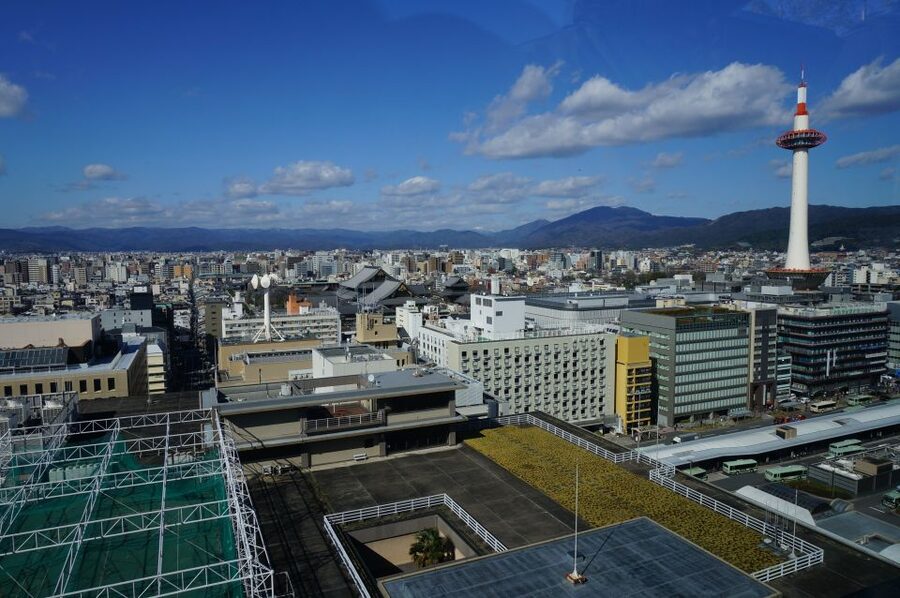
Kyoto is famous for temples, shrines, and those perfect lanes that look like they were staged. But what really makes the city click is understanding how locals move through it, when they slow down, and what they care about beyond the big-name sights.
That is where this tour shines. Your guide is not trying to get through a checklist. Instead, you talk through what you want, and the day shapes around you. If you want orientation, your guide can build a “this is how the neighborhoods fit together” story as you walk. If you come back to Kyoto for the fifth time, you still get value because the route can shift toward different micro-areas and specific interests you name.
I also like that the tone is friendly and human. Several guides are known for being warm and patient, including Nicolo, Kokoro, Agustin, Maha, Toan, and others. The consistent pattern is simple: the guide treats your time like a real hangout with a Kyoto fan, not a guided delivery of monuments.
One more thing. The tour is built around small discoveries, not just the obvious stops. A hidden courtyard café people in the area actually like, a neighborhood lane where street art and everyday life overlap, or personal stories that make one district feel distinct from the next. You may start the day thinking you just need sights, then end up caring about the streets in between.
More Walking Tours in Kyoto
- Kyoto Geisha Walking Tour: Gion District & Hidden Gems
★ 4.7 · 3,273 reviews - Kyoto: Gion Magical Night Walking Tour with Geisha Trivia
★ 4.9 · 2,393 reviews - Kyoto: Gion Geisha District Walking Tour – Stories of Geisha
★ 4.7 · 2,187 reviews
Where You Start Matters: Pickup Options in the Kyoto City Center
Meeting up for a walking tour is either smooth or it becomes a hassle. This one gives you a couple of workable starting points.
You have two specific pickup location options listed, including MACCHA HOUSE Kyoto Kawaramachi and 京都市文化市民局 男女共同参画推進課. If you prefer to start closer to where you are staying, you can begin right from your hotel lobby or just outside your Airbnb, as long as it is a centrally located landmark or intersection within the city center.
Practical tip: if your lodging is near a train station but not exactly on a major intersection, pick a landmark you and your guide can both identify quickly. Kyoto is full of side streets, and a “close enough” meeting point can cost you time when you are doing a tight half-day walk.
Also, because pickup is within the city center, it is usually best to treat this tour as your plan for neighborhoods on foot. If you want to reach farther out spots, plan to use the optional transit or taxi option during the walk, or ask about a private car if you prefer that level of comfort.
A Half-Day That Actually Adjusts: Photo Stops, Street Life, and Quiet Detours
The tour description sets expectations clearly: you will do a guided tour and walk with scenic views along the way, plus a photo stop. What makes it feel special is how flexible those pieces become once you and your guide talk about your interests.
You might start with the kind of photo moment Kyoto does well, then your guide can steer the next stretch based on your mood:
- If you want cultural context, you may find yourself at a temple or shrine in a less crowded pattern than the first thing everyone tries.
- If you like food breaks, your guide can point you toward a spot locals actually enjoy, such as a courtyard café style stop that feels away from the main flow.
- If you care about contemporary Kyoto too, you may route through areas where street art and neighborhood culture show up in plain sight.
Some named examples from guide styles show how varied the outcomes can be. Agustin is noted for taking people to a temple that was not on the main tourist trail, which is exactly the kind of shift that makes the day feel tailored. Maha is described as taking people to a favorite restaurant in a village next to the river, and also being mindful when traveling with a baby. Toan is associated with hiking to the top of Fushimi Inari Shrine and combining temple and market time, which is the kind of “mix the icons with real local browsing” plan you cannot easily do on your own without research.
None of this means every tour becomes a multi-stop adventure packed with temples. It means your guide can choose what fits you. If you want a calmer pace with fewer long climbs, you should say so early. If you want the opposite and you love walking, tell your guide and they can plan accordingly.
How the Walk Usually Plays Out in 3 to 6 Hours
With a 3 to 6 hour range, the big question is how you avoid ending up with either too little time or too much fatigue. The best way to think about it is that you are buying a flexible framework, not a rigid route.
Here is a realistic way to frame the day:
- Pickup and first orientation: you meet centrally, then the guide starts with context and direction as you walk.
- Photo stop and scenic lanes: you pause for images, then keep moving through streets that let you actually see the neighborhood rhythms.
- Main stops based on your interests: temples, shrines, markets, or cultural corners, chosen to match what you care about most.
- Optional transit or taxi hops: if the route needs it, you can take public transportation or a taxi during the tour at your own expense.
- Close with practical guidance: the best guides use the day to set you up for the rest of your Kyoto visit, including where to browse next.
That last part can be quietly valuable. One guide is described as emailing extra researched notes afterward for a museum exhibition and an antique shop for Japanese netsuke. Another guide is credited with helping plan transport and even assisting with practical errands like figuring out stores. Even if your day does not include an attraction visit, this kind of “what to do next” guidance can save you time later.
Potential drawback to keep in mind: because the tour is customized, you should not expect the same exact sequence every time. If you need a highly structured day with guaranteed specific monuments in a fixed order, you may want to build a backup plan. For most people, though, the flexibility is the point.
A change of pace from Kyoto:
- PERFECT KYOTO 1-Day Bus Tour
★ 5.0 · 13,518 reviews - Kyoto: Fushimi Inari, Kinkakuji, Bamboo Grove 1 Day Bus Tour
★ 4.8 · 4,316 reviews - Kyoto: Tea Ceremony in a Traditional Tea House in Kiyomizu
★ 4.9 · 3,519 reviews - Kyoto: Tea Ceremony Ju-An at Jotokuji Temple
★ 4.9 · 3,207 reviews
Crowd-Smart Timing and the Value of Getting Lost On Purpose
Kyoto can feel like two cities. There is the Kyoto you see in the brochures, and then there is Kyoto you experience when you walk a little differently.
A big strength of this tour is that it can help you escape the harshest crowd patterns. That does not mean you will never see people. It means your guide can choose routes and timing that let you breathe and look. Agustin taking people to a temple outside the main tourist trail during autumn color season is a good example of how this can matter. You are not just chasing beauty. You are also protecting your ability to enjoy it.
Another crowd-friendly advantage is the human pacing. When you decide to stop for a story, a photo, or a short snack, you are not stuck waiting for a group to regroup. The tour stays at your pace, which helps you avoid the feeling of being rushed.
A practical note. This is a walking tour, so you should expect to cover real distance. If you have mobility limitations, the tour is listed as wheelchair accessible, and one guide is specifically noted for planning well for a wheelchair traveler with limited mobility. Still, you will want to tell your guide what your walking stamina looks like so they can steer the route.
Price and Value: Is $82 Per Person Worth a Private Kyoto Walk?
Let us talk money plainly. The tour costs $82 per person and runs 3 to 6 hours. That is not the cheapest way to see Kyoto, but it is also not in the “only for splurges” category.
The value comes from three places:
- Private time: You are not competing with a group schedule.
- Customization: You spend your hours on what you actually asked for, whether that is temples, street culture, markets, or a food stop.
- Local guidance: Your guide helps with more than where to go. They help with how to move, when to pause, and what to prioritize.
What is not included matters for budgeting. Entrance fees are not included, meals and drinks are not included, and transportation around the city is also not included. If you include an attraction visit, you will need to cover entrance costs for the local guide. That detail can surprise people, so it is worth planning for if you want paid sites.
If you compare this to group tours that may feel rigid, the private nature usually wins for couples, families, and solo travelers who want more conversation and less waiting. It also makes sense if you care about avoiding the most packed patterns and want a guide to react to your interests as the day changes.
Picking the Right Guide Style for Your Day
The tour is run through Lokafy, and the key variable is your guide match. You will have Spanish, English, or German available, which helps a lot if you want smooth conversation instead of pointing and nodding.
From the names tied to positive experiences, you can see a pattern: the best-fit guides are flexible, friendly, and willing to tailor the day after hearing your interests. Nicolo is praised for being helpful and accommodating. Maha is noted for humor and for adjusting to family needs, including helping a 13-year-old practice speaking French. Toan is highlighted for patience and planning a mix of major sights with market time. Agustin is credited with taking people to off-trail spots and following up with researched info afterward.
You do not need your guide to be a walking encyclopedia. You do need someone who can listen and adapt. This tour is built for that style.
Practical Tips Before You Go (So You Get the Most From Walking Time)
To make the day feel like it belongs to you, do three things before you meet:
- Tell your guide your top 3 interests, not just your wish list of famous sites.
- Mention your pace needs. If you want a calmer route, say so. If you want to hike up stairs and keep moving, say so too.
- Decide early if you want paid attractions. If yes, plan for entrance costs since those are not included, and the local guide entrance cost may apply.
Also, bring comfortable shoes. Kyoto footwear mistakes are easy because the streets are uneven in places and you will be walking more than you think. If you anticipate shopping stops, bring a small bag you can carry without stress.
If you want help with transport planning, guides have a track record of being useful with transit and meeting logistics, including taking pictures of meeting spots and helping with train planning. Even if you do not use that support, it can reduce stress.
Should You Book This Kyoto Private Walking Tour?
Book it if you want a Kyoto day that feels personal. This is a great choice when you care about real conversations, prefer no groups, and want a guide to steer you toward quieter, more meaningful stops like temples and shrines that do not always sit on the top of every identical itinerary.
Skip it, or at least be cautious, if you want a fixed, guaranteed monument-by-monument checklist and you hate walking. Also, if you are mainly interested in paid attractions, go in with a clear budget because entrance fees and the guide entrance cost are on you, plus meals and local transit costs.
If your ideal Kyoto day is part sightseeing, part wandering, and part asking questions, this private walk is a strong bet.
FAQ
How long is the Kyoto private walking tour?
It lasts 3 to 6 hours. Starting times vary, so you should check availability for the exact time window.
How much does the tour cost?
The price is $82 per person.
Is this tour a group tour?
No. This is a private group tour, with no groups in the usual sense.
Where does pickup take place in Kyoto?
Pickup options include MACCHA HOUSE Kyoto Kawaramachi and 京都市文化市民局 男女共同参画推進課. You can also begin from your hotel lobby or just outside your Airbnb if it is a centrally located landmark or intersection within the city center.
What languages are available for the guide?
Guides are available in Spanish, English, and German.
What is included, and what is not?
Included is a local guide and a customized private walking tour. Not included are entrance fees, personal expenses, optional activity costs, meals and drinks, and transportation around the city.
Do I have to pay for transportation during the tour?
You can choose to take public transportation or a taxi during the walking tour at your own expense. You can also advise if you want a private car included.
Can I request a specific time for the tour?
Yes, you can request a specific time.
Is the tour wheelchair accessible?
Yes. The tour is listed as wheelchair accessible.
What is the cancellation policy?
You can cancel up to 24 hours in advance for a full refund.
Latest write-ups near Kyoto
- Kyoto: Nishiki Market Tour with a Local Foodie & Tastings★ 4.5 · 67 reviews
- Kyoto Kimono Rental mimosa |Kimono/Yukata Rental Couple Plan★ 4.8 · 67 reviews
- Kyoto: Traditional Kimono Fabric Handicrafts Workshop★ 5.0 · 67 reviews
- Kyoto Tea Ceremony and Samurai Photo Session★ 5.0 · 70 reviews
- Kyoto: Replica food making experience★ 4.8 · 70 reviews
- Kyoto: Kinkakuji, Golden Pavilion Guided Tour★ 4.7 · 71 reviews
- Private departure transfer from Kyoto city to Kansai International airport★ 5.0 · 72 reviews
- Uji: Green Tea Tour with Byodoin and Koshoji Temple Visits★ 4.8 · 72 reviews
Walking Tours, compared.
Kyoto Geisha Walking Tour: Gion District & Hidden Gems
Read our review →
Tokyo Tsukiji Fish Market Food and Culture Walking Tour
Read our review →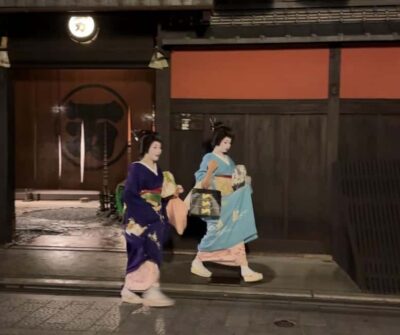
Gion Magical Night Walking Tour with Geisha Trivia
Read our review →
Imperial Palace and Shogun Historical Walking Tour
Read our review →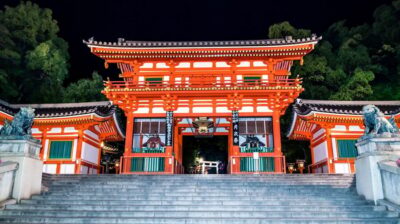
Gion Geisha District Walking Tour – Stories of Geisha
Read our review →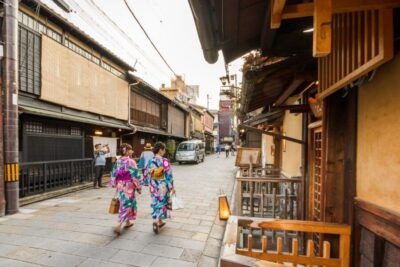
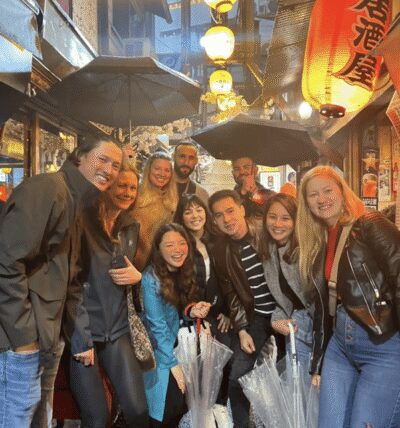
Shinjuku Local Bar and Izakaya Guided Walking Tour
Read our review →
Browse the lists this tour appears in