
Reviewed · KIMONO EXPERIENCES
Kyoto: Kimono Tea Ceremony with Matcha and Sweet
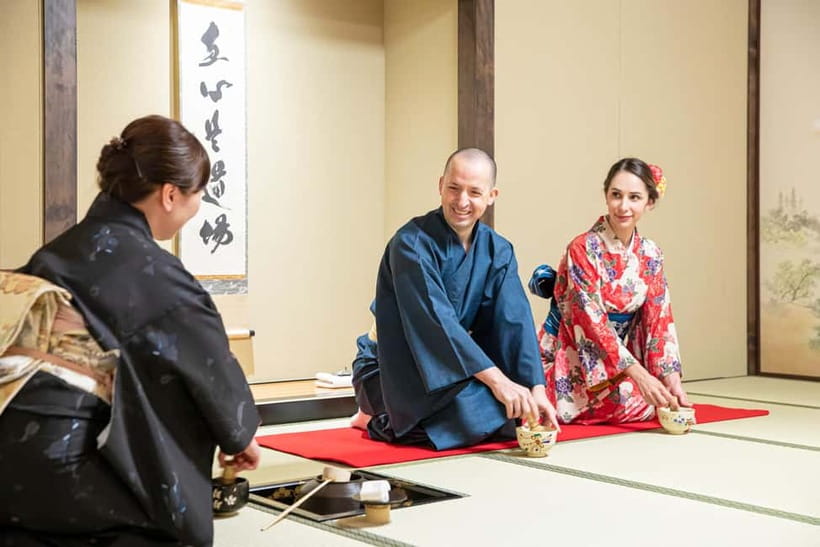
This Kyoto experience is interesting because you get culture in your hands, not just through stories. You choose a kimono, learn the tea ritual, then make your own matcha with guided steps in a traditional tea room.
I especially like the combination of kimono dressing plus real tea instruction, because it makes the whole ritual feel personal. I also love that the session is paced for an English speaker, with bilingual support and a tea master explaining the meaning behind each movement.
One thing to consider is that your time is structured, so if you want extra personal time for makeup or hair touch-ups, the kimono dressing portion may feel a bit tight.
Key things you will notice right away
- Kimono fitting first, with staff helping you get into the right look and feel
- Small group size around 12 to 14 participants, which keeps questions from getting lost
- Tatami seating is traditional, but you can request chairs (including bamboo chairs with advance notice)
- Hands-on matcha whisking using premium matcha, not just watching
- Seasonal wagashi sweets served alongside the tea
- The Zen ideas of Wa, Kei, Sei, Jaku are explained and tied to the ritual
First Step: Choosing a Kimono and Getting Dressed With Care
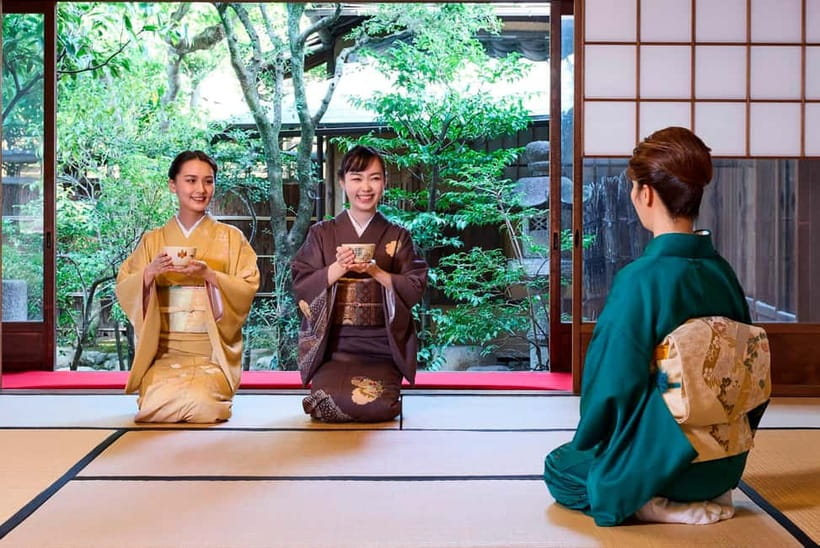
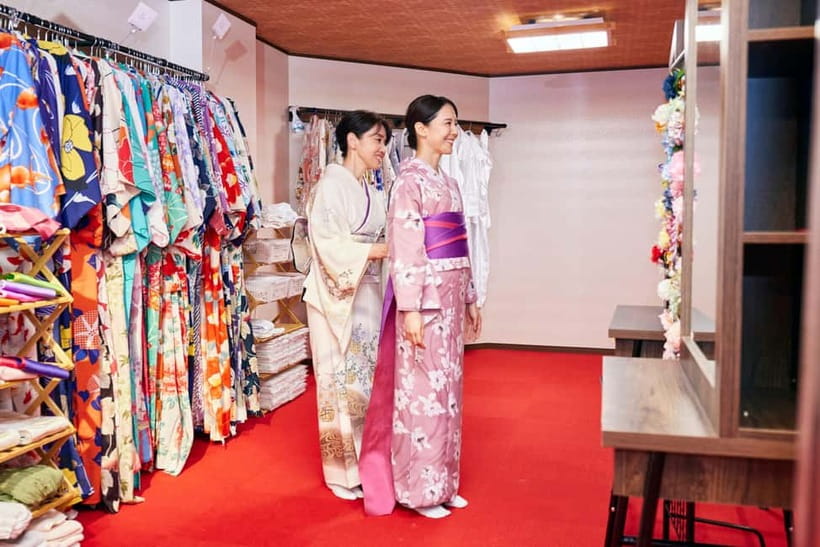
The session starts before the tea room, with kimono selection and dressing. This matters more than you might think, because the kimono is part of the etiquette lesson. When you wear it correctly, you naturally move with more intention, and the ceremony makes more sense.
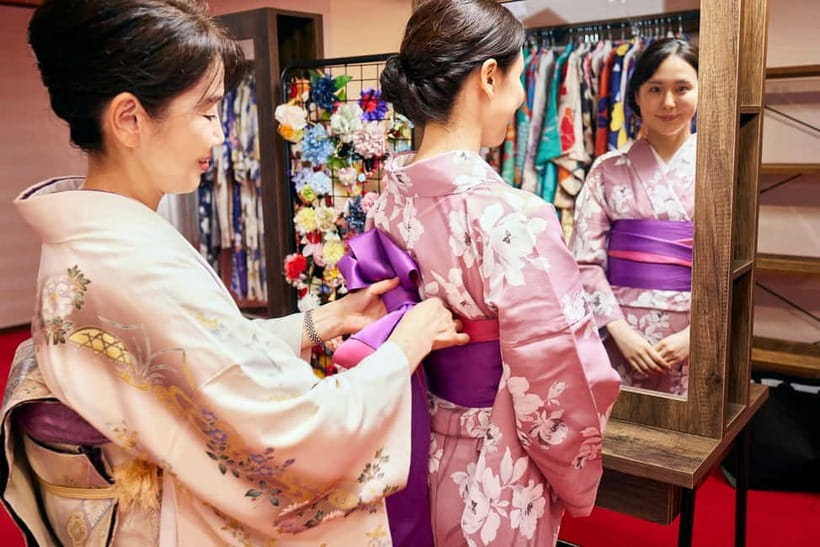
They help with the full dressing process so you do not feel like you are wrestling a costume. For women with long hair, hair styling is included, and you may also have the chance to add hair details like small flower accents, depending on the session. Some people also like that the process includes little extras that make you feel truly prepared for the look.
Expect to spend time getting the fit and finishing right, including tying the obi. Reviews often highlight patience during the fitting, and that is the right energy here. Rushing kimono dressing is a fast way to feel uncomfortable, and discomfort will ruin your tea focus.
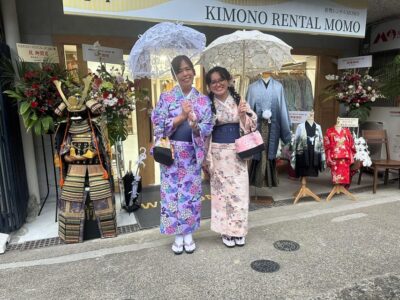
You will also get practical photo time. Since you are dressed in a traditional outfit, this is one of those experiences where the pictures are not just a souvenir, they are part of how you remember the feeling of being in Kyoto tradition for a short window.
More Kimono Experiences in Kyoto
- Kimono Tea Ceremony at Kyoto Maikoya, NISHIKI
★ 5.0 · 911 reviews - Kyoto: Kimono Rental with Hairstyling and Accessories
★ 4.8 · 653 reviews - Kyoto: Kimono Tea Ceremony at Orizuruya Gion
★ 4.9 · 618 reviews
Inside the Tea Room: Tatami Comfort and Chair Options
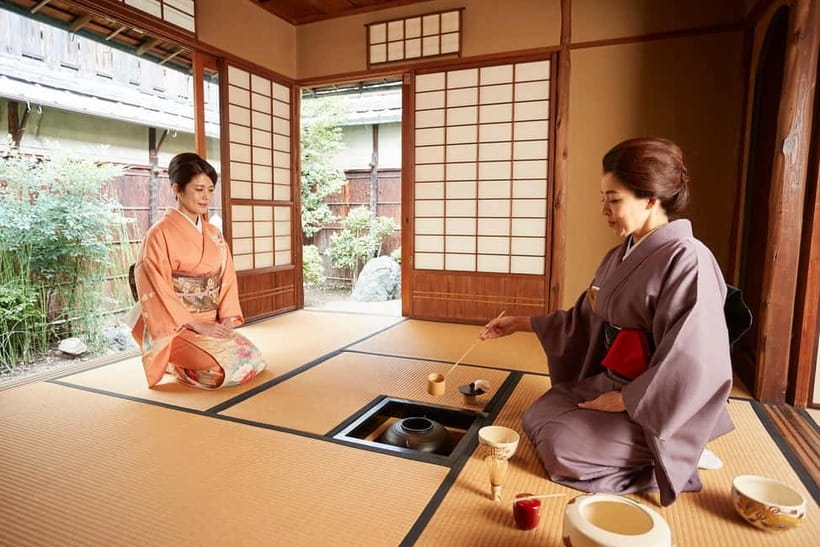
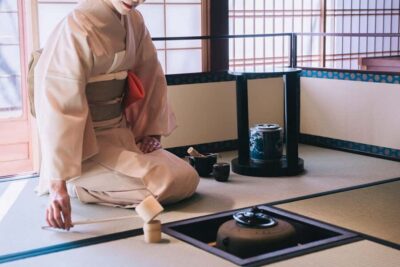
Once you are dressed, you move into a traditional tea room where the tools and utensils are arranged for the ritual. The room setup is calm, but it is also functional, and everything has a place. That is where the ceremony’s choreography begins.
Tatami seating is customary, which means you will likely sit on the floor. If you want a chair, that is available by request, and bamboo chairs can be requested in advance for people who prefer not to sit on tatami mats. This is a big deal for comfort, especially if you already have tired legs from Kyoto walking.
I like that the staff explicitly makes comfort a priority. It signals that the goal is your ability to participate, not your willingness to suffer for authenticity. Tea is about steady focus, so a sore body will fight the experience.
Also note the session length reality. The event is described as about 90 minutes, but the tea ceremony itself can run about 90 to 120 minutes depending on the pacing. That means you should plan to be un-rushed, with enough time to settle in after the kimono dressing.
Learning the Ritual: Tools, Etiquette, and Wa Kei Sei Jaku
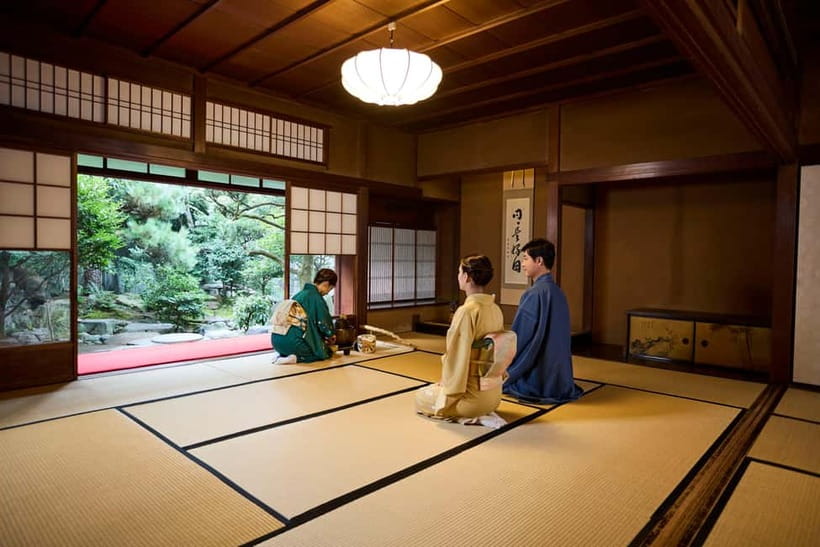
The tea master guides you through what to watch and what to understand. You learn the history behind the tools and the etiquette that shapes how each step is done. This is not just a list of rules, it is the logic behind why people move the way they do.
The Zen principles are a key thread through the explanation. You will hear and practice the ideas of Wa (harmony), Kei (respect), Sei (purity), and Jaku (tranquility). When these are explained clearly, the ceremony stops feeling like a performance and starts feeling like a small ritual you could repeat at home.
In English sessions, the guidance is structured so you can follow without feeling lost. Some tea masters and hosts in these types of sessions are known for being patient with English explanations, and names like Maki and Megumi show up in the experience you are likely to get. If your host speaks slowly and checks that you are following, you will feel the difference immediately.
A good sign is when the teaching includes meaning. For example, etiquette is not there to make you stiff, it is there to keep the space peaceful and predictable for everyone sharing it. When you understand that, you stop worrying about doing everything perfectly and you start paying attention to the flow.
Your Hands-On Matcha Moment With Premium Powder
Now the best part for many people: you make your own bowl of matcha. You are not just tasting, you are doing. The matcha you use is described as premium, and that matters because the quality shows up in color and taste, and it makes the whisking feel more rewarding.
A tea master shows the detailed steps first, then you follow along. The ritual uses specific tools, and you learn what each one is for and how to handle them with care. That hands-on participation is one reason these ceremonies can feel more memorable than a typical museum-style activity.
As you whisk, focus on two things: consistency and calm. The goal is to get that frothy texture, which is not instant in real life. If you rush, you often end up with a bowl that tastes fine but looks flat. If you slow down and follow the motion, you get the classic result.
I also like that the session is guided rather than vague. When staff and the tea master coach your grip and movement, you are not left guessing. In an experience like this, it is the coaching that turns matcha from a drink you buy into a technique you actually understand.
More Tea Ceremonies in Kyoto
- Kyoto: Tea Ceremony in a Traditional Tea House in Kiyomizu
★ 4.9 · 3,519 reviews - Kyoto: Tea Ceremony Ju-An at Jotokuji Temple
★ 4.9 · 3,207 reviews - Kyoto: 45-Minute Tea Ceremony Lesson Experience
★ 4.3 · 2,378 reviews - Kyoto: Table-Style Tea Ceremony at a Kyo-Machiya
★ 4.9 · 1,211 reviews
Wagashi Sweets: Seasonal Details You Should Taste Like a Lesson
Before or alongside the matcha, you are served traditional Japanese sweets called wagashi. The flavor, color, and design change with the seasons, and that seasonal shift is not decorative. It is part of the mindset of noticing time and nature in everyday moments.
Wagashi often pairs with matcha in a balancing way. The tea is often a bit bold and grassy, and the sweets help round out the experience. The seasonal designs also give you something to observe while you drink, which makes it easier to stay present.
This is one of those parts where you will probably be happier if you do not try to rush through it like a snack. Instead, take a bite slowly, then sip your matcha, and notice how the taste changes. The point is not speed, it is attention.
Group Size, Timing, and What 90 Minutes Really Feels Like in Kyoto
The experience runs about 90 minutes, and you should expect the tea portion to take roughly 90 to 120 minutes in total across the session flow. That timing matters because Kyoto has a lot of movement energy, and tea is the opposite. You will want to arrive with enough breathing room to slow down.
The group is intentionally small, around 12 to 14 participants. That size is big enough to feel lively but small enough for your questions to land. It also means the tea master can keep everyone on track when teaching etiquette and whisking steps.
If you are coming from another Kyoto activity, I recommend you do not schedule something physically demanding right after. Your body is going to sit, kneel, and shift in a new way, even if you request a chair. Plan something light afterward, like a short walk where you can digest the experience.
Also remember that transportation is not included. You will need to get to the venue on your own. In Kyoto, that can be as simple as a short taxi or train hop, but it is still on you, so I would build in extra time.
Price and Value: What $66 Buys Beyond a Short Activity
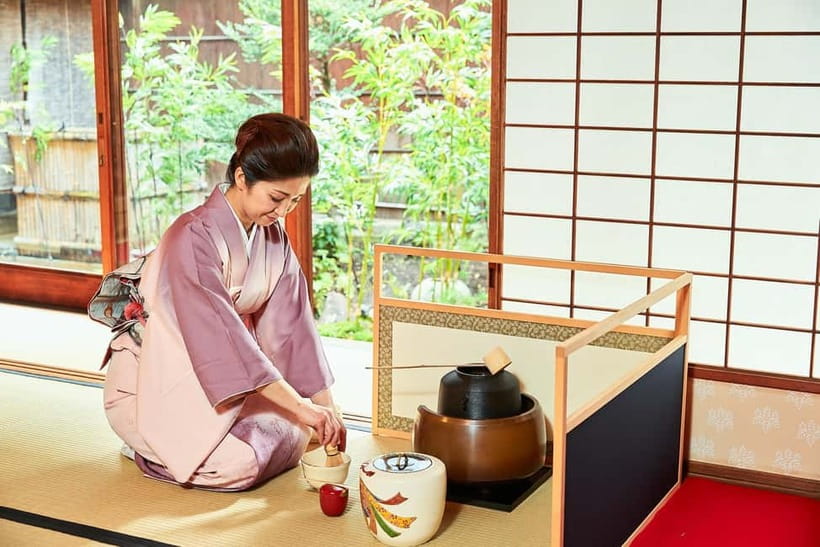
At $66 per person for roughly 90 minutes, this is not a budget impulse buy. But it also is not just a show you watch. You get kimono dressing, English-led tea ceremony guidance, hands-on matcha preparation, and Japanese sweets, plus staff support that includes bilingual assistance.
If you price out the components, it starts to make sense. Kimono dressing alone can cost a meaningful chunk of your day budget in Kyoto. Here, you are adding premium matcha, a structured lesson in etiquette and tools, and seasonal wagashi, all within the same time block.
The value also comes from what you learn. You are not just learning that tea exists, you are learning why specific steps matter. That is the kind of cultural understanding you can carry with you and actually use later, whether you whisk matcha at home or just understand how people practice mindfulness in daily rituals.
Also, the group size helps the value. In larger, cheaper experiences, you often get less coaching. Here, the smaller group supports a smoother flow and more chances to participate.
Who Should Book This Kyoto Kimono Tea Ceremony
This is perfect if you want a true cultural activity in Kyoto that feels calm and structured. It suits couples, solo travelers, and anyone who likes learning through doing.
It is also a strong choice if you enjoy photography and want kimono pictures that feel integrated into the experience. You get photo time in kimono, before and after the ceremony, which makes the outfit feel like part of the ritual rather than a quick rental photo stop.
You should think twice if you do not want to sit on the floor. Tatami seating is customary, and chairs are available by request, including bamboo chairs with advance notice. If you have any knee issues or prefer a higher seat, plan ahead so you do not spend the ceremony uncomfortable.
Children under 7 are not allowed, so this is more of an adult-oriented cultural experience. That is also helpful because the pace is set for quiet attention and technique.
Practical Tips That Make Your Matcha Go Smoothly
First, wear clothing that is easy to remove and re-dress for the kimono fitting. You are going to change into a robe setup, so anything complicated can slow the process down.
Second, tell the staff about seating needs before the session starts. If tatami mats are not your thing, request wooden or bamboo chairs in advance. This is the simplest way to protect the relaxed mood you came for.
Third, treat the ceremony like a mini mindfulness exercise, not a checklist. If you focus on breathing and steady movement, the whisking process becomes easier, and the etiquette lesson clicks faster.
Finally, if you wear glasses or have anything you need removed for comfort, handle it during the kimono fitting portion so you do not interrupt the ritual later. You want to stay present, and your host will appreciate a smooth transition.
The Bottom Line: Should You Book?
I think this is a smart booking if you want a Kyoto experience that combines cultural education, hands-on technique, and a kimono moment that feels meaningful. The matcha making is the main event, and the Zen framing of Wa, Kei, Sei, Jaku is what keeps it from turning into a tourist workshop.
You should book if you like structured guidance, want to learn etiquette and tools, and enjoy seasonal details like wagashi. You might skip it if you only want to watch someone else do everything, or if you strongly prefer a very chair-based experience with minimal sitting.
If you are in Kyoto and you want one activity that feels different from temples and street food lines, this hits the sweet spot: culture you participate in, not just culture you look at.
FAQ
How long is the Kyoto kimono tea ceremony experience?
The experience is about 90 minutes, and the tea ceremony itself lasts approximately 90 to 120 minutes.
What is included in the price?
You get kimono dressing, a traditional tea ceremony led by a tea master, hands-on matcha preparation, Japanese sweets (wagashi), bilingual staff assistance, and hair styling for women with long hair.
Is transportation to and from the venue included?
No. Transportation to and from the venue is not included.
Can I request a chair if I do not want to sit on tatami mats?
Yes. Wooden chairs are available upon request, and bamboo chairs can be requested in advance for guests who prefer not to sit on tatami mats.
Is there English guidance?
Yes. The instructor is English, and staff provide bilingual assistance.
Are children allowed?
Children under 7 are not allowed.
How many people are in the session?
Sessions are typically about 12 to 14 participants.
Do I just watch, or do I make matcha?
You make your own bowl of matcha as part of the experience. The tea master guides you through the steps.
Are the sweets the same every time?
No. The wagashi are traditional Japanese sweets that change with the seasons in flavor, color, and design.
What is the cancellation policy?
You can cancel up to 24 hours in advance for a full refund.
Latest write-ups near Kyoto
- Kyoto: Nishiki Market Tour with a Local Foodie & Tastings★ 4.5 · 67 reviews
- Kyoto Kimono Rental mimosa |Kimono/Yukata Rental Couple Plan★ 4.8 · 67 reviews
- Kyoto: Traditional Kimono Fabric Handicrafts Workshop★ 5.0 · 67 reviews
- Kyoto Tea Ceremony and Samurai Photo Session★ 5.0 · 70 reviews
- Kyoto: Replica food making experience★ 4.8 · 70 reviews
- Kyoto: Kinkakuji, Golden Pavilion Guided Tour★ 4.7 · 71 reviews
- Private departure transfer from Kyoto city to Kansai International airport★ 5.0 · 72 reviews
- Uji: Green Tea Tour with Byodoin and Koshoji Temple Visits★ 4.8 · 72 reviews
Kimono Experiences, compared.
Sumo Show & Experience w/ Optional Kimono & Hot Pot
Read our review →
KYOTO Tea Ceremony with kimono near by Imamiya Jinjya Shrine
Read our review →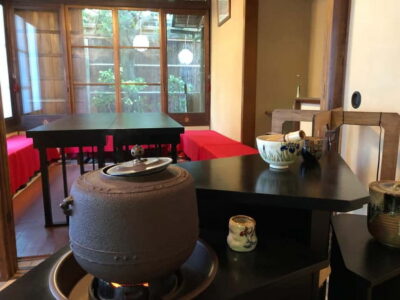
Kimono and Tea Ceremony Experience at Cultural Asset
Read our review →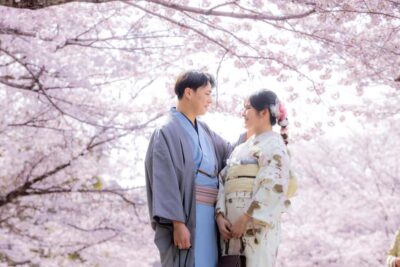

Browse the lists this tour appears in