
Reviewed · KIMONO EXPERIENCES
KYOTO Tea Ceremony with kimono near by Imamiya Jinjya Shrine
Kyoto can feel serious and structured, then this experience adds beauty and calm. You get dressed in an authentic kimono with hands-on help, then you sit for a traditional tea ceremony near Daitoku-ji that feels quietly ceremonial, not just staged. I especially like the Nishijin kimono selection and the way the guide explains tea ceremony history and manners in plain language. The main thing to consider is that the event runs in about 1 hour 30 minutes, and it’s a bit structured, so if you hate routines, you may find the timing tighter than expected.
Two other details make it extra fun: you’ll get help with hair before the ceremony, and you’ll have a short photo moment so you can actually enjoy looking at your pictures later. Possible drawback: because this activity needs good weather, you should plan with some flexibility in your Kyoto day.
- Authentic kimono dressing with real assistance putting it on and getting hair set
- Nishijin-based kimono choices, with pattern meaning explained during the experience
- Tea master presentation with Japanese tea ceremony etiquette and history
- Seasonal sweets plus matcha, then guided practice brewing your own tea
- Small group size (maximum 12) so it stays personal
- Photogenic but not cheesy, with posing help so you feel comfortable
Why Kyoto’s Kimono Tea Ceremony Near Imamiya Jinjya Works So Well
What makes this tea ceremony special is the combo: you don’t just watch matcha being made, you step into the role. Kyoto has plenty of things to see, but this one slows your pace. The moment you’re in the kimono and seated, the experience stops being “something to tick off” and becomes something you can actually remember.
I like that it starts with clothing and grooming, not immediately with rules. That matters because a kimono changes how you move. When staff help you put it on, you naturally slow down, sit correctly, and pay attention. That sets you up to understand why the tea ceremony is as much about manners and timing as it is about the drink.
Another big plus is the setting. The tea room is described as being used for three generations and located near Daitoku-ji, a place rooted in Japanese tea culture. Several comments also connect the experience with the Imamiya Jinjya area, and there’s mention of walking to the temple setting. Even if you’re not a “history person,” the location helps you feel why tea in Japan became a disciplined art.
The one caution is simple: plan your day around the timing. This is about 1 hour 30 minutes. It’s not a long, wander-at-your-own-pace program. If your schedule is super tight, check Kyoto transit times before you commit.
Tea Ceremony Caren Meet-Up: What Happens Before You Sit Down
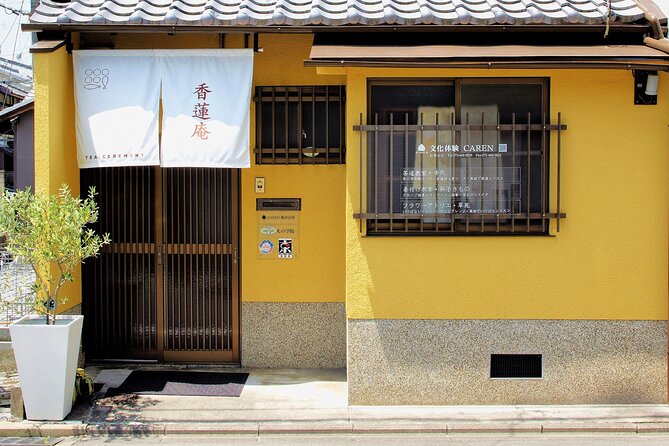
The meeting point is at Tea Ceremony – Caren, address listed as 74-4 Murasakino Daitokujicho, Kita Ward, Kyoto (603-8231). Since it’s near public transportation, you can build this into your day without needing private transportation, which is good news for budget-minded travelers.
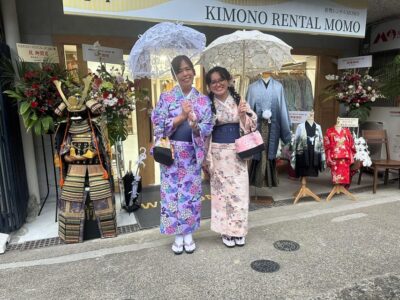
From the start, the flow is designed to remove stress. You’re met by instructors who handle the biggest friction point: getting into kimono properly. The experience description also mentions help with your hair set before dressing. That’s not a small detail. In Kyoto, a lot of people want the kimono look, but here the goal is correct wear, not just pretty photos.
In practical terms, arrive a touch early. One comment specifically notes that arriving early helps because dressing and hair can get busy when everyone arrives at once. If you’re fashionably late in Kyoto, you’ll feel it here.
Also, keep your mindset flexible. The tea room is described as a bit old, but staff will help alleviate fatigue from your trip to Japan. That tells you two things: expect a traditional space, and trust that the team thinks about comfort.
More Kimono Experiences in Kyoto
- Kimono Tea Ceremony at Kyoto Maikoya, NISHIKI
★ 5.0 · 911 reviews - Kyoto: Kimono Rental with Hairstyling and Accessories
★ 4.8 · 653 reviews - Kyoto: Kimono Tea Ceremony at Orizuruya Gion
★ 4.9 · 618 reviews
Nishijin Kimono Choices: Color, Pattern Meaning, and Getting Fitted
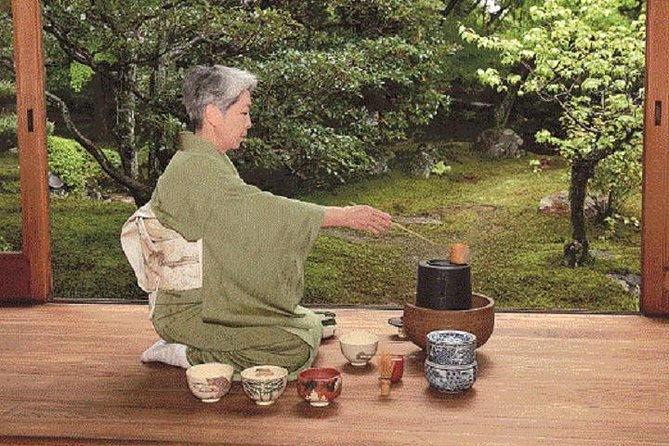
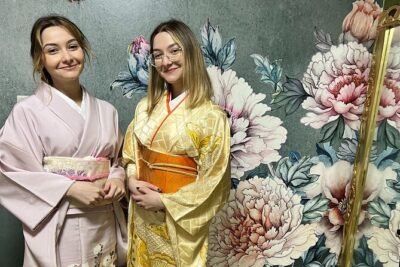
One of the best parts is that you choose your kimono. The experience description says you can pick from a rich kimono collection in Nishijin, Kyoto, and you select based on color and pattern preferences. Several reviews highlight that the kimono dressing is a multi-person, multi-layered affair. That sounds like more work, but it’s actually part of the value. You learn that wearing kimono is a skill.
Here’s what you should pay attention to: you’re not just told what to wear, you learn what the patterns mean. The overview specifically says you’ll learn the meaning of different kimono patterns. That turns the kimono from costume into cultural detail.
Pattern meaning matters because it connects to seasons and etiquette, and tea ceremony clothing is traditionally about harmony and respect, not about showing off. Even if you don’t remember every detail, you’ll feel the difference between casual dress-up and something closer to how people used to dress for formal gatherings.
If you’re going with a group, this part can be fun. One review mentions the experience being enjoyable even for teenage boys, which usually means the staff explanation and photo handling keep things moving rather than turning it into a slow, gendered activity.
Hair Set, Photo Time, and How to Make It Look Natural
Before the ceremony, you’ll get a photo shoot and guidance with posing. The experience notes say a simple photo shoot happens after hair and kimono dressing. Reviews add extra specifics: staff help you pose and take memorable photos, and translation support may be included by staff such as Akira (mentioned in comments).
This is the moment people either enjoy or dread. My advice: treat it as part of the performance, not an interruption. When you’re wearing a kimono, your body language changes. The staff know how to guide that quickly, so you look composed instead of awkward.
One review gives a practical tip that you can use: have an idea of what color you want before you arrive. They ask your preference, and moving quickly keeps the day smooth. It’s not about being picky. It just helps the team fit you without delays.
If you care about photos, this is worth the time because staff are handling the details. You are not stuck taking selfies with imperfect angles. You also get support for how to stand and sit while dressed, which is a lot harder than it sounds.
The Tea Master Demonstration Near Daitoku-ji: Etiquette You Can Actually Use
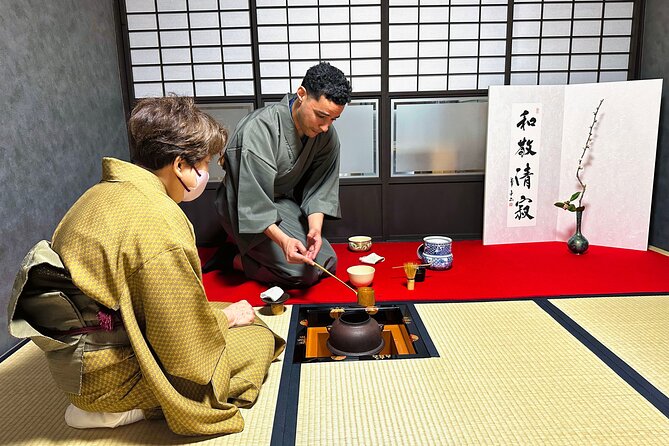
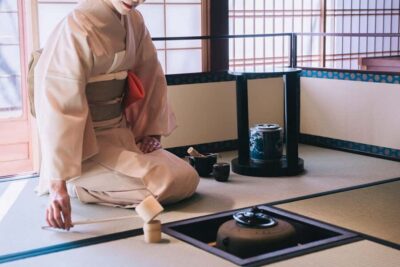
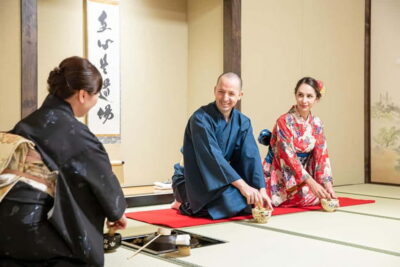
After the kimono and photo portion, you transition into the tea room and ceremony. The experience description states that a tea master who has studied tea ceremonies for 30 years will show you the traditional process. That matters, because tea ceremony movements are exact. You’re not watching someone “make tea.” You’re watching practiced form.
You’ll also hear commentary about the history of tea ceremonies. The overview says your guide provides history and the meaning of elements. Reviews mention the ceremony felt truly authentic, and that the instruction is detailed in explaining steps, manners, and what’s happening.
This is where you’ll notice the difference between a “tea tasting” and a ceremony. Tea tasting can be casual. A ceremony is structured around respect: how you receive the bowl, how you handle it, and how you pause between steps.
You’ll also have seasonal sweets with your cup. That’s not just dessert. It’s part of the rhythm. In Japanese tea settings, sweets often set the mood for the tea’s taste and the calm tempo of the ceremony.
If you’re the kind of person who wonders why certain gestures matter, this is your moment. One comment mentions even extra info, like the history of the tea ceremony fan. That kind of detail is often where the experience clicks, because it connects the ceremony to real everyday objects and traditions.
More Tea Ceremonies in Kyoto
- Kyoto: Tea Ceremony in a Traditional Tea House in Kiyomizu
★ 4.9 · 3,519 reviews - Kyoto: Tea Ceremony Ju-An at Jotokuji Temple
★ 4.9 · 3,207 reviews - Kyoto: 45-Minute Tea Ceremony Lesson Experience
★ 4.3 · 2,378 reviews - Kyoto: Table-Style Tea Ceremony at a Kyo-Machiya
★ 4.9 · 1,211 reviews
Learning to Brew Your Own Matcha: The Part That Feels Like Practice, Not Performance
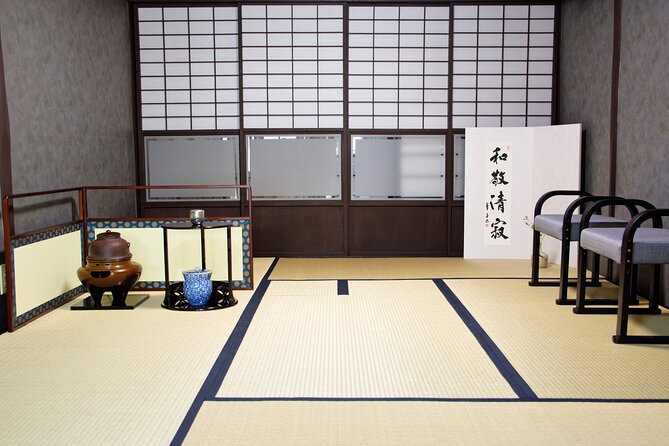
The highlight for many people is the chance to try preparing tea yourself. The overview says you will learn how to brew your own cup of Japanese tea, and reviews back it up with hands-on participation.
You’re still guided. You don’t just get handed tools and thrown into the deep end. The tea master and instructors explain what you’re doing and what to notice. That’s key because matcha is about technique. The texture and froth matter, and you’ll understand why after a bit of practice.
The best way to think about this section is as a souvenir you take home with you. The finished tea is nice, but the real takeaway is muscle memory for the steps. Next time you see matcha in Japan, you’ll recognize what the ceremony was trying to teach.
Also, this is a confidence builder for solo travelers. One review mentions that even as a solo traveler, the person still got the opportunity to make tea themselves. So if you’re traveling alone, you won’t be ignored. The structure includes you.
The Short Walk and the Tea-Culture Setting: Why Location Matters
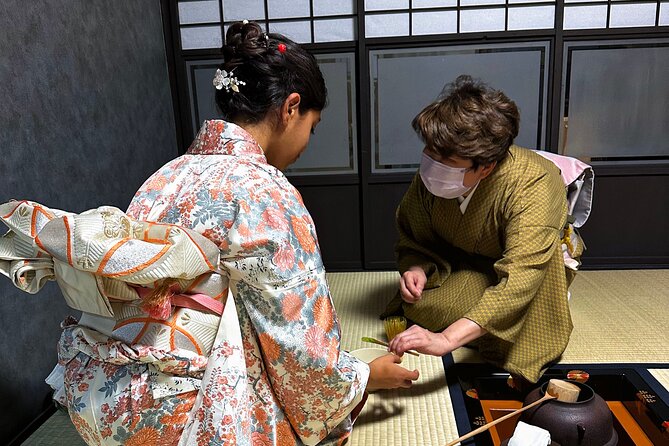
Even though the ceremony happens in a tea room, the experience is connected to nearby cultural spaces. The description says the tea room is near Daitoku-ji Temple, and reviews mention walking to the temple for the ceremony.
That walk does two practical things:
- It breaks up the schedule so you don’t feel locked indoors.
- It helps you switch from sightseeing mode into ceremony mode.
Kyoto’s temples are quiet compared with big city attractions. Tea culture also leans quiet. Put those together and you get a calmer kind of sightseeing, where your surroundings actually support the activity instead of fighting it.
One detail worth noting is weather dependence. The cancellation policy states the experience requires good weather. That suggests you should plan a backup day or keep this near the middle of your stay, not at the very last minute.
Timing, Group Size, and What This 1.5 Hours Really Feels Like
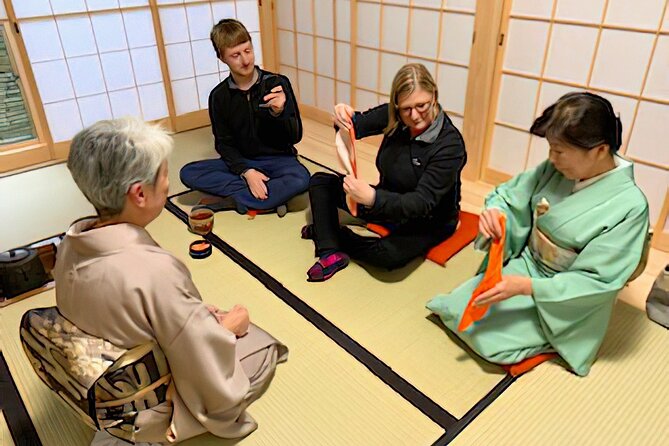
The duration is about 1 hour 30 minutes. The group size is capped at a maximum of 12 travelers. That’s a sweet spot for this kind of activity. It’s small enough for personal attention with kimono dressing and photo guidance, but big enough that the staff can run the program smoothly.
The typical flow is:
- Welcome and kimono selection
- Hair set and getting dressed
- Quick photo shoot and posing support
- Tea ceremony demonstration with etiquette and history
- Seasonal sweets and matcha
- Guided chance for you to brew your tea
Because dressing can take time, arrive calmly. One review says directions were spot on, but also recommends getting there a little early so dressing isn’t rushed when everyone arrives together. If you’re coming from a temple, build buffer time.
If you’re someone who hates waiting, it can feel like a lot at the beginning. But that front-loading is intentional. Once you’re seated, things move at a pace that feels respectful.
Price and Value at About $99.49: What You Are Really Paying For
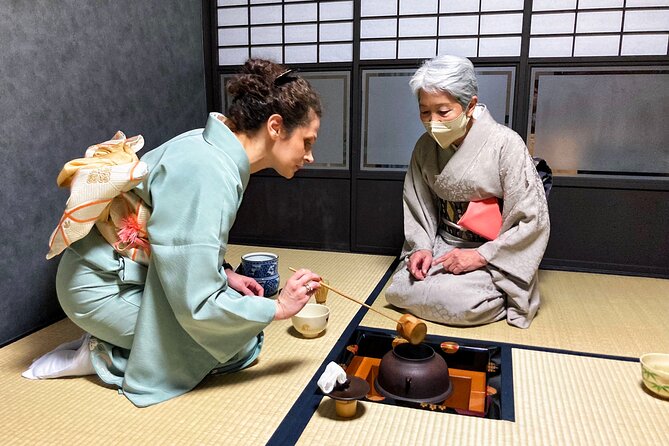
At $99.49 per person, you’re not just paying for matcha. You’re paying for three things that add up in cost and effort:
- Kimono use plus help getting dressed, including hair set before you even enter the ceremony space
- A professional instructor and tea master with years of study
- Hands-on practice, not just passive viewing, plus seasonal sweets during the ceremony
For Kyoto, this price can feel fair because you’re getting a guided cultural performance with real instruction, and you come out with a new way to understand Japanese tea. If you only want a quick photo and a sip, you might choose something cheaper elsewhere. But if you want the structured manners, the guided matcha technique, and the kimono dressing, this is closer to “pay once, enjoy a full experience.”
Also, check your day plan. Since private transportation is not included, factor in transit time. The meeting point is near public transportation, so you can handle it easily, but it does mean you’re responsible for getting there.
Who This Kimono Tea Ceremony Is Best For
This fits best if you want a cultural activity that is more than a show.
Great matches:
- Couples who want a beautiful Kyoto memory with guided photos
- Families with teens or mixed-age groups, since the ceremony is structured and staff are attentive
- Solo travelers who still want an active role, like brewing tea yourself
You might skip it if:
- You don’t like formal routines or sitting for a structured session
- You hate weather-dependent plans and can’t be flexible
- You’re allergic to the idea of dressing up. Even though it’s respectful and guided, it is still kimono dressing
Quick FAQ
FAQ
How long is the Kyoto tea ceremony experience?
It runs for about 1 hour 30 minutes.
Where do I meet for the tour?
The meeting point is Tea Ceremony – Caren, 74-4 Murasakino Daitokujicho, Kita Ward, Kyoto, 603-8231, Japan.
Does the price include kimono dressing and help?
Yes. You get use of an authentic kimono and assistance putting it on, plus help with hair set before the ceremony.
Do I learn how to brew tea myself?
Yes. You’ll learn how to brew your own cup of Japanese tea and you get an opportunity to prepare tea yourself.
Is the ceremony led by a tea professional?
Yes. A professional instructor leads the experience, and a tea master who studied tea ceremonies for 30 years demonstrates the traditional ceremony.
What group size should I expect?
The group is capped at a maximum of 12 travelers.
Is private transportation included?
No, private transportation is not included.
What is included in the tour besides tea?
The included items list coffee and/or tea. During the experience, you also have seasonal sweets as part of the ceremony.
What if weather is bad or I need to cancel?
Free cancellation is offered. The experience requires good weather, and if it’s canceled due to poor weather, you’ll be offered a different date or a full refund.
Should You Book This Kyoto Kimono Tea Ceremony Near Imamiya Jinjya?
I’d book it if you want one Kyoto activity that gives you three layers at once: clothing, instruction, and hands-on practice. The kimono dressing and hair set are a real part of the cultural experience, not just a photo gimmick. The tea master demonstration plus your own brewing time makes it more than a passive show.
I would not book it if you’re chasing total freedom and zero structure. Also, if your schedule is already packed on a day with questionable weather, you’ll want a flexible plan, since this one needs good weather.
If you’re on the fence, here’s the simplest test: if you’d be excited to wear a kimono, sit in a traditional tea room, and learn manners and matcha technique in about 90 minutes, this is a strong match.
More Temple & Shrine Tours in Kyoto
- Kyoto: Fushimi Inari, Kinkakuji, Bamboo Grove 1 Day Bus Tour
★ 4.8 · 4,316 reviews - Osaka/Kyoto:Kinkakuji,Arashiyama,FushimiInariShrine,NaraPark
★ 4.1 · 1,596 reviews - Arashiyama Bamboo, Temple, Monkeys, or Secret Sake Brewery
★ 4.8 · 886 reviews - Kyoto: Arashiyama Bamboo Forest, Monkeys, Matcha & Temple Tour
★ 5.0 · 759 reviews
Latest write-ups near Kyoto
- Kyoto: Nishiki Market Tour with a Local Foodie & Tastings★ 4.5 · 67 reviews
- Kyoto Kimono Rental mimosa |Kimono/Yukata Rental Couple Plan★ 4.8 · 67 reviews
- Kyoto: Traditional Kimono Fabric Handicrafts Workshop★ 5.0 · 67 reviews
- Kyoto Tea Ceremony and Samurai Photo Session★ 5.0 · 70 reviews
- Kyoto: Replica food making experience★ 4.8 · 70 reviews
- Kyoto: Kinkakuji, Golden Pavilion Guided Tour★ 4.7 · 71 reviews
- Private departure transfer from Kyoto city to Kansai International airport★ 5.0 · 72 reviews
- Uji: Green Tea Tour with Byodoin and Koshoji Temple Visits★ 4.8 · 72 reviews
Kimono Experiences, compared.
Sumo Show & Experience w/ Optional Kimono & Hot Pot
Read our review →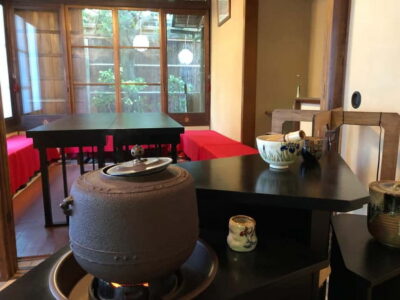
Kimono and Tea Ceremony Experience at Cultural Asset
Read our review →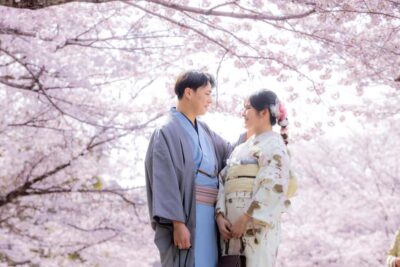
Browse the lists this tour appears in