
Reviewed · WALKING TOURS
One-Day Walking Tour : Enjoy Kyoto to the fullest!
This one-day Kyoto walking tour is interesting because it strings together four of the city’s biggest visual hits into a single, paced day plan. I love starting with Arashiyama’s bamboo in the morning light, and I also like how the route layers in Kinkaku-ji and Fushimi Inari so you get both iconic scenery and real context.
The main thing to consider is that it is a full 8 hours with quite a bit of walking. If you hate heat, plan for it. If you love a fast, well-led day, you’ll probably be very happy.
Key tour highlights you should care about
- Morning bamboo time for calmer photos and that early-sun stillness
- Kinkaku-ji with a paid entry step (¥500 per person not included) and a one-hour visit
- Gion as a street-walk, where you might spot geisha on their way to work (40 minutes)
- Fushimi Inari’s torii tunnel with a one-hour window to see it at a human pace
- Guides that manage logistics, including train navigation and pacing on hot days
Why This 8-Hour Kyoto Route Feels Efficient
Kyoto can be a choose-your-own-adventure city. That’s the fun, until you realize you’re burning time figuring out transit, entrance tickets, and the best order to avoid the worst crowds.
This route works because it connects the look-you-can’t-miss sites people come to Kyoto for, without asking you to string them together on your own. You’re in motion across the city, yes, but the stops are chosen to create contrast: bamboo calm, golden temple spectacle, traditional Gion streets, then the bright orange torii gate tunnel at Fushimi Inari.
Also, it’s a private tour/activity, meaning it’s only your group. In practice, that tends to produce a better rhythm than the big-bus style experience, since you’re not stuck behind a wall of strangers.
More Walking Tours in Kyoto
- Kyoto Geisha Walking Tour: Gion District & Hidden Gems
★ 4.7 · 3,273 reviews - Kyoto: Gion Magical Night Walking Tour with Geisha Trivia
★ 4.9 · 2,393 reviews - Kyoto: Gion Geisha District Walking Tour – Stories of Geisha
★ 4.7 · 2,187 reviews
The Real Logistics: 9:00 Meeting, 8 Hours, Back to Kyoto Station
You start at Kyoto Station Building, and the tour begins at 9:00 am. The day runs about 8 hours (approx.) and ends back at the meeting point, so you’re not left guessing how to get home.
From the information you’re given, you should expect a day that mixes walking with public transportation. Public transport fare is listed as ¥1,500 per person, so budget that in addition to the tour price. Meals are not included either, so if you want lunch, you’ll need to plan for it.
One more practical detail: the tour is designed for moderate physical fitness and notes that there’s quite a bit of walking. That means good shoes matter, and you should pack for sun, rain, and dehydration risk.
Stop 1: Arashiyama Bamboo Forest Street in the Morning Light
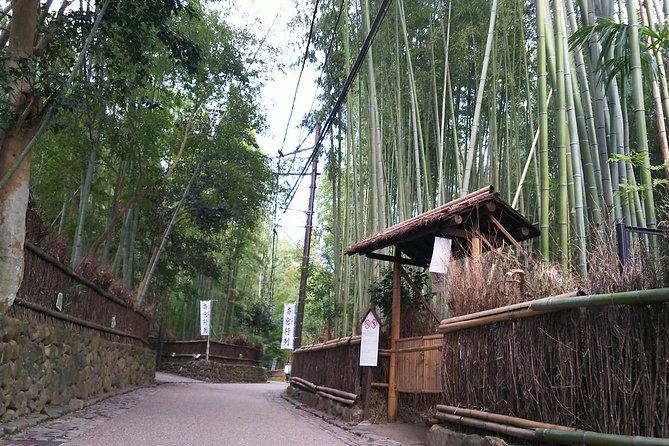
The first stop is the Bamboo Forest Street area, visited early in the morning before it gets busy. That early timing is the whole game here. Bamboo can look like a postcard at any hour, but in the morning you’re more likely to get that softer light and a quieter feeling as you walk in.
This is where the tour’s pacing starts to feel intentional. The stop includes time to enjoy it slowly, not just march past it. One of the moments described is a break where you pause and take in the atmosphere, even closing your eyes for a minute. It’s a small thing, but it changes the experience from sightseeing to actually feeling the place.
Practical tip: bamboo walkways can be slippery if it rains, and the ground can be uneven. Wear shoes with grip, and bring a layer. Even in warmer months, mornings in Kyoto can feel cool.
Stop 2: Kinkaku-ji, the Golden Pavilion, and the ¥500 Entry Step
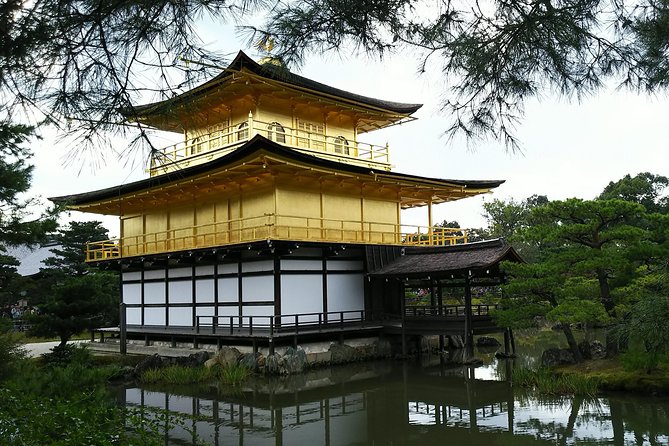
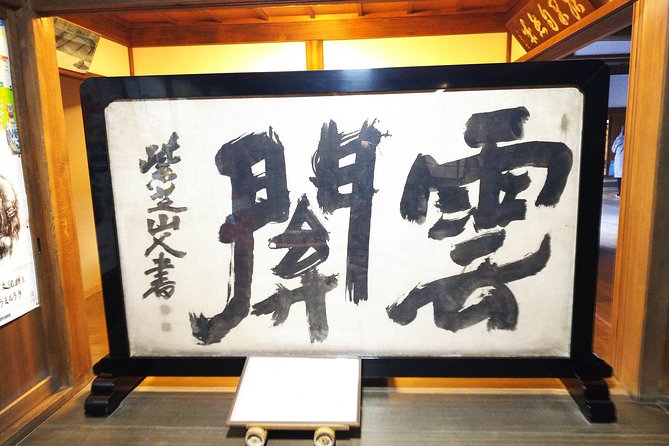
Next up is Kinkaku-ji Temple, also called the Golden Pavilion. This is a major Kyoto landmark, and the one-hour stop reflects that: enough time to see it properly without turning it into a rushed photo sprint.
What makes Kinkaku-ji memorable is the backstory. It was once the villa of a retired shogun and was later converted into a temple. The main building is covered with gold leaf, which is part of why the place hits so hard visually, even if you think you’ve seen golden temples before.
Cost note: admission is ¥500 per person, and it is not included. So the all-in day cost depends on you adding this entry fee.
How the guided format helps here: when someone explains what you’re looking at, the temple stops feel less like a checklist and more like a story you can follow with your eyes. Several guides on this tour are praised for making history make sense while you’re standing in front of the site, not by throwing facts at you and hoping you remember.
A change of pace from Kyoto:
- PERFECT KYOTO 1-Day Bus Tour
★ 5.0 · 13,518 reviews - Kyoto: Fushimi Inari, Kinkakuji, Bamboo Grove 1 Day Bus Tour
★ 4.8 · 4,316 reviews - Kyoto: Tea Ceremony in a Traditional Tea House in Kiyomizu
★ 4.9 · 3,519 reviews - Kyoto: Tea Ceremony Ju-An at Jotokuji Temple
★ 4.9 · 3,207 reviews
Stop 3: Gion Street-Walk, Geisha Sightings, and Keeping It Respectful
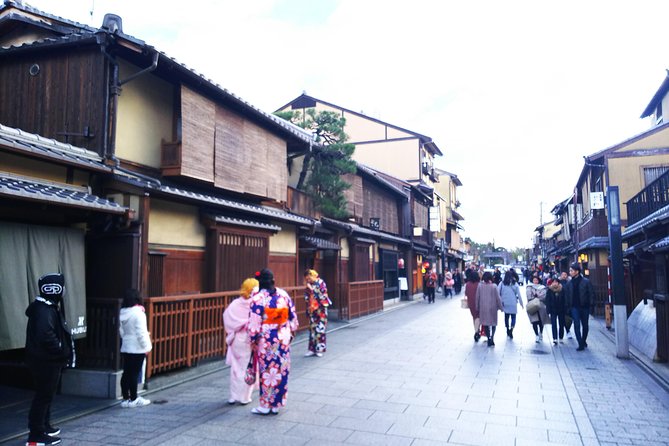
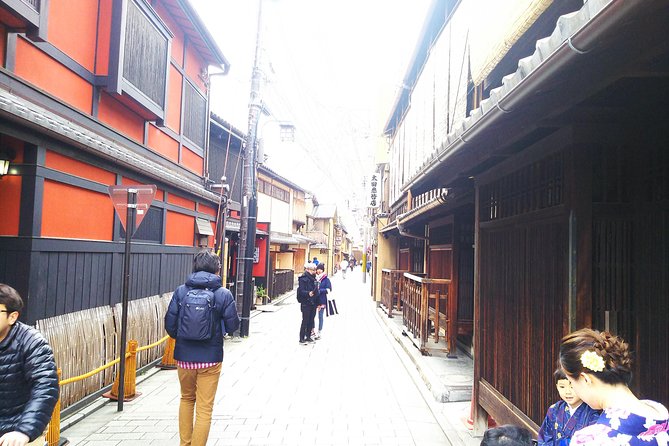
From Kinkaku-ji, the day moves into Gion, a neighborhood known for traditional culture. The stop is about 40 minutes, and the focus is a walk through the area where you might see geisha moving between their boarding houses and tea houses.
The key phrase in the tour description is you might see them. That’s not a promise, and it’s probably better that way. It means you’re guided to the right areas at the right time, but you’re not emotionally buying into a guaranteed spotting.
In a place like Gion, the best experience usually comes from how you behave. Walk with patience, don’t crowd doorways or block narrow lanes, and keep your phone use thoughtful. If you see someone working, treat it like a moment of living culture, not a show.
One more practical note: Gion is the kind of area where small backstreets matter. A good guide helps you notice the little shifts in architecture and street layout, not just the biggest landmark photo spots.
Stop 4: Fushimi Inari Taisha and the Torii Gate Tunnel
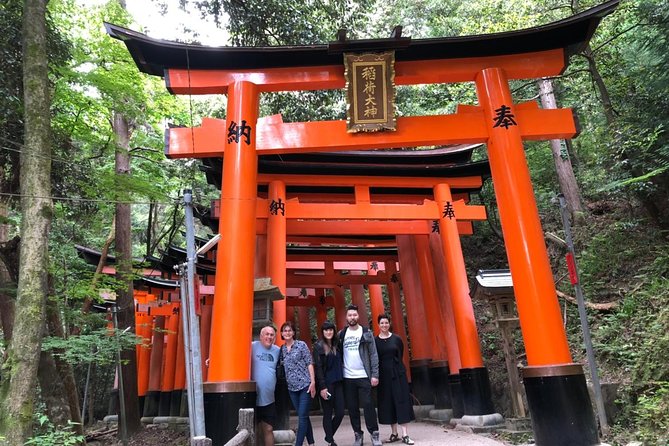
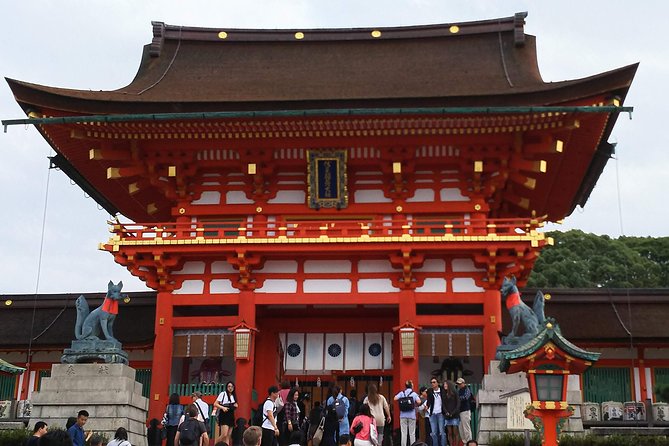
The final major highlight is Fushimi Inari-taisha Shrine. This stop is centered on one of Kyoto’s most recognizable sights: thousands of vermillion torii gates, forming famous tunnel-like paths.
This shrine is also described as tied to good luck, where torii gates are offered as a token of appreciation for blessings received from the god of the shrine. That context matters because the place can look like pure scenery at first glance. With a bit of explanation, it becomes more meaningful: the gates represent a lot of personal devotion, not just decoration.
You get about 1 hour at Fushimi Inari. That’s a sweet spot for first timers. If you only have one day, you want enough time to go far enough into the gate paths to feel the tunnel, but not so long that you lose your energy before the full day ends.
Practical tip: Inari can involve stairs and uneven paths, depending on where you go. Bring water, and if you’re sensitive to crowds, keep an eye on where the densest groups form so you can step aside and keep your pace.
What You’re Paying For: Guides Who Handle Pace and Transit
The tour price is $131.14 per person, and the included item is guide fare. That sounds simple, but in Kyoto, what you’re really buying is time, direction, and a guide who can keep the day moving without turning it into a sprint.
In the feedback you provided, guides are repeatedly praised for a few specific skills.
First: keeping a good pace. On hot days, one guide is noted for managing shade and hydration, which matters a lot when you’re walking all day. If you’ve ever had your plan collapse because the weather turned, you’ll understand why this matters more than it sounds.
Second: making transit less stressful. Several guides are praised for helping people navigate the train system and get from place to place efficiently. Even if you know Kyoto transit basics, a local rhythm can save you from wrong turns, confusing connections, and the mental load of constant map checking.
Third: flexibility. There are examples of adjusting the plan, like skipping lunch so the group could still hit the next location on time. That kind of flexibility is what makes the day feel smooth, even when the weather or your group’s energy shifts.
Guide names that come up include Hironori, Seiya, Noriko, Toshi, Fuji, Lynn, Satomi, Saori, Hiro, Koichi, Naoko, and Naoko again. You’re not guaranteed a specific person, but the consistent theme is clear: guides put effort into pacing, explanations, and keeping logistics calm.
Price and Value: How Much Extra Money You’ll Spend
The tour price is $131.14 per person, plus you should plan for additional costs listed as not included:
- Kinkaku-ji admission: ¥500 per person
- Public transportation fare: ¥1,500 per person
- Meals: not included
Here’s the value logic I’d use to decide if it’s worth it. This is an 8-hour day that hits four major highlights, including one paid entry stop. If you were doing it alone, you’d still pay the Kinkaku-ji fee. You’d also spend time figuring out transit order and ticket timing, and you might lose hours to navigation and crowd traps.
What you’re buying with the guide is more than ticket handling. It’s the ability to walk into each place with a frame for what you’re seeing, and to keep the day coherent. If that’s your style, it’s a solid deal. If you’re an independent planner who loves building itineraries yourself, the appeal is smaller, because the route is very doable on your own, especially if you’re comfortable with public transit.
Walking Reality Check: Heat, Shoes, and Day Energy
You should go in knowing this is a walking-heavy day. The tour specifically warns of quite a bit of walking and asks for moderate physical fitness.
One person described walking a very high step count on a hot day, and that matches the nature of the itinerary: morning bamboo, a paid temple, a neighborhood stroll, then Inari’s gate paths.
So here’s what I recommend you do before booking:
- Wear shoes that handle stairs and uneven ground.
- Bring water and plan to sip often.
- If you’re traveling in peak heat, treat shade and breaks as part of your strategy, not a luxury.
If you’re the type who gets cranky when plans run long, you might feel the day is intense. But the guides in the feedback are repeatedly praised for keeping things under control, including hydration and schedule management.
Who Should Book This Kyoto Highlight Walk
This tour fits best if you:
- Want a first-time Kyoto overview that covers big-name sights in one day
- Prefer a guide to handle transit navigation and pacing
- Like walking and photos, and don’t mind a full-day effort
- Appreciate history and culture context while you’re actually at the locations, not just in the hotel lobby
It might be less ideal if you:
- Have limited mobility or need a very low walking schedule
- Want long, unhurried time at a single place
- Are hoping for a car-based, minimal-walking day (this one is built around walking)
That balance is part of the deal. You trade a calmer pace for a higher site count.
Should You Book This One-Day Walking Tour?
Book it if you want a structured way to see Kyoto’s strongest “wow” moments in one day, without wasting energy on figuring out what comes first, what’s easiest to reach, and how long things realistically take. I think it’s especially good for people who love bamboo atmosphere early, want Kinkaku-ji explained where it matters, enjoy traditional neighborhoods like Gion, and want Fushimi Inari’s torii paths as a finale.
Don’t book it if your top priority is comfort over coverage, or if you dread long walking days in heat. The itinerary is built for momentum, and it will ask something from your legs.
If you do book, I’d plan your day mindset around walking. Bring water, good shoes, and a willingness to move. In return, you get a Kyoto sampler that feels intentional, not random.
FAQ
How long is the Kyoto one-day walking tour?
The tour runs for about 8 hours (approx.).
What time does the tour start and where is the meeting point?
It starts at 9:00 am at Kyoto Station Building (901 Higashishiokōjichō, Shimogyo Ward, Kyoto).
Is this tour private or shared with other groups?
This activity is private, so only your group participates.
What is included in the tour price?
The included item is the guide fare.
What isn’t included?
Admission fees, public transportation fare, and meals are not included.
How much is the Kinkaku-ji admission fee?
Kinkaku-ji admission is ¥500 per person and is not included in the tour price.
How much is public transportation during the tour?
Public transportation fare is listed as ¥1,500 per person and is not included.
Is the tour very walking-intensive?
Yes. The tour notes quite a bit of walking and asks for moderate physical fitness.
What is the cancellation policy and what happens in bad weather?
You can cancel for a full refund if you cancel at least 24 hours in advance. The tour requires good weather, and if it’s canceled due to poor weather, you will be offered a different date or a full refund.
Latest write-ups near Kyoto
- Kyoto: Nishiki Market Tour with a Local Foodie & Tastings★ 4.5 · 67 reviews
- Kyoto Kimono Rental mimosa |Kimono/Yukata Rental Couple Plan★ 4.8 · 67 reviews
- Kyoto: Traditional Kimono Fabric Handicrafts Workshop★ 5.0 · 67 reviews
- Kyoto Tea Ceremony and Samurai Photo Session★ 5.0 · 70 reviews
- Kyoto: Replica food making experience★ 4.8 · 70 reviews
- Kyoto: Kinkakuji, Golden Pavilion Guided Tour★ 4.7 · 71 reviews
- Private departure transfer from Kyoto city to Kansai International airport★ 5.0 · 72 reviews
- Uji: Green Tea Tour with Byodoin and Koshoji Temple Visits★ 4.8 · 72 reviews
Walking Tours, compared.
Kyoto Geisha Walking Tour: Gion District & Hidden Gems
Read our review →
Tokyo Tsukiji Fish Market Food and Culture Walking Tour
Read our review →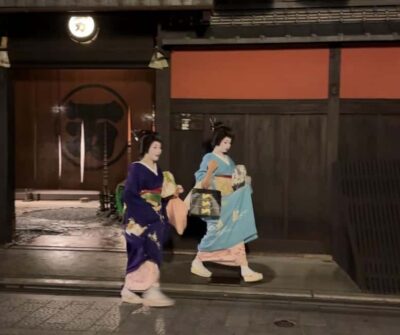
Gion Magical Night Walking Tour with Geisha Trivia
Read our review →
Imperial Palace and Shogun Historical Walking Tour
Read our review →
Gion Geisha District Walking Tour – Stories of Geisha
Read our review →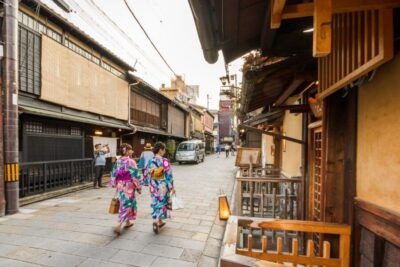
Shinjuku Local Bar and Izakaya Guided Walking Tour
Read our review →
Browse the lists this tour appears in