
Reviewed · SAMURAI & NINJA EXPERIENCES
Osaka 2-Hour Genuine Kendo / Samurai Experience In Japan
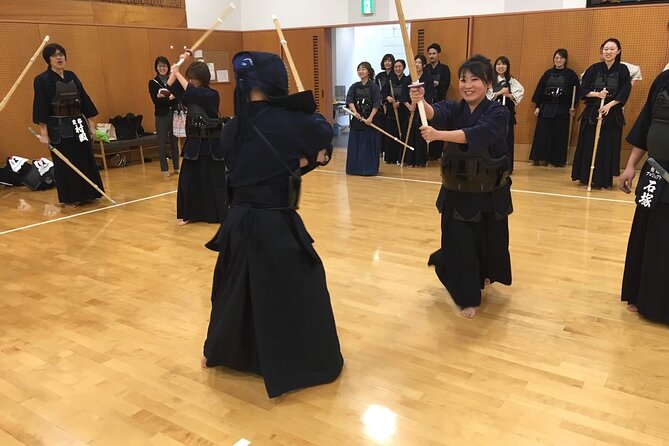
Osaka kendo in a classroom setting is a great way to understand the sport beyond swinging a bamboo sword. I like that this is a true small-group session, so the instructor can correct your form fast. I also like how the class is taught with an English-speaking guide, including etiquette and the deeper ideas behind kendo, not just the physical drills.
One thing to think about before you go: it’s a 2 hour class in full protective gear, so plan on sweating. You’ll need a moderate level of physical comfort, especially if it’s hot or humid when you’re there.
Why This Osaka Kendo Class Feels Authentic (Not Just a Demo)
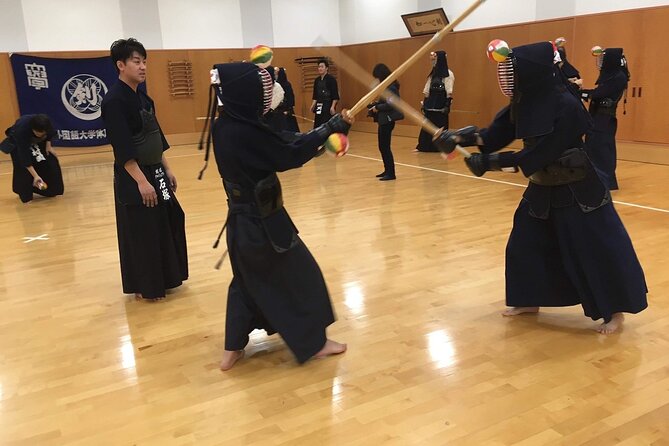
This experience is built around learning kendo the way people actually practice it, with structure and respect. The instructor will guide you through basics step by step, and in the better sessions you’ll work toward short bouts by the end, once you’ve got the basics of stance, footwork, and timing. The tone is serious about technique, but the vibe stays beginner-friendly.
The classes I’d pay attention to are often led by instructors like Hiroki and Yama, who show up with clear teaching and lots of encouragement. That matters because kendo can feel intimidating at first, with the armor, the rituals, and the etiquette you need to get right. A good teacher helps you feel in control quickly.
You also get the cultural context directly in the session. You’ll touch on ideas often summarized as unifying your spirits, manners, and lifelong kendo. That’s not just poetic language, it helps explain why the movements look precise and why the training includes discipline and etiquette alongside sparring.
Key Highlights You Should Care About
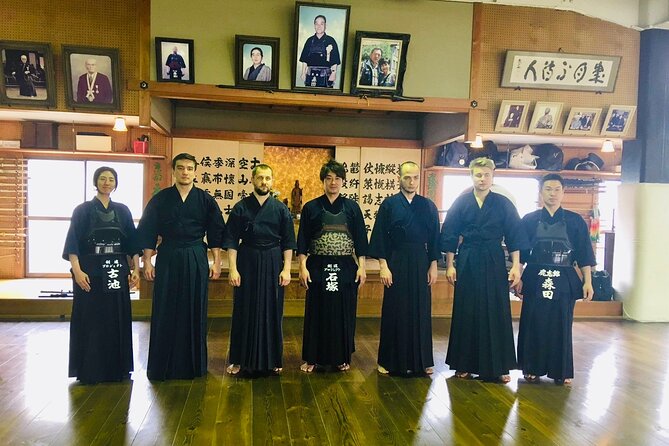
- Small-group kendo (max 7) means you get feedback instead of watching from the edge
- English instruction helps you follow etiquette and drills without guessing
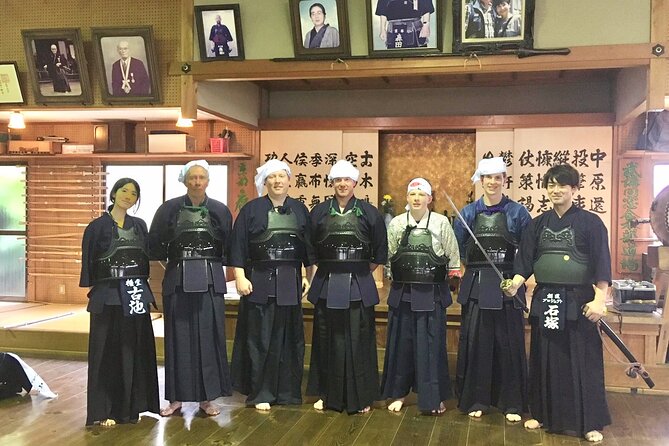
- All equipment provided, so you avoid the hassle of renting gear
- 2 hours of purposeful training, not a short talk followed by standing around
- Bottled water and a kendo towel included, practical perks after you work up a sweat
More Samurai & Ninja Experiences in Osaka
- Samurai Training Experience KENDO in Osaka
★ 5.0 · 515 reviews - OSAKA NIGHT FUSION Japanese Taiko Kabuki Samurai Dance Show
★ 4.8 · 155 reviews - Osaka: Samurai Training Experience KENDO in Osaka
★ 5.0 · 111 reviews
The Simple Flow: What Happens During the 2 Hours
This is not a full-day “tour of sword history.” It’s focused training at Shigino Hall in Osaka, with a start time of 10:00 am and an end back at the same meeting point. Since the class is only about 2 hours, every chunk of time tends to be tightly used.
Here’s the practical rhythm you can expect, in plain terms.
1) Arrive, get oriented, and learn the etiquette basics
You’ll meet at Shigino Hall (address: Japan, 536-0014 Osaka, Joto Ward, Shiginonishi, 1-chōme 18-11). You should be near public transportation, and the good news is you do not need a hotel pickup. Once you arrive, expect a quick orientation so you know how to move, how to respect the space, and how the class runs.
Kendo etiquette is a big deal here. You’ll learn how the practice relates to manners, including how you approach the training and how you behave while wearing the gear. If you’ve ever felt self-conscious in a martial arts setting, this type of intro is exactly what makes kendo feel less scary.
2) Put on protective armor and start with fundamentals
All kendo equipment is included, so you won’t spend your time hunting rentals or trying to figure out sizing. The instructor will work with you step by step on core movement and striking basics. That’s where beginners usually get the biggest boost, because the coach can spot what your body is doing wrong right away.
This is also where the “workout” part starts to show up. Even without a huge amount of sparring, your legs and shoulders feel it. And if your class is in warm weather, you’ll notice how quickly gear adds heat.
A change of pace from Osaka:
- Osaka Go Karting Tour with Funny Costume
★ 5.0 · 2,658 reviews - Osaka Castle: Museum and Tower Entry Ticket
★ 4.5 · 2,380 reviews - Osaka: Shinsekai Food Tour with 13-15 Dishes at 5 Eateries
★ 4.8 · 2,204 reviews - Osaka Food Tour: 13 Dishes at 5 Local Eateries
★ 5.0 · 2,149 reviews
3) Learn the meaning behind the moves, not just the moves
The class doesn’t limit itself to physical technique. You’ll also learn about the history of kendo and its spiritual and cultural aspects. It’s the kind of context that helps you understand why people train with discipline and why kendo is treated as more than a competitive sport.
If you like Japan when it’s cultural, this is a strong part of the value. You get explanations tied directly to the training, instead of a separate lecture that you forget the next day.
4) Progress toward short bouts or sparring practice
By the end, you’ll move into more active practice. In many sessions, beginners end up doing short battles or light sparring once they’ve absorbed the basics of footwork and strike rhythm.
The key advantage of a small group is that you’re not left with vague instructions. You get encouragement, and you can work at a pace that keeps you learning instead of just holding position and hoping you do not get it wrong.
Price and Value: Is $118.89 Worth It?
At $118.89 per person for about 2 hours, this is not “cheap fun.” But it does hold up well if you measure it against what you’re getting.
You’re paying for:
- A coached class in a small group (max 7)
- English explanation, including etiquette and cultural background
- All kendo equipment provided
- Bottled water and a souvenir towel
That combination is what makes the value feel real. A lot of experience-style activities cost similar money but give you minimal coaching. Here, the whole point is training with personal attention, and the reviews consistently reflect that the instructor’s step-by-step method works for first-timers.
If you’re someone who likes doing one hands-on thing deeply, this price makes sense. If you’re hoping for a casual, passive cultural stop, you may find it more physical than expected.
Meeting Point and Getting There Without Stress
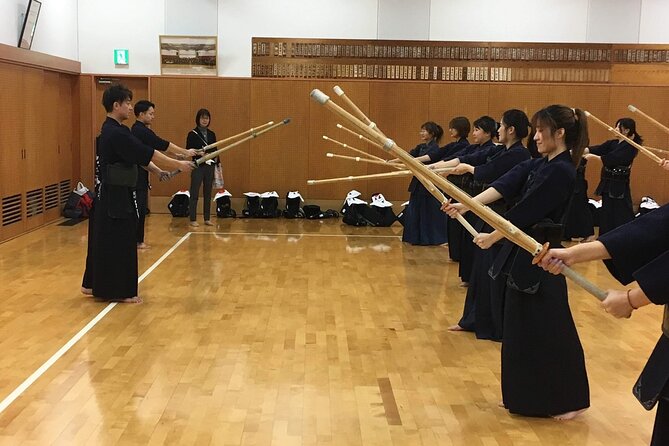
You’ll start and end at Shigino Hall. The exact address is part of the meeting details, and it’s listed as near public transportation.
The practical move: arrive a bit early, because you’ll need time to find the room and get ready before training begins. Since there’s no hotel pickup or drop-off, your day has to start with local navigation. The advantage is you keep control of your schedule, and the class is self-contained.
If you’re building your Osaka day, you can treat this as a morning anchor at 10:00 am, then plan lunch and rest afterward. Food is not included, so budget time to eat nearby after you’re done.
Who This Osaka Kendo Experience Suits Best
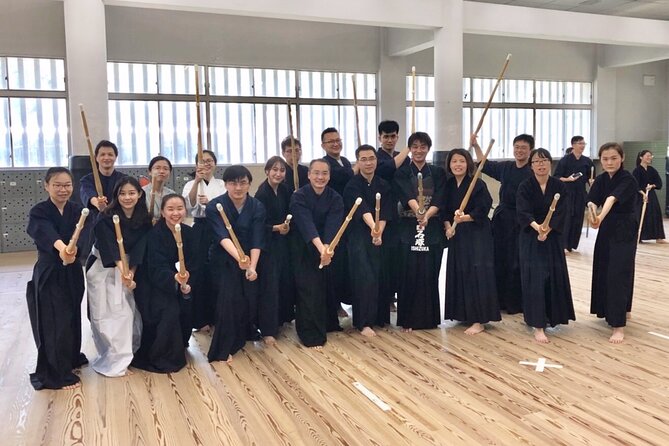
This class fits best if you fall into one of these categories.
You should seriously consider it if:
- You’re a beginner and want structured learning, not random trial-and-error
- You want an English-guided introduction to etiquette and kendo culture
- You like hands-on activities where your body learns as much as your brain
- You’re okay with a moderate physical workout in gear
It may be less ideal if:
- You hate any physical challenge or are worried about sweating
- You want a long, guided history session with no training focus
- You’re expecting hotel pickup or a full-day itinerary (this one is straightforward and localized)
What You Get On Arrival: Equipment, Water, and a Towel
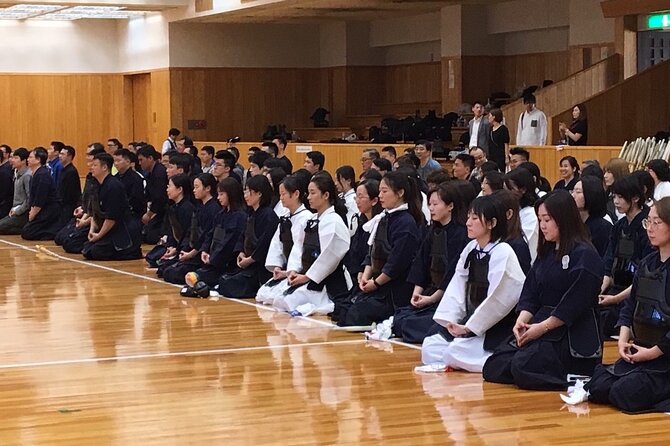
One of the most practical parts of the experience is that you don’t have to figure out gear logistics. You’ll get all kendo equipment, plus bottled water. You also receive a free kendo towel, which is a small souvenir but also useful right after class.
For many first-time participants, that’s a big deal. Martial arts gear can be confusing to organize in a foreign country, and the class removes that friction. You can focus on learning the basics and staying comfortable through the session.
The Real Takeaway: You Leave With More Than a Photo
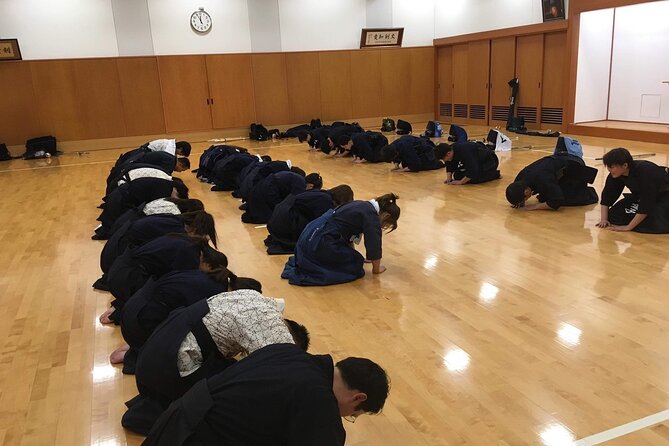
This is the type of experience where you should leave with at least two things you can actually use later.
First, you understand the “why” behind the movements. Kendo etiquette and the spiritual/cultural framing help you interpret what you see if you later watch kendo tournaments or training clips.
Second, you come away with physical fundamentals you can recognize: stance, footwork timing, and the rhythm of striking practice. Even if you never become a regular kendoka, you’ll recognize what skilled training looks like and how discipline shows up in the details.
And because it’s a small group with English guidance, you’re not left to guess what you did wrong. The instructor’s coaching approach is built around keeping beginners comfortable while they learn.
Quick Practical Tips Before You Book
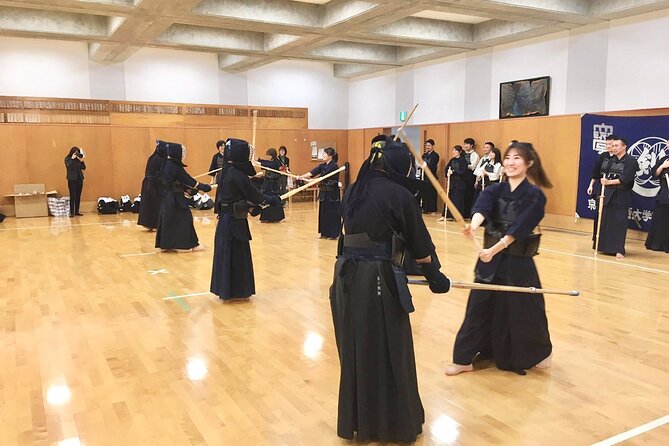
- Expect to sweat in protective gear, especially in warmer months.
- Bring comfortable clothing for before and after, since you’ll be changing around the gear.
- If you’re planning a jam-packed Osaka day, schedule this with a little buffer afterward for showering and eating, since food is not included.
- Wear shoes you can walk in comfortably, because you’re traveling to a specific community hall meeting point.
Should You Book This Osaka Kendo Class?
I’d book it if you want a real beginner-friendly introduction to kendo with personal attention, clear English instruction, and a workout you can feel in your legs. The included equipment, water, and towel make it easier to commit without extra planning.
I would think twice if you want a purely cultural, low-activity experience, because this is built around training. And if you’re very sensitive to physical exertion, remember the session has a moderate fitness expectation.
If you like doing one meaningful thing that connects Japan’s culture to a physical practice, this is a strong choice for Osaka.
FAQ
How long is the Osaka kendo experience?
It lasts about 2 hours.
How many people are in the group?
The class has a maximum of 7 travelers.
Where does the experience take place?
The meeting point is Shigino Hall in Osaka, and the activity ends back at the meeting point.
What time does the class start?
The start time is 10:00 am.
Is hotel pickup or drop-off included?
No, hotel pickup and drop-off are not included.
What’s included in the price?
All kendo equipment, bottled water, and a free kendo towel are included.
Is the class taught in English?
Yes. The instructor is described as English speaking.
Do I need any particular fitness level?
You should have a moderate physical fitness level.
What is the cancellation policy?
You can cancel for a full refund up to 24 hours before the experience’s start time. If you cancel less than 24 hours before, the amount paid is not refunded.
Latest write-ups near Osaka
- Osaka Private Tour with Government-Licensed Guide★ 4.8 · 20 reviews
- Guided Photography Tour in Osaka: Capturing Memories★ 4.5 · 20 reviews
- Osaka: Food Tour at Night with Tastings★ 4.9 · 20 reviews
- Kansai/KIX Airport to or from Osaka/Kyoto Private Transfer★ 5.0 · 20 reviews
- Osaka: City Highlights Bike Tour★ 4.7 · 20 reviews
- From Osaka/Kyoto: Amanohashidate Day Tour【Including tickets】★ 3.7 · 20 reviews
- Osaka Okonomiyaki Cooking Class “Learn here and make it at home”★ 5.0 · 20 reviews
- Volleyball in Osaka & Kyoto with Locals!★ 5.0 · 21 reviews
Samurai & Ninja Experiences, compared.

Samurai Ninja Museum Guided tour and Experience
Read our review →
Kendo and Samurai Experience with Uniform and Gear
Read our review →
Samurai Sword Class by Experts in Traditional Arts
Read our review →
Skip the lines Basic Ticket at SAMURAI NINJA MUSEUM KYOTO
Read our review →
Samurai Sword & Archery Class from Samurai Descendant
Read our review →
Browse the lists this tour appears in