
Reviewed · SUSHI MAKING CLASSES
Osaka Dotonbori: Hand Roll Sushi Experience
This Osaka hand-roll sushi experience is fun because you get to make the food yourself, not just watch. You sit in a tatami room facing the Dotonbori River, then learn the steps that turn seasonal seafood into bite-size sushi rolls. I love the way the class teaches the basics you can taste right away, especially sushi rice. I also love the hands-on wasabi tasting, because real wasabi hits your nose and palate in a way most people never expect. One consideration: you may eat as you go, so it is less about saving everything for a final big presentation and more about learning through tasting.
The flow is simple and focused. You get an introduction to sushi, a session making sushi rice, a tasting of authentic Japanese wasabi, and then you make your own hand rolls. Sessions run twice daily at 12 pm and 2 pm, and each one lasts two hours, which makes it easy to fit into a Dotonbori food day without wrecking your schedule.
Key highlights worth planning for
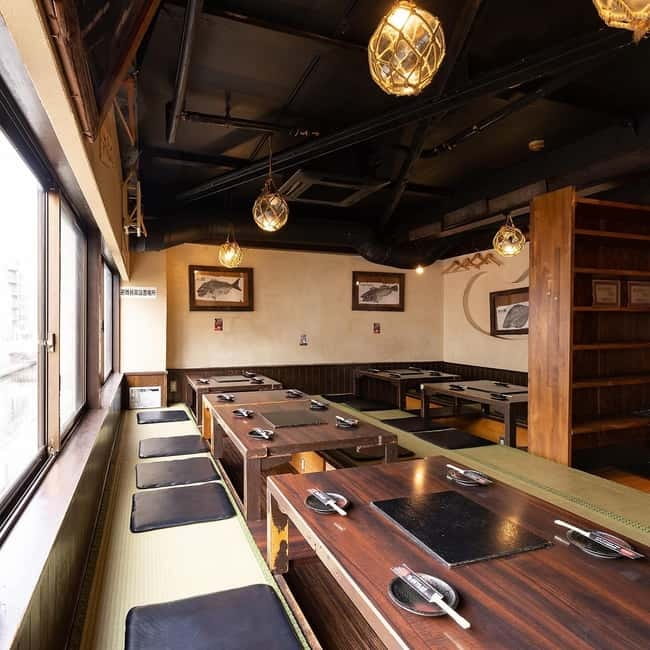
- Dotonbori River views from a tatami room, right in the thick of Osaka’s entertainment district
- Real wasabi tasting, including the aroma and heat people usually find surprising
- Sushi rice practice, including how vinegar is mixed in and why Japanese rice matters
- Hand-rolling your own sushi, using the tools and setup provided
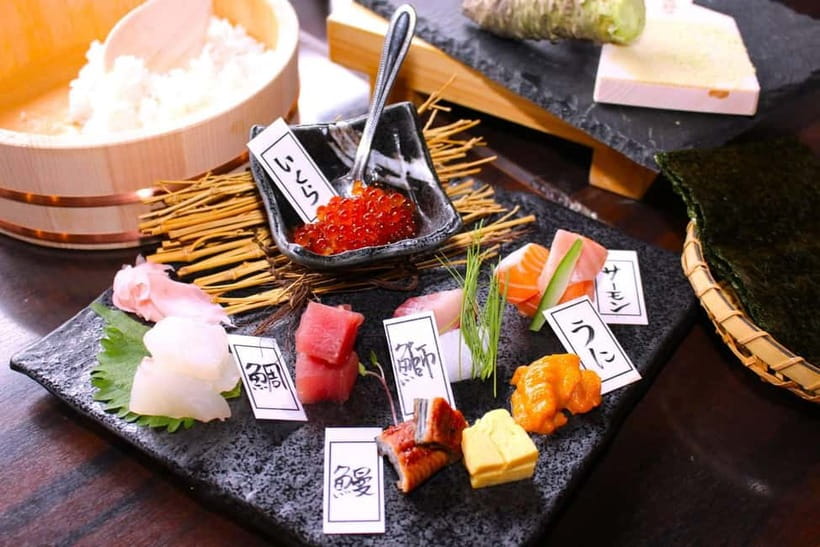
- Fresh ingredients and choice-based assembly, so your rolls actually reflect your taste
Osaka River Views and Hand-Roll Sushi, Step by Step
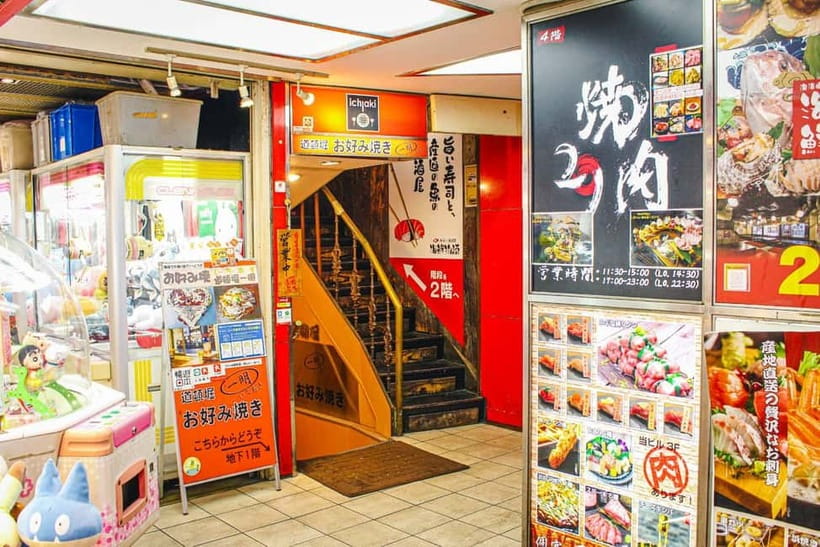
If you like the idea of learning Japanese food in a setting that feels genuinely local, this class delivers. It is set in the heart of Dotonbori, inside Kaisen Monogatari Dotonbori on the 2nd floor of the Nico Building (1-6-12 Dotonbori, Chuo-ku, Osaka). From the water-facing tatami room, you get a view of the Dotonbori River while you work through sushi basics. That alone makes it feel different from the typical cooking class that is stuck in the back of a kitchen.
A couple of practical location notes help you arrive calm. The entrance is on the main street, not hidden down an alley. Once you find the right building, you will go up to the second floor for the class, and there is a game arcade on the first floor. In other words, you are in the same building complex as the fun, so there is plenty of energy outside, but you can still settle in once you are upstairs.
Meeting point is 海鮮物語道頓堀店にお越しください. That wording matters because it is the kind of thing staff expect you to match exactly when you arrive. Plan to show up a bit early so you have time to locate the correct entrance and settle in before the two-hour clock starts.
More Sushi Making Classes in Osaka
- Sushi Making Osaka Roll and Authentic Japanese Sushi Class
★ 5.0 · 1,220 reviews - Osaka Sushi Making Experience
★ 5.0 · 400 reviews - Osaka Sushi Making Class – Hands-On Nigiri & Rolls (Same-Day OK)
★ 5.0 · 352 reviews
The 2-Hour Flow: Sushi Intro, Sushi Rice, Wasabi, Then Your Roll
This experience is built like a good lesson, not a rushed show. Each session runs for two hours, and the class runs twice a day at 12 pm and 2 pm. If your day in Osaka starts with shopping or street food, this timing is useful because you can do it before a later dinner plan, or after you have had time to roam.
Here is what you will do in order.
First comes an introduction to sushi. It is not only about what sushi is, it is also about what makes it work, so you understand why the rice matters and why the ingredients are treated carefully. This part sets the tone so you are not just following steps blindly.
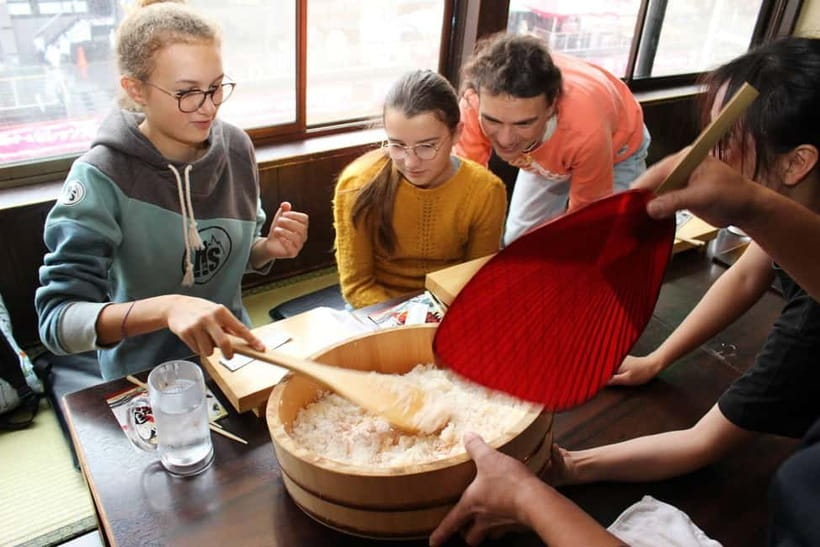
Next, you make sushi rice. This is the backbone of the whole experience. You learn about the flavor of Japanese rice and the art of mixing vinegar into it properly. The technique is what gives sushi rice its signature balance, and it also affects how well the rice holds together when you roll. In a hand-roll class, sushi rice is your glue and your flavor engine, so you really feel how important this step is.
After that, you take part in a wasabi tasting. This is one of the most memorable parts of the class for many people. You do not just get told wasabi is strong, you smell and taste real Japanese wasabi and notice the aroma and spiciness firsthand.
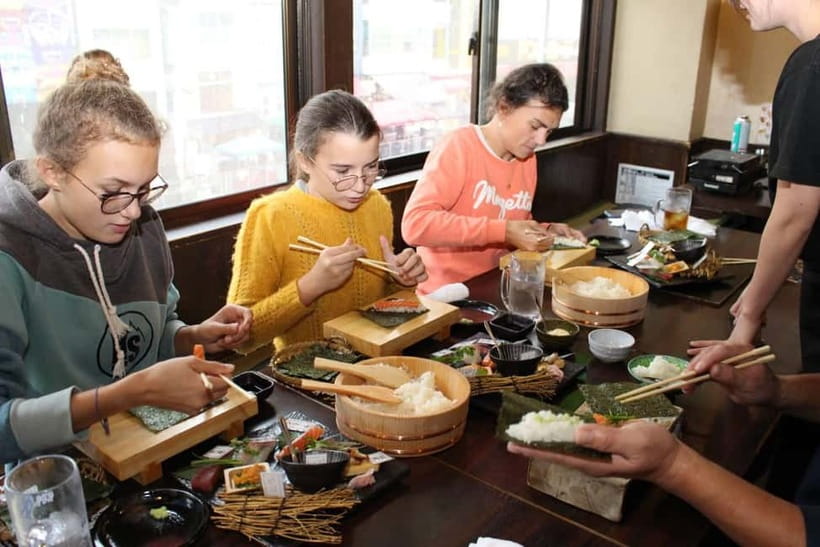
Then comes the hands-on portion. You form your own hand-rolled sushi using fresh ingredients, with tools and materials provided. You are not doing a complicated multi-course dinner, you are learning technique you can repeat, which makes this class satisfying even if you are a total beginner.
Sushi Rice Lessons You Can Actually Taste
If you have ever tried to make sushi at home and wondered why it tastes different, this is where your answer starts. Sushi rice is not just cooked rice with something sprinkled in. The class focuses on why Japanese rice tastes the way it does, and it shows you how vinegar mixing changes the rice.
When you are making the rice yourself, you start to notice texture and seasoning in a practical way. You get the logic behind the vinegar, and you get the result in your own hands, which helps the next steps make sense. This is also why I think this class feels good value. A lot of cooking classes teach you recipes. This one teaches you a key technique that controls the whole outcome.
There is also an extra benefit for people who love food science, even casually. Sushi rice is the part that determines balance, so if you are the type who keeps thinking about why one roll tastes clean and another tastes flat, learning this step is useful well beyond the class.
Wasabi Tasting: The Aroma and Heat People Remember
Real wasabi is a small plant with a big reputation. Most people have only encountered imitation wasabi in tube form, mixed into something else, or served as a garnish that never quite delivers the real punch.
Here, you get a wasabi tasting that highlights aroma and spiciness. That matters, because wasabi is not just a flavor, it is a scent plus a sensation. The heat feels different from many other spicy ingredients, and the smell hits your nose in a way that makes it feel fresh and immediate.
This wasabi tasting is also popular because it is a simple moment of surprise inside a hands-on class. Even if you are not sure you like wasabi, smelling and tasting it in a controlled setting, with the class guiding you, is an easy way to expand your food comfort zone.
A change of pace from Osaka:
- Osaka Go Karting Tour with Funny Costume
★ 5.0 · 2,658 reviews - Osaka Castle: Museum and Tower Entry Ticket
★ 4.5 · 2,380 reviews - Osaka: Shinsekai Food Tour with 13-15 Dishes at 5 Eateries
★ 4.8 · 2,204 reviews - Osaka Food Tour: 13 Dishes at 5 Local Eateries
★ 5.0 · 2,149 reviews
Making Hand Rolls in a Tatami Room With River Views
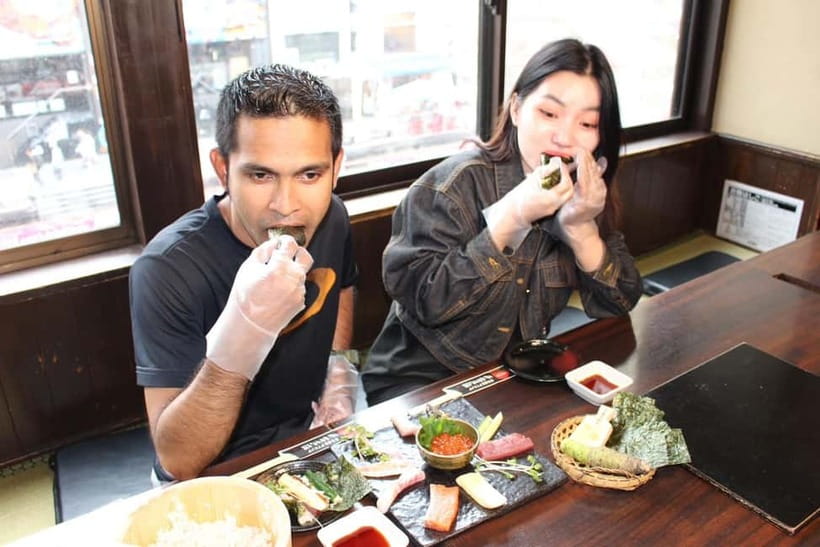
Once the lesson pieces are in place, it is time to roll.
In the hand-rolling stage, you work with the ingredients and tools provided and make your own custom hand rolls. Many classes hand you a uniform approach, but this one is built to let you assemble rolls in a way that feels personal. The setup includes a wide variety of options to choose from, and you build the rolls from there.
This is also where you get useful pairing information. During the process, the chef shares a homemade soy sauce for you to pair with your own rolls. That is the kind of extra detail that helps the final bite taste intentional, not generic.
One thing to know about the hands-on part: you are likely to eat what you prepare during the session. That is part of how you learn, because tasting confirms whether the rice seasoning and ingredient choices are landing. For me, that is a plus, but it is not for everyone.
If you have very strict fish preferences, pay attention. One experience described disappointment around getting a fish they did not want, which led to food they did not end up enjoying. So if you are picky about specific seafood, think about how you will handle an ingredient you did not choose. The class does include choice-based assembly in general, but you might not be fully in control of every seafood selection.
What’s Included in the Price, and Why It Feels Fair
The cost is 8,000 yen per person, tax included. In the currency you provided, that roughly lines up with about $54. For that price, you get more than a demo. You get the full learning loop: sushi introduction, sushi rice practice, wasabi tasting, and hands-on hand-roll making, plus all materials and tools. You also get one drink service, listed as a soft drink.
That combination is what makes the value feel real. You are paying for technique and ingredients, and you are doing it in a room with actual river views, not a generic classroom. You are also paying for English support, since the experience is available in English.
What is not included is transportation and any extra meals or drinks beyond what is specified. In practice, that means you should treat this as a main food-learning event, then plan your day around it with street snacks or a dinner afterward if you are still hungry.
If you like foodie experiences that stay practical, this one fits. You leave knowing the steps and the logic behind sushi rice, plus you get hands-on rolling experience and a wasabi moment that lingers.
Who Should Book This (and Who Might Want a Different Plan)
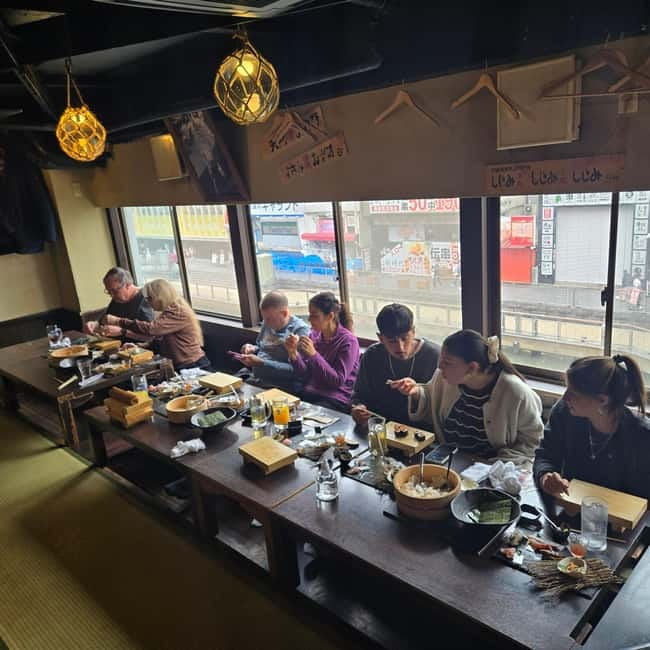
This class is a good match if you want a hands-on activity that feels cultural, not just performative. It is also strong for couples and families, since you learn step-by-step and you end up with edible results. If you have kids who are curious about food, the format can work because it is a clear sequence, and you are surrounded by the steady rhythm of guided instruction.
It is especially appealing if you are doing a Dotonbori day and want a break from walking and neon. Sitting in a tatami room with a river view gives you a reset. You get the best of both worlds: a lively neighborhood outside and a calm learning environment inside.
It might be less ideal if you are expecting a buffet-style final spread where you pick everything freely and then get one big plate at the end. Since you likely eat during the session, the experience is more about cooking and tasting as you go. And if you have very strong preferences about seafood types, you might want to read your comfort level carefully.
Practical Tips for Your Dotonbori Sushi Session
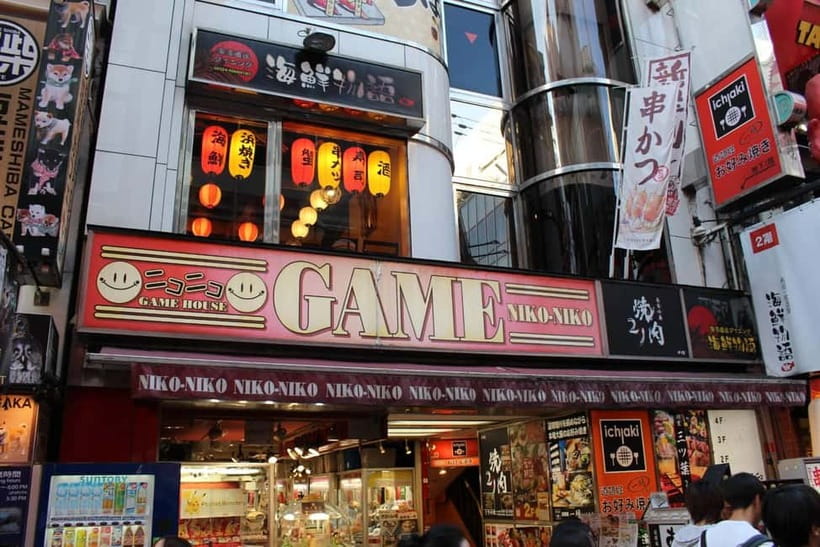
A few small things help a lot.
Bring: a hat, a camera, water, and comfortable clothes. Comfortable clothes matter more than you might think, because you will be doing hands-on rolling and you do not want to feel stiff or overheated.
Plan your timing. Sessions are at 12 pm and 2 pm, each lasting two hours. Build in time to reach the Nico Building and find the correct entrance on the main street.
Go in with the right mindset. This is not a high-speed class. It is a learning sequence, so pay attention during the sushi rice and wasabi steps. Those are the parts that make your final roll taste correct, not just pretty.
Also, remember you get only one included drink. If you are someone who prefers water with food, bring your own water as suggested and take small sips between steps.
Finally, you are in central Dotonbori, so expect it to feel busy around the building. Once you are upstairs, though, you should be able to settle into the tatami room and focus.
Should You Book the Hand Roll Sushi Experience in Dotonbori?
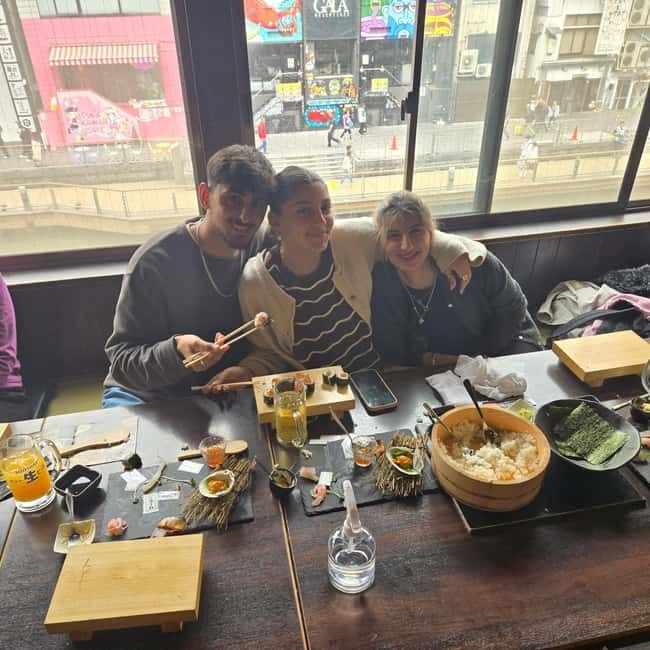
I think you should book this if you want a practical sushi class in a beautiful setting and you enjoy learning through taste. The combination of sushi rice technique, real wasabi tasting, and hands-on hand rolling makes it more than a one-time meal. At 8,000 yen tax included, the included materials, guidance, and food you make feel like a fair trade for the skill you take home.
Skip it if you are looking for total menu control, or if you only want a big final platter. Also consider this if you are extremely picky about specific seafood types, since ingredient selection may not be fully up to you in every case.
If your goal is to leave Osaka with more than photos, this class gives you steps you can repeat, plus a wasabi experience you will not forget.
FAQ
How long is the Osaka Dotonbori hand roll sushi experience?
Each session lasts two hours.
What time does the hand roll sushi experience run?
The experience is held twice a day, at 12 pm and 2 pm.
Where is the experience located?
It is on the 2nd floor of the Nico Building, 1-6-12 Dotonbori, Chuo-ku, Osaka.
What is the meeting point?
Meet at 海鮮物語道頓堀店にお越しください.
What is included in the price?
Included are an introduction to sushi, making sushi rice, wasabi tasting, a hands-on hand-rolled sushi session, all materials and tools, and one drink service (soft drink).
What should I bring with me?
Bring a hat, camera, water, and comfortable clothes.
How much does it cost?
The cost is 8,000 yen per person (tax included).
Latest write-ups near Osaka
- PRIVATE 6hr, Food tour from Osaka Castle, Kuromon, Dotonbori.★ 5.0 · 68 reviews
- 90 min Shared Handmade Udon Experience★ 5.0 · 70 reviews
- Ramen and Gyoza Cooking Class in Osaka Dotonbori★ 5.0 · 73 reviews
- Osaka: Sushi Making in Spacious Studio (SAME-DAY OK!)★ 5.0 · 75 reviews
- Osaka E-Bike Tour With A Local Guide★ 4.7 · 75 reviews
- 1.5〜2 Hours Traditional Kintsugi Work Shop in Namba Osaka★ 5.0 · 75 reviews
- Retro Osaka Street Food Tour: Shinsekai★ 4.5 · 77 reviews
- Osaka: Osaka Castle Guided Tour with Local Guide★ 4.7 · 78 reviews
Sushi Making Classes, compared.
Sushi Making Tokyo Roll and Authentic Japanese Sushi Class
Read our review →
Roll and Authentic Sushi Making Class in Asakusa
Read our review →
Make Sushi and Create Unforgettable Memories in Tokyo
Read our review →
Sushi Making Class in a Happi Coat near a Famous Spot
Read our review →
Sushi Making Osaka Roll and Authentic Japanese Sushi Class
Read our review →
Tokyo Sushi Making Class in Tsukiji with Professional Chef
Read our review →
Tokyo Night Foodie Tour in Shinjuku – Seasonal Sushi, Wagyu Beef
Read our review →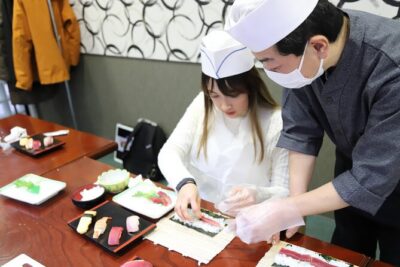
Tsukiji Fish Market Guided Tour and Sushi Making with Pro Chef
Read our review →Browse the lists this tour appears in