
Reviewed · SUSHI MAKING CLASSES
Osaka Dotonbori: Sushi Making Experience
If you want a hands-on way to understand Osaka food culture, this sushi making class in Dotonbori is a fun shortcut. You turn a busy entertainment district into your own tiny sushi counter, guided step by step.
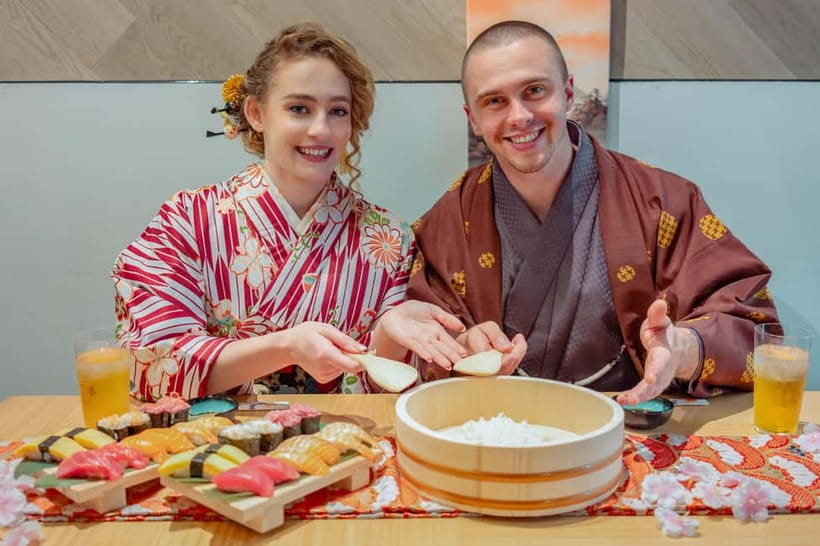
I especially like two things. First, you make 12 sushi pieces yourself and eat them right after, so it never feels like a classroom exercise. Second, the experience includes the lighter side of Japanese culture, with sushi cosplay, a photo moment, and a sushi master certificate at the end.
One consideration: depending on the day and what you’re expecting, one review noted the seafood did not feel extremely fresh. Still, most people found the sushi high quality and delicious, so it’s not a dealbreaker, just something to keep in mind.
Key highlights you will care about
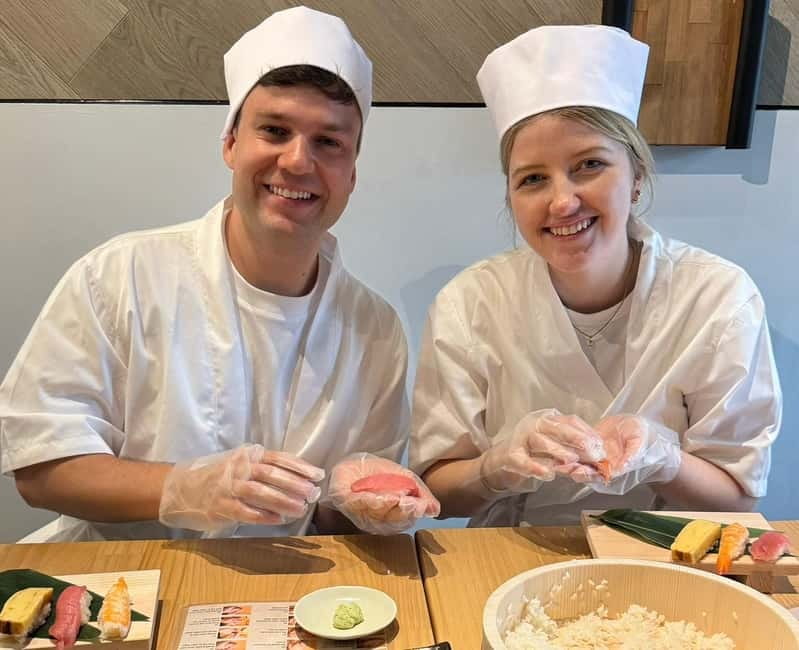
- 12 pieces of sushi made by you with a satisfying final plate at the end
- English instructors, including hosts such as Mako and Saki (and others), who keep the steps clear
- Real technique workflow, from vinegar rice to shaping and topping with wasabi
- Sushi cosplay and photos, plus a small gift and a sushi master certificate
- Vegan and halal sushi options available, so you are not stuck skipping the experience
- Sake tasting paired with the sushi you made
Why this Dotonbori sushi workshop feels different from a basic class
Osaka’s Dotonbori can feel loud from the street. This class flips that energy into something personal. In 90 minutes, you go from learning what sushi is to shaping your own rolls and bites with your own hands.
What makes it work is the pace. It’s not just watching. The chef guides you through each part of the process, and you keep moving: rice first, then shaping, then topping, then final form. That rhythm is great for beginners because you are always doing something, not waiting.
Also, you get more than sushi on a plate. You get a cultural moment. Several hosts have a comedic, friendly vibe, and names you may meet include Mako, Saki, Mika, Yumiko, Kosei, Marko, Toshiki, Anri, Yui, and Maho. People repeatedly mention that the instructors talk through Japanese habits and small facts about Osaka along the way.
More Sushi Making Classes in Osaka
- Sushi Making Osaka Roll and Authentic Japanese Sushi Class
★ 5.0 · 1,220 reviews - Osaka Sushi Making Experience
★ 5.0 · 400 reviews - Osaka Sushi Making Class – Hands-On Nigiri & Rolls (Same-Day OK)
★ 5.0 · 352 reviews
The 90 minute flow: from sushi rice to your last bite
The class is structured around the actual building blocks of sushi. You learn the sequence that makes sushi taste balanced, not random. Here is the typical step-by-step workflow you can expect.
Step 1: Making shari with sushi vinegar
You start by taking sushi rice and spreading sushi vinegar over it. This is where the class makes you understand something important: sushi rice is not regular rice. It’s seasoned rice that becomes slightly glossy and cohesive, so it holds shape when you press it.
If your hands feel clumsy at first, good. That is normal. The instructor’s job is to show you how to handle the rice without squishing it into a paste. You will also learn how to time the rice handling so it stays workable.
Step 2: Shaping the shari (rice ball technique)
Next comes the rice ball shaping. This is the step where people often realize sushi is mostly technique and feel. You learn how much pressure to use, and how to shape without overworking the rice.
You will probably pick up tips like how to keep the rice from sticking and how to stay consistent piece to piece. That consistency matters because you are making 12 pieces, not just one.
A change of pace from Osaka:
- Osaka Go Karting Tour with Funny Costume
★ 5.0 · 2,658 reviews - Osaka Castle: Museum and Tower Entry Ticket
★ 4.5 · 2,380 reviews - Osaka: Shinsekai Food Tour with 13-15 Dishes at 5 Eateries
★ 4.8 · 2,204 reviews - Osaka Food Tour: 13 Dishes at 5 Local Eateries
★ 5.0 · 2,149 reviews
Step 3: Adding neta and wasabi the right way
Now you bring in the topping, called neta. The process taught in this class includes adding wasabi on the neta, then combining neta with the shari. That order helps you control flavor distribution so you get heat and freshness in each bite rather than one strong spot.
This part is where you learn why Japanese chefs care about balance. Some people think sushi is about fish. In practice, it is about the proportion: vinegared rice texture, topping placement, and the small hit of wasabi.
Step 4: Final shaping using your fingers
Last, you shape the sushi into its final form using your fingers. This is where you go from “I made rice” to “I made sushi.” In reviews, people praise how instructors simplify the steps so it becomes doable, even if you have never held a sushi rice mound before.
You end up with a set of pieces that you can eat as your own finished product. That matters. The class feels like practice, but the payoff is real food you made.
Sake tasting plus sushi cosplay: the fun parts that feel actually Japanese
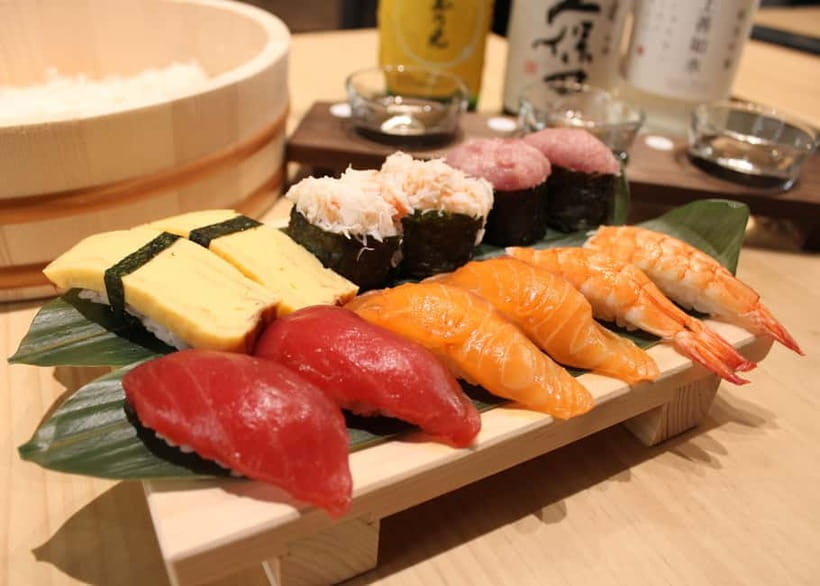
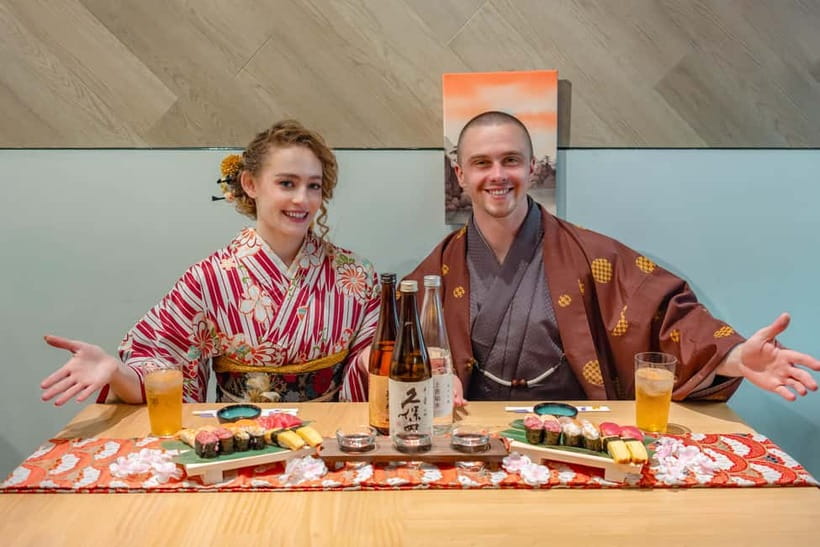
This is not only a cooking class. You also get to play a bit. Along with eating your sushi, the experience includes Japanese sake, and it pairs nicely with what you are learning.
Sake tasting works because it gives you context. The instructor can connect the drink and the food culture, and it turns the class into a mini cultural session instead of just a meal prep task.
Then there is the sushi cosplay and photo moment. This is one of the most memorable perks for people because it breaks the normal “serious cooking class” script. You get a chance to pose, take photos, and treat the whole thing like an experience, not chores.
At the end, you receive a certification of Sushi master. It is a small thing, but it gives you a tangible souvenir. Reviews mention it often, which tells you people value the moment of completion.
How the instructors keep it easy for beginners (even if you mess up)
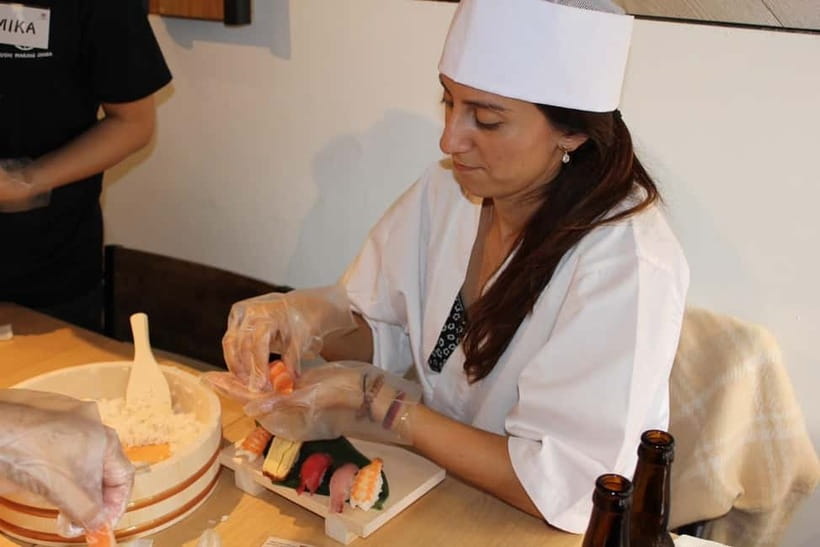
If you are worried about being a clumsy novice, take heart. Many reviews specifically call out that the hosts are fun, supportive, and good at explaining technique in clear English.
Common strengths people highlight:
- Instructors keep the class moving at a calm, guided pace.
- They demonstrate first, then help you correct as you go.
- They keep conversation flowing, which makes the time feel shorter.
Some people describe the vibe as almost private if your time slot is quiet. One person noted that when no other bookings were in the slot, it felt like a private lesson. That means you might get extra attention if the group size is small.
One more practical note. A review mentioned that the instructor will correct technique and can show what to look for when you do it properly. That kind of feedback helps a beginner learn fast, instead of just guessing.
And yes, you can learn little details like chopstick tips. At least one review mentions that you get help with chopsticks and basic Japanese learning along the way.
Price and value: what $45 buys you in Osaka terms
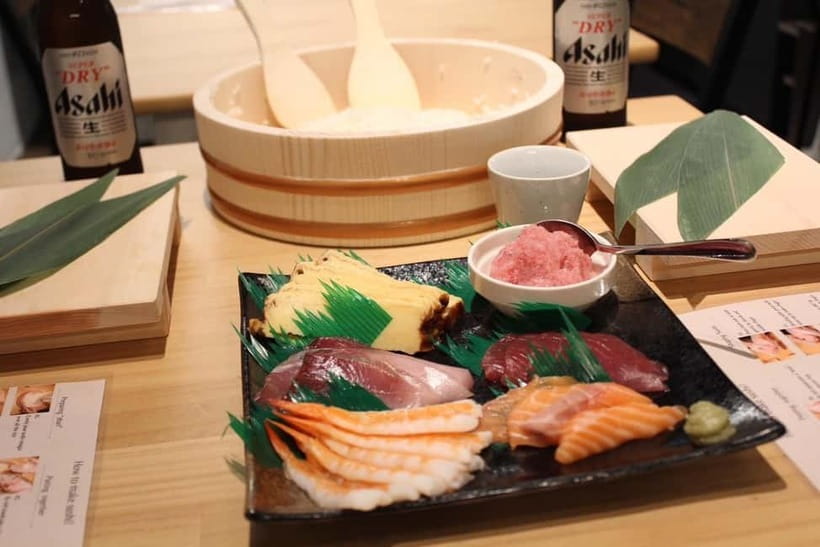
At $45 per person for 90 minutes, the price makes sense because you are not paying for a theoretical demo. You are paying for ingredients, instruction, your finished meal, and extra cultural extras.
Here is why it feels like value:
- You make 12 pieces of sushi, so the food portion is substantial.
- You eat what you make, which is different from classes where you mostly snack on leftovers.
- You get instruction in English, plus a hands-on workflow that teaches real technique.
- You get sake, cosplay and photos, and a Sushi master certificate.
There is also an ingredient quality story in the reviews. One reviewer mentioned that the chefs buy ingredients from markets daily. Even when that is not guaranteed for every day, it signals that instructors care about sourcing and taste.
If you are already planning to eat sushi in Dotonbori, this class can be a smart swap. Instead of paying for a meal and moving on, you pay for an experience with a meal attached.
Dietary options and real-life allowances
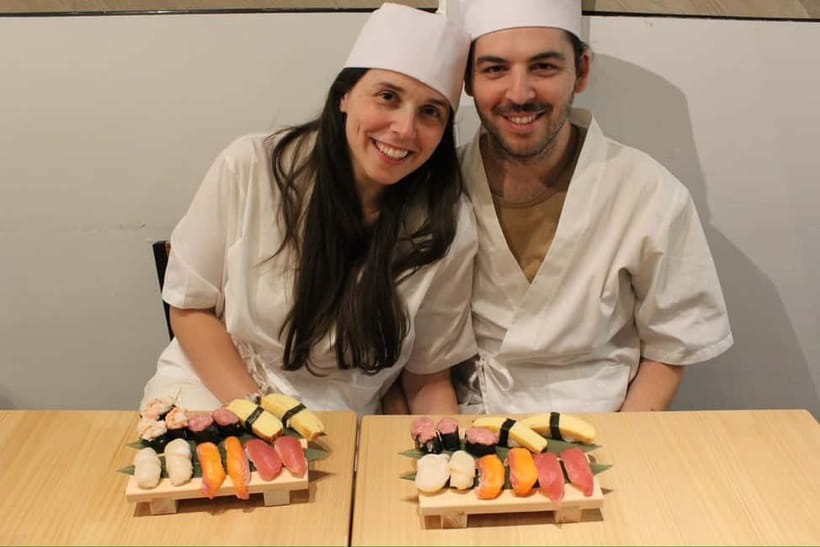
Good news if you avoid fish. This class lists vegan and halal sushi options. That means you are more likely to participate fully rather than watching others eat.
One review also mentioned gluten-free soy sauce to accommodate a gluten allergy. You should still plan ahead and tell the operator about allergies, but it is a helpful sign that they can respond to specific dietary needs.
My practical advice: if you have strong restrictions, confirm your requirements when you book. That way you get the correct version of the sushi kit and the right condiments.
Logistics: where the class fits in your Dotonbori day
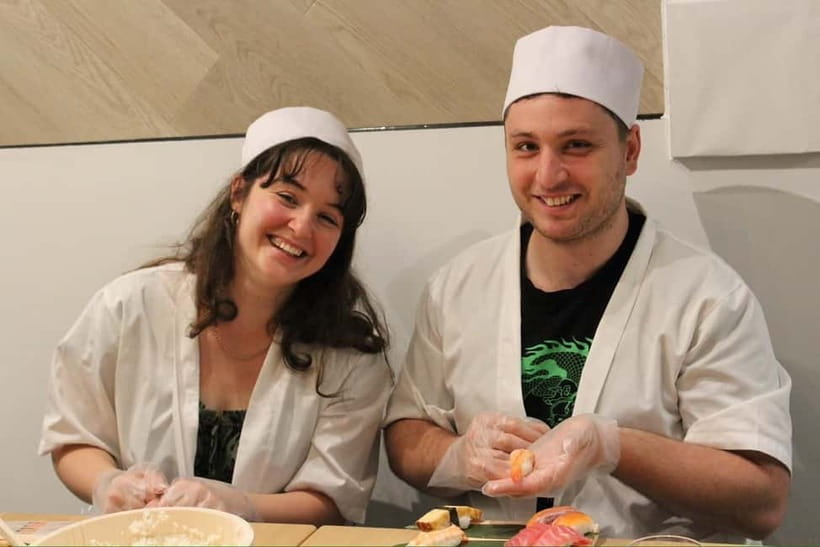
This activity runs for 90 minutes, with starting times based on availability. That is a comfortable length. It works well as:
- a first food experience after you arrive,
- a midday break from walking Dotonbori,
- or an afternoon activity before dinner.
One review mentioned navigation could be a little tricky, including a request to fix the Google Maps pin. So if you rely on apps to find the exact door, double check your location before you head over.
Also, the class is described as skipping the ticket line. That matters in busy neighborhoods where waiting can eat up your energy.
Who should book this class, and who might skip it
This is a great fit if you want sushi learning plus entertainment. It is also ideal if you like structured instructions and want to leave with something you can point to and say, I made that.
Book it if:
- you are a beginner who wants a guided technique lesson,
- you want a hands-on meal experience in Dotonbori,
- you like goofy photo moments and want a souvenir certificate,
- you need vegan or halal options.
You might skip it if:
- you only care about tasting high-end seafood and not about the process,
- you are very picky about fish freshness and prefer to choose seafood in a restaurant setting,
- you dislike cultural or playful extras.
Should you book the Osaka Dotonbori sushi making experience?
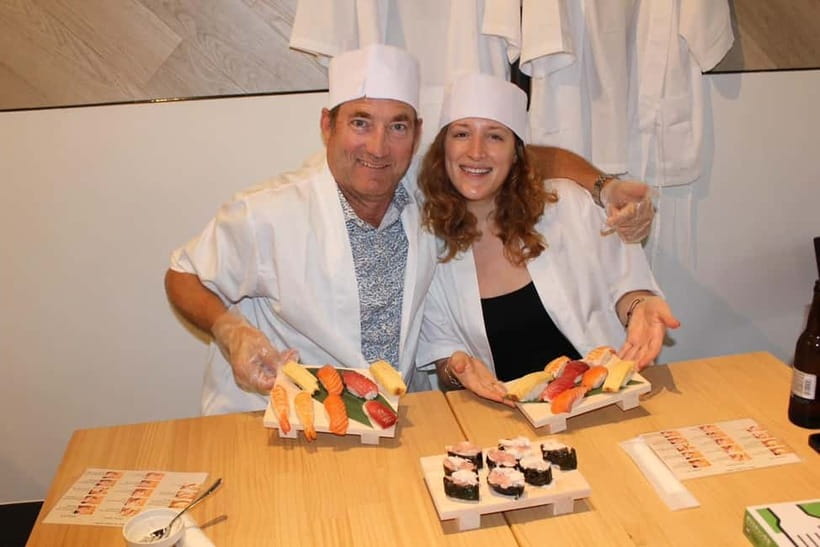
Yes, I think you should book it if you want a memorable, beginner-friendly sushi class with a real food payoff. The combination of 12 pieces you make, English instruction, sake, and the fun add-ons like cosplay, photos, and the Sushi master certificate makes it feel more complete than a basic cooking demo.
If you are traveling with someone who eats sushi sometimes, this is also a good compromise. One half of the group gets to learn technique, the other half gets to enjoy the social and playful parts.
Just do one thing: set expectations. You are learning technique and eating what you made, not chasing a restaurant-grade seafood tasting. With that mindset, this class is an easy yes for Osaka.
FAQ
Where is this sushi making experience located?
It is an Osaka Dotonbori sushi making experience in Honshu, Japan.
How long is the class?
The duration is 90 minutes.
What is included with the class?
You get all ingredients for making 12 pieces of sushi, sushi cosplay, and a certification of Sushi master.
Do you get to eat and drink what you make?
Yes. You can enjoy the sushi you make, and the experience includes Japanese sake.
Is the class taught in English?
Yes. The instructor is English.
Are vegan or halal options available?
Yes. Vegan and halal sushi are available.
Is there wheelchair access?
Yes, the activity is wheelchair accessible.
What is the cancellation policy?
Free cancellation is available up to 24 hours in advance for a full refund.
Latest write-ups near Osaka
- 90 min Shared Handmade Udon Experience★ 5.0 · 70 reviews
- Ramen and Gyoza Cooking Class in Osaka Dotonbori★ 5.0 · 73 reviews
- Osaka: Sushi Making in Spacious Studio (SAME-DAY OK!)★ 5.0 · 75 reviews
- Osaka E-Bike Tour With A Local Guide★ 4.7 · 75 reviews
- 1.5〜2 Hours Traditional Kintsugi Work Shop in Namba Osaka★ 5.0 · 75 reviews
- Retro Osaka Street Food Tour: Shinsekai★ 4.5 · 77 reviews
- Osaka: Osaka Castle Guided Tour with Local Guide★ 4.7 · 78 reviews
- Osaka Okonomiyaki Cooking Experience!★ 5.0 · 79 reviews
Sushi Making Classes, compared.
Sushi Making Tokyo Roll and Authentic Japanese Sushi Class
Read our review →
Roll and Authentic Sushi Making Class in Asakusa
Read our review →
Make Sushi and Create Unforgettable Memories in Tokyo
Read our review →
Sushi Making Class in a Happi Coat near a Famous Spot
Read our review →
Sushi Making Osaka Roll and Authentic Japanese Sushi Class
Read our review →
Tokyo Sushi Making Class in Tsukiji with Professional Chef
Read our review →
Tokyo Night Foodie Tour in Shinjuku – Seasonal Sushi, Wagyu Beef
Read our review →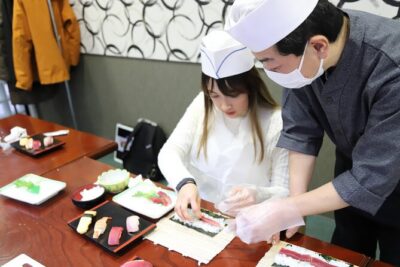
Tsukiji Fish Market Guided Tour and Sushi Making with Pro Chef
Read our review →Browse the lists this tour appears in