
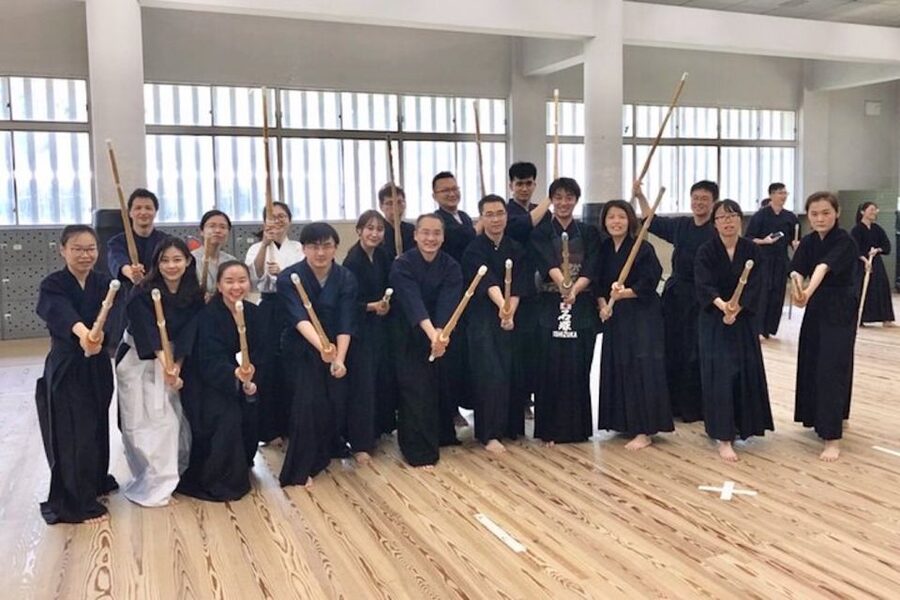
Reviewed · SAMURAI & NINJA EXPERIENCES
Osaka: Kendo Workshop Experience
Osaka kendo is interesting because it is not just about swinging a bamboo sword. In a real dojo setting, you follow an orderly training flow, learn proper manners, and feel the rhythm of kendo through drills, sound, and controlled contact.
I especially like the small-group coaching approach and the fact that the session follows a full kendo training arc, from ritual etiquette to a match-style mini-game. In at least one praised lesson, instructors like Yamasaki sensei were noted for clear English and careful teaching, so you know what to do and why.
One drawback to plan for: this is physical training in full gear. It is not suitable for kids under 9, pregnant women, wheelchair users, or anyone with mobility impairments, and you will be changing clothes for the session.
Key Points You Will Care About
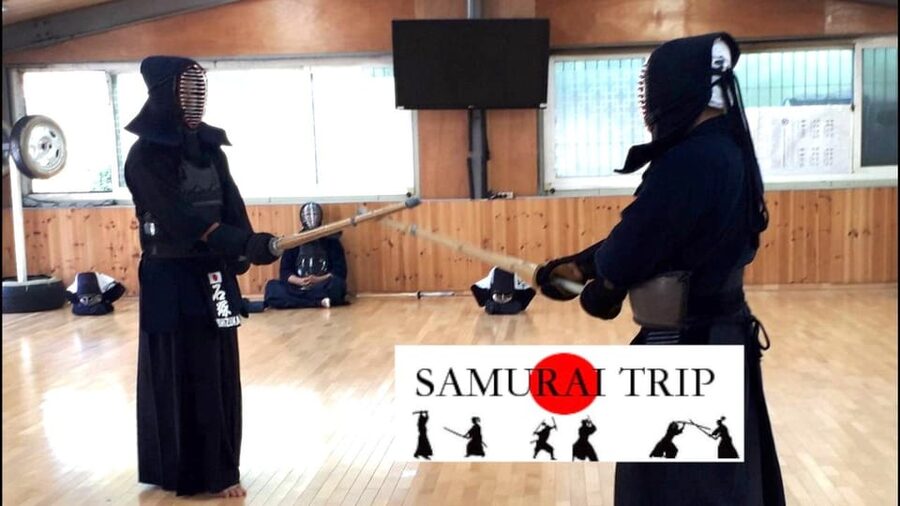
- Limited to 2 participants, so you get hands-on corrections instead of watching from the sidelines
- Rental armor and equipment are provided, including face protection called Men
- You learn the whole flow, starting with etiquette and ending with a mini-game match format
- Kendo culture is part of the program, including history and manners as a martial art
- National-level instructor demonstrations are included so you can study real technique up close
- You receive a special kendo towel, used when putting on the Men face protector
Kendo in Osaka That Feels Like Training, Not Costume Time
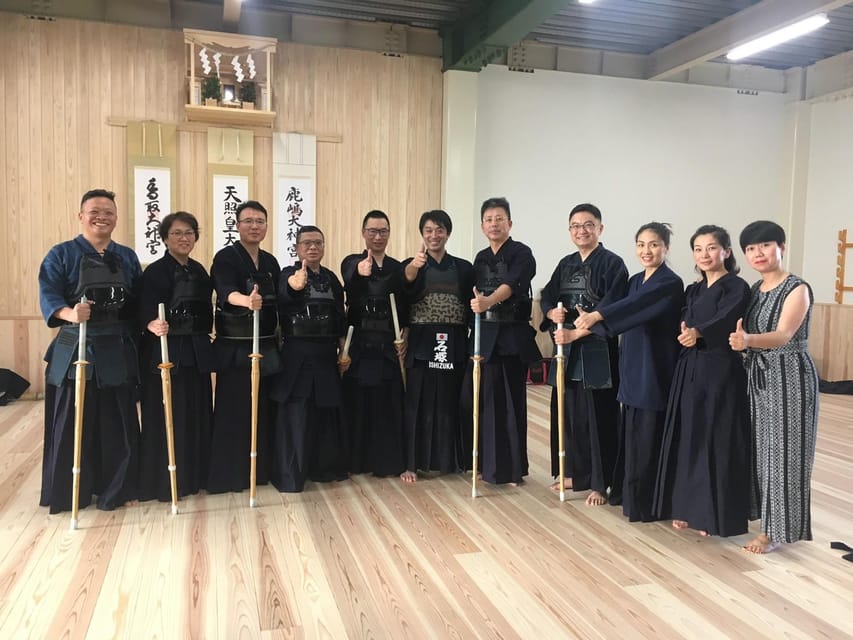
A lot of martial-arts experiences stop at posing. This one keeps going. In a quiet dojo atmosphere, you go through the etiquette first, then the physical work, with bamboo swords and practiced striking, all guided by instructors who know how to teach newcomers safely.
You feel the details fast. The dojo etiquette is not just a script, it shapes how you stand, move, and focus. Then the sound of bamboo swords contacting and the instructor’s voice echoing in the room make the training feel immediate and real, not staged.
If you like sports where posture matters and discipline is part of the fun, you will get a lot out of this. If you want something low-effort, or you hate changing into training gear, you might feel out of place.
More Samurai & Ninja Experiences in Osaka
- Samurai Training Experience KENDO in Osaka
★ 5.0 · 515 reviews - OSAKA NIGHT FUSION Japanese Taiko Kabuki Samurai Dance Show
★ 4.8 · 155 reviews - Osaka: Samurai Training Experience KENDO in Osaka
★ 5.0 · 111 reviews
Arriving at 鴫野会館, Shigino Kaikan Hall, and Why the Small Group Matters
The meeting point is 鴫野会館 / Shigino Kaikan hall. That matters because it signals this is run through a dojo-type facility, not a random studio room with props.
The session is designed for a small group limited to 2 participants. Translation: you are less likely to get lost in the shuffle. You also get more time to ask questions and get corrections for hand position, stance, and how you hold your bamboo sword.
The instructor team is listed as English and Japanese, so you are not stuck guessing. That language support is a big deal in kendo, where small details in movement and etiquette affect safety and results.
Getting Kitted Out: Clothes, Etiquette, and First Strikes
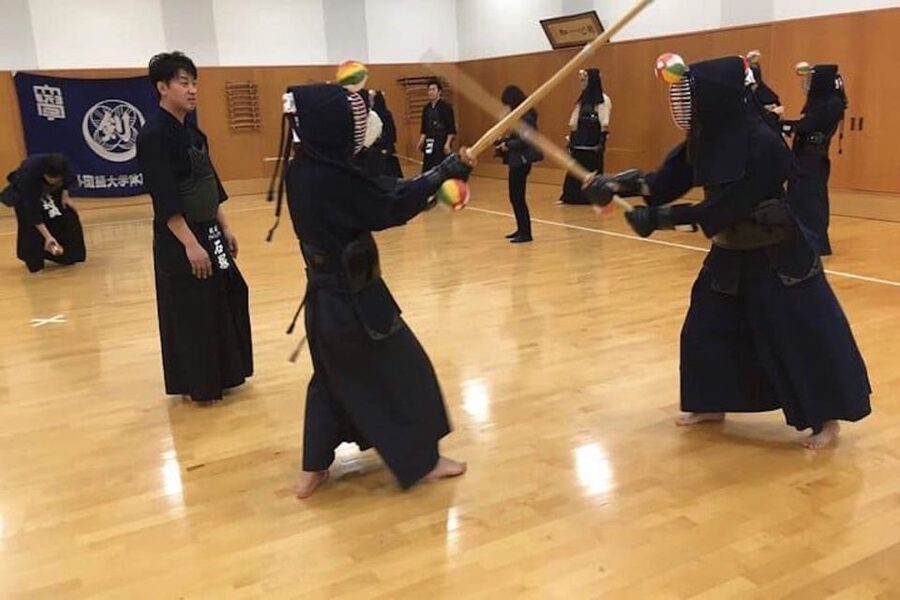
The workshop starts with a planned regular model program. Expect a change of clothes portion. You will also get instruction focused on basic etiquette before weapons work begins. In kendo, this is not “optional politeness.” It is the setup for safe training and proper movement.
Next comes a basic lecture and hands-on practice. You will train with bamboo swords in the early segments, with guidance that covers how to hit and how to keep your form.
Then there is a step that helps you connect theory to reality: hitting with bamboo swords and hitting to the teacher. That part is often what makes people go from thinking about kendo to actually doing kendo. It is controlled, structured, and taught by professionals.
A practical tip for you: treat the etiquette time like part of the workout. If you rush it, you will feel clumsy later when the pace and expectations shift.
The Whole Kendo Training Flow, From Ritual to Men Face Protector
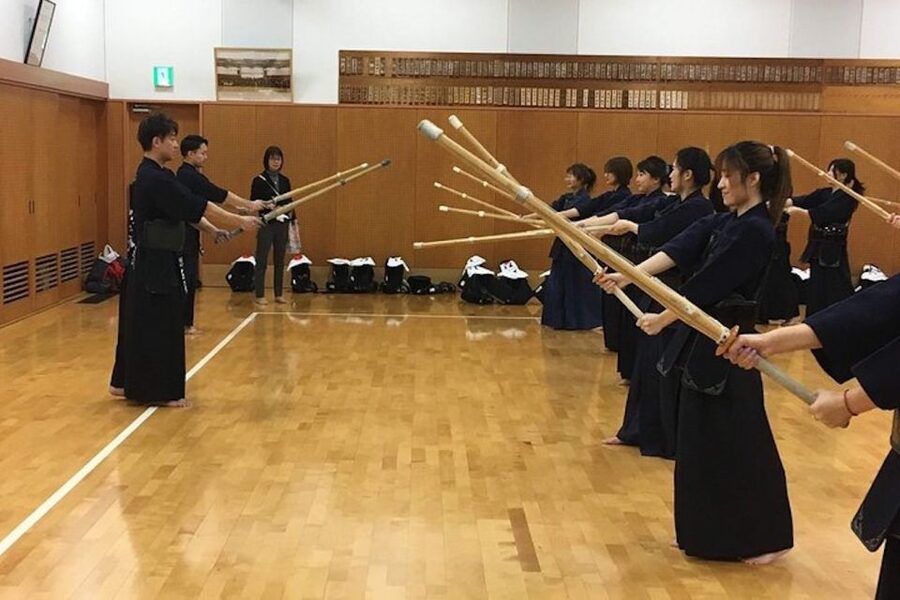
What makes this workshop special is that it follows a full training sequence. You do not just learn one trick. You go through a course-like progression that mirrors how kendo instruction is built.
After the initial etiquette and basics, there is an interval for a Kendo culture course. This is where you learn more than technique. You get context on the history of kendo and how kendo is framed as a martial art, including its manner and mindset.
After the cultural piece, you put on the face protector called Men. This is a major step in your kendo experience because it changes how you see, breathe, and focus. The workshop also includes a special kendo towel that you receive as a participant, and it is meant to be used when putting on the Men.
Then you do hitting to the teacher again. This is smart pacing: you learn, then you learn more, then you apply what you just understood with the key protective gear in place.
The overall feeling is that you start outside the system and then, step by step, you get pulled into it.
A change of pace from Osaka:
- Osaka Go Karting Tour with Funny Costume
★ 5.0 · 2,658 reviews - Osaka Castle: Museum and Tower Entry Ticket
★ 4.5 · 2,380 reviews - Osaka: Shinsekai Food Tour with 13-15 Dishes at 5 Eateries
★ 4.8 · 2,204 reviews - Osaka Food Tour: 13 Dishes at 5 Local Eateries
★ 5.0 · 2,149 reviews
The Men Moment and Why It Makes Beginners Feel Like Learners
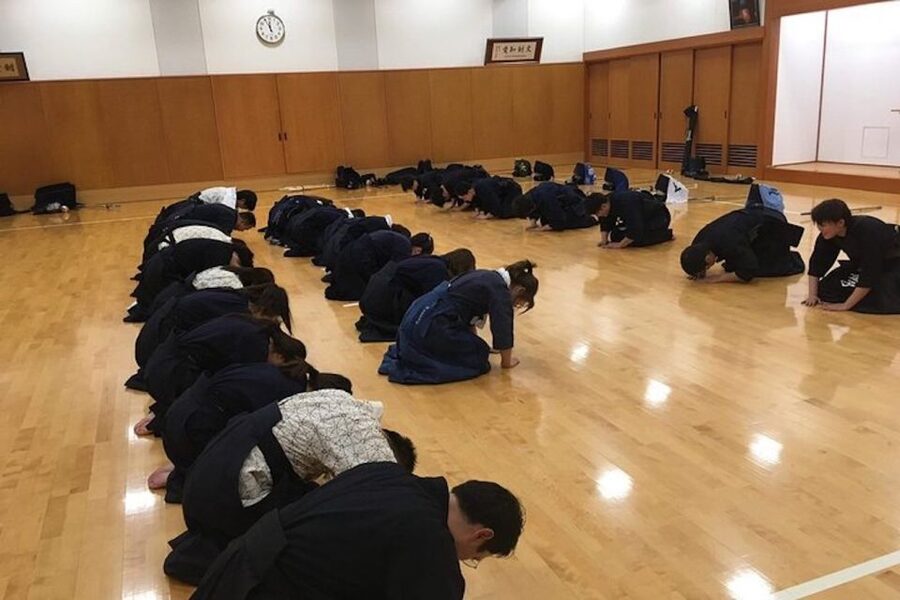
Putting on Men can feel intimidating, but that is the point. It is also one of the reasons people leave with a real sense of achievement.
Once you have the Men, you are in training mode. The instructor can guide your stance and striking without you worrying about the face getting hit, because you are protected. That protection gives you the freedom to focus on technique and timing.
You also tend to hear more clearly. The dojo sound changes as you move, and the collision of bamboo swords becomes part of the training feedback loop. It is noisy in a good way, like a gym that is actually running drills.
If you are the kind of traveler who likes structured learning, you will appreciate how the Men stage acts like a checkpoint. You can tell where you are in the training flow, and that makes progress easier to feel.
Match-Style Mini-Game: What You Actually Get to Do
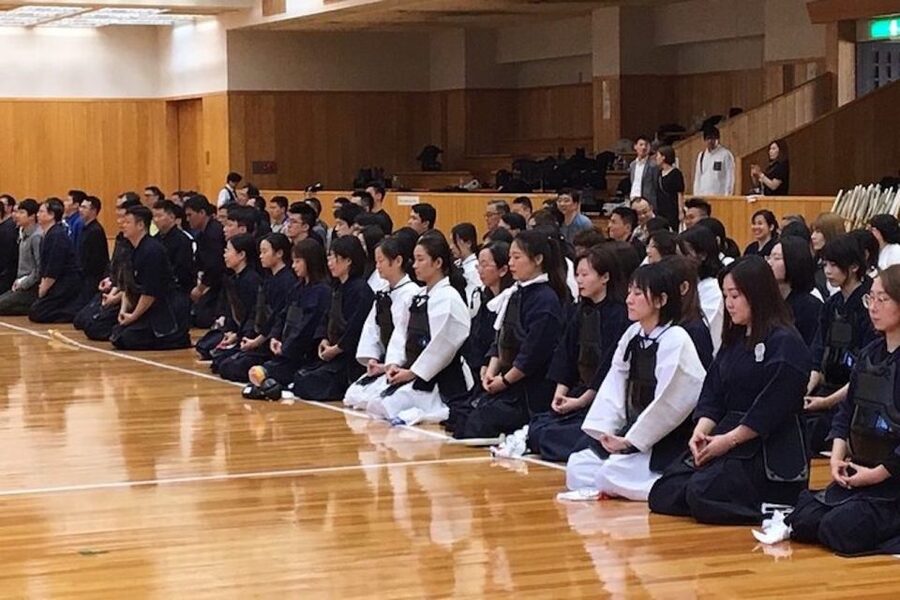
Most visitors want the “I fought a little” moment, but without chaos. This workshop builds toward that.
After the Men segment and additional hitting practice, you get a match-style mini-game. The idea is not to turn you into an athlete overnight. It is to let you apply what you learned in a format that resembles kendo rather than a random free-for-all.
This mini-game is also where your etiquette matters. Kendo is strict about how you prepare and how you respond, and the mini-game helps you experience that structure. You practice reading timing and moving with intent.
Because the instructors are guiding and the group is small, you are more likely to leave feeling like you participated, not like you watched.
If you have never done kendo before, this is usually the part that makes it click. If you have tried before, it can still be useful because you revisit basics with real feedback and a clear sequence.
Seeing Technique Up Close: National-Level Demonstrations and Photography
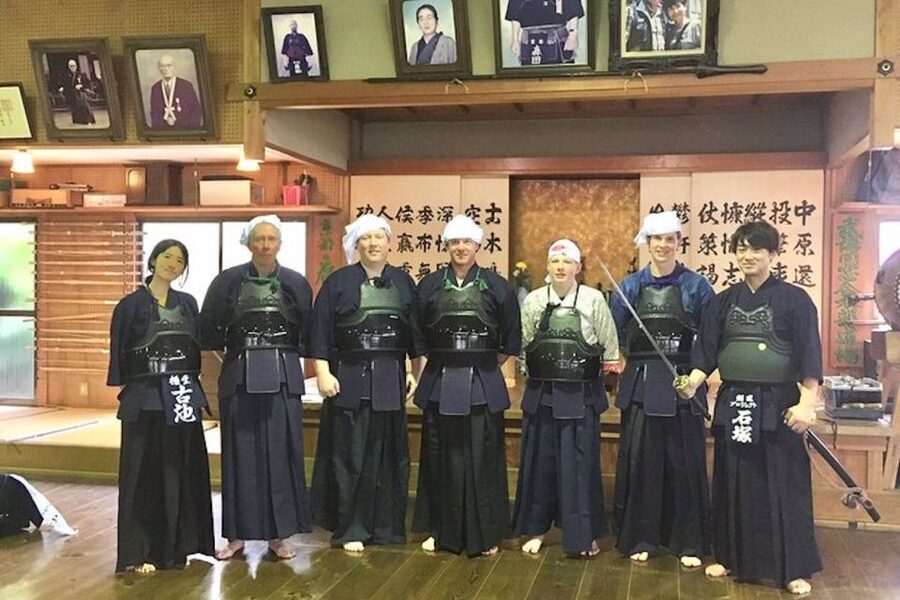
Right after the mini-game, the program includes demonstrations by national level instructors. This is a valuable part of the experience because it gives you a clear target.
When you watch from close range, you notice details that you miss when you only focus on the idea of striking. You can see how their stance looks before contact, how they move between moments, and how the posture stays controlled even when speed increases.
After the demonstrations, you wrap up with etiquette and photography. This is where you get a memory you can actually point to later, like I did that in a real dojo setting.
If you care about photos, you will want to mentally switch modes during etiquette. The workshop is respectful and formal, and you will get better pictures if you follow the flow instead of breaking it for angles.
Price and Value: What $116 Buys in Real Instruction Time
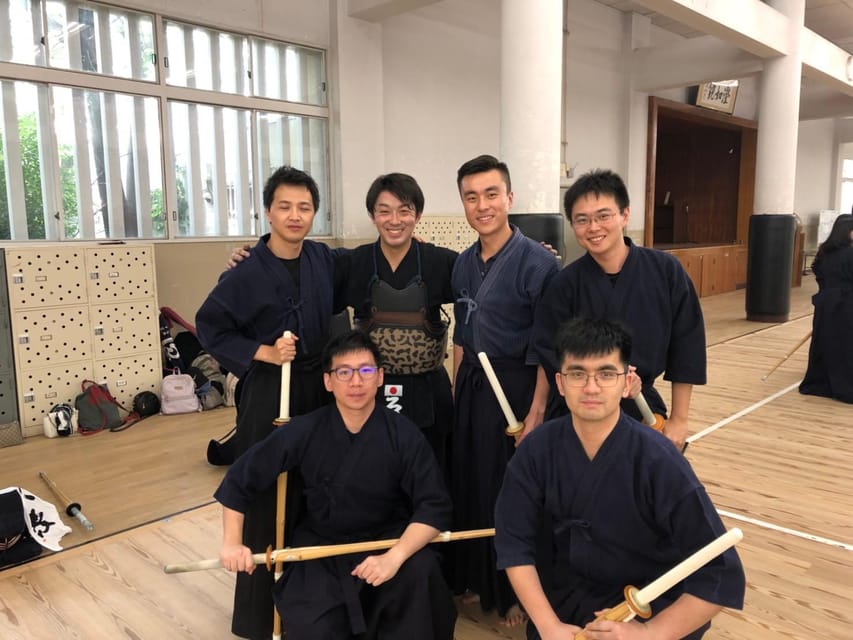
The price is $116 per person for a 2-hour experience. On paper, that sounds like a lot until you break down what is included.
You get:
- Professional guide and instructor
- Rental of kendo armor and equipment
- Free mineral water
- Free Japanese hand towel
- A structured program that includes etiquette instruction, drill work, Men face protection practice, a match-style mini-game, and national-level demonstrations
You do not pay extra for gear, which is a common hidden cost in gear-based activities. You also get bilingual instruction in English and Japanese, which is another real value point.
What is not included is food, and hotel pickup or drop-off. So you will plan your own timing and meal. Still, the workshop duration is tight and focused, so you are not paying for hours of waiting.
For me, the big value driver is the small-group setup. In a sport where technique matters, being one of only two people changes the quality of coaching you can receive in a short window.
Who This Osaka Kendo Workshop Fits Best
This is best for you if you want a serious introduction to kendo with clear teaching and safety-focused coaching. You do not need prior experience because the program is designed for beginners to participate safely, taught by experienced instructors.
It is also good if you want a cultural angle. The included Kendo culture course covers history and manners, so you leave with more than muscle memory.
It may not fit you if:
- You need a wheelchair accessible option or have mobility impairments
- You are traveling with children under 9
- You are pregnant and need to avoid physically demanding gear-based training
- You prefer not to change clothes for activities
One more practical note from the rules: pets are not allowed, and alcohol and drugs are not allowed. That is normal for active training spaces, and it helps keep the dojo environment disciplined.
After Kendo: Chasing the Samurai Meal Mood in an Izakaya
After the session ends, you change clothes and the experience dissolves in the normal sense, you are done training and you head out.
A fun way to extend the story is to go to an Izakaya. The experience description specifically mentions that there can be a menu item called a Special Samurai meal. If you want the theme to continue without turning it into a formal tourist show, this is an easy plan.
Keep it simple. You just did 2 hours of disciplined movement in gear. You do not need another big event right away.
Should You Book This Osaka Kendo Workshop?
Book it if you want a hands-on introduction to kendo that feels like real training. The structured progression, Men face protector stage, match-style mini-game, and national-level demonstrations give you more than the usual short “try a sword” experience.
Skip it if you are sensitive to physical gear training or if any accessibility limits apply to you, since this is not listed as suitable for wheelchair users or people with mobility impairments. It is also not suitable for kids under 9 or for pregnant women.
If you go in expecting etiquette, correction, and controlled practice, you will likely come away feeling like you participated in something disciplined and authentic, not just watched a performance.
FAQ
Where is the meeting point?
The meeting point is 鴫野会館 / Shigino Kaikan hall.
How long does the kendo workshop last?
The duration is 2 hours.
How many people are in the group?
This is a small group limited to 2 participants.
What language will the instructor speak?
The instructor speaks English and Japanese.
What is included in the price?
Included are the professional guide or instructor, rental of kendo armor and equipment, free mineral water, and a free Japanese hand towel.
What is not included?
Hotel pickup and drop-off are not included, and food is not included.
What should I know about safety and who can participate?
The activity is designed so anyone can experience it safely because experienced instructors teach. It is not suitable for children under 9, pregnant women, people with mobility impairments, and wheelchair users.
Are pets, alcohol, or drugs allowed?
Pets are not allowed. Alcohol and drugs are not allowed.
What is the cancellation policy?
There is free cancellation up to 24 hours in advance for a full refund.
Latest write-ups near Osaka
- Osaka Private Tour with Government-Licensed Guide★ 4.8 · 20 reviews
- Guided Photography Tour in Osaka: Capturing Memories★ 4.5 · 20 reviews
- Osaka: Food Tour at Night with Tastings★ 4.9 · 20 reviews
- Kansai/KIX Airport to or from Osaka/Kyoto Private Transfer★ 5.0 · 20 reviews
- Osaka: City Highlights Bike Tour★ 4.7 · 20 reviews
- From Osaka/Kyoto: Amanohashidate Day Tour【Including tickets】★ 3.7 · 20 reviews
- Osaka Okonomiyaki Cooking Class “Learn here and make it at home”★ 5.0 · 20 reviews
- Volleyball in Osaka & Kyoto with Locals!★ 5.0 · 21 reviews
Samurai & Ninja Experiences, compared.
Samurai Ninja Museum Guided tour and Experience
Read our review →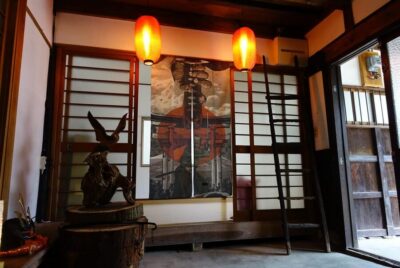
Kendo and Samurai Experience with Uniform and Gear
Read our review →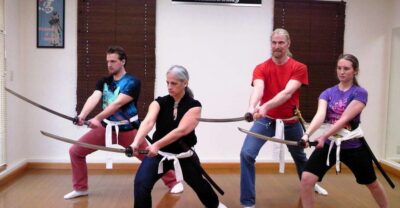
Samurai Sword Class by Experts in Traditional Arts
Read our review →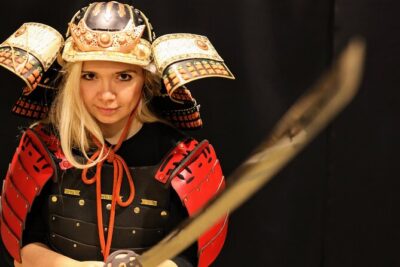
Skip the lines Basic Ticket at SAMURAI NINJA MUSEUM KYOTO
Read our review →
Samurai Sword & Archery Class from Samurai Descendant
Read our review →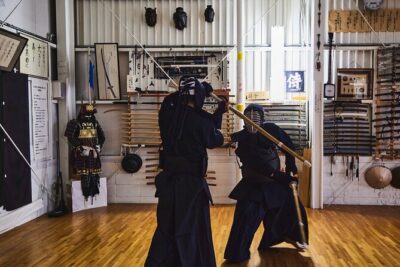
Browse the lists this tour appears in