
Reviewed · SUSHI MAKING CLASSES
Osaka Sushi Miso soup Adventure: A Journey of Exotic Flavors
Chef Yuki’s sushi and miso soup course in Osaka is interesting because it teaches you the steps you can actually repeat at home, not just how to assemble a plate. I love practicing Tuna zuke and Kombu-jime salmon, and I also like that you get real, hands-on time making nigiri and rolls yourself. One possible drawback is the class runs 3 hours, so you’ll want to protect that block from late dinner plans.
What makes this feel serious is the teaching background. Chef Yuki trained with a sushi master who has 40+ years of experience, and the class stays friendly and controlled with a small group of up to 6 and English instruction.
Key points
- Tuna zuke and kombu-jime salmon practice so you learn topping flavor that lasts.
- Hands-on nigiri, hosomaki, and tamagoyaki using proper techniques, not shortcuts.
- Fresh, scratch miso soup served alongside what you make.
- Sushi-rice basics and supporting skills like dashi broth and wasabi paste.
- Recipe follow-ups and practical take-home tips so you can cook again after Osaka.
Osaka sushi class with Chef Yuki: what you’re really paying for
At $96 per person and about 3 hours, you are not paying for a full-blown banquet. You’re paying for instruction time, fresh ingredients, and the kind of method detail that usually takes years to pick up.
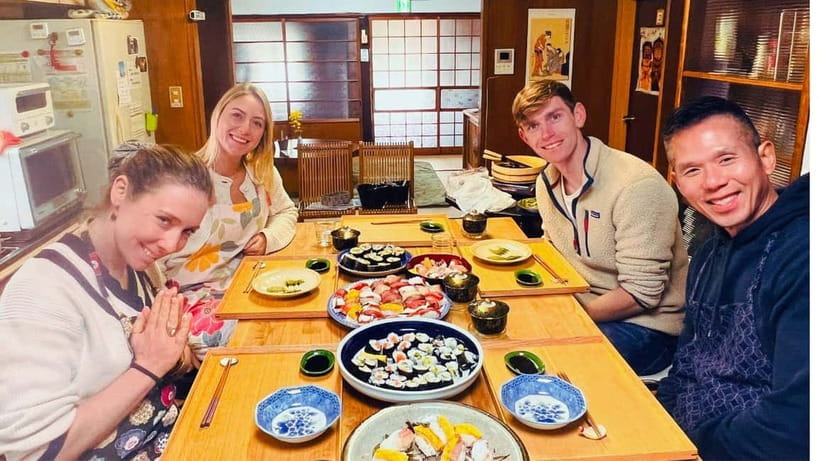
Chef Yuki runs the course in her own cooking space at 4-19 Nukata-cho, and the format is simple: you learn the fundamentals, you practice as you go, and you eat what you make. With a small group capped at 6, it doesn’t turn into a lecture where you watch and hope it sinks in.
The value is in the transfer of skills. You learn how to handle sushi rice, how the fish toppings are built for flavor, and how the “extras” like miso soup fit the meal. That matters because you’re not just chasing a one-time tasty experience. You’re building a repeatable Osaka-at-home dinner plan.
More Sushi Making Classes in Osaka
- Sushi Making Osaka Roll and Authentic Japanese Sushi Class
★ 5.0 · 1,220 reviews - Osaka Sushi Making Experience
★ 5.0 · 400 reviews - Osaka Sushi Making Class – Hands-On Nigiri & Rolls (Same-Day OK)
★ 5.0 · 352 reviews
Your 3-hour flow: from sushi rice basics to miso soup comfort
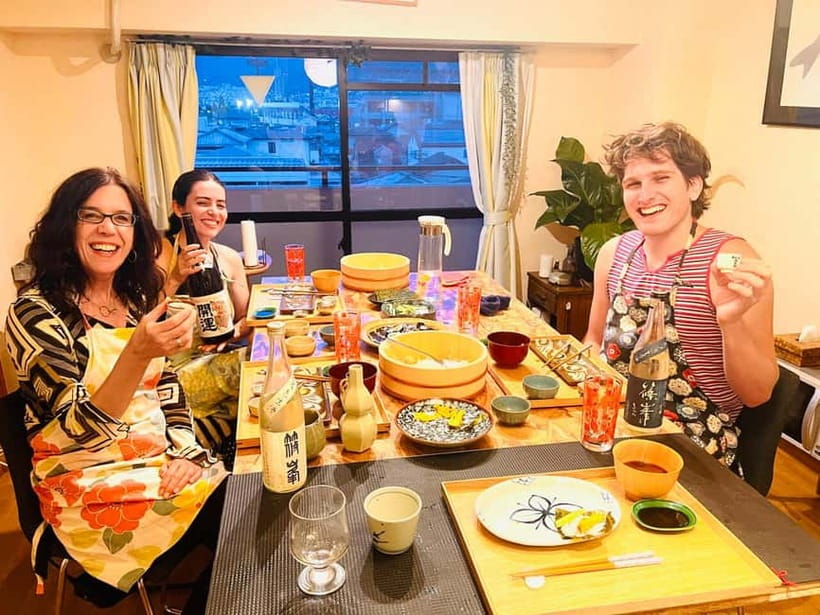
The class is organized around building a full Japanese meal around sushi. You start with the base that most people mess up at home: rice.
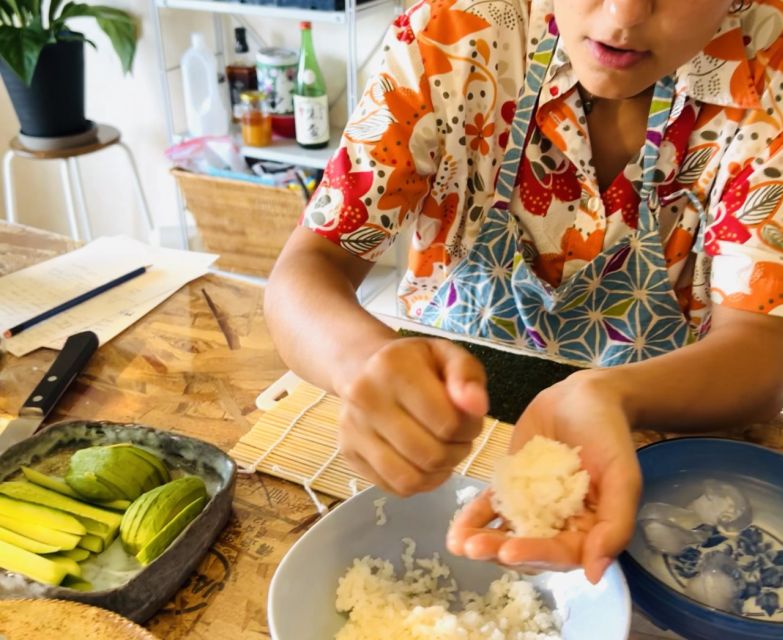
Sushi rice isn’t only about cooking. You’ll work on traditional rice handling and preparation methods, including how to treat the rice properly using the pot method that’s common in Japanese kitchens. This is the part that makes the rest of your sushi feel believable instead of improvised.
Then the course expands into the supporting layers that make Japanese food taste like Japanese food. You’ll also learn practical parts such as dashi broth and how to make wasabi paste, so you understand the flavor system behind the bites.
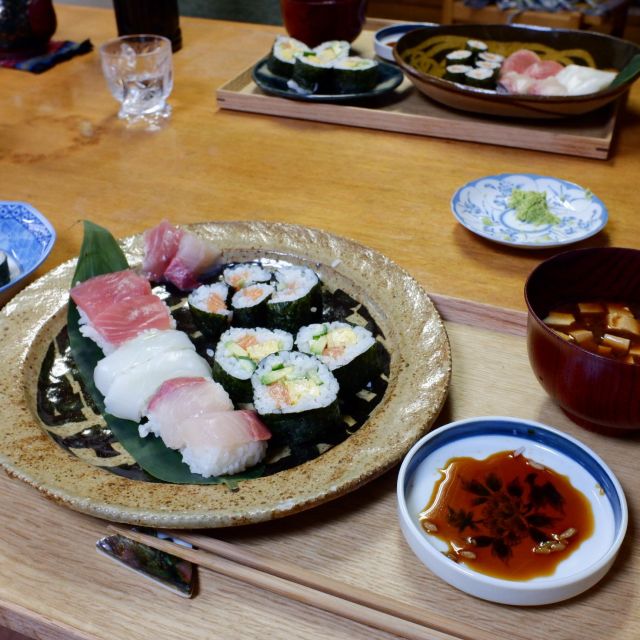
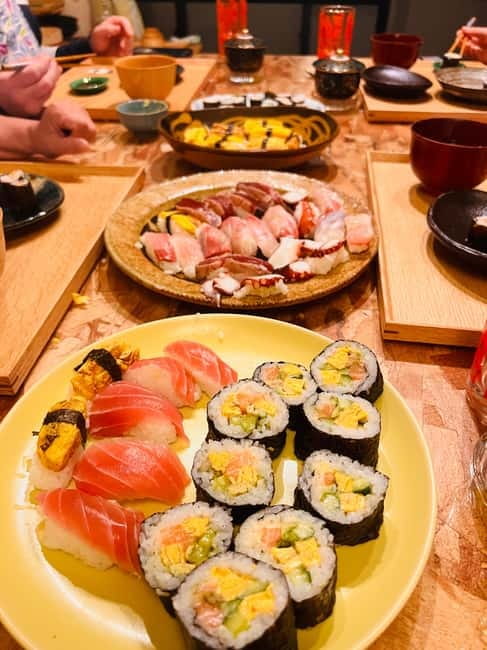
From there, the main event is rolling and topping. You’ll create multiple sushi styles, including nigiri, hosomaki (thin rolls), and tamagoyaki (Japanese rolled omelet). Finally, you complete the meal with miso soup made from scratch, so you get the warm comfort that rounds off the meal.
What you’ll make: nigiri, hosomaki, tamagoyaki, tuna zuke, kombu-jime salmon, miso soup
Here’s the lineup, and it’s a smart mix for both beginners and people who already like sushi.
Nigiri: balance and texture
Nigiri is the hallmark of sushi, and the class treats it like a skill worth doing correctly. You’ll focus on the idea that rice seasoning and rice texture have to match the fish topping, not overpower it. You’ll also learn how rolling habits affect the final bite.
A change of pace from Osaka:
- Osaka Go Karting Tour with Funny Costume
★ 5.0 · 2,658 reviews - Osaka Castle: Museum and Tower Entry Ticket
★ 4.5 · 2,380 reviews - Osaka: Shinsekai Food Tour with 13-15 Dishes at 5 Eateries
★ 4.8 · 2,204 reviews - Osaka Food Tour: 13 Dishes at 5 Local Eateries
★ 5.0 · 2,149 reviews
Hosomaki: thin roll precision
Hosomaki looks simple, but it demands steady hand control. You’ll roll thin, more delicate rolls that train your grip, alignment, and consistency. This is a great section if you want to improve speed and accuracy in your own kitchen later.
Tamagoyaki: rolled omelet, square pan technique
Tamagoyaki is iconic because it tastes great and looks polished, even when you’re not a trained cook. You’ll learn how to make the Japanese rolled omelet using the square pan approach, which helps create the layers and shape sushi restaurants rely on.
Tuna zuke: flavor you can plan with
You’ll master tuna zuke, a soy-based marinade technique. The practical win is that marinating gives tuna a stronger, more even flavor profile, and it also helps with planning. The course highlights that this kind of approach can keep fish fresh for about 3 to 4 days, which is useful when your home country doesn’t offer the same daily fish supply you’d expect in Japan.
Kombu-jime salmon: kelp-cured calm richness
You’ll also master kombu-jime salmon, a kelp-curing method. This is one of those techniques people love because it’s subtle, not flashy. It changes the eating experience, and the curing step supports freshness management for a few days, which again helps your home practice.
Miso soup: scratch broth with real payoff
Finally, you’ll make miso soup from scratch. This isn’t only a side dish for “completion.” In Japanese meals, it’s a palate reset and a flavor bridge between bites. Getting the broth right also teaches you how the umami building blocks work.
The sushi skills that actually matter: rice handling and classic flavor building
If you take one thing seriously here, make it rice handling. Sushi rice is the foundation, and small differences in texture can throw off your balance.
Chef Yuki’s instruction emphasizes traditional preparation methods, including how to properly treat and prepare the rice using a pot method. You’ll get guidance that helps you understand not just what to do, but why the rice behaves the way it does.
Alongside rice, the course also teaches classic flavor building. Dashi broth and wasabi paste come up as supporting skills, and they’re useful beyond sushi. Once you understand dashi, it becomes easier to judge and improve soups and sauces later, including miso soup.
This is why the course feels more educational than many “make your dinner” workshops. You’re learning part of the logic behind Japanese flavor, not only memorizing recipes.
Tuna zuke and kombu-jime salmon: why these techniques are practical at home
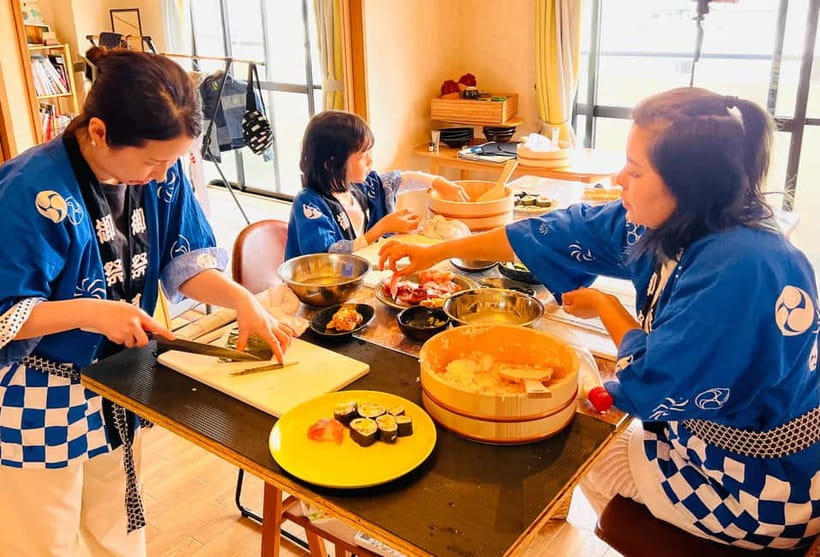
The course pushes two topping styles that are both delicious and realistic for home cooks.
Tuna zuke, the planning-friendly marinade
Tuna zuke is all about taking fresh tuna and giving it a soy-based flavor bath. The class shows you how the marinade works in a traditional direction, and the payoff is consistency. Instead of relying on seafood that has to be perfect the same day, you learn a technique that supports freshness for a few days.
That is a big deal for you if you live somewhere where sushi-grade fish is expensive or inconsistent. You still want good flavor. This method gives you a path that doesn’t depend entirely on perfect same-day sourcing.
Kombu-jime salmon, kelp curing for gentler richness
Kombu-jime uses kelp curing, which changes the fish character in a way you can taste immediately. You’re learning a centuries-old idea: improve eating quality and support keeping freshness.
Again, the practical angle is what makes this worth learning, not only the fancy name. The course specifically frames kombu-jime salmon as a way to manage freshness for about 3 to 4 days.
If your goal is to host a sushi night at home without stress, these are smart techniques to learn.
Rolling and cooking with structure: nigiri, hosomaki, tamagoyaki steps that stick
A lot of cooking classes show you. This one makes you do.
You roll hosomaki and practice nigiri construction, and you also cook tamagoyaki. The square pan omelet section is helpful because it teaches a gear-based skill. Once you understand the pan technique, you can reproduce tamagoyaki at home more reliably.
The structure also helps your confidence. You’re not building one dish perfectly. You’re building several components that work together as a meal. That’s exactly what you’ll want later when you’re cooking for friends.
Small group energy in Osaka: English help and a relaxed, personal pace
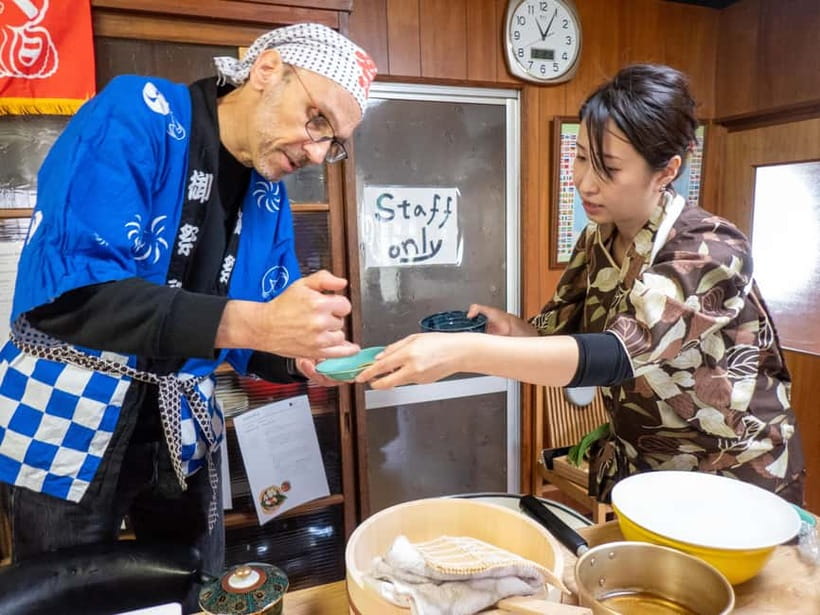
The group size is capped at 6, and that changes the tone. You’re less likely to feel rushed, and more likely to get direct adjustments.
The class is taught in English. That matters because sushi rice and rolling techniques are full of tiny details. When you can ask follow-up questions in your language, you learn faster and make fewer “mystery mistakes.”
It also helps that Chef Yuki is welcoming in a personal way. From what you can expect, the course setting can handle small family situations too, including bringing a baby, as long as you communicate ahead.
If you have a dietary preference, it’s smart to mention it beforehand. The course includes fresh ingredients, and flexibility can matter when the main fish lineup is part of the plan.
Where you meet in Osaka: Nukata Station to 4-19 Nukata-cho in about 35 minutes
The meeting point is at Chef Yuki’s cooking class location: 4-19 Nukata-cho, Osaka. It’s about a 5-minute walk from Nukata Station, and the address is described as a white building that’s easy to spot.
From Namba, you’ll take the Kintetsu Nara Line. Get off at Nukata Station, about 30 minutes, around ¥430, then walk northeast along Route 308. Plan to arrive about 10 minutes early so you don’t feel rushed.
One nice local touch is that Chef Yuki may help you get oriented near the station area, such as guiding you from a nearby convenience store when needed. Still, your safest plan is to follow the address instructions and arrive early.
Price and value: is $96 a good deal for sushi-making skills?
At $96, the price looks “mid” on paper, but it’s fairly strong when you break down what you learn in 3 hours.
You get:
- Multiple sushi styles (nigiri, hosomaki, tamagoyaki)
- Two signature topping techniques (tuna zuke and kombu-jime salmon)
- Scratch miso soup
- Supporting skills that connect to Japanese cooking, like dashi broth and wasabi paste
- Recipes shared after the class, so you’re not starting from memory
For you, the key value is repetition. If you cook even once after Osaka, this class starts paying you back. Sushi rice handling plus the topping methods are the kind of skills that improve every time you try them.
If you’re the type who likes to bring souvenirs home as usable knowledge, this is one of the better investments in Osaka dining. If you’re only looking for a meal and you already have sushi-making skills down, you might feel it’s more work than you want.
Who should book this class in Osaka, and who might skip it
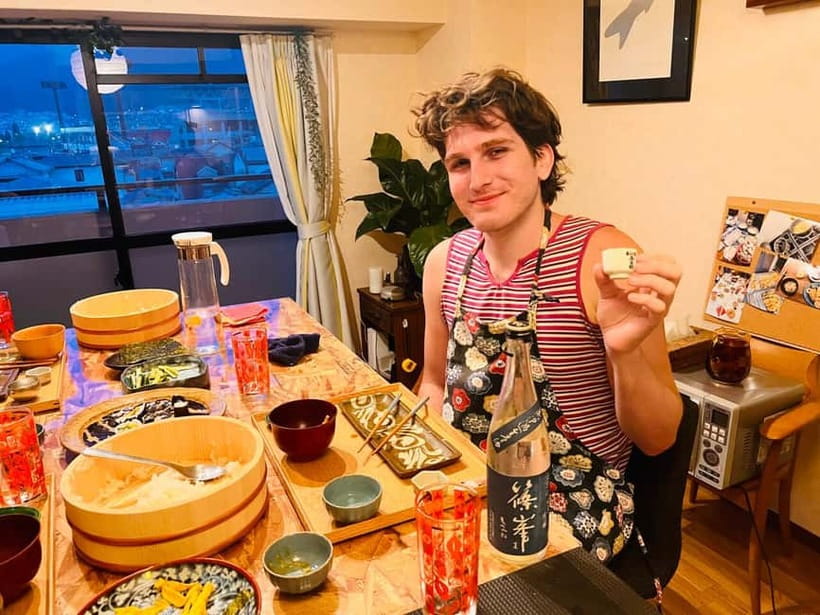
This is a great fit if:
- You want real sushi-making instruction in English
- You enjoy hands-on cooking, especially rolling and rice work
- You like the idea of learning topping techniques you can manage with fish freshness planning
- You want a calm, personal class after busy sightseeing
You might skip it if:
- You already know sushi technique well and want more of a food tour than cooking
- You cannot spare a full 3 hours due to your schedule
- You hate hands-on kitchen work and prefer eating-focused experiences
Should you book Chef Yuki’s Osaka sushi and miso soup course?
I’d book it if your goal is to leave Osaka with a menu you can recreate: nigiri or rolls plus tamagoyaki, topped with tuna zuke and kombu-jime salmon, finished with miso soup you made yourself.
It’s not just about tasting. It’s about learning the why behind the flavors, practicing the steps you need to repeat, and taking home recipes and tips that make your next sushi night much easier.
If you’re deciding last minute, ask yourself one question: do you want a photo and a meal, or do you want skills you can use at your own table? This class is built for the second choice.
FAQ
How long is the Osaka sushi making course with Chef Yuki?
The course duration is 3 hours.
What is the meeting point address?
The meeting point is at 4-19 Nukata-cho, Osaka. It is described as a white building near Nukata Station, about a 5-minute walk away.
Is the class taught in English?
Yes, instruction is in English.
How many people are in the group?
The group is small, limited to 6 participants.
What dishes do you make during the class?
You’ll make nigiri sushi, tuna zuke (marinated tuna), kombu-jime salmon (kelp-cured salmon), hosomaki (thin rolls), tamagoyaki (Japanese rolled omelet), and miso soup.
What is the price and refund policy?
The price is $96 per person. Free cancellation is available up to 24 hours in advance for a full refund.
Latest write-ups near Osaka
- Osaka Private Tour with Government-Licensed Guide★ 4.8 · 20 reviews
- Guided Photography Tour in Osaka: Capturing Memories★ 4.5 · 20 reviews
- Osaka: Food Tour at Night with Tastings★ 4.9 · 20 reviews
- Kansai/KIX Airport to or from Osaka/Kyoto Private Transfer★ 5.0 · 20 reviews
- Osaka: City Highlights Bike Tour★ 4.7 · 20 reviews
- From Osaka/Kyoto: Amanohashidate Day Tour【Including tickets】★ 3.7 · 20 reviews
- Osaka Okonomiyaki Cooking Class “Learn here and make it at home”★ 5.0 · 20 reviews
- Volleyball in Osaka & Kyoto with Locals!★ 5.0 · 21 reviews
Sushi Making Classes, compared.
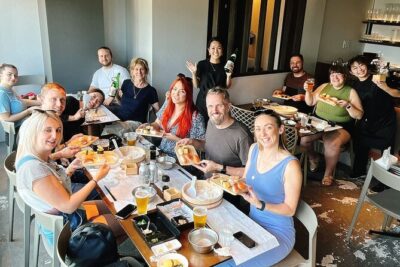
Sushi Making Tokyo Roll and Authentic Japanese Sushi Class
Read our review →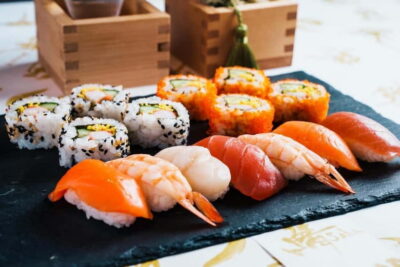
Roll and Authentic Sushi Making Class in Asakusa
Read our review →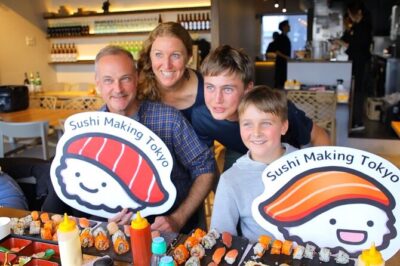
Make Sushi and Create Unforgettable Memories in Tokyo
Read our review →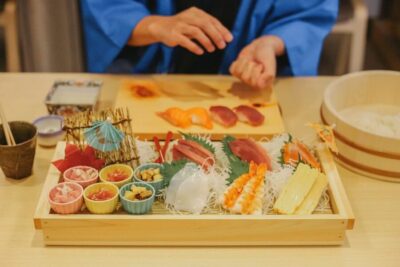
Sushi Making Class in a Happi Coat near a Famous Spot
Read our review →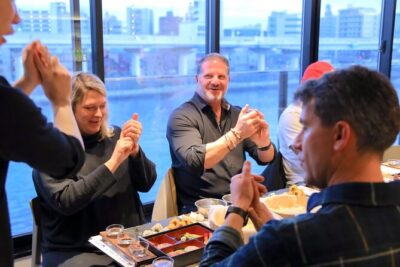
Sushi Making Osaka Roll and Authentic Japanese Sushi Class
Read our review →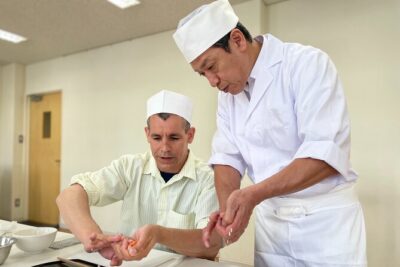
Tokyo Sushi Making Class in Tsukiji with Professional Chef
Read our review →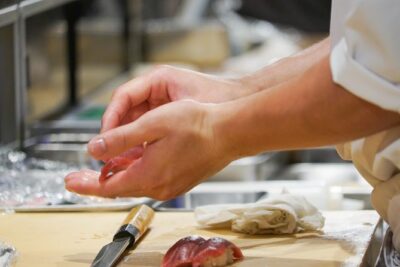
Tokyo Night Foodie Tour in Shinjuku – Seasonal Sushi, Wagyu Beef
Read our review →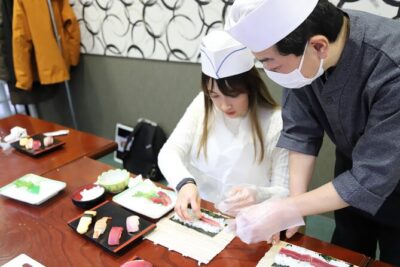
Tsukiji Fish Market Guided Tour and Sushi Making with Pro Chef
Read our review →Browse the lists this tour appears in