
Reviewed · WALKING TOURS
Private & Custom KYOTO Walking Tour – your Travel Companion
A private Kyoto walk is interesting because it turns a maze of neighborhoods, temples, and hills into a simple plan you can actually enjoy. What I like most is the tailor-made route where you pick the pace and priorities, and the guide handles the navigation so you are not stuck reading maps. You also get a real English-speaking companion to help with logistics and on-the-fly choices.
My other big plus is the mix of major hits plus classic Kyoto neighborhoods, from the Golden Pavilion at Kinkaku-ji to the torii trails at Fushimi Inari and the bamboo area in Arashiyama. The one drawback to weigh is that many stops list admission tickets as not included, so your final budget will depend on what you choose to enter and how many paid sites you hit during the day.
Key things that make this tour work in Kyoto
- Private, customizable route: you are not locked into one rigid circuit
- Navigation handled for you: no hunting for turns in crowded temple areas
- English support at the temples and markets: easier questions, easier photo help, easier vendor chats
- A strong “greatest hits” arc: Kinkaku-ji, Kiyomizu-dera, Arashiyama, Fushimi Inari, plus quieter standouts
- A photo-friendly pacing plan: shorter timed stops where you can still take good pictures
- Mobile ticket support: simplifies arrival and reduces last-minute hassle
Private Kyoto walking tour, what you are really paying for
This is not just a checklist of famous places. You are buying a stress-reduction tool in one of the world’s most complicated sightseeing cities. Kyoto looks straightforward on paper, then you hit uneven ground, backtracking, crowds, and street names that can be a puzzle if you are moving fast. A private guide helps you keep momentum without the constant “wait, where are we?” moments.
You also get flexibility that group tours usually cannot offer. If you want more photo time at a viewpoint, or you want to skip one stop and spend longer in another neighborhood, a custom plan can make the day feel less like a rushed scavenger hunt.
Now, the practical part: you are walking, and you are covering a lot. The route includes 8 hours and multiple major attractions, with many timed stops. That can be wonderful if you want a full Kyoto day, but it can feel intense if you prefer slow wandering with lots of breaks.
More Walking Tours in Kyoto
- Kyoto Geisha Walking Tour: Gion District & Hidden Gems
★ 4.7 · 3,273 reviews - Kyoto: Gion Magical Night Walking Tour with Geisha Trivia
★ 4.9 · 2,393 reviews - Kyoto: Gion Geisha District Walking Tour – Stories of Geisha
★ 4.7 · 2,187 reviews
The day’s flow: how 8 hours fits Kyoto’s distances and crowds
The plan is structured around a classic Kyoto sweep: west for the big temple icons, then toward central, then out to the Arashiyama side and back through the sightseeing core. You will spend about 30 to 45 minutes at several major sites, with shorter 15-minute windows at Fushimi Inari and a few “wander and snack” segments in market and shrine-adjacent neighborhoods.
That timing matters. Kyoto rewards patience, but you only have so many hours. So this tour uses a smart strategy: it gets you into the right areas, gives you enough time to see and photograph the landmark, and then moves you along before you lose the whole day to traffic, queues, and crowds.
If you are traveling with seniors or you are short on mobility, tell your guide early that you want more frequent pauses and fewer stairs. One of the key strengths of private guiding is that your pace is adjustable, and that can be the difference between a fun day and a tiring one.
Kinkaku-ji Golden Pavilion: the fast track to the most photographed temple
Kinkaku-ji, the Golden Pavilion, is the kind of place that feels instantly iconic. You are visiting a Zen temple tied to the Ashikaga shogun Ashikaga Yoshimitsu, which adds a layer of historical meaning even if you are not a temple expert. The Golden Pavilion itself is the main event, and the area around it supports classic postcard views.
Expect a focused visit of about 30 minutes. Admission is listed as not included, so plan for the entry fee if you want to see the interior or specific viewing areas, depending on current access rules. With only half an hour, the best use of your time is to get a few angles quickly, then slow down for the calmer details like the waterline reflections and the temple grounds textures.
A private guide helps here because Kinkaku-ji can get busy and people often drift without a plan. With someone who knows where to stand and when to move, you lose less time to crowd flow.
Kiyomizu-dera: Pure Water Temple views without the stress of navigation
Next is Kiyomizudera, the Pure Water Temple, usually remembered for its wooden stage that juts out above the hillside about 13 meters. The hall and that stage are part of what makes this site feel dramatic, especially when you can get a clear sightline.
You have around 45 minutes here, and admission is also listed as not included. That is a long enough window to see the main structures and still step back for viewpoint photos. It is also enough time to feel the “Kyoto slope” reality, meaning you will likely be dealing with stairs and uneven sidewalks depending on your route through the area.
If you want the best pictures, ask your guide where to stand for less glare and fewer bottlenecks. This kind of small guidance makes a big difference in a place where everyone is trying to photograph the same scene from the same spot.
A change of pace from Kyoto:
- PERFECT KYOTO 1-Day Bus Tour
★ 5.0 · 13,518 reviews - Kyoto: Fushimi Inari, Kinkakuji, Bamboo Grove 1 Day Bus Tour
★ 4.8 · 4,316 reviews - Kyoto: Tea Ceremony in a Traditional Tea House in Kiyomizu
★ 4.9 · 3,519 reviews - Kyoto: Tea Ceremony Ju-An at Jotokuji Temple
★ 4.9 · 3,207 reviews
Sannenzaka and Ninenzaka: the preserved streets that make Kyoto feel like Kyoto
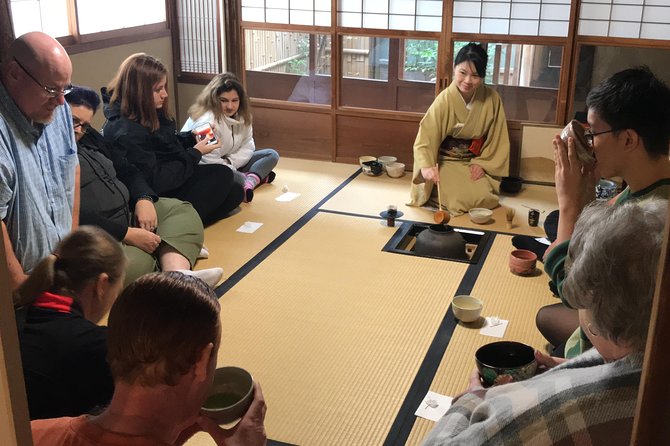
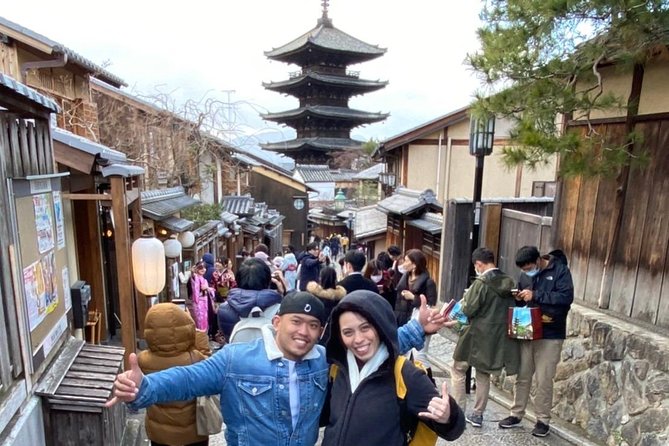
After the temples, the tour shifts to texture and atmosphere. Sannenzaka and Ninenzaka are preserved districts, known for traditional street layouts and the walkable, old-street feeling that Kyoto is famous for.
This portion is about 45 minutes and is marked as free. That matters because you can use the time exactly how you like: browse, snack, take photos, and just soak in the sense of place without worrying about another ticket.
This stop is also a smart breather. After larger temples, these streets give you a chance to reset your legs while still feeling like you are “doing Kyoto” rather than passing through it.
Yasaka Shrine: Gion energy and a festival connection
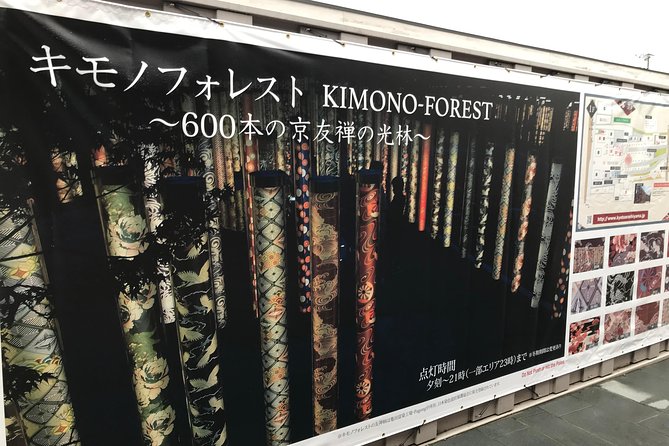
Yasaka Shrine, often linked with the Gion area, is tied to the Gion Matsuri festival, held every July. That festival connection gives you context when you see the shrine setting, because it is not just a random stop. It is part of a living cultural cycle in Kyoto.
You get about 30 minutes here, with admission listed as not included. Since this is a shrine stop plus neighborhood ambience, you do not need a long visit to understand the vibe. What you want is enough time to walk the grounds and notice details like how people move through the space.
If your visit happens during festival season, let your guide know in advance. Even outside July, your guide can point out things to look for and where to take photos that avoid the densest crowd lanes.
Fushimi Inari-Taisha: a quick torii gate experience that still feels huge
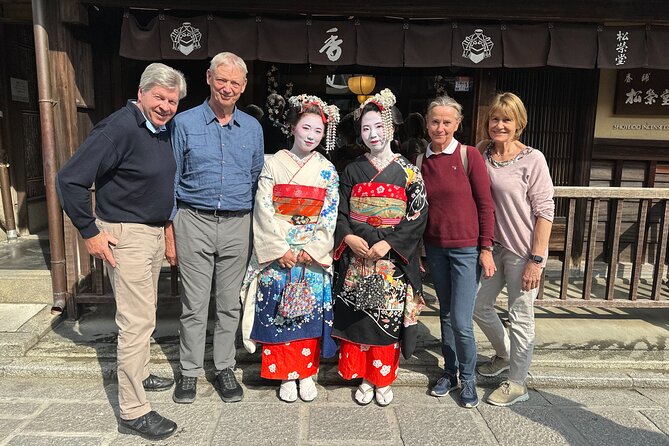
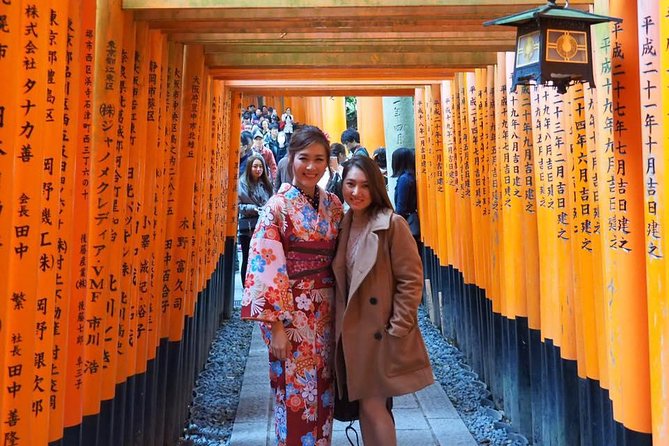
Fushimi Inari-taisha is the shrine famous for its network of trails framed by thousands of vermillion torii gates. You get a short, focused visit of about 15 minutes and it is listed as free.
Fifteen minutes is not enough to do the full hike. But for most people, that is exactly the point of this tour segment. You get the signature “ultimate torii gate” feeling, enough time to walk into the tunnel-like gate sections for a few standout photos, and then you move on before you lose your whole day.
If you are short on time or not into long stair climbs, this is a good compromise. If you are deeply into Fushimi Inari trails, tell your guide you want to extend this stop, because private planning is where you can trade time with other areas.
Arashiyama: bamboo forest mood plus Tenryuji Temple time
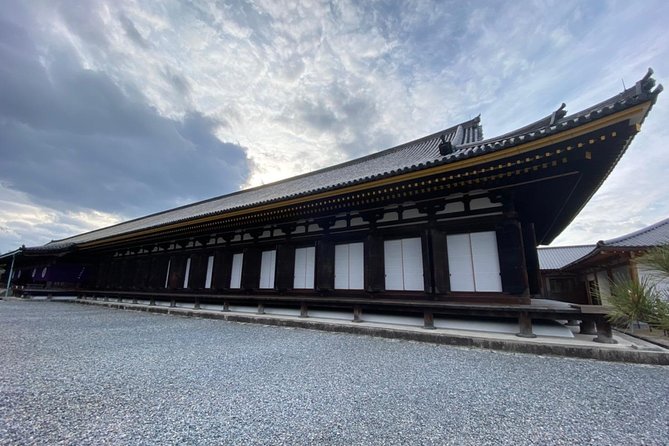
Arashiyama is a major Kyoto sightseeing district, and the tour includes bamboo forest time plus Tenryuji Temple. You have about 1 hour total for this stop, and admission is listed as not included.
The bamboo forest is often more atmospheric than you expect. It is that combination of vertical rhythm, walkway perspectives, and the way crowds spread out. Tenryuji Temple is one of the key Zen sites in the area, and the tour notes it as Kyoto’s five Zen Temples founded in 1339. That gives you a reason to slow down and look beyond the scenery.
This is a place where walking comfort matters. Crowds can surge and pathways can get crowded quickly. With a guide, you can adjust your route through the area so you are not just stuck in the densest foot traffic line.
If you prefer quiet moments, ask for a route that balances quick main views with quieter spots inside the gardens or temple approach areas. That kind of practical routing is where private guiding earns its keep.
Nishiki Market: Kyoto’s kitchen in a timed stroll
Next comes Nishiki Market, a narrow shopping and food district often described as Kyoto’s kitchen. You get about 40 minutes here, and the stop is listed as free.
This is your chance to do a practical “taste Kyoto” move without turning it into a whole meal. The market format is ideal for sampling small items, grabbing a snack you can carry, and using the guide’s help to ask what something is and whether it is good cold or hot.
A private guide can also help you avoid common snags like ordering something you cannot finish or picking a busy stall when there are calmer ones offering similar items. You still choose what you like, but you do it smarter.
If you have dietary restrictions, this is also a good place to use the English support. Tell your guide what you need, and ask for recommendations that match.
Gion: geisha district atmosphere, short and sweet
Gion is a classic Kyoto neighborhood, famous for geisha culture and traditional street scenes. This tour includes a 30-minute window and lists the stop as free.
That time is enough for photos, side-street browsing, and the “walk the setting” feeling. It is not enough for deep immersion if you want to explore every lane and find quieter corners. But paired with the rest of the day, it works as a mood shift.
Use this segment to slow down a bit and observe. Kyoto neighborhoods change tone block by block. Your guide can point out what to look for without turning it into a lecture.
Ginkaku-ji Silver Pavilion: the elegant cousin across town
Ginkakuji, the Silver Pavilion, is another iconic Zen temple. It was built by Ashikaga Yoshima, the grandson of Yoshimitsu, and the tour frames it as a counterpart to Kinkaku-ji but on the other side of the city.
You have about 30 minutes and admission is listed as not included. With that short window, your strategy is similar to the Golden Pavilion: find your main viewing angle quickly, then move through the grounds at a comfortable speed so you notice the texture and design language.
The best reason to include Ginkaku-ji on the same day is contrast. If you visit both, you start to see how Kyoto’s temple aesthetics shift from one era and style to another. A guide can explain what you are looking at in plain language, which makes the “why” land.
Sanjusangendo: 1001 statues and the kind of quiet that hits
Sanjusangendo, also known as Rengeo-in, is famous for its 1001 statues of Kannon, the goddess of mercy. This stop is about 30 minutes, with admission listed as not included.
This is one of those places where the scale feels different once you are inside. Even if you are not a religious traveler, it is a visual experience built from repetition and calm. A good guide can help you understand what is special about the arrangement and why the space is designed the way it is.
Because admission is not included, budget for entry. Also, remember that this kind of temple can be crowded, so if you want a quieter experience, ask your guide about the best timing within the window you have.
Kyoto Imperial Palace: the former home of Japan’s emperors
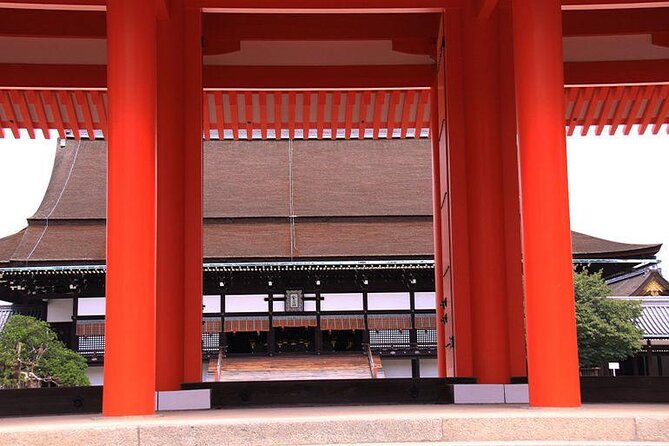
The Kyoto Imperial Palace, Kyōto Gosho, is the former residence of Japan’s Imperial Family until 1868, when the emperor and capital moved from Kyoto to Tokyo. It sits in a large complex, and the tour gives you about 30 minutes here, listed as free.
Even with a short visit, you get a sense of scale and formality. This stop is a good “pause” between temple intensity and the later castle visit. It also gives you a timeline anchor for understanding why Kyoto matters beyond tourism.
If you like architecture and official spaces, lean into this one. Walk slowly enough to see the layout, not just the headline buildings.
Nijo Castle: Tokugawa power, in a walking format
Nijo Castle is described as built in 1603 as the Kyoto residence of Tokugawa Ieyasu, with palace buildings completed by his grandson Iemitsu 23 years later. You have about 45 minutes and admission is listed as not included.
A castle visit can either feel like a long museum haul or a clear, story-based walk, depending on pacing. With a private guide and a fixed time window, you can keep it focused: see key areas, learn what matters, and move before you get fatigued.
This is a great stop for visitors who want more than temple aesthetics. It adds the Edo Period layer, which makes Kyoto feel fuller and less one-note.
Eikando Zenrinji Temple: autumn fame, year-round beauty
Eikando, formally Zenrinji Temple, belongs to the Jodo sect. It is located just north of Nanzenji and is particularly famous for autumn, as the tour notes.
You get about 45 minutes here, with admission listed as not included. If you visit outside autumn, it still works because the gardens and temple approach offer seasonal charm even when leaves are not at their peak. You might find more photos, more calm, and more room to breathe here than at the biggest signature sites.
This is also a strong pick if you want a slightly less obvious stop compared to the ultra-famous names. It keeps your day from feeling like a straight line of Instagram targets.
Price and value: does $265.82 per group make sense?
The price is $265.82 per group, up to 5 people, for about 8 hours. If you fill all five spots, that works out to about $53 per person before any entrances and meals. That is often a fair trade in Kyoto, where private guiding can save time you would otherwise spend in lines, confusion, and transit stress.
But it is not a “cheap tour.” Your final cost will likely climb because entrance fees are not included for many stops. If you already plan to visit several paid temples and castles, the guide’s ability to bundle your day efficiently can be worth it.
If you are traveling as a solo or as a couple, it may feel pricey. In that case, think about what you get: someone to navigate, help with photos and vendor communication, and tailor the route to your interests. If those are your priorities, the value holds up. If you only need someone to walk beside you with minimal explanation, you may find better deals elsewhere.
Who this tour suits best, and who should rethink it
This tour is a great match if you want a full Kyoto day with minimal stress and a private guide who can adjust to your interests. It also fits families and mixed-age groups, because timed stops can keep everyone moving while still seeing the main landmarks.
It can be less ideal if you want a slow, deeply studied day with lots of long museum-style visits. The route is packed with famous sights, so you will be moving often and spending shorter windows at each major site.
Also, pay attention to guide quality. In past experiences, some people praised guides by name for patience, flexibility, and answering questions, including Jinshi, Rio, Femin, Karl, and Dalivanh. Others reported problems when the guide lacked confidence or navigation knowledge. To protect yourself, ask your guide at the start how they plan to balance crowd time, photo stops, and what they will explain at each site. That first conversation can quickly tell you what kind of day you are going to have.
Should you book this Kyoto private walking tour?
Book it if you want a guided day that hits Kyoto’s biggest icons plus classic neighborhoods, and you care about not losing time to navigation. The private format, English support, and tailor-made route are the core value drivers, especially if you are short on days or you want your sightseeing to feel smoother.
Hold off if you are on a very tight budget, because admission tickets are not included for many major stops and you will likely pay several entries during the day. Also reconsider if you prefer long, slow exploration over a packed highlight route.
If you do book, go in with one clear plan: pick your must-sees (like Kinkaku-ji or Kiyomizu-dera), then tell your guide your ideal pace. That is when this kind of Kyoto tour feels less like a schedule and more like your day in Japan.
FAQ
How long is the Private KYOTO Walking Tour?
It runs for about 8 hours.
How many people are in the group?
It is a private tour, and the price is per group of up to 5.
Are entrance fees included?
No. Entrance tickets are not included for many stops. Some areas are listed as free, but several major temples and sites require paid admission.
Is pickup available, and where does the tour end?
Pickup is offered, and the tour ends back at the meeting point.
Do I need a printed ticket?
No. A mobile ticket is included.
Is the tour refundable if plans change?
No. This experience is non-refundable and cannot be changed for any reason.
Latest write-ups near Kyoto
- Kyoto Private Tour Full Day with Local Guide&Nara Option(PerGroup★ 5.0 · 20 reviews
- Sacred Pathways: Discover the Philosopher’s Path of Kyoto★ 4.9 · 20 reviews
- Hammer Pattering Experience of Ring★ 5.0 · 20 reviews
- Kyoto UNESCO World Heritage Site Private Tour with a Premium Van★ 5.0 · 20 reviews
- KYOTO: Private Tea Ceremony in Hidden Townhouse (Kid-Friendly)★ 5.0 · 20 reviews
- Sushi or Traditional Japanese Cuisine in a Kyoto Home with Emika★ 5.0 · 20 reviews
- The Kyoto VIP Experience!★ 5.0 · 20 reviews
- Kyoto Customized Private Tour: See Top Attractions in 1 Day★ 4.7 · 20 reviews
Walking Tours, compared.
Kyoto Geisha Walking Tour: Gion District & Hidden Gems
Read our review →
Tokyo Tsukiji Fish Market Food and Culture Walking Tour
Read our review →
Gion Magical Night Walking Tour with Geisha Trivia
Read our review →
Imperial Palace and Shogun Historical Walking Tour
Read our review →
Gion Geisha District Walking Tour – Stories of Geisha
Read our review →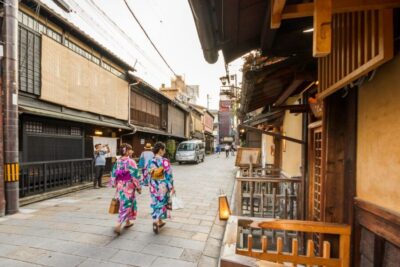
Shinjuku Local Bar and Izakaya Guided Walking Tour
Read our review →
Browse the lists this tour appears in