
Reviewed · COOKING CLASSES
Private Market Tour and Cooking Class with Kanae, a Sapporo Local
A market-to-home cooking class with Kanae in Sapporo is interesting because the morning shopping informs the lunch you end up eating. I love the private format, with Kanae’s undivided attention as you ask questions while you cook.
I also love that lunch and local alcohol are included, so you’re not just learning techniques, you’re enjoying the results. One consideration is simple logistics: there’s no hotel pickup, and her car fits up to 5 people total (max 4 guests), so groups of 5+ need a taxi to follow her.
Key Highlights
- Sapporo markets, not just a quick glance: you’ll walk Sapporo Morning Market plus Jogai Market by the central wholesale area
- Kanae’s home kitchen: you cook in an open kitchen setting, with time to work at your own pace
- Seasonal menu planning: the menu can change with the season, and you can request dietary needs in advance
- Lunch and drinks are built in: plan on a full meal, plus 1 to 2 glasses of local alcohol
- Learn what makes Hokkaido food tick: you can focus on regional dishes instead of only standard homestyle meals
- Take-home recipes: you can leave with the dishes documented so you can recreate them later
Markets First, Then a Real Cook-At-Home Meal in Sapporo
This tour works because it does the hardest part for you: it connects the ingredients you choose in the morning to the meal you eat later. You start at Maruyama Koen Station around 9:00 am, then head into local market territory with Kanae. By the time you’re back at her home, the food feels personal, because you’ve already seen it, learned about it, and helped select what matters.
I like that the experience is private. That means you get a real back-and-forth with Kanae while you’re looking at fish, vegetables, and local specialty items, not just following a group and hoping you can catch up.
There’s also a practical advantage to the structure. The cooking portion is planned for a comfortable pace, about 1 to 1.5 hours, followed by eating together. You’re not rushing through a class while everyone stands around waiting.
More Market Tours in Sapporo:
- Authentic Sapporo: Nijo Market Seafood Lunch & History Tour
★ 4.8 · 20 reviews - Tokyo Tsukiji Fish Market Food and Culture Walking Tour
★ 5.0 · 3,184 reviews - Tokyo: Tsukiji Fish Market Food and Walking tour
★ 5.0 · 1,724 reviews
Getting Oriented at Maruyama Koen Station and Starting Smart
Your tour meets at Maruyama Koen Station (26 Chome-2 Odorinishi, Chuo Ward, Sapporo). Since there’s no hotel pickup or drop-off, you’ll want to arrive with enough time to locate the meeting point without stress. A transit-first start usually works well in Sapporo, because you avoid time lost in lobby pickups and last-minute van detours.
If you’re a first-time visitor to Sapporo, this is an easy way to get your bearings fast. You’ll spend the morning learning what locals consider worth buying, so the city’s food scene makes more sense when you’re out on your own later.
One small timing note that matters: the activity ends back at the meeting point, so you’re not hunting for your way back after lunch.
Sapporo Morning Market and Jogai Market Stops You Can Actually Use
The market portion is the heart of the value here. Kanae takes you through the Sapporo Morning Market (sometimes shown as Nijo Ichiba in Sapporo context) and also Jogai Market, which sits adjacent to the Sapporo Central Wholesale Market area. These are the kinds of places where you see produce and seafood the way locals do, not just as photo backdrops.
A key detail: the Sapporo Morning Market is closed on Wednesdays and Sundays. If you book those days, the tour can still run, but your market experience will shift based on what’s open that day. If market shopping is the main reason you booked, check your travel dates carefully.
Why I think this market pairing works:
- Jogai gives you a more wholesale-adjacent feel, where the product focus is sharper.
- The morning market side tends to show everyday buying habits and seasonal selection.
As you walk, Kanae explains what you’re looking at and helps you connect ingredients to cooking choices. You also get time to purchase a few fresh ingredients for use in the cooking class. That’s a nice touch, because you’re not only learning theory, you’re practicing real selection.
How the Drive to Kanae’s Home Shapes the Whole Experience
After the market, Kanae drives you about 15 minutes back to her home for the cooking session. That short transfer time is a big deal for comfort, especially if you’re traveling in colder weather, or you simply don’t want a long commute after market walking.
This is also where you’ll feel the advantage of a private setup. You and your group stay together, and you arrive at the kitchen when you’re ready to cook, not when you’re still recovering from transportation.
Transportation note for planning: her car can fit up to 5 people total including the driver, which means max 4 guests. If your group is 5 or more, you’ll meet as scheduled and then you’ll use a taxi that follows her car to her home. It’s not complicated, but it’s something you should plan for so everyone ends up at the same place without scrambling.
More Cooking Classes in Sapporo:
- Private Japanese Cooking Class in Sapporo with Local Chef Shiori
★ 5.0 · 34 reviews - Private Japanese Cooking Class in Sapporo with Local Host Kanae
★ 5.0 · 20 reviews - Ramen Cooking Class at Ramen Factory in Kyoto
★ 5.0 · 1,937 reviews - Ramen & Gyoza Cooking Class in Tokyo with Local Supermarket Visit
★ 5.0 · 823 reviews
In Kanae’s Open Kitchen, You Cook at a Pace That’s Actually Yours
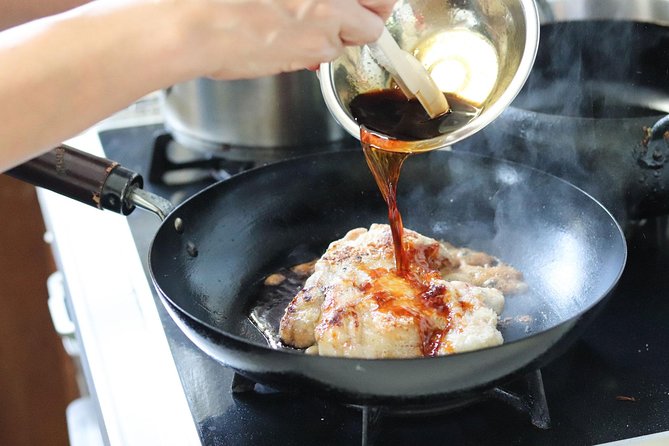
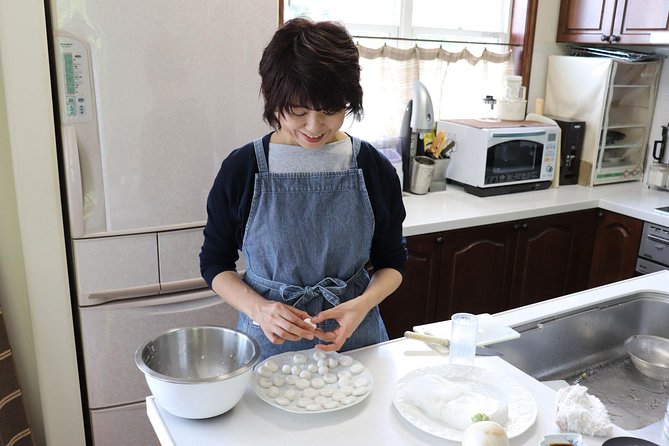
Once you’re at Kanae’s place, you’ll cook in her open kitchen. The class portion lasts about 1 to 1.5 hours, which is long enough to learn without turning it into an endurance contest. You’ll also be working in a home setting, so the overall tone is relaxed compared to some restaurant-style cooking demos.
Kanae teaches a traditional homemade style meal, and she’s also happy to steer toward Hokkaido dishes instead of typical homestyle menus if that’s what you want. That’s a smart option for food travelers, because Sapporo is famous for specific regional flavors. You’ll get a better sense of what makes Hokkaido cooking different rather than just learning generic Japanese dishes.
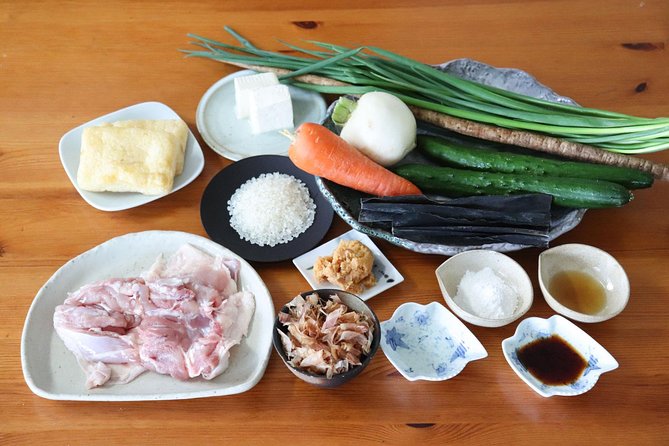
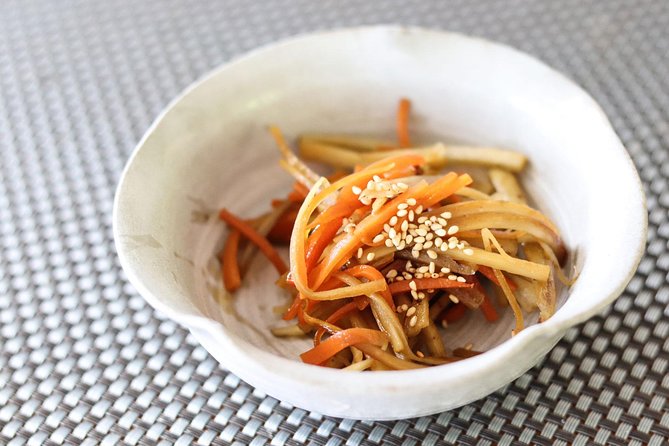
You’ll likely cook dishes that reflect what you picked up at the market and what’s seasonal. Some past dishes mentioned include items like gomae, agedashi tofu, and miso soup with mushrooms, plus seafood-based preparations. Menus can vary, so think of these as examples of the kind of comfort food you might make, not a guaranteed checklist.
Two practical things I value about this style of class:
- You can ask questions directly while you’re cooking, not after the fact.
- The experience is paced for learning, because it’s not squeezed between two separate group classes.
Lunch Together and the Included Alcohol Factor
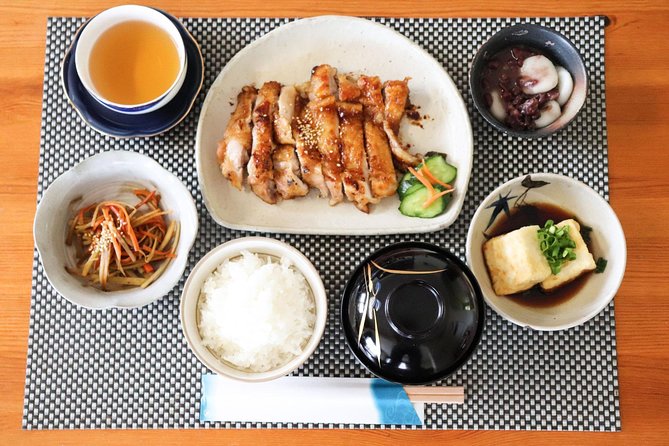
After cooking, you eat the meal you made together. Lunch is included, and the tour also includes 1 to 2 glasses of local alcohol. This matters for value, because it turns the meal into a complete experience, not a token taste.
If you drink alcohol, it’s a built-in way to try something local without adding extra expense at a restaurant. If you don’t drink, you can still enjoy the meal, but the tour does specify alcoholic beverages as part of what’s included.
Also, eating together in someone’s home changes the vibe. You’re not watching your food get served and then rushing out to your next stop. You get time to settle in, ask a few final food questions, and enjoy the food while it’s fresh and clearly connected to the market work you did earlier.
Dietary Needs and Seasonal Flexibility, Without Last-Minute Stress
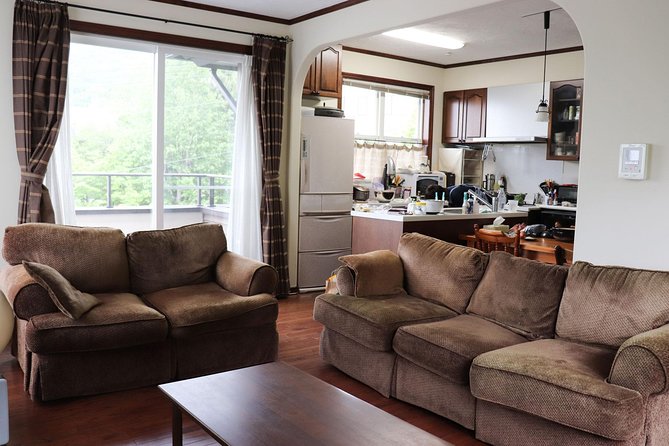
This is one of those tours that feels considerate to plan around. If anyone in your group has allergies, dietary restrictions, or cooking preferences, you’re asked to advise at the time of booking. Vegetarian and vegan options are available, as long as you share those needs ahead of time.
The menu may vary depending on the season, which is exactly what you want in Japan market cooking. Seasonal produce and seafood are usually better tasting, and it keeps the class from feeling like a scripted repeat of the same dishes every day.
If you’re traveling with picky eaters or folks who avoid certain ingredients, this tour is worth considering precisely because it offers a way to adjust. But do it early, because the kitchen needs time to plan.
Price, Value, and Who This Tour Makes the Most Sense For
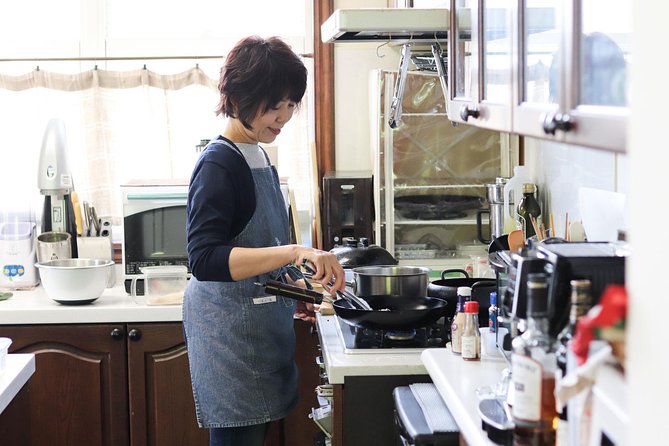
At $82 per person for about 4 hours, you’re paying for three things at once: a guided market visit, hands-on cooking instruction in a home kitchen, and a full meal with drinks. That bundle is the main value story.
Here’s how I’d think about the cost:
- Market guidance has real worth in Japan, because knowing what to buy and why can be hard even in places with good English signage.
- Cooking in a local home costs more than a public kitchen class, because you’re paying for access, prep time, and instruction in a private setting.
- Lunch plus alcohol included helps offset what you’d otherwise spend on food during a busy half-day.
You should expect the tour to be especially good for:
- Food-focused travelers who want to do more than eat, they want to understand ingredients
- People who prefer a private format and want direct attention from a host
- Anyone interested in regional Hokkaido dishes, not just generic Japanese cooking
- Small groups who can manage transit to the meeting point easily
If you’re the type who wants to only see major tourist landmarks and keep things very casual, this may feel too food-centric. But if you like markets, shopping for ingredients, and learning hands-on cooking, it’s a strong match.
Practical Tips Before You Go
A few prep steps will make your morning smoother:
- Arrive at Maruyama Koen Station on time since there’s no hotel pickup.
- Bring a snack-proof plan if you get hungry quickly. The tour is about 4 hours, but you’re waiting to cook and eat after market time.
- If you have dietary restrictions, message them during booking so Kanae can adjust the menu.
- If you’re in a larger group and plan for 5 or more people, expect the taxi-follow-car setup so everyone lands at the home together.
- Dress for walking. Markets involve a lot of moving around, and you’ll want comfortable shoes.
If cold weather is part of your trip plan, plan on layering. You’ll be in and out of market spaces and doing short travel segments, and Sapporo can feel sharp in cooler months.
Should You Book Kanae’s Market and Cooking Class?
Yes, if you want a half-day that feels genuinely local and gives you something you can repeat at home. This tour is built on a simple idea done well: shop with a host, cook with a host, eat what you made. The private attention and the fact that lunch and local alcohol are included make it more than a quick activity.
I’d hold off only if logistics are a dealbreaker for you. No hotel pickup means you must get to Maruyama Koen Station yourself, and groups of 5+ need a taxi follow plan.
If you want Hokkaido-focused cooking and you like markets, this is the kind of experience that makes Sapporo feel like more than a stop on a map.
FAQ
What time does the tour start, and where do I meet?
The tour starts at 9:00 am and meets at Maruyama Koen Station (26 Chome-2 Odorinishi, Chuo Ward, Sapporo, Hokkaido 064-0820, Japan).
Is hotel pickup included?
No. Hotel pickup and drop-off are not included, so you’ll need to get yourself to the meeting point.
What markets will we visit?
You’ll visit the Sapporo Morning Market (closed on Wednesdays and Sundays) and Jogai Market, adjacent to the Sapporo Central Wholesale Market.
How do we get to Kanae’s home after the markets?
Kanae will drive you about 15 minutes after the market portion, and you’ll meet in her home after that.
What’s included with lunch?
Lunch is included, and the tour also includes alcoholic beverages (1 to 2 glasses of local alcohol).
Can the class accommodate vegetarian, vegan, or dietary restrictions?
Yes. Vegetarian and vegan options are available, and if anyone has allergies, dietary restrictions, or cooking preferences, you should advise at booking.
How many people can fit in Kanae’s car?
Kanae’s car can fit up to 5 people including the driver, which means max 4 guests. For groups of 5 or more, you’ll use a taxi that follows Kanae’s car after meeting at the station.
More Shopping Tours in Sapporo
- Tokyo: Tsukiji Fish Market Guided Walking Tour
★ 4.9 · 1,397 reviews - Nishiki Market Brunch Walking Tour (7 Tastings + Brunch)
★ 5.0 · 1,355 reviews - Tsukiji Fish Market Guided Tour and Sushi Making with Pro Chef
★ 5.0 · 775 reviews - Tokyo: Tsukiji Fish Market Food and Culture Walking Tour
★ 4.7 · 757 reviews
Latest write-ups near Sapporo
- Private Japanese Cooking Class in Sapporo with Local Host Kanae★ 5.0 · 20 reviews
- Authentic Sapporo: Nijo Market Seafood Lunch & History Tour★ 4.8 · 20 reviews
- Hokkaido, Sappro, Otaru & Cape Kamui One-day Tour★ 4.4 · 21 reviews
- [Otaru & Yoichi] Let’s go to Otaru Canal, Sakaimachi Street, Music Box Hall, and Yoichi Nikka Whiskey by private car (arriving and departing from Sapporo)★ 5.0 · 21 reviews
- Sapporo: Custom Highlights and Hidden Gems Tour with a Local★ 4.9 · 21 reviews
- Full Day Indigenous Ainu of Hokkaido and Jozankei★ 5.0 · 25 reviews
- Sapporo: The Indigenous Ainu People & Jozankei walking tour★ 4.9 · 25 reviews
- Sapporo Winter : Asahiyama Zoo (Penguin Fun & Snowmobile)★ 5.0 · 28 reviews
Cooking Classes, compared.
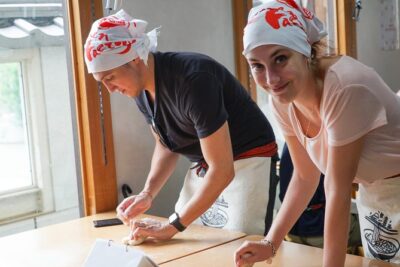
Ramen Cooking Class at Ramen Factory in Kyoto
Read our review →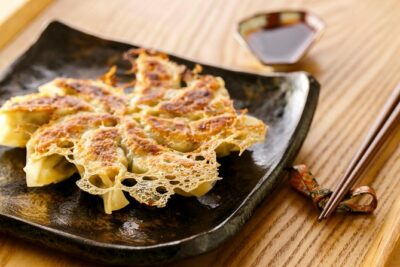
Ramen & Gyoza Cooking Class in Tokyo with Local Supermarket Visit
Read our review →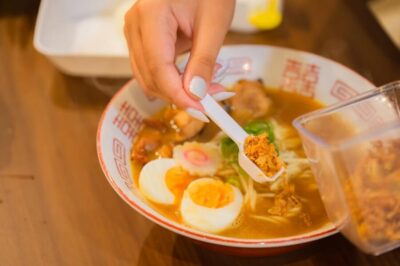
Ramen Cooking Class at a Ramen Factory with Souvenir
Read our review →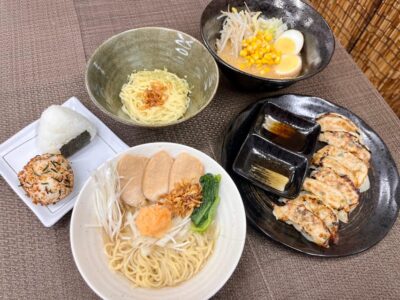
Japanese Washoku Bento Small Group Cooking Class
Read our review →
Easy Ramen Cooking Experience in Kabukicho, Shinjuku
Read our review →
Ramen and Sushi Cooking Class with Sake Pairing Set in Tokyo
Read our review →Browse the lists this tour appears in