
Reviewed · FOOD & DRINK IN TOKYO
REAL, All-Inclusive Tokyo Food and Drink Adventure (leave the tourists behind)
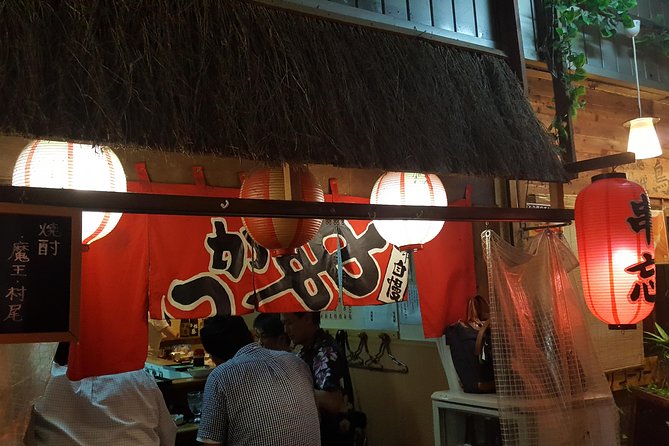
Tokyo can feel like a theme park if you chase the big names, so this Oimachi-to-Kamata food night is interesting because it keeps you in the local lanes away from the tourist spotlight. I really like the small-group size and the way the guide steers you into tachinomi standing bars where you can eat enough for dinner. The only real catch is that the menus can include more advanced Japanese items, so tell the guide early if you want to keep things safer.
You will start at Ōimachi Station around 6:30 pm and end at Kamata Station after about 3 hours, with short train rides between neighborhoods. I also love that guides such as Andrew, Mini, Ryuhki, Yeman, and Lukas tend to add practical street-level context, from local history to tips for what to do next around Oimachi and Kamata.
Key reasons this Tokyo food and drink adventure is worth your time
- Small group focus: capped at about six people, so you can actually talk and ask questions.
- Tachinomi culture, not just sightseeing: you’ll rotate through standing bars with cold drinks and snacks that build toward dinner.
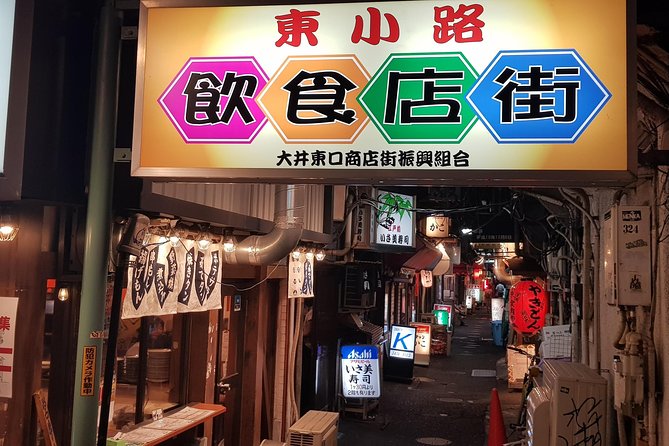
- Off-tourist neighborhoods: Oimachi and Kamata have backstreet energy and shotengai shopping-street texture.
- Guide-led local know-how: expect neighborhood context and nightlife pointers, not a canned lecture.
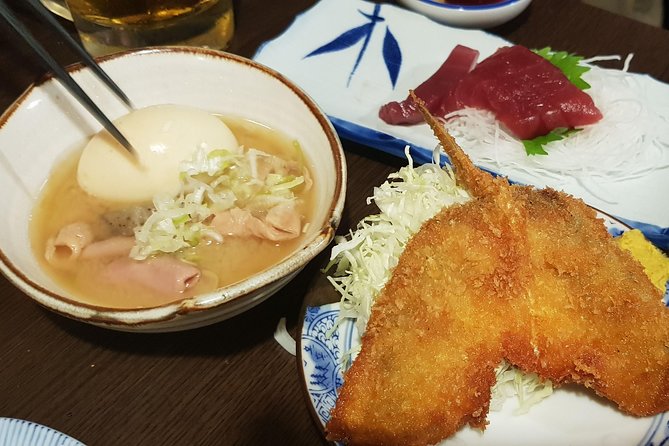
- Food variety with options: Japanese pub snacks along with more Western-friendly choices if you prefer familiar flavors.
- Value built in: dinner plus a total of three alcoholic or non-alcoholic drinks, with transportation included.
Why Oimachi and Kamata make a smarter Tokyo night plan
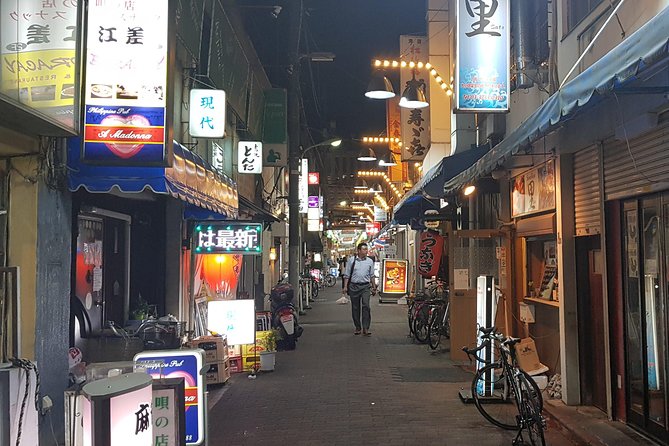
Oimachi and Kamata sit in a part of Tokyo most visitors walk past on the way to somewhere else. That is exactly why this works. You get the texture of real evenings: small storefronts, chatty regulars, and nightlife that feels like it belongs to the neighborhood, not the internet.
I also like that the tour is set up as an eating route, not a museum loop. You are moving at a human pace, stopping often enough to keep hunger from taking over, and soaking up the story behind what you are actually tasting.
And because you are not crammed into a huge group, you can steer the evening a bit. If you want more sake talk, or you want to stay with straightforward dishes, the guide can usually help you land on the right table and menu.
More Food & Drink in Tokyo
- Tokyo: Shinjuku Food Tour (13 Dishes at 4 Local Eateries)
★ 5.0 · 6,603 reviews - Tokyo Tsukiji Fish Market Food and Culture Walking Tour
★ 5.0 · 3,184 reviews - Tokyo: Shinjuku Food Tour (15 Dishes and 4 Eateries)
★ 4.9 · 2,033 reviews
Price and what you really get for $125
At $125 per person for about three hours, the key value is that it is not just a walking tour plus one drink. You get dinner, plus three total drinks (alcoholic or non-alcoholic), and you also get on-tour transportation between neighborhoods.
That matters in Tokyo, where your biggest costs often creep in after you get hungry. Here, the meal pieces and drinks are built into the plan, so you are not scrambling to find a sit-down restaurant while the evening slips away.
The one item that is not included is hotel pickup and drop-off. So you will want to be comfortable getting to the meeting point by train on your own. The good news is the start is near public transportation, so it is not a scavenger hunt.
Meeting at Ōimachi Station, timing, and how to keep it easy
This runs from 6:30 pm to about 3 hours total, ending at Kamata Station. The meeting point is Ōimachi Station (1 Chome-1 Ōi, Shinagawa City), and your guide will help you get on the right train.
The practical takeaway: you should plan your day so you are not rushing in from a far-off end of town. Also, Tokyo at night can be hot and humid, and you will be on your feet through backstreets and standing-bar stops. Comfortable walking shoes are not optional here.
Finally, remember there is a drinking-age rule. Everyone must be 18+, and the minimum drinking age is 20. If you are under 20, you can still join, but the drinks part will follow the age requirement.
Stop 1: Oimachi backstreets and your first tachinomi
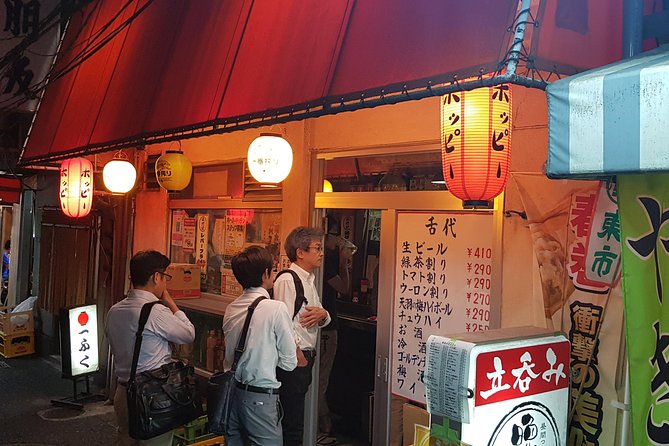
Oimachi is close to the Yamanote Line, which means you can get there fast without feeling like you are crossing Tokyo on hard mode. From Ōimachi Station, the route turns into narrow backstreets right away, where the vibe is more lived-in than spectacle.
You will head into your first tachinomi, where you stand and sip something cold. These places are the core of the experience because they are social, casual, and built around small bites. Even when you are nervous about ordering, you are not left alone with a blank menu. The guide helps you find the right kind of snack to match your drink.
A change of pace from Tokyo:
- Mt Fuji and Hakone 1-Day Bus Tour Return by Bullet Train
★ 5.0 · 26,383 reviews - 1-Day Tokyo Bus Tour
★ 5.0 · 14,250 reviews - Tokyo: TOKYO SKYTREE® Admission ticket
★ 4.5 · 11,192 reviews - Tokyo: teamLab Planets TOKYO Digital Art Museum Entry Ticket
★ 4.6 · 9,779 reviews
Japanese pub snacks plus Western-friendly backups
The tour is designed so you are not stuck choosing only unfamiliar items. In addition to Japanese-style pub grub, there are typically more Western palate-friendly options available, which is a huge relief for picky eaters or first-timers.
The possible drawback at Stop 1
This is where the “advanced Japanese foods” note matters. If you do not want to risk anything unexpected, talk to your guide before you order. A quick heads-up can keep the evening fun instead of awkward.
The walk phase: how the guide turns streets into context
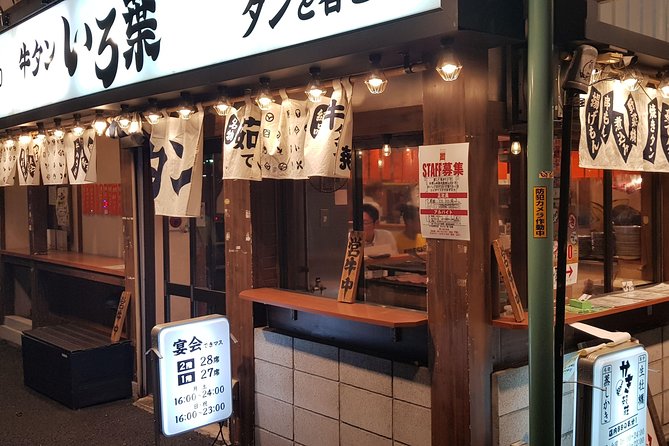
After the first bar, you shift from eating to walking and learning. This is not the type of tour where the guide stops every 30 seconds to read a history slide. Instead, the street context helps you understand what you are seeing, from the character of the neighborhood to the way locals move through the night.
One of the most loved parts of this style is that the guide can be “friend-like” while still being informative. People describe guides like Andrew and Ryuhki as fun, witty, and just plain good at connecting the dots between the food, the area, and what to do after the tour.
A tip worth taking seriously: ask about love hotels
One standout topic that comes up in this kind of local-night context is love hotels. Guides have been known to explain what they are and why they exist, and it makes the surrounding streets feel less mysterious. If that sounds interesting to you, bring it up casually when conversation lands.
Stop 2: the quick ride to Kamata and a different Tokyo mood
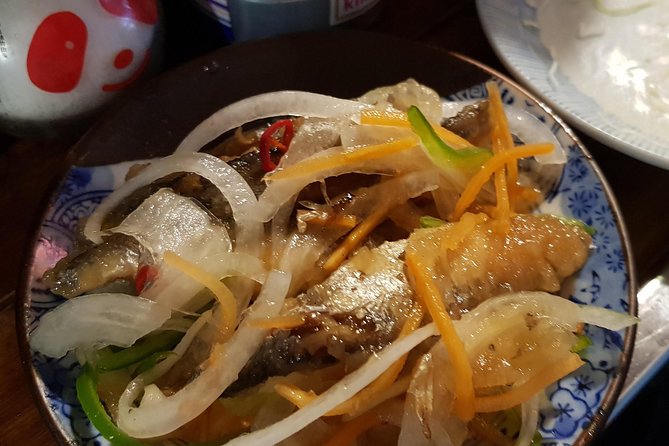
After eating in Oimachi, you move on with a short train ride, about six minutes, to Kamata. That jump is smart because it lets you experience two neighborhoods in one night without draining your energy.
Kamata brings a different feel. You will see parts of the area with bubble-era architecture from the 1980s into the early 1990s, plus some more recently spruced-up sections. You also get a classic shotengai, the older-style shopping street where small shops and everyday routines take center stage.
Why Kamata’s shotengai matters for a food night
A shotengai is where you start to see how locals actually shop and socialize. That matters because it sets the stage for the food stops to feel natural instead of random. You are not just entering bars as a checklist item. You are stepping into a neighborhood rhythm.
The food and drink round two
Once you are in Kamata, the plan continues with additional stops and drinks, and a spot with a chill vibe and friendly clientele. This is where you finish strong, with enough food in total to feel like you truly had a dinner.
The pacing that makes it feel like dinner, not a snack raid
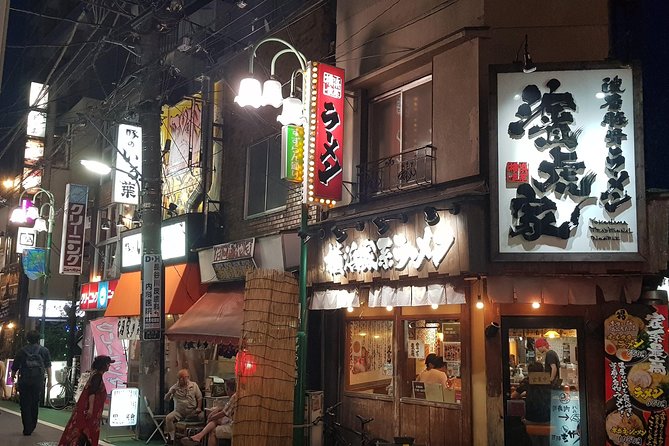
The tour is about 1 hour 30 minutes in Oimachi and 1 hour 15 minutes in Kamata, with time for the transitions. That timing is the backbone of why it feels satisfying. You are not only doing the first bar and then calling it done.
You also avoid the common Tokyo travel problem: being hungry in the middle of a schedule gap. Here, the stops are spaced so you keep eating, tasting, and learning without hitting that low-energy fatigue where you start making boring choices.
Drinking rules and how to handle the food spectrum
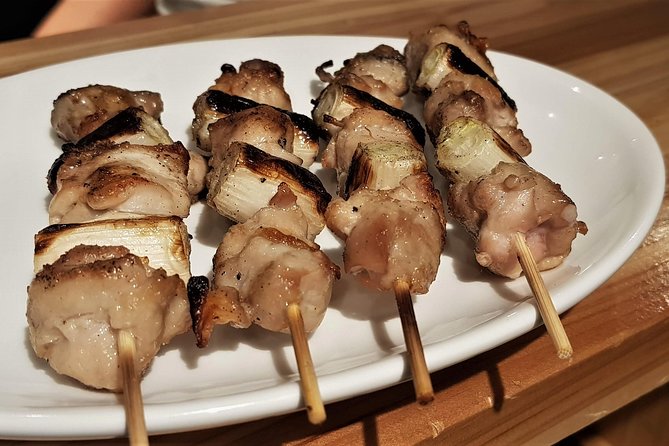
Because the tour includes three drinks total, it is built around a paced flow. For many people, that means beer, sake, or another choice early on, then a calmer shift into snacks and conversation.
But the more important part is the food spectrum. You might run into dishes that feel strange on first read. That does not mean you will be forced into anything you hate. The tour is set up to include Western-friendly options as a fallback, and there is also a vegetarian option if you advise at booking.
A simple strategy you can use on night one
If you want the experience without stress, do this:
- Tell your guide your comfort level with unfamiliar items.
- Ask for a safer choice first, then decide from there.
- If the group gets adventurous, it is still okay for you to stay practical.
Guides seem to do well here. People have highlighted guides as “like renting a friend,” meaning they adjust to the group rather than pushing everyone through the same order.
Guide impact: Andrew, Mini, Ryuhki, Yeman, and Lukas
What repeatedly shows up is that the guide is not just translating. The strongest reviews point to guides adding real street knowledge, history context, and quick practical help that makes Tokyo feel less intimidating.
- Andrew is repeatedly praised for local history and for making the route feel fun and personal.
- Mini has been highlighted for friendliness and for helping with practical things like getting a Suica card set up for your own later rides, plus souvenir snacks like flavored Kit Kats.
- Ryuhki is praised for the feeling of traveling with a friend who knows the area well.
- Yeman is noted for explaining culture and adding interesting backstreet details.
- Lukas is described as taking people into places they would not have chosen on their own, while explaining culture clearly.
You do not need to memorize names, but you should care about the pattern. This tour’s value is tightly tied to guide skill, and the small group format lets that skill matter.
Getting nightlife tips for after the last stop
By the time you reach Kamata, the tour has already set you up to keep exploring. You will hear tips for Tokyo nightlife around the streets of Oimachi and Kamata, which is what you want on night one: not a vague suggestion, but ideas that fit what you have just seen.
Also, you may leave with a better sense of how to move around. Some guides go beyond food and help with simple practical stuff like buying a train ticket back, which can save you from the awkward “wait, how do I do this” moment when you are tired.
Who this Tokyo food tour fits best
This is a good match if you want a local-feeling evening without committing to hours of research. It is also strong for people who like social travel, because the group is kept small, and you will be standing and sharing space in the tachinomi environment.
You will likely enjoy it most if you:
- Like trying a mix of Japanese pub snacks and drinks
- Enjoy walking between neighborhoods more than sitting in a single restaurant
- Want street-level context and nightlife tips
- Prefer a smaller group where questions feel normal
It might be less ideal if you dislike standing bars or if you are extremely picky about food. You can request vegetarian options, and you can choose Western-friendly items, but the tour is built around tasting local nightlife food culture.
Should you book this all-inclusive Tokyo food and drink adventure?
I think it is a strong book if you are the kind of traveler who wants Tokyo at night to feel human. For $125, you get dinner-level food, three drinks, and transportation, plus a guide who can turn neighborhoods like Oimachi and Kamata into something you understand, not just something you pass through.
Book it if you want off-the-main-strip Tokyo, love tachinomi energy, and you are open to a few adventurous bites. Skip it only if you know you cannot handle standing bars, or if you want a fully predictable menu with zero chance of unfamiliar items.
If you do book, go in with one mindset: tell your guide what you can handle, then let the rest of the evening surprise you.
FAQ
How long is the Tokyo food and drink adventure?
It lasts about 3 hours.
What time does the tour start, and where does it end?
It starts at 6:30 pm and ends at Kamata Station.
How many drinks and meals are included?
The tour includes dinner and a total of 3 alcoholic or non-alcoholic beverages.
Is vegetarian food available?
Yes. A vegetarian option is available if you advise at the time of booking.
What are the age requirements?
All participants must be 18+. The minimum drinking age is 20.
Is hotel pickup included?
No. Hotel pickup and drop-off are not included, but the meeting point is near public transportation and the guide will help with getting on the right train.
Latest write-ups near Tokyo
- Tokyo Nights: Shibuya Photo Adventure★ 5.0 · 20 reviews
- Wagyu & Sake 8 Course Tasting Dinner in Shinjuku★ 4.9 · 20 reviews
- Making Japanese desserts Nerikiri & drinking matcha in Tokyo★ 5.0 · 20 reviews
- Mt. Fuji 5th Station, Owakudani Ropeway, Pirate Ship plus Outlet shopping!★ 4.5 · 20 reviews
- Japanese Whisky Hunting《HIGH-QUALITY-ONLY》Rare Tasting Class★ 5.0 · 20 reviews
- Kintsugi Experience with Arita Ware in Tokyo (English Guide)★ 4.8 · 20 reviews
- This is Asakusa! A Tour Includes the All Must-Sees!★ 5.0 · 20 reviews
- Ebisu Local Food Tour: Shibuya’s Most Popular Neighborhood★ 5.0 · 20 reviews
Food & Drink in Tokyo, compared.
Shinjuku Food Tour (13 Dishes at 4 Local Eateries)
Read our review →
Tokyo Tsukiji Fish Market Food and Culture Walking Tour
Read our review →
Shinjuku Food Tour (15 Dishes and 4 Eateries)
Read our review →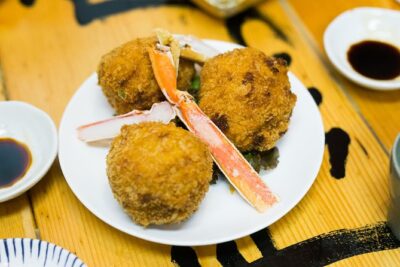
Best of Shinjuku: Izakaya Food Tour (4 Stops, 14+ Tastings)
Read our review →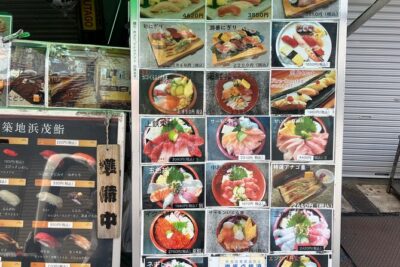

Eat and Drink Like a Local: Tokyo Ueno Food Tour-Taverns&Ramen
Read our review →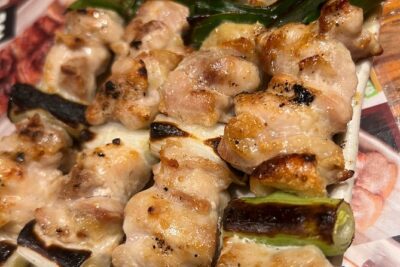
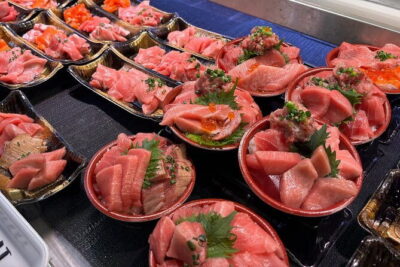
Tsukiji Fish Market: Street Food & Culture Walking Tour
Read our review →Browse the lists this tour appears in