
Reviewed · SAMURAI & NINJA EXPERIENCES
Samurai Experience – Learn Bushido through Kendo, in Tokyo
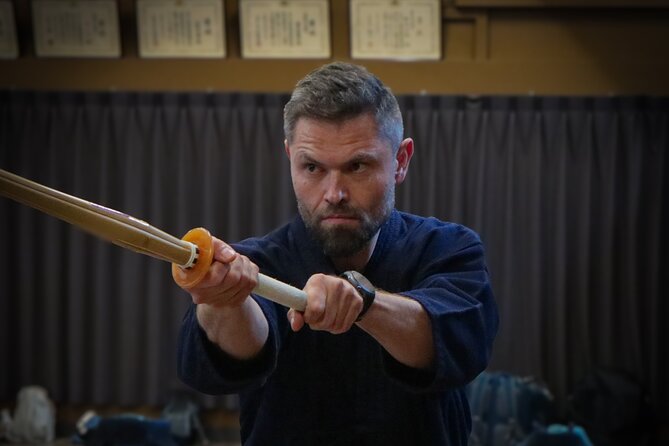
This experience is interesting because it treats Samurai culture like a skill you practice, not a costume you wear. You start with the mindset and manners behind kendo, then you work step by step until the training turns into contact. The whole session centers on respect and presence, the parts people usually miss when they rush through Japan.
Two things I especially like: it breaks kendo into the three linked ideas of Ki-Ken-Tai-Itchi (spirit, body, sword), and it ends with a match plus an instructor demonstration that feels real. The pace also works for beginners in a small group, with English support when you need it.
One possible drawback is that once you put on full gear, it can feel warm and the workout can surprise you. If you hate heat or want something very low effort, plan for a more physical experience than a typical culture class.
Key Points You Should Know Before Going
- You start without a sword, with etiquette and the reason kendo exists, not just how to swing
- Ki-Ken-Tai-Itchi is taught as a system, so your body and blade work together
- Small group, up to 8 people, means you actually get corrections
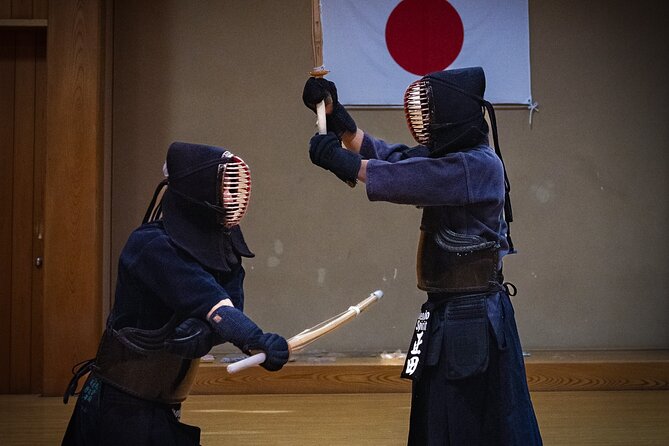
- You try sparring and see real intensity, including a demonstration between instructors
- Everything is provided, including kendo attire, shinai, and drinks, plus photos and video afterward
Bushido Through Kendo, Not Movie Samurai
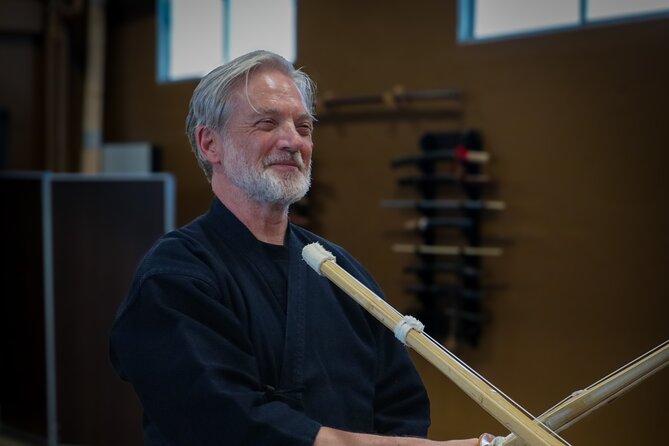
Kendo is one of the few Japan experiences where the lesson is physical, mental, and cultural at the same time. It is not framed as a modern sport first, it is presented as a living tradition shaped by samurai values and passed down through practice.
You will learn why kendo is still trained today: the spirit still matters. Instead of treating Bushido like a slogan, this class shows you how that spirit shows up in real movement, through calm focus, disciplined footwork, and controlled intent.
If you want Japan that goes past neon, food lines, and temples as photo backdrops, this is the kind of activity that gives you a different kind of memory. It is not about looking tough. It is about learning how to carry yourself.
More Samurai & Ninja Experiences in Tokyo
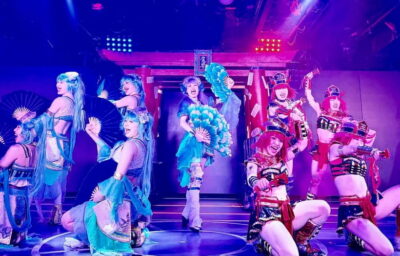
- Tokyo: Samurai Restaurant Show Ticket with 2 Drinks
★ 4.5 · 1,307 reviews - Tokyo: Samurai Ninja Museum Guided tour and Experience
★ 4.6 · 1,010 reviews - Tokyo: Samurai Sword & Archery Class from Samurai Descendant
★ 5.0 · 603 reviews
The 2-Hour Flow in Plain English, Bow First, Sword Last
The session is built like a ladder. You do not start by grabbing a sword and copying swings. You build from etiquette and mindset, to footwork and body alignment, to the shinai and then the match.
Here is how the training generally unfolds:
First, you calm your mind and practice etiquette with a bow. They explain that it is not empty formality. It is a way to face the other person with respect, which matters because kendo training depends on trust and control.
Then you move into Ki, the spirit. You practice expressing presence and fighting spirit without anger. The focus is intent and focus, not aggression. This is the part that helps beginners stop thinking like they are playing sword-fighting and start thinking like they are learning a discipline.
Next comes Tai, your body. You practice traditional footwork meant to keep you grounded and balanced. Even if you are not athletic, this is trainable, and it is one of the reasons kendo can feel structured rather than chaotic.
Only after that do you move into Ken, the sword. You learn how to hold the shinai, how to swing it, and how to move with it. By the time you reach the sword part, you are already carrying the right posture and footwork, so the learning sticks better.
Finally, you bring it all together with Ki-Ken-Tai-Itchi. Spirit, sword, and body are taught as one unit, so your strike is not just an arm motion.
If you want a practical reason to choose this format, it is simple. When instruction starts with etiquette and basics, you are less likely to pick up sloppy habits that you would have to unlearn later.
Rei and Etiquette: The Respecting-Other-Person Part You Will Actually Do
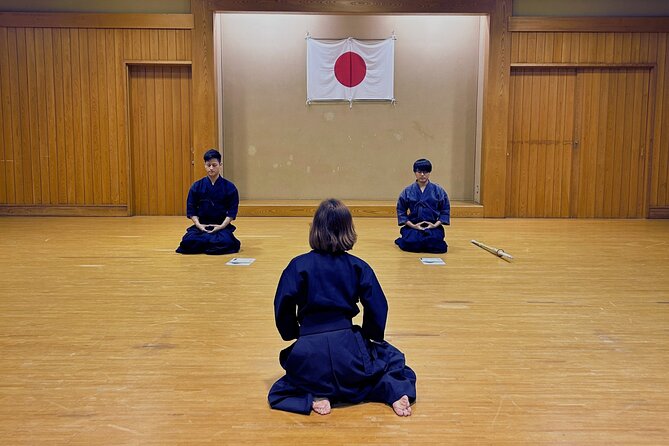
A lot of Japan “samurai” activities stop at armor photos. This one starts before you ever touch the shinai. You learn how to begin training correctly: bowing, settling your mind, and treating the dojo like a place with rules and shared focus.
They emphasize that respect is not decoration. It is part of safety and part of learning. When you bow at the start and then again at the end, you feel how the class is shaped around discipline, not entertainment.
Because it is a small group, you get to see and copy the correct pacing of movements. And because instruction is in English and Japanese, you can ask questions without feeling lost. That matters if you are new to kendo vocabulary and rules.
If you are the type who likes understanding what you are doing, this portion will feel satisfying. You will not just copy motions. You will connect the motions to meaning.
Tai Footwork and Ken Control, How Beginners Stay Grounded
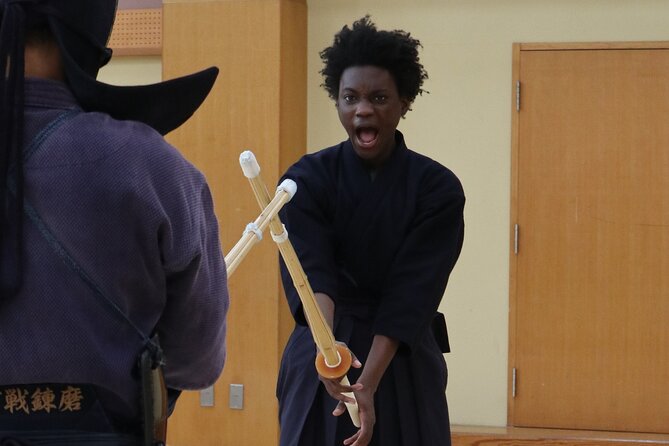
The class does a smart thing with beginners: it teaches you how to stand, move, and transfer weight before it asks for sword technique. That is Tai, and it is central to kendo because balance is everything.
You practice footwork patterns that keep you ready, not stiff. The goal is to be grounded, stable, and able to move quickly without losing control. You will feel the difference once your stance stops being “pose” and starts becoming “support.”
When you finally work on Ken, you use a bamboo sword, the shinai. This is a training tool, and the instructors help you hold it correctly and swing with intent. They also guide you into moving with the sword, not just swinging it in place.
From the way the class is described, they build technique in stages: you learn basics, then you apply them. That is why most people can join even if they have never done martial arts.
My practical advice: treat this like learning a dance step plus a breathing routine. If you rush, you miss the point. If you follow the pace and keep your attention on posture and footwork, you will progress faster than you expect.
A change of pace from Tokyo:
- Mt Fuji and Hakone 1-Day Bus Tour Return by Bullet Train
★ 5.0 · 26,383 reviews - 1-Day Tokyo Bus Tour
★ 5.0 · 14,250 reviews - Tokyo: TOKYO SKYTREE® Admission ticket
★ 4.5 · 11,192 reviews - Tokyo: teamLab Planets TOKYO Digital Art Museum Entry Ticket
★ 4.6 · 9,779 reviews
The Sparring Moment and Instructor Duels, Where Kendo Turns Real
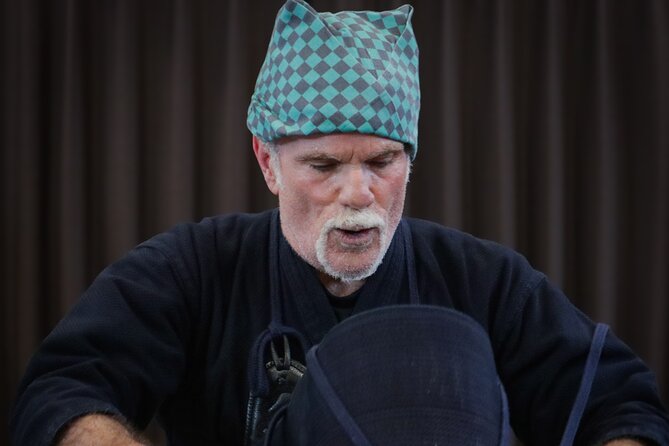
The highlight is the match section. After building the foundation, you put what you learned into practice in a real kendo match setting.
This is also where nerves show up. Even with guidance, when you face an instructor or spar with protection on, you feel the pressure of timing and distance. The goal is not to overpower you. The goal is to test your focus under real conditions.
They also include an intense demonstration between instructors. Watching a controlled match is a powerful contrast to the earlier basics. You see how the discipline you practiced earlier becomes speed, rhythm, and control.
If you like sports, you get the competitive energy. If you like culture, you get the discipline. Either way, this ending helps the whole session feel like more than a workshop.
Gear, Heat, and Basic Safety Sense in the Dojo
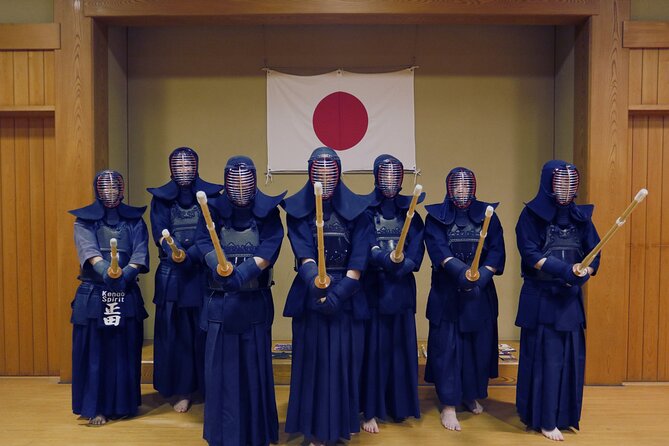
Kendo uses protective equipment, and once it goes on, you realize how physical the training is. Some people note that the session can feel warm while you are suited up. You also need to be comfortable with movement, because the warm-up and footwork work your body.
The good news is that you are not expected to be strong or experienced. The group is kept small, and instruction is paced carefully. Most participants are beginners, so you can expect a learning environment rather than a tryouts vibe.
A few safety and suitability points are clearly stated. Alcohol and drugs are not allowed. The experience is not suitable for pregnant women, babies under 1 year, and people over 95 years.
They provide drinks, which helps because you are likely to work up a sweat. And because you do not need to bring equipment, your main job is showing up ready to follow instructions and respect the dojo rules.
$103 in Tokyo, Why This Price Can Actually Feel Fair
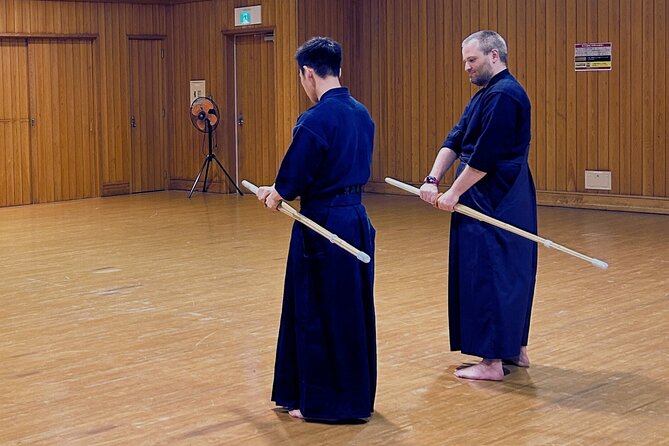
At about $103 per person for a 2-hour session, the cost is not just for “holding a sword.” You are paying for structured instruction, a small-group setting limited to 8 participants, and full training gear plus follow-up media.
Here is what you get included:
- 2-hour kendo experience
- Kendo attire
- Bamboo sword (shinai)
- Drinks
- Souvenirs
- Photos and videos sent by email afterward
That combination matters. In many similar classes, you might pay extra for equipment, and you often do not get photos or video. Here, you have a complete package: you show up, you train, and you leave with something tangible to remember it by.
Location also plays into value. The dojo is within about 15 minutes of Tokyo Station, which makes this feel easy to slot into a day without major detours.
They also offer reserve now and pay later, plus free cancellation up to 24 hours in advance. Those details make it easier to plan once you build your Tokyo schedule and decide what to keep.
Photos, Videos, and Souvenirs, So the Memory Sticks
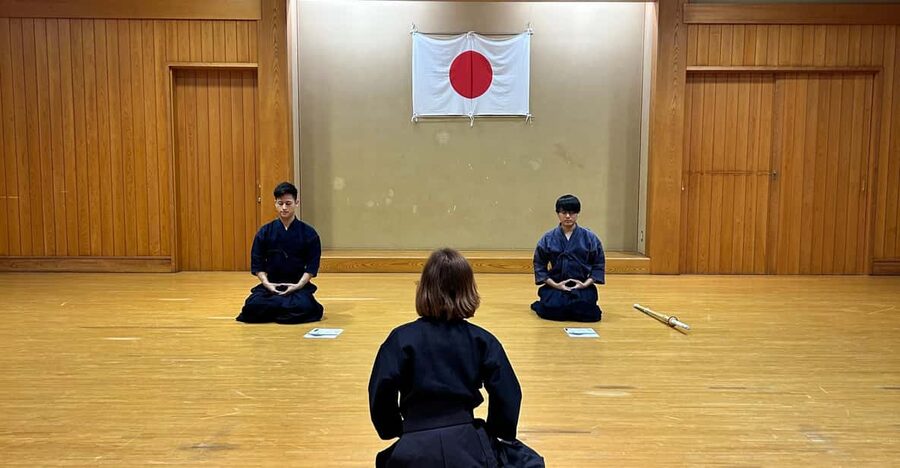
You should expect to leave with more than a vague impression of sword fighting.
They take photos and videos during the experience and email the data afterward. That is helpful because you can look back and see what you did right and what you want to improve.
Many people also mention certificates or a photo with documentation, which can be a nice way to keep the memory organized. Even if you are not into souvenirs, the photo and video piece makes the training feel complete.
When you are learning a discipline like kendo, the body often forgets details right after the session. Media helps you remember the flow, the posture, and the moments where you felt the timing click.
Who This Kendo Bushido Lesson Fits Best
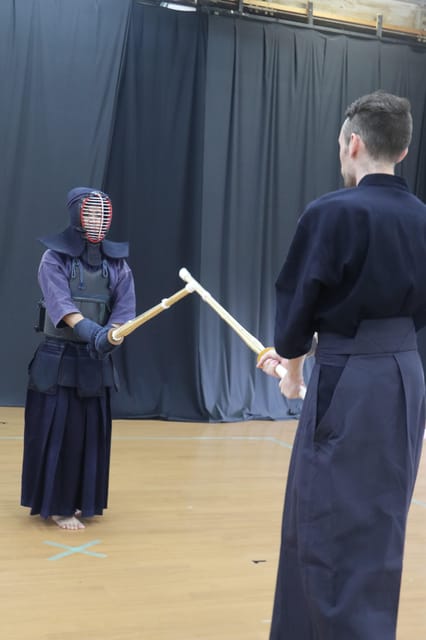
This is for you if you want Japan with meaning, not just novelty. If you care about discipline, respect, and purpose more than entertainment value, you will probably feel at home.
It is also for people who want to experience Bushido through their body. You do not need prior kendo experience. What you do need is an open mind and the willingness to face yourself and your habits. Kendo training is controlled, but it still asks you to show up mentally.
If you want to do something physical in Tokyo that is structured and culturally grounded, this works well. It is also a good match for couples or friends who want a shared challenge.
If, on the other hand, you mainly want a light, passive experience, this one may feel more intense than you expected. Plan on movement, focus, and gear.
Should You Book Samurai Experience – Learn Bushido Through Kendo in Tokyo?
Book this if you want a real lesson that connects etiquette, mindset, and technique. The training is built like a system, not a show. Starting with bowing and spirit, then moving into footwork and shinai control, then finishing with match practice and an instructor duel, is a smart way to help you understand kendo instead of just trying it.
I would also book it if you are curious about Japan beyond the surface and you like being taught in English. The small-group format helps you feel guided, not lost.
Skip it if you cannot manage heat and physical exertion in gear, or if you fall into the stated unsuitability categories. And if your main goal is sightseeing photos with zero effort, you will likely be happier with a different kind of Tokyo experience.
If your goal is to feel what discipline looks like in motion, this is one of the best value choices near Tokyo Station.
Latest write-ups near Tokyo
- Tokyo Customized Private Tour: See Top Attractions in 1 Day★ 4.8 · 67 reviews
- From Tokyo: Top 5 Scenic Spots of Mount Fuji Full-Day Tour★ 4.5 · 67 reviews
- Traditional Japanese Music ZAKURO SHOW in Tokyo★ 5.0 · 67 reviews
- Tokyo: Shinjuku Izakaya and Golden Gai Bar Hopping Tour (2h)★ 4.9 · 67 reviews
- Tsukiji: Unlimited Sake Tasting Experience★ 4.9 · 67 reviews
- Tokyo: Not a show- a professional sumo practice with experts★ 4.9 · 67 reviews
- Samurai Ninja Museum Asakusa: Kid-Friendly Ninja Training★ 4.7 · 67 reviews
- Private Harajuku Omotesando Architecture Walking Tour★ 5.0 · 67 reviews
Samurai & Ninja Experiences, compared.
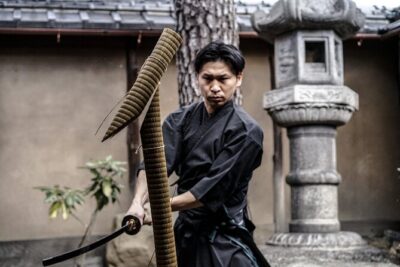
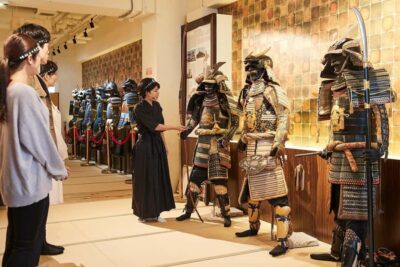
Samurai Ninja Museum Guided tour and Experience
Read our review →
Kendo and Samurai Experience with Uniform and Gear
Read our review →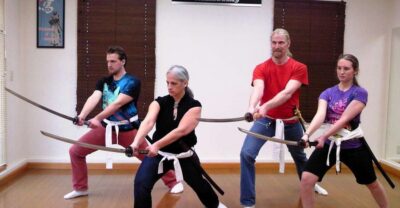
Samurai Sword Class by Experts in Traditional Arts
Read our review →
Skip the lines Basic Ticket at SAMURAI NINJA MUSEUM KYOTO
Read our review →
Samurai Sword & Archery Class from Samurai Descendant
Read our review →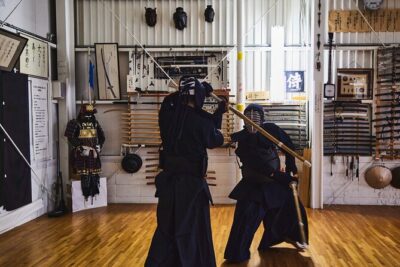
Browse the lists this tour appears in