
Reviewed · SAMURAI & NINJA EXPERIENCES
Samurai Experience – Learn Bushido through Kendo, in Tokyo
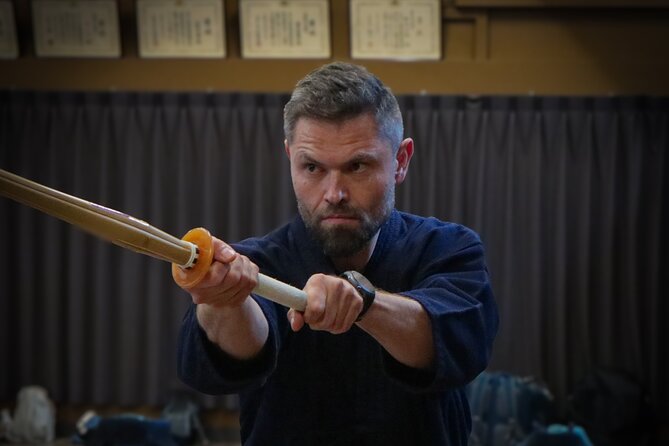
Tokyo’s Samurai Experience is interesting because it swaps typical sightseeing for a real working dojo session where you practice kendo, not just watch it. I like the small group size and hands-on pace, and I also love that Daichi, with 19 years of training, teaches in clear English. The main drawback is simple: it’s physical, and you should be ready to move for about two hours.
You’ll meet near Nihonbashi and get outfitted before you ever pick up a bamboo sword. You’ll also get cultural context, not just technique, with a focus on discipline, posture, and timing, plus a short high-energy battle at the end.
Key Things I’d Be Looking For
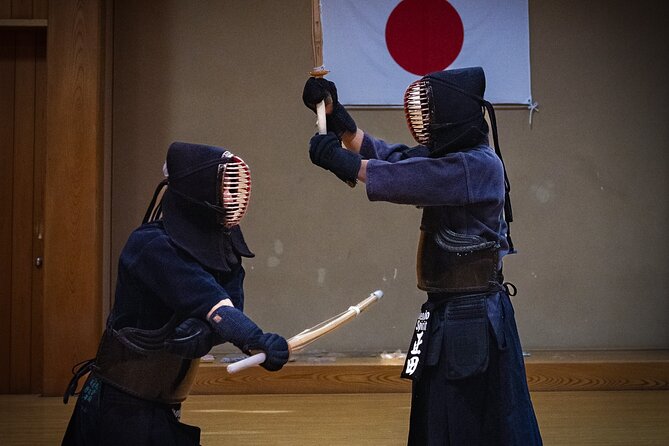
- A working dojo setting where Japanese practitioners train, not a staged performance space
- Daichi’s English coaching, plus assistants like Makoto helping with technique and corrections
- Beginner friendly by design, with slow teaching and over 90% of participants described as beginners
- Hands-on kendo basics using a shinai and learning safe form and strong striking
- A final duel moment that turns practice into something you can feel in your body
- Photos and videos included, sent by email after the session
Why Kendo Beats Typical Tokyo Sightseeing
If you want Japan to stay in your muscles, this kind of activity does it. Kendo is sport, but it is also a discipline. In a short session, you’re not just learning what people do, you’re learning how they think while they do it.
What I like is that the focus is practical: focus, posture, and timing. Those are the same skills you hear about in Bushido stories, but here you actually practice them with footwork, distance, and controlled strikes. And the vibe is not passive, you’re constantly paying attention to what your body is doing and what your partner is doing.
One thing to consider up front: this isn’t a couch-and-camera experience. Even if you’re new, you’ll be standing, stepping, swinging a shinai, and getting corrected. If you’re hoping for a laid-back morning with lots of standing around, this will feel like exercise.
More Samurai & Ninja Experiences in Tokyo
- Tokyo: Samurai Restaurant Show Ticket with 2 Drinks
★ 4.5 · 1,307 reviews - Tokyo: Samurai Ninja Museum Guided tour and Experience
★ 4.6 · 1,010 reviews - Tokyo: Samurai Sword & Archery Class from Samurai Descendant
★ 5.0 · 603 reviews
Finding Nihonbashi and Settling Into a Real Dojo Mood
The session starts at 10:00 am and runs about 2 hours, and it ends back at the meeting point. You’ll meet at Japan, 103-0024 Tokyo, Chuo City, Nihonbashikobunachō, 29 Sec日本橋ビル. It’s also listed as being near public transportation, which matters in Tokyo where you can lose time fast if you’re walking too much.
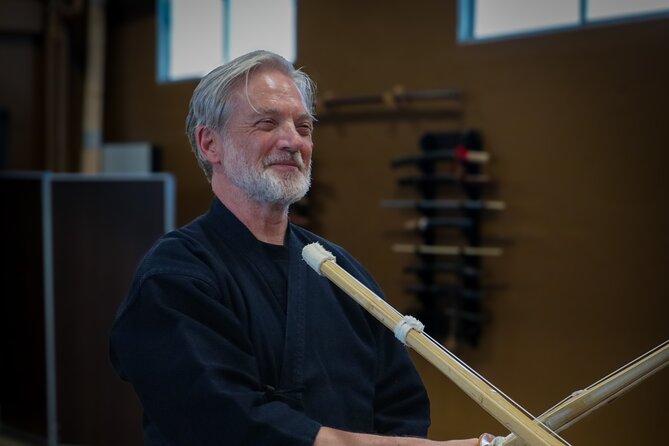
I also like the small group limit of 8 travelers. Smaller groups usually mean more personal correction, and in kendo that correction is everything. When you only have a few people in the room, an instructor can watch your stance, adjust your timing, and keep the pace manageable.
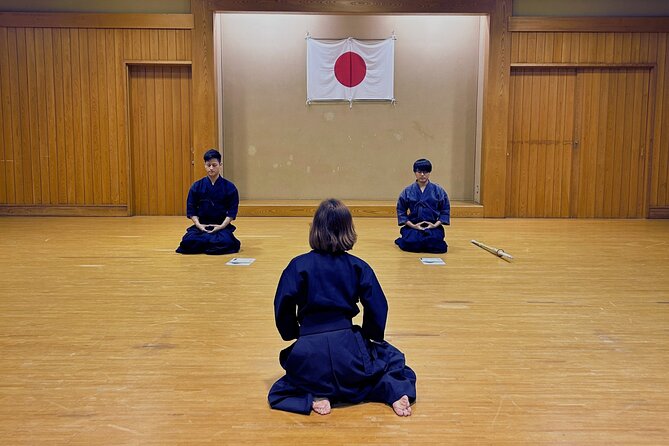
Before you go, set your expectations: you’re stepping into a local training environment. That means quiet respect, following instructions, and doing what you’re asked. If you treat it like a museum tour, you’ll miss the point.
Gear Check: What You Wear, What You Carry, What You Don’t
Good news for packing, you don’t need to bring anything specific. They provide the kendo attire rental and a bamboo sword (shinai) rental. The FAQ also says they provide T-shirts and pants to wear under your kendo uniform, so you don’t need to hunt down the right base layers.
You also get “Japanese cultural experience tools rental” listed as included. The point here is that the session handles the gear, so you can show up ready to train. If you’ve ever arrived in Japan with good intentions and forgotten one key item, this is that rare tour that removes a lot of guesswork.
Practical tip: wear comfortable clothes under the provided layers, and plan for light sweating. Also, since the session is about two hours, skip adding big snacks right before training. Bottled water is included, so you’re covered, but snacks are not.
Daichi’s Coaching and the Bushido Mind You Can Actually Feel
Your instructor is Daichi, an active kendo practitioner with 19 years of training. That matters because form in kendo is not just a look, it’s timing, balance, and control that comes from repetition. In a room like this, you’ll learn quickly whether the instructor actually practices or just talks.
I like that the approach is hands-on, with demonstrations only possible from real ongoing training. You’ll also get cultural framing so it doesn’t turn into mindless swinging. The session is designed to show how Bushido principles guide real movement and judgment under pressure, which is a polite way of saying your brain has to work while you move.
You’ll notice this most in the mental habits. In kendo, posture and focus aren’t decorative. They help you react, keep your stance stable, and land strikes with intent. Multiple participants highlight learning the spiritual and mental side, not just technique, and that matches what you’ll feel as the instructor corrects your breathing, your stance, and your rhythm.
A change of pace from Tokyo:
- Mt Fuji and Hakone 1-Day Bus Tour Return by Bullet Train
★ 5.0 · 26,383 reviews - 1-Day Tokyo Bus Tour
★ 5.0 · 14,250 reviews - Tokyo: TOKYO SKYTREE® Admission ticket
★ 4.5 · 11,192 reviews - Tokyo: teamLab Planets TOKYO Digital Art Museum Entry Ticket
★ 4.6 · 9,779 reviews
Learning the Basics: Shinai Strikes, Timing, and Footwork
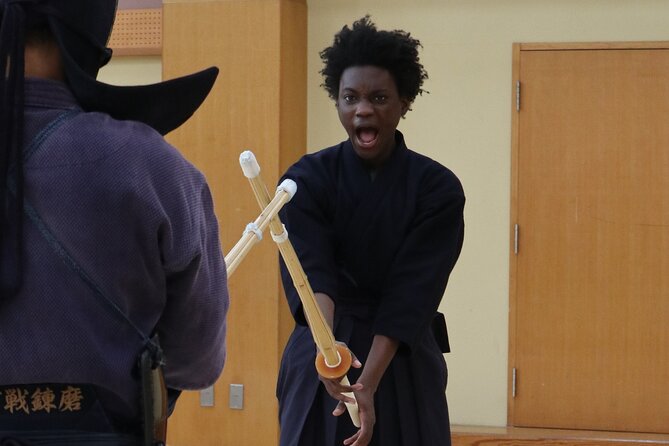
Expect a structured progression from basics to more active drills. The teaching goal is that you leave able to swing your shinai, strike with stronger form, and understand what your body should be doing. One of the standout ideas from participant feedback is that the basics are taught step by step and quickly enough for beginners to get practical results within the two hours.
You’ll also learn why timing is everything in kendo. It’s not only about power. It’s about distance, the moment you commit, and keeping your balance so your strike travels the way it should. This is where kendo feels different from casual martial arts videos. The motion is repeatable, but the timing has consequences.
And yes, you’ll likely work on footwork and posture repeatedly. That can sound boring until you feel the difference. When your stance is stable, your strikes feel cleaner and less awkward. When your timing improves, you stop rushing and start controlling the exchange.
Partner Training, Kiai Energy, and a Realistic Duel Moment
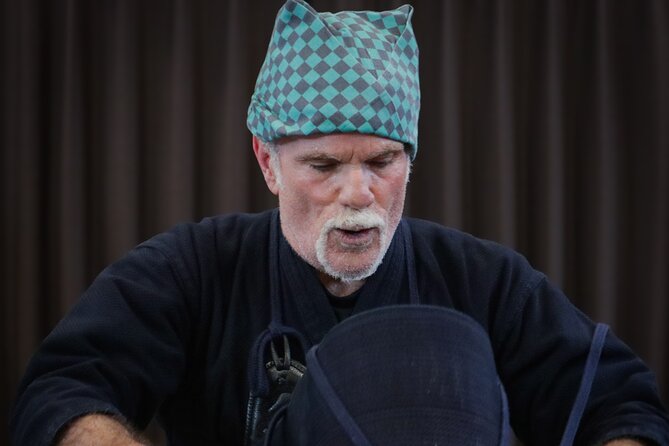
A major highlight is that you don’t stay alone with the instructor. You train in a group and practice against partners, so you learn how to keep your form when someone is meeting you. This is also when kiai moments show up. Kiai is the loud spirit shout you hear in kendo, and it’s tied to commitment and breath control.
What’s especially good here is that beginners are supported. The info says over 90% are beginners, and they keep the group small and teach slowly and carefully. That’s important because beginners need time to learn safe distance and controlled strikes, not just athletic speed.
By the end, you should be ready for a battle at the end style moment, like a short duel or match. Reviews mention the dual and excitement of that final part. In plain terms, this is when the session stops being classroom instruction and starts being you applying what you practiced, with adrenaline and focus.
Photos, Souvenirs, and What to Do After You Leave the Dojo
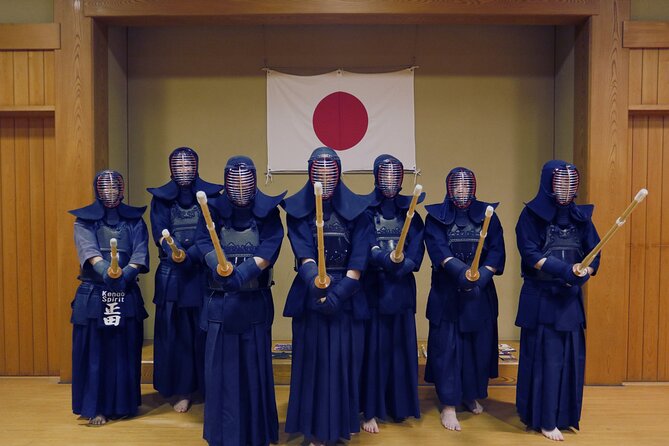
You’ll get photos from the session. A photographer takes photos and videos, and the data is sent by email after the experience. For many people, that’s the easiest way to remember technique details you won’t fully notice while you’re doing them.
You also receive a souvenir, plus bottled water during the session and guidance from the staff. Since snacks are not included, it’s smart to plan a post-training meal near where you end up, especially if you’re doing other Tokyo plans the same day.
If you take one thing seriously, make it the idea of continuing. Multiple participants say they’re interested in lessons after trying kendo in Tokyo. You’ll likely notice how specific kendo feels compared to other sports you might know. If you practice at home, even light shadow practice for stance and timing can keep the memory fresh until you can join a local class.
Price Value for $132.14: What You’re Really Buying
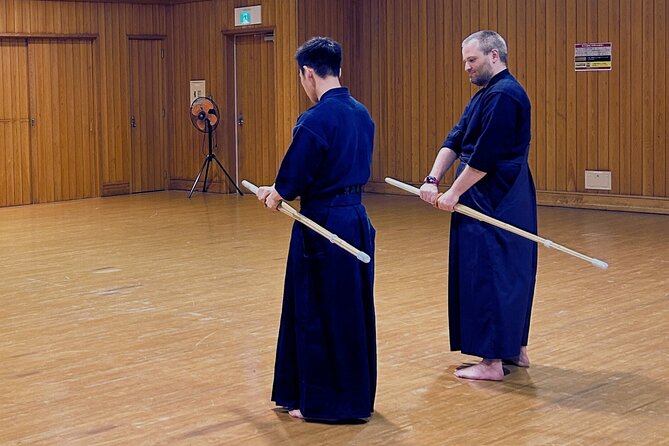
At $132.14 per person for about two hours, the question is value. Here, the value comes from what’s included and what you do with it. The price covers kendo attire rental, shinai rental, cultural experience tool rental, bottled water, a souvenir, a guide, and the photo/video capture.
You’re also paying for access to a working dojo with active instruction, not a performance. That’s what makes the time feel justified. In a city full of paid experiences that look good but stay passive, this one is active, guided, and skill-based.
The one caution is that you should budget your energy, not snacks. If you arrive starving, you may feel drained halfway through. Also, if you’re dealing with injury, don’t assume you’ll be able to go full speed, even though it’s beginner friendly. Bring the right attitude, follow the instructor closely, and you’ll be fine.
Who This Samurai Experience Fits Best, and Who Might Skip It
This is a great fit if you want more than photos. If you like hands-on cultural activities, enjoy sport with rules and discipline, and want to understand Bushido through movement, you’ll get a lot from this. The English support from Daichi makes it friendly for non-Japanese speakers, and the instruction style is designed for beginners.
It also works well for families and mixed ages because the session is beginner paced. One family included a 12-year-old and focused on respectful training and curiosity, which suggests the dojo atmosphere can welcome younger participants as long as they can follow instructions and handle the physical side.
You might skip it if your trip schedule is fragile and you can’t handle exercise. Also skip if you’re expecting classic Tokyo sight stops, because this is training time, not sightseeing.
Should You Book Samurai Experience in Tokyo?
Yes, I’d book it if you want a meaningful Tokyo moment that’s active, short, and guided by real practitioners. The combo of Daichi’s English coaching, a small group, and structured beginner practice makes it far easier to succeed than most martial arts demos.
Book it now if:
- You like the idea of learning posture, timing, and focus in a way you can feel
- You want access to a real dojo environment in Nihonbashi
- You don’t want to bring gear or figure out what to wear, because rental is covered
- You want photos and video delivered after the session
Skip it if you want a relaxed morning with lots of wandering, or if you’re not comfortable with a workout style activity.
FAQ
How long is the Samurai Experience session?
The session lasts about 2 hours.
What time does it start?
It starts at 10:00 am.
Is Daichi an English-speaking instructor?
Yes. The instructor, Daichi, has overseas work experience and speaks fluent English.
Do I need martial arts experience or athletic skills to join?
No. The session is designed for beginners, and it notes that over 90% of participants are beginners. They teach slowly and carefully.
Is kendo clothing and a bamboo sword provided?
Yes. Kendo attire rental and shinai rental are included, and you also receive T-shirts and pants to wear under the kendo uniform.
Will I get photos or videos from the training?
Yes. A photographer takes both photos and videos, and the data is sent to you by email after the experience.
Are snacks included?
No. Bottled water is included, but snacks are not included.
Latest write-ups near Tokyo
- Tokyo Customized Private Tour: See Top Attractions in 1 Day★ 4.8 · 67 reviews
- From Tokyo: Top 5 Scenic Spots of Mount Fuji Full-Day Tour★ 4.5 · 67 reviews
- Tokyo: Shinjuku Izakaya and Golden Gai Bar Hopping Tour (2h)★ 4.9 · 67 reviews
- Traditional Japanese Music ZAKURO SHOW in Tokyo★ 5.0 · 67 reviews
- Tsukiji: Unlimited Sake Tasting Experience★ 4.9 · 67 reviews
- Tokyo: Not a show- a professional sumo practice with experts★ 4.9 · 67 reviews
- Samurai Ninja Museum Asakusa: Kid-Friendly Ninja Training★ 4.7 · 67 reviews
- Private Harajuku Omotesando Architecture Walking Tour★ 5.0 · 67 reviews
Samurai & Ninja Experiences, compared.
Samurai Ninja Museum Guided tour and Experience
Read our review →
Kendo and Samurai Experience with Uniform and Gear
Read our review →
Samurai Sword Class by Experts in Traditional Arts
Read our review →
Skip the lines Basic Ticket at SAMURAI NINJA MUSEUM KYOTO
Read our review →
Samurai Sword & Archery Class from Samurai Descendant
Read our review →
Browse the lists this tour appears in