
Reviewed · RAMEN EXPERIENCES
Shibuya: Ramen Dojo Tokyo | Make All 3 (Tonkotsu/Shoyu/Miso)
Ramen Dojo Tokyo is one of the most fun, practical ways to understand Japanese ramen in a single sitting, because you make it yourself. The best part is the set menu: three styles of ramen in one class, tonkotsu, shoyu, and miso, all tasted side by side. It is hands-on, photo-friendly, and genuinely a meal.
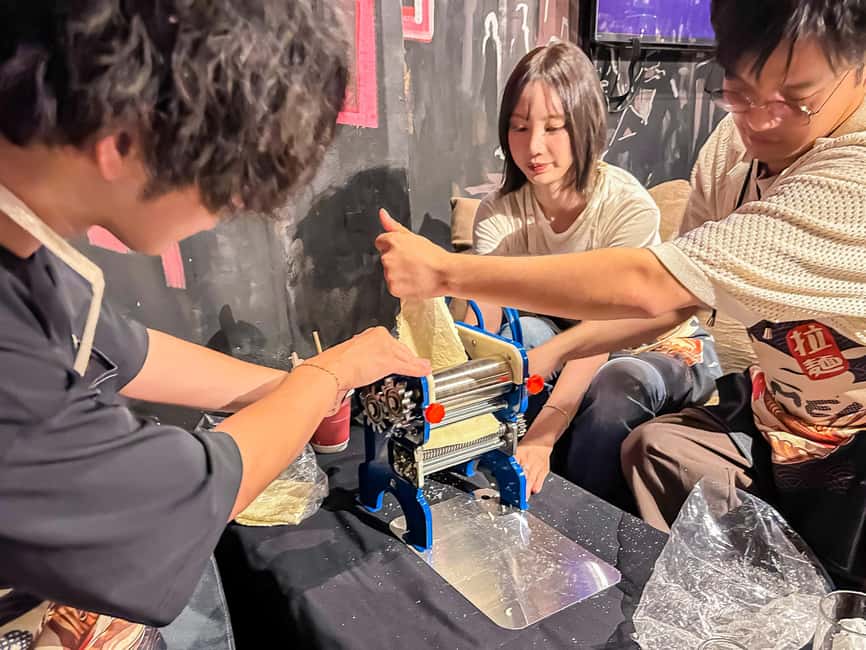
I especially like the fresh noodle making part with a professional noodle machine, then cutting and cooking your own noodles. One possible drawback to know up front: it is a stairs-only studio and there is flour in the air, so it is not a great fit for severe allergies or flour sensitivity.
Key highlights to know before you go
- Three-broth tasting in one session, so you can actually compare tonkotsu, shoyu, and miso
- Fresh noodles from scratch with a professional noodle machine and hands-on cutting
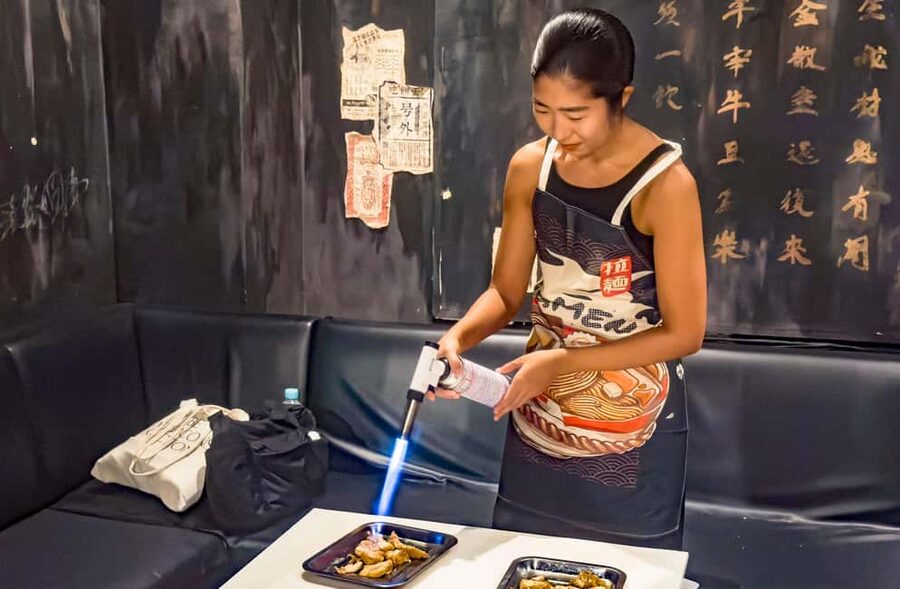
- Chicken chashu plus soup adjustments so your bowls feel personal, not just assembled
- Small group format (max 8) with English guidance and quick answers as you go
- Beginner-friendly flow that starts at check-in and ends right back at the studio
- Digital recipe after class, so you can recreate your ramen at home without guesswork
Shibuya Ramen Workshop Basics, the What and Why
If you want a Tokyo experience that is both cultural and practical, this class hits the sweet spot. Ramen is everywhere in Japan, but this is not about ordering a bowl and moving on. You build the pieces: noodles, chicken chashu, and then the soup base flavor strength for three different styles.
You also get a rare comparison. Tonkotsu, shoyu, and miso often get treated like separate worlds when you just eat out. Here, you taste them next to each other, so your brain connects flavor notes to choices you made. That is the real value, not just the novelty of a cooking class.
The format is also friendly for first-timers. The workshop is English-guided and designed for beginners. In the reviews, you will see the same pattern over and over: clear step-by-step guidance, lots of hands-on involvement, and instructors who keep the pace comfortable.
That said, you do need to be honest about fit. The studio is stairs only. Flour is part of the process. And if you have severe wheat (gluten), egg, soy allergies, celiac disease, or severe airborne flour sensitivity, this is not suitable. Even when dietary requests are possible, the studio notes it cannot guarantee full prevention of cross-contamination.
More Ramen Experiences in Tokyo
- Eat and Drink Like a Local: Tokyo Ueno Food Tour-Taverns&Ramen
★ 5.0 · 957 reviews - Ramen & Gyoza Cooking Class in Tokyo with Local Supermarket Visit
★ 5.0 · 823 reviews - Tokyo: Ramen Tasting Tour with 6 Mini Bowls of Ramen
★ 4.9 · 432 reviews
Where It Is, and How to Time Your Arrival from Shibuya
The studio is near Shibuya Station, about a 10-minute walk. The address is 1F, 2-16-29 Ohashi, Meguro-ku, Tokyo 153-0044. Location matters here because the class starts and ends at the same place, so you can plug it into your day without complicated transfers.
Timing matters even more than you think, because there is no waiting area and they do not want people arriving too early. Doors open 10 minutes before the start time, but you should not arrive earlier than that. Plan to arrive in the 5 to 10 minute before window so check-in stays smooth.
Also take late arrival seriously. If you are 5+ minutes late, you may need to join in progress, or you might be refused in some cases for safety and class flow. It is not meant to be strict, it is just that the dough and cooking steps do not pause for anyone.
Practical tip: treat this like a meal stop. If you eat a heavy snack right before, you might not enjoy the tasting as much. One guest even pointed out they wish they had gone hungry.
How the 90 Minutes Really Works, Minute by Minute
The class is 90 minutes total, with a structure that keeps you moving but not rushed. Here is what the schedule means in real life:
1) Check-in and briefing (10 min)
You get oriented and learn what you are doing next. This matters because noodle dough and chashu prep have small steps where timing changes results.
2) Chicken chashu prep (5 min)
They get you started with the meat component early, so it can finish while you focus on noodles and broth work.
3) Noodle making (20 min)
This is the hands-on highlight. You knead, roll, and cut using the professional noodle machine and cutter. If you have ever watched someone make ramen noodles and thought it looked “too technical,” this is the part that proves it is teachable.
4) Chicken chashu finishing (10 min)
They bring the chashu into its final stage while you are completing the rest of the ramen workflow. You will not just be waiting.
5) Boiling noodles and soup preparation (10 min)
This is where everything comes together. Your noodles get boiled, and the soups are prepared so you can plate three different mini bowls.
6) Plating (5 min)
This is faster than it sounds, because they are working with portions and flow. Expect to add toppings and build your three mini bowls properly.
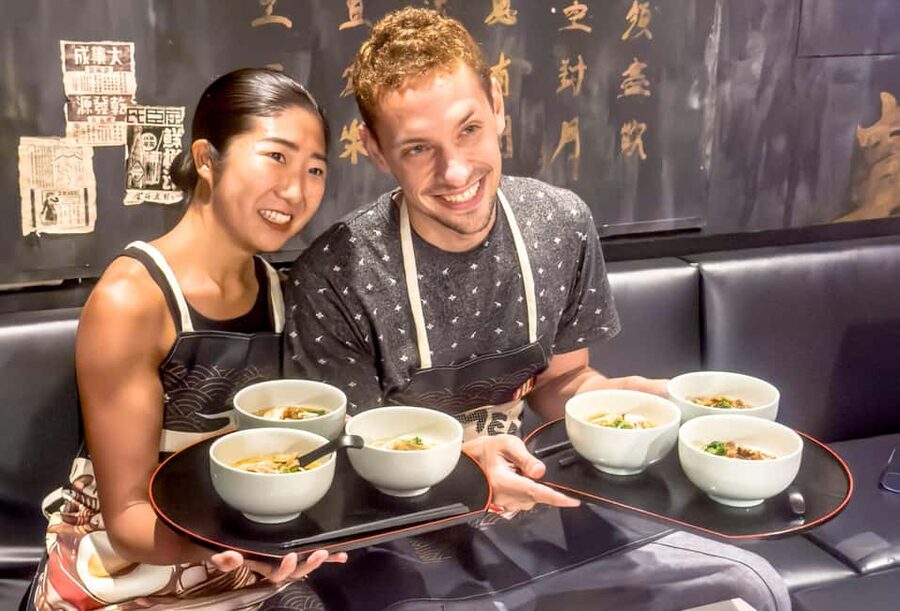
7) Tasting and photo time (30 min)
This is your time to slow down. You sit down, eat your ramen, and take photos while the broths still taste fresh. In reviews, people repeatedly mention the aroma of the broths hanging around the room while you work, so tasting feels like a payoff, not just an end point.
One small but helpful detail: the class includes a digital recipe you receive after class. That makes the workshop feel less like a one-time show and more like something you can repeat.
The Noodle Machine Step, What You Actually Learn (and Keep)
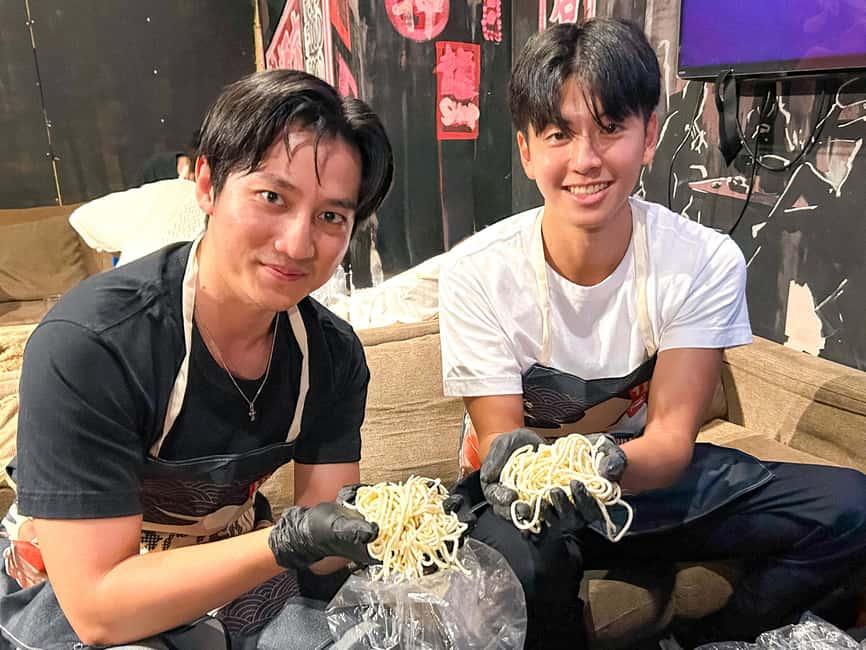
Noodle making is where this class earns its reputation. You are not just assembling ingredients. You are working with dough, then running it through a professional noodle machine to knead, roll, and cut.
In practice, you will learn a few things that are useful at home:
- How to handle dough so it does not get too dry or too sticky
- How rolling and cutting changes noodle texture
- How thickness and shape affect what you feel when you slurp
Some instructors also emphasize technique. One reviewer noted that an instructor encouraged hand technique over relying only on an electronic approach. Even if the machine does the heavy lifting, your hands still matter for getting the dough to the right stage.
The machine part is also where the class becomes memorable. If you like doing things with your hands, this is the moment you will talk about later. And yes, it can get a little flour messy. The studio provides aprons, but do not wear your best outfit. Flour on clothes is basically part of the deal.
A change of pace from Tokyo:
- Mt Fuji and Hakone 1-Day Bus Tour Return by Bullet Train
★ 5.0 · 26,383 reviews - 1-Day Tokyo Bus Tour
★ 5.0 · 14,250 reviews - Tokyo: TOKYO SKYTREE® Admission ticket
★ 4.5 · 11,192 reviews - Tokyo: teamLab Planets TOKYO Digital Art Museum Entry Ticket
★ 4.6 · 9,779 reviews
Tonkotsu, Shoyu, Miso, and How Soup Strength Becomes Your Signature
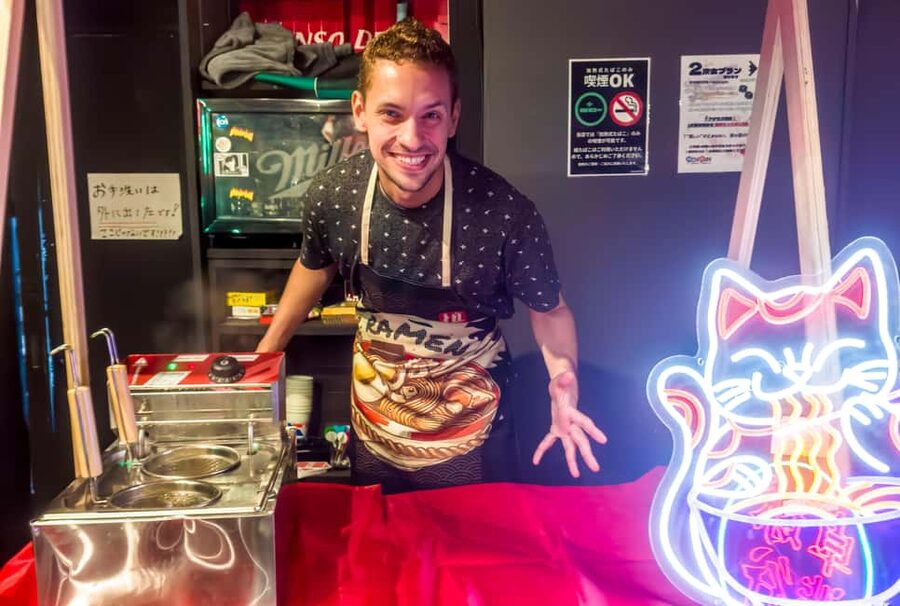
You end up with three different ramen styles in one session: tonkotsu, shoyu, and miso. The tasting is not random. You make the noodles yourself, then you work with soup base flavors so each bowl has its own identity.
A key detail is that you can adjust the soup base strength to your preferred taste. That is the practical bridge between restaurant ramen and home ramen. Most people do not fail at ramen because they cannot cook noodles. They struggle because the broth tastes either too strong or not strong enough for their palate. Here, you get that tuning experience in a guided setting.
Then there is the chicken chashu. You prep it, finish it, and it becomes a topping across the bowls. The class workflow makes chashu less intimidating than it sounds. You see each stage, and you are not trying to figure out meat cooking times in a foreign kitchen with no backup.
Across the reviews, a common theme is that the broths are deeply satisfying and the instructors explain the differences in a way you can actually notice. Guests mention comparing the broths side by side and feeling like they understand why each style tastes different.
Chashu Prep and Finishing, the Part That Makes It Feel Like Real Ramen
Chicken chashu is part of what turns this class from a simple noodle demo into a true ramen meal. The studio gives you time to prep it early, then finish it later in the session.
Even if you are a complete beginner, this structure helps you avoid the two common cooking-class problems:
1) You do not run out of time because you start chashu early.
2) You do not feel lost because the finishing step happens after noodles are already well underway.
In the reviews, people repeatedly say the experience is organized and the instructors keep things flowing so you stay involved. Names you might see in reviews include Kazuki, Kensei, Kasei? (spelled as Kensei in most mentions), Ivy, Arata, Atari, Kuzuki, Onodera, and Rin-san. Even if your instructor is different, the vibe should be similar: friendly teaching, quick answers, and a focus on getting you to the finish line with good results.
One practical lesson you can carry home: cooking ramen toppings is about timing and consistency. If chashu is done right, it changes everything about the bowl. If it is off, the whole meal feels weaker.
What You Eat, and How Filling the Three Mini Bowls Actually Is
After plating, you sit down for three mini bowls. The class is designed so the tasting is not just sampling. It is meal-sized enough that you will feel satisfied.
More than once, guests mention that the three bowls are filling. If you go in expecting something tiny, you may be surprised. You are eating three ramen types that each taste distinct, so your appetite gets challenged in a good way.
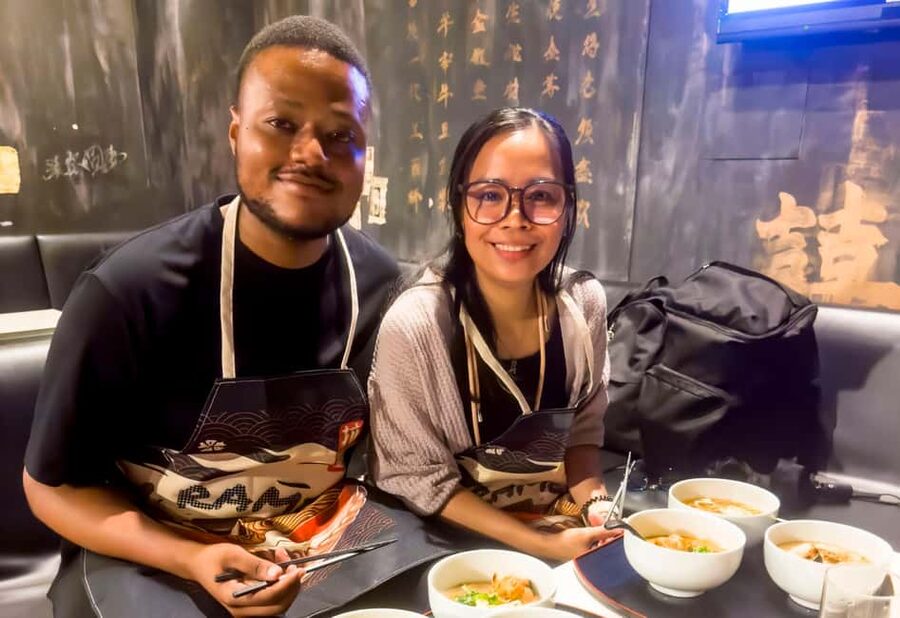
During the tasting window, you also get photo time. Photography is welcome, and you are encouraged to use #RamenDojoTokyo. That is helpful because the bowls are visually pretty, and the workshop atmosphere is set up for memorable shots.
Food tip: start with the one you think you will like least. Then you will appreciate the range. If you start with your favorite, the first bowl can set a bias and you miss some subtle differences in the later cups.
English Guidance and Small-Group Attention, Why It Feels Easy
This is an English-guided workshop, and group size is capped at max 8 guests. That small number matters. You get more time with instructors, more chance to ask questions, and less time standing around.
Many reviews mention clear instructions and instructors who answer questions quickly. That shows up repeatedly, from Kazuki and Kensei type names to Arata and others. The teaching style seems to be: explain the step, show the flow, then let you do it.
One guest also mentioned asthma-related accommodation after an unexpected coughing fit. That is a reminder that you should tell staff right away if you have medical concerns. The class runs on timing, but the team appears willing to be kind and practical.
If you are nervous about language, you should feel comfortable. The class explicitly lists English language support, and it is built for beginners.
Price and Value, What $64 Buys You in Real Terms

The price is listed at $64 per person for a 90-minute class. On its face, that can sound like a lot compared to simply eating ramen at a restaurant. But here is where the value comes from.
You are paying for:
- Instructor time (English guidance)
- Ingredients for noodles, chashu, and broth work
- Use of kitchen equipment, including the noodle machine and cooking steps
- An apron loan
- Three mini ramen bowls you eat in the end
- A digital recipe after class
For me, the real value is the recipe plus the technique. You do not just taste ramen. You learn how the ramen is assembled and why it tastes the way it does. That is what turns $64 from a “single meal expense” into a “learn a skill” purchase.
Also, three broths in one session is efficient. You get contrast without booking three separate classes or paying for multiple restaurant meals just to compare flavors.
What to Wear and Bring, and How Messy This Gets
You do not need special gear. The studio provides aprons. But you should dress for flour risk. Noodle making involves rolling and cutting, which means powdery dough can land where you do not want it.
A good rule:
- Wear clothes you can tolerate getting flour on
- Bring a small towel if you like, especially for hands
- Wear comfortable shoes. You are in a stairs-only studio.
If you care about photos, plan to be ready right after tasting. The workshop gives you a dedicated photo window, so you do not need to juggle filming while you are trying to eat.
Who Should Book This Ramen Dojo Class, and Who Should Skip It
This class is a great match if you want:
- A beginner-friendly cooking experience in Tokyo
- Hands-on ramen making with fresh noodles
- A structured way to learn the difference between tonkotsu, shoyu, and miso
- A small group activity near Shibuya Station that fits into a day plan
It is also a good fit as a couple activity. Several reviews are clearly for two people, and the small-group setup helps both people stay involved.
Skip or think twice if:
- You have severe wheat (gluten), egg, soy allergies, or celiac disease
- You have severe airborne flour sensitivity
- You cannot use stairs. The studio lists stairs only for accessibility
- You require strict dietary compliance that goes beyond the listed partial accommodations
Dietary notes to take seriously:
- The studio lists allergens used: wheat (gluten), egg, soy, chicken, pork, and cross-contamination cannot be fully prevented.
- Partial accommodation may be possible for no chicken/pork, vegetarian, and vegan, but you must inquire in advance.
If you fall into a sensitive dietary category, email first. Do not assume a ramen class will be flexible without confirmation.
Should You Book Ramen Dojo Tokyo? My decision guide
Book it if you want one Tokyo experience that combines culture and skill, and you like eating what you make. The noodle machine step, the three-broth comparison, and the digital recipe after class make it feel more useful than a typical meal.
I would also book if you are trying to build ramen confidence at home. You leave with a method you can repeat, not just a memory.
Skip it if you are allergy-sensitive to wheat, egg, or soy, or if stairs are a deal-breaker. Also skip if you dislike hands-on cooking and prefer watching from the sidelines, because this workshop is built for doing the steps yourself.
If you want a strong Shibuya-area plan with a clear start-to-finish flow and a satisfying end result, Ramen Dojo Tokyo is a smart pick.
FAQ
Where is Ramen Dojo Tokyo, and how far is it from Shibuya Station?
The studio is near Shibuya Station, about a 10-minute walk. The address is 1F, 2-16-29 Ohashi, Meguro-ku, Tokyo 153-0044, Japan.
How long is the workshop?
The experience lasts 90 minutes.
How big is the group?
The group size is limited to a maximum of 8 guests.
Is the class taught in English?
Yes. The class is conducted in English (and the instructor may also include Japanese).
What ramen styles will I make?
You will make three styles in one session: tonkotsu, shoyu, and miso.
Will I get to eat what I make?
Yes. You taste three mini bowls at the end, during the tasting and photo time.
What is included in the price, and are drinks included?
Included are the English-speaking instructor, all ingredients and kitchen equipment, tasting of three mini bowls, an apron loan, and a digital recipe after the class. Drinks or alcoholic beverages are not included.
Can the studio handle dietary restrictions?
The studio lists allergens used (wheat/gluten, egg, soy, chicken, pork) and cannot guarantee complete prevention of cross-contamination. Partial accommodation may be possible for no chicken/pork, vegetarian, and vegan, but you need to inquire in advance.
How early can I arrive, and what if I am late?
Doors open 10 minutes before the start time. You should not arrive earlier than 10 minutes before class because there is no waiting area or early entry. If you arrive 5+ minutes late, you may join in progress or be refused in some cases for safety and class flow.
Latest write-ups near Tokyo
- Tokyo Customized Private Tour: See Top Attractions in 1 Day★ 4.8 · 67 reviews
- From Tokyo: Top 5 Scenic Spots of Mount Fuji Full-Day Tour★ 4.5 · 67 reviews
- Tokyo: Shinjuku Izakaya and Golden Gai Bar Hopping Tour (2h)★ 4.9 · 67 reviews
- Traditional Japanese Music ZAKURO SHOW in Tokyo★ 5.0 · 67 reviews
- Tsukiji: Unlimited Sake Tasting Experience★ 4.9 · 67 reviews
- Tokyo: Not a show- a professional sumo practice with experts★ 4.9 · 67 reviews
- Samurai Ninja Museum Asakusa: Kid-Friendly Ninja Training★ 4.7 · 67 reviews
- Private Harajuku Omotesando Architecture Walking Tour★ 5.0 · 67 reviews
Ramen Experiences, compared.
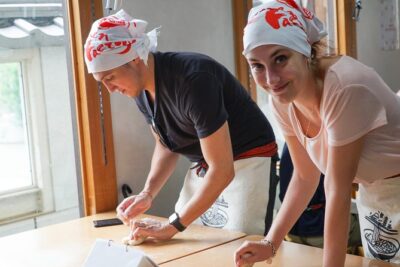
Ramen Cooking Class at Ramen Factory in Kyoto
Read our review →
Eat and Drink Like a Local: Tokyo Ueno Food Tour-Taverns&Ramen
Read our review →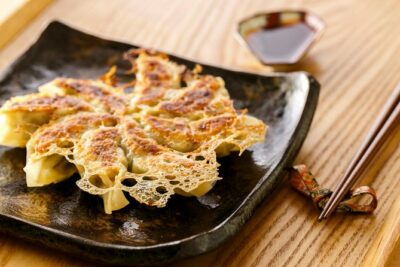
Ramen & Gyoza Cooking Class in Tokyo with Local Supermarket Visit
Read our review →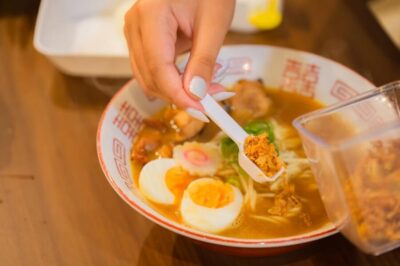
Ramen Cooking Class at a Ramen Factory with Souvenir
Read our review →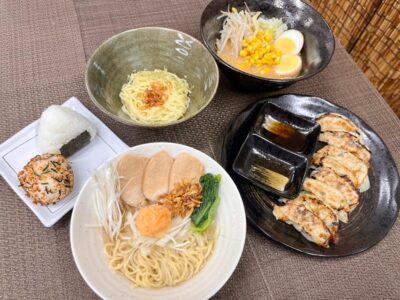
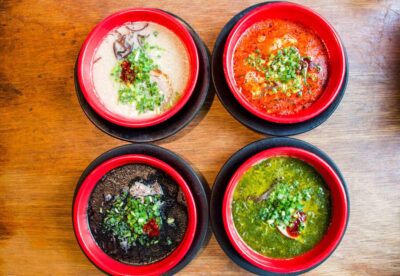

Five Must-See Highlights Walking Tour & Ramen Lunch
Read our review →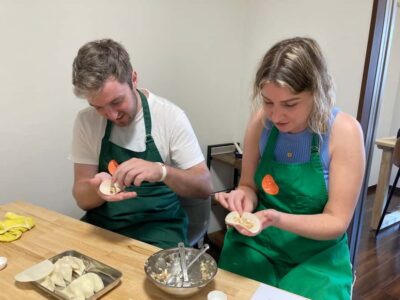
Browse the lists this tour appears in