Reviewed · GUIDED
Tokyo 8hr Private Tour with Government-Licensed Guide
A private 8-hour Tokyo walking tour with a government-licensed English guide is interesting because it turns Tokyo from a blur of stations into a real day with a plan. I like the custom route feel, since you choose 4 to 6 stops so you can aim at your interests. I also like the convenience of on-foot hotel pickup, so you start moving without wasting time figuring out where to meet.
One thing to think about first: this is still a walking day. Some people log big step counts, and if your group includes mobility limits, you will want to set a realistic pace early on.
Key highlights that matter before you go
- Licensed local English guide: you get clear explanations and practical help for moving around Tokyo.
- Choose 4 to 6 stops: pick a mix of classic, modern, and quiet spots instead of doing everything.
- On-foot hotel pickup: easier start, no private vehicle required.
- A day built for first-time orientation: many guides focus on customs and how to navigate trains and subways.
- Smart photo and pace support: guides have helped with taking photos, checking in on comfort, and adjusting when plans get messy.
- Some sights are free, some have fees: you can plan around included versus not included admissions.
What this private 8-hour Tokyo walking tour actually delivers
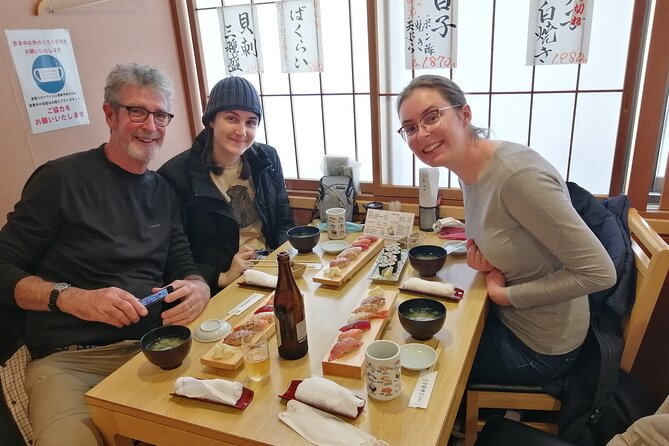
This isn’t a bus tour with a shopping stop and a hard clock. You get a guide who works with your group’s choices, then guides you through a chain of neighborhoods on foot and by public transport. The goal is orientation. You leave understanding how Tokyo parts connect, what you liked most, and what you might want to return to later.
In real-world terms, the guide experience can make or break a Tokyo day. The standout pattern in the guide style here is practical help plus context. You are not just looking at Shinto shrines or Buddhist temples, you’re also hearing what to notice, and how to approach places respectfully. Several guide stories also point to hands-on extras like helping you navigate the subway system, translating for shop questions, and even assisting with next-step planning when needed.
The route is flexible, but the day is still active. Expect long stretches where you are moving. For many people that’s the fun part, but it’s also the reason you should wear good walking shoes and bring water, especially if you are traveling in hot or rainy seasons.
Also on the shortlist for Tokyo:
- Mt Fuji and Hakone 1-Day Bus Tour Return by Bullet Train
★ 5.0 · 26,383 reviews - 1-Day Tokyo Bus Tour
★ 5.0 · 14,250 reviews - Tokyo: TOKYO SKYTREE® Admission ticket
★ 4.5 · 11,192 reviews
How the 4 to 6 stop plan works, and how to choose your best mix
The tour is designed around picking 4 to 6 stops from the list. That’s an important value point. You are buying time with a private guide, not a checklist where you feel rushed at every corner.
Here’s how to choose like a pro:
- Pick 1 major cluster for the morning, then 1 for the afternoon. For example, classic Asakusa area ideas pair well with museum time or a later neighborhood like Shibuya.
- Add 1 “calm pause” stop if you like gardens or quiet grounds. The tour includes multiple garden options, plus park time.
- If you care about modern Tokyo, make sure your selections include Shibuya Crossing and Harajuku Takeshita Street, or Akihabara for electronics culture.
- If you hate lines or paid entry, choose more stops marked admission free. Several stops are free, while others say admission ticket not included.
Also, pay attention to what is not included:
- Entrance fees and lunch are not included.
- Guide entry fees are only covered for the sights listed under What to expect.
- You can pick your stops, but you will want to budget for paid entries and plan lunch on your own.
Asakusa and Senso-ji: old Tokyo energy without the stress
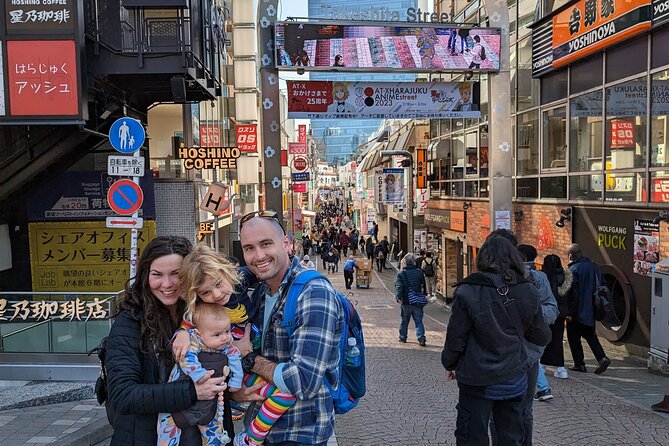
Asakusa is the kind of area that makes Tokyo feel human. You get classic streets and temple atmosphere, and the tour makes it easy to hit the highlights without spending your day hunting for the right exits.
In the tour plan, Asakusa is allocated about an hour, and Senso-ji is listed as a stop. Senso-ji is a Buddhist temple known for being colorful and popular. If you are new to Tokyo, this is a strong first taste because you can immediately understand why Asakusa is one of the city’s most iconic areas.
What I like about including Asakusa in a first-day style itinerary:
- It’s a clear “Tokyo traditional” anchor, so you can contrast it later with modern neighborhoods.
- Even if you only spend a short time there, the guide can point out what to focus on so you don’t miss the memorable moments.
A possible drawback: since it’s popular, it can feel crowded. A private guide helps because you can move as a group to stay comfortable and keep momentum.
Imperial Palace grounds: seeing the scale even without palace access
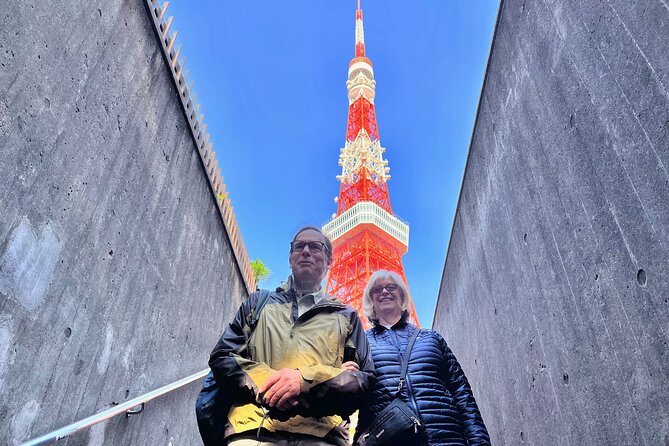
The Imperial Palace stop is set up for a meaningful contrast. You are not touring inside the palace, but you are still shown the former Edo Castle site setting, with the moat and massive stone walls described as part of the experience.
This is useful on a walking tour day because:
- It gives you a calmer, open-space break from the busiest shopping and station areas.
- You can get a sense of how Tokyo’s modern capital fits into older eras, without dealing with palace interior access.
The big consideration is straightforward: the tour does not include access to the inside of the Imperial Palace. If your heart is set on inside access, this may not be the right stop for you. If you want the grounds and the historical context feel, it works well as a half-stop scale adjustment.
A change of pace from Tokyo:
- Tokyo: teamLab Planets TOKYO Digital Art Museum Entry Ticket
★ 4.6 · 9,779 reviews - Mt Fuji & Hakone Cruise, Drum Show Bullet Train 1 Day from Tokyo
★ 4.0 · 7,413 reviews - Tokyo: Sumo Show Experience with Chicken Hot Pot and a Photo
★ 4.8 · 6,678 reviews - Tokyo: Shinjuku Food Tour (13 Dishes at 4 Local Eateries)
★ 5.0 · 6,603 reviews
Shibuya Crossing and Harajuku Takeshita Street for modern Tokyo
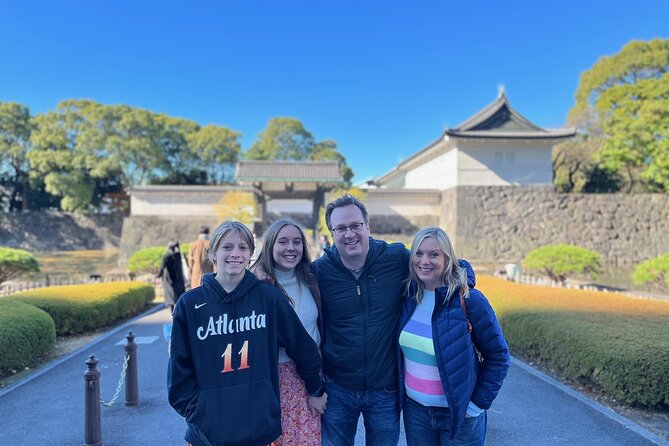
If your group wants the Tokyo people picture first, build around Shibuya Crossing and Takeshita Street. Shibuya Crossing is listed as a free stop, and it’s also one of the best places for photo moments, energy, and just watching how pedestrians flow.
Harajuku’s Takeshita Street is listed as a free stop too. The description frames it as the center of teenage fashion and extreme style culture. Even if you do not shop, this stop helps you see Tokyo’s youth fashion scene up close.
How I’d use these stops in your day plan:
- Put Shibuya Crossing near the end of a neighborhood run. Some guides structure it that way so you can finish with a strong visual payoff.
- If you like pictures, tell your guide you care about photo time. In past tours, guides have offered to take photos and help you collect them at the end.
The caution here is simple: Shibuya can be intense. If your group prefers calmer streets, pair it with a garden or park stop afterward.
Meiji Jingu, Yoyogi Park, and the shrine-to-park contrast
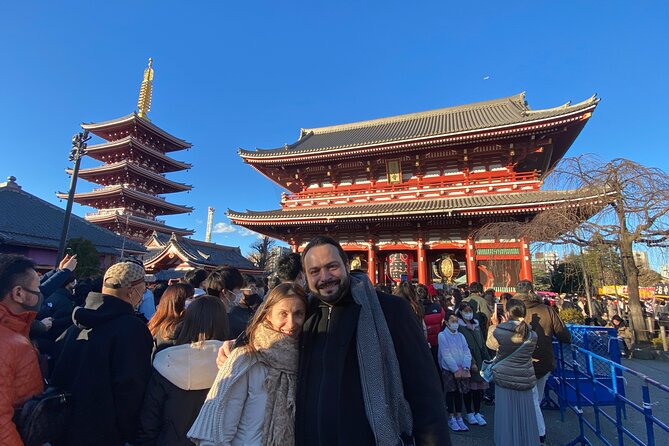
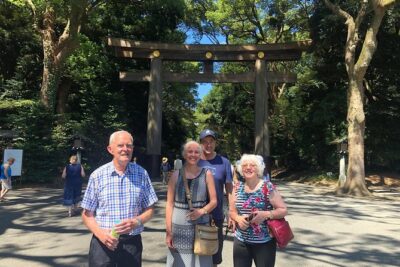
Meiji Jingu Shrine is listed as a free stop and described as next to the JR Yamanote line’s busy Harajuku area. That detail matters. You get a shrine setting next to one of the city’s transit corridors, which is a very Tokyo contrast.
You also have Yoyogi Park available, with wide lawns, ponds, and forested areas. It’s listed as admission free, and it’s a natural add-on if you want your day to include a breather.
This combo is great if:
- You want a mix of spiritual space and outdoor space in one block.
- You like Tokyo days that include both culture and a little fresh air.
Time is short for Meiji Jingu in the plan, while Yoyogi Park takes longer. That’s a good setup because your shrine time can be focused, then your park time can be flexible depending on energy and weather.
Tsukiji Fish Market and Akihabara: food and electronics in one theme day
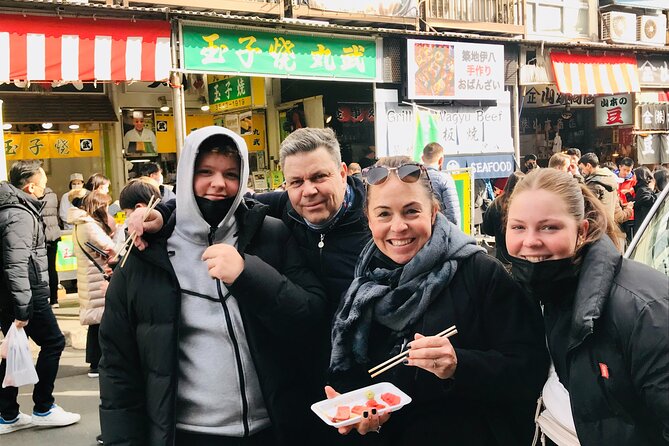
Tsukiji Fish Market is listed as an old fish market experience and is admission free in the tour plan. It’s scheduled for about 30 minutes. This is a quick hit that works well if your group wants a food-and-market vibe but does not want to spend hours there.
Then you can connect to Akihabara, which is listed as a free stop. The description calls out its electronics shops and notes it’s recognized as the center of Ja… (the text is cut, but the electronics focus is clear). Akihabara is perfect if your group likes gadgets, games, or tech culture.
My practical advice for pairing these:
- Choose Tsukiji if you want sensory variety. Choose Akihabara if you want pop culture and shopping energy.
- If you pick both, keep your expectations realistic. With 4 to 6 stops total, you are choosing quality time over deep shopping marathons.
Gardens with separate tickets: Shinjuku Gyoen, Koishikawa, Hama Rikyu, Rikugien
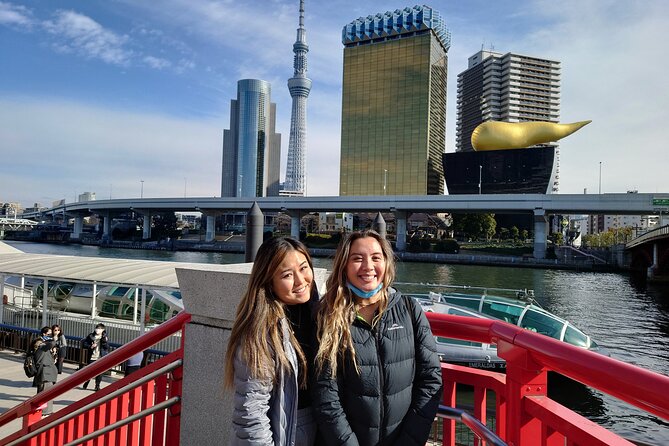
This tour offers several garden options, and these can be some of the most rewarding stops because they slow the day down.
Here’s what the tour list gives you, plus the ticket reality:
- Shinjuku Gyoen National Garden: about 35 minutes, admission ticket not included. Described as spacious lawns, walking paths, and tranquil scenery.
- Koishikawa Korakuen Garden: about 35 minutes, admission ticket not included. Described as one of Tokyo’s oldest and best Japanese gardens, built in the early Edo period.
- Hama Rikyu Gardens: about 35 minutes, admission ticket not included. It’s alongside Tokyo Bay, with seawater ponds that change with the tides, and a teahouse noted in the description.
- Rikugien Garden: about 30 minutes, admission ticket not included. Built around 1700 for the 5th Tokugawa shogun, with the description calling it the six poems garden.
Why I think these gardens are high value on a private day:
- You get a guide who can help you move efficiently, so you do not lose time trying to figure out where to go next.
- You can choose one garden stop that fits your mood, instead of trying to squeeze two ticketed gardens in and getting tired.
Drawback to plan for: because admissions are not included, your final cost depends on which garden(s) you choose. Also, garden time is still walking time. Comfortable shoes matter here too.
Tokyo National Museum and Tokyo Tower: culture indoors and a city view
If you want a change of pace from street walking, Tokyo National Museum is an option. It’s listed for about 35 minutes and admission ticket not included. Pair it with a shrine or temple stop if you want variety, or use it as a weather backup.
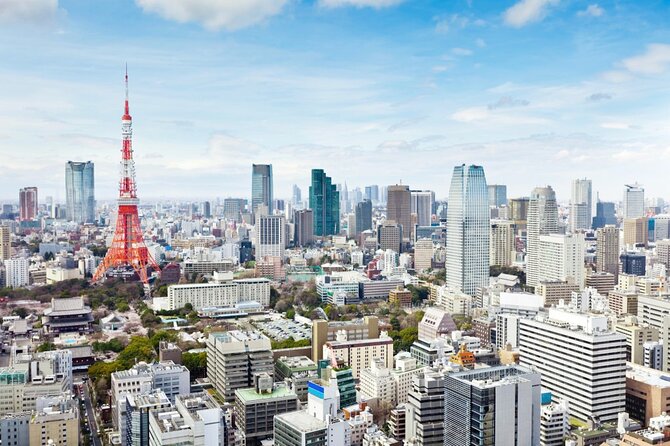
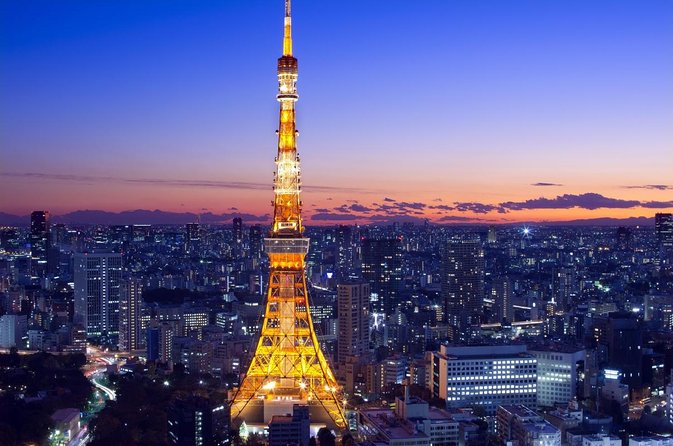
For a skyline moment, you also have Tokyo Tower. The plan notes it includes access up to the main deck, and the top deck is not included. Admission ticket not included. The tower is described as a retro version of Tokyo Skytree, and it’s mentioned as a symbol of Tokyo.
How to decide between these:
- Choose the museum if your group loves art, artifacts, or deeper context.
- Choose Tokyo Tower if your group wants a classic view and an easy photo stop.
In some private day stories shared by past visitors, guides also helped guests adjust the itinerary when weather changed. If your day starts rainy, ask your guide what fits best indoors or under cover.
Neighborhood swaps: Akihabara, Odaiba, Shibamata, Nezu, and Golden Gai
Not every day has to be the same Tokyo circuit. The list includes options that feel different from the big-name streets.
A few to consider:
- Odaiba: listed as a short stop, a shopping and entertainment district on a man made island in Tokyo Bay. Admission free in the plan.
- Shibamata: an eastern neighborhood not far from the Edogawa river border between Tokyo and Chiba. It’s described as keeping old-school charm.
- Nezu: described as surviving without major damage and helping retain last-century neighborhood character, with Yanaka and Nezu described as part of shitamachi, old downtown.
- Shinjuku Golden Gai: described as a cluster of small eating and drinking spots with an origin around 1950.
- Akihabara is already covered as your tech and electronics option.
Why these matter on a private itinerary: they give you Tokyo beyond the postcard shots. They can also help you break up the day so you are not stuck repeating the same kind of streets.
Guide tips that make the day feel easier (not just tourier)
This kind of private walking tour lives and dies by how well the guide handles the practical parts. And the practical parts are where value shows up.
Here are the most useful guide behaviors I would bet on, based on what has shown up repeatedly in past experiences:
- Subway and train help: some guides have walked guests through how to navigate the metro system, which can make the rest of your trip smoother.
- Photo support: multiple guides have taken family photos during the day, with help at the end so you do not scramble for selfies at every stop.
- Weather adaptation: if rain hits early, guides have offered alternative ideas throughout the day so you still cover major sights.
- Pacing checks: when someone in a group had an injured foot or needed a slower pace, guides adjusted and kept checking in.
- Real-life translation help: there have been cases where guides helped translate questions in shops, useful for snacks and souvenirs.
- Practical Tokyo lessons: one example included guidance on using vending machines and tapping a Suica transit card.
You can help your guide by telling them up front:
- Your must-see order, and what you will drop if you get tired.
- Whether you care more about temples, gardens, shopping areas, or views.
- Any mobility limits. The tour is walking heavy, so you want pace adjustments early, not after you’re already cooked.
Price and value for a licensed private guide at about $201.51 per person
At $201.51 per person for an approximately 8-hour private tour, the value depends on how you build your stop list and how much you’ll appreciate a guide doing the heavy lifting.
What you get that is hard to replicate on your own:
- A licensed local English speaking guide.
- A customizable route where you choose 4 to 6 stops.
- Hotel pickup is offered, and the tour is structured as a walking tour with on-foot pickup.
- A mobile ticket is included.
What adds cost later:
- Transportation fees are not included.
- Entrance fees and lunch are not included.
- Paid gardens and the museum can increase your day cost if you choose them.
- Even if the sights are mostly free, you should still budget for transit and meals.
My rule of thumb: if you plan to do mostly free stops, you’ll keep your out-of-pocket lower. If you want one or two paid anchors like Tokyo National Museum or a major garden, you’ll still feel good about the value because the guide helps you hit the right places without wasting time.
Also, this is private. If you are traveling with family or two close friends, the per-person price can feel more reasonable than paying for separate group tours. The tour also lists group discounts, which can help if you’re booking with more people.
Should you book this Tokyo private tour?
I’d book this tour if you want a smart first-day plan in Tokyo, especially if you feel overwhelmed by the scale of the city and the subway maze. It’s a good match for first-time visitors because the route options mix iconic sights like Asakusa and Shibuya Crossing with calmer stops like gardens, parks, and shrine grounds.
I’d pause before booking if your group cannot handle a lot of walking. The tour is built for moving, and while guides have shown flexibility, the best experience comes when you can keep a steady pace.
If you book, do it with intention. Pick stops that reflect your mood, not just what you think you should see. Tell your guide your pace and interests, and you’ll turn a long Tokyo day into something that feels organized and personal.
FAQ
Is this tour truly private for my group?
Yes. It is a private tour/activity, and only your group participates.
How many sights will we visit in the 8 hours?
You customize the itinerary by choosing 4 to 6 sites from the tour’s recommendations.
Does the tour include entry inside the Imperial Palace?
No. The tour does not include access to the inside of the Imperial Palace.
Are entrance fees included for every stop?
No. Some stops are free in the tour plan, while others list admission ticket not included. Transportation fees and lunch are also not included.
Do we need a vehicle for hotel pickup?
No. The tour is a walking tour, and pickup is on foot. You meet the guide on foot within a designated area.
Can we change the tour date if plans shift?
Tour dates can be changed up to 2 days before the tour start time, and a change may result in a change of guide or tour unavailability.
Latest write-ups near Tokyo
- From Tokyo: Top 5 Scenic Spots of Mount Fuji Full-Day Tour★ 4.5 · 67 reviews
- Tokyo Customized Private Tour: See Top Attractions in 1 Day★ 4.8 · 67 reviews
- Traditional Japanese Music ZAKURO SHOW in Tokyo★ 5.0 · 67 reviews
- Tokyo: Shinjuku Izakaya and Golden Gai Bar Hopping Tour (2h)★ 4.9 · 67 reviews
- Tsukiji: Unlimited Sake Tasting Experience★ 4.9 · 67 reviews
- Tokyo: Not a show- a professional sumo practice with experts★ 4.9 · 67 reviews
- Samurai Ninja Museum Asakusa: Kid-Friendly Ninja Training★ 4.7 · 67 reviews
- Private Harajuku Omotesando Architecture Walking Tour★ 5.0 · 67 reviews
Guided, compared.
Tokyo 6hr Private Tour with Government-Licensed Guide
Read our review →
Shinjuku Local Bar and Izakaya Guided Walking Tour
Read our review →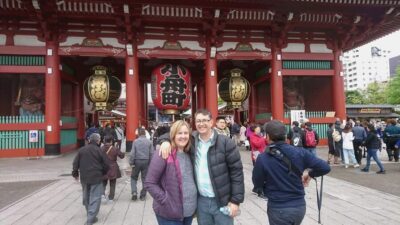
Private City Highlights Tour with Local Guide
Read our review →
Kyoto Early Morning Tour with English-Speaking Guide
Read our review →
Tokyo 4hr Private Tour with Government-Licensed Guide
Read our review →
Kyoto 6hr Private Tour with Government-Licensed Guide
Read our review →