Reviewed · GUIDED
Tokyo Japanese Garden Lover’s Private Tour with Government-Licensed Guide
If you like your Tokyo with fewer crowds and more quiet observation, this private garden tour is a great fit. It blends ten classic garden choices with interpretation from a multilingual National Government licensed guide, so you do not just see places, you learn how Japanese garden design thinks. My favorite parts are the way the guide explains the garden mood and the quiet “spirits in nature” ideas behind rocks and plants.
You also get flexibility, because you choose 3 to 4 sites from the garden-and-landmark list. The main thing to consider is that this is a walking day with entrance fees and transport costs not included, so you will want to plan your routes and budget for ticketed gardens.
One more practical note: the Imperial Palace stop does not include access inside the palace. You will still get the moats, stone edges, and the area’s atmosphere, but it is not the full interior experience.
Key things I’d plan around
- Government-licensed local guide with interpreter certification, including strong English communication
- Choose 3 to 4 garden sites, not a take-it-or-leave-it schedule
- Dry garden design explained through rocks, plants, and traditional symbolism
- Walking-first logistics, with pickup and meeting done on foot (no private vehicle)
- Most admissions not included, so check tickets for the gardens you select
- Gardens paired with major Tokyo anchors like Meiji Jingu, Yoyogi, Ueno, and Omotesando
A 6-hour garden crawl with government-licensed interpretation
This tour is built for people who want Japanese gardens to make sense. The guide you get is a National Government licensed local English-speaking guide with interpreter certification. That matters because the best garden moments often come from the details, not just the views.
In a 6-hour window, you are not trying to “see everything.” You are trying to see a few places well, then connect the design ideas across sites. That is why this tour works best as a private day. You can ask questions, slow down when a pond, rock arrangement, or path alignment catches your eye, and move on when you are ready.
The walking pace is steady. This is a walking tour with pickup offered on foot within a designated meeting area. Also, the tour does not include a private vehicle, and transportation fees are not included. So you should expect to use public transit between stops if your chosen gardens are in different neighborhoods.
Also on the shortlist for Tokyo:
- Mt Fuji and Hakone 1-Day Bus Tour Return by Bullet Train
★ 5.0 · 26,383 reviews - 1-Day Tokyo Bus Tour
★ 5.0 · 14,250 reviews - Tokyo: TOKYO SKYTREE® Admission ticket
★ 4.5 · 11,192 reviews
Picking 3 to 4 gardens, and why dry styles feel extra calm
The big selling point is choice. You select which gardens you want from the provided options, and the tour is described as a customizable walking experience of 3 to 4 sites. You can build a day around a theme too.
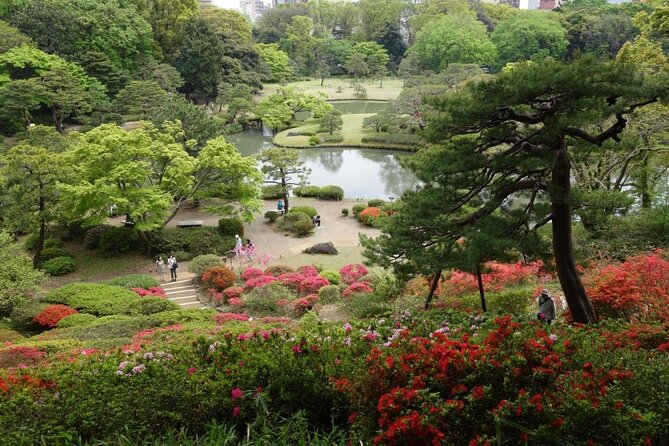
For example, you can focus on dry, artistic garden styles. These gardens often use rocks, plants, and carefully controlled space to suggest weather, seasons, mountains, water, or distance. When a guide points out what those elements are trying to represent, you start “reading” the garden instead of just looking at it. That design literacy is the real value of this tour.
From the descriptions, you are also likely to learn about traditional Japanese “spirit” ideas represented in nature through rocks and plantings. That gives you a lens for almost every garden you visit, especially the ones built to feel peaceful even in a fast city.
Imperial Palace stop: moats and stone edges, but no palace interior
Imperial Palace is where many Tokyo days start because the surrounding area feels like a time-out from traffic. This tour includes a stop at the Imperial Palace area with free admission, but you do not get access inside the palace.
What you can still enjoy is the overall structure: the moats, the massive stone walls, and the way the palace grounds frame large, ordered outdoor space. Even without interior access, this kind of setting helps you understand why so many Japanese gardens lean toward balance, proportion, and quiet ceremony.
A practical tip: because this is only an exterior/area visit, do not plan on a long “tourist museum” style experience. Plan on walking, observing, and then moving on to gardens where you can spend more dedicated time.
Shinjuku Gyoen and Meiji Jingu: contrasting resets in one day
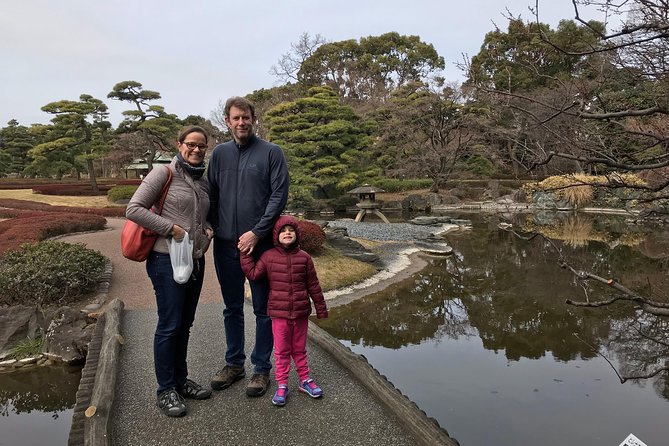
After Imperial Palace, you have the option to steer the tour toward two major mood switches.
A change of pace from Tokyo:
- Tokyo: teamLab Planets TOKYO Digital Art Museum Entry Ticket
★ 4.6 · 9,779 reviews - Mt Fuji & Hakone Cruise, Drum Show Bullet Train 1 Day from Tokyo
★ 4.0 · 7,413 reviews - Tokyo: Sumo Show Experience with Chicken Hot Pot and a Photo
★ 4.8 · 6,678 reviews - Tokyo: Shinjuku Food Tour (13 Dishes at 4 Local Eateries)
★ 5.0 · 6,603 reviews
Shinjuku Gyoen National Garden
Shinjuku Gyoen is listed as part of the plan with admission not included. This is a good choice if you want a broader park experience, not just a strict dry-garden aesthetic. In the day’s rhythm, it works like a breath between formal garden design and shrine-area atmosphere.
Meiji Jingu Shrine
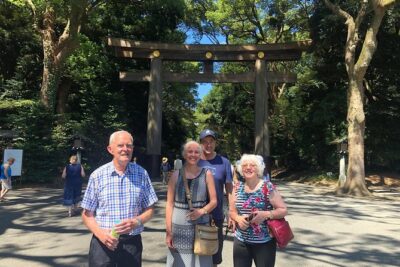
Meiji Jingu is free and hits the “holy forest” feeling hard. It is located beside the JR Yamanote Line busy Harajuku Station, which means you get a fast contrast: you step from train noise into a quieter shrine approach.
This stop matters because it teaches you another angle on “nature in Tokyo.” Gardens are not the only way Japanese design brings nature into daily life. In a shrine setting, the trees, path approach, and overall calm have design logic too.
One useful idea: if you want your day to feel varied but still coherent, pair Meiji Jingu’s atmosphere with an Edo-period garden stop later, where you can compare how nature is curated in different settings.
Koishikawa Korakuen and Rikugien: Edo-period perfection with room to slow down
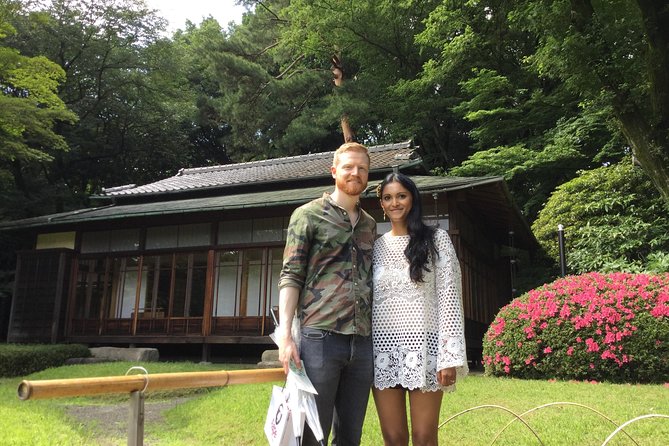
Two names come up again and again on this kind of garden itinerary: Koishikawa Korakuen and Rikugien.
Koishikawa Korakuen Garden
Koishikawa Korakuen is described as one of Tokyo’s oldest and best Japanese gardens, built in the early Edo period at the residence of the Mito branch. Admission is not included.
The reason Koishikawa belongs in your day is simple. These older gardens often combine multiple “scenes” and famous miniatures into one experience, so your attention gets rewarded even if you only have a couple hours.
Rikugien Garden
Rikugien is also described as one of Tokyo’s most beautiful Japanese landscape gardens and is often paired with Koishikawa for a reason: both are high-caliber garden design, but they do not feel like copies.
Rikugien is built around the year 1700 for the 5th Tokugawa Shogun, and it literally connects to the idea of six poems. That kind of cultural framing helps you see why the garden often feels thoughtful and curated, not random.
If you like gardens that give you “new postcard angles” as you walk, these two are strong picks. I also like that they give you different kinds of calm, so you do not burn out on sameness.
Hama Rikyu, Kiyosumi Teien, and Shiba Rikyu: ponds, strolls, and city calm
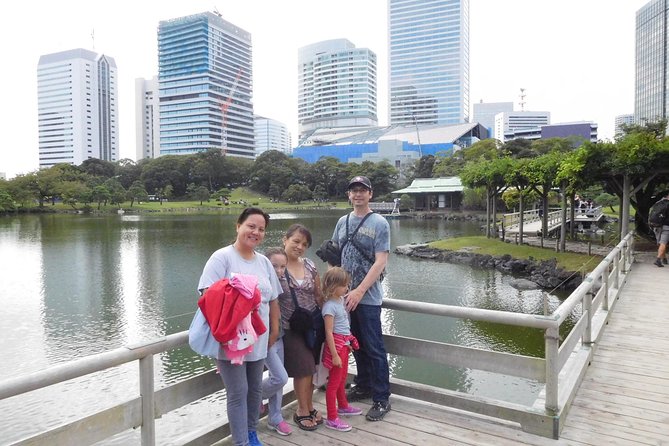
Some gardens on this list bring the water closer. If your ideal day includes ponds, reflections, and quiet walking trails, these stops are worth considering.
Hama Rikyu Gardens
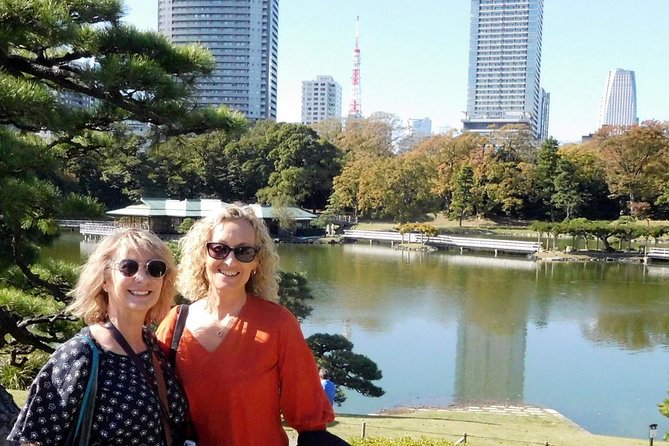
Hama Rikyu sits alongside Tokyo Bay. The descriptions call out seawater ponds that change level with the tides, plus a teahouse.
That tidal detail is why this garden can feel alive. Even if you are not watching the tide cycle closely, the idea that water is part of the design adds meaning to everything you see.
Former Shiba Rikyu Gardens
The former Shiba Rikyu garden is described as a green oasis surrounded by tall buildings. It has a pond and man-made hills, and it used to be connected to feudal residences and later an imperial villa.
This stop is great when you want to feel the contrast of Tokyo architecture next to old-style garden planning. It is also a nice “pause” stop if you are feeling tired from walking.
Kiyosumi Teien
Kiyosumi Teien is described as a Japanese garden with walking trails around a central pond, with parts of the trails leading over stones placed into the pond.
This is a good choice if you like the physical act of walking through the garden, not just looking from one spot. One guide-style moment that stands out from the shared experience of this tour is how conditions like rain can make the garden’s stone colors feel different, and how the pond can bring a memorable koi moment.
Yoyogi, Ueno, and the big-city green you can actually breathe
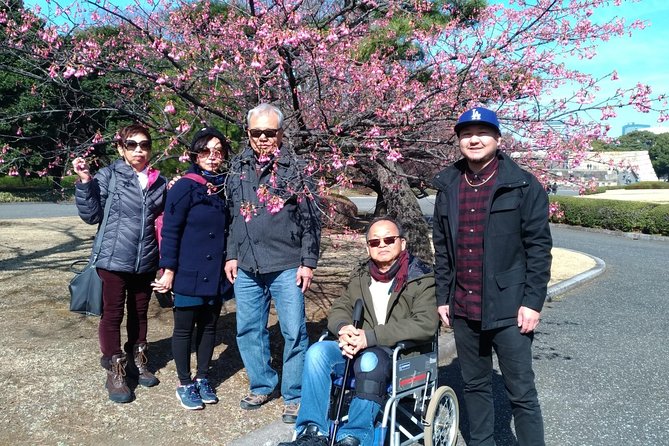
Not every stop is a ticketed garden, and that is good news for your schedule.
Yoyogi Park
Yoyogi Park is listed with free admission and described as one of Tokyo’s largest city parks with lawns, ponds, and forested areas. It is known for jogging and picnicking, and it gives you space to rest.
In a garden-heavy day, this works like recovery. You can sit, reset your energy, then return to more structured garden design later.
Ueno Park
Ueno Park is also free and brings a different kind of “culture and outdoors” mix. The descriptions mention museums, a zoo, a Toshogu Shrine, and Shinobazu Pond, plus the fact that Ueno is a major cherry blossom party spot.
You do not need to do the museum part to enjoy this. Even if you just treat it as an outdoor pause, it keeps your day tied to real Tokyo city rhythms.
Koishikawa Botanical Garden and the Tokyo National Museum garden window
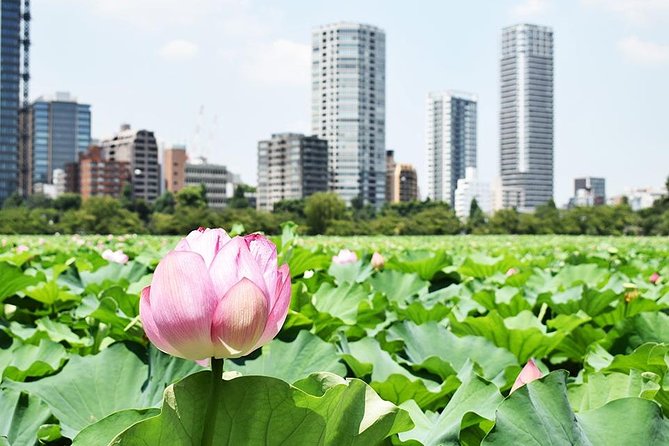
If you like plants as characters, these stops fit your style.
Koishikawa Botanical Garden
This one is maintained by the University of Tokyo and described as featuring many tree and plant species, plus a small Japanese landscape garden. Admission is not included.
It is a smart choice when you want a garden day that includes botany. You can connect the guide’s symbolism talk about plants and rocks to what is actually growing and how it looks in different seasons.
Tokyo National Museum garden (seasonal opening)
This garden is only listed as open for a few weeks during hanami in spring and during koyo in November. Admission is not included.
Because it is seasonal, it is best if you plan around timing. If you are visiting during those windows, it can add a museum-adjacent garden experience with strong seasonal visuals.
Nezu Museum gardens and Mejiro Garden: calm pockets in busy districts
Tokyo gardens sometimes feel like they are hiding in plain sight, and these two options give you that exact feeling.
Nezu Museum
Nezu Museum is described as a true urban oasis, with a stunning garden highlight. It is located in Omotesando, where the neighborhood energy is part of the contrast.
Even when your day is focused on traditional garden design, this stop offers a different “context.” It helps you see how high design meets city life, not just how gardens meet nature.
Mejiro Garden
Mejiro Garden is described as small and peaceful, near Ikebukuro Station, and admission free. It is a quiet escape from the surrounding hustle.
This is a perfect choice if you want a softer landing in the middle or end of the day. I also like that it can keep the day balanced if other gardens you chose are more structured or ticketed.
Happo-en: the garden of eight views and photo-ready angles
Happo-en is described as a vast park in Minato District, with the name meaning Garden of Eight Views. It is appealing in all seasons and has a spacious backdrop for photos.
Admission is not included. That means you should treat it as a planned highlight, not a casual add-on. If you like variety in angles and you enjoy gardens that feel designed for both walking and looking, Happo-en is a strong final-course stop.
Price and logistics: what $154.84 really buys you
The price is $154.84 per person, with an average booking window of 66 days in advance. The tour duration is about 6 hours.
At this price point, you are not mainly paying for admission tickets. You are paying for the licensed guide time, the private structure, and the fact that you can choose your 3 to 4 sites based on your preferences. That is the value.
What is not included:
- Transportation fees
- Entrance fees
- Lunch
- Other personal expenses
- Private vehicle
Also, the tour includes a mobile ticket and offers pickup, but pickup is on foot, not by vehicle. So do not plan on a car meeting you at the curb.
My practical advice: when you pick your gardens, check which ones are admission free and which ones are not, then build your day around that. If you want a low-cost day, lean more on free stops like the Imperial Palace area, Meiji Jingu, Yoyogi Park, and Ueno Park. If you want maximum “classic garden time,” choose the ticketed Edo-era gardens.
Who should book this, and who should skip it
This tour is a great fit if you:
- Want a private day focused on Japanese garden design, not a checklist rush
- Appreciate symbolism, like rocks and plants representing ideas beyond just decoration
- Like having an English guide who can explain nuances and help you connect garden styles
- Prefer walking with smart routing, not a bus ride
It is less ideal if you:
- Want the inside access of the Imperial Palace, because this tour does not include access inside
- Expect all entrance tickets, transport, and lunch to be covered, because those costs are not included
- Hate walking days, since this is a walking-first experience
Should you book it?
Yes, if your dream Tokyo day includes calm observation and you want your time in Japanese gardens to mean something. The combination of a National Government licensed guide, private customization, and garden-focused time makes it good value for the money.
If you are chasing a “more sights, less thinking” day, you might find it too garden-specific. But if you like slow looking, rocks, plants, and story behind the paths, this is an easy choice.
FAQ
How long is the Tokyo Japanese Garden Lover’s Private Tour?
It runs for about 6 hours.
Is this tour private or shared with other groups?
This is a private tour/activity, and only your group participates.
What is included in the price?
You get a licensed local English-speaking guide, and a customizable walking tour where you choose 3 to 4 sites. You also meet the guide on foot within a designated area of Tokyo.
Are entrance fees included?
Entrance fees are not included. The Imperial Palace stop is listed as free admission, but the tour does not include access inside the Imperial Palace.
Can I choose which gardens to visit?
Yes. The tour description says you can choose the gardens you want and other famous Tokyo sites, within the 3 to 4 site structure.
Does the tour include pickup by car?
Pickup is offered, but it is on foot. The tour is a walking tour, and a private vehicle is not included.
What extra costs should I plan for?
Transportation fees, entrance fees, lunch, and other personal expenses are not included.
Is cancellation free?
Yes, free cancellation is offered. You can cancel up to 24 hours in advance for a full refund. If you cancel less than 24 hours before the start time, the amount paid is not refunded.
Latest write-ups near Tokyo
- Tokyo Customized Private Tour: See Top Attractions in 1 Day★ 4.8 · 67 reviews
- From Tokyo: Top 5 Scenic Spots of Mount Fuji Full-Day Tour★ 4.5 · 67 reviews
- Traditional Japanese Music ZAKURO SHOW in Tokyo★ 5.0 · 67 reviews
- Tokyo: Shinjuku Izakaya and Golden Gai Bar Hopping Tour (2h)★ 4.9 · 67 reviews
- Tsukiji: Unlimited Sake Tasting Experience★ 4.9 · 67 reviews
- Samurai Ninja Museum Asakusa: Kid-Friendly Ninja Training★ 4.7 · 67 reviews
- Tokyo: Not a show- a professional sumo practice with experts★ 4.9 · 67 reviews
- Private Harajuku Omotesando Architecture Walking Tour★ 5.0 · 67 reviews
Guided, compared.
Tokyo 6hr Private Tour with Government-Licensed Guide
Read our review →
Shinjuku Local Bar and Izakaya Guided Walking Tour
Read our review →
Private City Highlights Tour with Local Guide
Read our review →
Kyoto Early Morning Tour with English-Speaking Guide
Read our review →
Tokyo 4hr Private Tour with Government-Licensed Guide
Read our review →
Kyoto 6hr Private Tour with Government-Licensed Guide
Read our review →