
Reviewed · TEA CEREMONIES
Matcha Making Class in Tokyo with Authentic Japanese Sweets Set
What makes this matcha making class interesting is that it turns a daily drink into a hands-on Tokyo moment, right in Asakusa where old-school neighborhood life still feels close. I like that you get step-by-step help with real tools, not just a demo you watch from afar.
Two things I really like: you get personal, friendly English instruction (with hosts such as Hiya, Rino, Shuri, and Nama mentioned by past students), and you finish by drinking your matcha with seasonal Japanese sweets that actually fit the flavor. One consideration, though, is that it is short at about 1 hour, so if you want a long, full formal tea ceremony experience, this may feel more like an excellent workshop than a deep, hour-by-hour ceremony.
Quick highlights
- Asakusa location near Kaminarimon gives you a classic Tokyo setting for tea making
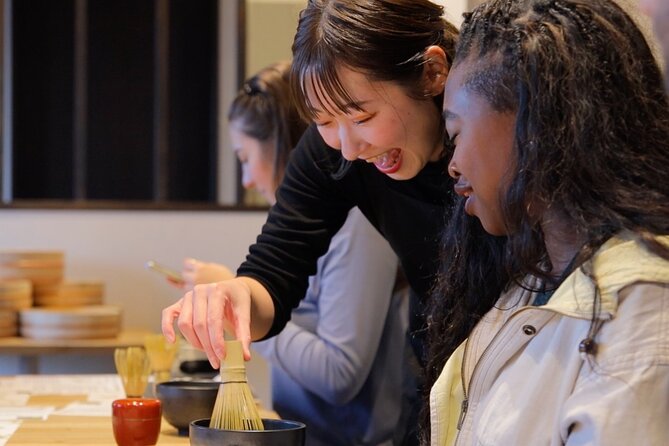
- English-speaking hosts with hands-on coaching help you get it right fast
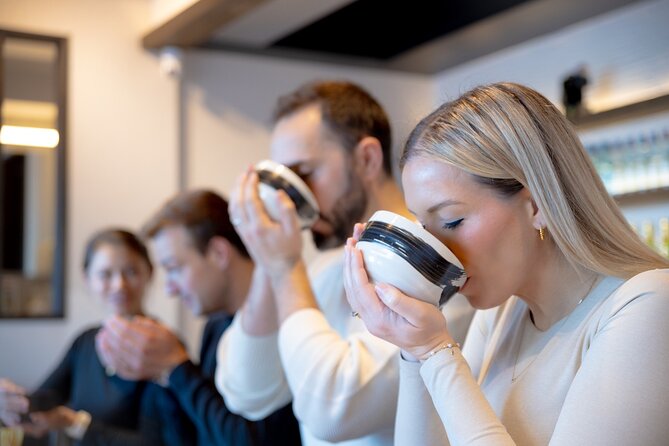
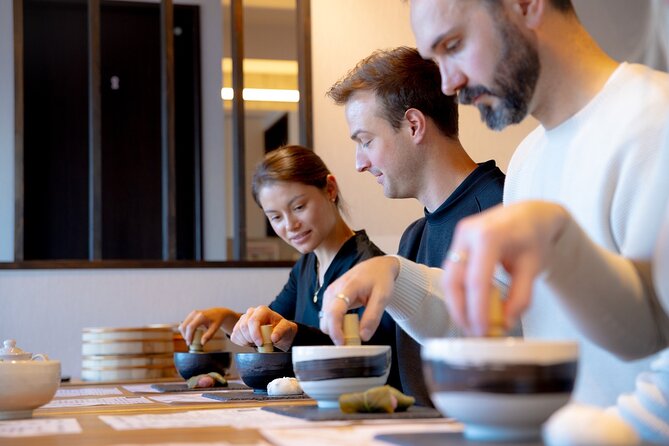
- Ceremonial whisking technique, including how to aim for the right foam and texture
- Quality matcha spotting tips so you learn what good powder looks and tastes like
- Seasonal Japanese sweets pairing to balance matcha’s vegetal, rich notes
- Small-class feel even though the maximum group size is up to 30 travelers
Why Asakusa matcha tastes like a travel memory
Asakusa is one of those Tokyo areas where you can feel the city layering old and new. Doing matcha here makes sense, because you are learning a Japanese tradition while surrounded by the kind of streets, sights, and atmosphere that remind you this is not just a coffee-shop trend. The class is scheduled for about 1 hour, so it works well as a morning or afternoon anchor in your itinerary.
I also like the vibe: the teaching style is beginner-friendly and relaxed. It is not all stiff posture and forced formality. You learn the why behind the technique, but you still get hands-on time with the whisk.
And yes, you take photos. That matters more than people expect. Matcha is visual, from the powder color to the foam. Once you know what you are looking for, your camera shots stop being random and start being proof you actually learned something.
More Tea Ceremonies in Tokyo
- Tokyo: Traditional Tea Ceremony with a Tea Master
★ 5.0 · 528 reviews - Tokyo: Matcha Making Experience with Mochi Sweets in Asakusa
★ 4.9 · 388 reviews - Tokyo: Matcha and Kimono Experience
★ 4.7 · 219 reviews
The real value of $21.89 for matcha plus skills
At about $21.89 per person, this class is priced like a good value workshop, not a fancy tasting menu. What you get for the money is the key: an English-speaking instructor plus matcha with Japanese sweets included. If you have ever paid for an activity in Tokyo where most of the fee goes to watching someone else, this setup is different because you actually whisk your own matcha.
Short classes can be risky because you wonder where the time goes. Here, the structure is built around a simple goal: you learn the method, practice it, then drink and enjoy it. That makes the session feel efficient, like you bought a skill that you can use again later.
One more value angle: you are learning techniques that help you at home. Matcha is easy to mess up. Too much powder, wrong water temperature, or a weak whisk can make it taste bitter, thin, or flat. Even a one-hour lesson can prevent you from wasting a bag of matcha later.
Where you meet: Kaminarimon area, simple and transit-friendly
The meeting point is Matcha Making Tokyo | Cooking Class in Japan, 2-chōme-17-9 Kaminarimon, Taito City, Tokyo 111-0034. The good news is that this is an area with public transportation nearby, which matters because Tokyo neighborhoods can be tricky when you are short on time.
You start and end back at the same meeting point, so you do not have to plan for a separate drop-off or a complicated route. That is a relief if you like your day to stay tidy.
If you arrive early, you will likely be fine. In past sessions, hosts have made space for people waiting early, including letting them sit comfortably until class begins. I treat this as a good sign: the staff seems to manage timing without rushing you the second you step in.
What happens in your first minutes inside the class
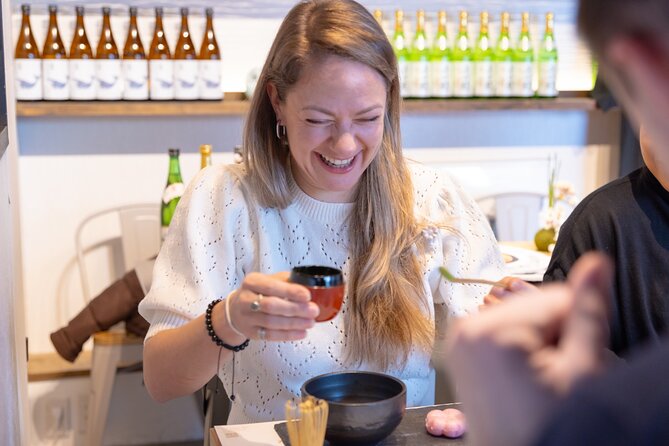
When you get in, the experience usually begins with a warm welcome and a quick setup. The teaching space has been described as a cozy café setting, sometimes with an upstairs nook feel. Some classes even involve sitting on the floor in a traditional style for that extra authentic touch, which can make a short workshop feel special rather than generic.
Then you get the lesson framework. You will learn what matcha is, why it is whisked instead of stirred, and how ceremonial technique connects to flavor. Past students have also mentioned using an iPad with pictures during explanations. That is helpful because you can see things like how matcha is grown and what to look for in quality powder, even if you are not a tea nerd.
Expect the pace to be manageable. The whole point is that you leave able to do it yourself, not just able to name parts of a tea room.
A change of pace from Tokyo:
- Mt Fuji and Hakone 1-Day Bus Tour Return by Bullet Train
★ 5.0 · 26,383 reviews - 1-Day Tokyo Bus Tour
★ 5.0 · 14,250 reviews - Tokyo: TOKYO SKYTREE® Admission ticket
★ 4.5 · 11,192 reviews - Tokyo: teamLab Planets TOKYO Digital Art Museum Entry Ticket
★ 4.6 · 9,779 reviews
Step-by-step matcha whisking, with real one-to-one guidance
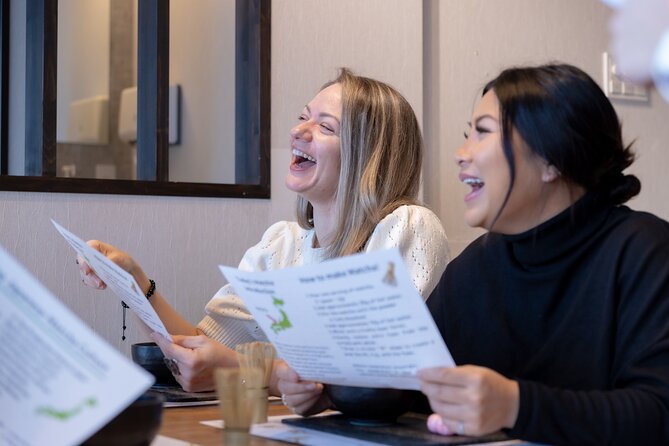
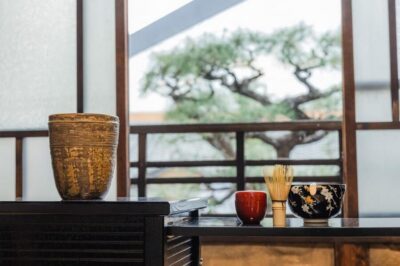
This is the heart of the class: learning how to prepare matcha step by step using ceremonial techniques. You work at your station with the tools in your hands, so you feel the difference between guesswork and technique.
The class highlights that you get hands-on guidance from the class leader, and the reviews back up the personal feel. People specifically call out that the instructor walks them through what to do during each stage, from measuring to whisking.
The practical goal: better foam and better taste
Matcha foam is not just aesthetic. It affects how the tea feels on your tongue. A proper whisk helps mix the powder smoothly so it tastes balanced rather than chalky or thin.
Here is what you should pay attention to while you practice:
- Watch for changes in color as the powder fully disperses
- Notice the texture shift when whisking technique improves
- Aim for a consistent blend rather than rushing and stopping and starting
If you are worried you will mess it up, good. That is normal. The teaching style is meant for beginners, and the small details are exactly what prevent bitterness.
Learning what makes matcha quality different
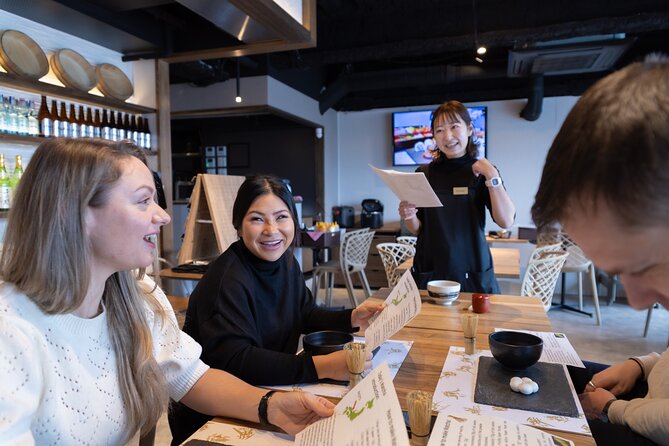
One of the most useful parts for me is the portion on identifying quality matcha. If you have ever bought matcha and wondered why one brand tastes smooth and another tastes harsh, this is the missing link.
In past classes, people have mentioned learning how to spot high quality powder. They also mention learning what is different between matcha and regular green tea leaves. That distinction matters because matcha is ground into a fine powder, so it behaves differently in water and it carries different flavor intensity.
Even if you are not buying matcha immediately, this lesson helps you shop smarter later. You start looking beyond the price tag and toward the characteristics of the powder that influence taste and mouthfeel.
Pairing matcha with seasonal Japanese sweets
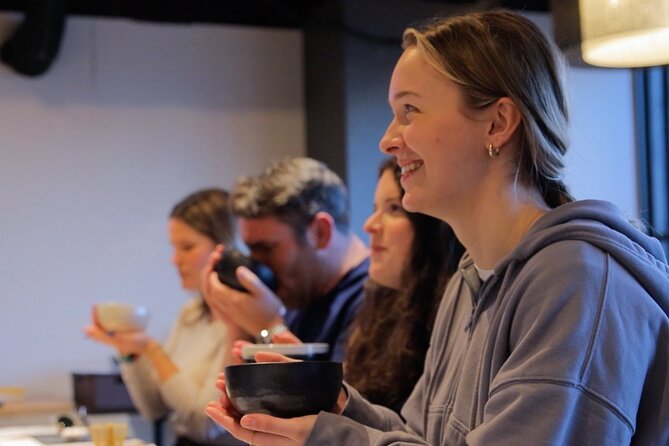
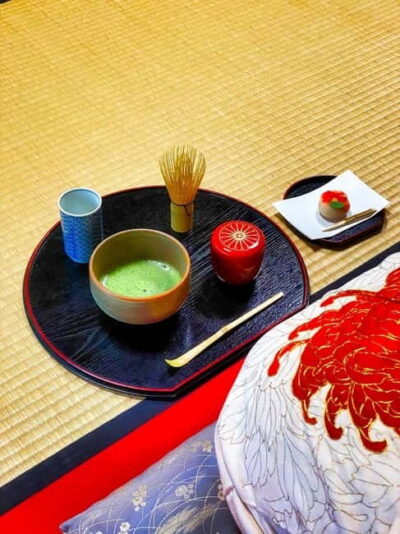
After you whisk, you get to enjoy what you made with traditional Japanese sweets. This is one of those underrated perks. Matcha can taste intense on its own, with a vegetal depth that can be either relaxing or overpowering depending on the balance.
The sweets are described as seasonal and complementary, which is exactly how you should think about it. You are not just eating a random cookie. You are learning how Japanese sweets often balance bitterness, grassiness, and the overall richness of tea.
This pairing is also a quick way to learn flavor contrast. One bite can make the next sip taste smoother, rounder, and less sharp. That is the kind of lesson that sticks, even after you go home.
Photos, atmosphere, and why this feels more authentic than a quick tasting
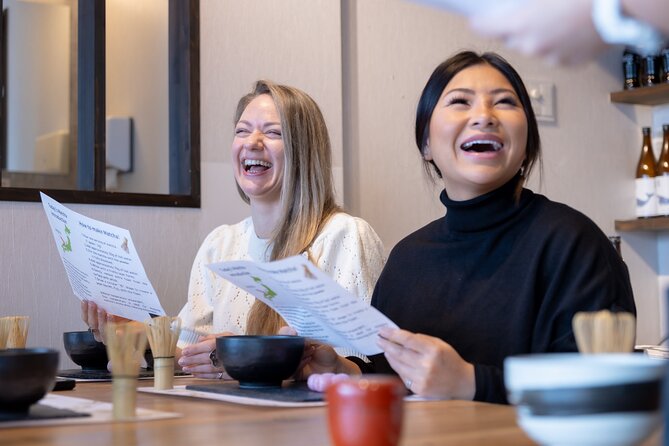
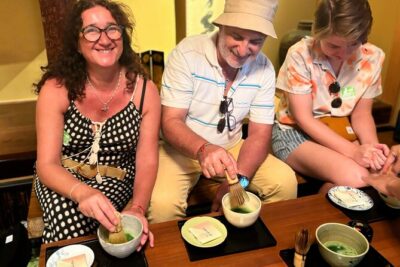
A lot of Tokyo food experiences are either rushed or purely performative. This one feels more personal because you are participating in the process. You take photos during or after making, and once you have whisked for yourself, the photos mean something. They are proof of a skill, not just proof you were there.
The atmosphere also helps. Some classes have a peaceful upstairs nook feel. Others get described as having a nice view along the river area. That matters because it makes the short class feel like a breather in a busy travel schedule.
And because it is capped at a maximum of 30 travelers, it usually stays manageable. One student noted a very small group size, which is where the personal guidance can really shine.
What kind of traveler should book this
This class is a good fit if:
- You want a hands-on cultural activity instead of a passive tour
- You are a beginner who wants clear steps and coaching
- You are traveling with kids or family and need something short, engaging, and not too formal
- You like learning small food techniques you can repeat at home
It is also a smart choice if you care about language support. The class is led by English-speaking hosts, which makes the cultural explanations easier to absorb without guessing.
If you are a tea ceremony purist looking for a long, strict, traditional sequence, you might find this more modern and workshop-like. But if you want the basics done correctly with real tools, it is a very solid target.
Small logistics that make or break your experience
A few practical points will help you enjoy the session more:
- Bring a little curiosity about the ritual side of matcha, even if you plan to keep it casual later
- Arrive early enough to settle in. Waiting areas have been described as comfortable, and it prevents last-minute stress
- Wear something you can sit in comfortably, since some sessions involve traditional floor seating
Also, plan your day around the fact that the class ends back at the meeting point. That is good for navigation, but it means you should build in your next activity once you know where you will be finishing.
Should you book this matcha class in Asakusa?
I think you should book it if you want a short, high-value cultural experience where you leave with both a tasty cup and a practical skill. The price is reasonable for what is included, the instruction is hands-on, and the format is beginner-friendly without feeling dumbed down.
Skip it only if you are chasing a long, formal tea ceremony full of strict choreography. For most people, this is the sweet spot: learn the method, taste the result, and walk away understanding what makes good matcha more than just a trendy drink.
Latest write-ups near Tokyo
- Tokyo Customized Private Tour: See Top Attractions in 1 Day★ 4.8 · 67 reviews
- From Tokyo: Top 5 Scenic Spots of Mount Fuji Full-Day Tour★ 4.5 · 67 reviews
- Tokyo: Shinjuku Izakaya and Golden Gai Bar Hopping Tour (2h)★ 4.9 · 67 reviews
- Traditional Japanese Music ZAKURO SHOW in Tokyo★ 5.0 · 67 reviews
- Tsukiji: Unlimited Sake Tasting Experience★ 4.9 · 67 reviews
- Tokyo: Not a show- a professional sumo practice with experts★ 4.9 · 67 reviews
- Samurai Ninja Museum Asakusa: Kid-Friendly Ninja Training★ 4.7 · 67 reviews
- Private Harajuku Omotesando Architecture Walking Tour★ 5.0 · 67 reviews
Tea Ceremonies, compared.
Tea Ceremony in a Traditional Tea House in Kiyomizu
Read our review →
World Heritage Kyoto & Nara Uji Authentic Matcha Experience
Read our review →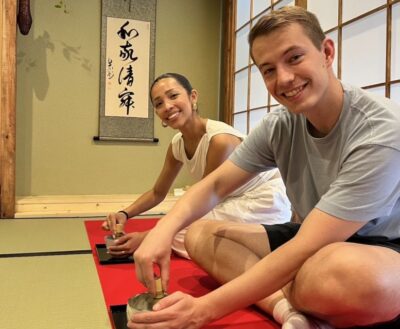
Browse the lists this tour appears in