
Reviewed · COOKING CLASSES
Tokyo Night Cooking Class: 5 Home-Cooked Japanese Dishes
This Tokyo night cooking class is a fun way to turn izakaya food into something you can actually make at home. You get a hands-on, multi-course lesson that ends with you eating what you cooked, at a real mealtime pace.
I love how all ingredients are provided, so you are not hunting down pantry items after class. I also like that it is built around classic izakaya-style small plates, not a random mix of dishes.
One thing to consider: if you need a fully vegan or gluten-free menu, this class is not set up for it. It is also not guaranteed to be allergy-free, since the cooking happens in partner kitchens.
Key things you should know before you go
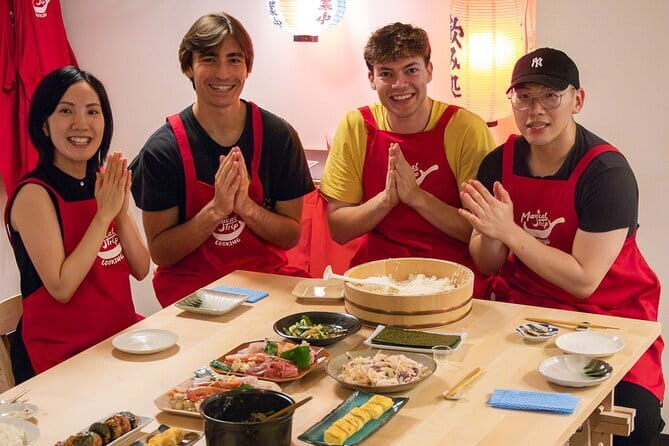
- Small group size (up to 7) makes it easier to get help without waiting in line
- Five dishes usually, with menu changes if you cannot eat meat or eggs
- Three included drinks (alcoholic or soft drinks), with pairing as you cook
- Shopping experience is part of the night, not just a classroom session
- Vegetarian welcome, with substitutions arranged for you
- Guided by a MagicalTrip-certified guide and taught step-by-step by the chefs
Why this Tokyo night cooking class feels like real izakaya life
Tokyo at night is when the city really “eats.” The izakaya vibe is not just about food, it is about timing, sharing, and turning cooking into an excuse to talk, drink, and laugh. This class captures that energy, but without sending you off to figure it out alone.
The format is also smart for your schedule. You are looking at about 3 hours in total, starting at 5:30 pm, so it slots cleanly into an evening plan. You will cook, taste, and then eat. That beats the awkward half-meal feeling some classes create when you only make a tiny portion and then watch.
The best part is that the skills are practical. You are not just copying flavors, you are learning how Japanese home cooks think about balance, seasoning, and texture. And yes, it is friendly for beginners. You are standing with a guide, getting directions while your food is cooking, not reading a recipe from paper while everything goes cold.
More Cooking Classes in Tokyo
- Ramen & Gyoza Cooking Class in Tokyo with Local Supermarket Visit
★ 5.0 · 823 reviews - Tokyo: Easy Ramen Cooking Experience in Kabukicho, Shinjuku
★ 4.6 · 321 reviews - Ramen and Sushi Cooking Class with Sake Pairing Set in Tokyo
★ 5.0 · 291 reviews
Meeting near Shitaya, then starting with ingredients
You meet at Japan, 110-0004 Tokyo, Taito City, Shitaya, 2-chōme 110 ファミリーマート入谷店, with the class starting at 5:30 pm. The tour ends back at the same meeting point, so you do not have to guess how you will get home after you are good and full.
A highlight is that there is a shopping experience included. That is huge value if you want to recreate the dishes later. You learn what ingredients matter, what replacements do not work, and what to look for at Japanese grocery stores. In the past, many people also enjoyed the supermarket step because it turns the class into more than “stir and hope.”
A practical note: the experience starts on time, and the group will not wait if you are late. So plan to arrive a bit early and get your bearings fast, especially in Tokyo neighborhoods where walking times can surprise you.
How you cook 5 home-style dishes, not just one or two
Most nights, you will make five dishes. The menu is designed for izakaya-style eating, meaning small plates with flavors that work well with drinks. Expect a mix of hands-on classics like:
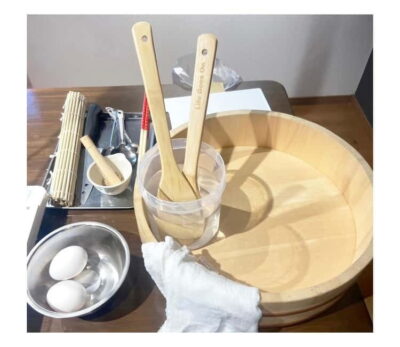
- Hand-rolled sushi
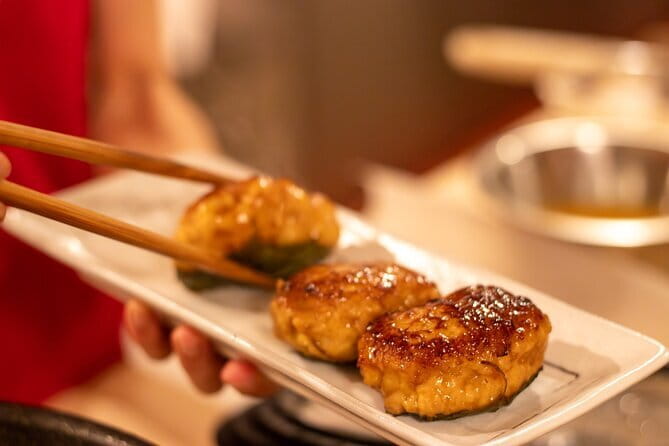
- Chicken balls with shiso leaves
- Eggplant with miso sauce
- Teriyaki chicken
- Japanese omelette
What I like about the structure is that the dishes teach different techniques. Sushi rolling gives you a feel for rice and assembly. Shiso and chicken balls bring you into seasoning and shape. Eggplant with miso shows how Japanese cooking leans into umami. Teriyaki teaches glaze timing, and the Japanese omelette adds the “don’t rush the heat” lesson.
Also, you actually eat every dish. No skipping ahead to dessert while your main work sits on a counter. The class is built so your dinner table is your final output, which makes it feel like a meal, not a demo.
The chefs and guides: why step-by-step matters
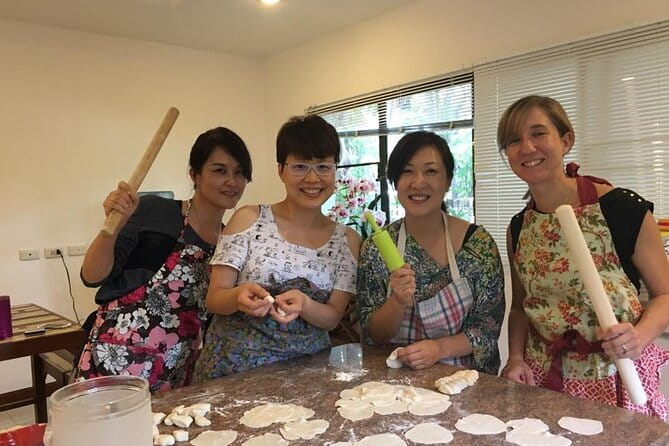
This is one of those experiences where a good teacher changes everything. The night is guided by a certified MagicalTrip guide, and the chefs lead you through the steps you might otherwise guess wrong.
Two names came up again and again. Alice is known for keeping the vibe fun while guiding families through the process, and Fuji is praised for explaining each step clearly. That is exactly what you want in a cooking class in a foreign language. When the instructions are simple and direct, you feel confident enough to taste and adjust.
Because the group is capped at 7 travelers, you are not stuck waiting for someone to notice your pan. If your sauce looks off, you can usually get a quick fix. If your rolling is awkward, you can reset and learn without panicking.
More Evening Experiences in Tokyo
- Tokyo Night Foodie Tour in Shinjuku – Seasonal Sushi, Wagyu Beef
★ 5.0 · 1,161 reviews - Tokyo: Daikoku JDM Car Meet & Night Car Culture Tour
★ 4.8 · 626 reviews - Tokyo After 5: Authentic Japanese Food & Drink Night Tour
★ 4.5 · 560 reviews - Tokyo: Samurai Entertainment Night Show in Kanda Shrine
★ 4.6 · 417 reviews
Drinks and pairing: three included, plus the sake culture around you
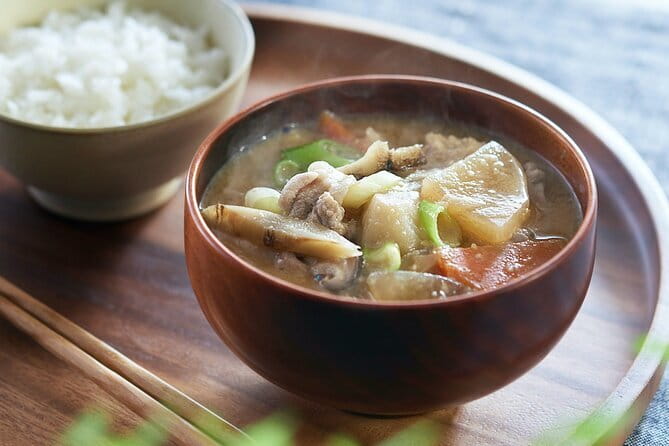
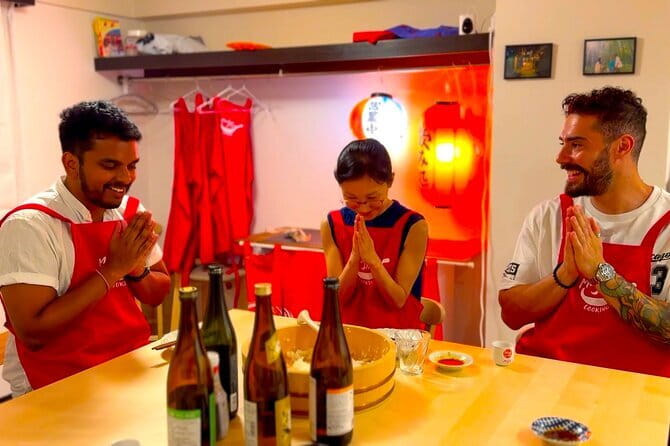
You get three cans of alcoholic or soft drinks included. That matters because it turns your meal into a real izakaya moment instead of a dry, classroom-style dinner.
The experience also focuses on pairing. You will cook and eat with drinks that fit the food, including mentions of sake and beer, and there is tasting encouraged during cooking and dinner time. The goal is not to make you an expert. It is to show how Japanese food and drinks talk to each other.
If you are only planning to stick to soft drinks, you still get the same structure and meal. And since the drinks are part of the plan, you can keep your evening simple, no extra ordering required beyond whatever you choose to add later.
Dinner time: feast on what you make, in one sitting
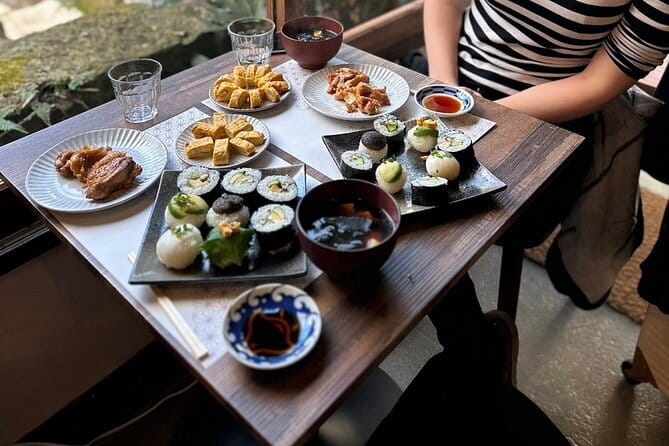
Once cooking starts, you will notice the rhythm. Everyone is working, tasting, and adjusting as the dishes move toward completion. Then dinner arrives as the payoff: you sit down and enjoy all the dishes you made.
This is a key difference from many “cooking classes” that end with a small tasting. Here, dinner is the point. You leave with full stomach energy and a stronger memory of how each dish is supposed to taste, because you are not imagining it. You are eating it.
One more value angle: you get tour photos included. That sounds small, but it helps because your hands are busy and your eyes are on the pan. The photos let you remember the dishes and the group moment without scrambling for your own shots mid-cook.
Vegetarian-friendly, but not vegan or gluten-free
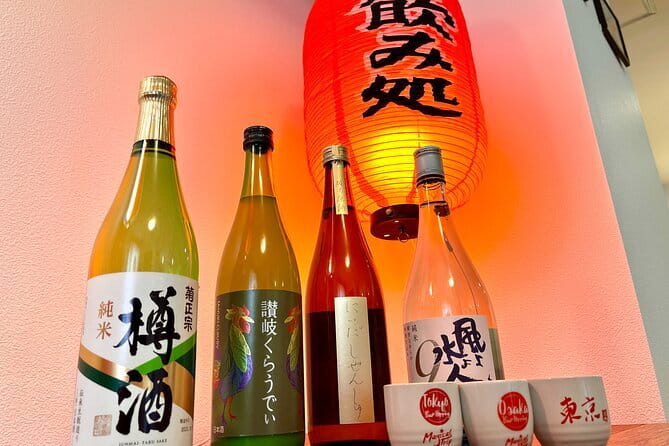
Good news first. Vegetarians are welcome, and the class says they arrange ingredients and the cooking process for you. That is a meaningful promise, not just a label on a brochure.
Now the limitations. The class is not available for people who are vegan and gluten-free. If either of those is your core dietary need, you should plan for a different option.
There are also menu adjustments if you cannot eat meat and eggs. If you cannot eat meat and eggs, the menu is reduced from five dishes to three. If you can eat meat but cannot eat eggs, the menu is reduced from five dishes to four. That is worth keeping in mind so you are not expecting the full lineup no matter what.
And if allergies are your worry, take this seriously. The experience notes that they cannot guarantee allergy-free food, since cooking happens in kitchens that do not belong to the organizer. If you have major allergies, you will want to communicate clearly before booking, and still plan for caution.
Age rules and family-friendly details for kids
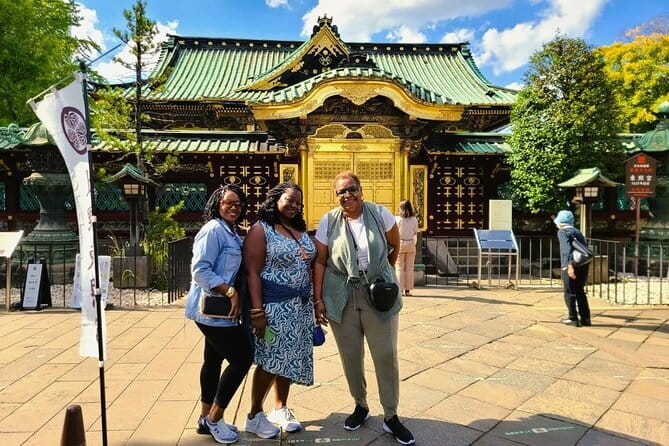
This tour is open to participants aged 6 and above. There is also a kid-focused touch: a kids’ playroom is available, which helps families keep things calm during the session.
There are also safety limits. Steps involving knives and heat are only permitted for those aged 12 and over, and that is under the supervision of a parent or guardian. So younger kids can still be part of the experience, but they will not be doing the high-risk cooking tasks.
For teens and adults, the class structure is designed to work for different skill levels. You can be brand new and still participate, as long as you follow the safety rules in the kitchen.
Price and value: $79.28 for a full meal plus drinks and instruction
At $79.28 per person, the cost can look high until you break down what you actually get. You are paying for:
- A hands-on cooking experience
- Dinner that includes the dishes you make
- Ingredients provided for the class
- A certified guide and step-by-step help
- A shopping experience
- Tour photos
- Three drinks (alcoholic or soft)
In Tokyo, paying for groceries and training separately can add up fast. Here, you are buying convenience and guidance in one package. You do not have to figure out what to buy, how much to buy, and how to cook it correctly the first time.
The small-group size also supports the price. With up to 7 people, you typically get more direct attention than you would in bigger classes where you are basically taking a seat and hoping for instructions.
Practical tips so your night goes smoothly
Tokyo summers can be hot and humid, and this class starts in the evening. You still should bring water and consider a hat, especially if you are walking between stops.
Wear comfortable shoes. Even with a short walk, you will be moving around for the shopping and cooking setup. This tour is also noted as not recommended for people with mobility issues, since walking problems can make it harder to enjoy the experience.
Bring your patience for timing. The class needs to start on time, and if you are late, you may miss the group and then you cannot join or reschedule. So treat the meeting point like an appointment, not a suggestion.
Finally, consider allergies and food restrictions early. This class can handle vegetarian needs, but it is not designed for vegan or gluten-free. If your needs are complicated, send details before you book so you do not waste money.
Should you book this Tokyo night cooking class?
Book it if you want a night in Tokyo that feels like more than restaurant hopping. You want a guided, small-group experience where you cook classic izakaya dishes, drink along with the meal, and take home a repeatable set of recipes you can actually make again.
Skip it if you need vegan or gluten-free cooking, or if you have allergies that require strict allergy-free handling. Also consider a different setup if mobility is an issue, since the experience involves walking and kitchen movement.
If you are traveling as a couple, with friends, or with family, this class is especially solid. The vibe is social and hands-on, and the guide team names like Alice and Fuji show that the instruction style matters, not just the menu.
In short: for a first-time visitor who wants real taste and real skills, this is a strong choice for a Tokyo evening.
FAQ
How long is the Tokyo night cooking class?
The class is about 3 hours.
What time does it start, and where do I meet?
It starts at 5:30 pm. You meet at Japan, 110-0004 Tokyo, Taito City, Shitaya, 2-chōme 110 ファミリーマート入谷店.
What is included in the price?
You get the cooking experience and dinner, ingredients, tour photos, a certified guide by MagicalTrip, a shopping experience, and 3 cans of alcoholic or soft drinks.
Are drinks included, and who can have alcohol?
Yes. You get 3 cans of alcoholic or soft drinks. Sake tasting and alcoholic beverages are only available to guests aged 20 and over.
What will I cook?
You will learn an izakaya-style meal with five dishes most of the time. Examples mentioned include hand-rolled sushi, chicken balls with shiso leaves, eggplant with miso sauce, teriyaki chicken, and Japanese omelette.
Is the class vegetarian-friendly?
Yes. Vegetarians are welcome, and the class arranges ingredients and the cooking process. It is not available for people who are vegan and gluten-free.
Are kids allowed?
Yes, it is open to participants aged 6 and above. Knife and heat tasks are only permitted for those aged 12 and over, under a parent or guardian’s supervision. A kids’ playroom is available.
How many people are in the group?
There is a maximum of 7 travelers.
Can I cancel and get a refund?
Yes, you can cancel for a full refund if you cancel at least 24 hours in advance of the experience start time.
Latest write-ups near Tokyo
- Harajuku Private Tour: Kawaii Fashion & Animal Cafe Included★ 5.0 · 69 reviews
- Mt Fuji Customizable Private Tour English Speaking Driver Pick-up★ 5.0 · 69 reviews
- Tokyo: Sumida Aquarium Entry Ticket★ 4.6 · 70 reviews
- Private Customizable Walking Tour of Tokyo★ 5.0 · 70 reviews
- Official Japan Go-Kart Through Tokyo Bay / Ginza (IDP Required)★ 4.5 · 71 reviews
- Wagyu Beef and Sake Pairing Foodie Tour in Tokyo★ 5.0 · 71 reviews
- Experience Big soba knife Soba Making Class in Tokyo Kappabashi★ 5.0 · 71 reviews
- Japanese Traditional Music Show in Tokyo★ 5.0 · 72 reviews
Cooking Classes, compared.
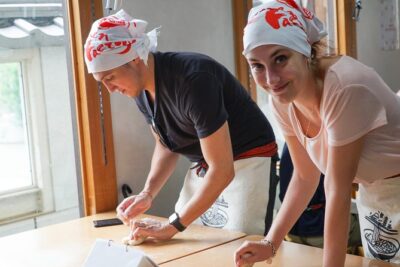
Ramen Cooking Class at Ramen Factory in Kyoto
Read our review →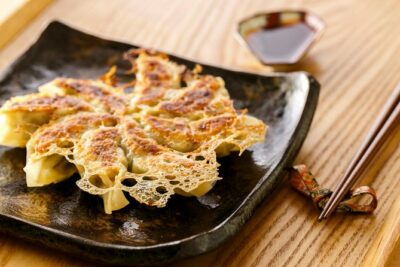
Ramen & Gyoza Cooking Class in Tokyo with Local Supermarket Visit
Read our review →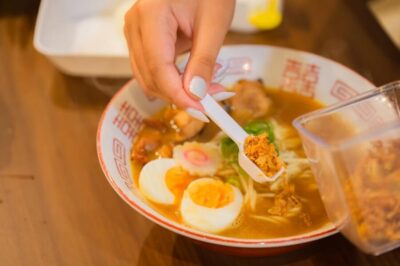
Ramen Cooking Class at a Ramen Factory with Souvenir
Read our review →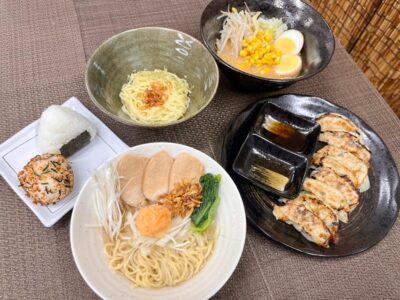
Japanese Washoku Bento Small Group Cooking Class
Read our review →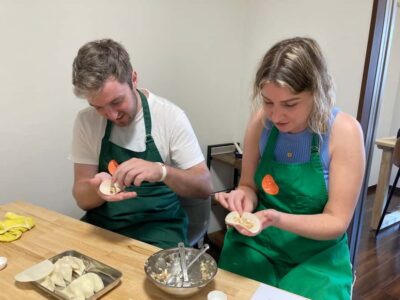

Easy Ramen Cooking Experience in Kabukicho, Shinjuku
Read our review →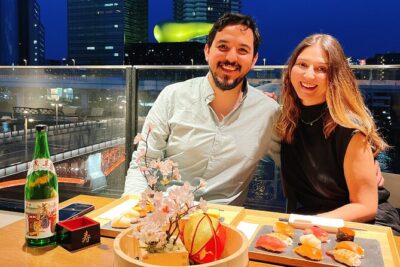
Ramen and Sushi Cooking Class with Sake Pairing Set in Tokyo
Read our review →Browse the lists this tour appears in