Reviewed · GUIDED
Tokyo Off the Beaten Path 6hr Private Tour with Licensed Guide
Tokyo is easy to over-plan, then somehow still miss the places that feel real. This private, licensed-guide tour is built for exactly that, sending you into quieter neighborhoods where you can see Edo-era Tokyo’s bones, plus Shinto shrines and old shopping streets, without getting stuck in the same photo loops.
What I like most is the freedom to choose 3 to 4 sites from the menu, so the day matches your interests instead of forcing a rigid checklist. I also really appreciate the human side, your guide meets you right in the hotel area for an easy start, then guides your route by taxi or public transport (extra cost) when distances call for it. The main drawback is simple: it’s a walking-focused experience with lots of short stops, so you’ll want to manage your pace and your expectations about time at each place.
A small bonus from what I’ve seen in guide performance is how often they tailor on the fly, including practical help like subway navigation tips and adjusting when something is closed. Just go in with comfortable shoes, a little flexibility, and a quick plan for lunch.
Key Highlights You’ll Actually Notice in Tokyo
- Licensed English-speaking guide, with real local routing and on-the-ground help
- Pick 3 to 4 stops from a range of neighborhoods, temples, shrines, gardens, and market areas
- Hotel-area meet-up for a low-stress start, especially on your first day
- Old-town focus, with places like Yanaka and Nezu (plus Sendagi) that feel less frantic than central Tokyo
- A mix of styles, from a 1706 shrine and Edo-style architecture to garden time and hands-on food-market culture
Why Off-the-Beaten-Path in Tokyo Feels Different Than You Expect
Tokyo’s famous sights are famous for a reason. Still, the city has another side that hits you harder. When you walk side streets in Yanaka and Nezu, you feel the slower rhythm of Tokyo’s older downtown, the kind that survived wars and disasters and kept its street-scale character.
This tour works because it doesn’t try to “cover Tokyo.” It pushes you toward specific pockets of local life. You choose the mix, and your guide helps connect the dots so it feels coherent, not random.
One more thing I appreciate is that the best moments here are often small. A shrine approach street, a covered shopping lane, a cemetery road with quiet views, or a garden stop where you can actually sit and breathe for a minute.
Also on the shortlist for Tokyo:
- Mt Fuji and Hakone 1-Day Bus Tour Return by Bullet Train
★ 5.0 · 26,383 reviews - 1-Day Tokyo Bus Tour
★ 5.0 · 14,250 reviews - Tokyo: TOKYO SKYTREE® Admission ticket
★ 4.5 · 11,192 reviews
Price and Value: What $155.22 Buys You (and What It Doesn’t)
At $155.22 per person for about 6 hours, this is priced like a serious private experience, not a “stand near a bus and point” day. The value is in three places:
- A licensed local guide who can adjust your route for what’s open and what you care about
- The structure of choosing 3 to 4 sites, so you spend time experiencing rather than sprinting through dozens of entries
- Practical navigation help, since you can move by taxi or public transport arranged through your guide (transport costs are extra)
What’s not included matters for your budget. Transportation fees, entrance fees (for some stops), lunch, and personal expenses are on you. Also, there’s no private vehicle included, so you should expect trains, taxis, or walking depending on your chosen sites.
Hotel Meet-Up and Getting Around Without Stress
This is a private tour, just your group. The guide meets you on foot within a designated area and, for convenience, pickup is offered for the hotel meet-up experience.
Because it’s a walking tour, your “getting around plan” starts with comfort. Bring shoes you can move in all day, and accept that Tokyo neighborhoods are spread out differently than you’re used to.
Your guide can handle transit decisions using taxi or public transport, but you pay those transportation fees separately. In real-world terms, that means you’ll spend less time guessing which line to take and more time actually moving through local streets.
Pace Matters: Short Visits, Fast Choices, and How to Not Get Burned
Most stops are structured around short time windows, often about 15 minutes at each place. There’s one longer option in the mix, a museum-style stop that can take about 1 hour if you choose it.
That timing is fine if your goal is to sample multiple neighborhoods. It can feel rushed if you want deep time at one location, or if you tack on several stops far apart.
I’ve also seen a caution from the experience style itself: if you want a slower, more conversational day, tell your guide early. Some guides are able to add context and pace better than others, but you can influence it by communicating your preferred speed.
A change of pace from Tokyo:
- Tokyo: teamLab Planets TOKYO Digital Art Museum Entry Ticket
★ 4.6 · 9,779 reviews - Mt Fuji & Hakone Cruise, Drum Show Bullet Train 1 Day from Tokyo
★ 4.0 · 7,413 reviews - Tokyo: Sumo Show Experience with Chicken Hot Pot and a Photo
★ 4.8 · 6,678 reviews - Tokyo: Shinjuku Food Tour (13 Dishes at 4 Local Eateries)
★ 5.0 · 6,603 reviews
Yanaka and Nezu: Edo-Style Streets With Quiet Energy
If you want that “old Tokyo” feeling without the crowds, start with Yanaka and Nezu. This part of town is described as surviving major damage through wars and disasters, which helps explain why the neighborhood still feels last-century familiar.
A great opening move here is Nezu as your first stop area. Even with a short visit, you get the sense of scale. You’ll see side streets that don’t scream tourist, and you’ll feel how Tokyo’s older downtown lives at a human walking pace.
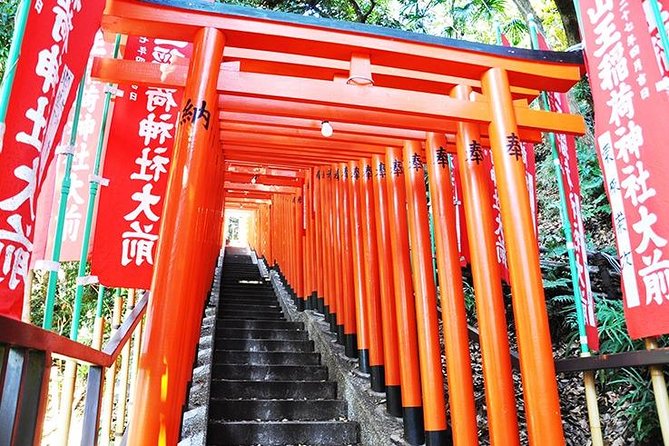
Then you can step into the architectural wonder of Nezu Shrine. Dating from 1706, it’s known for its gongen-zukuri style buildings, with contrasting vermilion and gold lacquer. This is the kind of stop where your guide’s eye matters. The details on shrine design are easy to miss if you’re just snapping photos and moving on.
Nezu Shrine: What You’re Likely to Notice
- The bold color contrast and layered building style typical of Edo-era shrine architecture
- The way the site feels designed for strolling, not rushing
- Free admission, which makes it easy to choose this stop without budget stress
Yanaka Ginza Shopping Street: A Calm Shopping Lane That Actually Works
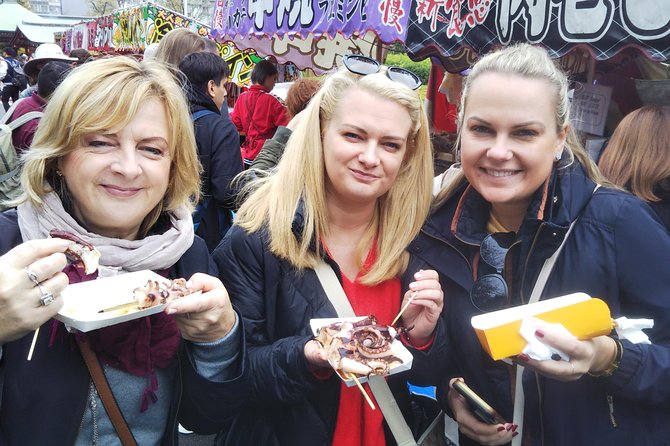
Next up is Yanaka Ginza, a shopping street that’s quieter than many central Tokyo lanes. It’s also a good “breather stop,” because shopping streets can be lively, but this one leans calm and neighborhood-focused.
Even in about 15 minutes, it’s the sort of place where you can pick up a snack, pause to look at old storefront styles, and notice how everyday errands shape the look of a district.
The Practical Angle
If you’re choosing your 3 to 4 sites, Yanaka Ginza pairs nicely with Nezu Shrine. It’s close in feel. One stop is architecture and sacred space, the next is street life and everyday food.
SCAI The Bathhouse: Art in a Very Old Building
If you want a “Tokyo surprise,” choose SCAI The Bathhouse. The building is over 200 years old, and it’s now used for contemporary art in a charming neighborhood setting near Ueno Park.
Admission isn’t included, so this is one of those picks where you’re paying for the experience. Still, it’s a smart choice if you like art, or if you just want something different than temples and shopping streets.
The tradeoff is time and money. You gain a unique stop, but you might want to balance it with other free-access locations nearby.
Yanaka Cemetery: Quiet Beauty and a Different Kind of Tokyo View
Yanaka Cemetery is one of Tokyo’s largest graveyards and often described as picturesque. This can sound heavy, but it’s also part of what makes Tokyo feel layered. You see how the city treats memory and space.
If you like walking and observing street-level calm, the main cemetery avenue can feel oddly peaceful. It’s a reminder that Tokyo’s “old downtown” isn’t only houses and shrines. It’s also how the city holds onto time.
Consideration
This stop is free, but it’s not the best choice if you want nonstop cheerful energy. It’s reflective. Choose it if you’re okay with that mood.
Sendagi: Nostalgic Neighborhood Energy Near Ueno
Sendagi sits in the Yanesen area along with Yanaka and Nezu, near Ueno. It’s highlighted as surviving the Great Kanto Earthquake and World Wars, which helps explain its lingering old-town feel.
In a short stop window, Sendagi is less about “one monument” and more about neighborhood texture. You see how daily life flows around historic districts.
This is a solid pick if you want your day to feel like Tokyo beyond the postcards.
Shibamata and Taishakuten-Sando: Old-School East Tokyo Charm
For a switch in scenery, choose Shibamata, on Tokyo’s eastern side near the Edogawa River, closer to Chiba than central wards. Shibamata retains old-school charm, and it’s the kind of place where you can feel the city’s outer neighborhoods have their own pace.
One great add-on is Taishakuten-Sando, a roughly 200-meter approach road filled with street food stalls and small shops. Even with a quick walk, it’s easy to pick up a snack and enjoy the vibe.
Then you can go to Shibamata Taishakuten (Taishakuten Daikyoji Temple). It’s known for an impressive Nitenmon gate and beautiful wood carvings. Those carvings depict the lotus sutra and were created from 1922 to 1934, which gives you a story beyond just the building.
What makes this area worth your time
- The street feel along Taishakuten-Sando
- The temple details at the end of the walk
- Free access to both temple and approach area, making it budget-friendly
Fukagawa Edo Museum and Old-Tokyo Replica Time
If you want a “Tokyo time machine” option, choose Fukagawa Edo Museum. It’s dedicated to old Tokyo and works like a replica village from the late Edo period (1603 to 1868). You’ll also find a canal and a fire watchtower style feature.
It costs extra, since admission isn’t included. But it also fits the idea of off-the-beaten-path exploration because you’re not just seeing a shrine, you’re stepping into a staged historical village layout.
The drawback to watch
It’s likely to take more than a quick photo stop, so be careful with how many other far-flung stops you add.
Fukagawa Fudodo: Temple Details Without the Big Crowd Mood
Another choice in the Fukagawa area is Fukagawa Fudodo. It’s described as a bit of a mishmash, not the most beautiful temple overall, but the wood carvings on the main building are noted as nice.
Admission isn’t included here either. If your goal is pure aesthetics, this might not be your first choice. If your goal is cultural texture and religious architecture detail, it can be worth it.
Tomioka Hachimangu and the Sumo Connection
Tomioka Hachimangu is a shrine tied to sumo wrestling tournaments and festivals. The shrine is described as the birthplace of sumo tournaments, and it also hosts one of Tokyo’s largest Shinto festivals.
It’s also been rebuilt after WWII. The current shrine building dates from 1956. That history matters. You’re seeing a living shrine tradition, not just an old ruin.
Admission is free, which makes this one easier to justify if you’re building a balanced day with both free and paid stops.
Kiyosumi Teien: A Garden Stop That Breaks the Walking Spell
For many people, gardens are where the day slows down. Kiyosumi Teien is linked to an Edo-period merchant, Kinokuniya Bunzaemon, tied to citrus, lumber, and salmon trade.
It’s an admission stop not included in the base. Still, it’s a strong “balance” choice because it’s the only part of the list that clearly shifts your brain from streets and gates to quiet paths.
Basho Memorial Museum: Poetry Time With a Longer Window
If you’re a poetry person, choose the Basho Memorial Museum. Matsuo Basho wrote many masterpieces in Fukagawa, and it’s described as the starting point for his travels.
This one can take about 1 hour, longer than most stops. That means it can crowd out other picks unless you keep your overall day tight.
Asakusa: Efficient Tokyo Feel in a Half-Day Shape
Asakusa is the “big name” area, but that’s not why this tour includes it. It’s included because you can still make it feel local and efficient when you have a guide planning the flow.
With Asakusa as a chosen stop area, you can move to where you want after meeting. That makes sense if you know you want to end near Sensoji.
Kappabashi Street: Kitchen Supplies Like Knives and Chopsticks
Kappabashi Street is a practical treat. It’s known for kitchen suppliers, including Japanese knives, chopsticks, and dishes, often with fair pricing.
This is a good pick if you want something you can actually take home, or if you enjoy craft and food culture. It’s also a great “low-pressure” stop that won’t drain energy.
Admission is free, which helps this fit into a short schedule.
Hanayashiki and Nishisando: Old Amusement Park and a Covered Shopping Lane
Asakusa Hanayashiki is described as one of Japan’s oldest amusement parks, founded in 1853, and it has about 25 attractions. Admission isn’t included, so consider it a paid splurge option.
Asakusa Nishisando is a covered shopping street that you can reach if you turn left from Sensoji. The structure and shopping vibe are meant to feel like a classic Tokyo corridor.
If you’re choosing a final stop, Nishisando can help the end of your day feel smoother than sprinting for a last photo.
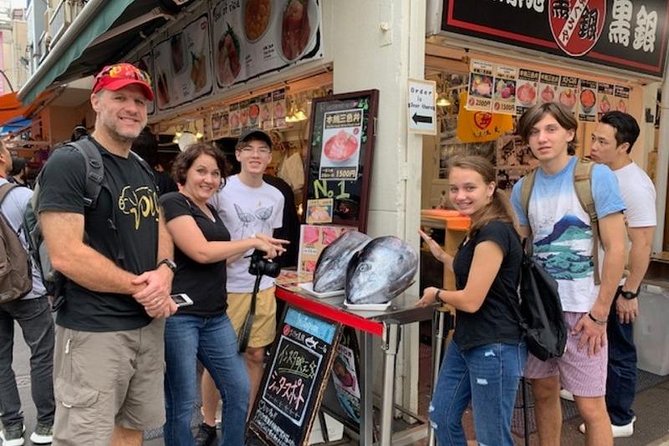
Tsukiji Fish Market: Food-Culture Energy Without the Planning Headache
Tsukiji Fish Market is listed as a choice, and it’s positioned as an efficient way to explore. Since admission details aren’t specified here, focus less on ticket math and more on using your time well.
This is a good selection if food markets are your thing. It can also be useful if you want one “iconic Tokyo” stop that still fits an off-the-beaten-path day because a guide can steer you around and help you interpret what you’re seeing.
Gotokuji Temple: The Maneki-neko Connection
If you want a quirky, calmer temple stop, choose Gotokuji Temple in Setagaya. It’s said to be the birthplace of the maneki-neko, the luck-inviting cat figurine.
You’ll find small cat statues in the story area. This is the kind of stop that gives you a simple cultural connection, then lets you keep walking through quieter neighborhoods.
Admission is free.
How I’d Pick Your 3 to 4 Stops (So the Day Feels Full, Not Chaotic)
You’re choosing 3 to 4 stops, so your biggest decision is avoiding overlap in mood. Here are a few reliable mixes.
- Old downtown focus: Nezu, Nezu Shrine, Yanaka Ginza, Sendagi
This gives you architecture plus street-scale Tokyo.
- Temple and tradition focus (east Tokyo): Shibamata Taishakuten, Taishakuten-Sando, Gotokuji
You get a shrine main event plus approach-street energy and a quirky cat connection.
- Culture and calm: Fukagawa Edo Museum, Kiyosumi Teien, Tomioka Hachimangu
History plus garden time plus sumo-linked shrine meaning.
- Practical Tokyo food crafts: Kappabashi Street, Asakusa Nishisando, Tsukiji Fish Market
This leans into shopping, covered streets, and food culture.
If you’re unsure, tell your guide your priorities before the tour. Guides like Michio, Yoshi, and Tatsu have been praised for tailoring plans and handling transit logistics well. That matters when you want the day to feel personal instead of rushed.
What Walking Feels Like in Real Life
You should plan on a lot of walking. Even though it’s private, the structure uses short stop windows and neighborhood walking. In some seasons, heat or rain will affect how you feel, so bring layers or a light rain plan.
If you’re traveling with kids or you’re walking slower, communicate it early. Some guides are described as patient and helpful with navigation, and that makes a big difference when your group needs extra time.
Entrance Fees and Lunch: Your Budget Reality Check
Many stops are free, especially the shrine and street segments. But paid items can appear depending on your picks, including:
- SCAI The Bathhouse
- Fukagawa Edo Museum
- Fukagawa Fudodo
- Kiyosumi Teien
- Basho Memorial Museum
- Hanayashiki
Lunch is not included. If you want a real meal break, schedule it. One review style complaint involved skipping lunch to see more and ending earlier than expected, which you can avoid by setting your preference up front.
Guide Quality: Why People Keep Bringing Up the Same Traits
The best parts of this experience often come down to the guide. Across feedback, the most praised traits are:
- Personal tailoring to your interests, plus quick adjustments when plans change
- Strong English communication, with clear explanations
- Real help with moving around, including subway navigation tips
- A patient, attentive approach, like guides who meet you on time and guide the day smoothly
There are also a few performance notes worth taking seriously. Some experiences felt fast-paced, with minimal detail beyond basics, or with a guide walking a bit ahead. The fix is straightforward: ask for more context, and ask for a pace that matches you, especially if you prefer photos and stops over constant forward motion.
Should You Book This Tokyo Off the Beaten Path Private Tour?
Book it if you want Tokyo that feels lived-in, not just photographed. It’s a strong choice for first timers who want a local-feeling day without doing all the transit planning, and it’s also a good option for repeat visitors who want neighborhoods like Yanaka, Nezu, Sendagi, Shibamata, and Fukagawa that most standard tours skim.
Skip or rethink if you hate walking, want long sit-down time at a single attraction, or you’re hoping every stop is fully included and ticket-free. This tour rewards flexibility and smart selection. If you pick 3 stops that match your mood, you’ll feel like you had a real day in Tokyo, not just a checklist.
If you do book, here’s your best move: choose fewer paid venues, plan one slower break for food or garden time, and tell your guide your pace preference from the start. That’s how you turn 6 hours into a memory.
FAQ
Is this tour private?
Yes. It’s a private tour/activity, and only your group will participate.
How long is the Tokyo tour?
It runs for about 6 hours.
Do I choose the sites, or is the route fixed?
You can customize the day by choosing 3 to 4 sites from the listed options.
How does the meeting work if it’s a walking tour?
Pickup is offered for convenience, and the guide meets you on foot within a designated area of Tokyo, including a hotel-area meet-up.
Are entrance fees included?
Some stops are free, but several options have admission tickets that are not included, like SCAI The Bathhouse, Fukagawa Edo Museum, Fukagawa Fudodo, Kiyosumi Teien, Basho Memorial Museum, and Hanayashiki.
What about getting around during the day?
Transportation fees are not included. The guide can organize travel by taxi or public transport, but you pay for that on top.
Is lunch included?
No. Lunch is not included.
Can I cancel for a full refund?
Yes. You can cancel up to 24 hours in advance for a full refund. If you cancel less than 24 hours before, it is not refunded.
Latest write-ups near Tokyo
- Tokyo Nights: Shibuya Photo Adventure★ 5.0 · 20 reviews
- Wagyu & Sake 8 Course Tasting Dinner in Shinjuku★ 4.9 · 20 reviews
- Making Japanese desserts Nerikiri & drinking matcha in Tokyo★ 5.0 · 20 reviews
- Mt. Fuji 5th Station, Owakudani Ropeway, Pirate Ship plus Outlet shopping!★ 4.5 · 20 reviews
- Japanese Whisky Hunting《HIGH-QUALITY-ONLY》Rare Tasting Class★ 5.0 · 20 reviews
- Kintsugi Experience with Arita Ware in Tokyo (English Guide)★ 4.8 · 20 reviews
- This is Asakusa! A Tour Includes the All Must-Sees!★ 5.0 · 20 reviews
- Tokyo: Karate Experience with Former All-Japan Champion★ 5.0 · 20 reviews
Guided, compared.
Tokyo 6hr Private Tour with Government-Licensed Guide
Read our review →
Shinjuku Local Bar and Izakaya Guided Walking Tour
Read our review →
Private City Highlights Tour with Local Guide
Read our review →
Kyoto Early Morning Tour with English-Speaking Guide
Read our review →
Tokyo 4hr Private Tour with Government-Licensed Guide
Read our review →
Kyoto 6hr Private Tour with Government-Licensed Guide
Read our review →