Reviewed · GUIDED
Tokyo: Private Tailored Tour with a Local Guide
A private Tokyo day with a local guide is interesting because you are not stuck with a set bus route. You get to move street by street, landmark to landmark, and adjust the pace to what you actually care about. I especially like how it opens at Meiji Jingu, where the mood changes from city noise to shrine calm fast.
I also like the mix of famous stops and everyday neighborhoods. You’ll hit Shibuya Crossing and the Hachiko statue, then switch gears to Sensō-ji and the old-town feel around Yanaka, so you see multiple Tokyo personalities in one day.
One drawback to plan for: the tour price does not include train rides or entrance fees, so you may spend extra once you are on the ground. Also, like any guide-based tour, the experience can depend on who you get and how your route timing clicks.
Key things I’d book this tour for
- A true private setup that you can steer toward your interests, not a fixed group script
- Meiji Jingu plus Harajuku and Takeshita Street, so you get shrine serenity and street fashion in the same day
- Shibuya Crossing with Hachiko for one of Tokyo’s most recognizable photo moments, guided properly
- Asakusa and Sensō-ji with context, including the red lanterns area and historical explanation
- Showa-era Shinjuku stops like Omoide Yokocho and a view from the Metropolitan Government Building
- Yanaka’s sitamachi atmosphere, which gives you a slower, older Tokyo mood to end the day
A private, tailored Tokyo day that actually makes sense
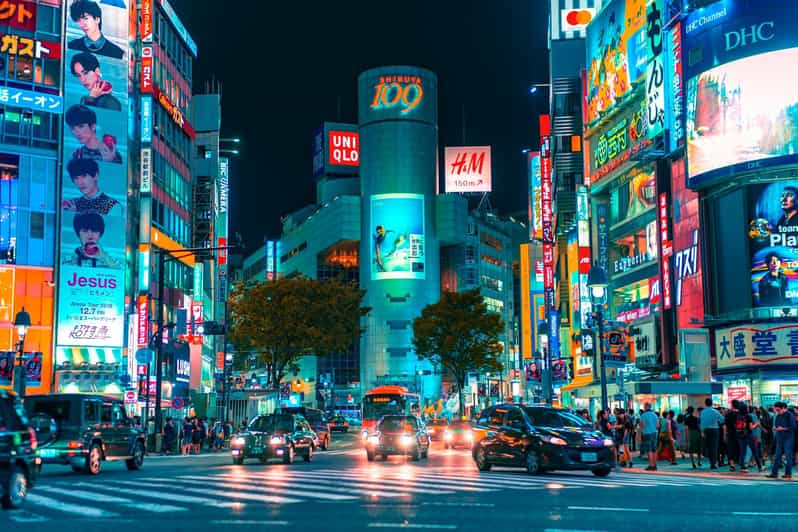
Tokyo can feel like two cities at once. One is loud, bright, and obsessed with the next trend. The other is quiet lanes, temple approach paths, and neighborhoods that seem to remember a different pace.
That’s exactly why this format works: you are not just ticking off landmarks. You are getting a guided route that connects them. For example, you start with a major Shinto site that honors Emperor Meiji and Empress Shoken, then you pivot into Harajuku’s fashion world, then you land back into temple and old-town Tokyo. It reads like a story, not a checklist.
A big part of the value is the way the guide can personalize the day. In real feedback, people praised guides for being proactive and thoughtful. One group specifically noted that Marleen built a very individual plan and reached out in advance. Others highlighted that Tassilo gave clear explanations and Isaac was passionate and attentive to what the group wanted. That kind of responsiveness is what turns Tokyo sightseeing from random walking into actual understanding.
Also on the shortlist for Tokyo:
- Mt Fuji and Hakone 1-Day Bus Tour Return by Bullet Train
★ 5.0 · 26,383 reviews - 1-Day Tokyo Bus Tour
★ 5.0 · 14,250 reviews - Tokyo: TOKYO SKYTREE® Admission ticket
★ 4.5 · 11,192 reviews
Meiji Jingu, then Harajuku and Takeshita Street
Your day typically starts with pickup options around Asakusa Station or Harajuku Station. If you are staying elsewhere, the tour notes hotel pickup is possible, otherwise you meet at one of those stations. Either way, you are set up to start moving without wasting time figuring out first-leg transit.
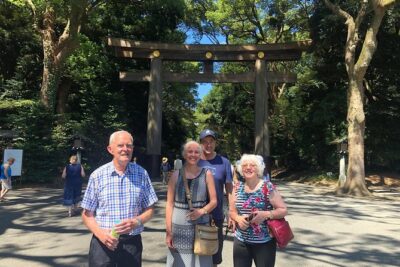
The first true stop is Meiji Jingu, a Shinto shrine built to honor Emperor Meiji and Empress Shoken. What you’ll appreciate here is the contrast. The shrine paths are calmer and more ritual-focused than the streets you left behind. Your guide walks you through the well-worn paths to the main sanctuary area, so you spend less time hunting for the right route and more time noticing details you might otherwise miss.
Then you shift to Harajuku, where your guide points out local favorites and lesser-known areas while still covering the big picture. You’ll spend time around Takeshita Street, known for its eye-catching youth fashion, sweets, and colorful people. The point is not just watching fashion from the sidewalk. It’s understanding how Harajuku works as a district, why certain streets are where energy concentrates, and how to move through it without getting stuck in the densest crowds.
Practical note: this is a walking day. Wear comfortable shoes. And if you plan to stop for sweets, budget time because Takeshita Street can be crowded.
Shibuya Crossing and Hachiko, with the right kind of guidance
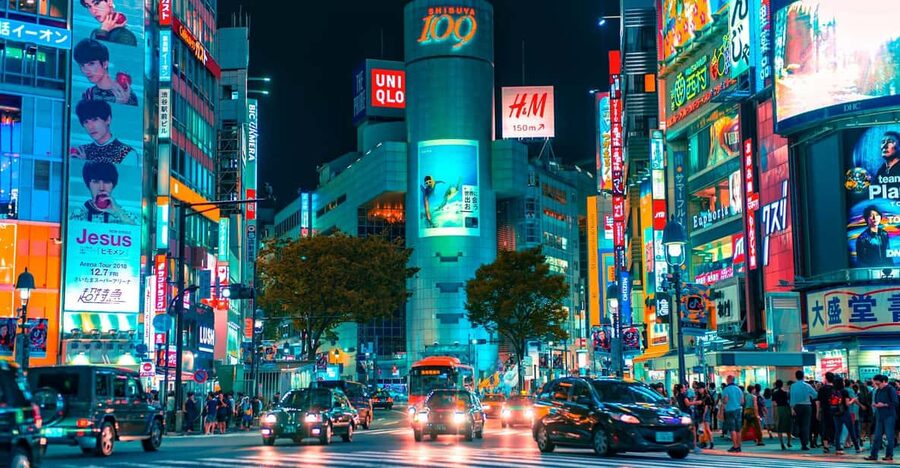
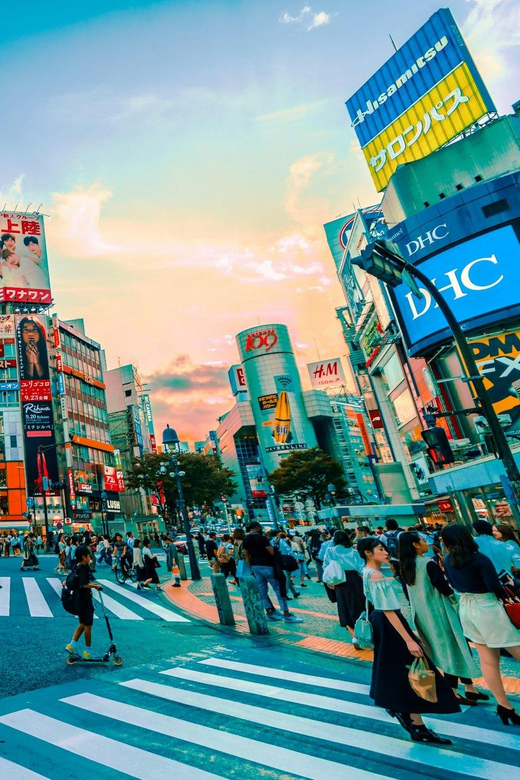
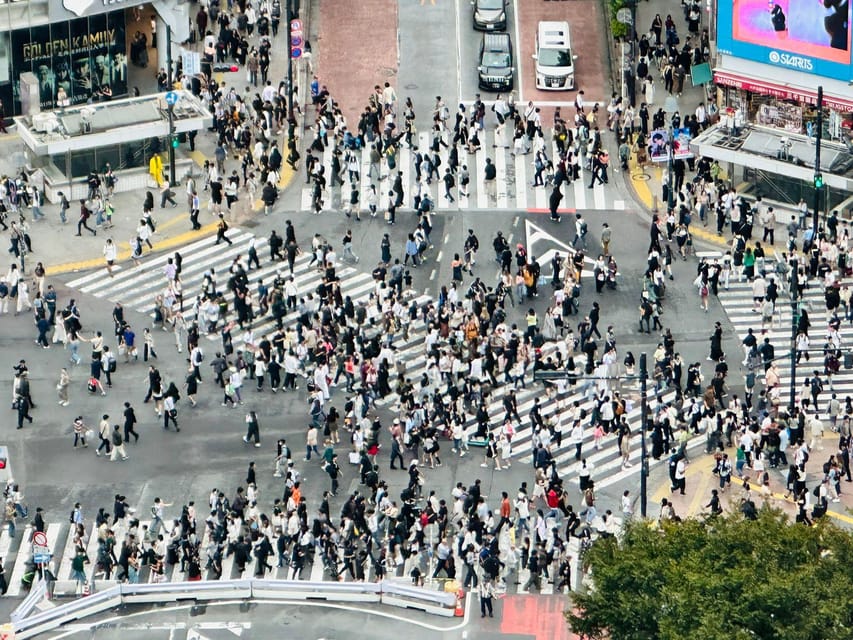
Next comes Shibuya City and the famous Shibuya Crossing. This is where Tokyo’s scale hits you. You want to cross when the light changes, you want to stand where the view makes sense, and you want a strategy for not getting squeezed by the crowds.
That’s where having a local guide helps. Instead of guessing where to be and when to move, you get direct direction for the crossing area. And you’ll also say hi to Hachiko on the way to the crossing. It’s one of those spots everyone recognizes, but a guide makes it easier to understand why it’s culturally significant and how to fit it smoothly into the rest of your route.
If you are the type of traveler who likes photos but hates feeling herded, this stop is a good test of the tour quality. The guided flow should keep you from wasting time circling and should help you time your walking so you see it at the right moment.
Nakano Broadway: a planned browsing stop
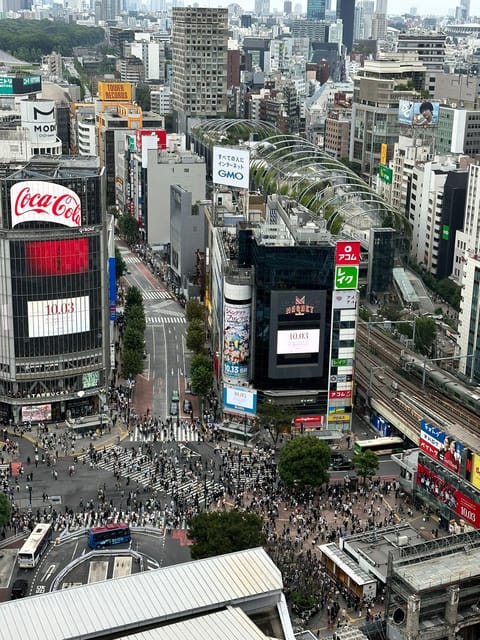
The itinerary includes Nakano Broadway as a guided visit. This is one of those Tokyo stops that works best when someone helps you treat it like an experience, not a random detour.
With a guide, you get two advantages. First, you arrive with context for what the area is like and how to move through it efficiently. Second, you can spend your energy browsing the type of shops you care about, rather than feeling lost when the place is packed with options.
The only real catch: this is still a walking and browsing section. If you hate shopping areas or you want lots of sit-down time, tell your guide early so they can adjust your pacing.
A change of pace from Tokyo:
- Tokyo: teamLab Planets TOKYO Digital Art Museum Entry Ticket
★ 4.6 · 9,779 reviews - Mt Fuji & Hakone Cruise, Drum Show Bullet Train 1 Day from Tokyo
★ 4.0 · 7,413 reviews - Tokyo: Sumo Show Experience with Chicken Hot Pot and a Photo
★ 4.8 · 6,678 reviews - Tokyo: Shinjuku Food Tour (13 Dishes at 4 Local Eateries)
★ 5.0 · 6,603 reviews
Asakusa and Sensō-ji red lanterns, plus the old-town approach
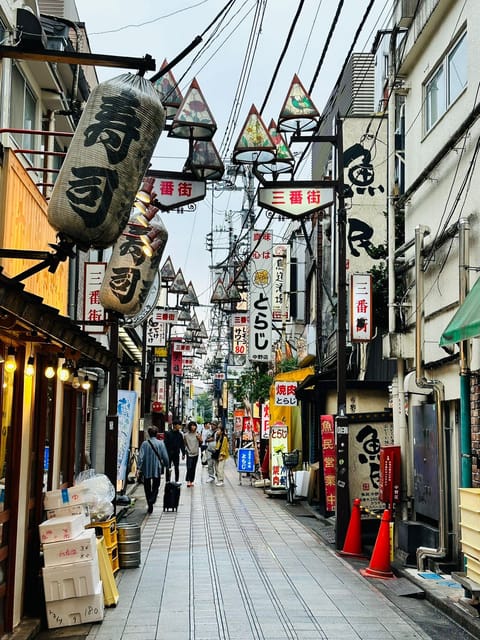
After Harajuku and Shibuya, the day turns toward Asakusa and Sensō-ji Temple. You’ll visit Sensō-ji Temple with a focus on the iconic red lanterns, and you’ll also get guidance through Asakusa’s lanes.
What makes this stop valuable is the explanation layer. Your guide shares the intriguing history of Sensō-ji Temple and other notable sites, which helps you look past the obvious photo spots. Asakusa is not only about one landmark. It’s also about how people move through the area, where you see daily rhythm, and how the temple grounds connect to the surrounding streets.
If you want a Tokyo day that has more than big-city buzz, Asakusa is the turn. It’s slower, more traditional, and it gives your feet a change of pace. It also sets up the final old-town mood later in the day.
Shinjuku viewpoints and Omoide Yokocho Showa atmosphere
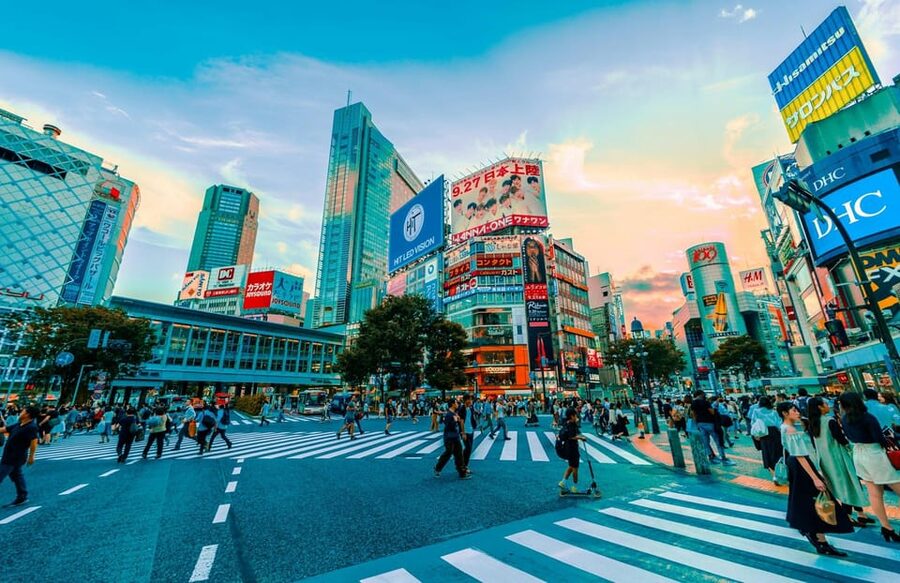
Next is Shinjuku, with a couple of very Tokyo-feeling stops. You’ll take in breathtaking views from the Metropolitan Government Building, then you’ll spend time in Omoide Yokocho, described as nostalgic Showa-era ambiance, basically old Japan style.
This combo is a smart pairing. The viewpoint gives you orientation, letting you see Tokyo as a grid of districts and layers. Then Omoide Yokocho gives you the human scale, with the kind of narrow, atmosphere-heavy alleys that feel like a time capsule compared to the surrounding modern towers.
One consideration: viewpoints can be weather-dependent. If it’s hazy or rainy, the views might be less dramatic than on a clear day, so keep that in mind when you plan your day outdoors. Still, even on a mediocre day, the shift from high to street-level atmosphere is worth it.
Yanaka sitamachi mood to close the day
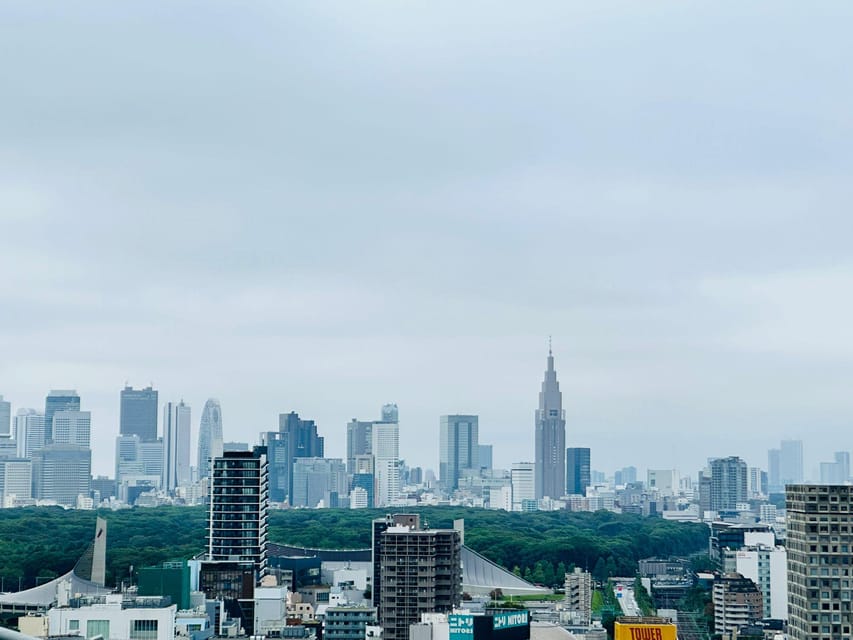
To wrap things up, you’ll visit Yanaka District, known for a sitamachi feel, a nostalgic old Tokyo vibe with a warm community spirit and a traditional look and feel.
This is a great ending because it’s different from the other heavy hitters. You’ve already seen shrine calm, street fashion intensity, and temple landmark energy. Yanaka gives you softer edges: quiet streets, smaller-scale storefronts, and the sense that Tokyo has multiple timelines.
Your guide brings you to quaint shops and galleries and helps you notice the atmosphere that locals recognize. This is the stop where your day feels less like a ride from sight to sight and more like you are part of the neighborhood for a bit.
If you still have energy, stay aware of the time so you don’t rush your last neighborhood walk. This is also the point where having a guide helps most, because you get to pick what you spend your final hour on instead of just following signs.
Price and value: when $63 is a win and when it’s not
At $63 per person for a 1 day private tour, the base price is fairly accessible for what you get: a local guide, a private setup, and a tailored route that covers a lot of ground across Tokyo districts.
But here’s how to judge the true value. Transportation and entrance fees are not included, and meals and drinks are not included. So your total cost depends on what you add: subway or other transit rides, any temple or attraction entry fees, and food stops.
Also, your tour price assumes you want the structure of a guide to connect major areas efficiently. If you only care about one or two locations, you might spend less on a smaller group tour. If you want a day that strings together shrine, street fashion, city icons, temples, a viewpoint, a nostalgic alley, and an old-town neighborhood, this format can be a very good use of time.
A small reality check from past experiences: one note criticized the price relative to using the subway at your own expense. That’s a fair point to consider. If you are watching costs tightly, ask yourself whether you would otherwise pay for taxis, multiple separate tickets, or multiple guided stops. If you would, the value improves.
Who this tour fits best
This is a strong choice if you:
- Want a private guide and the ability to shape your route around your tastes
- Like seeing Tokyo’s variety, from Meiji Jingu to Shibuya to Yanaka
- Prefer guidance for busy areas like Shibuya Crossing and crowded shopping streets
- Enjoy learning why places matter, not just where they are
It may be less suitable if you:
- Want a relaxed day with minimal walking
- Are mostly interested in one single district
- Have limited patience for transit costs since trains are not included in the price
Also, the tour information is somewhat mixed on mobility. The activity claims wheelchair accessibility, but it also states it is not suitable for wheelchair users and people with mobility impairments. If mobility is a concern, you should contact the provider directly before booking.
Should you book this Tokyo private guide day?
If you are doing Tokyo for a limited time and you want your day to feel purposeful, I’d book it. The biggest strength is the route logic, plus the chance for a real human guide to tailor pacing and priorities.
The deal gets better if you’re willing to budget for transit and entrance fees and you come prepared with comfy shoes and cash for spots that may not take credit cards. The guided flow through Shibuya and the context at Sensō-ji are exactly the kind of differences a local guide can make.
In short: if you want a full Tokyo sampler that still feels personal, this is a solid pick.
FAQ
How long is the Tokyo private tailored tour?
It is a 1 day experience.
Where can I be picked up?
You have two pickup location options: Asakusa Station or Harajuku Station. Hotel pickup may be available, and if not, you meet at the station.
Which major stops are included?
The tour includes visits and guided time at Meiji Shrine, Harajuku (including Takeshita Street), Shibuya Crossing (with the Hachiko statue), Nakano Broadway, Sensō-ji Temple and Asakusa, Shinjuku (including the Metropolitan Government Building and Omoide Yokocho), and Yanaka District.
Are meals, entrance fees, and transportation included in the price?
No. Meals and drinks, transportation costs, and entrance fees are not included.
What languages are the guides available in?
The live guide is available in English, German, Italian, Spanish, and French.
Is it wheelchair accessible?
The information provided lists wheelchair accessibility, but it also says it is not suitable for wheelchair users and people with mobility impairments. Because of this conflict, you should confirm directly with the provider before booking.
What is the cancellation policy?
You can cancel up to 24 hours in advance for a full refund.
Latest write-ups near Tokyo
- From Tokyo: Top 5 Scenic Spots of Mount Fuji Full-Day Tour★ 4.5 · 67 reviews
- Tokyo Customized Private Tour: See Top Attractions in 1 Day★ 4.8 · 67 reviews
- Traditional Japanese Music ZAKURO SHOW in Tokyo★ 5.0 · 67 reviews
- Tokyo: Shinjuku Izakaya and Golden Gai Bar Hopping Tour (2h)★ 4.9 · 67 reviews
- Tsukiji: Unlimited Sake Tasting Experience★ 4.9 · 67 reviews
- Samurai Ninja Museum Asakusa: Kid-Friendly Ninja Training★ 4.7 · 67 reviews
- Tokyo: Not a show- a professional sumo practice with experts★ 4.9 · 67 reviews
- Private Harajuku Omotesando Architecture Walking Tour★ 5.0 · 67 reviews
Guided, compared.
Tokyo 6hr Private Tour with Government-Licensed Guide
Read our review →
Shinjuku Local Bar and Izakaya Guided Walking Tour
Read our review →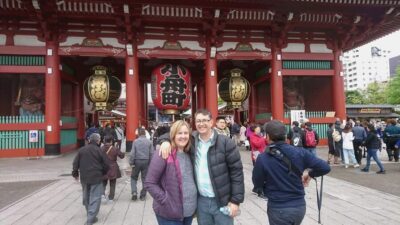
Private City Highlights Tour with Local Guide
Read our review →
Kyoto Early Morning Tour with English-Speaking Guide
Read our review →
Tokyo 4hr Private Tour with Government-Licensed Guide
Read our review →
Kyoto 6hr Private Tour with Government-Licensed Guide
Read our review →