
Reviewed · SAMURAI & NINJA EXPERIENCES
Tokyo: Samurai Adventure! Authentic Sword Experience
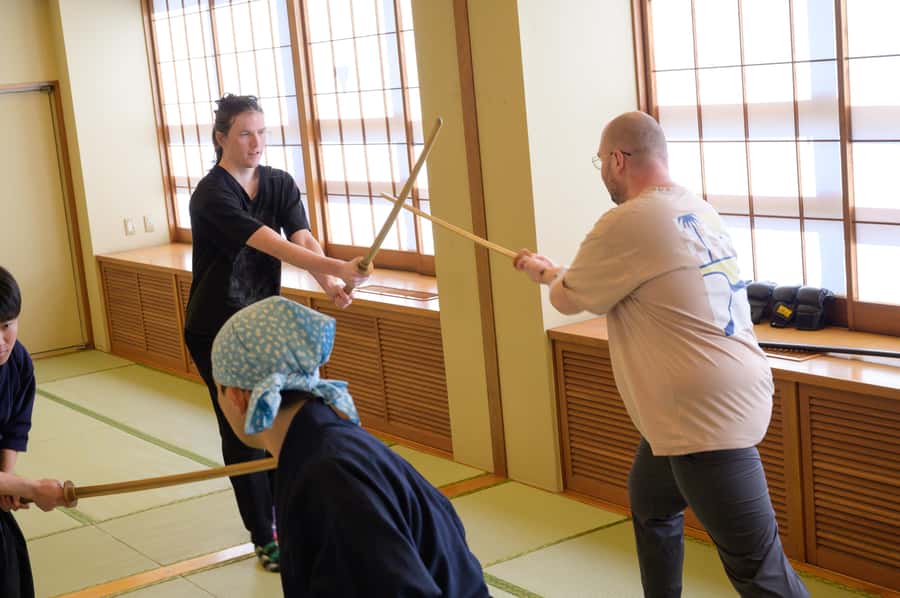
In Tokyo, this Samurai Adventure is interesting because it turns samurai sword myths into a hands-on lesson you can actually participate in, with practice wooden swords and coaching from Dai and Kume. Two things I really like: you learn basic grips, stances, and simple strikes with step-by-step guidance, and the instructors keep the vibe fun and supportive even if you are a total beginner. One drawback to plan for, this is not live, real sword sparring, you are practicing safe, staged movements instead.
You can go as a group in the public course or choose a private class if you want more tailored instruction. Either way, you warm up, work on fundamentals, get paired practice plus an up-close demonstration, and finish with photos to take home.
Key highlights you’ll feel right away
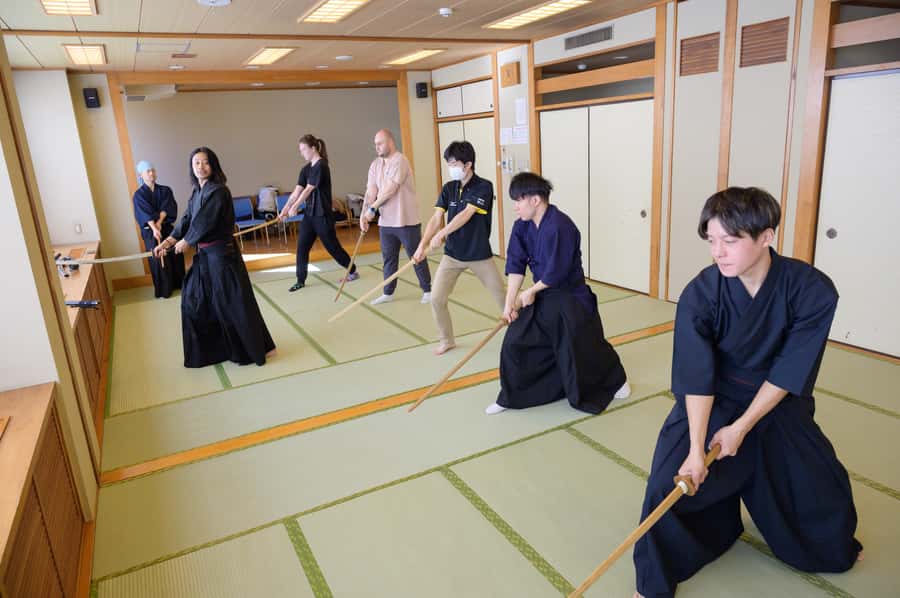
- Public course energy with aspiring actors: You join a class where Japanese actors train samurai action, then practice alongside them.
- Private course for serious focus: A brief samurai history and culture intro comes first, then coaching is tailored to your goals.
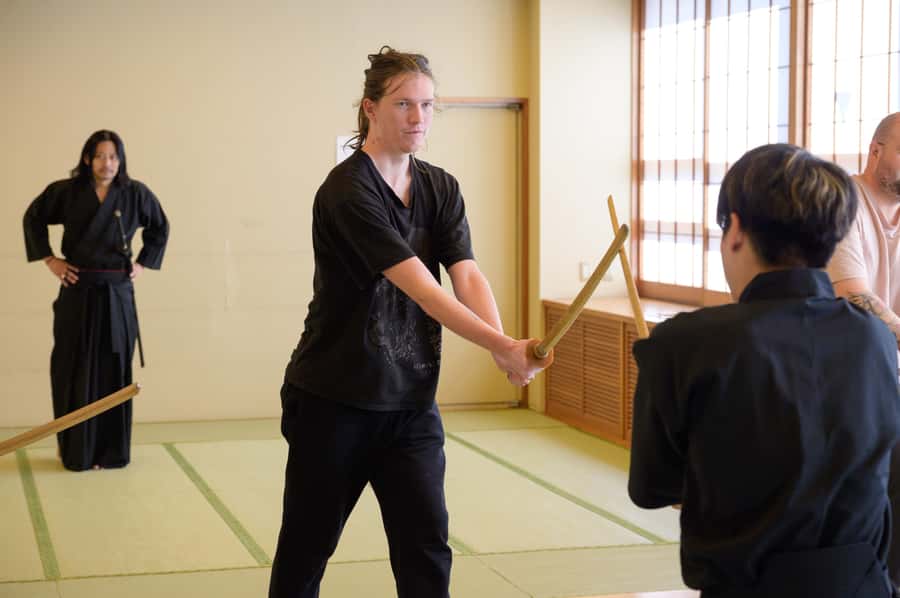
- Safe basics with wooden swords: You practice stance, grip, swings, defensive moves, and paired techniques using provided practice swords.
- Up-close technique viewing: You watch a strong demonstration where you can see control and form up close.
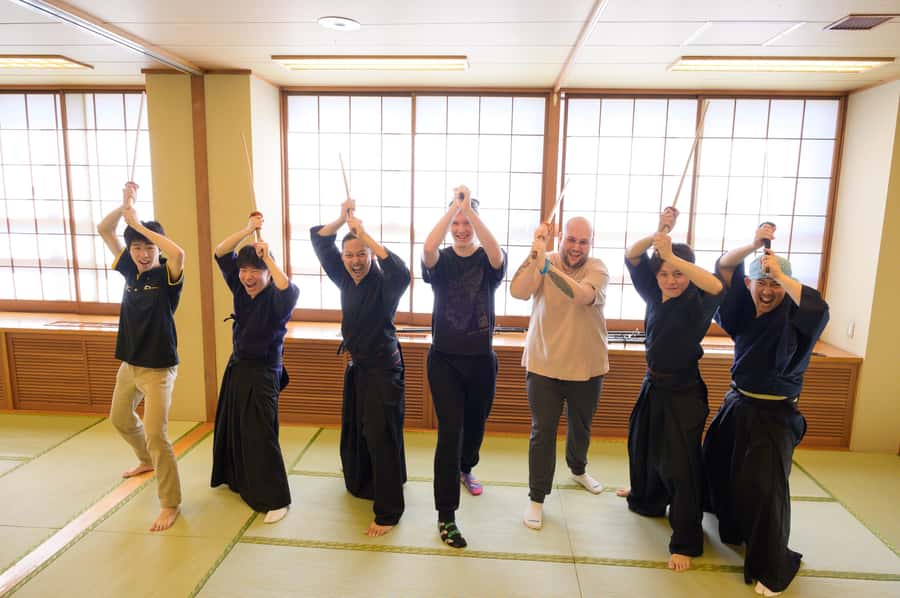
- Photo moment with the samurai: You end the session with memorable photos, and you can opt into a samurai costume.
Why this Tokyo samurai workshop feels fun instead of intimidating
This experience works because it makes sword training approachable without turning it into a stunt show. You are not expected to know anything. Instructors guide your body through the fundamentals, then you build confidence by repeating short movements until they look and feel right.
I especially like that it is a mix of learning and performance. You watch skilled action actors train in their daily routines, then you get hands-on practice right away. That flow matters, because it helps you connect what you see with what you do, instead of leaving you with just a demo and photos.
The instructors, Dai and Kume, come through strongly in the way they teach. People mention how kind, friendly, and detailed their coaching is. That kind of attention is exactly what you want when you are learning stances and sword handling for the first time.
More Samurai & Ninja Experiences in Tokyo
- Tokyo: Samurai Restaurant Show Ticket with 2 Drinks
★ 4.5 · 1,307 reviews - Tokyo: Samurai Ninja Museum Guided tour and Experience
★ 4.6 · 1,010 reviews - Tokyo: Samurai Sword & Archery Class from Samurai Descendant
★ 5.0 · 603 reviews
Getting there: Samurai Experience Photo Studio ICHI as your anchor
Your meeting point is registered on Google Maps as Samurai Experience Photo Studio ICHI. From there, you will start the session and get oriented on-site.
In practical terms, plan to arrive about 15 minutes early so you do not feel rushed. Also expect that you may dress in the studio area first, then move to a nearby dojo building for the training portion. The location is described as easy to reach from major central areas like Tokyo Station, Ginza, and Tsukiji, which is great if you are trying to fit this into a busy day.
If you are doing this on a tight schedule, I suggest you build in a little extra buffer. City crossings in Tokyo can be smooth, but walking between nearby points still takes time.
Public course vs private course: what changes day to day
You can choose between a public course or a private course, and the difference is not just price, it is also how the class energy feels.
In the public course, you join a group session where aspiring Japanese actors learn samurai action. You will observe first, then practice alongside them. The benefit here is momentum. You are surrounded by people learning at the same time, and the shared energy makes it easier to jump in even if you feel shy. Some sessions can even end up feeling closer to a private class if there are only a few participants, which keeps the attention more focused.
In the private course, you get a short introduction to samurai history and culture first. After that, Dai or Kume will tailor the lesson to your level and goals. This option tends to appeal to people who already know martial arts basics or who want more explanation and slower pacing.
If you are going with kids, or if you want an experience that feels social and active, public can be the better fit. If you want deeper coaching and more personal interaction, private is worth considering.
Warm-up and basics: grips, stances, and safe sword handling
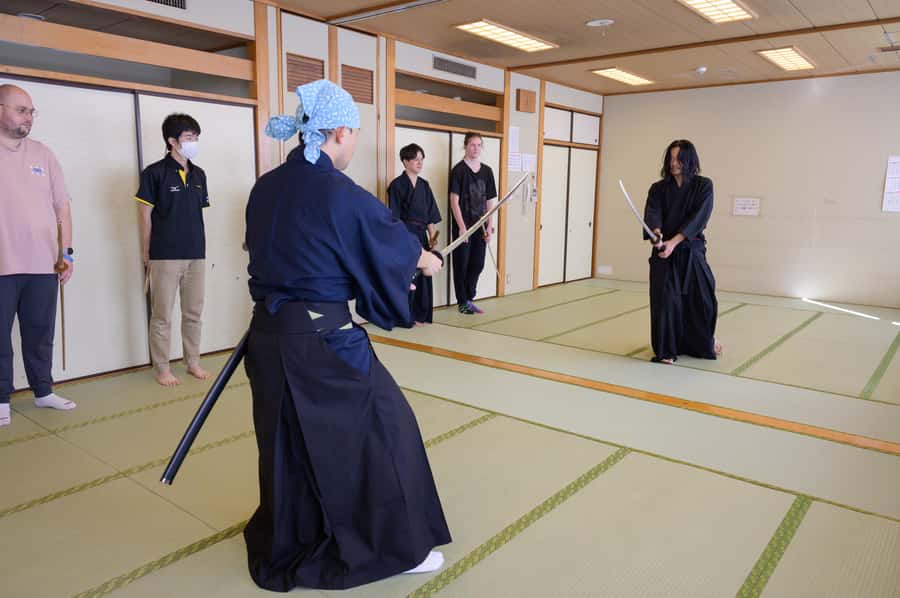
The session starts with warm-up exercises, then moves into the fundamental movements of a samurai sword routine. This part is the backbone of the experience.
You will learn essentials like:
- how to properly grip and hold a sword
- how to swing with control
- how to take up a stance correctly
- how to execute basic strikes and defensive moves using wooden practice swords
This is where the “authentic” feeling matters, because form is the whole game. The wooden sword does two jobs at once. It keeps things safe, and it lets you feel how hand position and body alignment change the motion.
If you are worried about safety or looking awkward, you can relax a bit. The instructions emphasize that the movements are taught safely, with professional guidance, and you do not engage in actual sword fighting.
A change of pace from Tokyo:
- Mt Fuji and Hakone 1-Day Bus Tour Return by Bullet Train
★ 5.0 · 26,383 reviews - 1-Day Tokyo Bus Tour
★ 5.0 · 14,250 reviews - Tokyo: TOKYO SKYTREE® Admission ticket
★ 4.5 · 11,192 reviews - Tokyo: teamLab Planets TOKYO Digital Art Museum Entry Ticket
★ 4.6 · 9,779 reviews
Practice with partners and action-movie moments
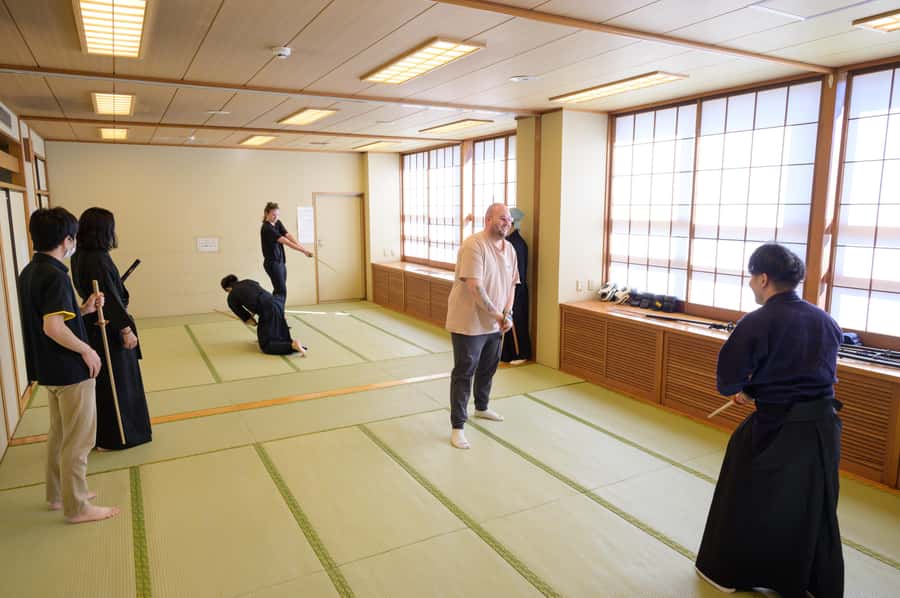
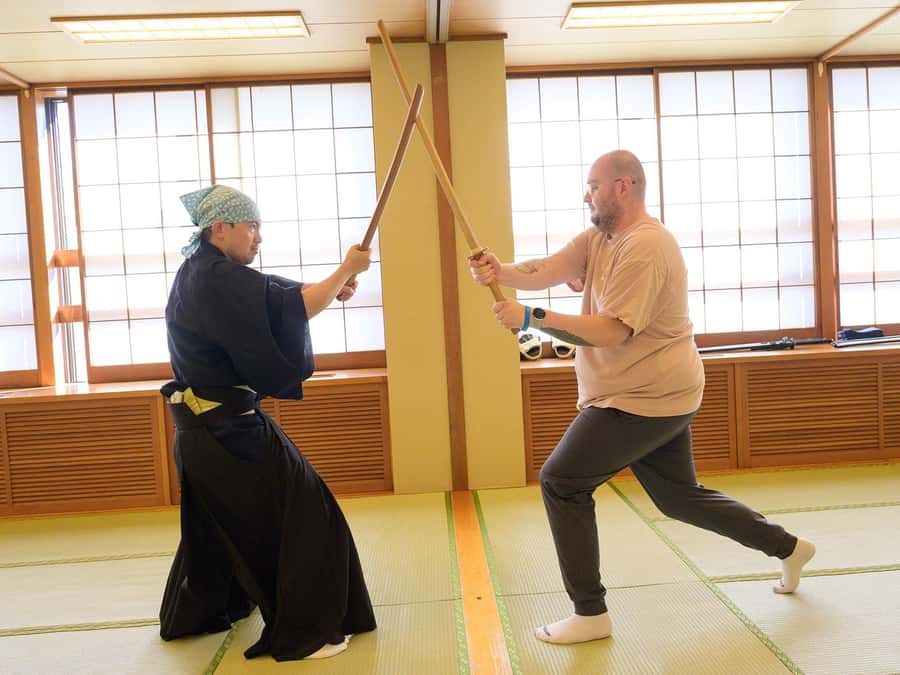
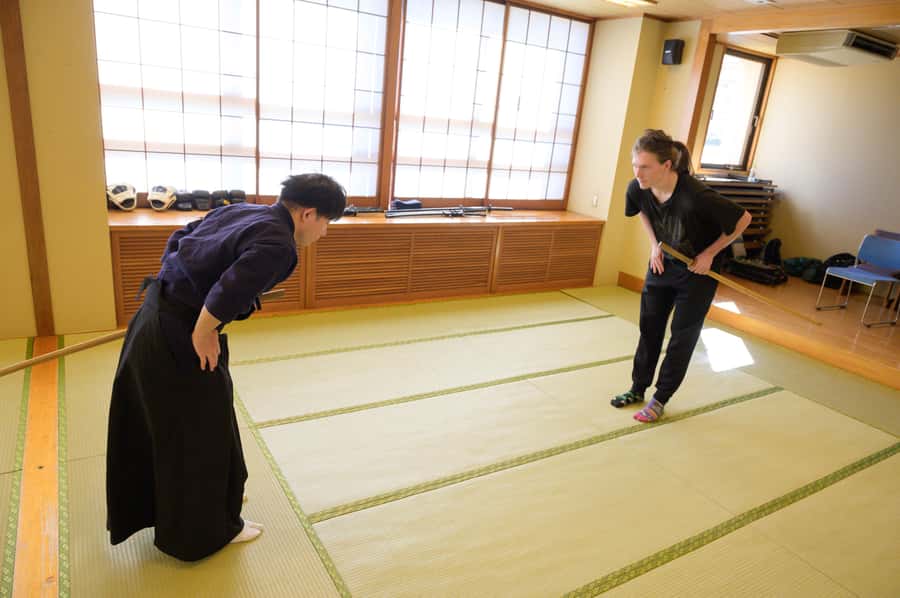
After you have the basic movements down, you step into paired practice. This is where you get a scene that feels straight from an action film, because you and a partner exchange controlled motions rather than just swinging alone.
You also get to witness a strong demonstration by the samurai. Watching a demonstration up close can help you understand timing and distance, two things you cannot fully get just from trying moves on your own.
One practical note: even though it feels dramatic, the pacing is still teaching-focused. You are building correct movement patterns, not trying to win a duel. If you go in with that mindset, you will enjoy it more.
Photos and the optional samurai costume
The session ends with a photo session with the samurai, which is a big part of the “keepsake” value of this workshop.
You may have the chance to wear samurai clothing, and the samurai costume is described as available as an option. Some people also describe time in traditional-style dressing as part of the studio experience, so expect that the visual transformation is part of the fun.
If you are camera-shy, you can still enjoy the training and photos without turning it into a performance. And if you are unsure about participating fully, simply observing can still be enjoyable, since there is a lot to watch: the training drills, the technique demonstration, and the way instructors correct form.
Price and value: is $24 really worth it?
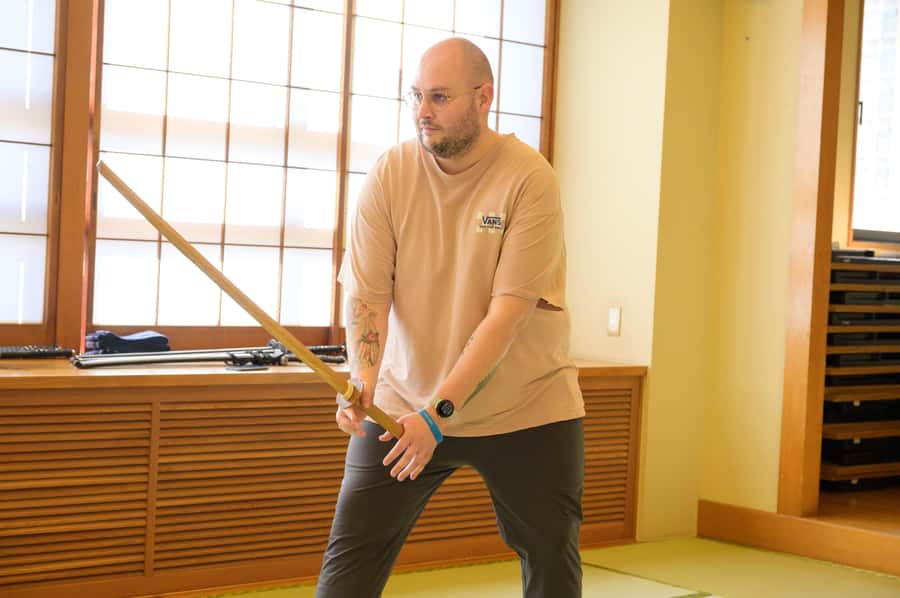
At about $24 per person, this is priced like a short, high-impact activity. That is a good sign for value, because you are getting several components in one go: a history and culture intro (especially in private), live training demonstrations, hands-on practice with provided wooden swords, and a photo session.
Where the value gets real is in the coaching. You are not just paying to watch someone swing a sword. You are paying to learn basic body mechanics and safe sword handling under professional instruction from Dai and Kume.
Also, you should compare this to typical Tokyo paid activities that include either a performance or a workshop. Here, you get both: you watch, you practice, and you leave with photos.
The only true “price surprise” is your expectations about intensity. If you want actual combat or real blade sparring, this is not that. If you want a safe, guided, physical experience that teaches fundamentals, the cost feels fair.
What to wear and bring so you stay comfortable
Plan on moving. Even if your movements start simple, you will use your legs, core, shoulders, and wrists.
Bring:
- comfortable clothes
- closed-toe shoes suitable for physical activity
Avoid:
- high-heeled shoes
- smoking
- drones
- alcohol and drugs
- electric wheelchairs
- explosive substances
I recommend you wear something that lets you bend your knees and lift your arms without friction. If your shoes feel tight, swap them for something you can move in comfortably. Tokyo has plenty of people walking in everything from sneakers to sandals, but this activity is one of those moments where closed-toe is the smart call.
Who should book this, and who should skip it
This experience is not listed for everyone, and that is a good thing. You want training to be safe for your body.
It is not suitable for:
- pregnant women
- people with back problems
- wheelchair users
- people with vertigo
- people with pre-existing medical conditions
If any of those apply, you should look for a different Tokyo activity where you can observe without physical movement demands.
If you are generally healthy and comfortable with basic physical activity, this is a great option for:
- beginners who want a guided, friendly intro
- people who enjoy martial arts culture but do not want complex training
- families looking for an active, memorable hands-on experience
- anyone who wants a Tokyo evening or daytime slot that feels culturally themed but still practical
A simple way to get the most out of your session
To enjoy it fully, go in with a learning mindset. You are not trying to recreate a movie fight. You are building correct movement patterns.
Here are a few practical mindsets that help:
- Focus on stance and grip first, because everything else follows.
- Treat corrections as a gift, even if it feels small in the moment.
- Take the photo at the end as part of the story, not as a separate task.
Also, remember that languages are Japanese and English. If you want clearer explanations, the private course can feel easier because the instructor can tailor the pacing.
Should you book the Tokyo Samurai Adventure?
I would book this if you want a safe, hands-on samurai experience that includes coaching, practice with wooden swords, and an end photo moment, all in central Tokyo. It is especially good if you are a first-timer who wants someone like Dai and Kume guiding your form and keeping the atmosphere welcoming.
Skip it if you are looking for real sword fighting, or if you have medical or mobility concerns listed as not suitable. And if you hate physical activities at all, it might feel like too much.
If your goal is a memorable Tokyo activity that mixes culture, movement, and authentic-style training without the intimidation, this is a strong choice.
FAQ
Where is the meeting point for the experience?
The meeting point is Samurai Experience Photo Studio ICHI. You should be able to find it by searching for it in Google Maps.
Do I need experience with swords to join?
No. The lesson is designed for beginners, and you are taught safe movements using practice swords.
Will I do real sword fighting?
No. You will not engage in actual sword fighting. You learn and practice safe movements using wooden practice swords.
What is the difference between the public and private courses?
In the public course, you join a class where aspiring Japanese actors train samurai action, observe first, then practice alongside the group. In the private course, you get a brief history and culture introduction, and the instructor tailors the lesson to your level and goals.
What should I wear and bring?
Wear comfortable clothes and closed-toe shoes suitable for physical activity. Avoid high-heeled shoes.
Is the workshop available in English?
Yes. The experience is offered in Japanese and English.
Who should not book this experience?
It is not suitable for pregnant women, people with back problems, wheelchair users, people with vertigo, or people with pre-existing medical conditions.
Latest write-ups near Tokyo
- Harajuku Private Tour: Kawaii Fashion & Animal Cafe Included★ 5.0 · 69 reviews
- Mt Fuji Customizable Private Tour English Speaking Driver Pick-up★ 5.0 · 69 reviews
- Tokyo Night Cooking Class: 5 Home-Cooked Japanese Dishes★ 5.0 · 70 reviews
- Tokyo: Sumida Aquarium Entry Ticket★ 4.6 · 70 reviews
- Private Customizable Walking Tour of Tokyo★ 5.0 · 70 reviews
- Wagyu Beef and Sake Pairing Foodie Tour in Tokyo★ 5.0 · 71 reviews
- Official Japan Go-Kart Through Tokyo Bay / Ginza (IDP Required)★ 4.5 · 71 reviews
- Experience Big soba knife Soba Making Class in Tokyo Kappabashi★ 5.0 · 71 reviews
Samurai & Ninja Experiences, compared.
Samurai Ninja Museum Guided tour and Experience
Read our review →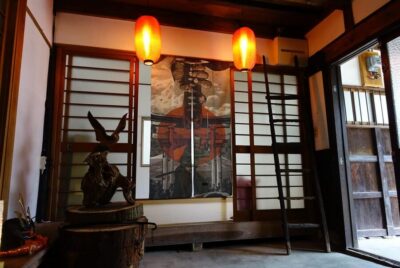
Kendo and Samurai Experience with Uniform and Gear
Read our review →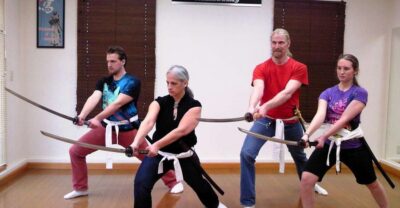
Samurai Sword Class by Experts in Traditional Arts
Read our review →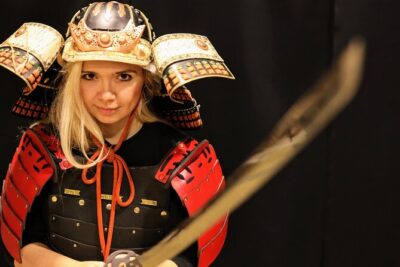
Skip the lines Basic Ticket at SAMURAI NINJA MUSEUM KYOTO
Read our review →
Samurai Sword & Archery Class from Samurai Descendant
Read our review →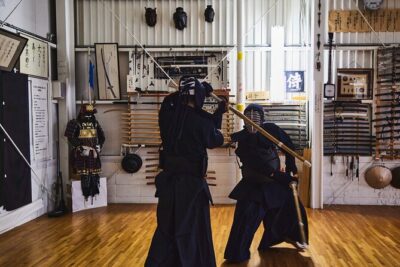
Browse the lists this tour appears in