
Reviewed · SAMURAI & NINJA EXPERIENCES
Tokyo: Samurai Sword Academy in the Hometown of Last Samurai
Hino is where Japan’s Shinsengumi story gets real, not just theatrical. In this Tennen Rishin-ryu dojo setting, you learn sword skills tied to the Edo period and the group often called the Last Samurai, with descendants teaching you how it’s done.
Two things I especially like: you get hands-on coaching while wearing the proper practice gear and you also get real time to handle a Japanese sword, not only pose for photos. The second best part is the teaching style, serious about safe technique but still warm and patient, led by Masao Inoue at the Tennen Rishin-ryu Hino Dojo.
One possible drawback: this is not a casual stroll. The class has clear physical limitations, and it may not work for anyone with back problems, heart problems, recent surgeries, mobility issues, or anyone who gets vertigo.
Key highlights you will remember
Authentic lineage teaching from Masao Inoue and the Tennen Rishin-ryu Hino Dojo
Small group size capped at 4 participants for more hands-on attention
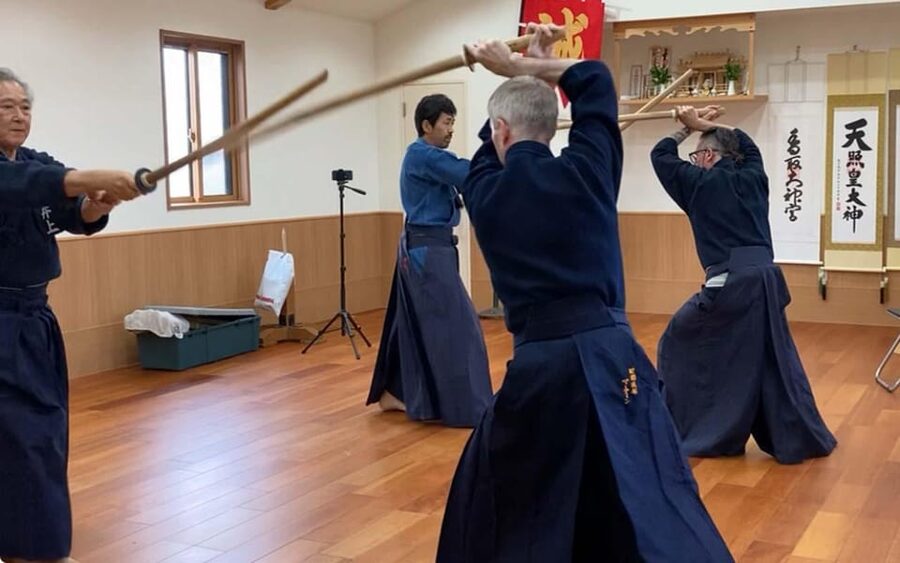
Step-by-step sword training using wooden swords first, then moving toward real sword handling
Dojo atmosphere that feels like the real place, not a staged set
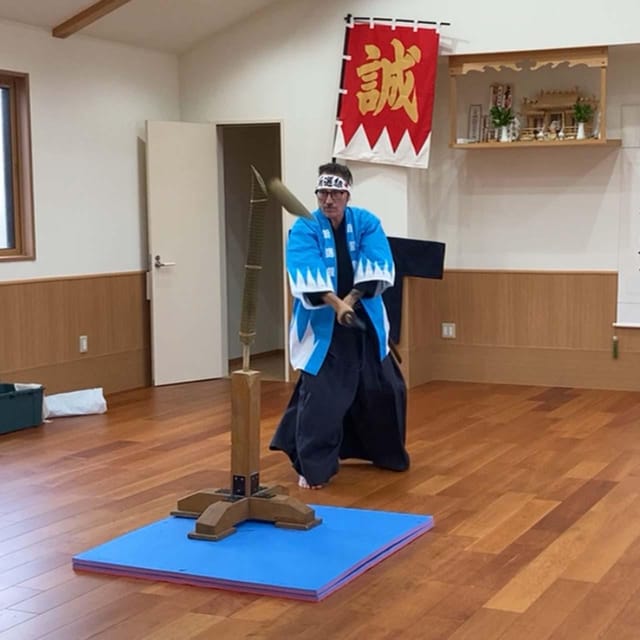
Shinsengumi uniform moments, including dogi and hakama plus the dandara baori
A final surprise that adds a fun ending to the serious practice
Hino, the Shinsengumi hometown where sword practice has weight
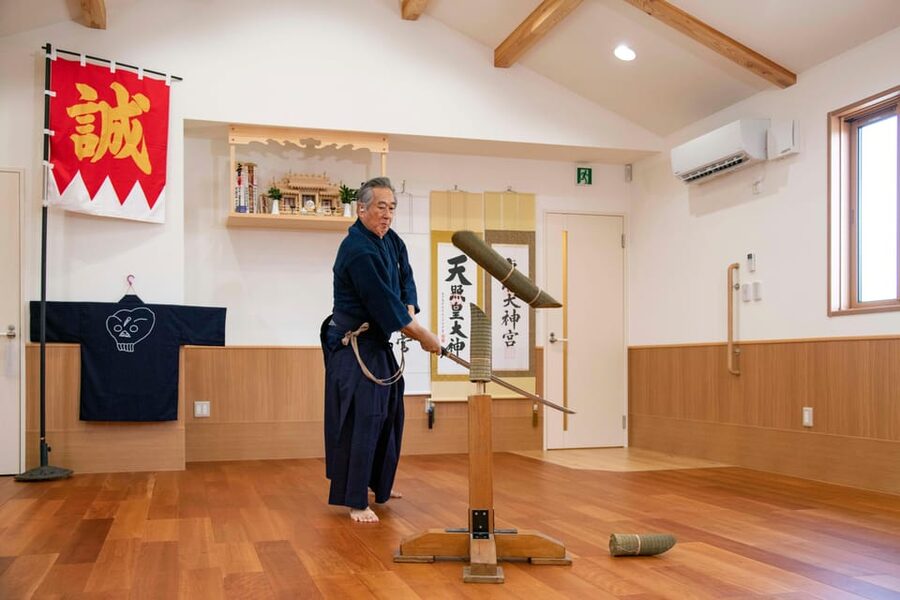
If you want your samurai experience to feel grounded, this is the kind of place that does it. Hino is closely tied to the Shinsengumi, and the dojo experience is built around Tennen Rishin-ryu, a sword system that traces back to the Edo period and continues today.
That matters because sword arts can turn into either museum talk or tourist performance. Here, you are in a real training hall, moving your body, learning the basics of how a trained swordsman stands and controls space. You are not just looking at history. You are doing a small, safe version of it under instruction.
More Samurai & Ninja Experiences in Tokyo
- Tokyo: Samurai Restaurant Show Ticket with 2 Drinks
★ 4.5 · 1,307 reviews - Tokyo: Samurai Ninja Museum Guided tour and Experience
★ 4.6 · 1,010 reviews - Tokyo: Samurai Sword & Archery Class from Samurai Descendant
★ 5.0 · 603 reviews
Price and time: what $116 buys in real practice time
At about $116 per person for roughly 2 hours, this is a premium activity compared with generic workshops. But the cost makes sense when you see what’s included: instructors, a staged sword training program, practice gear, and the opportunity to handle a Japanese sword.
It is also a small group class, limited to 4 participants, which usually means less waiting around. In a solo or crowded setting, you often spend time watching. Here, you spend more time getting corrections, especially when you are learning posture and footwork.
Also, the time is just long enough to teach you progression. You start with setup and safe movement, then you move into kata-like practice and controlled cutting. This feels like a real lesson rather than a quick demo.
Finding the class at Inoue Genzaburo Museum, second floor
The meeting point is on the second floor of the Inoue Genzaburo Museum, about a 5-minute walk from Hino Station on the JR Chuo Line. That’s useful because it keeps your day simple. You can plan your train from the Tokyo area, get off at Hino Station, then follow the short walk to the museum.
Once you arrive, the vibe shifts quickly. The venue is built for this kind of training, and that helps you drop into the right mindset. You will be going in wearing practice clothes you receive on site, and it helps to arrive ready to follow the instructor’s pace.
What happens first inside the dojo: posture, footwork, and safety
The class begins with a focus on basics that you might think are too simple until you try them. You will work on correct posture and foot placement early on, because the instructors want you stable before you add speed or sword movement.
This is one of those “the boring part is the important part” situations that pays off. When your base is wrong, your arms do all the work, and that’s where sloppy motion turns into real risk. When your base is correct, the whole body supports the movement.
You also get a sense of how disciplined training is approached in this dojo. It is serious about safe form, but the instructors keep it human, explaining not only how to move but why the position matters. That approach makes a big difference for beginners.
A change of pace from Tokyo:
- Mt Fuji and Hakone 1-Day Bus Tour Return by Bullet Train
★ 5.0 · 26,383 reviews - 1-Day Tokyo Bus Tour
★ 5.0 · 14,250 reviews - Tokyo: TOKYO SKYTREE® Admission ticket
★ 4.5 · 11,192 reviews - Tokyo: teamLab Planets TOKYO Digital Art Museum Entry Ticket
★ 4.6 · 9,779 reviews
Wooden sword training: learning the shapes before the force
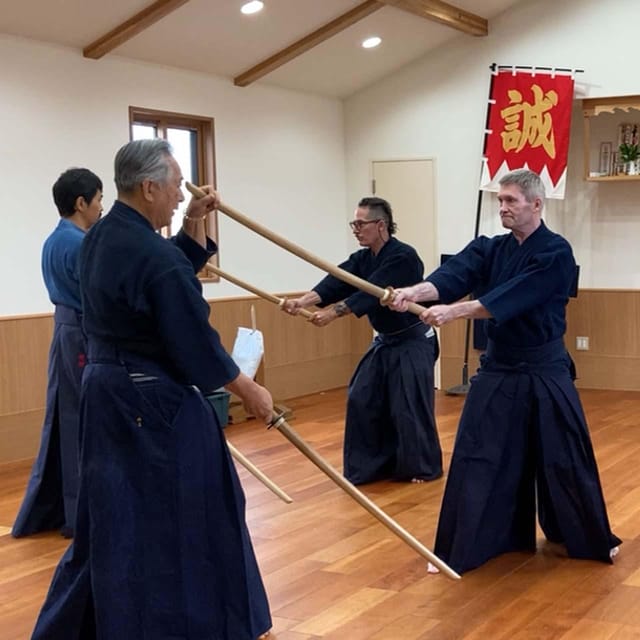
After the setup, you practice with a wooden sword, which is exactly what you want at this stage. Wooden swords let you learn the motion patterns and transitions without the fear of damaging gear or losing control.
In a good dojo, the wooden phase isn’t a toy step. It is where you learn the rhythm of the kata, the direction of cuts, and the way your hips and feet coordinate. You are also introduced to stances and controlled practice so that when you later handle a real blade, your body already knows what to do.
From the experience’s structure, you can expect staged progress. The training is built to move you from safe foundational movement to more involved practice without throwing you in too fast. That staged approach is repeatedly praised, because it makes the class feel both authentic and safe.
Real sword handling: the moment it clicks
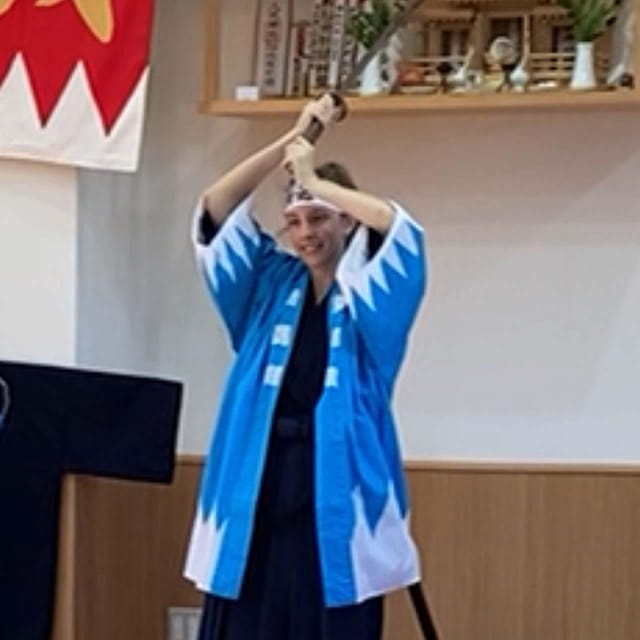
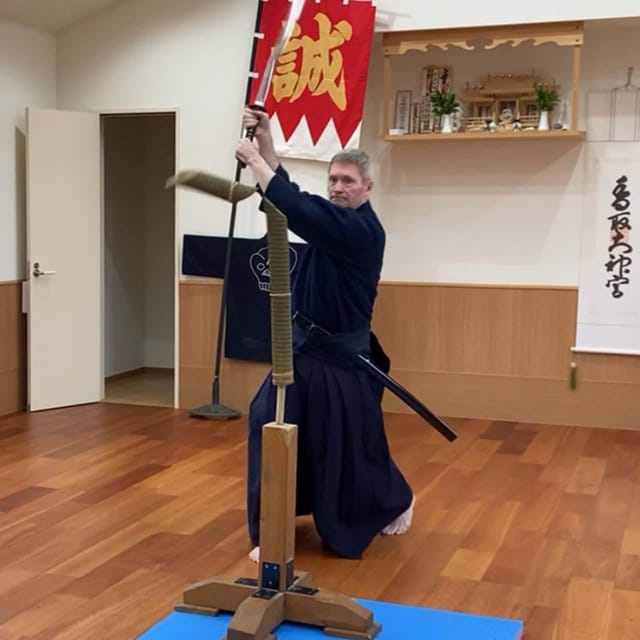
At some point you move from wooden practice to handling a Japanese sword. That moment is not just a thrill. It changes how you perceive the art, because the weight and balance force you to respect the tool.
You are taught in a way that keeps your focus on technique, not showmanship. The goal is controlled motion, correct alignment, and safe handling under supervision.
And yes, you may also try cutting. Some versions of this experience include cutting practice like slicing tatami mats, and there is mention of trying a bamboo cut as part of the progression. Either way, the idea is consistent: after you learn posture and movement, you apply it with a target, so the practice becomes real.
Wearing the gear: dogi, hakama, and the dandara baori
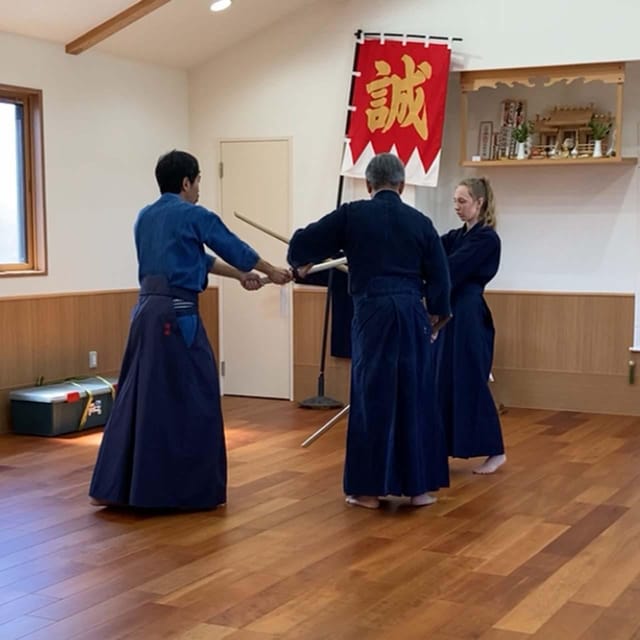
One of the most fun practical parts is the uniform moment. You receive practice attire, including a dogi and hakama, and you also get to wear the dandara baori, associated with the Shinsengumi look.
This is not just for photos. Clothing like this changes how you move and how you settle your posture. It also helps you step into the dojo mindset. When you see yourself dressed for practice, it’s easier to treat the class like training rather than a casual activity.
The instructors and the Shinsengumi connection you can actually feel
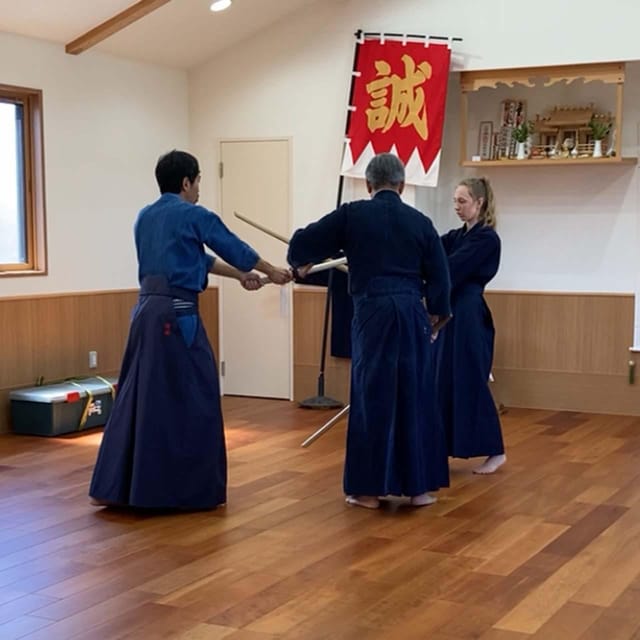
The experience is led by Masao Inoue, chairman of the Tennen Rishin-ryu Hino Dojo, and a descendant of the Shinsengumi executive Genzaburo Inoue. That family link is one of the reasons the class feels like more than a one-off tourist workshop.
Instructors are described as patient and attentive, mixing seriousness with friendly encouragement. They also use clear teaching cues, like explaining how foot placement helps prevent injury, and they keep corrections focused on technique rather than ego.
This is a big value point for you. When you are learning something technical with sharp tools, you want instructors who slow things down when needed. You also want them to treat your questions like part of the training, not interruptions.
The cultural layer: why this isn’t just sword moves
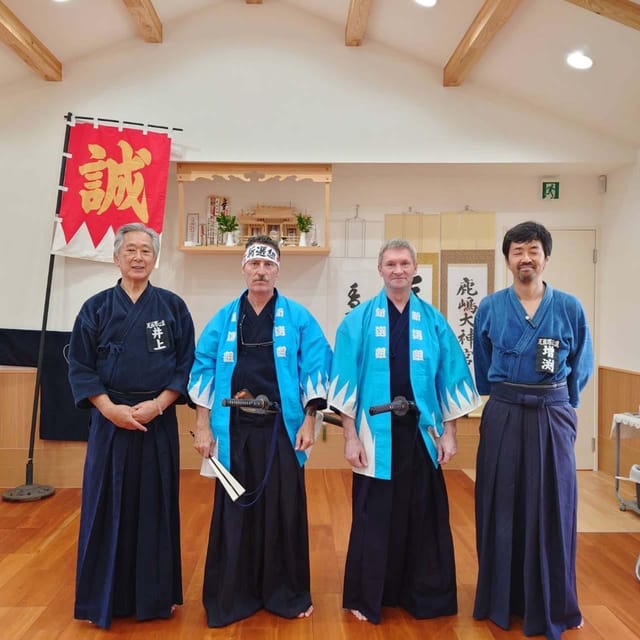
Because the teaching is tied to Shinsengumi roots, the class connects movement to place. You are practicing in the hometown of the Shinsengumi, and that context helps the whole experience feel less generic.
You also may receive a Shinsengumi map with key historical spots at the end. That kind of extra is small, but it’s useful. It turns your training morning or afternoon into a route you can follow, so the story continues after you leave the dojo.
And there is also mention of a final surprise at the end of the program. It’s not the core of the training, but it helps the experience land with a positive, memorable finish.
Who this suits best, and who should skip
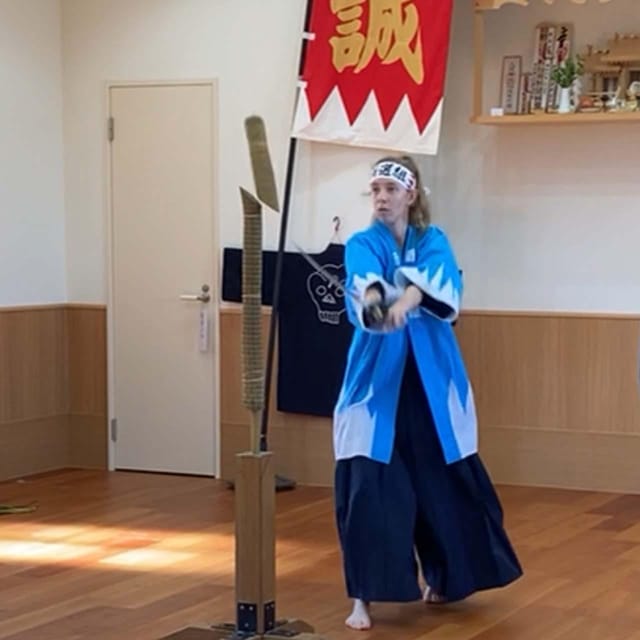
This is best for people who want hands-on learning and respect training discipline. If you enjoy structured classes, don’t mind physical basics like stance work, and want to understand why techniques work, you will likely love this.
It is not suitable for:
- Pregnant women
- People with back problems, heart problems, recent surgeries, or low level of fitness
- People with mobility impairments, wheelchair users, or anyone with vertigo
- Children under 18
- People with a cold, altitude sickness
- People over 75
If any of those categories apply to you, this may be a hard no based on safety requirements. If you are healthy and comfortable standing and moving for around two hours, it’s a strong fit.
Small group pacing: the real reason you learn more here
Limiting the group to 4 participants isn’t just a marketing line. It affects everything.
In a small group, instructors can watch your stance, correct your foot placement, and adjust your timing without you waiting your turn for long periods. That means you get better feedback during the parts that matter most: where your weight sits, how your cut lines up, and whether your body stays stable.
It also helps the overall mood. Training gets focused and respectful, and that makes it easier to learn without feeling rushed or judged.
FAQ
FAQ
How long is the Samurai Sword Academy experience in Hino?
The duration is about 2 hours.
Where is the meeting point?
You meet at the second floor of the Inoue Genzaburo Museum, about a 5-minute walk from Hino Station on the JR Chuo Line.
Is this a small group class?
Yes. It is limited to 4 participants.
What style of swordsmanship will you learn?
You learn Tennen Rishin-ryu swordsmanship.
Will you handle a real Japanese sword?
Yes. The experience includes handling a Japanese sword.
What training gear is included?
You get dogi and hakama (practice uniform), plus the dandara baori. You also use a wooden sword.
What languages are the instructors?
The instructor can teach in English and Japanese.
Who should not book?
It is not suitable for pregnant women, people with back problems, people with mobility impairments or wheelchair users, people with heart problems, vertigo, children under 18, people with a cold, people with altitude sickness, people over 75, people with recent surgeries, or people with low level of fitness.
What if my plans change and I need to cancel?
There is free cancellation up to 24 hours in advance for a full refund.
Can I reserve without paying right away?
Yes. It offers a reserve now and pay later option, so you can book and pay nothing today.
Should you book this sword academy in Hino?
If you want an authentic samurai sword experience tied to the Shinsengumi legacy, this is one of the better choices around Tokyo. The small group size, the step-by-step progression from wooden sword to Japanese sword handling, and the connection to Masao Inoue and the Hino Dojo make it feel like real training, not a staged show.
Book it if you are physically able to stand, move, and follow safety instructions closely. Skip it if any of the health and mobility restrictions apply to you. If you meet the requirements, you will leave with more than a memory, you’ll leave with technique, posture cues, and a story you can keep exploring around Hino.
Latest write-ups near Tokyo
- Tokyo Nights: Shibuya Photo Adventure★ 5.0 · 20 reviews
- Wagyu & Sake 8 Course Tasting Dinner in Shinjuku★ 4.9 · 20 reviews
- Making Japanese desserts Nerikiri & drinking matcha in Tokyo★ 5.0 · 20 reviews
- Japanese Whisky Hunting《HIGH-QUALITY-ONLY》Rare Tasting Class★ 5.0 · 20 reviews
- Mt. Fuji 5th Station, Owakudani Ropeway, Pirate Ship plus Outlet shopping!★ 4.5 · 20 reviews
- Kintsugi Experience with Arita Ware in Tokyo (English Guide)★ 4.8 · 20 reviews
- This is Asakusa! A Tour Includes the All Must-Sees!★ 5.0 · 20 reviews
- Ebisu Local Food Tour: Shibuya’s Most Popular Neighborhood★ 5.0 · 20 reviews
Samurai & Ninja Experiences, compared.

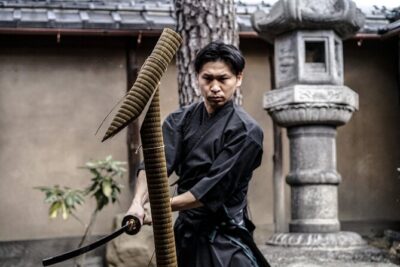
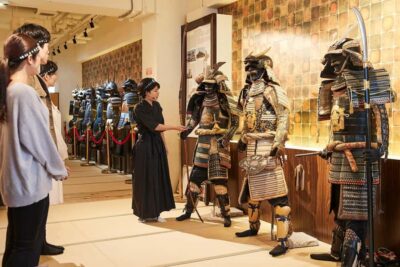
Samurai Ninja Museum Guided tour and Experience
Read our review →
Kendo and Samurai Experience with Uniform and Gear
Read our review →
Samurai Sword Class by Experts in Traditional Arts
Read our review →
Skip the lines Basic Ticket at SAMURAI NINJA MUSEUM KYOTO
Read our review →
Samurai Sword & Archery Class from Samurai Descendant
Read our review →
Browse the lists this tour appears in