
Reviewed · SAMURAI & NINJA EXPERIENCES
Tokyo: Samurai Sword Academy in the Hometown of the Last Samurai
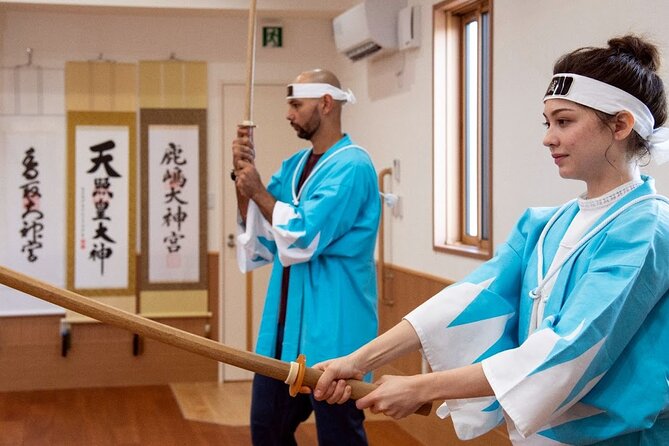
Tokyo’s samurai sword academy experience is interesting because it is not a show. You train in the real Tennen Rishin-ryu tradition in Hino, tied to the Shinsengumi story people call the Last Samurai legacy. I love that it is taught in an authentic dojo setting, and I love the chance to handle a Japanese sword and learn the forms and basic discipline that go with it. One drawback to consider is that this is hands-on training, not a casual sightseeing stop, so you should be ready to focus.
I also like the small group limit, since max 4 travelers means you get real attention instead of standing in line waiting your turn. Plan on a 2-hour session and a moderate fitness level, mostly because good sword practice asks for steady posture and controlled movement.
Key points to know before you go
- Authentic dojo training focused on Tennen Rishin-ryu basics, not a staged performance
- Masao Inoue leads the program, with lineage tied to Shinsengumi leadership
- Real Japanese sword handling so you learn what grip and posture actually feel like
- Small group size (up to 4) for better coaching and safer guidance
- English support may be available, which can make the techniques easier to follow
- Hino City connection to the Shinsengumi, so the history lands while you train
Samurai sword practice in Hino, where the Shinsengumi story lives
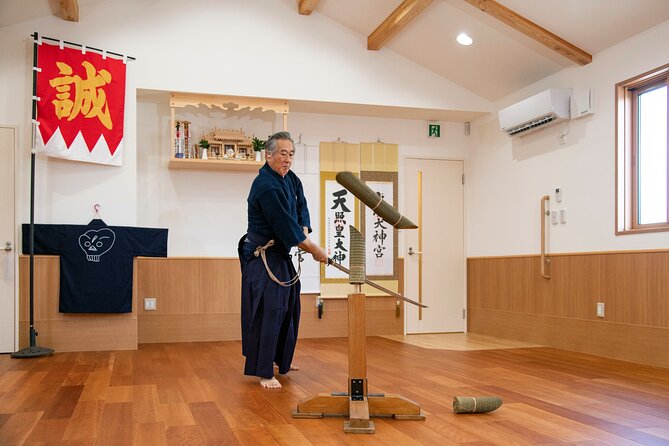
If you’re looking for samurai culture that feels like something more than a photo backdrop, this is the right kind of experience. Hino City is presented as part of the Shinsengumi homeland story, and the training is built around Tennen Rishin-ryu swordsmanship that traces back to the Edo period. In other words, you are not just hearing about the past. You’re doing the basics that still exist today.
What makes this special for me is the tone. The academy describes the session as real swordsmanship practice in an actual dojo. That means you can expect etiquette, instruction, and technique, not only an explanation. You’ll come away with a clearer sense of how sword skill is trained over time, and why discipline is part of the art, not an extra.
More Samurai & Ninja Experiences in Tokyo
- Tokyo: Samurai Restaurant Show Ticket with 2 Drinks
★ 4.5 · 1,307 reviews - Tokyo: Samurai Ninja Museum Guided tour and Experience
★ 4.6 · 1,010 reviews - Tokyo: Samurai Sword & Archery Class from Samurai Descendant
★ 5.0 · 603 reviews
Genzaburo Inoue Shiryokan start, then training with Masao Inoue
Your session starts at Genzaburo Inoue Shiryokan, in Hinohonmachi, Hino, Tokyo. The meeting point matters because it sets the mood right away, and the address is clearly given, so you can plan your trip with less guesswork.
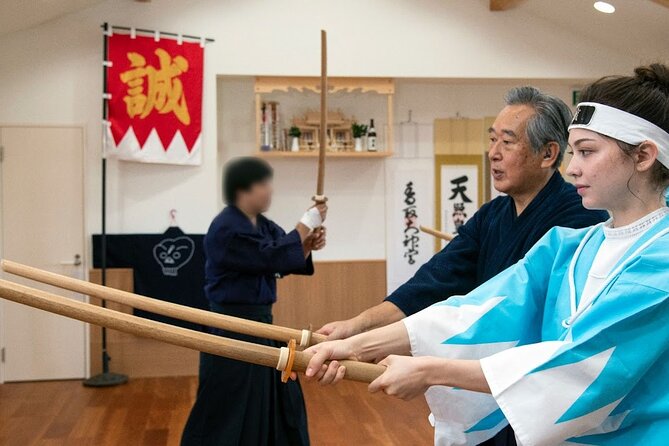
Leadership is another big reason to book. The program is led by Masao Inoue, the chairman of the Tennen Rishin-ryu Hino Dojo. He is described as a descendant of Genzaburo Inoue, who is linked with Shinsengumi history. That connection is more than a trivia point. When the instructor carries lineage like that, you tend to get careful teaching habits, strict respect for form, and a focus on doing things correctly from the start.
For language, you may find English guidance during the experience, based on how instruction has been supported for participants in the past. If you prefer an explanation as you practice, it helps to know that support is possible, not guaranteed. Either way, you should still be ready to learn through demonstration, since sword practice is all about movement.
Learning Tennen Rishin-ryu basics: forms, posture, and etiquette
This experience is built around learning the essence of Tennen Rishin-ryu by practicing in the actual dojo. The goal is not to turn you into a swordsman in one afternoon. The goal is to give you a real entry point: basic forms, how to take position, and how to carry yourself like you understand what you’re holding.
In practice, that usually includes things like:
- Basic forms (kata)
- Sword stance and posture
- How to move with controlled intent
- Rei, or respectful etiquette, which sets the training tone
You’ll likely feel an immediate difference between what sword videos look like and what the physical details require. Footwork, body alignment, arm tension, and timing all matter. The instructors guide you so you can try the basics safely and with better technique than you’d guess on your own.
One thing I appreciate here is that the session is described as for anyone who wants to learn the art in a true dojo setting. That makes it more approachable than the name might suggest. Still, “anyone” in a dojo context usually means anyone willing to listen, try, and respect the environment.
Handling a Japanese sword the way a dojo expects
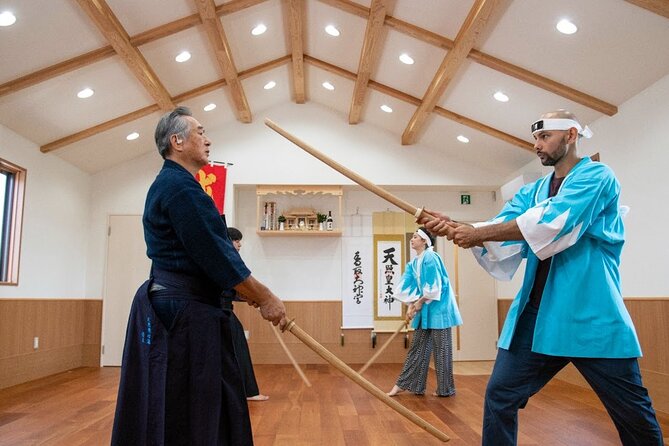
One highlight is that you can actually handle a Japanese sword, described as the soul of the samurai. That phrase can sound dramatic, but the practical value is real. When you hold a sword, you learn quickly that weight distribution, grip, and controlled movement are everything.
What you should focus on as you handle the sword:
- Let the instructor set your grip and posture first.
- Move only as directed, even if you feel awkward.
- Think about calm, not speed. Clean form comes before power.
- Ask for clarification when you’re unsure how a position should feel.
There’s also a chance that you may try more advanced practice like test cutting, based on how the experience has been described by past participants. If your session includes any cutting practice, expect extra attention to safety and technique. In a dojo setting, you don’t wing it. You follow instruction, and you learn what part of the cut matters.
This is where you’ll get the biggest difference between a “try it” souvenir activity and real training. You’re not just swinging a sword. You’re learning what the dojo wants your body to do.
A change of pace from Tokyo:
- Mt Fuji and Hakone 1-Day Bus Tour Return by Bullet Train
★ 5.0 · 26,383 reviews - 1-Day Tokyo Bus Tour
★ 5.0 · 14,250 reviews - Tokyo: TOKYO SKYTREE® Admission ticket
★ 4.5 · 11,192 reviews - Tokyo: teamLab Planets TOKYO Digital Art Museum Entry Ticket
★ 4.6 · 9,779 reviews
The Shinsengumi connection, and why it matters while you train
This academy ties itself directly to the Shinsengumi. The instructors describe the Shinsengumi as a group known at the end of the Edo period, and call them the Shogun’s Last Samurai in this context. They also connect the Tennen Rishin-ryu swordsmanship tradition to the people associated with the Shinsengumi story in Hino.
So what does that mean for you in the real world?
It means you get a sense of meaning while you practice. When you’re learning forms and etiquette, having historical context helps you understand why sword skill came with strict rules. You start to notice how the art is about readiness, control, and respect, not only physical ability.
Also, this isn’t just “Japanese culture” in general. It is Hino City’s specific narrative. That gives the experience a sharper edge than generic sword experiences you might find elsewhere.
Time, price, and value for a 2-hour session
The price is listed at $118.60 per person for about 2 hours. That may sound steep if you’re comparing it to casual workshops. But here’s the value logic that matters.
You’re paying for:
- Dojo-based instruction, not a one-off demo
- Small group size (up to 4), which usually improves coaching quality
- A real sword handling component
- A named instructor, Masao Inoue, connected to the dojo’s lineage
- A structured practice flow, with etiquette and forms
For $118.60, you’re also buying a more serious skill experience. You leave with technique you can remember, and the confidence that you learned it the right way, not just copied a pose.
If your travel style is hands-on and you enjoy disciplined learning, the cost feels more justified. If you want a low-effort, high-entertainment activity, you may find this less satisfying than something more sightseeing oriented.
Logistics that actually affect your day
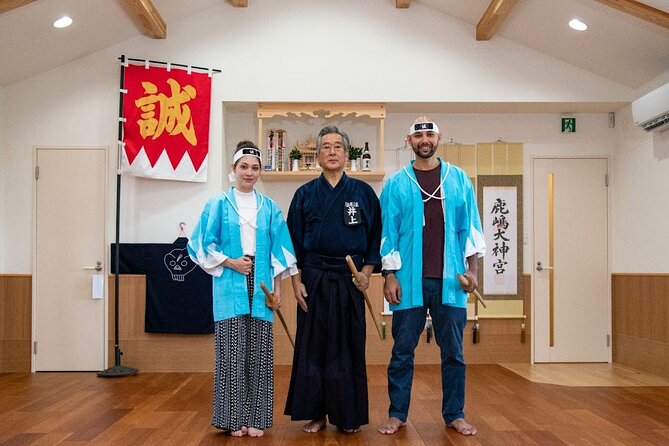
The session lasts around 2 hours and starts at 1:00 pm. It ends back at the meeting point, so you can plan the rest of your afternoon without a complicated schedule.
Transport-wise, it’s described as near public transportation. That’s useful in Tokyo, where travel time can add up fast. Also, the tour uses a mobile ticket, which is handy because you won’t need to hunt for printed vouchers.
Fitness-wise, the experience notes a moderate physical fitness level. That doesn’t mean you need to be an athlete. It does mean you should be comfortable standing, moving in controlled ways, and staying focused through the practice.
And the max group size is 4 travelers. That’s a real benefit for safety and for your learning. You won’t get lost in a crowd.
Tips to get better results in your first kenjutsu session
If it’s your first time, here’s how to set yourself up for success.
- Arrive early enough to breathe and settle in. Sword training rewards calm concentration.
- Wear comfortable clothes. You’ll want clothing that allows movement and stable posture.
- Keep questions short and specific. If you’re unsure about posture or a step, ask right away.
- Focus on form, not force. Clean movement is what makes technique work.
- Treat etiquette seriously. In a dojo, small details matter, and they affect how the training goes.
I’d also suggest mentally switching from tourist mode to student mode. You’re there to learn basics, and that mindset helps you enjoy the tension and intensity of real practice.
Who should book this experience, and who might skip it
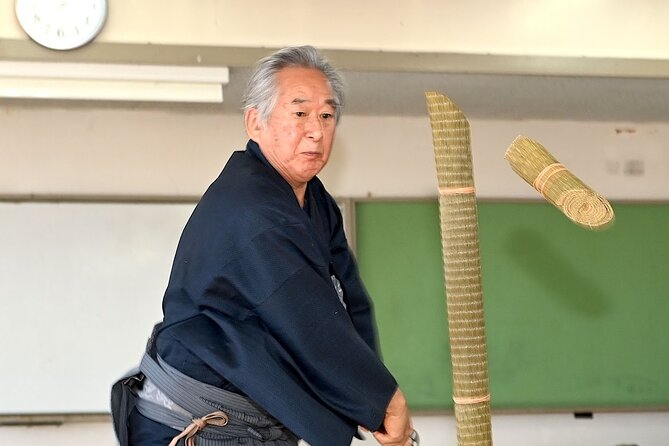
Book it if you:
- Want a real dojo training experience, not a performance
- Like hands-on learning and skill-based travel
- Are curious about the Shinsengumi and Tennen Rishin-ryu connection to Edo-era traditions
- Prefer smaller group instruction (up to 4)
You might consider skipping if you:
- Want a relaxed, purely sightseeing afternoon
- Don’t want any physical participation beyond light standing
- Expect a casual, beginner-free vibe with no etiquette expectations
This is a strong fit for first-timers who are respectful and open-minded. It’s also a good fit if you’re a history-minded traveler who likes your culture tied to action, not just information.
Should you book Samurai Sword Academy in the Hometown of the Last Samurai?
Yes, if you want an authentic sword practice experience in Tokyo that actually teaches you basics and etiquette. The combination of Masao Inoue’s leadership, small group size, and real sword handling makes this feel like a skill session with real value. The Shinsengumi connection in Hino City adds meaning while you learn, so it doesn’t feel like generic “samurai branding.”
If you’re price-sensitive or you only want a quick, low-effort activity, you might find better options. But if you’re the type who enjoys instruction, controlled movement, and doing something you can’t just Google, this one is worth your time.
Latest write-ups near Tokyo
- Tokyo Customized Private Tour: See Top Attractions in 1 Day★ 4.8 · 67 reviews
- From Tokyo: Top 5 Scenic Spots of Mount Fuji Full-Day Tour★ 4.5 · 67 reviews
- Traditional Japanese Music ZAKURO SHOW in Tokyo★ 5.0 · 67 reviews
- Tokyo: Shinjuku Izakaya and Golden Gai Bar Hopping Tour (2h)★ 4.9 · 67 reviews
- Tsukiji: Unlimited Sake Tasting Experience★ 4.9 · 67 reviews
- Samurai Ninja Museum Asakusa: Kid-Friendly Ninja Training★ 4.7 · 67 reviews
- Tokyo: Not a show- a professional sumo practice with experts★ 4.9 · 67 reviews
- Private Harajuku Omotesando Architecture Walking Tour★ 5.0 · 67 reviews
Samurai & Ninja Experiences, compared.

Samurai Ninja Museum Guided tour and Experience
Read our review →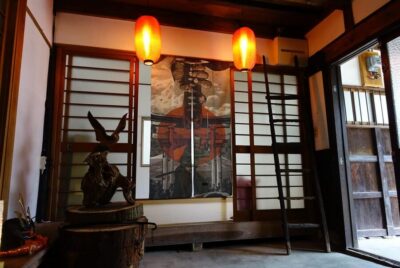
Kendo and Samurai Experience with Uniform and Gear
Read our review →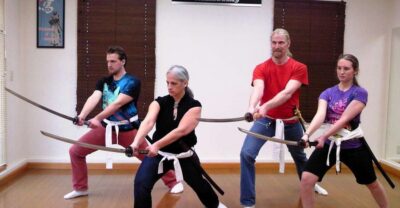
Samurai Sword Class by Experts in Traditional Arts
Read our review →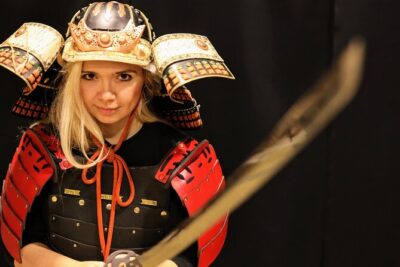
Skip the lines Basic Ticket at SAMURAI NINJA MUSEUM KYOTO
Read our review →
Samurai Sword & Archery Class from Samurai Descendant
Read our review →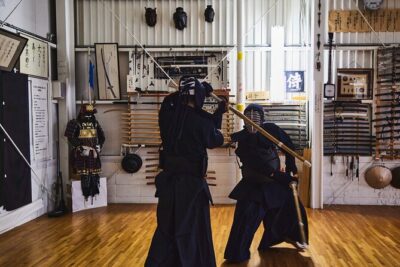
Browse the lists this tour appears in