Reviewed · GUIDED
Tokyo Small Group Tour with Guide
Tokyo hits you fast. This tour works because it gives you a clean route, a tight time window, and a local guide who connects the dots between places that look totally separate on a map. You start near the Imperial Palace area, then move through Asakusa, Harajuku, and up to Shibuya Crossing, with stops chosen to help you learn Tokyo without planning every turn.
Two things I really like about this experience are the small-group size and the guide-led context. With a maximum of 15 travelers, you get commentary that actually lands, and guides have been praised by name, like Mary, Coral, Daniel, Suzana, and Tomas. One thing to consider is the walking. This is an all-day route, and one review specifically flagged the pace as over 20,000 steps, so comfortable shoes are not optional.
Key highlights at a glance
- Small-group limit of 15 travelers so you are not lost in a crowd
- Hand-picked expert guide with culture and history woven into the walk
- Iconic photo stops like Nijubashi Bridge and Shibuya Crossing
- Smart route for first-time bearings across Imperial, old Tokyo, and modern neighborhoods
- All admissions listed as free at the major sights on the schedule
A Tokyo walk that helps you orient fast (and actually remember it)
Tokyo is big. It can also feel confusing, especially if it is your first few days. This tour is designed to solve that with a set path and guide commentary as you move. The result is that you leave knowing where key neighborhoods sit relative to each other, not just ticking off landmarks.
I like that the itinerary mixes eras in a logical sequence. You begin with the Imperial Palace East Gardens area and classic views like Nijubashi Bridge. Then you shift to old Tokyo with Asakusa and Senso-ji. After that, you ride the energy of Harajuku and Shibuya, and you finish with the quieter reset of Meiji Jingu. That contrast helps the city make sense in your head.
The other reason this works is the guide does more than point. Reviews highlight guides explaining customs, beliefs, and local perspective. That is the difference between seeing a shrine sign and understanding why people behave the way they do.
Also on the shortlist for Tokyo:
- Mt Fuji and Hakone 1-Day Bus Tour Return by Bullet Train
★ 5.0 · 26,383 reviews - 1-Day Tokyo Bus Tour
★ 5.0 · 14,250 reviews - Tokyo: TOKYO SKYTREE® Admission ticket
★ 4.5 · 11,192 reviews
Meeting at Kokyo Gaien and starting right near the action
You meet at Starbucks Coffee – Kokyo Gaien Wadakura Fountain Park, at 3-1 Kōkyogaien, Chiyoda City. The start time is 9:00 am, which is smart. Morning Tokyo is usually calmer, and you get better momentum before the city heats up.
The tour uses a mobile ticket, and you are near public transportation at the start. That matters because if you need to adjust your arrival plan, you can usually find a straightforward route without stress. Confirmation is received at booking time, so you are not stuck guessing details day-of.
Once you meet your guide, you start a walking tour through central Tokyo. Expect a moderate fitness level, but do not think of this as a gentle stroll. You are moving for hours, so bring shoes you trust.
Imperial Palace East Gardens, Edo Castle Ruin views, and the Nijubashi moment
The first major stop is the East Gardens of the Imperial Palace, with a focus on the Edo Castle Ruin area. The schedule includes 1 hour here, and admission is listed as free. The payoff is the combination of manicured garden space and high-impact views, especially from the Nijubashi Bridge viewpoint.
If you have never visited this part of Tokyo, it can be surprisingly emotional in a quiet way. This is not just a pretty park. You are standing in the orbit of Japan’s imperial history and the layers of the city that came before modern streets took over.
Practical tip: take a few minutes to slow down around the bridge view. It is easy to rush because you will want photos, and you will also want to keep energy for the full day. The guide commentary helps you connect what you are seeing to how Tokyo developed.
Asakusa and Senso-ji through Nakamise-dori’s main drag
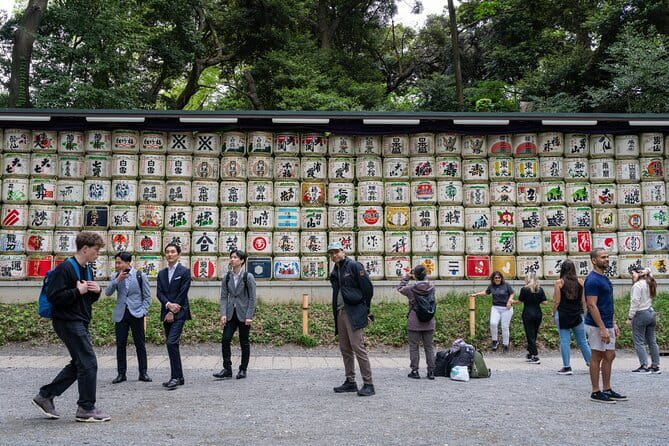
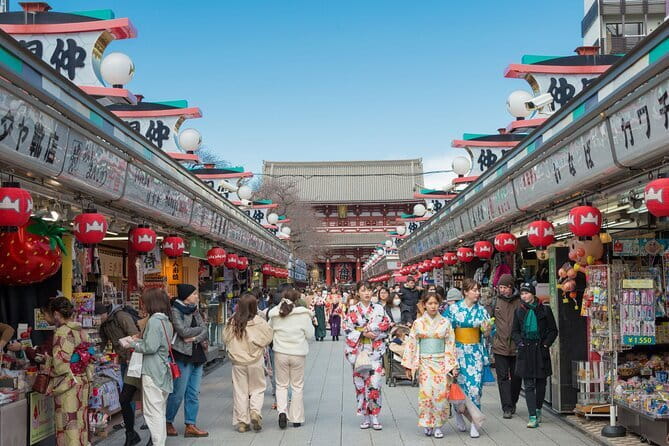
Next comes Asakusa, with about 3 hours at this stop. Admission is listed as free, and you will walk down Nakamise-dori Street, one of the area’s most active lanes.
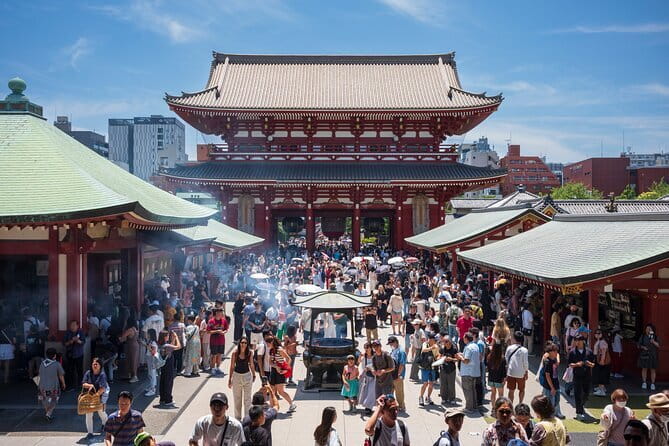
This is your best chance to see how traditional Tokyo feels up close. Senso-ji is the oldest Buddhist site in Tokyo, and the route is built so you experience both the approach and the main temple area rather than just arriving, taking a photo, and leaving.
What I look for in a guide at a place like this is practical context: what ceremonies mean, what behavior visitors notice, and how to navigate the crowd flow without losing your bearings. Reviews mention guides explaining customs and beliefs, and that kind of explanation is especially useful in a temple environment where actions have specific meanings.
One more thing: Asakusa can be sensory overload, in a good way. Give yourself time to slow down, not just speed from one highlight to the next. You will enjoy the rest of the day more if you do not burn out here.
A change of pace from Tokyo:
- Tokyo: teamLab Planets TOKYO Digital Art Museum Entry Ticket
★ 4.6 · 9,779 reviews - Mt Fuji & Hakone Cruise, Drum Show Bullet Train 1 Day from Tokyo
★ 4.0 · 7,413 reviews - Tokyo: Sumo Show Experience with Chicken Hot Pot and a Photo
★ 4.8 · 6,678 reviews - Tokyo: Shinjuku Food Tour (13 Dishes at 4 Local Eateries)
★ 5.0 · 6,603 reviews
Harajuku Station and the colorful contrast to old Tokyo
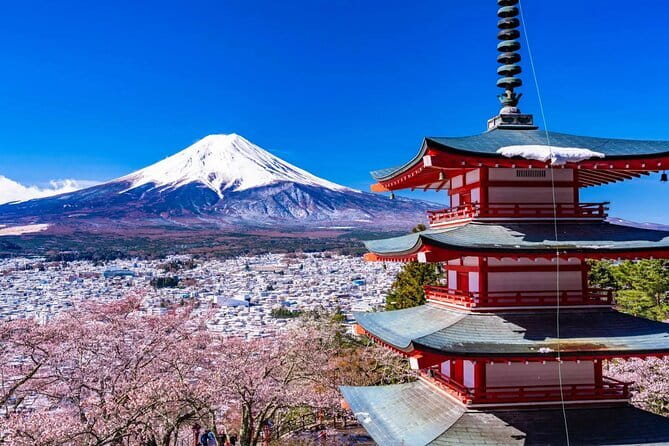
After Asakusa, you head to Harajuku Station for about 1 hour 30 minutes. Admission is listed as free. This is where the tour shifts from traditional atmosphere to youth culture and street energy.
Harajuku can be overwhelming if you show up with no idea where to look. That is where the guide helps. You learn what to watch for, what streets and sights tend to be most worth your time, and how this neighborhood differs from what you just saw in Asakusa.
I also like the way this stop sits inside the overall route. By the time you get to Harajuku, you have already processed history and architecture at the earlier sites. Harajuku then becomes a contrast you can feel, rather than another place on a list.
If you want photos, this is a good stretch of the day for it, but do not forget the basics: hydration, a quick snack if you need one, and a moment to reset your feet.
Shibuya Crossing photo stop, then move on before fatigue hits
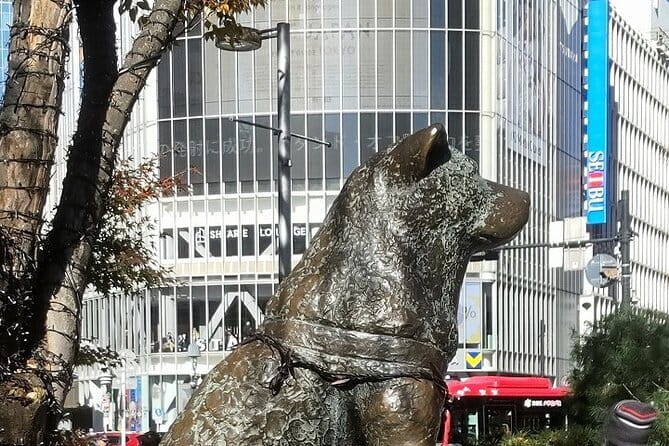
The tour includes a 30-minute stop at Shibuya Crossing. Admission is listed as free, and the tour ends at Shibuya Station after you watch the crossing in action.
This is the part of Tokyo many people picture before they arrive. The big crowds, the constant movement, the layers of glass and neon, and the feeling that the city runs on schedules you cannot see. You are not meant to linger all day here, though. Thirty minutes gives you the hit without turning the entire final stretch into a grind.
Practical advice: treat this as your “eyes-on, shoes-still” moment. Watch the crossing for a full cycle, get your photos, then let the guide move the group. If you try to explore too much on your own around here, you may end up losing time and standing longer than you planned.
Meiji Jingu Shrine, the calm reset after Shibuya

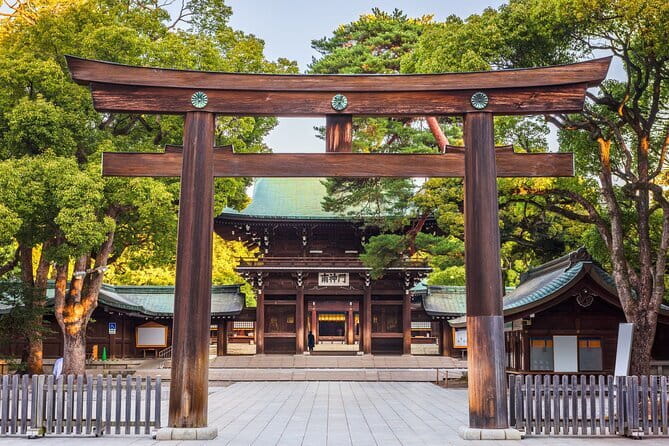
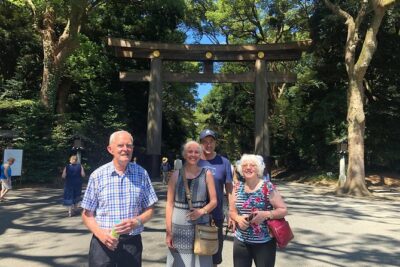
The final big sight is Meiji Jingu Shrine, with 1 hour 30 minutes. Admission is listed as free. This is a strong closing choice because it is a completely different mood from Shibuya.
Meiji Jingu gives you a forested, reflective feeling right in the middle of Tokyo. It also rewards visitors who paid attention earlier. By the time you reach Meiji Jingu, you have already been through old Buddhist Tokyo in Asakusa and modern street culture in Harajuku and Shibuya. The shrine becomes the balance point.
In particular, guides tend to explain shrine etiquette and what people do when visiting. That is exactly what you want on your last stop, because it turns the experience from scenic into meaningful.
Take your time walking inside the shrine grounds, but also remember this is your last chunk of the day. Keep an eye on your energy so you can enjoy the end, including the transition back toward Shibuya Station.
Group size and guide style, why the tour feels personal
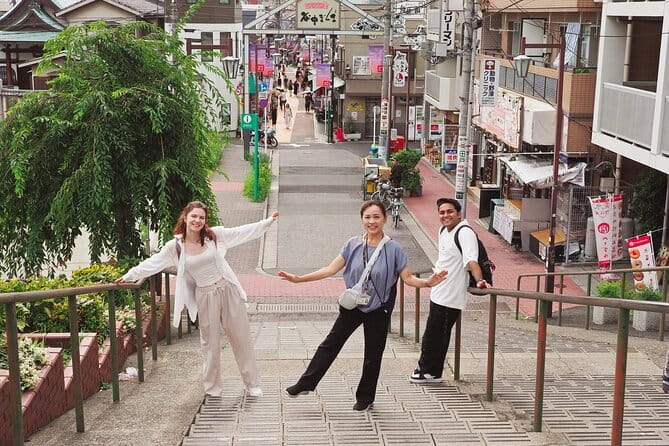
With a maximum of 15 travelers, this is the kind of group where the guide can adapt to what you are interested in. Reviews repeatedly praise guides by name, including Mary, Coral, Daniel, Suzana, and Tomas.
What stood out across those comments is not just facts, but the way guides turn facts into understanding. One review described a guide explaining customs and beliefs with real insight into Japanese culture. Another mentioned seeing rail lines and the city’s infrastructure from a new angle. Even if you did not plan to obsess over transportation, that kind of context makes Tokyo feel less like a maze.
Also, because the group is small, you can generally ask questions without waiting. If you care about how people behave at temples and shrines, or why neighborhoods feel the way they do, this size helps you get answers.
Price and value: $99 for a full-day route with guide context
The price is $99 per person for a 7 to 8 hour guided walking tour. That might sound simple, but value comes from how much you cover and how much guidance you get along the way.
You are paying for three things:
- A clear route through multiple Tokyo districts
- A guide who supplies commentary so you are not just reading signs
- The convenience of having major stops aligned in one efficient day
And there is another value signal: the stops list free admission tickets for key sights on the schedule. That means your money goes toward the experience and guidance, not stacking paid entry fees.
Not included: personal travel insurance. That is standard, but it is on you. If you want coverage for health, trip interruption, or lost belongings, plan that separately.
Walking comfort and pacing, what to plan for day-of
This is a walking tour with a lot of movement across central neighborhoods. The tour notes a moderate physical fitness level, and you should assume you are on your feet for much of the day.
One review specifically warned about over 20,000 steps. You do not need to panic, but you should prepare like it is a serious walking day. Bring comfortable shoes, and consider lightweight layers you can adjust during the day.
A smart way to enjoy a route like this is to keep your goal realistic. Yes, get photos. Yes, see the highlights. But also leave space to enjoy the streets between stops, because Tokyo’s best moments often happen in the small spaces you did not plan.
Who this tour is best for (and who might want a different option)
This tour is ideal if you want a dependable first-day or early-trip plan. It gives you bearings across classic Tokyo, modern Tokyo, and a cultural reset at the end.
You will likely love it if:
- You hate trip planning and want a guide-led route
- You want to learn why things work, not just where they are
- You prefer small-group dynamics over bus-style tours
- You are okay with a full morning plus afternoon walking day
You might want a lighter option if:
- You have limited mobility or dislike long walks
- You plan to do intense shopping or nightlife right after, without rest
- You want a slower pace with extra time at each place
Should you book this Tokyo small-group guide tour?
If you are new to Tokyo, this is an easy yes. It covers the big-name sights people come for, plus it wraps them into a route that builds understanding as you go. The small-group size, combined with praised guide storytelling like Mary, Coral, Daniel, Suzana, and Tomas, is a strong sign you will not feel like you are just being marched through photo stops.
I would book it if you can handle a lot of walking and you want a clean way to learn Tokyo quickly. I would skip or consider an easier alternative if walking long distances wipes you out, because this tour is built as a full loop.
If the weather is poor, the experience requires good weather and you are offered a different date or a full refund. So it is also fairly low risk to plan around the conditions.
FAQ
How long is the Tokyo Small Group Tour with Guide?
It runs about 7 to 8 hours.
What is the group size limit?
The tour has a maximum of 15 travelers.
Where do I meet the guide, and what time does the tour start?
You meet at Starbucks Coffee – Kokyo Gaien Wadakura Fountain Park at 9:00 am.
Where does the tour end?
The tour ends at Shibuya Station, after you watch Shibuya Crossing in action.
What is included in the price?
The price includes a hand-picked expert tour guide. Personal travel insurance is not included.
What happens if the weather is bad, or if I need to cancel?
The tour requires good weather. If it is canceled due to poor weather, you will be offered a different date or a full refund. There is free cancellation, and you can cancel up to 24 hours in advance for a full refund.
Latest write-ups near Tokyo
- Tokyo Nights: Shibuya Photo Adventure★ 5.0 · 20 reviews
- Wagyu & Sake 8 Course Tasting Dinner in Shinjuku★ 4.9 · 20 reviews
- Making Japanese desserts Nerikiri & drinking matcha in Tokyo★ 5.0 · 20 reviews
- Japanese Whisky Hunting《HIGH-QUALITY-ONLY》Rare Tasting Class★ 5.0 · 20 reviews
- Mt. Fuji 5th Station, Owakudani Ropeway, Pirate Ship plus Outlet shopping!★ 4.5 · 20 reviews
- Kintsugi Experience with Arita Ware in Tokyo (English Guide)★ 4.8 · 20 reviews
- This is Asakusa! A Tour Includes the All Must-Sees!★ 5.0 · 20 reviews
- Tokyo: Karate Experience with Former All-Japan Champion★ 5.0 · 20 reviews
Guided, compared.
Tokyo 6hr Private Tour with Government-Licensed Guide
Read our review →
Shinjuku Local Bar and Izakaya Guided Walking Tour
Read our review →
Private City Highlights Tour with Local Guide
Read our review →
Kyoto Early Morning Tour with English-Speaking Guide
Read our review →
Tokyo 4hr Private Tour with Government-Licensed Guide
Read our review →
Kyoto 6hr Private Tour with Government-Licensed Guide
Read our review →